As India witnessed Lionel Messi up close, it offers the perfect moment to reflect on the life, legacy and magic of football’s enduring legend.
By Nichola Marie
When Lionel Messi arrived in India in December 2025 for his much-anticipated visit, it was more than the arrival of a football superstar — it was the coming together of cultures united by a shared love for the beautiful game. Across cities and venues, Messi was welcomed with extraordinary warmth, enthusiasm and admiration, reflecting the deep emotional bond Indian fans have forged with global football icons over the years.
His visit began in Kolkata, a city long known as the spiritual home of Indian football. From the moment he arrived, the affection was astounding — murals, banners and a towering statue celebrating his World Cup triumph stood as tributes to a player many here regard as the greatest of all time. The fervour surrounding his appearance at Salt Lake Stadium underscored just how deeply Messi resonates with Indian supporters. While the scale of enthusiasm occasionally tested logistics, the overwhelming sentiment was one of joy and pride at hosting a sporting legend of his stature.
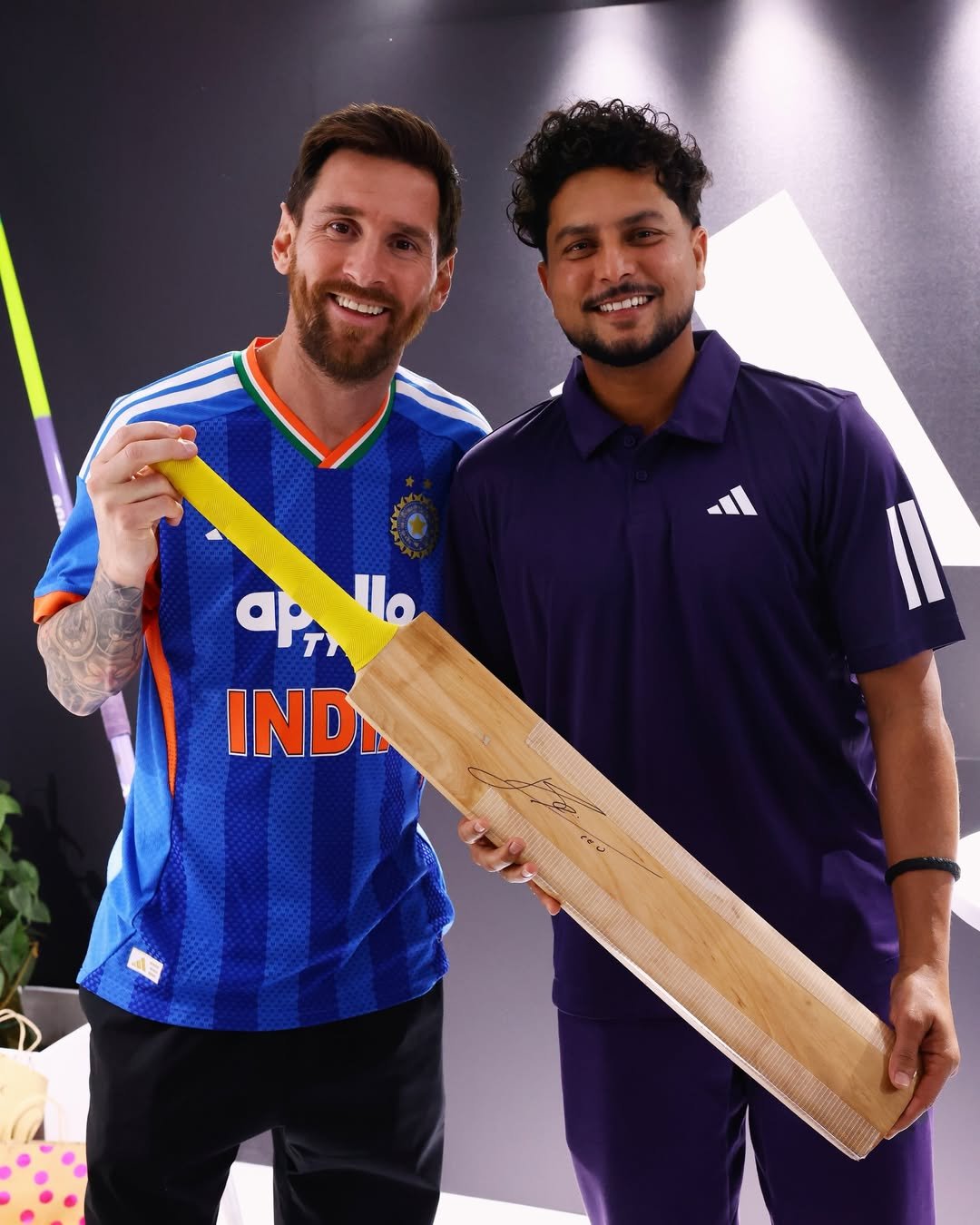
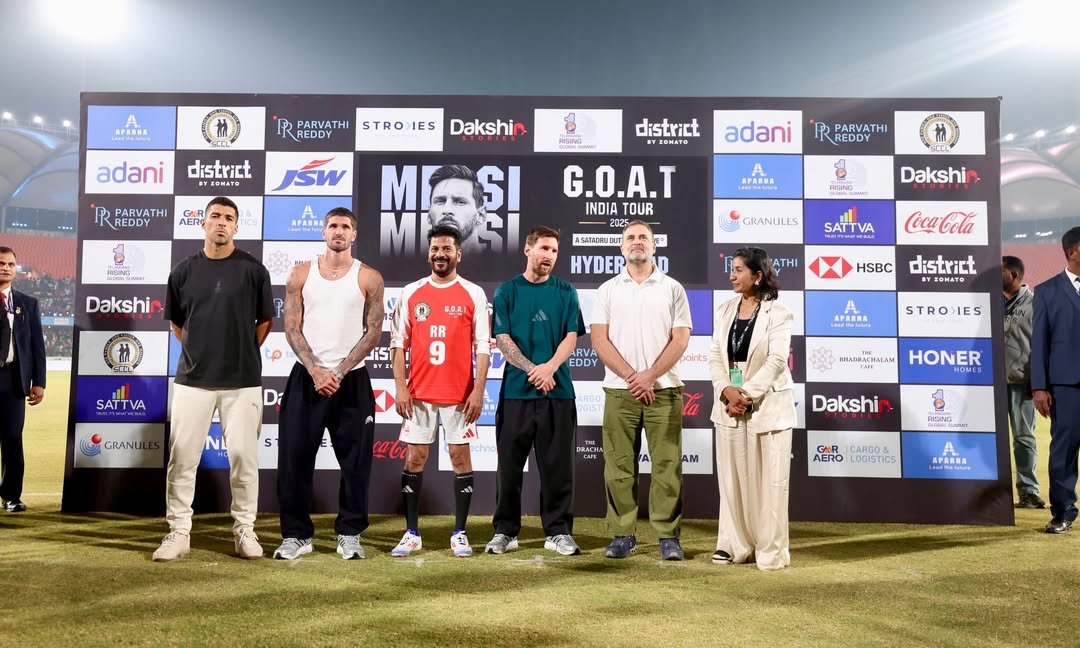
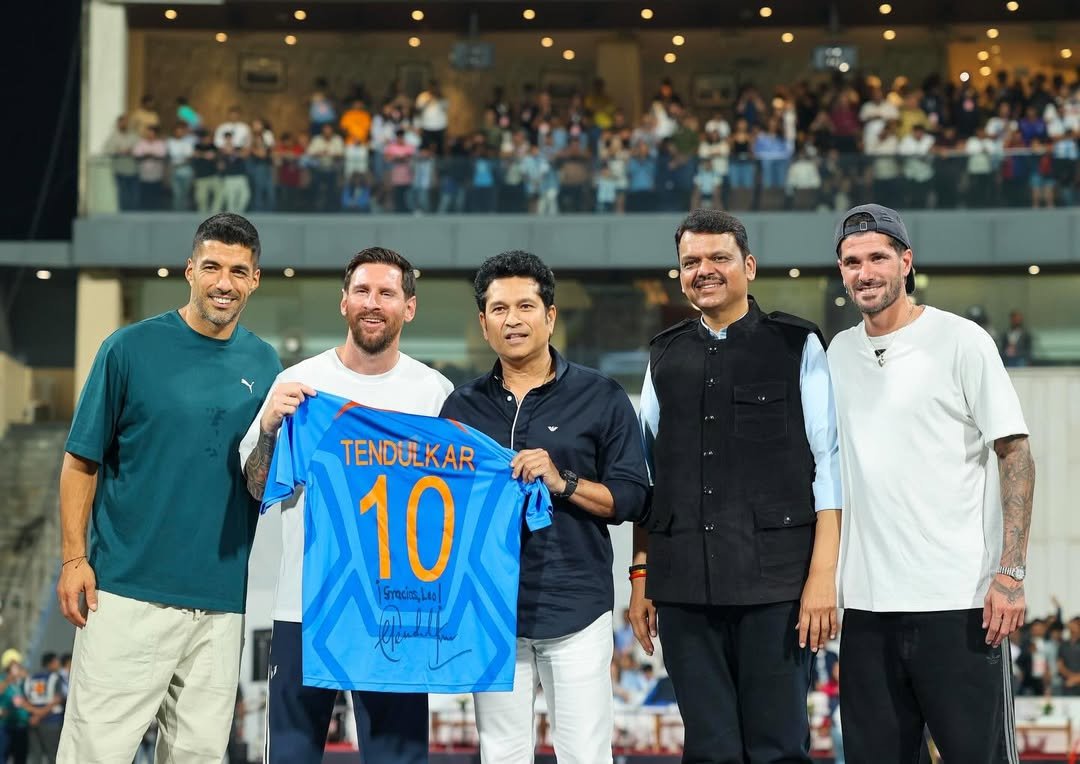
From Kolkata, Messi’s journey continued to Hyderabad, Mumbai and New Delhi, where his interactions highlighted both his sporting legacy and his approachable persona. In each city, he met fans, young footballers and sporting figures, taking time to acknowledge the growing interest in football across India. In Mumbai, a meeting with cricket icon Sachin Tendulkar and Indian football captain Sunil Chhetri became one of the most talked-about moments of the tour — a symbolic coming together of sporting greats across disciplines. Chhetri presented Messi with a signed Indian jersey, a gesture that captured the mutual respect between two generations of football excellence.
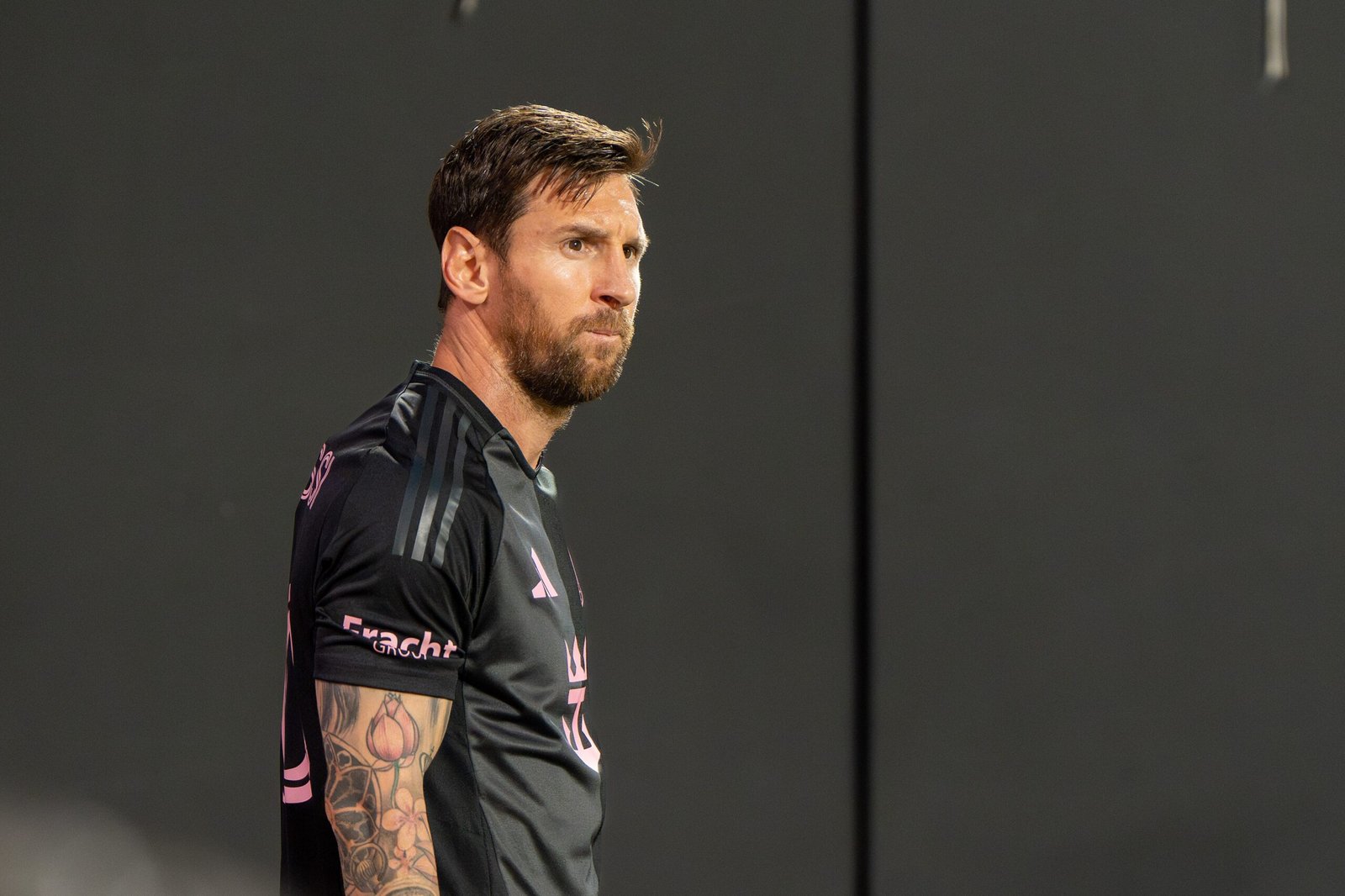
In New Delhi, Messi spent time engaging with young players and enthusiasts, offering encouragement and sharing brief moments on the pitch. His message was consistent and heartfelt — appreciation for the passion of Indian fans and optimism about the future of football in the country. “The love here is incredible,” Messi remarked during the visit, adding that he hoped to see the sport continue to grow across India.
The tour concluded on a quieter, deeply meaningful note in Jamnagar, Gujarat, where Messi visited Vantara, the world-class wildlife rescue and rehabilitation centre. Away from stadiums and spotlights, the visit reflected another side of the footballer — one marked by curiosity, compassion and respect for nature. Welcomed with traditional Indian hospitality, Messi interacted with caregivers and conservation teams and witnessed first-hand the work being done to protect rescued animals. As a token of appreciation, he was supposedly presented with a rare Richard Mille timepiece, while he, in turn, expressed admiration for the centre’s mission and scale.
Sharing glimpses of the journey on social media, Messi thanked Indian fans for their warmth and generosity, describing the experience as memorable and inspiring. His visit left behind more than photographs and headlines — it sparked conversations, inspired young athletes and reaffirmed India’s place on the global sporting map.
The Making Of The Greatest Of All Time
As Messi concluded his India visit, the overwhelming affection he encountered — from packed stadiums to quiet moments of cultural exchange — felt like more than celebrity adulation. It was reverence. Few athletes command such universal admiration across borders, languages and generations. The warmth of India’s welcome was not simply for a World Cup winner, but for a player whose relationship with the game has transcended sport itself. To understand why Messi is widely regarded as the greatest of all time is to look beyond trophies and into the essence of his journey.
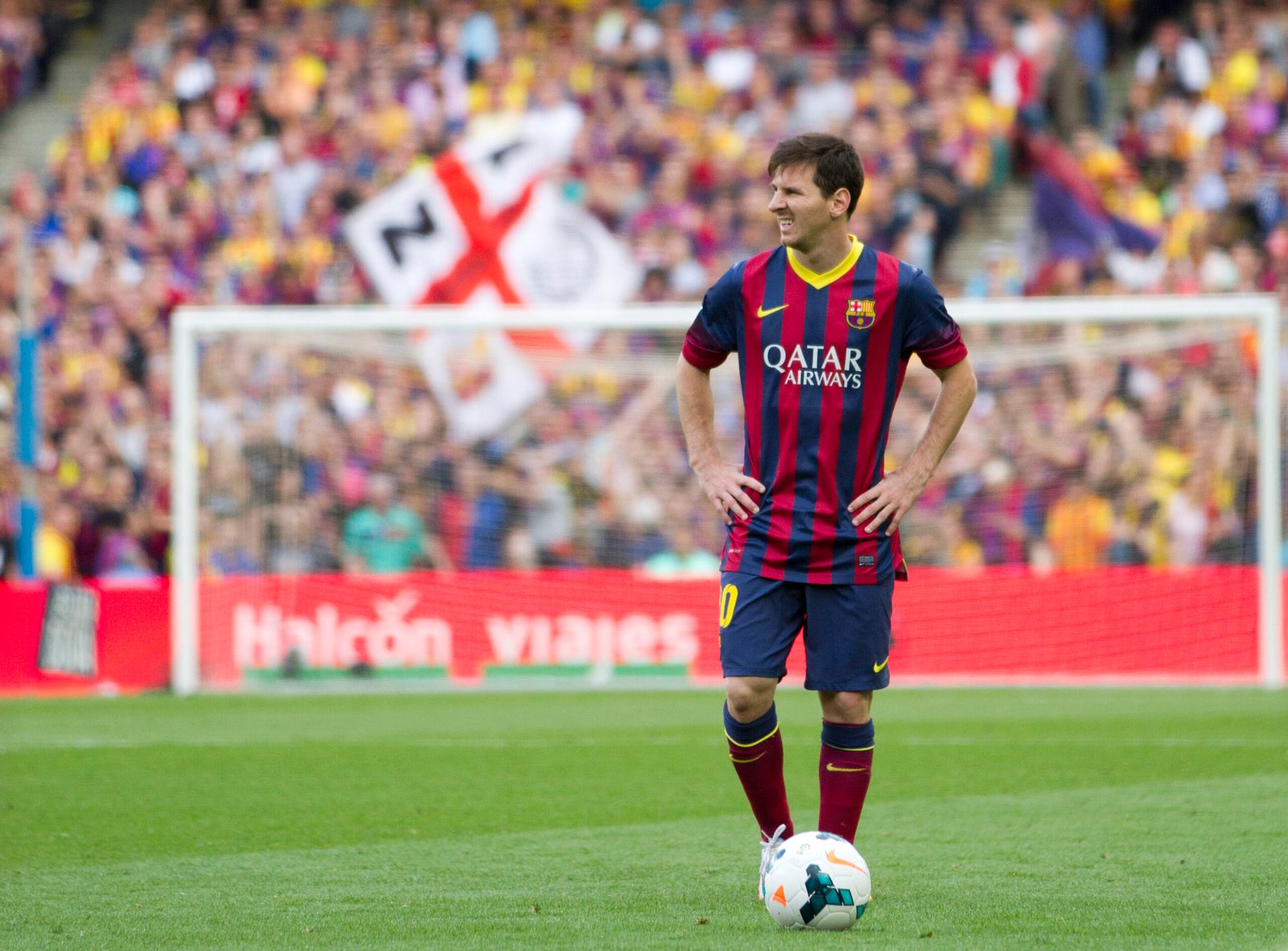
Greatness in football is often measured in numbers: Goals scored, titles won, records broken. By those metrics alone, Messi’s case is formidable. Yet his legacy resists simple accounting. What elevates him into a category of his own is not merely what he has achieved, but how he has carried those achievements — with humility, consistency and an enduring sense of joy.
Where Genius Meets Grace
From Rosario to Barcelona, from the pressure of international tournaments to the global embrace witnessed during his India visit, Messi’s journey has been defined by an extraordinary balance of genius and restraint. He has never demanded attention; it has followed him regardless. On the pitch, his mastery lies not in brute force or theatrics, but in intelligence, intuition and an almost poetic understanding of space.

Born in Argentina and diagnosed in childhood with a growth hormone deficiency, Messi’s future once appeared uncertain. Barcelona’s decision to bring him to La Masia was an act of belief — but belief alone does not create legends. What followed was the result of relentless discipline, deep emotional resilience and an instinctive bond with the ball that seemed almost otherworldly.
At FC Barcelona, Messi did more than win; he defined an era. Over nearly two decades, he became the club’s all-time leading scorer and the focal point of a style of football that prized movement, precision and collective intelligence. His partnership with teammates, his ability to create and finish chances, and his knack for delivering in decisive moments made him indispensable — not as a commanding leader in the traditional sense, but as a quiet constant around which greatness revolved .
Long Road To Redemption
What truly sets Messi apart is his consistency at the highest level. Season after season, across competitions and continents, he delivered performances that felt routine only because he made the extraordinary look effortless. His dribbling — close control at speed, changes of direction executed in fractions of a second — rewrote defensive logic. His vision allowed him to see passes others could not imagine. And his goals, whether delicate chips or thunderous strikes, carried a signature calmness that reflected his temperament.
Yet for much of his career, one narrative followed him relentlessly: International success. Despite individual brilliance, major trophies with Argentina proved elusive for years, casting an unfair shadow over his achievements. The weight of expectation grew heavier with each tournament. Where others might have retreated, Messi endured — absorbing criticism, carrying responsibility and returning, time and again, to serve his country.
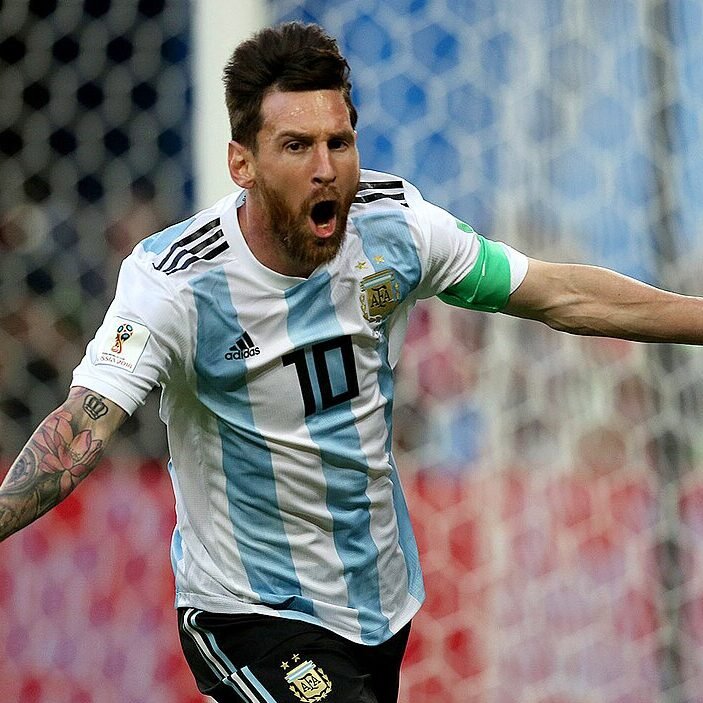
That perseverance found its defining release in the 2022 FIFA World Cup. Messi’s performances throughout the tournament were not merely brilliant; they were deeply human. He led not through volume, but through presence — guiding a young Argentine squad with composure, belief and quiet authority. When Argentina lifted the trophy, it felt less like a victory than a completion. The final piece had fallen into place.
Why Messi Endures
Beyond titles and technique, Messi’s greatness lies in his relationship with the game itself. He plays not to dominate headlines, but to express something purer. Even now, watching him on the pitch evokes a sense of wonder — a reminder of why football captivates in the first place. Children imitate his movements; professionals study his decisions. Fans across cultures see in him a reflection of possibility.
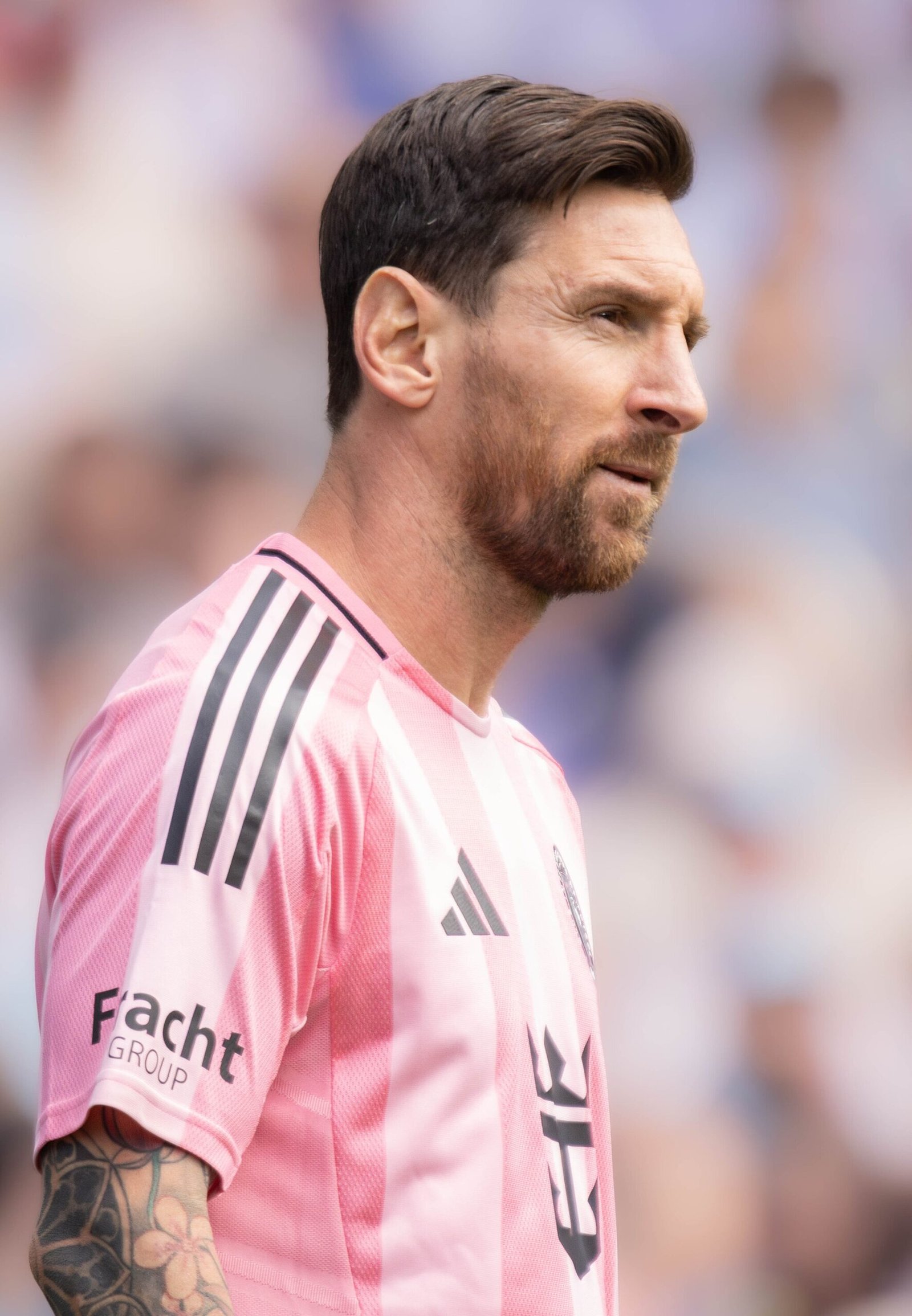
His recent years — from Paris to Miami — have further reinforced his global resonance. In Major League Soccer, Messi has elevated the league’s profile while remaining true to his style. He has adapted without compromise, proving that greatness is not bound by geography or age.
Equally compelling is the man away from the pitch. Reserved, family-oriented and deeply private, Messi has never courted controversy. His leadership is understated, his influence organic. In an era often defined by spectacle, his authenticity stands out. During his India visit, this quiet grace was evident — in the way he engaged with fans, acknowledged cultural gestures and carried himself with genuine warmth. Perhaps that is why the GOAT debate, while endlessly discussed, often settles instinctively on Messi. Not because he is flawless, but because his story feels complete. He has known struggle and success, doubt and redemption. He has evolved without losing his essence.
Messi’s legacy is not just one of dominance, but of devotion — to craft, to country and to the simple joy of the game. Long after records are surpassed and debates fade, what will remain is the memory of watching someone who made football feel timeless. And in that quiet, enduring magic lies the truest definition of greatness.