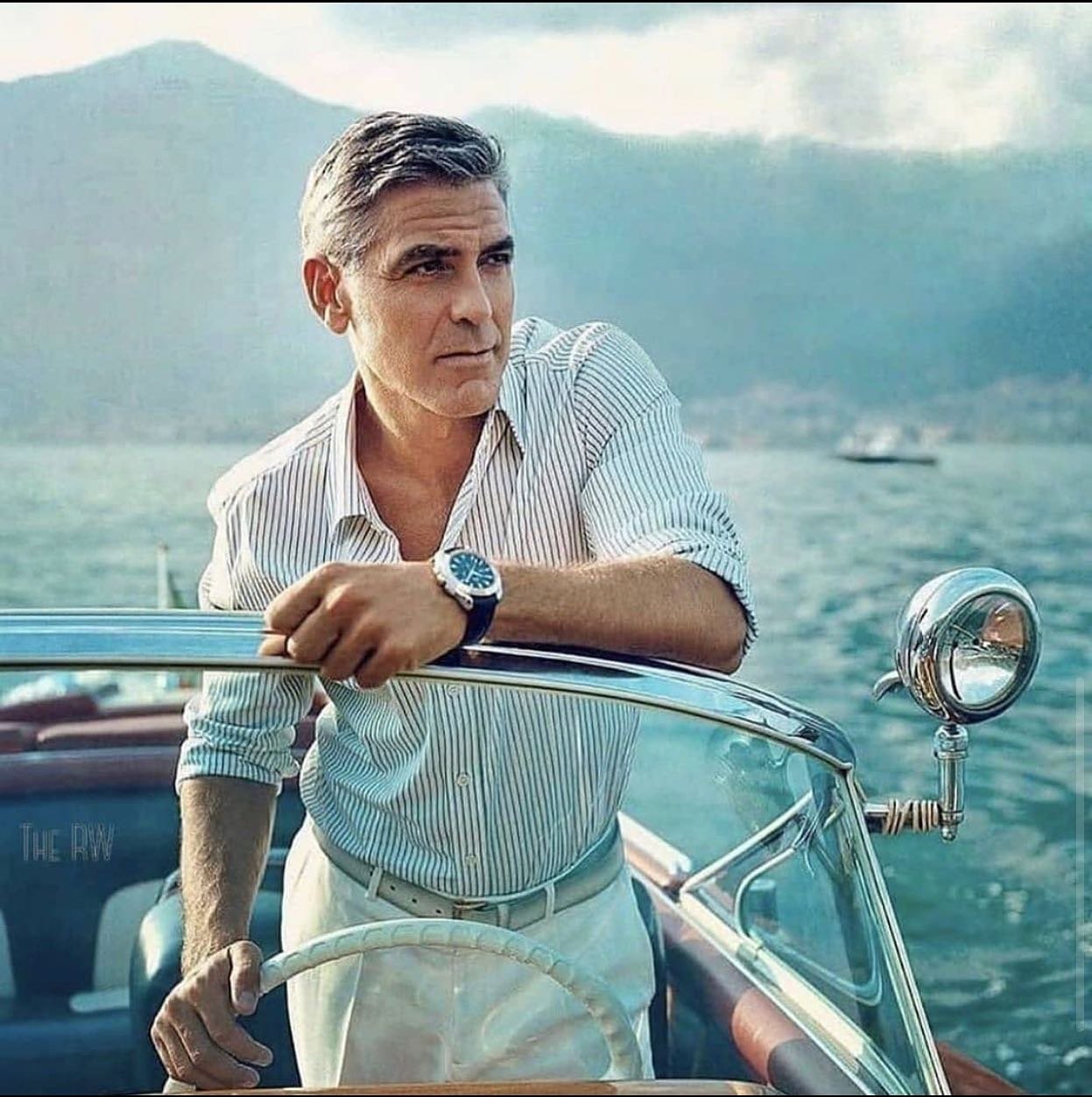
Actor, filmmaker and humanitarian, George Clooney has spent over three decades winning hearts on screen, while showing how influence — used thoughtfully and without theatrics — can draw attention to causes far larger than fame.
By Nichola Marie
“I can’t change policy, but I can make things louder.”
George Clooney’s words are direct and unpretentious, much like the way he has approached public life beyond cinema. At a time when celebrity activism is often viewed with suspicion, his statement feels refreshingly honest. He openly acknowledges the limits of his role. He does not claim to be a policymaker, a strategist, or a saviour. Instead, he speaks about visibility — about using fame to draw attention to stories and struggles that might otherwise be ignored. For Clooney, influence is not about speaking the loudest or positioning himself at the centre of every cause. He has often pointed out that the real work is done by journalists reporting from conflict zones, by humanitarian workers risking their lives, by lawyers fighting long legal battles, and by ordinary people caught in extraordinary circumstances. His contribution, as he sees it, is to help ensure that these voices are heard. By “making things louder,” he aims to amplify, not overshadow.
This perspective did not emerge overnight. It is the result of years spent observing power, storytelling, and responsibility — from childhood through a long and varied career in the public eye.
Roots In Storytelling & Truth
Born on May 6, 1961 in Lexington, Kentucky, George Clooney grew up in a home where stories mattered and public life was part of everyday conversation. His father, Nick Clooney, was a respected broadcast journalist, while his aunt, Rosemary Clooney, was a celebrated singer and actress. Media, performance, and public engagement were familiar territories, but acting was not Clooney’s first ambition.
As a teenager, he dreamed of becoming a professional baseball player. That dream ended after an unsuccessful tryout with the Cincinnati Reds. With few clear alternatives, Clooney gradually turned to acting and moved to Los Angeles in his early twenties. The early years were far from glamorous. He appeared in a string of television shows and sitcoms that failed to make an impression. For several years, success remained elusive.
His breakthrough finally came in 1994, when he was cast as Dr Douglas Ross in the NBC medical drama ‘ER’. The show became a global hit, and Clooney was suddenly a household name. His portrayal of the charming but flawed doctor earned him widespread recognition and firmly established him as one of television’s most popular stars.
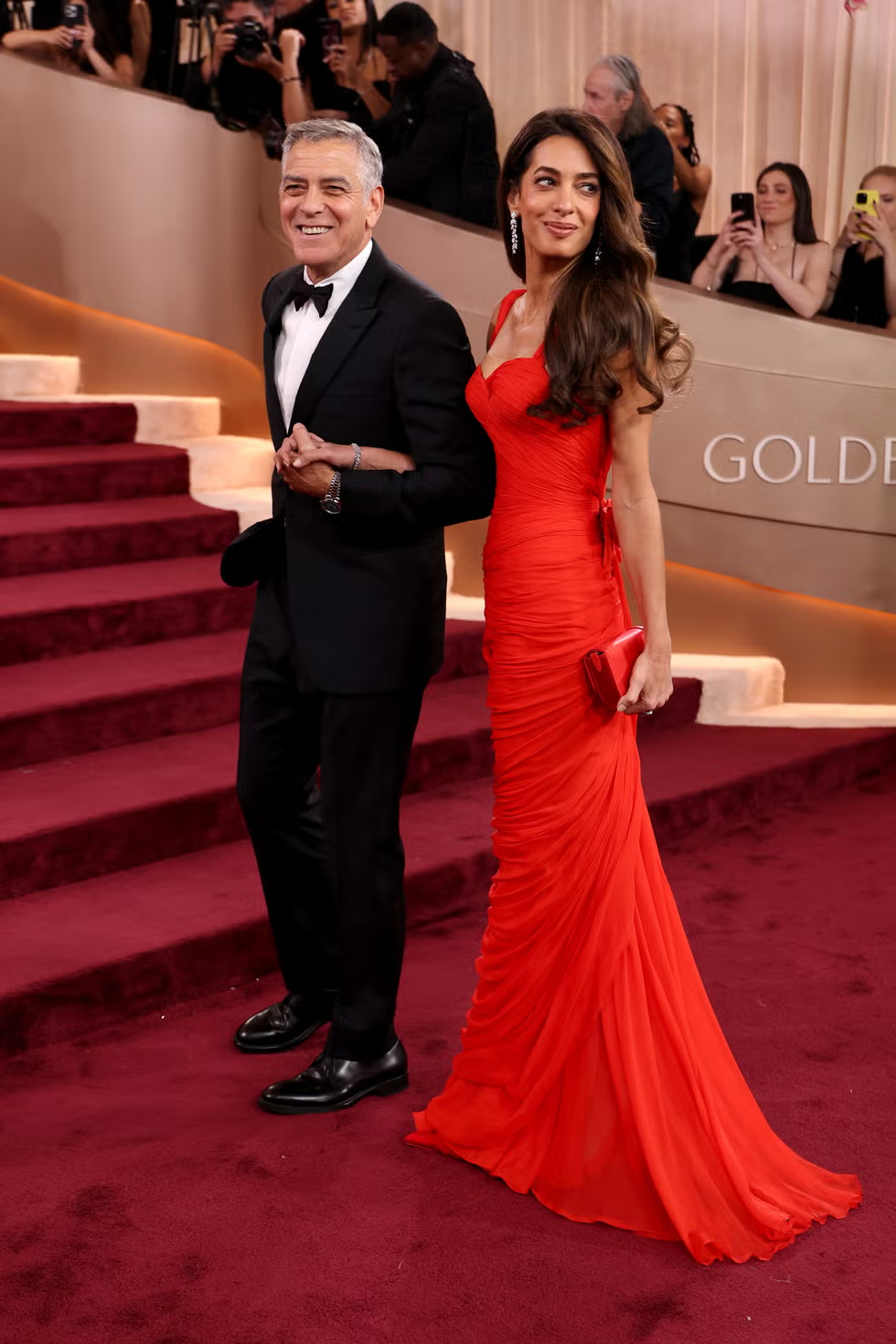
Yet even at the height of his success on ‘ER’, Clooney felt constrained. Television fame was rewarding, but he wanted more creative control and broader challenges. In 1999, he made the risky decision to leave the series and focus on films — a move that would shape the next phase of his career.
From Leading Man To Serious Actor
The late 1990s and early 2000s marked Clooney’s rise as a major filmstar. Movies such as ‘Out Of Sight’, ‘Three Kings’, and ‘O Brother, Where Art Thou?’ demonstrated his versatility, blending charm, humour, and depth. His role as Danny Ocean in ‘Ocean’s Eleven’ and its sequels turned him into the face of one of Hollywood’s most successful franchises, cementing his status as a leading man with mass appeal.
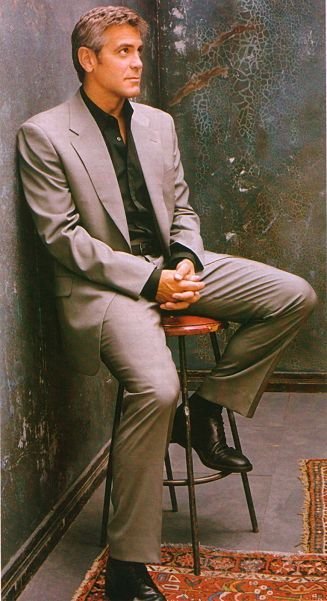
Despite this success, Clooney resisted being typecast. He deliberately sought roles that challenged his image and engaged with political and moral questions. His performance in ‘Syriana’ (2005) earned him an Academy Award for Best Supporting Actor. The film’s exploration of global oil politics reflected Clooney’s growing interest in international affairs and justice.
That same year, he directed ‘Good Night, And Good Luck’, a film focused on journalist Edward R Murrow’s stand against McCarthyism. Shot in black and white, the film was understated but powerful, underscoring Clooney’s belief in the importance of truth and accountability. These projects signalled a shift — he was no longer content with simply entertaining audiences; he wanted his work to provoke thought.
Cinema As Civic Engagement
As his career progressed, Clooney increasingly chose films that explored ethical dilemmas and personal responsibility. In ‘Michael Clayton’, he played a corporate lawyer confronting corruption. In ‘Up In The Air’, he portrayed a man whose detached professional life begins to feel hollow. Films like ‘The Ides Of March’ and ‘The Descendants’ continued this pattern, focusing on flawed individuals grappling with the consequences of their choices.
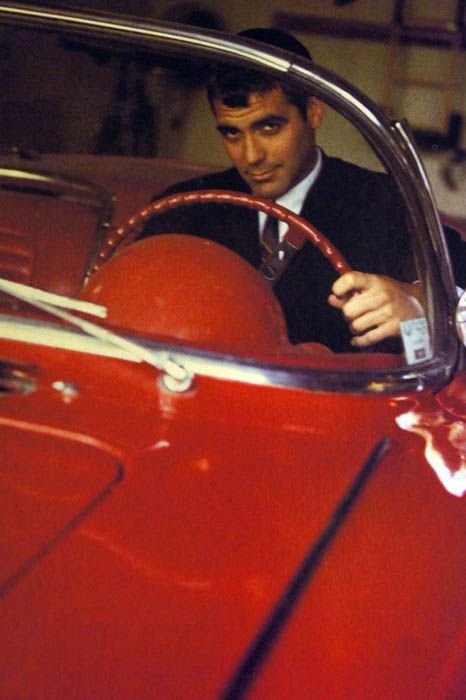
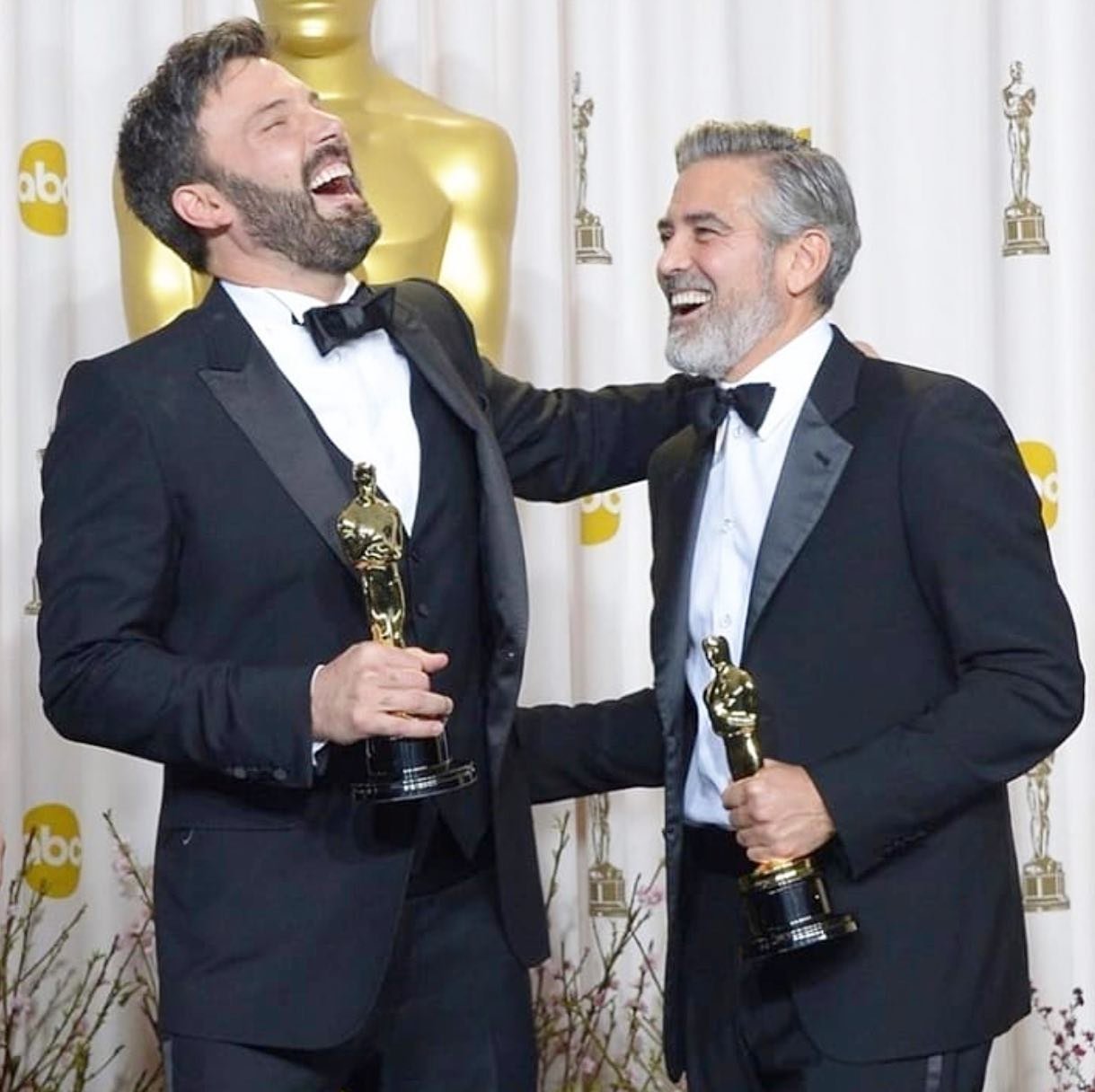
Behind the camera, Clooney remained equally engaged. ‘Argo’, which he produced, won the Academy Award for Best Picture. ‘The Monuments Men’ explored the protection of art during wartime, while ‘The Midnight Sky’ reflected on environmental collapse and human survival. These films, though varied in style, shared a concern with history, power, and moral responsibility.
Even later in his career, Clooney has avoided relying on past success. His Broadway adaptation of ‘Good Night, And Good Luck’ broke box-office records for a non-musical play, while recent performances continue to explore themes of ageing, identity, and relevance. For Clooney, creative restlessness remains a driving force.
Humanitarian Work: Quiet & Persistent
While acting brought Clooney fame, his humanitarian work has shaped his global reputation. A strong advocate for the First Amendment, he believes that silence can be as damaging as opposition when it comes to injustice. In 2006, Clooney travelled with his father to the war-torn Darfur region of Sudan. The experience had a lasting impact and led to his address before the United Nations Security Council. Since then, he has testified before Congress, worked with world leaders, and participated in peaceful protests — even facing arrest to draw attention to human rights violations.
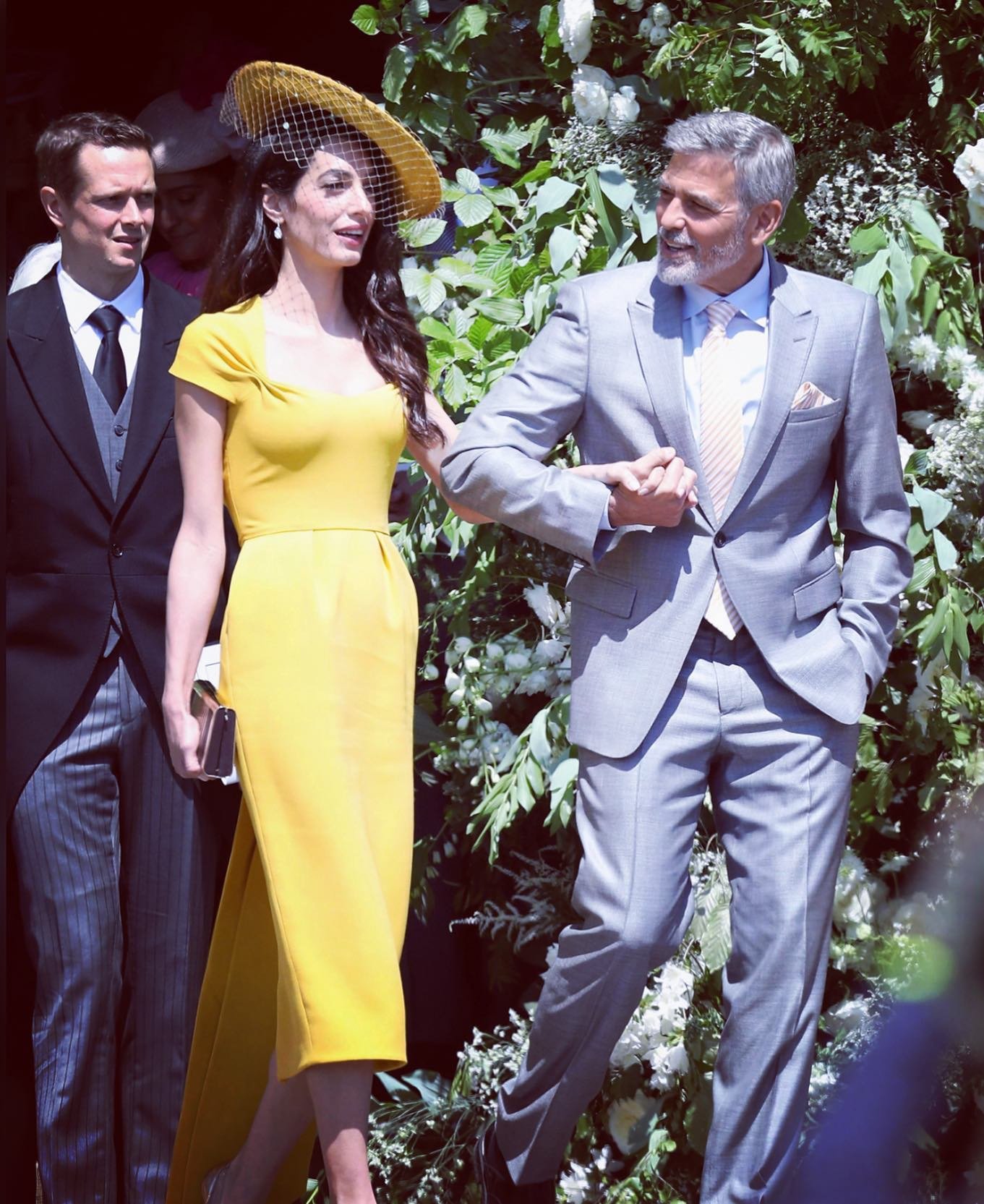
Clooney has also used his visibility to mobilise public support during crises. He produced major telethons such as Hope for Haiti Now, which raised a record $66 million. In 2010, he helped launch the Satellite Sentinel Project in collaboration with the UN, Harvard University, and Google. The initiative uses satellite imagery to monitor threats to civilians and document evidence of mass violence.
In 2015, Clooney founded The Sentry, an organisation dedicated to tracking financial corruption linked to human rights abuses. By following the money, the organisation aims to expose those responsible for violence and exploitation. The approach reflects Clooney’s belief that justice depends on evidence and accountability.
The Clooney Foundation For Justice
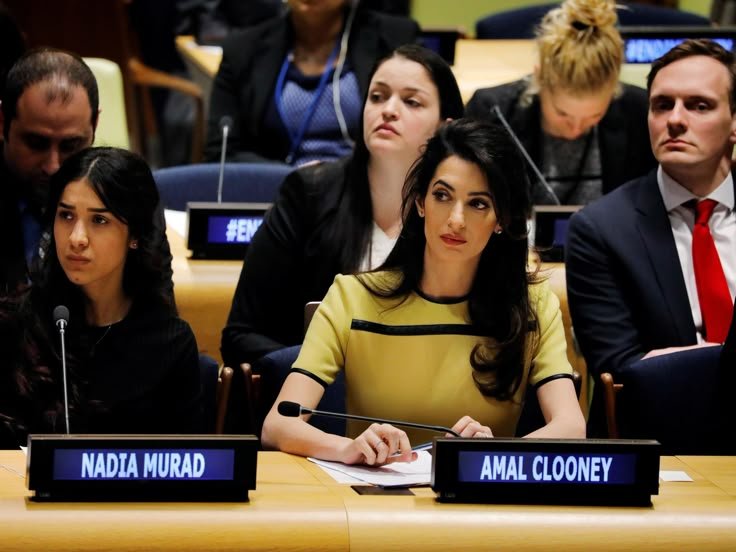
In 2016, George Clooney and his wife, international human rights lawyer Amal Clooney, co-founded the Clooney Foundation for Justice. One of its first major initiatives focused on educating refugees in Lebanon and was presented at a United Nations summit.
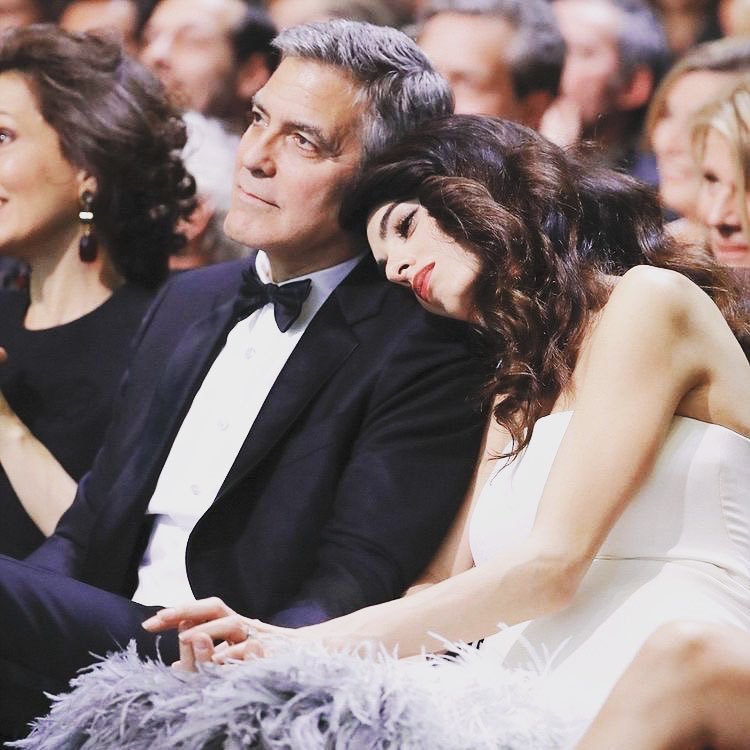
Since then, the foundation has expanded its work across several regions, supporting journalists, activists, and victims of war crimes. More recently, it has focused on documenting atrocities in Ukraine, emphasising the need for accountability and access to justice for those affected.
This work brings Clooney’s philosophy into clear focus. Rather than speaking for others, he aims to create platforms where victims and advocates can be heard.
Awards, Recognition & Perspective
Clooney’s achievements have been recognised with two Academy Awards, multiple Golden Globes, a BAFTA, and the Cecil B DeMille Award for Lifetime Achievement. In 2022, he received the Kennedy Center Honor, recognising both his artistic contributions and his public engagement.
Despite these accolades, Clooney has often downplayed awards, viewing them as milestones rather than endpoints. For him, the work itself — on screen and beyond — is what matters.
Personal Life & Legacy
Once known as Hollywood’s most eligible bachelor, Clooney surprised many when he married Amal Alamuddin in 2014. Their partnership brought a new dimension to his public life, grounded in shared values and intellectual engagement. The couple welcomed twins, Alexander and Ella, in 2017, and became naturalised French citizens in 2025.
Fatherhood, Clooney has said, has sharpened his sense of responsibility. The future now feels deeply personal. Clooney’s lasting influence lies not only in his stardom but in how carefully he uses it. He understands that fame is fleeting, but attention — when directed wisely — can have real impact.
In choosing to amplify others rather than dominate the conversation, Clooney has quietly redefined what it means to be an achiever in public life — proving that sometimes, making things louder is enough to help the world listen.