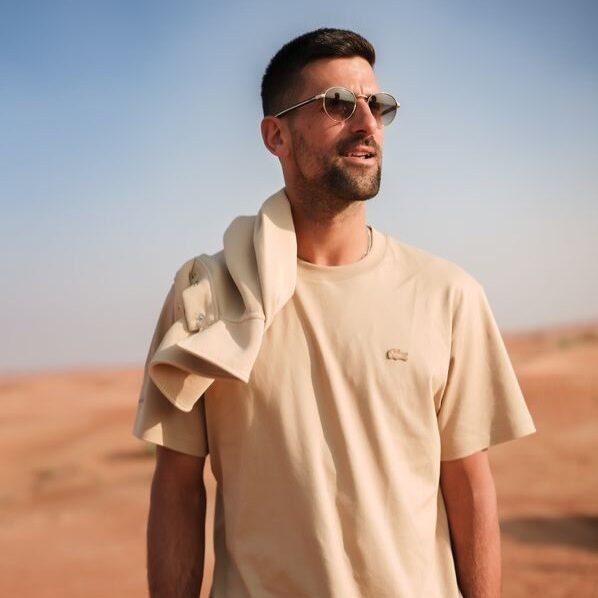
At 38, Novak Djokovic stands not only as tennis’s most decorated champion, but as a study in resilience, reinvention and relentless ambition.
By Nichola Marie
Even as he approaches the twilight of an extraordinary career, Novak Djokovic continues to be a defining figure in global sport. In early 2026, the Serbian great made headlines not for lifting another Grand Slam trophy, but for his evolving journey both on and off the court. After reaching the Australian Open final — his 21st appearance at the tournament and 81st at a major event — Djokovic’s pursuit of a record-extending 25th Grand Slam title was halted by rising star Carlos Alcaraz. Despite taking the first set, Djokovic succumbed 2–6, 6–2, 6–3, 7–5 in a gripping Rod Laver Arena duel, ending his perfect 10–0 record in Australian Open finals and allowing Alcaraz to complete the Career Grand Slam as the youngest man in history.
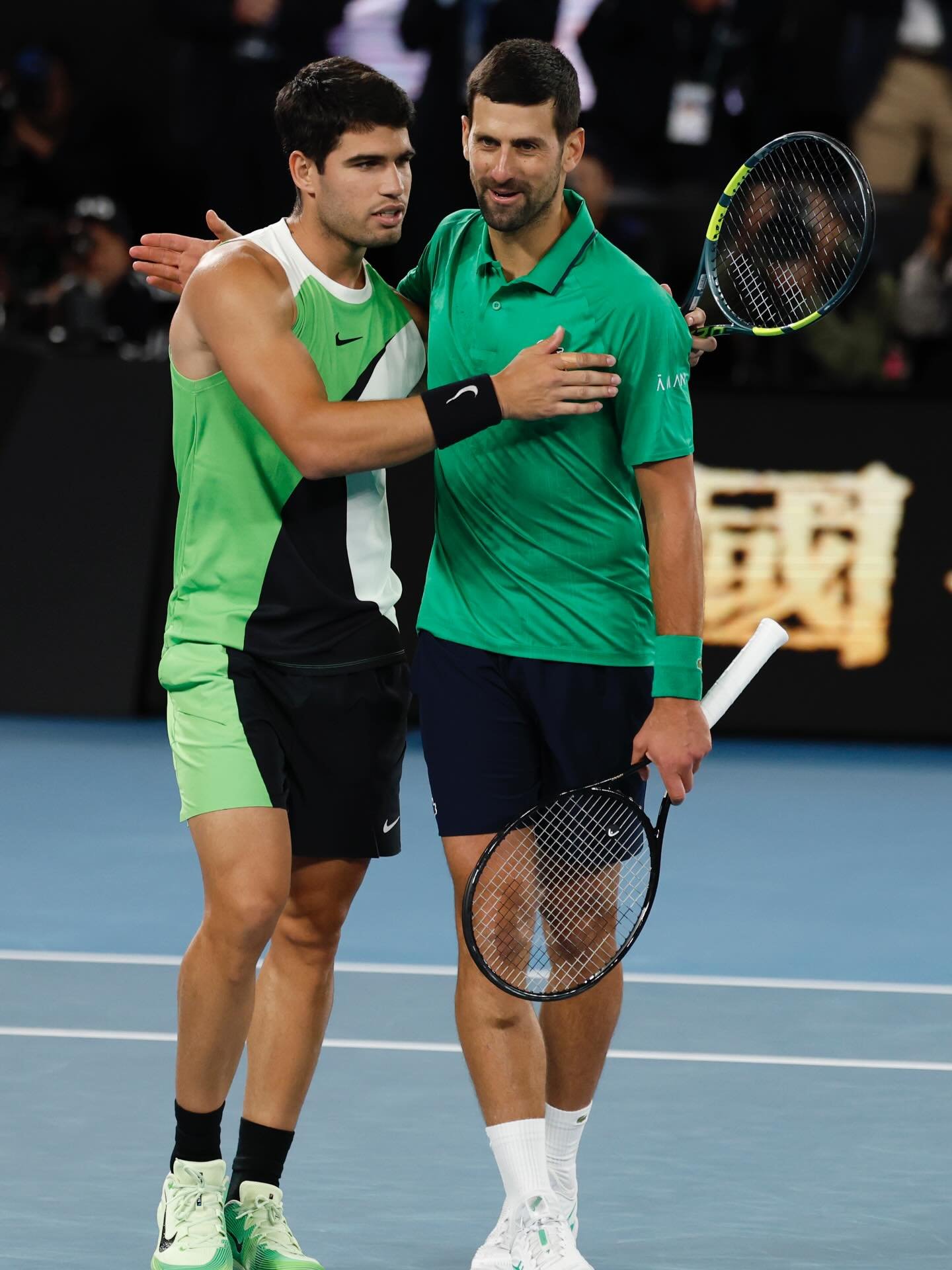
Shortly after, Djokovic withdrew from the Qatar ExxonMobil Open, citing fatigue as he recalibrates his schedule and rest for the long season ahead. Meanwhile, in an unexpected cultural twist, the tennis icon’s comments that he feels “Greek” amid his life in Athens, where his family now resides, sparked considerable interest.
But beyond individual matches or headlines lies a story of unparalleled resilience, discipline, and evolution — of what makes Djokovic one of the greatest athletes and achievers of his generation.
Roots Of Resilience
Born on May 5, 1987 in Belgrade, Djokovic’s early years were shaped by circumstance as much as by talent. Growing up in a country ravaged by conflict and sanctions in the 1990s, he experienced instability that many of his future contemporaries never had to confront. As he later reflected in an interview with NDTV, “Growing up in a war-torn country was a challenge. It definitely made me more hungry to represent my country — to send a message of peace, love, passion and joy.”
Tennis was an unlikely refuge at first — courts were sparse and resources even scarcer — yet Djokovic’s love for the sport was immediate. He often recounts that his “aha moment” came not with immediate dominance but with a dawning belief in his potential after his maiden Grand Slam win.
Making Of A Champion
Talent alone would not have carried Djokovic out of Serbia’s uncertainty and onto the world stage. Recognising his promise early, his parents made a courageous decision: At just 12 years old, he moved to Germany to train at the academy of renowned coach Nikola Pilić. It was a financial and emotional gamble for the family — one that required a sacrifice few outsiders fully appreciate.
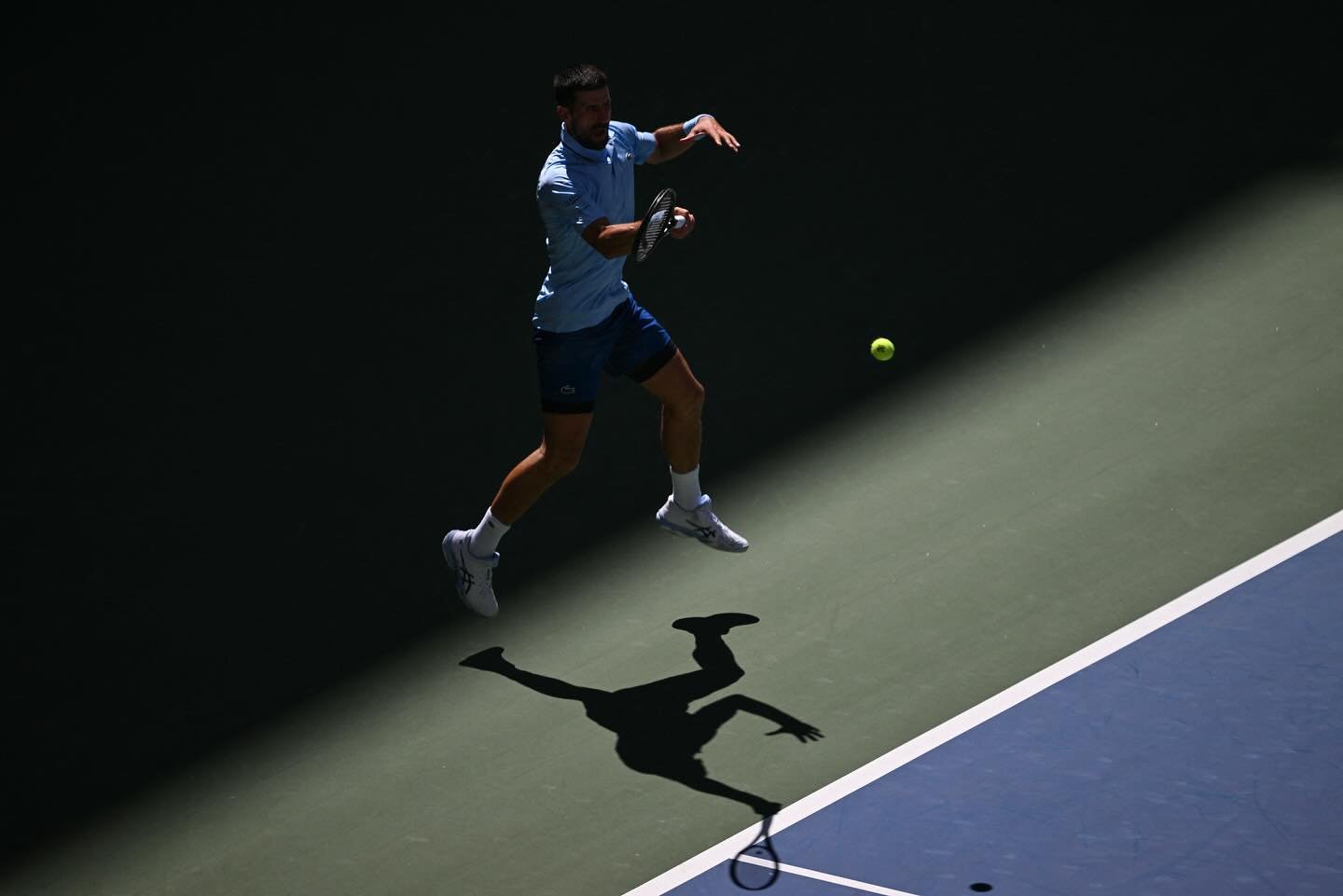
By his mid-teens, Djokovic was dominating the European junior circuit. Yet the leap to the professional tour demanded not just skill but stamina — physical, emotional and psychological. The early years on tour were marked by flashes of brilliance, tempered by inconsistency and questions about his endurance in long matches.
His first seismic breakthrough came at the 2008 Australian Open, where he captured his maiden Grand Slam title, defeating Jo-Wilfried Tsonga in the final. It was a statement: A new force had entered what was then a two-man era dominated by Roger Federer and Rafael Nadal.
But it was 2011 that transformed Djokovic from contender to colossus. That season, he compiled one of the greatest runs in tennis history — defeating both Federer and Nadal repeatedly, winning three Grand Slam titles, and establishing himself as World No. 1. What had once seemed an ambitious dream from Belgrade was now a sustained, undeniable reality.
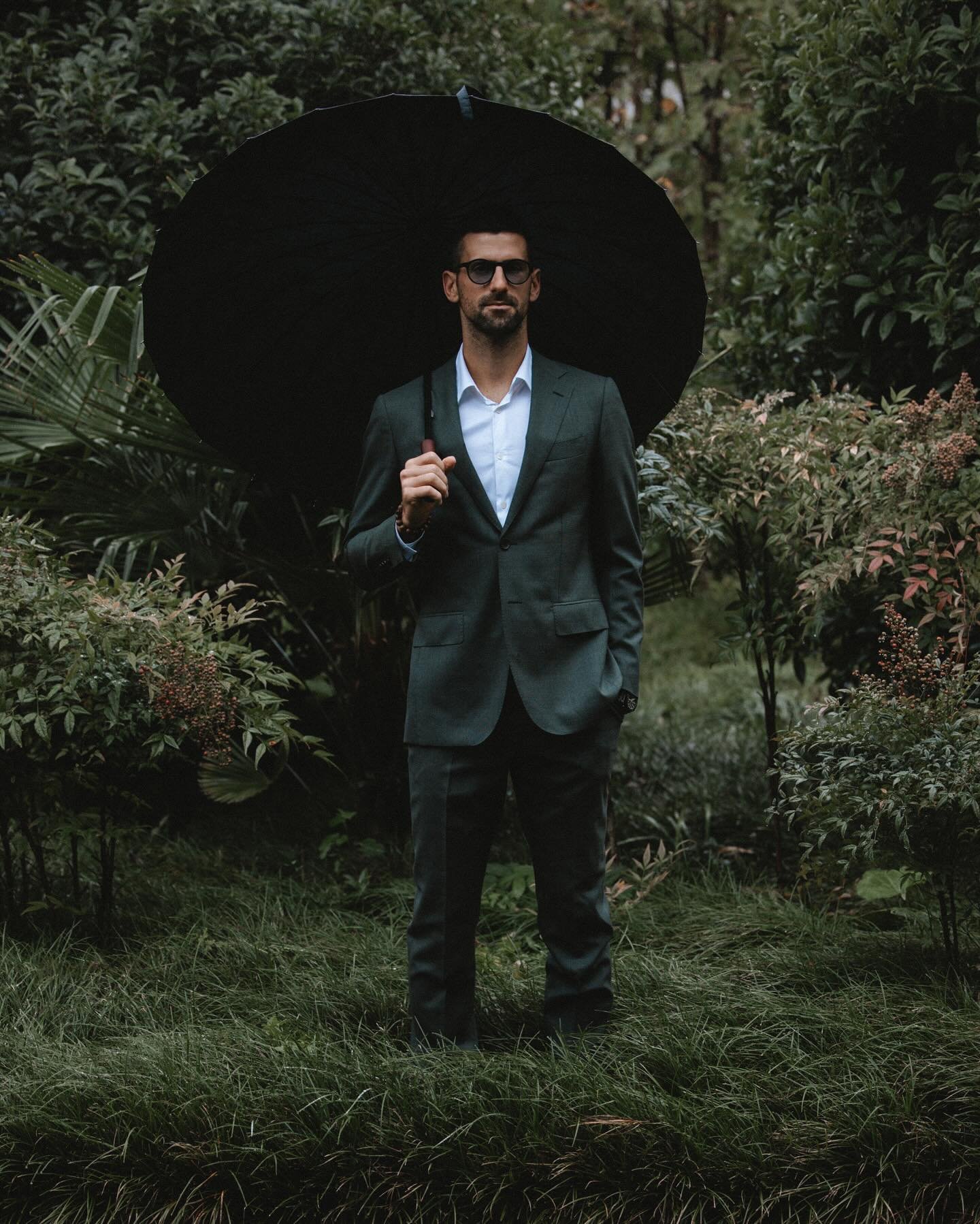
The boy shaped by instability had become the most stable competitor on tour.
Quest For History
In terms of raw numbers, Djokovic’s career is staggering. He holds the record for most weeks ranked World No. 1, has finished year-end No. 1 a record-equalling eight times, and is the only man to have won each Grand Slam at least three times.
At the 2026 Australian Open, Djokovic recorded his 400th Grand Slam singles match win — a milestone unmatched in men’s tennis — underscoring both longevity and excellence.
Beyond titles, Djokovic’s consistency across surfaces stands apart. He has amassed more match wins in men’s Slams than any other player in the Open Era and is the only man to record 100+ wins on multiple Grand Slam surfaces.
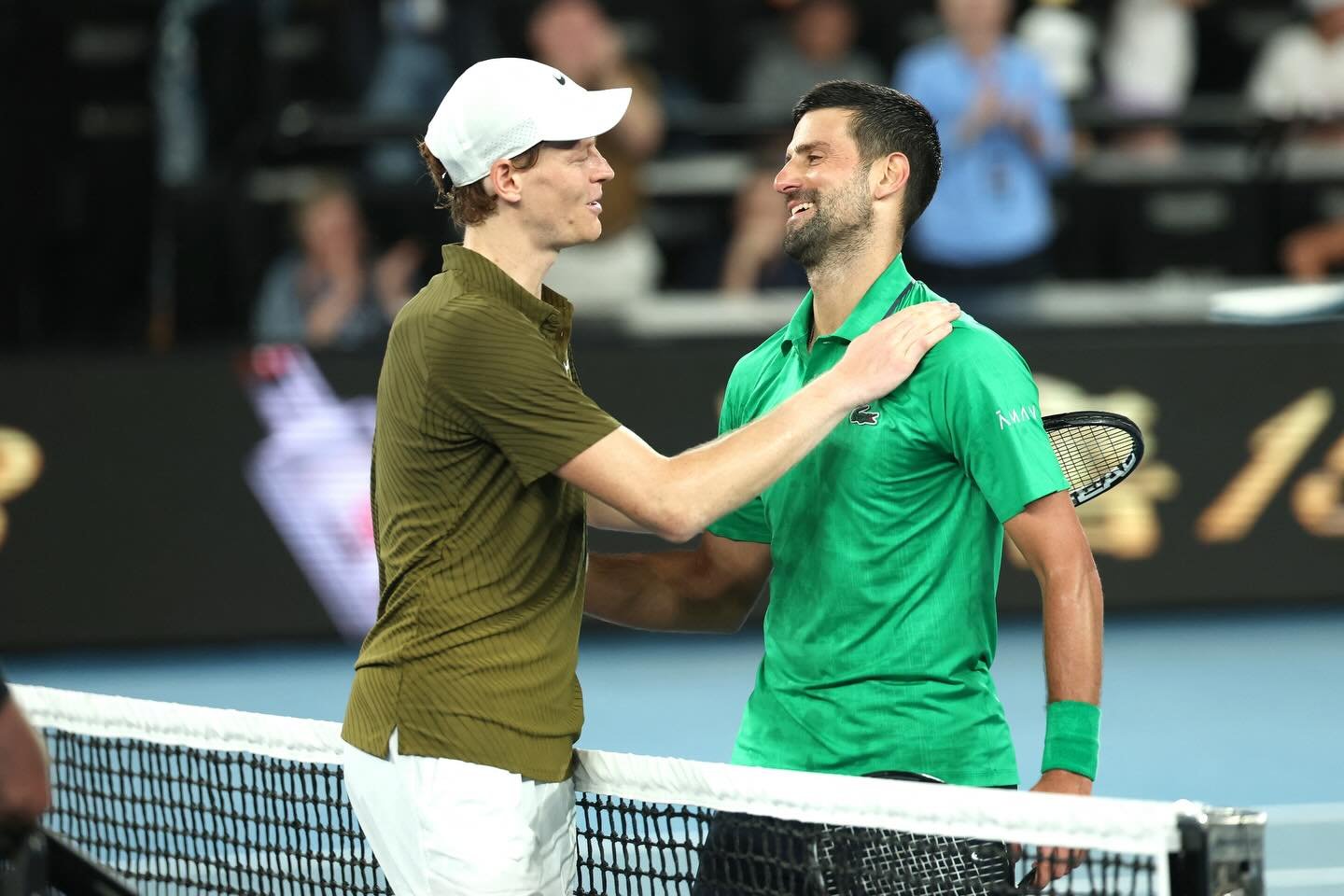
Reflecting on his career, Djokovic once outlined his personal list of defining achievements: Not just Grand Slam dominance, but particular matches, rivalries, and his Olympic gold — which he described as one of his “greatest sports achievements.”
A Mind Like No Other
Djokovic’s excellence is rooted in a set of traits far beyond natural talent:
Mental Resilience: Djokovic’s mental fortitude is legendary. In a pre-final interview at the 2026 Australian Open, he acknowledged that critics and doubters have driven him: “I want to thank them all because they gave me strength. They gave me motivation to prove them wrong.”
This mindset — the ability to turn pressure into a foundation for performance — has become a hallmark of his career. Opponents speak not just of his physical skill but of his psychological endurance in tight moments.
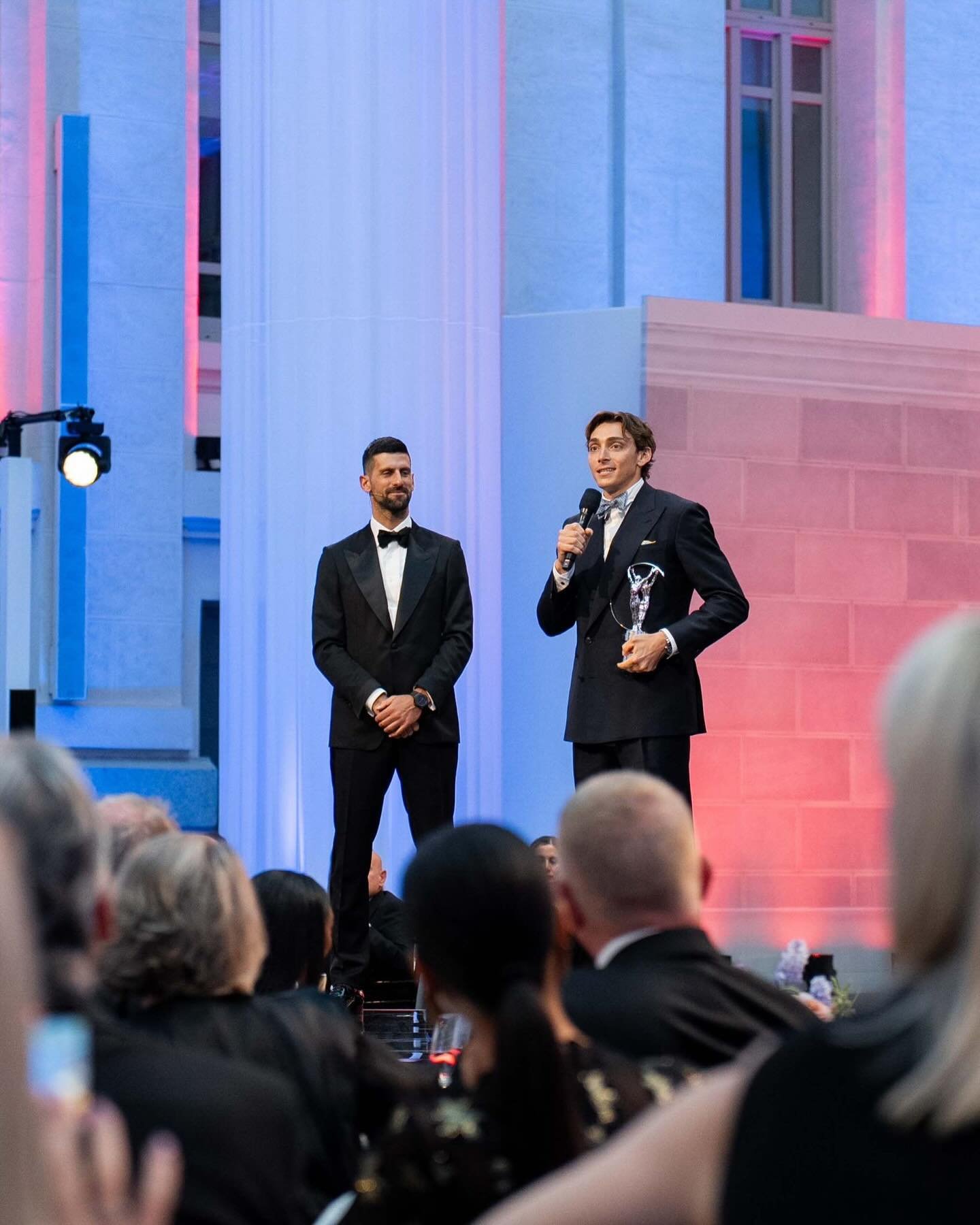
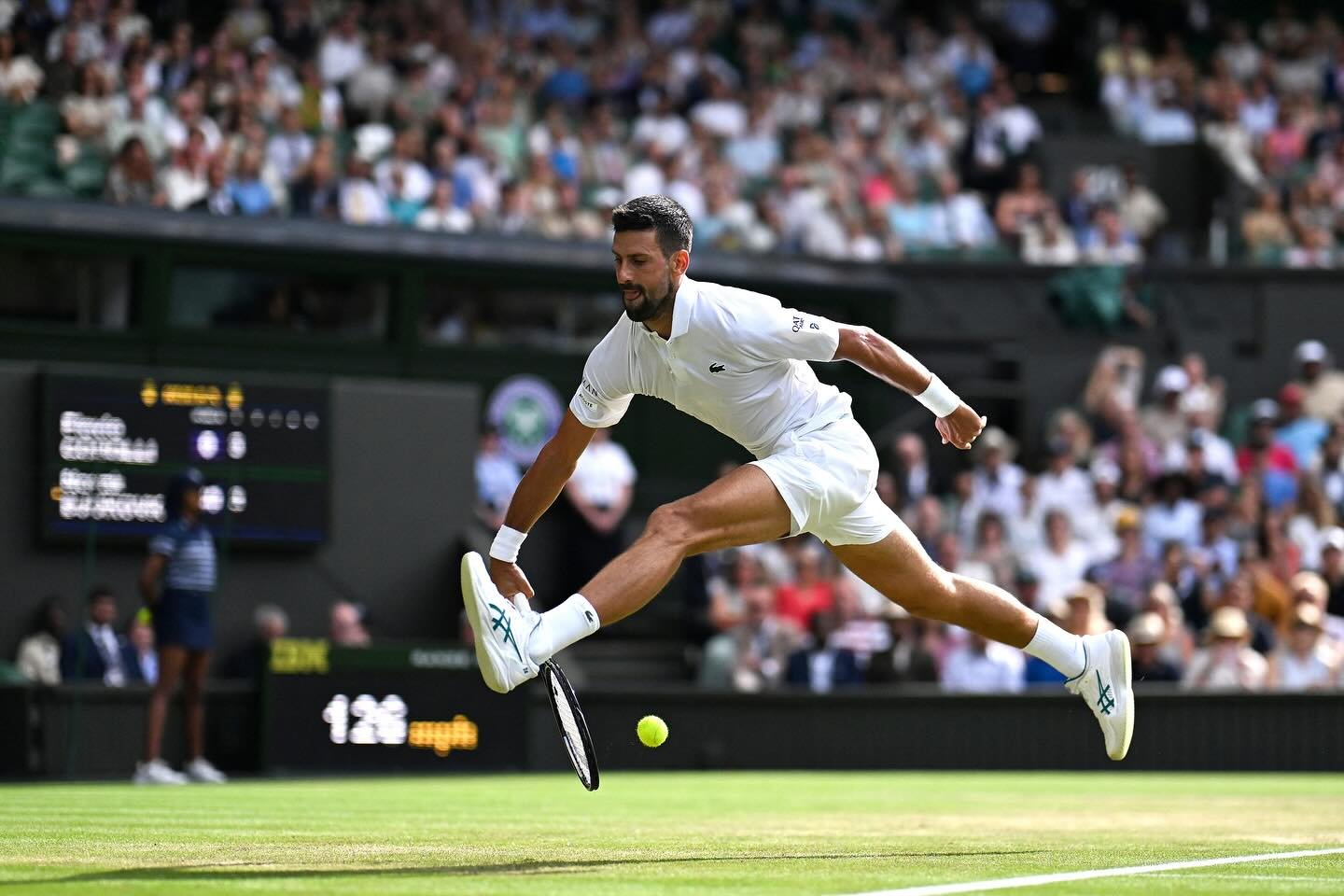
Physical Mastery: At an age when most athletes have retired, Djokovic continues to compete at the highest level. His commitment to conditioning and recovery is almost obsessive. He has embraced holistic wellness, attending to nutrition, sleep, and recovery as if they were tactical weapons.
Combined with a flexible, agile frame, Djokovic’s adaptive training has enabled him to stand toe-to-toe with players half his age, extending longevity rarely seen in modern sport.
Adaptability: Djokovic’s game — grounded in exceptional return of serve, defensive balance, and strategic shot-making — has evolved with the sport itself. He reinvented aspects of his play throughout his career, rising to meet the distinct challenges of rivals like Roger Federer, Rafael Nadal, and now the younger generation led by Carlos Alcaraz and Jannik Sinner.
Facing Challenges
No champion’s journey is without adversity. Djokovic has faced both personal and professional challenges that have tested his resolve. Repeated surgeries, fatigue, and the wear of a long career have forced him to adjust expectations and goals. Yet, even setbacks such as withdrawals from tournaments have been handled with strategic care, balancing rest with the desire to compete.
Djokovic’s outspokenness — particularly in support of anti-corruption protests in Serbia and criticism of political leaders — has raised eyebrows. This stance contributed to his family relocating to Greece and has fuelled media debates about his identity and beliefs beyond sport.
Family & Purpose
Despite the intensity of his professional life, Djokovic is profoundly grounded in family. Married to Jelena Djokovic since 2014, he’s often spoken about her role as both partner and anchor. Sources suggest that his son Stefan is already showing early interest in tennis — a future legacy in the making.
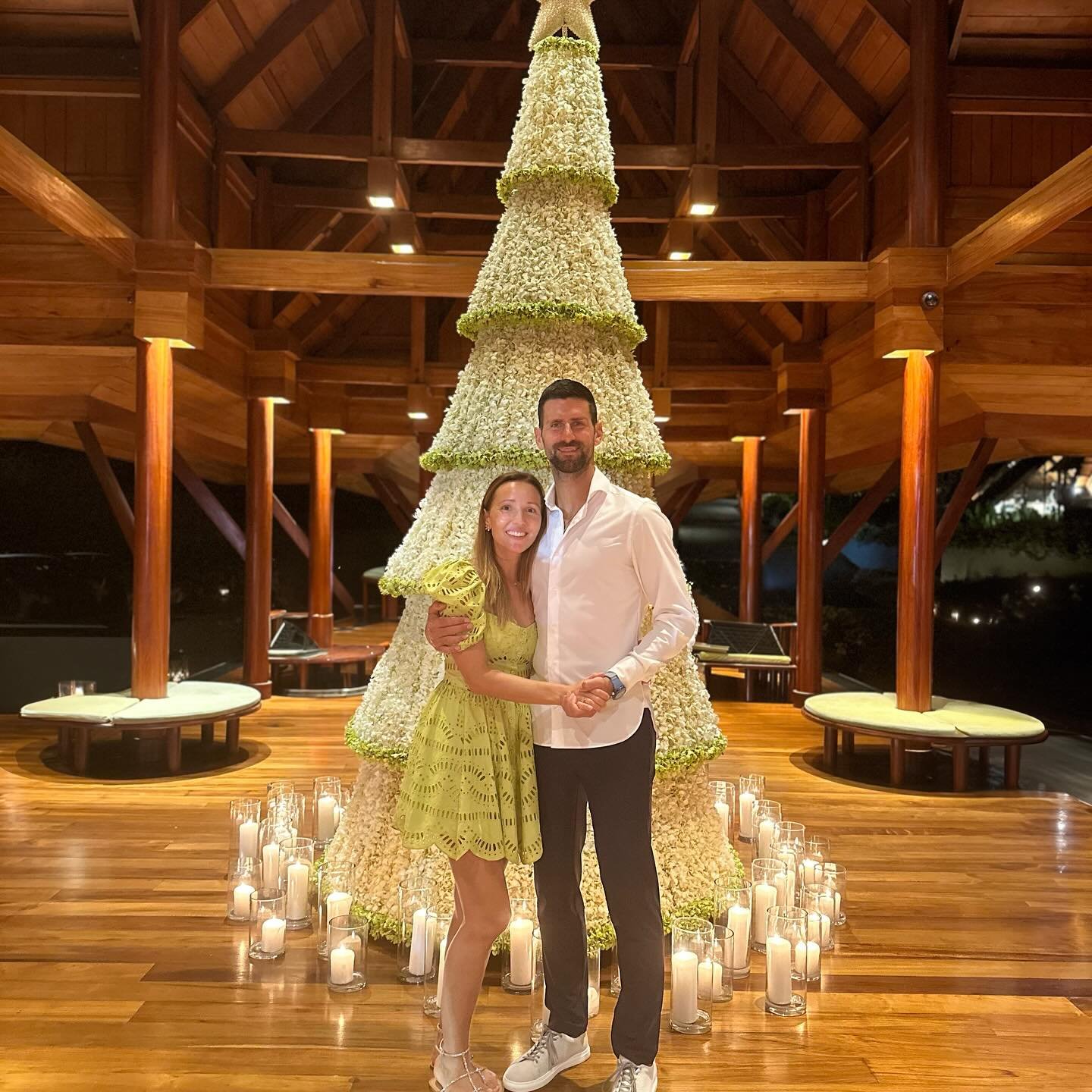
Beyond his immediate family, Djokovic has invested in giving back. His foundation focuses on education, healthcare access, and youth empowerment — echoing his belief that sport can “help open doors and change lives.”
More Than A Tennis Career
As Djokovic says often in interviews and hints at in personal commentary, his legacy extends beyond record books: “I want to live in the moment and I’ll see what happens… there is so much to say,” he once joked about an eventual autobiography.
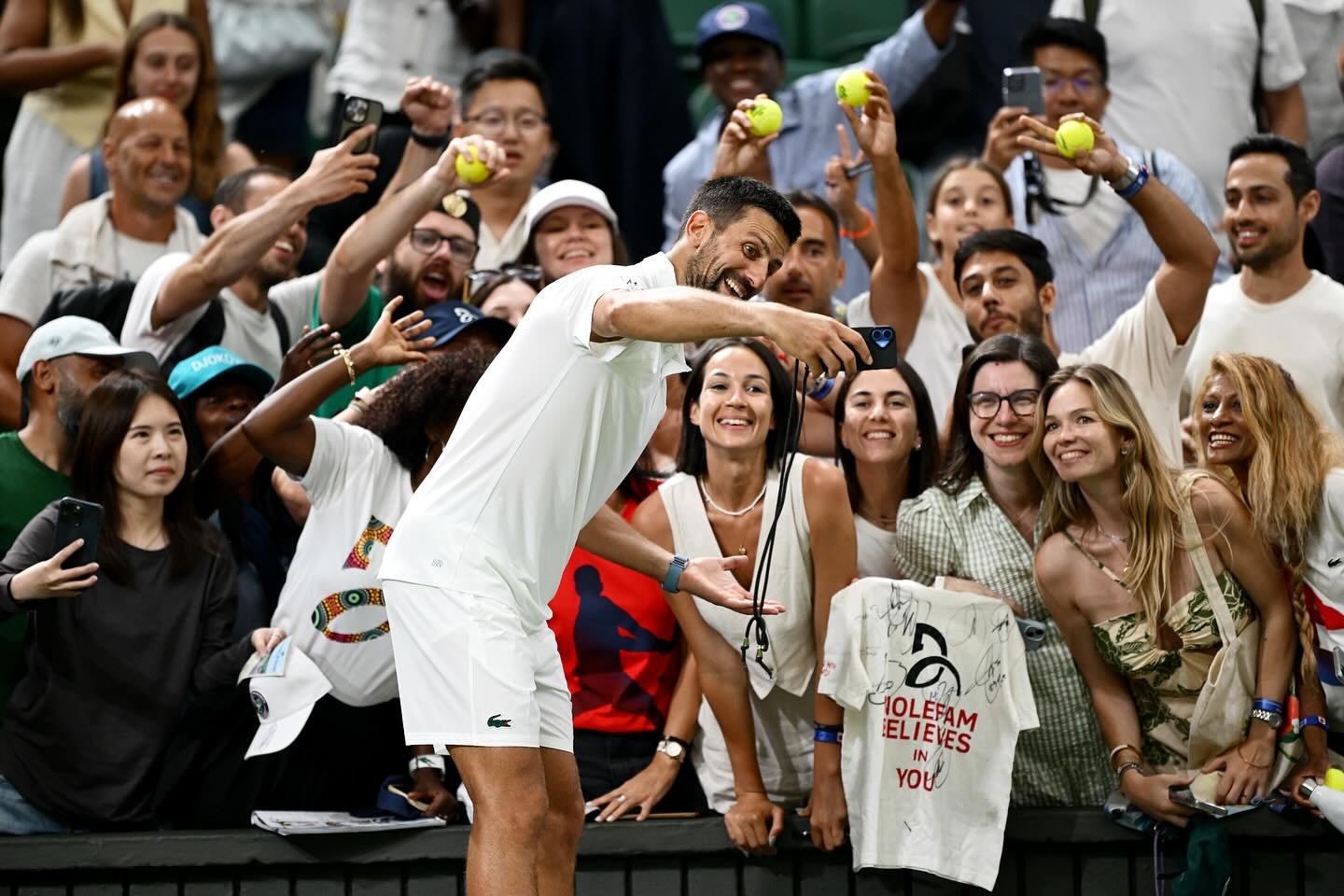
He has spoken of his respect for his greatest peers — Rafael Nadal and Roger Federer — as his “legends” and “rivals who pushed him to be better.”
Ultimately, Djokovic’s story is one of ambition tempered by resilience — of a boy from war-scarred Belgrade who became not just a sporting titan, but a global icon who defies age, expectation, and convention.
Man Beyond The Court
Today, Djokovic’s chapter is still being written. The pursuit of Olympic glory, Grand Slam milestones, and personal fulfilment beckons even as his on-court brilliance inspires the next generation. But perhaps his most enduring achievement won’t be a number in a record book — it’ll be the confidence his journey gives others. That, after all, might be his greatest legacy.