After years away from the spotlight, Kiran Joneja Sippy returns to familiar territory, ready to rediscover the joy of performance.
By Amber Dias
Two decades after the original ‘Khosla Ka Ghosla!’ became a cult favourite, Kiran Joneja Sippy steps back into a world she once cherished. The reunion is more than nostalgic; it is a turning point — a quiet but resolute return to acting, shaped by experience, perspective and time.
Excerpts from the interview…
After a significant break from acting, you are choosing to return with which was a cult success. What was it about this script and this team that made you feel that this was the right project to mark your comeback?
I acted in ‘Khosla Ka Ghosla!’ when it was first made, and when they began work on the sequel, they approached me to reprise the same character. I was genuinely excited. I loved my role in the first film — it was a refreshing change and I thoroughly enjoyed the shoot. It reminded me of the good old days. Now that I have done this role again, I feel inspired to return to acting more seriously.
Tell us a little about your role and the film crew and set on the ‘Khosla Ka Ghosla!’ sequel.
It was tremendous fun — I cannot describe it enough. We were like one big Khosla family. Even after 20 years, the bonding remained intact. We slipped back into each other’s company as though we had never lost touch.
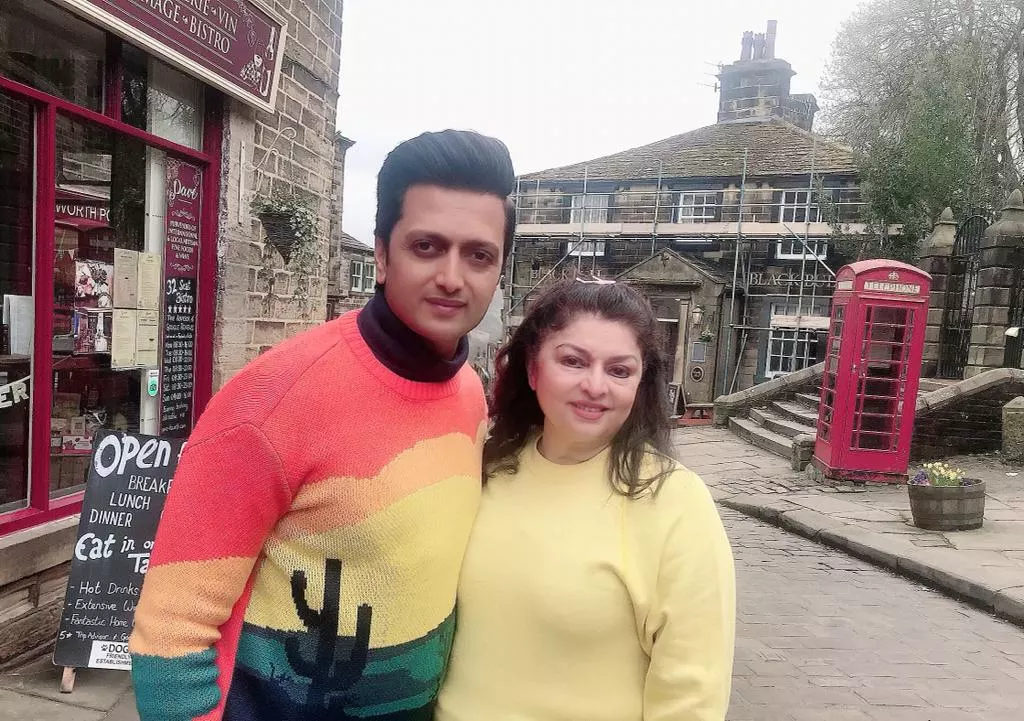
Between shots, we played games just as we had during the original film. Every night, we dined together at the hotel — talking, laughing and reliving old memories. I have rarely witnessed this level of togetherness, dedication and passion on a project. Everyone wanted to contribute wholeheartedly and give their very best.
At the time you stepped away from acting, you were already an established television face. What prompted that decision — was it personal choice, creative fatigue, or simply wanting to pause and reassess your life and career?
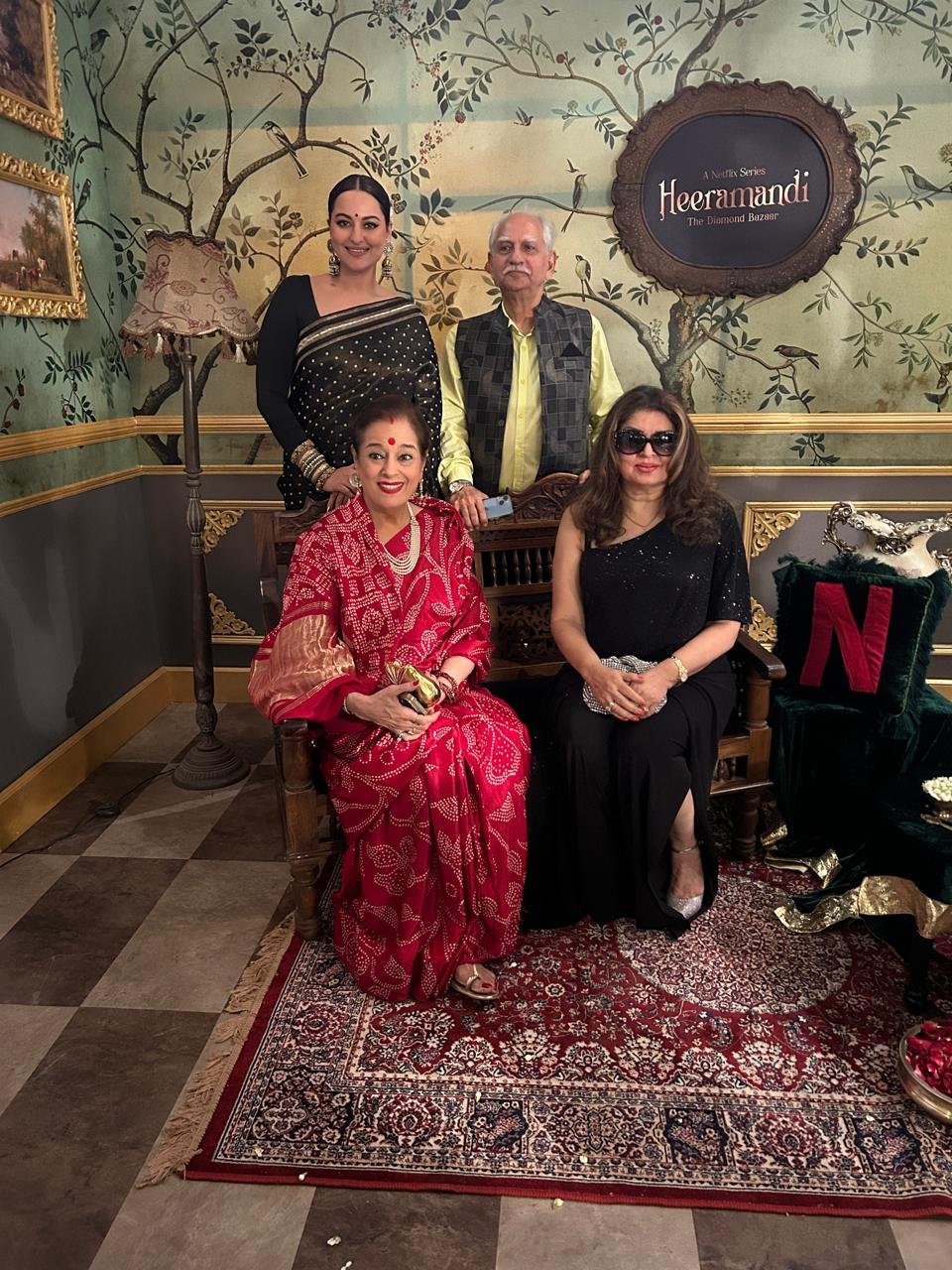
It was largely a personal decision. At the time, television revolved around daily soaps, which meant shooting almost every day. Even if you were contracted for 22 or 24 days, it often became 30, with midnight calls for urgent shoots. Planning life became impossible. After my marriage, industry commitments added to the pressure, and it began to take a toll.
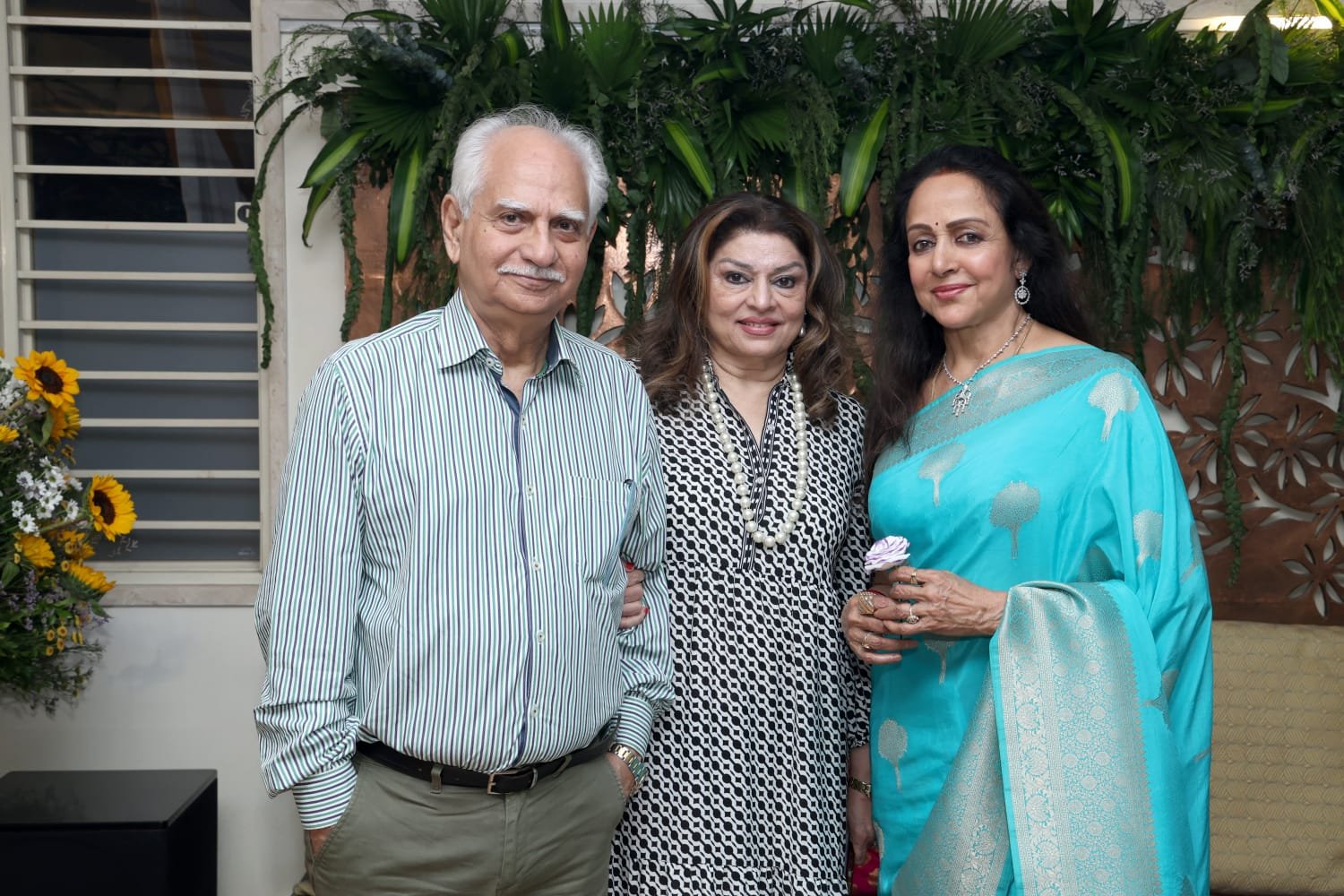
I remember when Ramesh had viral fever and my mother, who was visiting, fell and hurt herself. I could only see her five hours later because I was stuck on set. That day, I chose to pause and reassess my priorities.
The break grew longer than expected. I immersed myself in production and creative work, which I enjoyed, though I missed acting. Another reality was that being married to Ramesh Sippy sometimes placed me in an intimidating position. There was a perception that as ‘Mrs Sippy’, I might be demanding or difficult, which was far from the truth. In those days, it was also assumed that once a woman married, she naturally stepped away from acting. I was asked at several gatherings whether I had quit acting simply because I was married. It was a different era.
Looking back, do you think that distance from the camera helped you grow as an artiste in ways that staying constantly visible may not have?
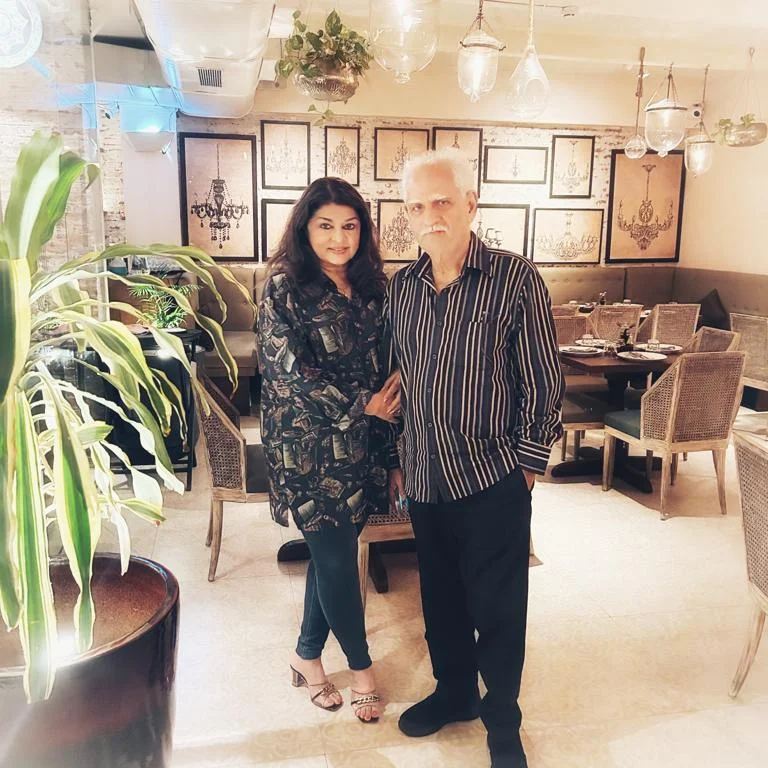
Stepping away felt like entering a silent gurukul. When you are constantly visible, there is applause and validation; you begin responding to perception. In the quiet, I was left with just the craft. I read more, observed deeply and learnt patience. Art matures in stillness. Distance gave me perspective — I stopped chasing visibility and started valuing substance. I became less anxious about being seen and more focused on being ready. That pause grounded me and renewed my hunger for meaningful work.
During your time away from acting, you immersed yourself more deeply in understanding filmmaking. What specifically drew you towards direction and production?
During my time away from acting, I became more deeply involved in filmmaking itself. I have always been curious — sometimes I say I should have been a journalist. I read constantly, observe people closely and ask questions. That curiosity naturally drew me towards direction and production.
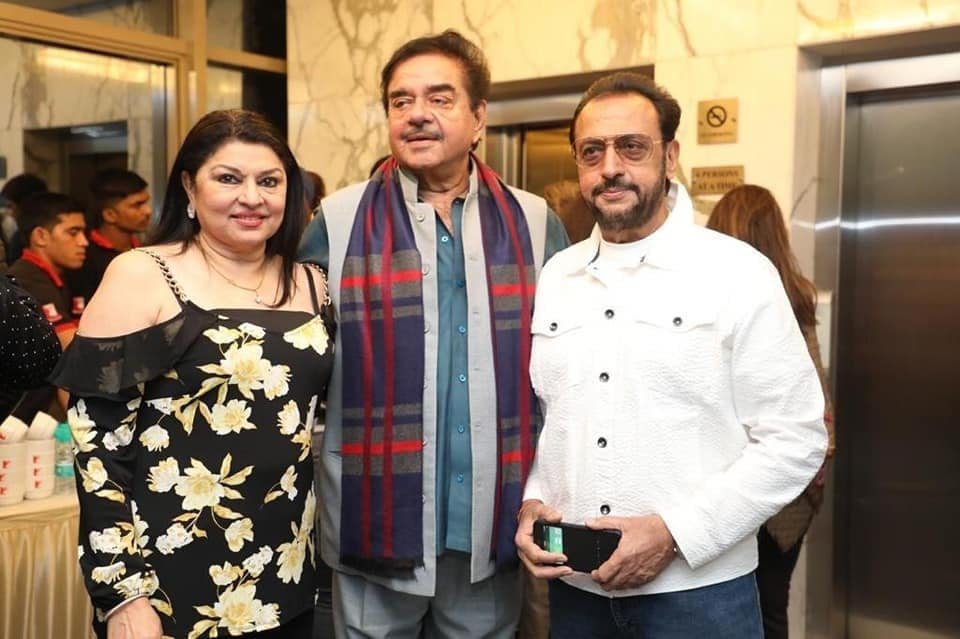
Sitting with a script and helping build it — creating an entire world from the ground up — is deeply satisfying. As an actor, you interpret a character; as a director or producer, you shape the entire vision. You consider the emotional arc, the rhythm, the silences, the music and the performances. It feels like conducting an orchestra where every element must work in harmony.
Storytelling has been instinctive for me since childhood. In school, my friends and I would write little scripts, assign roles and rehearse scenes simply for the joy of it. I now realise that was the beginning.
My role as Managing Director at the Ramesh Sippy Academy of Cinema and Entertainment has further shaped this journey. Working with students keeps me engaged with new formats, technology and rapid advancements in AI. Production has taught me discipline and leadership — balancing creativity with responsibility. For me, this transition was not sudden but a natural progression of imagination and growth.
Being married to veteran filmmaker Ramesh Sippy, you had a ringside view of cinema at its highest level. What are the most valuable lessons about storytelling and discipline that you absorbed during those years?
The most important lesson is persistence — try, try and try again. Never give up. Each time you revisit a script, you add value to it. It is remarkable how many interpretations can emerge from a single scene, and the process of choosing the best one is exhilarating.
I learnt never to fear hard work and never to compromise until you are satisfied with a scene. Patience, too, is invaluable. I learnt punctuality, preparation and the importance of being ready well in advance. At the same time, I also realised that no matter how thoroughly you prepare, you must remain open to spontaneity and collaboration once you are on set.
The industry you are returning to with ‘Khosla Ka Ghosla!’ is very different from the one you left. Has that shift made your comeback easier or more challenging?
What is life without challenges? They energise me. I would not say the journey has been harder or easier — simply different.
There were wonderful aspects to the industry then, and there are wonderful aspects now. The key is to move with the times. One must keep learning, almost like a child, or risk being left behind. Styles, language and working methods may evolve, but storytelling and human emotion remain constant.
“Content is king” was true then and is even more relevant today. Audiences are more aware and demand authenticity. As an artiste, it is fulfilling to work on layered, meaningful scripts.
I especially enjoy ensemble-driven cinema. There is something liberating about contributing to a collective vision rather than carrying the entire weight alone. Collaboration often elevates the final result beyond what you first imagined — and that creative growth is deeply rewarding.
When you look ahead, are you more inclined towards selective acting, exploring direction and production further, or balancing both? At this stage, what truly drives you?
Acting has always been selective for me — even during my busiest years. I have never chosen roles based on length or remuneration, but on meaning and impact. Films such as ‘Bunty Aur Babli’, ‘Jab We Met’, ‘Khosla Ka Ghosla’, ‘Krrish’, ‘Akayla’, ‘Zamaana Deewana’ and ‘Shimla Mirch’ allowed me to be remembered in different ways. However, television shows like ‘Buniyaad’ and ‘Mahabharat’ continue to have the strongest audience recall. That lasting connection is truly priceless.
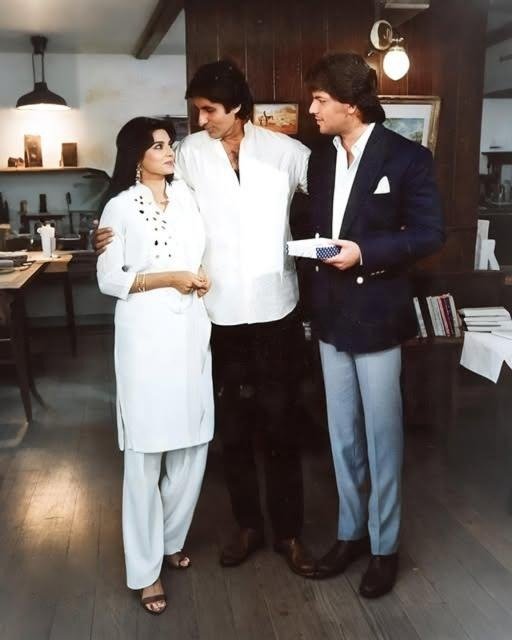
Today, I am exploring direction more seriously, particularly documentaries rooted in reality. I am currently working on one on my husband, Ramesh Sippy, and another on a specially-abled woman — both deeply personal subjects. I am also developing a feature film script that I hope to direct.
At this stage, creative fulfilment drives me. Ambition evolves, reinvention happens naturally, but the desire to keep learning and creating remains constant. Retirement is simply not a word I believe in.