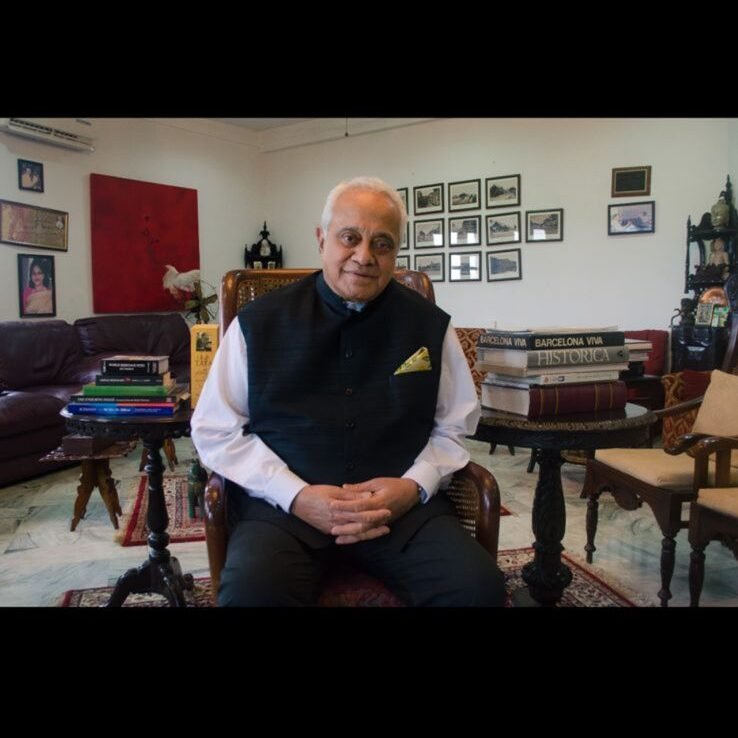
Roger Pereira – with his boyish charm and sharp wit – is a towering figure in Indian advertising. From witty ads to path-breaking development advertising to creating ASCI, and later merging his PR agency with global networks, Roger’s life is a masterclass in creativity, integrity, and nation-building. He’s the cool legend who made Indian advertising accountable, and built bridges internationally, putting the country firmly on the global advertising map.
By Andrea CostaBir
Spend some time with Roger Pereira and you understand why he is, quite simply, adorable. Remarkably forthright. Cool without trying to be. And astonishingly – after decades of influence across advertising, public relations, policy, and social change – still completely full of beans. There is no trace of cynicism. No nostalgia-soaked “good old days” sermon. Instead, Roger radiates something rarer: Undiluted enthusiasm. His stories tumble out with warmth, humour, and the kind of clarity that only comes from having lived several professional lifetimes in one. This is the story of someone who didn’t plan his life, yet somehow helped shape entire industries. And who continues to remain relevant across verticals even at 86!
Excerpts from the interview…
“I Didn’t Choose Advertising”
My first ambition was to become an Air Force pilot — a fighter pilot, in fact. I was part of the NCC Air Wing during college, and I was quite good at aerobatics. A Squadron Leader used to take us up, and I performed well enough to receive strong reports.
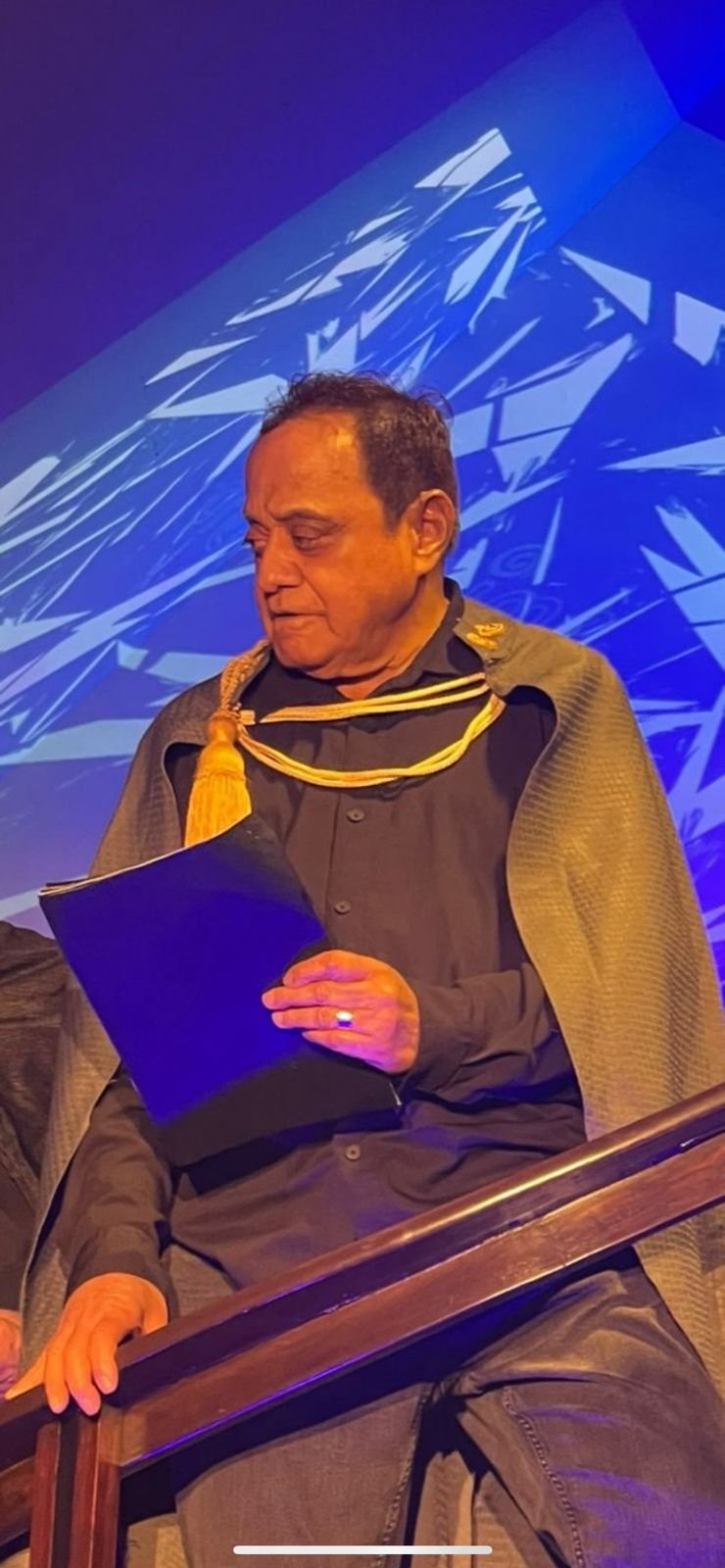
At college, I was actually an arts student, though that wasn’t my choice either. I wanted to study science, but my parents insisted I take arts. Even the principal found it odd. He took me aside during the admission interview asking why I would choose arts when I had the marks for science. When I explained that my parents wanted me in arts, he reluctantly agreed.
My heart was set on flying and I approached the NCC Air Wing. They initially refused because I was an arts student. But when I told them my situation, they said they would consider it if my college principal gave a letter stating that I had qualified for science admission but had chosen arts. My principal agreed, but on one condition: I had to undergo a vocational aptitude test at a nearby technical institute. I went, took the test, and the results strongly suggested I should pursue science — specifically medicine.
“That’s How I Became The Only Arts Student In The Entire Air Wing Squadron”
The first year was all theory — aerodynamics, aerospace knowledge, meteorology — alongside regular college. Parades and classes began at 6:45 a.m. College started at 9 a.m. It was demanding. After morning sessions, we would grab breakfast at a café near Government Law College. That’s where I often met Rahul Bajaj, who was studying there. We became very good friends. And most evenings, I would attend rehearsals for English theatre.
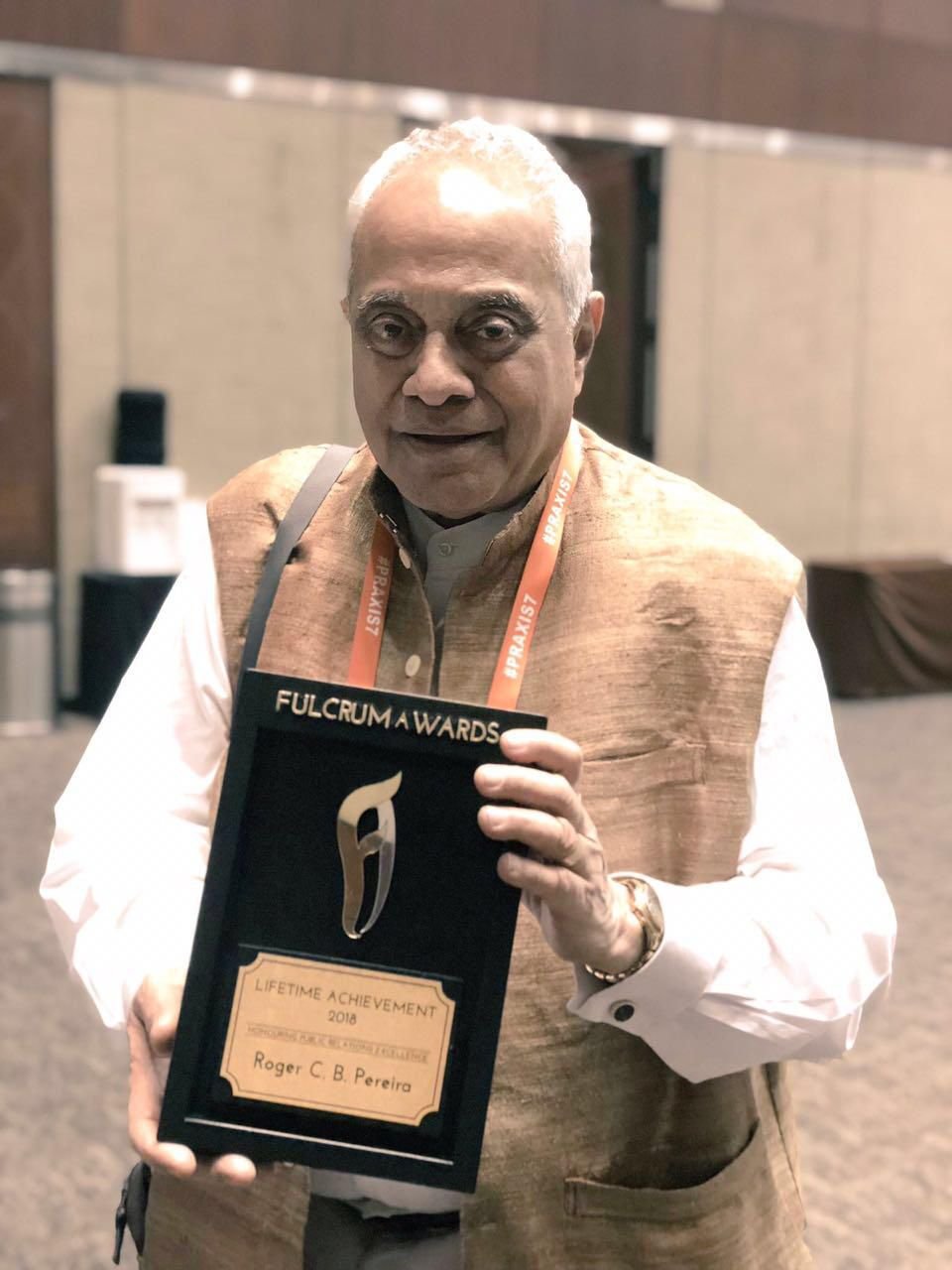
By the third year, they offered flying — forty-five hours. If you performed well, you could receive another forty-five hours the following year. 90 hours of free flying — an extraordinary opportunity. We flew from the Bombay Flying Club. For aerobatics, Air Force pilots took us up. Loops, rolls, flying upside down — thrilling experiences. The aircraft were Tiger Moths, used primarily for training. Eventually, I earned my direct entry into the Air Force. No entrance exams required. The first step was the medicals, which were successful; and the interview was the next day.
But fate intervened.
On the day of my interview in Dehradun, I received a telegram from my parents asking me to return home immediately. I dropped everything and returned. My parents refused to let me join the Air Force as an Indian Air Force plane had been shot down.
“I Was Devastated. I Had No Plan B”
I completed my BA, though my second love during college had been theatre. I was deeply involved in dramatics. At one inter-collegiate competition, I met (theatre great) Ebrahim Alkazi. After the performance, he approached me and very politely asked if I would like to join his training classes. I hesitated, assuming they would be expensive. He explained that Prithviraj Kapoor had commissioned him to train Shashi Kapoor, and he needed another person to make the training effective. He offered to charge me a token fee of only ₹10 per month.
That changed everything.
Alkazi and I became close friends. At the time, he was also Creative Director at Shilpi Advertising. Surrounded by theatre people, I decided to attempt advertising.
I failed every test. Six agencies. Rejected by all.
Then one day, quite by chance, I met Noel Godin at a barber shop in Churchgate. We had acted together in a play. He was the first Indian copy chief at J. Walter Thompson. He asked what I was doing. I told him I was drifting, unsure of my direction. He said, “Come to JWT on Monday.” JWT was the biggest agency then. I went in extremely nervous. Instead of a conventional writing test, Noel designed a creativity test suited to me. At the end of it, I was asked to meet the Managing Director. He offered me a job.
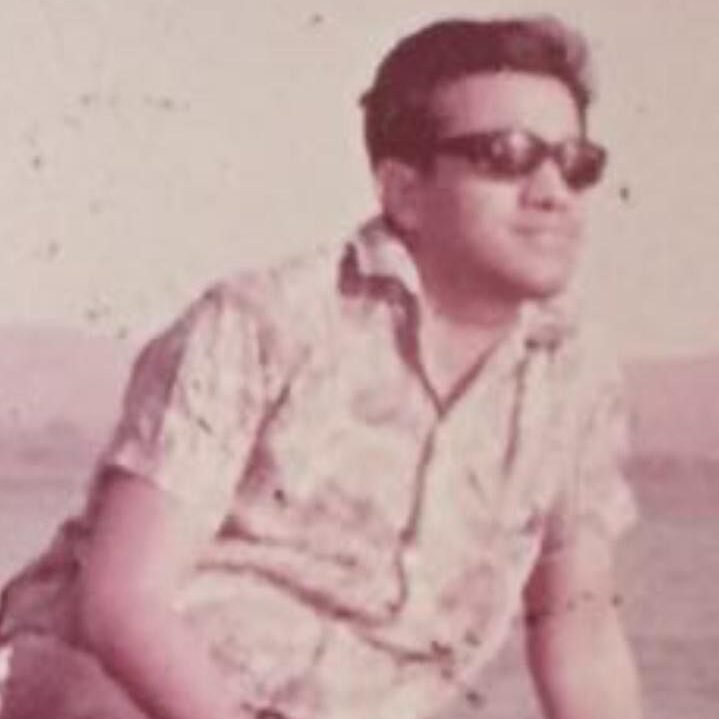
This was December 1st. I joined the next day. The stipend was far higher than I expected. And then, astonishingly, my salary kept increasing month-after-month as I guess they were happy with my work! That’s how my journey into advertising began.
“Getting The Summons From JRD Tata”
One of my assignments was for Air India. JRD Tata was the Chairman then. After a certain creative was made, he told my bosses that he wanted to meet its creator — me. He asked if I’d ever flown before. I told him about my NCC flying. He said only someone who had flown could write that way. From that moment, he took a quiet interest in my career. That connection lasted till the end.
I was young, I was doing well… and JWT was a great place. At JWT, we created big campaigns for India, Pakistan, and Ceylon (Sri Lanka) — but the large international fees were credited to the London office, not our India office, and to me, this was unfair. So, I decided to leave even though I was offered the copy chief position.
“Shilpi Calling…”
As luck would have it, I was at an advertising party in my honour and I got offered a job at Shilpi Advertising by one of the owners – Dr Vikram Sarabahi himself was a celebrity (and I was so naive that I did not know who he was at that time). Although I was joining Shilpi on the same salary that I was on at JWT, there was a lot of strife among the executive staff over this. Things eventually stabilised and those who had created difficulties gradually moved on.
Around that time, I managed to convince the management that we shouldn’t restrict ourselves only to Sarabhai products. This broadened our creative horizons considerably.
Then came a very interesting turning point.
In 1972, I was on a flight from Delhi to Ahmedabad. Seated next to me was Manubhai Shah, the Commerce Minister. Like many people back then, he assumed advertising simply meant hoardings and posters.
“I Explained To Him That Advertising Was Far More Than Hoardings And Posters — That It Could Influence Perception, Behaviour, Even Economic Direction”
He shared a concern with me. Bombay’s business landscape was dominated by Gujarati entrepreneurs. Yet Gujarat itself was still largely a trading state rather than a manufacturing powerhouse. He asked, “Can you help persuade Gujaratis to invest and manufacture in Gujarat? After all, trade is the mother of industry.”
That became one of my earliest experiences in what I later called development advertising — not selling products but selling ideas, confidence, and even industrial estates. We began crafting campaigns aimed at repositioning Gujarat as an industrial destination. Gujarat had strong trading instincts but needed manufacturing momentum. Through sustained campaigns, we helped shift that mindset. Over time, Gujarat transformed into India’s leading industrial state.
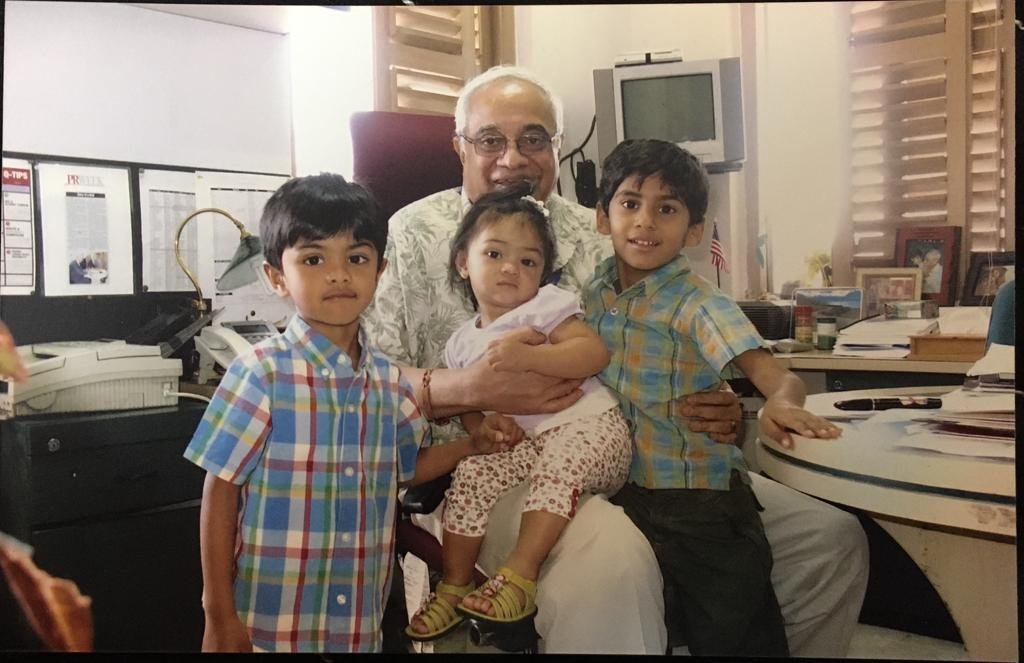
That kind of work took years. Change at that scale is never immediate.
Due to this success, other states began seeking similar initiatives. I found myself advising other governments – Andhra Pradesh, Punjab – helping build investment confidence, encouraging regional development.
“In 1964, I Received A Global Advertising Award In New York. Only Three People Worldwide Were Honoured That Year. The Experience Was Extraordinary”
There was an international advertising conference attended by legends — Bill Bernbach, David Ogilvy, and Henry Luce – the founder of ‘TIME’ and ‘Life’ magazines, and others. We got the opportunity to meet and dine with these industry leaders, and Bill Bernbach even offered me a position in New York. I declined out of loyalty to Shilpi and the country – as I was fired with nationalism. But we set up a program where one person from our team trained in New York annually for nearly two decades.
“Though New York Was Lovely, I Felt A Strong Sense Of Commitment To India”
Shilpi had supported my growth, and I believed my future lay here. During the 1965 India-Pakistan war, the Advertising Agencies Association of India volunteered to assist the Indian Government with communication campaigns. I was part of a small team despite being the youngest member. That assignment became a masterclass in perception management.
We met Mrs Gandhi, the then Information & Broadcasting Minister, and she asked me if I knew anything about PR? And I admitted that I did not. So she asked me, “Are you willing to learn? And are you willing to stay on in Delhi?” When I said yes, she called Mr Prasanta Sanyal. He was the PRO of Indian Oxygen, which is now INOX. So he came to Delhi for 15 days to guide me on PR. And while he was in Delhi, we worked on a perception management campaign where we talked about how superior our pilots were.
At the time, public sentiment suggested India was losing the war as Pakistan had superior aircraft compared to India. But India had exceptional pilots — including the Keelor brothers — whose skill we used to shift the narrative. We reframed the conversation from machines to human capability. That was early perception management — before anyone even called it that.
Very soon, Mrs Indira Gandhi became the Prime Minister and asked me to continue assisting on national campaigns with other Government officials. One of which was the Green Revolution and changing the farming preference of Indian farmers and the food habits of Indians during our food crisis. Incidentally, I’m the only person who worked on both the Green Revolution and the White Revolution. All this work was pro bono. Shilpi supported it entirely. Those were phenomenal experiences.
“Then Came Another Defining Moment”
I needed to leave Shilpi for personal reasons. I even trained my successors. But the day before my departure, I received a call informing me that three colleagues I had personally trained were also resigning to join the same agency. That was deeply unsettling. It violated what I believed were gentlemanly principles. I chose to stay. Integrity mattered more than financial gain. That decision created shockwaves in the industry. Headlines followed. But it reinforced something fundamental to me — reputation and ethics outlast salary increments. From then on, I began recruiting fresh graduates rather than experienced lateral hires. We built a new creative culture.
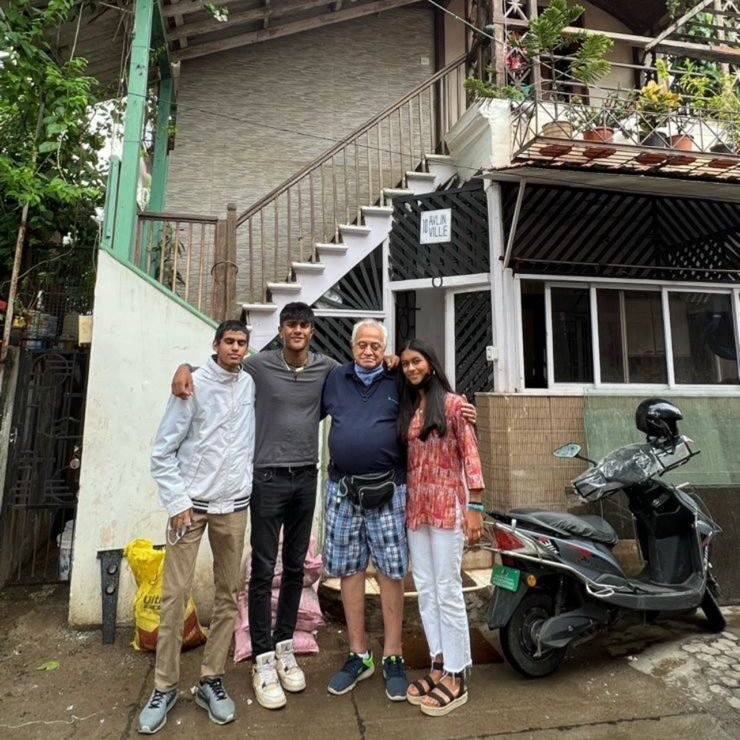
Eventually, after many successful years, I left Shilpi for reasons of principle. Certain business practices troubled me. I didn’t want my name associated with anything I felt compromised consumer trust. While leaving Shilpi, I had to sign a bond — a non-compete clause — promising not to approach Shilpi’s clients. I had a friend who worked very closely with Dr Vikram Sarabhai and after his death, consulted with the World Bank in Washington. He managed to get me some consulting assignments, but there was nothing definite or fixed.
“…And Another Unexpected Call — This Time From JRD Tata”
He asked, “What are you doing?” I told him I was consulting internationally, though it was nothing much and I was not enjoying it. He said, “Come have coffee with me.” That meeting changed everything.
He suggested that since public relations was distinct from advertising and therefore not competitive, I should start my own PR agency. He cited the TISCO campaign: “We also make steel.” At that time, Tata’s were selling TOMCO and Lakme to Hindustan Lever and he wanted us to handle it. To these, he added other Tata companies as clients. This was beyond anything I could have ever imagined and it encouraged me to move forward… Eventually, the World’s No. 1 PR agency Burson-Marsteller approached us to partner with them.
Gradually, multinational clients began approaching us — from Abbott to Xerox, GE, Apple. This marked the beginning of the next chapter of my journey.
One day during a coffee session with JRD, he inquired why he hadn’t seen me on TV recently (I used to read the news on Doordarshan and conduct interviews with various VIPs who were visiting Bombay). I told him I’d like to produce a television serial — something that could genuinely influence social behaviour. He asked, “Is that really possible?” I said I had read about similar initiatives in Mexico. But frankly, I had abandoned the idea earlier because I assumed no one would sponsor something like that. Producing television content was expensive. Each episode cost several lakhs. He simply said, “Tata will sponsor it. Go ahead.” That was unbelievable.
I explained that this wasn’t a one-man effort — I would need a proper team. He agreed immediately. Four of us went to Mexico, where we met Miguel Sabido, who had pioneered development-based television programming. That experience was invaluable. Sabido’s work demonstrated how entertainment could be used to drive measurable social change.
When we returned, we produced the serial ‘HUMRAAHI’. To manage costs, we shot the entire series in a single location — a network of bungalows in Uran. Some bungalows served as the sets, one as accommodation for the cast. That decision dramatically reduced production expenses. Instead of ₹3 lakhs per episode, the average cost came down dramatically. Over 52 episodes, we managed to save ₹27 lakhs.
When I took the savings cheque back to Mr Tata, he said something unforgettable: “No one has ever returned money to me. Take it and enjoy it.” I refused. That surprised him. He asked, “Do you have another idea?” I said, yes.
The serial had generated approximately 32,000 letters — mostly from women seeking guidance, support, or simply someone to listen. The programme had clearly touched a nerve. I asked whether we could use the funds to reach out to these women. He immediately agreed. In fact, he took me personally to meet Jamshed Bhabha, Chairman of TISS, to handle the project. Additional funding, if required, would come from the JRD Tata Trusts.
That was the beginning of something larger than television — it became a direct engagement with real social issues.
“Looking Back, I Don’t Claim Great Foresight. I Simply Followed The Direction God Gave Me”
For instance, I was once deeply disappointed about not joining the Air Force. During the 1965 war, one of my assignments was to contact families of Air Force pilots who had been killed. I personally knew several of them. That experience changed me.
I realised life had taken its own course. People often ask whether I carefully analysed every career move. The truth is, I didn’t. I don’t consider myself theoretical or strategic in the academic sense. I responded to situations, responsibilities, and opportunities as they emerged. The same applied to my family life.
“On My Very First Date, I Asked My Date To Marry Me”
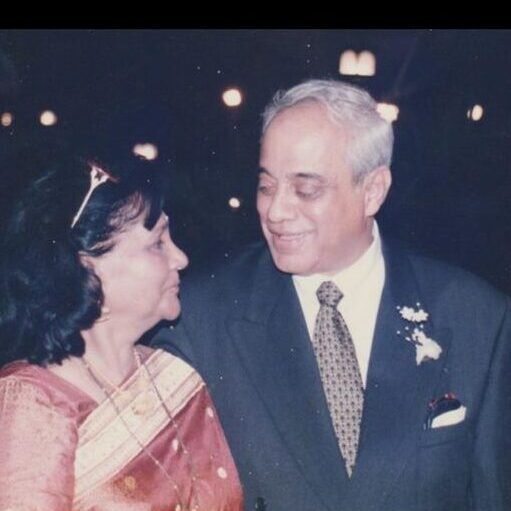
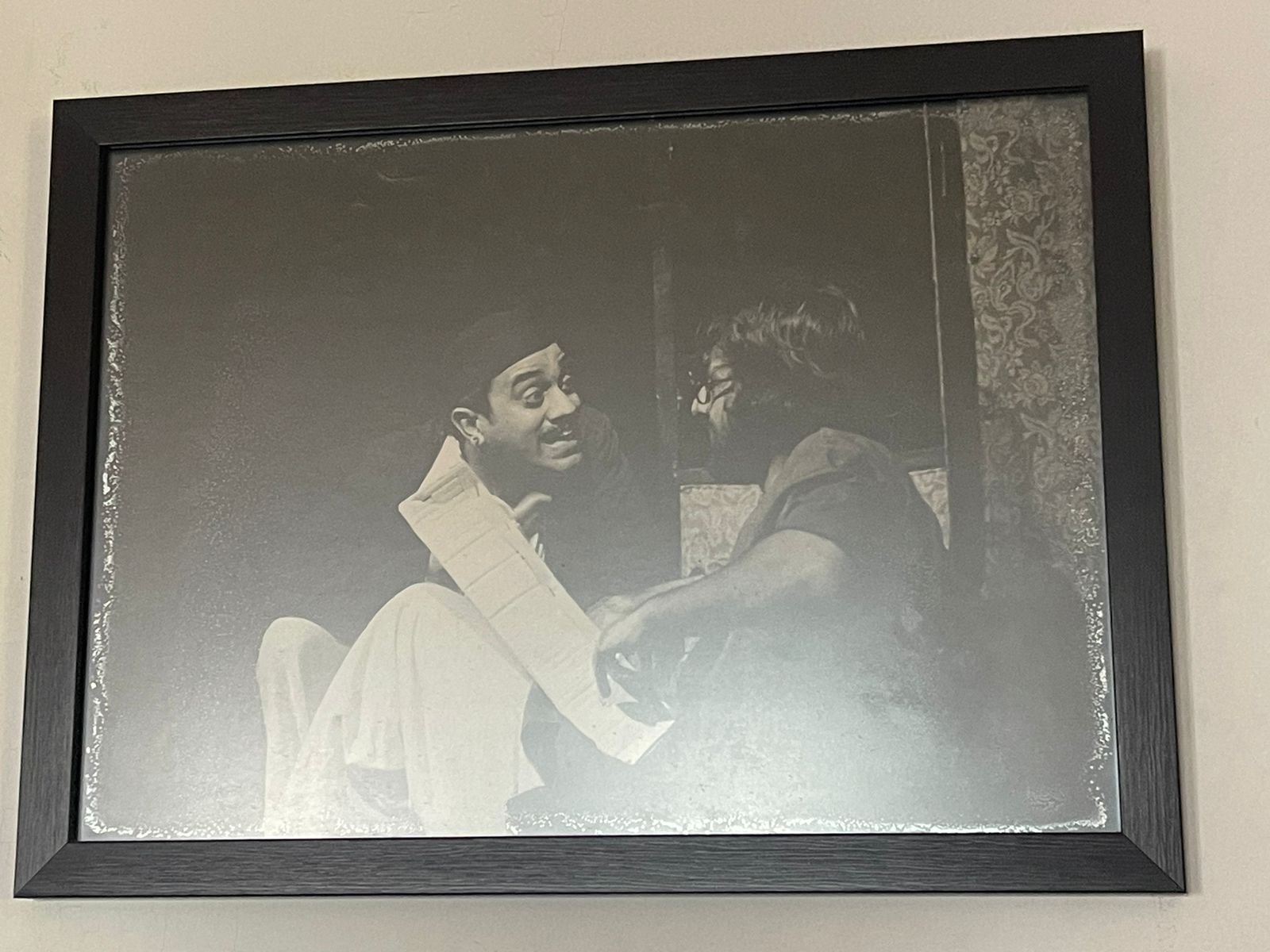
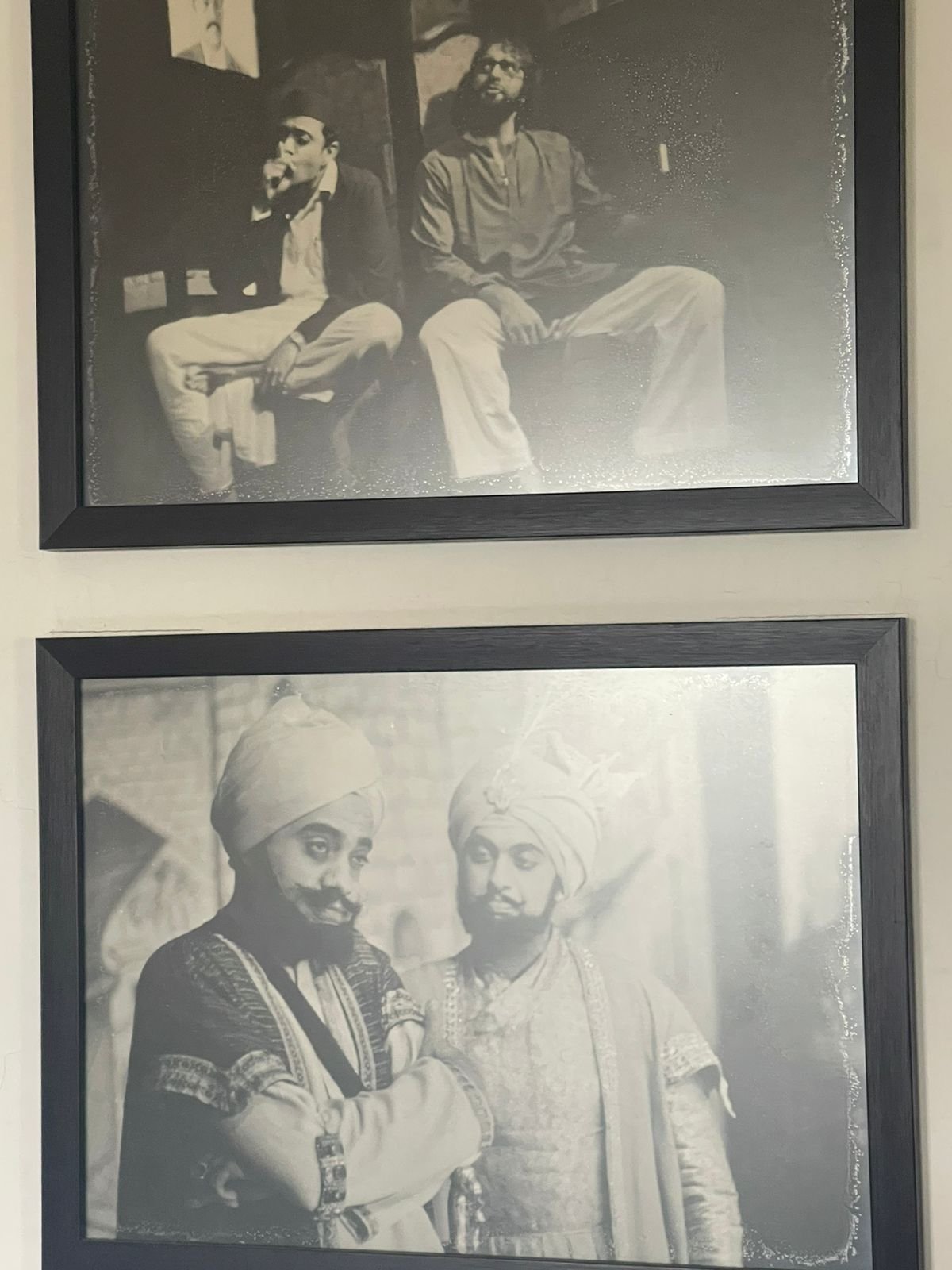
Yes, the first date. My wife Flavia and I built our life on trust. When our children – Roma, Priya and Rajiv – turned 18, we made them joint account holders. We function as a very close family. My work required constant travel. Theatre, which I loved deeply, had to be sacrificed. The last play I acted in was in 1985, but I restarted last year. My wife anchored the home (today she is no more). We adapted, like any family navigating demanding careers. There were moments when I would be mid-meeting abroad and receive a call asking me to fly immediately to another country or city. That became part of life.
“Eventually, My Work With Young Professionals Evolved Into Mentoring”
When I left Shilpi, several parents of the kids I had mentored in the company hosted a dinner for me. They said I hadn’t merely given their children jobs — I had helped shape careers. That stayed with me. I gathered my own children and told them honestly: “I don’t know what I’m going to do next. But if I start something new, I want you with me for two years. You may learn something valuable.” They agreed.
That spirit of mentorship eventually extended outward — into Take Charge for the Catholic community to begin with, guiding young people in leadership, ethics, and social responsibility. Also into education initiatives and social programmes like the Pardada Pardadi Education System (PPES) – the unique model developed by Virendra Singh, the founder of PPES, the non-profit organisation in Anupshahr, Uttar Pradesh, India, to educate and empower girls from rural and economically disadvantaged communities, especially in regions with low female literacy and high gender discrimination.
“If There Is One Consistent Thread Across Everything I’ve Done, It Is This: You Don’t Always Plan Life. Sometimes, You Honour Principles — And Life Unfolds”
Now let me tell you about one of those ‘little gems’ that shaped my career. This incident goes back to around 1980, when I was working with the Gujarat Government. I had served there from 1972 to 1985. In 1979, the Government decided to felicitate me for the progress Gujarat had made. A formal function was organised at Gujarat Bhavan. By coincidence, the Defence Minister, YB Chavan, happened to be in Ahmedabad and was invited as the chief guest.
During the ceremony, Chavan quietly asked whether I was from Maharashtra. I told him I was from Bombay. He then spoke to me briefly in a mix of Marathi and English and said: “Do something like this for our state.”
I replied that I would be delighted to! Soon after, on a Monday morning at 8:30 a.m, the Agriculture Secretary V Srinivasan from the Maharashtra Government visited my office with his colleagues. They had done their homework and learnt that I arrive at the office at 8:30 a.m sharp every day.
Srinivasan explained their challenge. They were trying to promote ‘government milk’ to help the surplus milk from the dairies of Kolhapur. The difficulty was pricing. The drink sold at ₹0.75, while Coca-Cola was priced at ₹1.25, creating an unfavourable perception. They had a production capacity of 92,000 bottles per day. They were selling barely 7,000. Despite consulting several major advertising agencies, they had not found a solution. They asked if we could help.
We formed a small team consisting of market research and strategy. Together, we reworked the product’s positioning and branding. We believed that if the product has to be perceived as a soft drink, it should look like one. We didn’t have massive budgets. Moreover, this meant scrapping their entire stock of bottles. But we focused on fundamentals — visibility, recall, positioning. We advertised on delivery vans, retail outlets, radio — wherever we could generate impact efficiently. There was even a small but crucial challenge. We couldn’t register the word “Energy” as a standalone brand. So we deliberately misspelled it – Energee. And created a catchy phrase to go with it: It’s Tastee. Instead of presenting it as a milk drink, we repositioned it as a soft drink. We chose March 21st for the launch, aligning it with Gudi Padwa that year. Within one week, sales surged dramatically. From 7,000 bottles per day to full capacity – 92,000 bottles per day. It was extraordinary.
“And It Reinforced Something I Learned Repeatedly Throughout My Career: Breakthroughs Don’t Always Require Grand Resources. They Often Require Clarity, Creativity And Decisive Action”
Looking back, my life has been full of such moments — unexpected opportunities, unusual challenges, and solutions that emerged from instinct as much as strategy.
“It May Sound Like A Routine Institutional Development Today, But ASCI Was Born Out Of Intense Turmoil”
In the late 1970s and early 1980s, the government periodically imposed taxes on advertising. At the time, I happened to be President of the Advertising Association of India, and SP Godrej was President of the Indian Society of Advertisers (ISA). Soli designated Brahm Vasudewa, MD of Hawkins Cookers, and me to prepare a representation to the government requesting withdrawal of the tax. Brahm and I worked through the night crafting our submission.
Our first presentation was to Finance Minister Pranab Mukherjee. He listened, but instead of engaging with our arguments, he delivered a lecture — about advertising professionals driving flashy cars, living high-end lifestyles, and using full-page ads when newsprint was supposedly scarce. We had to sit through all of that. Eventually, we were told to take the matter to Prime Minister Rajiv Gandhi.
Now here’s where it became interesting.
Our original representation ran into three or four pages. Then we were informed that Prime Minister Rajiv Gandhi would read only a single page presentation – he wanted people to get their point across in one page. So Brahm and I again worked overnight, condensing everything into a single page — without losing the substance.
Rajiv Gandhi listened patiently, but said nothing.
Afterwards, LK Jha, who was advising the government, took us aside and said something that changed everything: “Mr Pereira and Mr Vasudewa, you come here every year with these presentations, and no one listens. Why don’t you develop a code of self-regulation for advertising?” We had never even considered the idea. It was LK Jha who truly planted the seed of self-regulation in Indian advertising. Brahm and I looked at each other. This was entirely new territory.
Back then, Brahm was on the board of the global Advertisers Federation (AFA), and I was on the global board of the International Advertising Association (IAA). So we returned to our respective bodies seeking guidance. During an IAA board meeting in London, I raised the issue informally over lunch. Hugh Holker, Chairman of the IAA, immediately said: “Of course, Roger. In England, we have the Advertising Standards Authority.” That moment felt like striking gold. He personally introduced me to the Director General of the ASA. I returned to India full of enthusiasm. But the resistance began. The Advertising Agencies Association of India suddenly turned hostile. They argued that self-regulation would restrict creative freedom. The Indian Newspaper Society was similarly reluctant. Ironically, these were the very organisations that had initially encouraged the effort. Only the advertisers — led by industrialist Harish Mahindra — remained supportive.
Then came a defining episode.
JRD Tata heard about the initiative and called me. He was delighted. He said Tata would contribute ₹1 crore to help establish the organisation. One crore in those days was an enormous sum. I was thrilled.
But opposition intensified. At one point, a prominent agency’s CEO barged into my office without an appointment and bluntly shouted from the reception: “Stop this self-regulation business, or we will ruin your career.” It was that serious. Despite everything, we continued. A breakthrough came when Ramkrishan Bajaj offered space in Bajaj Bhavan free of charge to run the organisation’s office. That became our starting point — since Tata’s financial support could not materialise due to industry politics.
Eventually, we resolved not to reinvent the wheel. We requested permission to adapt the British ASA Code. They graciously agreed. However, Indian authorities would not allow us to register under the name Advertising Standards Authority. Thus was born the Advertising Standards Council of India — ASCI.
The organisation formally came into being in 1981. Even then, stabilising it required careful navigation. We adopted a uniquely Indian solution: Membership contributions. Different fee structures were created for advertisers, agencies, and media professionals. Gradually, opposition softened. And yes — India being India — offering leadership positions to former opponents helped considerably.
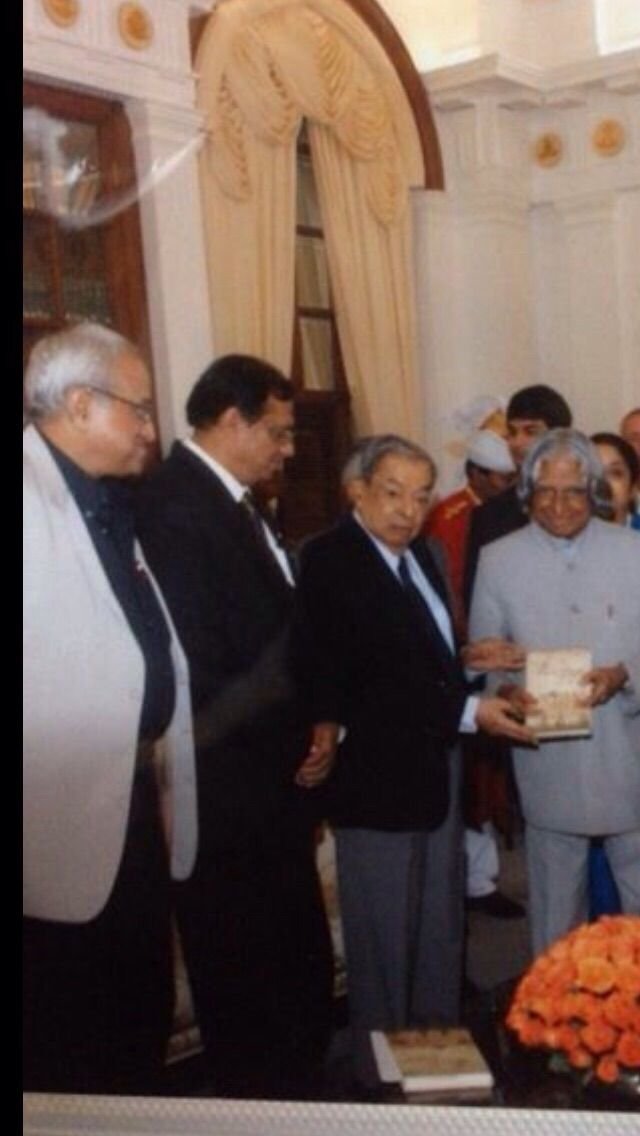
People often ask about my greatest takeaway from that experience. Simple. Getting the Code accepted. Getting the profession to honour it. ASCI transformed advertising in India. It stabilised the industry. It wiped out much of the criticism we faced. It introduced accountability. When advertisements violated ethical boundaries, ASCI intervened. Consider the well-known Milind Soman–Madhu Sapre nude picture ad. Such issues demonstrated why self-regulation was essential. ASCI ensured advertising became ethical. Advertising became decent. Even major corporations could not influence decisions.
I recall a powerful multinational CEO attempting to pressurise me regarding a complaint against his company. The complaint was upheld. The advertising claim had to be changed. He escalated the matter internationally with my global partners. They simply responded: “If Roger has taken that position, it is ethical.” That credibility mattered.