Once a niche craving, now a mainstream obsession, Amber Dias digs into why Middle Eastern cuisine is finding a permanent seat at the Indian table.
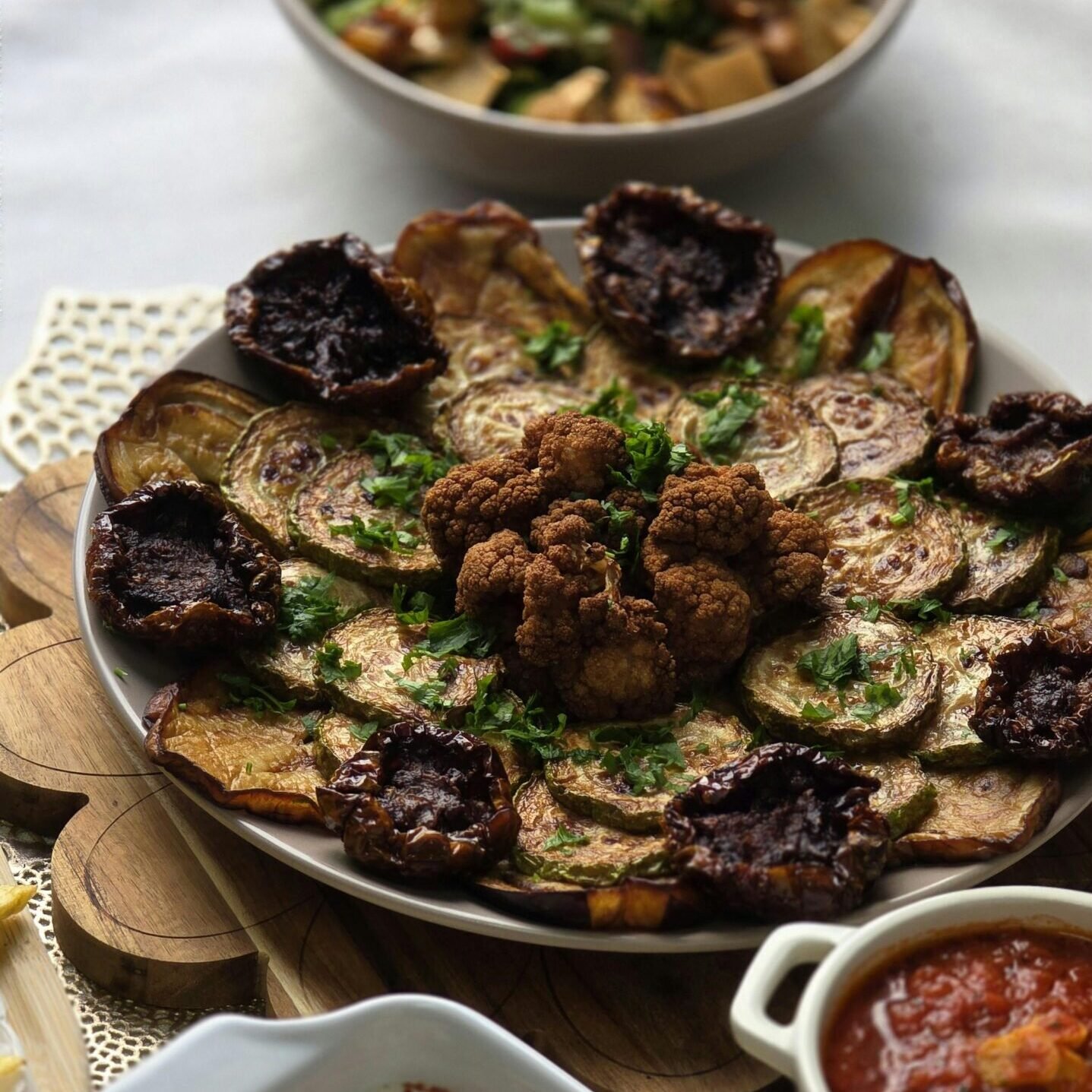
The crackle of sesame, the sizzle of slow-cooked meat, the lift of lemon and parsley, the sweetness of orange blossom, Middle Eastern food announces itself before it even hits the table. It draws you in with aroma and keeps you there with layers of flavour, a seduction most of us happily surrender to. Across India, hummus sits beside café staples, date-sweetened desserts rival brownies, slow-roasted meats wrapped in pillowy pita make easy midweek indulgences, and herb-bright Levantine salads feel as familiar as chaat, proof that Middle Eastern flavours are no longer a novelty, but a delicious new default at the Indian table.
A Flavour Affair
At first glance, the popularity of Middle Eastern cuisine in India could be mistaken for just another global food wave. But its staying power suggests something deeper. Vinesh Gupta, General Manager of The Den, home to Mediterranean restaurant Layla, said it best in an interview: Indian palates are almost naturally aligned with Middle Eastern flavours. The shared DNA is unmistakable, layered spices, grains as anchors of comfort, and slow-cooked meats.
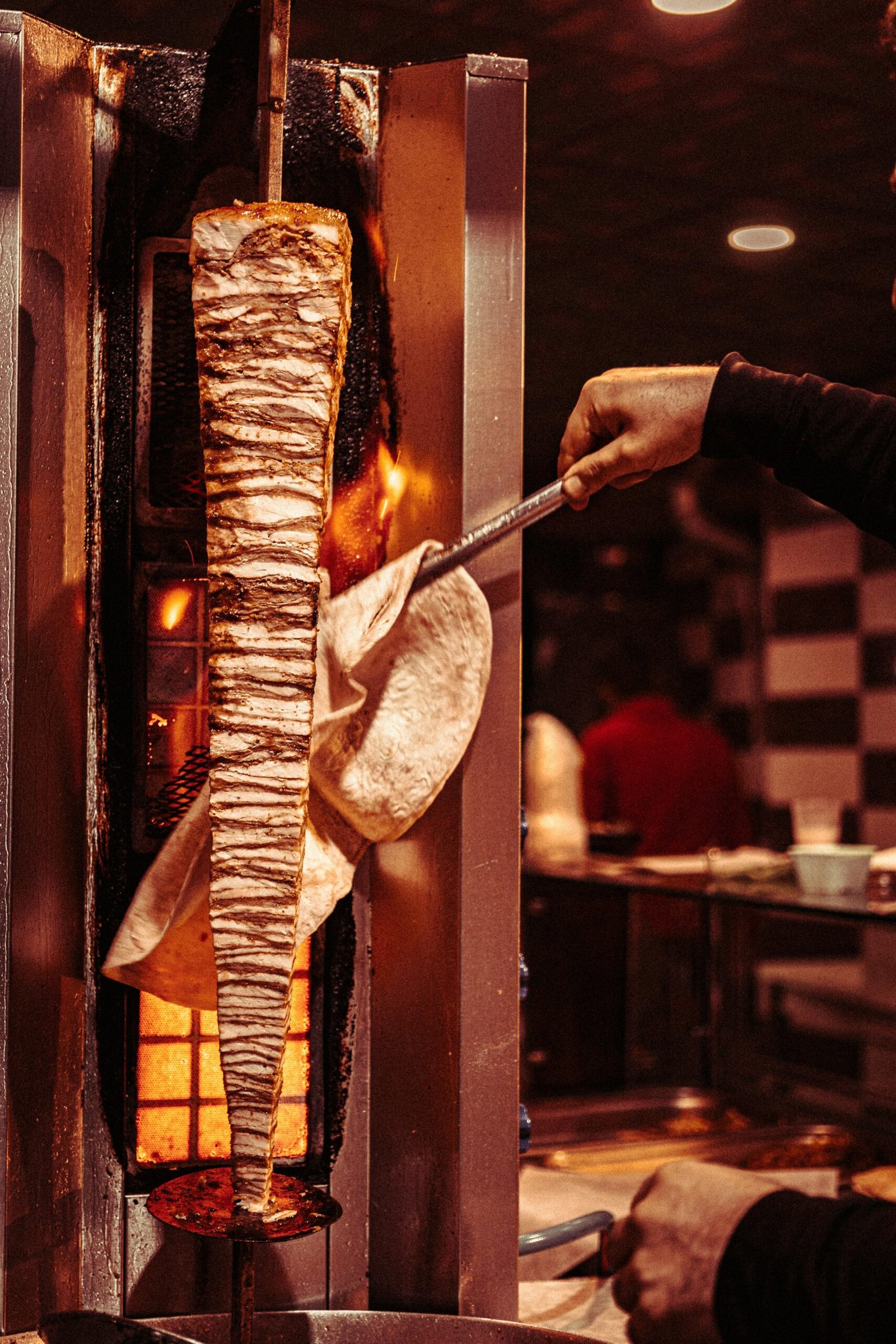
Middle Eastern cuisine thrives in that sweet spot between novelty and recognition. A shawarma, with its thinly sliced meat shaved from a vertical spit, isn’t worlds apart from a beloved seekh kebab or tandoori preparation. Add a drizzle of tahini and it feels new, yet comfortably close.
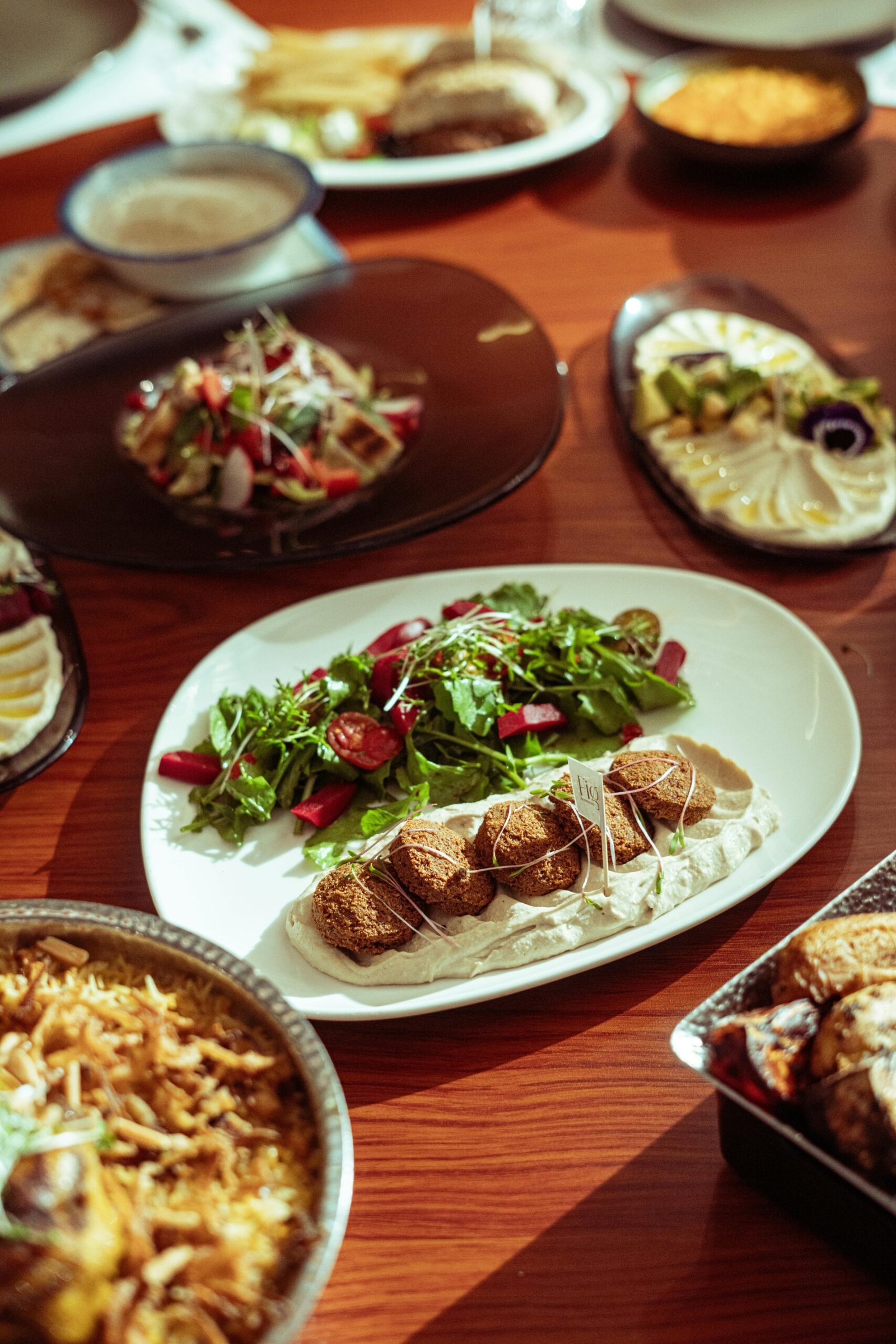
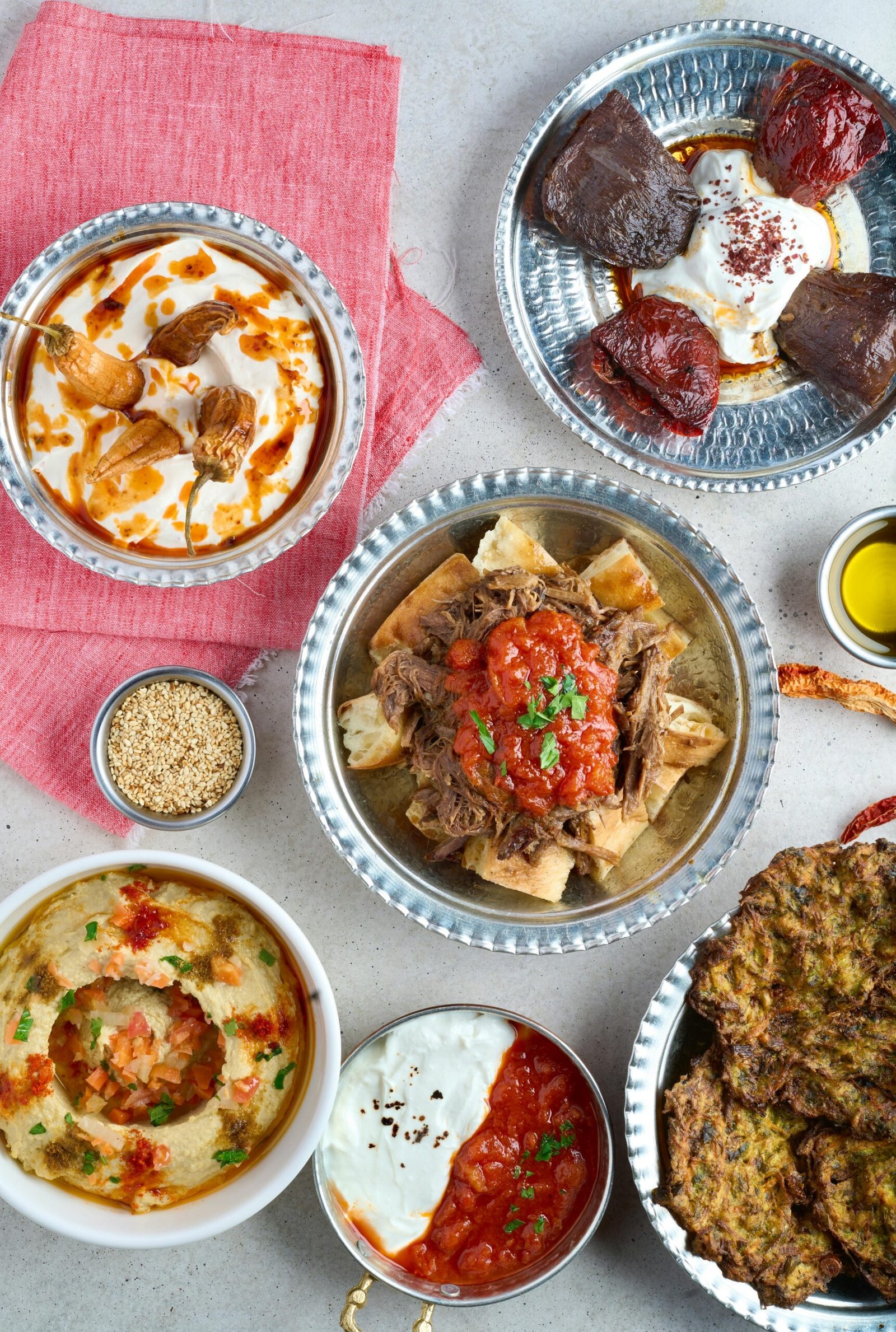
There’s also the theatre of contrast. Few culinary traditions play with opposites quite as elegantly — hot and cold dishes served side-by-side, creamy dips against crisp breads, bright herb salads cutting through rich grilled meats. Mezze, in particular, invites movement across flavours and temperatures, encouraging diners to alternate between warm, cool, tangy, smoky and sweet in a single sitting. Spices are central to this appeal. Cumin, cardamom, caraway, nutmeg, turmeric, anise, the list is long, but the execution is precise. The blends are aromatic without being aggressive.
Equally important is the spirit of sharing. Middle Eastern meals are designed for the table, not the individual plate. Mezze spreads encourage everyone to dip, scoop and sample together. It’s an approach that mirrors India’s own food culture, where eating is as much about connection as it is about sustenance.
Quick Bites To Full-Blown Feasts
What began with the occasional shawarma roll or a side of hummus has grown into something far more expansive. Indian diners aren’t just sampling Middle Eastern food anymore; they’re actively seeking out its deeper, more traditional offerings.
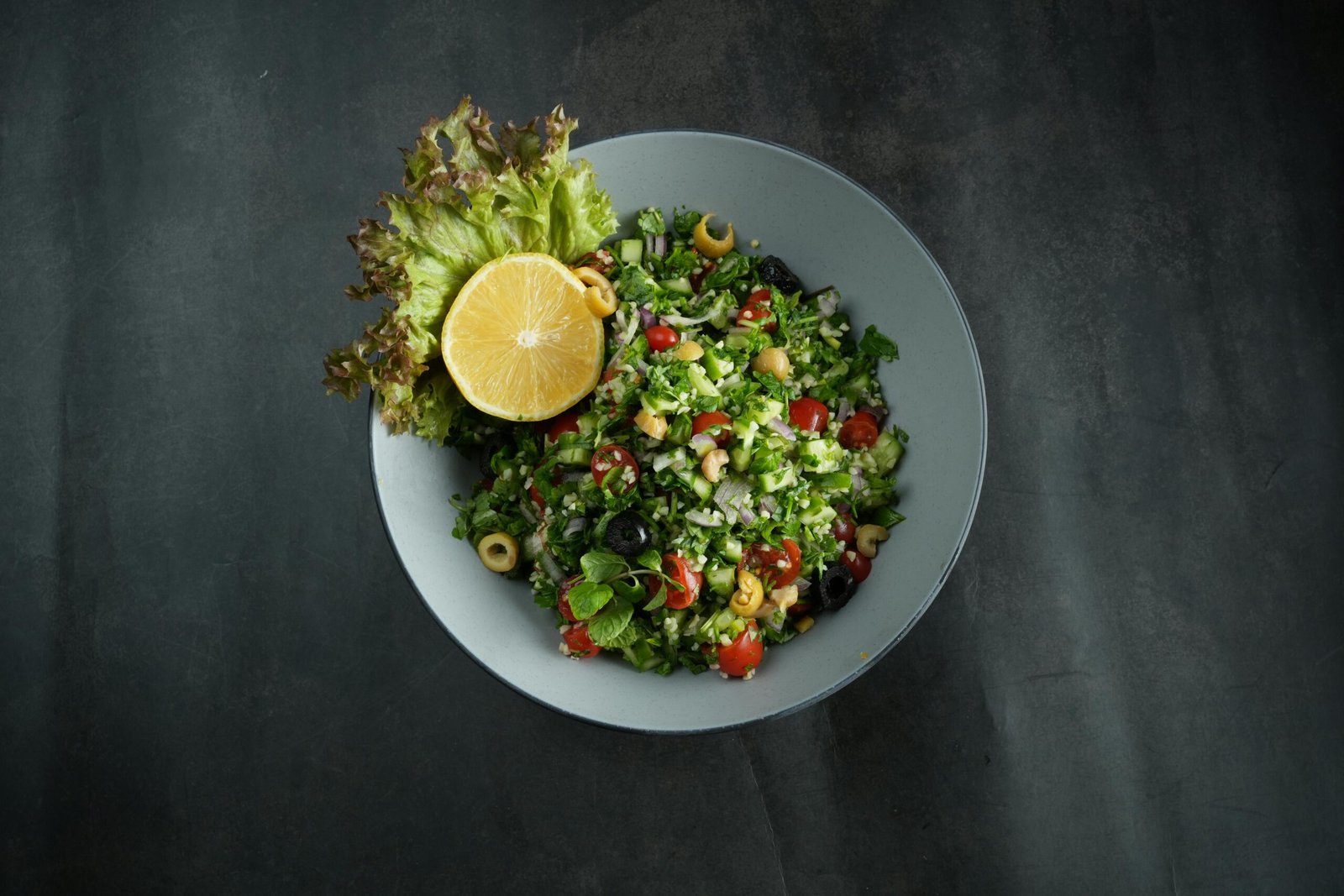
Mandi is a perfect example. This Yemeni classic of slow-roasted meat served over fragrant, spiced rice has moved from niche menus to must-order status. It’s not fast food, it’s patient cooking that requires controlled heat and careful spice work. Alongside these hearty mains, lighter Levantine plates are also gaining popularity. Tabbouleh and fattoush — bright with parsley, mint and citrus — are increasingly appreciated not just as sides but as stars in their own right. In a dining landscape that’s becoming more health-aware, these herb-forward salads offer freshness and contrast without compromising on flavour.
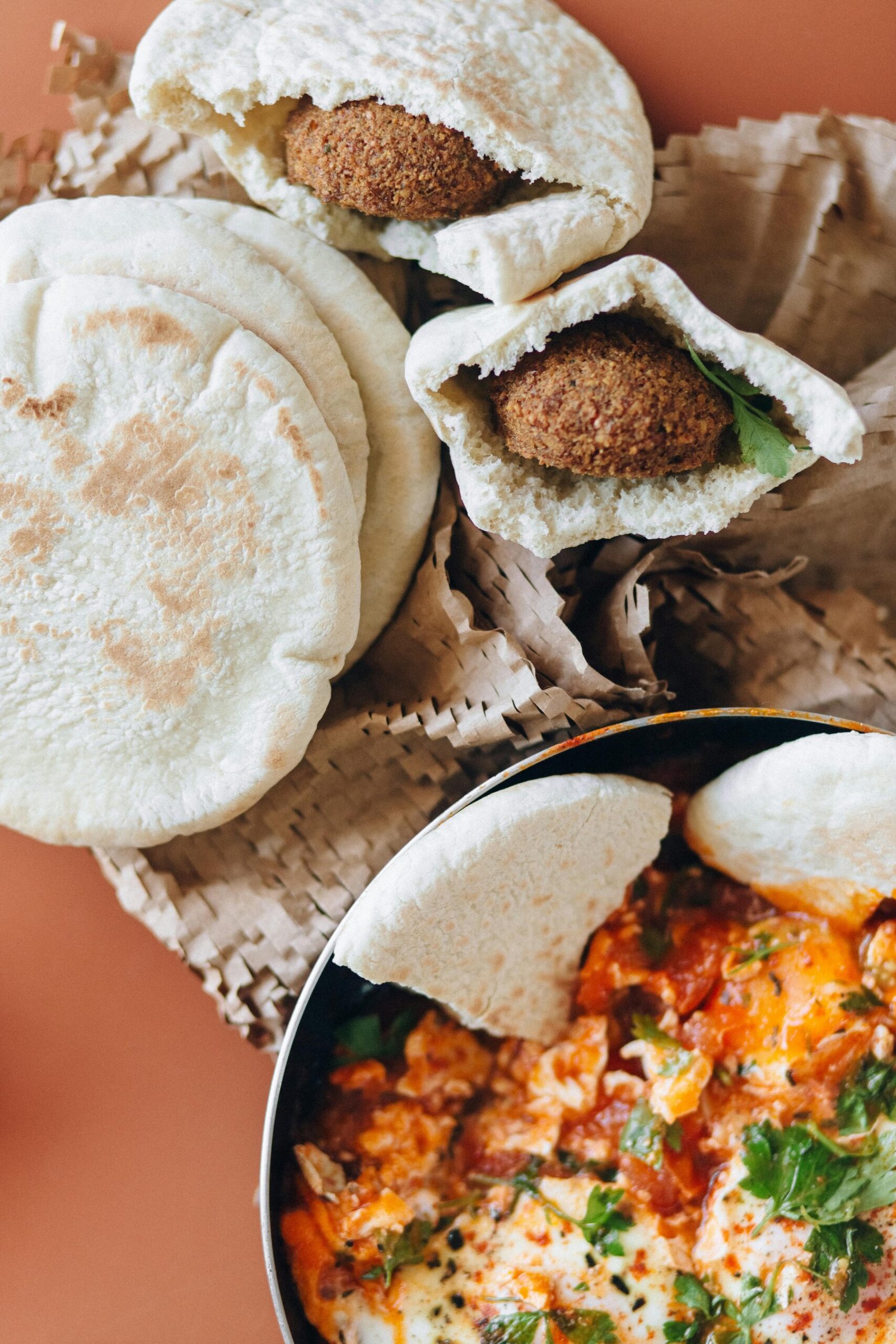
And then there’s hummus, which has quietly evolved from appetiser to everyday essential. Creamy, nutty and endlessly versatile, it now appears in cafés, home kitchens and high-end restaurants alike — swirled with olive oil, paired with warm pita, or reinvented with new toppings. Its simplicity is precisely its strength.
Desserts To Drool For
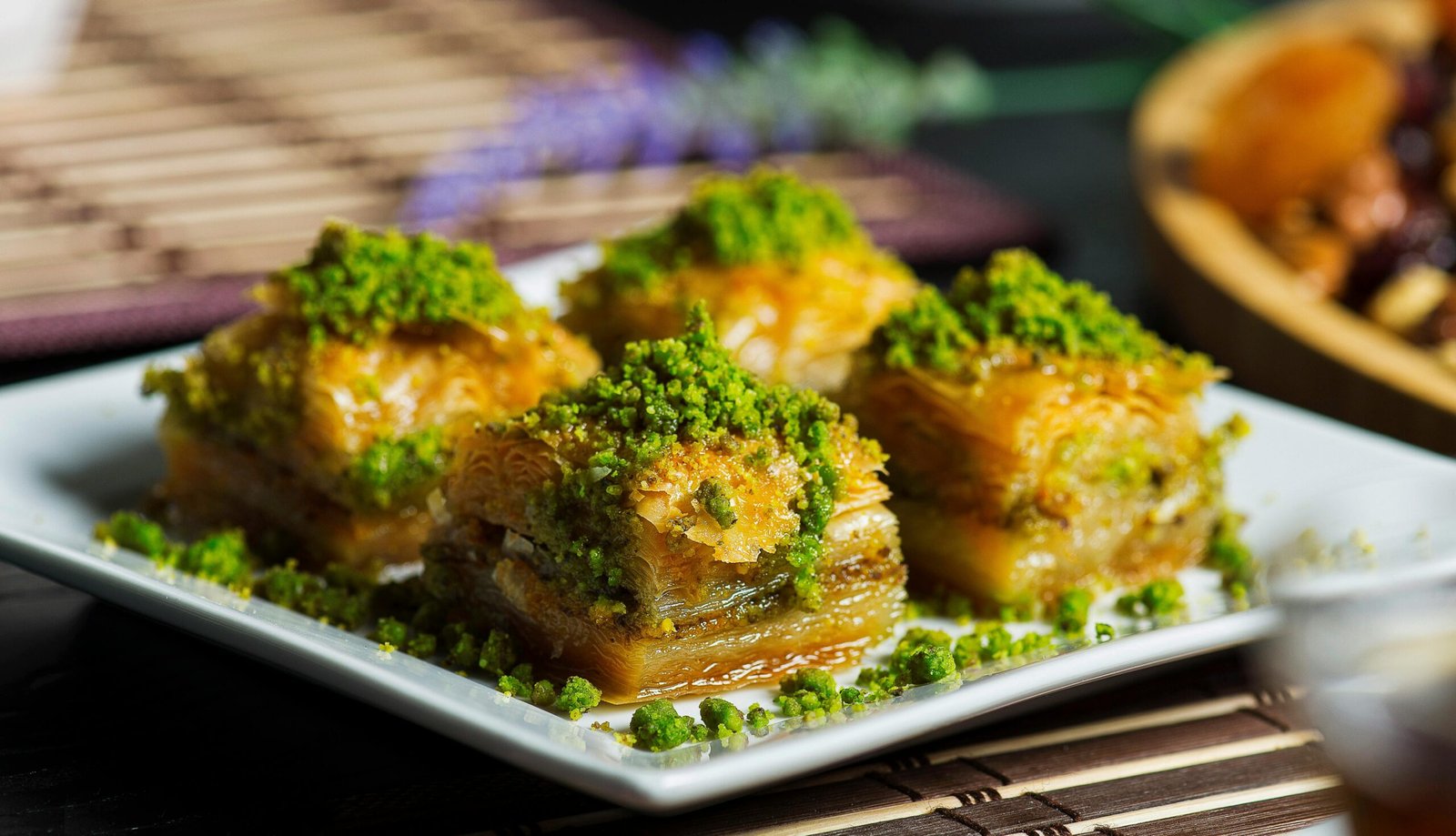
Middle Eastern sweets used to be hidden gems on hotel menus or speciality restaurants; now they’re trending sensations on social media. The syrup-soaked, cheese-and-phyllo delight kunafa has taken over Instagram feeds and dessert menus alike, becoming a buzzy conversation starter in cities across the country. Its gooey pull and golden crown make it almost irresistible.
Beyond kunafa, baklava, Turkish delight, and date-based sweets, other sweets are becoming more common. Popular sweet shops have begun featuring baklava and lokum as the growing appreciation for diverse dessert palates has increased demand. These desserts appeal because they marry rich Middle Eastern techniques with flavours Indians are already emotionally attached to — nuts, honey, aromatic spices and fruit syrups.
A Place At The Table
Middle Eastern cuisine isn’t just a trend; it’s become part of how India eats today. It feels exciting without feeling unfamiliar, generous without trying too hard. And when something tastes this good and fits this naturally into our lives, it’s safe to say it’s here to stay.
Middle Eastern Delicacies To Try
Kibbeh: A crisp bulgur shell stuffed with spiced meat and pine nuts, fried until golden.
Fattoush: A bright, crunchy salad tossed with toasted pita chips and tangy sumac dressing.
Tabbouleh: Parsley-forward, lemony and fresh, this isn’t a side salad — it’s a herb celebration with a little bulgur for bite.
Manakish: Flatbread baked with za’atar, cheese or minced meat, perfect for breakfast or a quick snack.
Mansaf: A platter of lamb and rice cooked in tangy fermented yoghurt sauce.
Zarb: Bedouin-style barbecue slow-cooked underground, delivering smoky, tender meat.
Maglouba: Layered rice-and-meat dish flipped dramatically before serving, revealing a perfectly caramelised top.
Koshari: A comfort bowl of rice, lentils, pasta and chickpeas topped with spicy tomato sauce and fried onions.
Basbousa: A syrup-soaked semolina cake, lightly scented and best enjoyed with strong tea or coffee.
Dolma: Grape leaves or vegetables stuffed with herbed rice (and sometimes meat), served cool and delicately seasoned.
Döner (Shawarma): Thinly sliced, slow-roasted meat shaved from a vertical spit and tucked into bread.
Lahmacun: A crisp flatbread topped with spiced minced meat, rolled up with parsley and a squeeze of lemon for a perfect handheld bite.