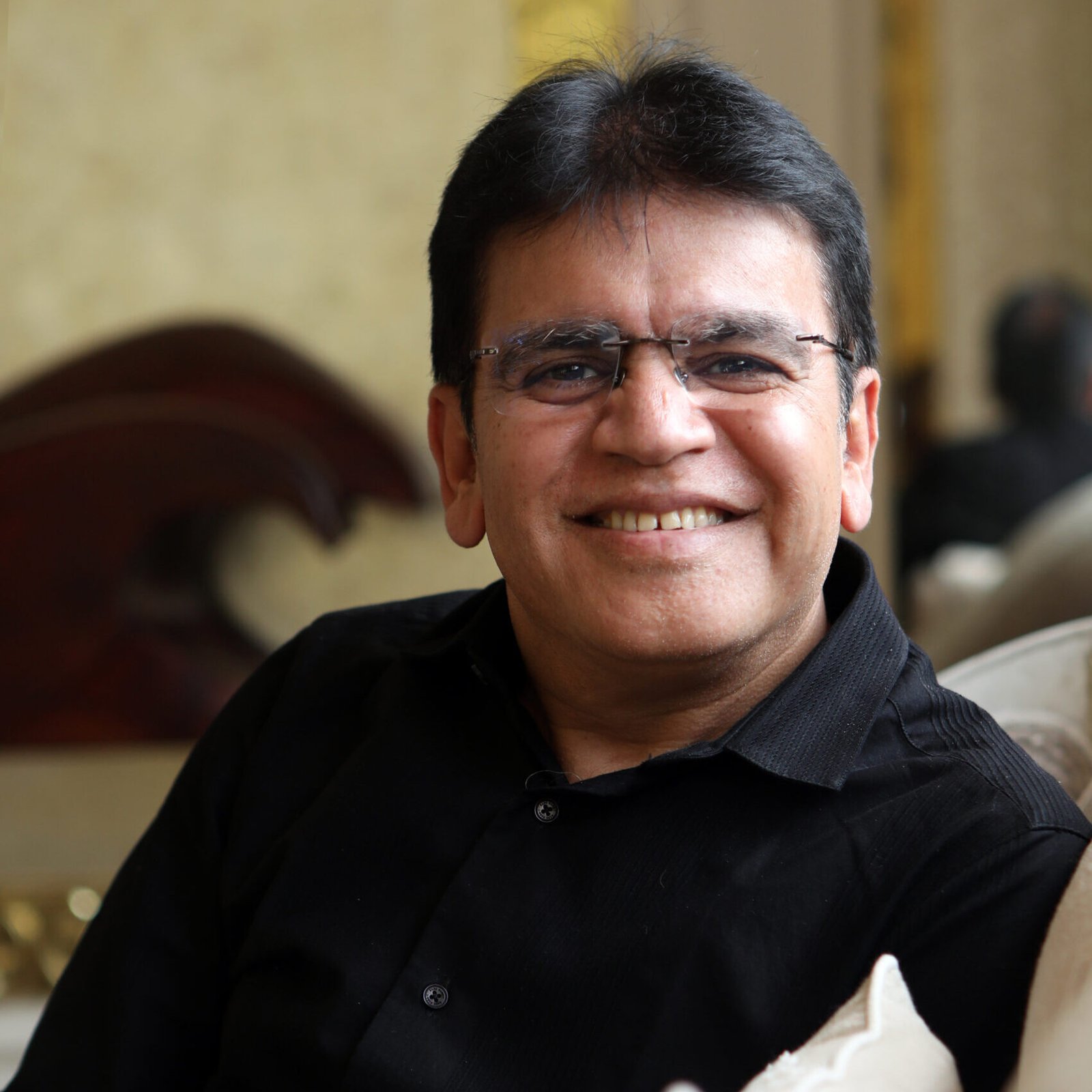
Architect Sunil Gambani of Drishti Architects blends innovation, empathy, and contextual sensitivity to create spaces that resonate deeply and stand the test of time — shaping a legacy built on purpose and vision.
For Ar Sunil Gambani, architecture has never been merely about constructing buildings — it is about shaping experiences, uplifting environments, and leaving a legacy of thoughtful design. After more than 25 years as a senior associate with the legendary Architect Hafeez Contractor, he developed a refined understanding of scale, detail and innovation. In 2006, driven by a conviction to create spaces that resonate deeply with people and places, he founded Drishti Architects.
From luxury residences to expansive corporate environments, Ar Sunil Gambani continues to influence the architectural landscape not through spectacle alone, but through consistency, discipline and a sincere commitment to making spaces better.
Here’s a look at some of the projects in his vast portfolio:
Baner Bungalow
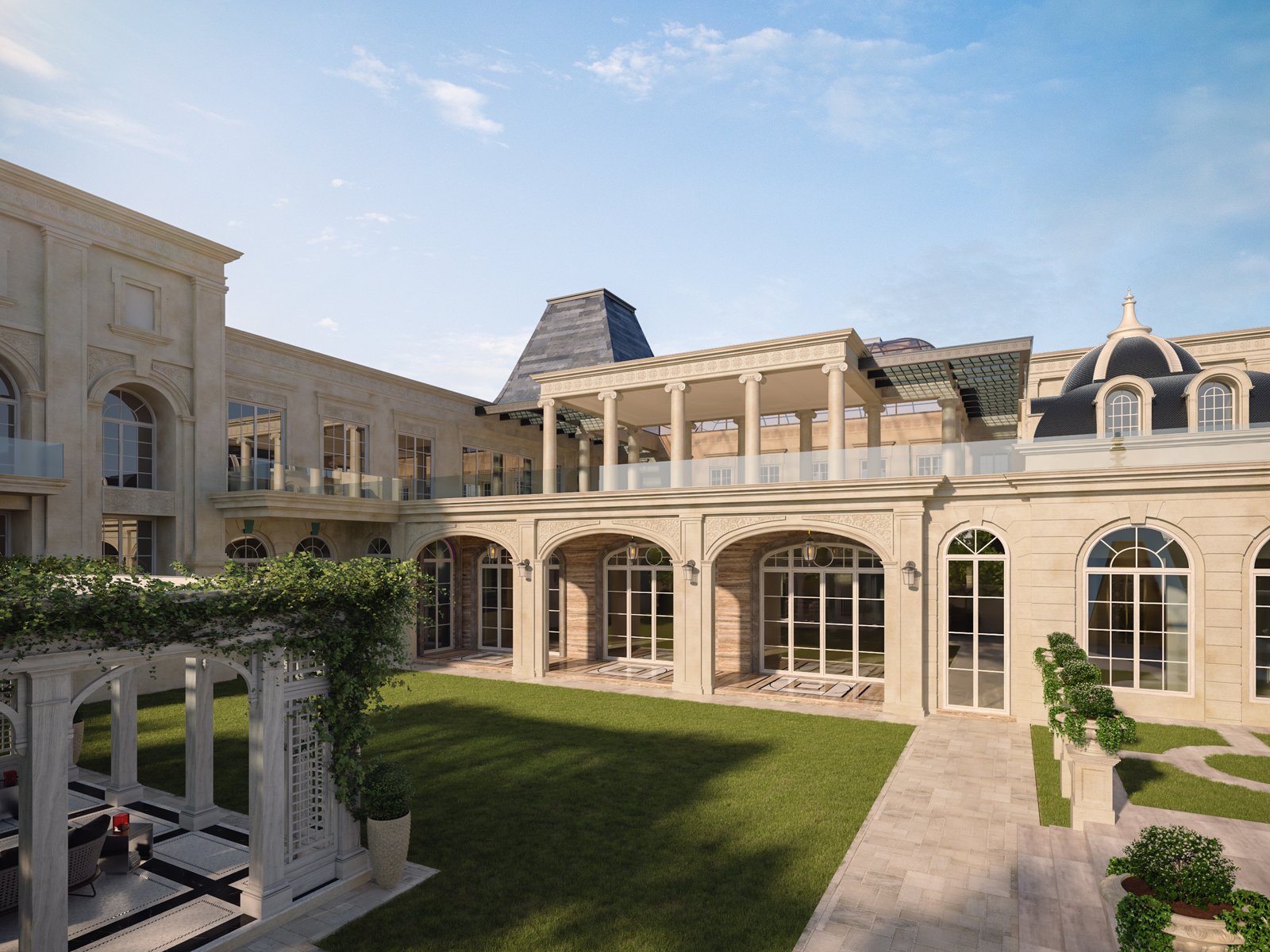
Located in the tranquil residential enclave of Baner, Pune, this meticulously crafted villa reinterprets classical architecture for contemporary family living. Designed for a family of seven, the home spans a basement and two upper levels, arranged around a lush central courtyard that balances privacy with connection.
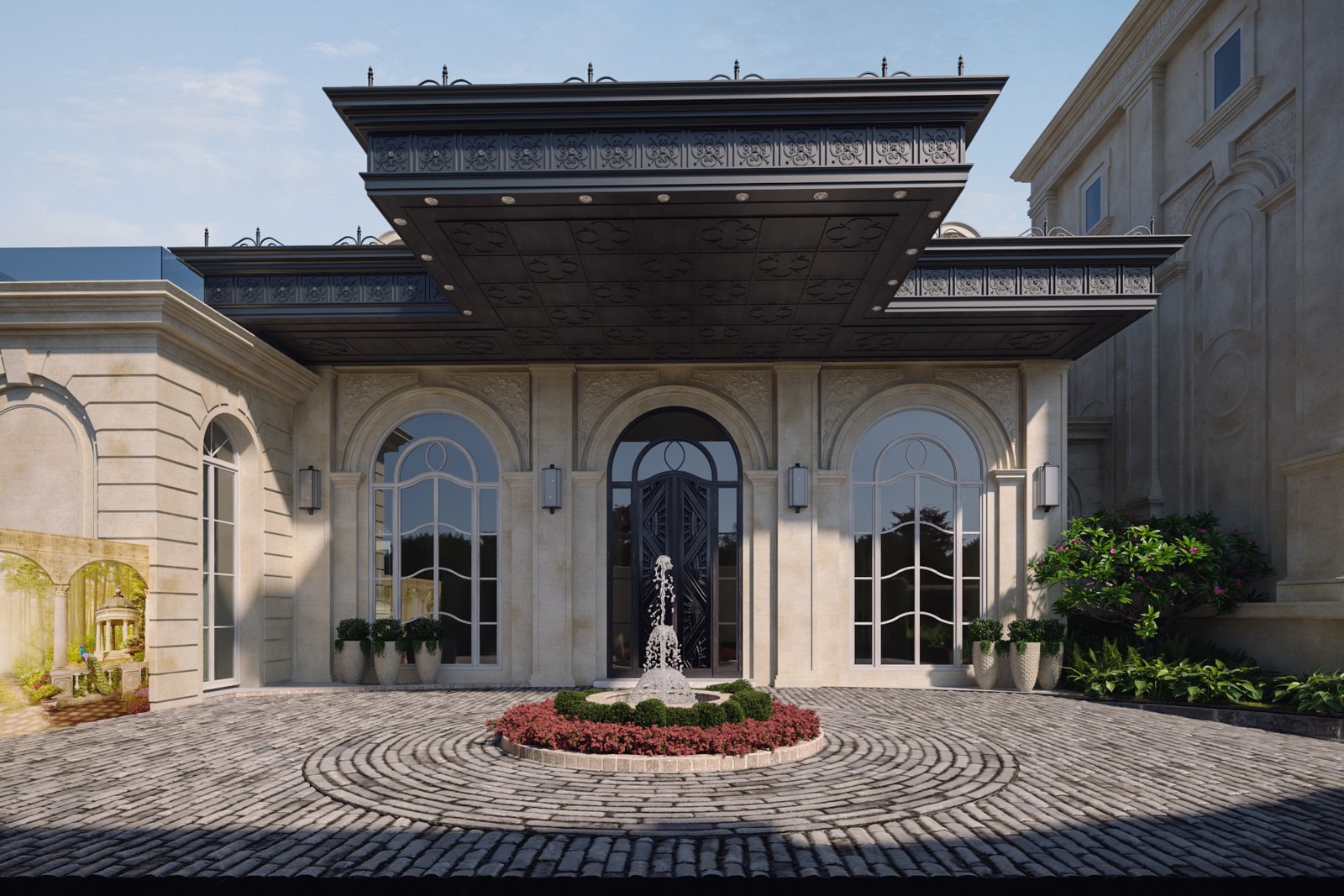
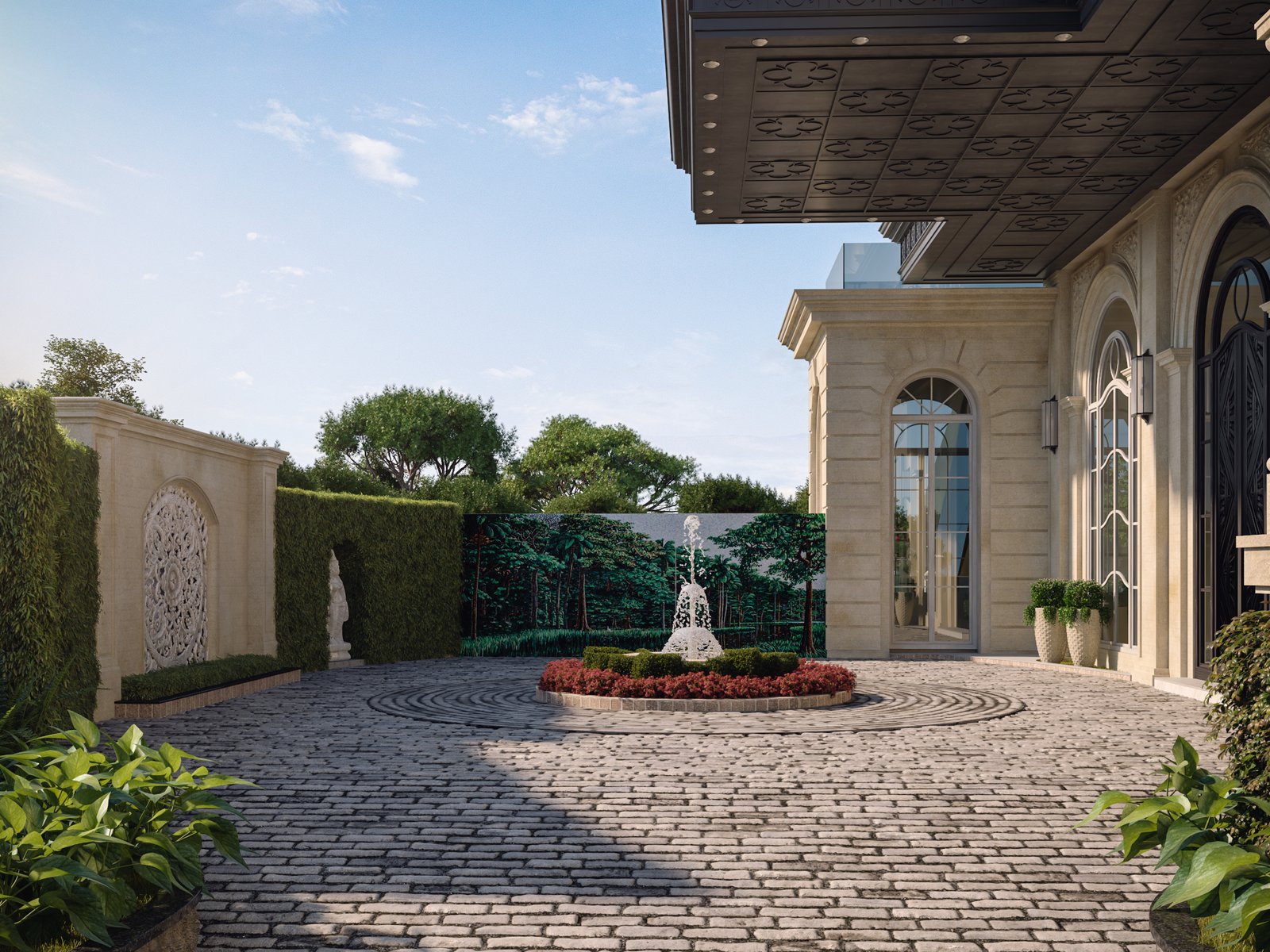
An L-shaped footprint gently traces the site’s edge, opening into a carefully choreographed sequence of spaces. Clad in warm beige limestone, the façades convey understated elegance. A metal canopy adorned with delicate floral motifs marks the entrance, leading to a circular driveway centred on a fountain. A carved stone mural and vertical green wall frame the approach.
Inside, a formal lobby and office crowned by a vaulted ceiling and dome establish the classical tone. The double-height courtyard forms the heart of the home, defined by ornamented arches, floral pilasters and intricate openings. A glass-vaulted skylight and grand crystal chandelier bathe the space in soft light, while a stone fountain adds a tranquil acoustic layer. Inlaid marble flooring, curated seating and indoor trees transform it into both a gathering space and retreat.
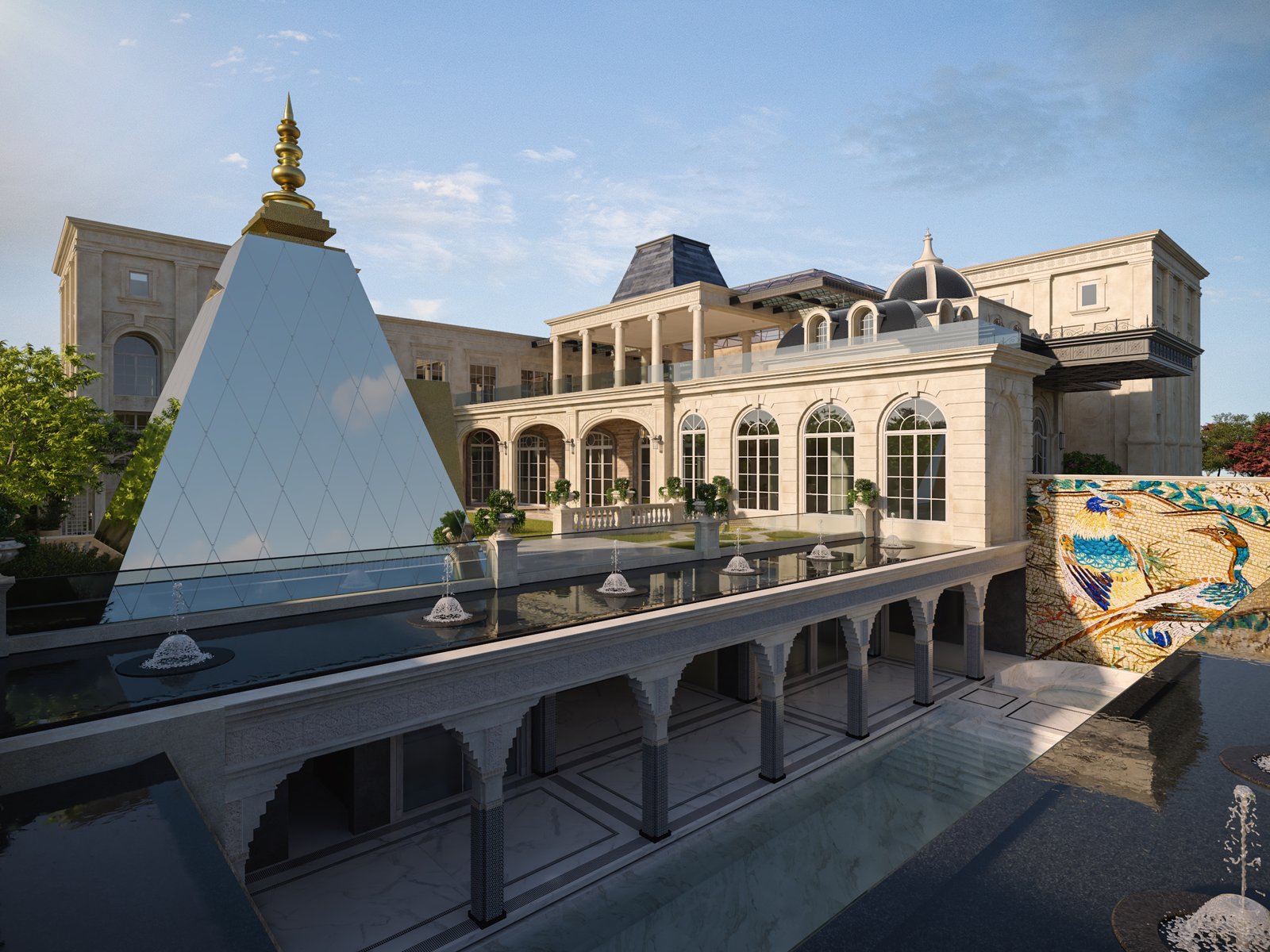
The living room opens to landscaped gardens, where a pavilion draped in flowering creepers offers shaded leisure. A striking temple pavilion — a glass-clad sanctuary crowned with a gilded shikhara — becomes a sculptural focal point, reflected in a serene water body.
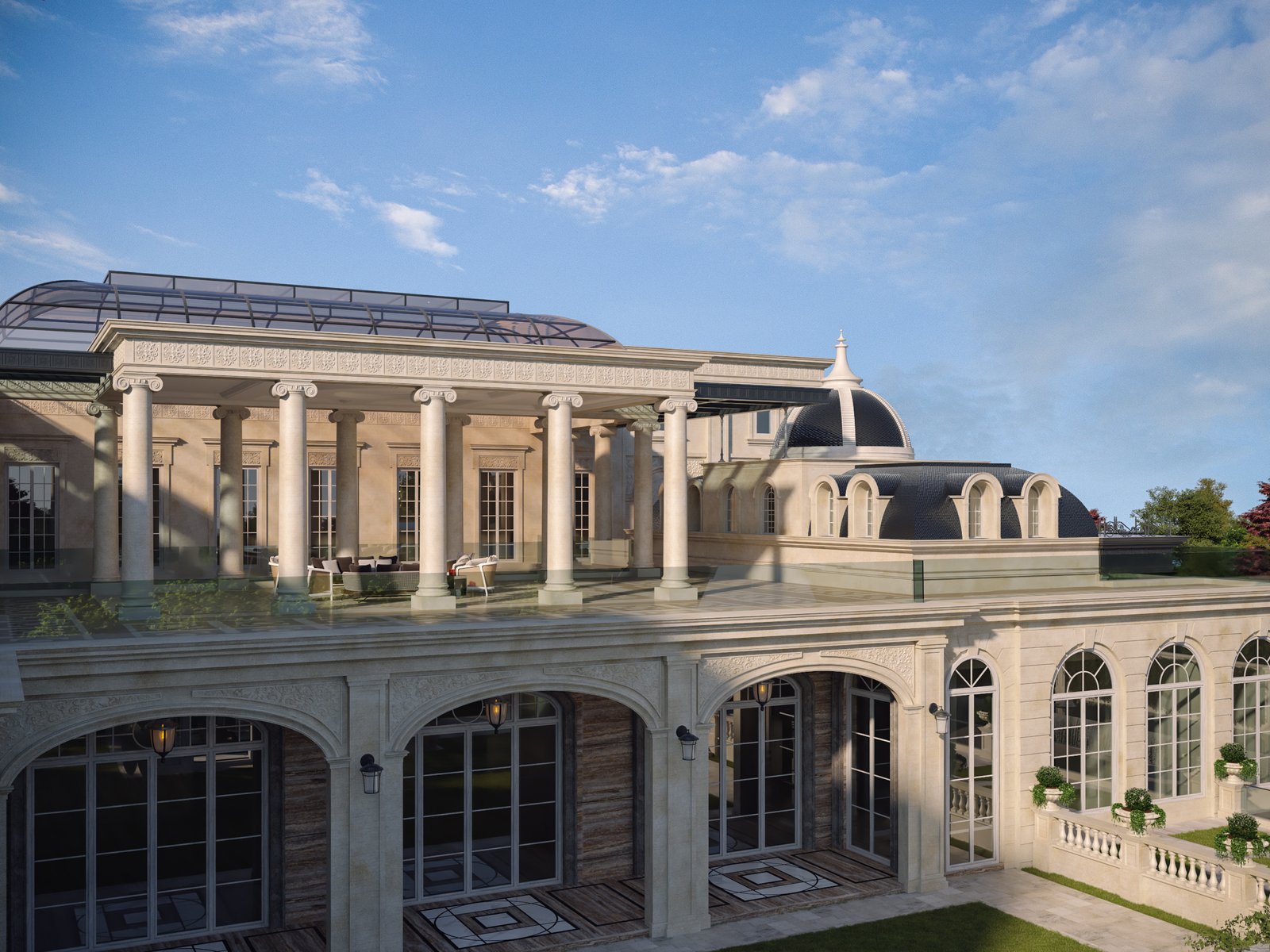
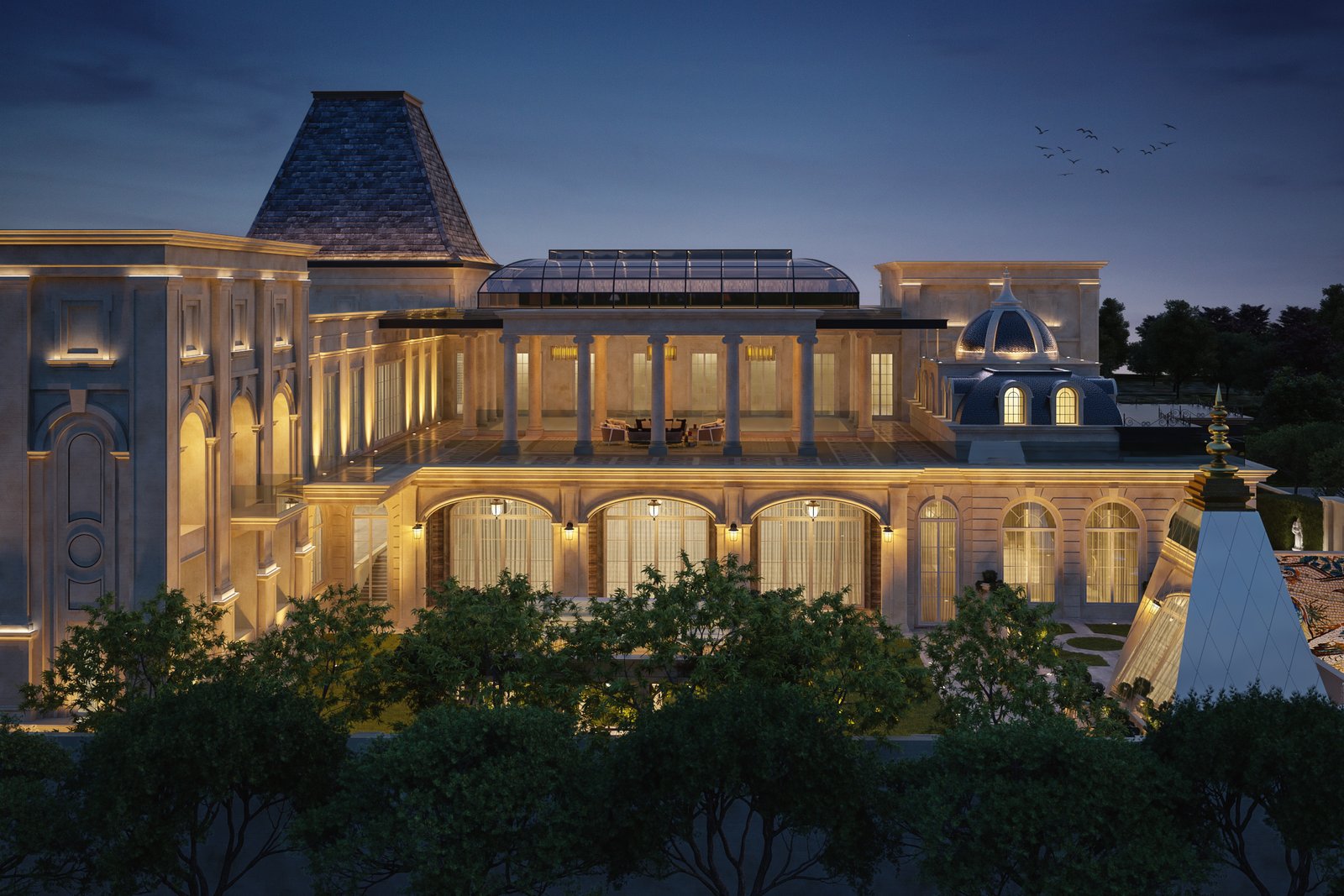
Upstairs, a terrace pavilion with Doric columns overlooks the courtyard, while a pyramidal roof adds presence to the skyline. The basement reveals a Moroccan-inspired leisure zone with an indoor pool, mosaic-clad walls and cascading water features. Staff quarters and parking are discreetly integrated, preserving the villa’s calm.
Through classical detailing, material richness and sensitive planning, Baner Bungalow becomes more than a residence — it is an enduring expression of grace and celebration.
Anant Karma Tatva
Rising above Mumbai’s Bandra Kurla Complex, Anant Karma Tatva (AKT) reimagines the co-working environment as a layered, experiential narrative. Conceived as a reflection of Mumbai’s dynamic identity, the space blends nostalgia and modernity to create a workplace that is emotionally resonant and functionally agile.
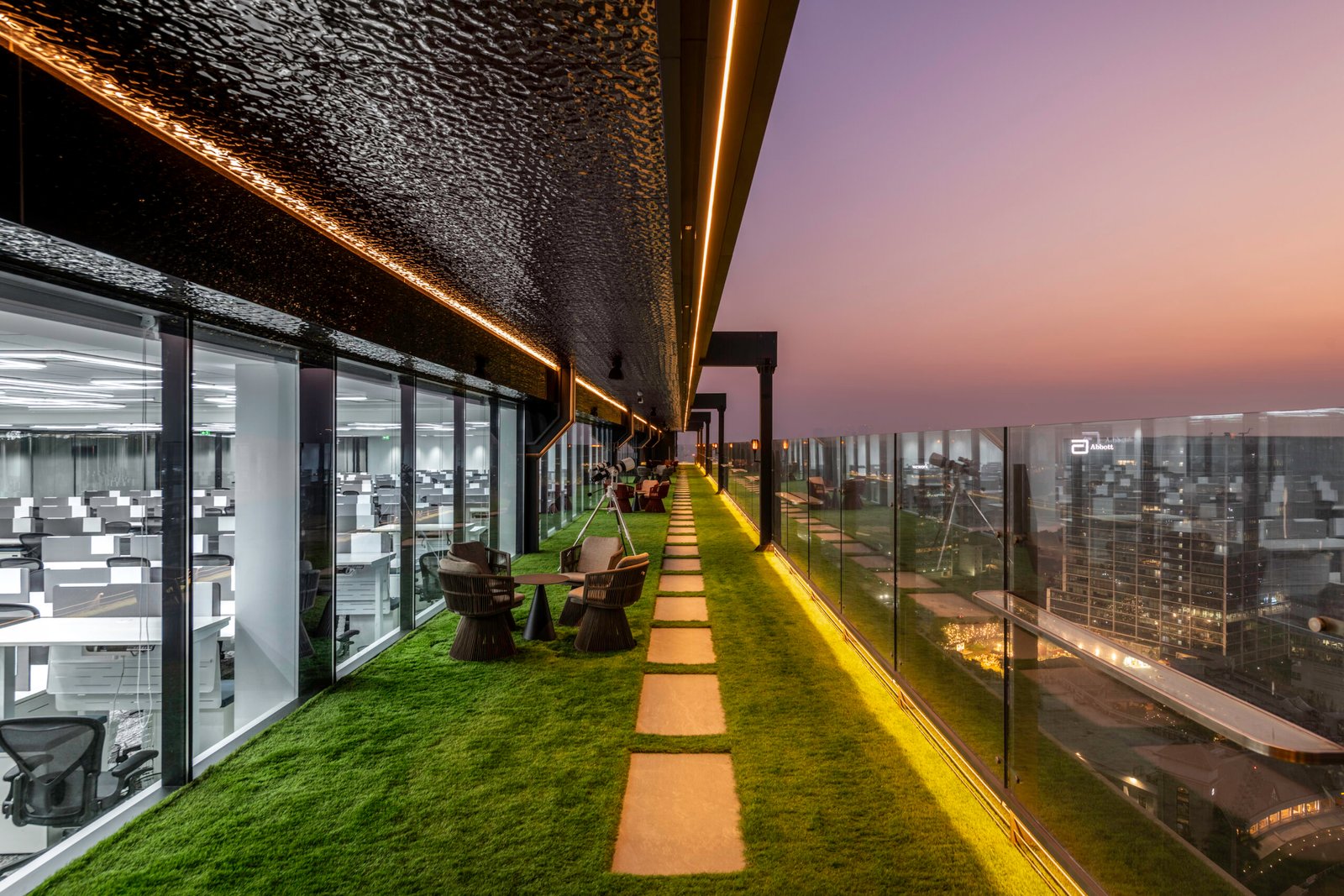
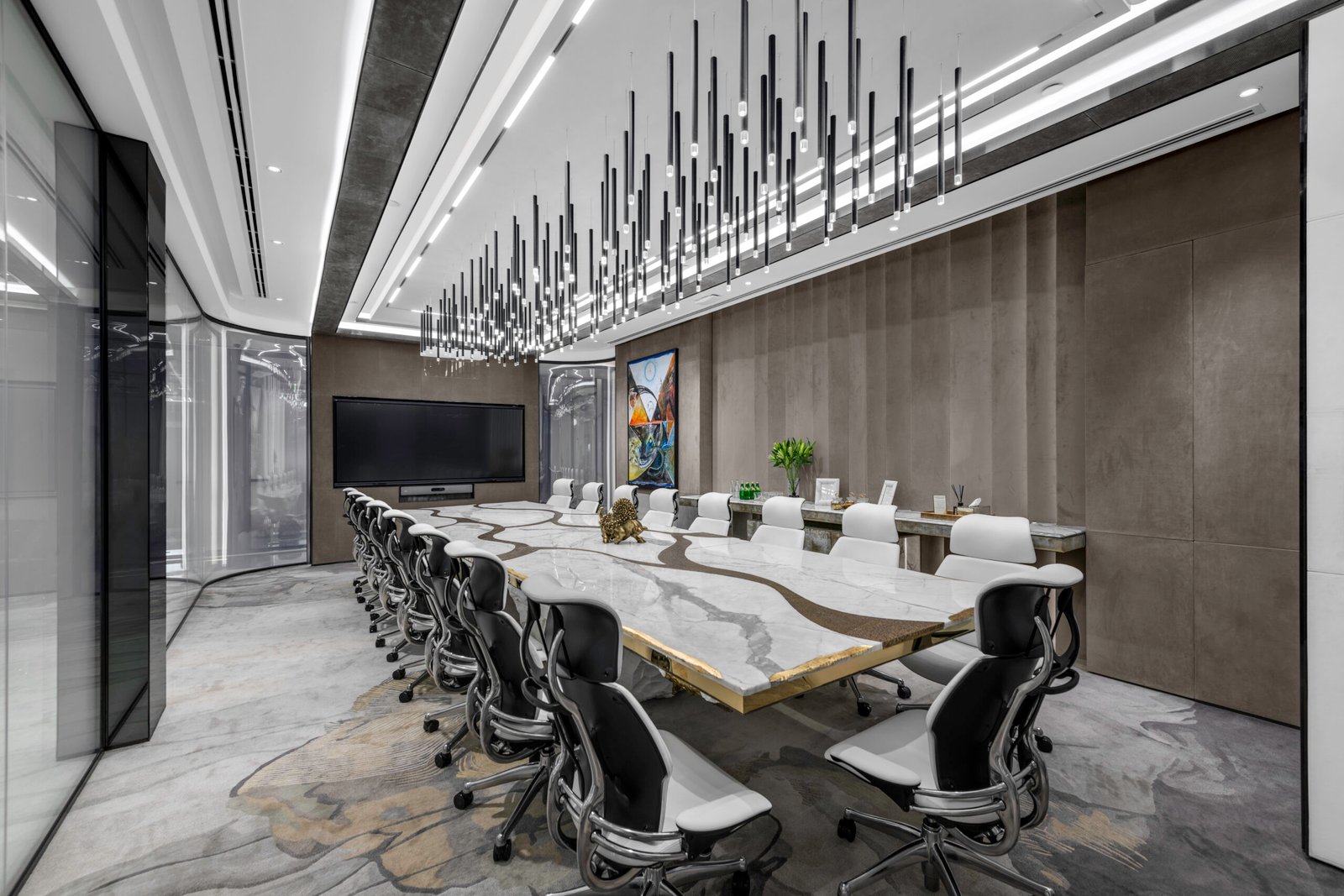
Curved corridors echo the sweep of Marine Drive, while stretch ceilings evoke the city’s expansive skies. Switchable glass walls transition between openness and privacy, mirroring Mumbai’s rhythm of bustle and retreat. A marble conference table etched with fine lines subtly references the city’s transformation from seven islands into a unified coastline.
Technology is seamlessly integrated: A multipurpose hall with a large LED screen supports immersive presentations, while capsule booths, modular pods and flexible zones accommodate varied work styles. Collaboration and contemplation coexist.
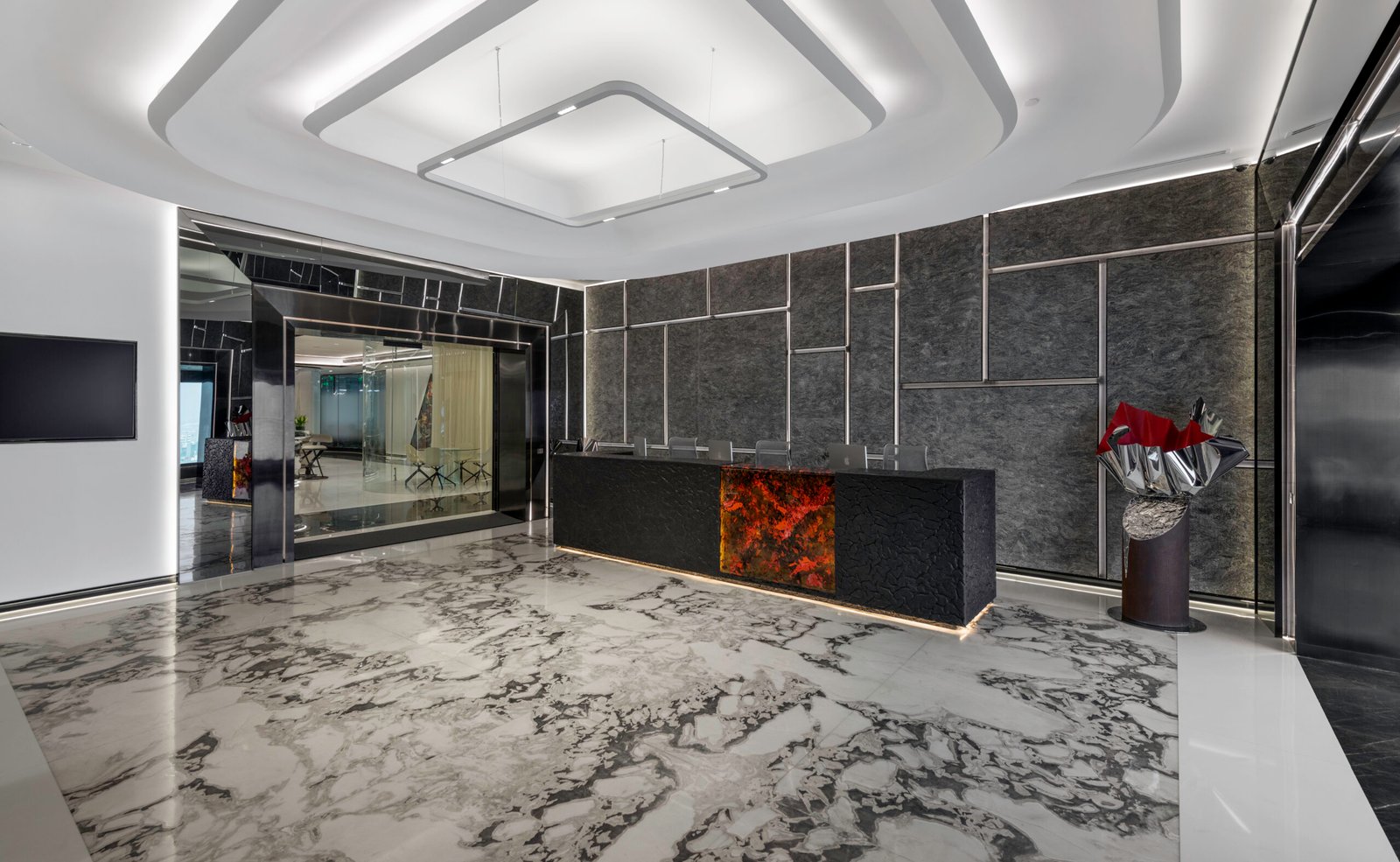
Material choices reinforce the narrative. Antique-gold wave installations ripple overhead, complemented by expansive city views. A Kalpavruksha motif symbolises growth and renewal, while mandala patterns behind the reception evoke cyclical continuity. Sun and moon artworks at the corridor ends serve as quiet markers of time.
Sustainability is integral. Repurposed furniture and eco-conscious finishes reflect a commitment to responsible design. Above, a grid ceiling dotted with lights creates a constellation effect, adding poetry to the workspace’s adaptability.
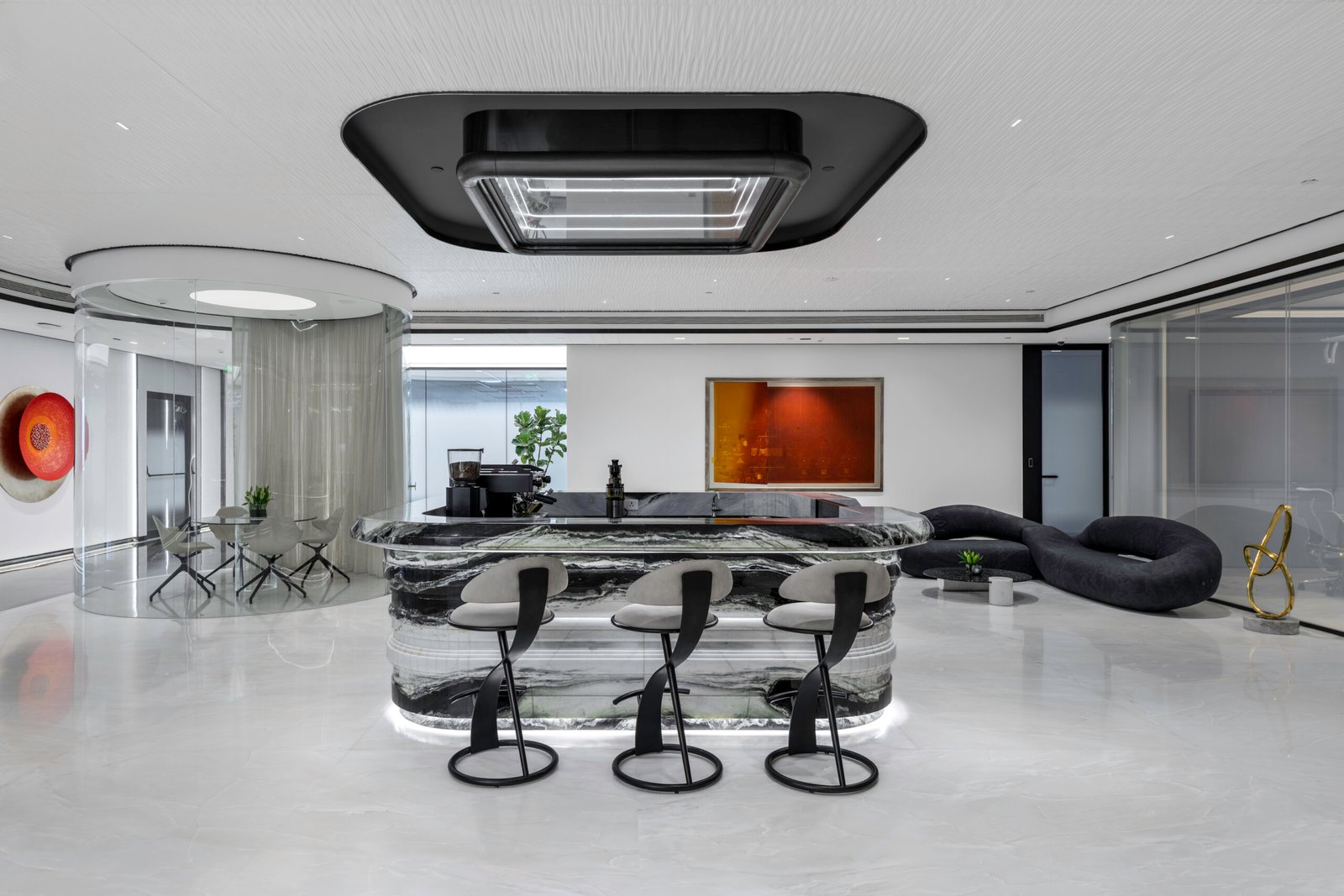
At its centre, a café crowned with a sculptural metal ceiling recalls Mumbai’s shoreline waves, fostering informal exchange. Anant Karma Tatva becomes a collage of contrasts, where Bombay’s timeless spirit meets the pace of modern Mumbai.
Nivasana
Set against the dramatic backdrop of Manali, Nivasana is envisioned as a hospitality destination rooted in its landscape. The mountains are not a backdrop but the defining presence, shaping orientation and experience.
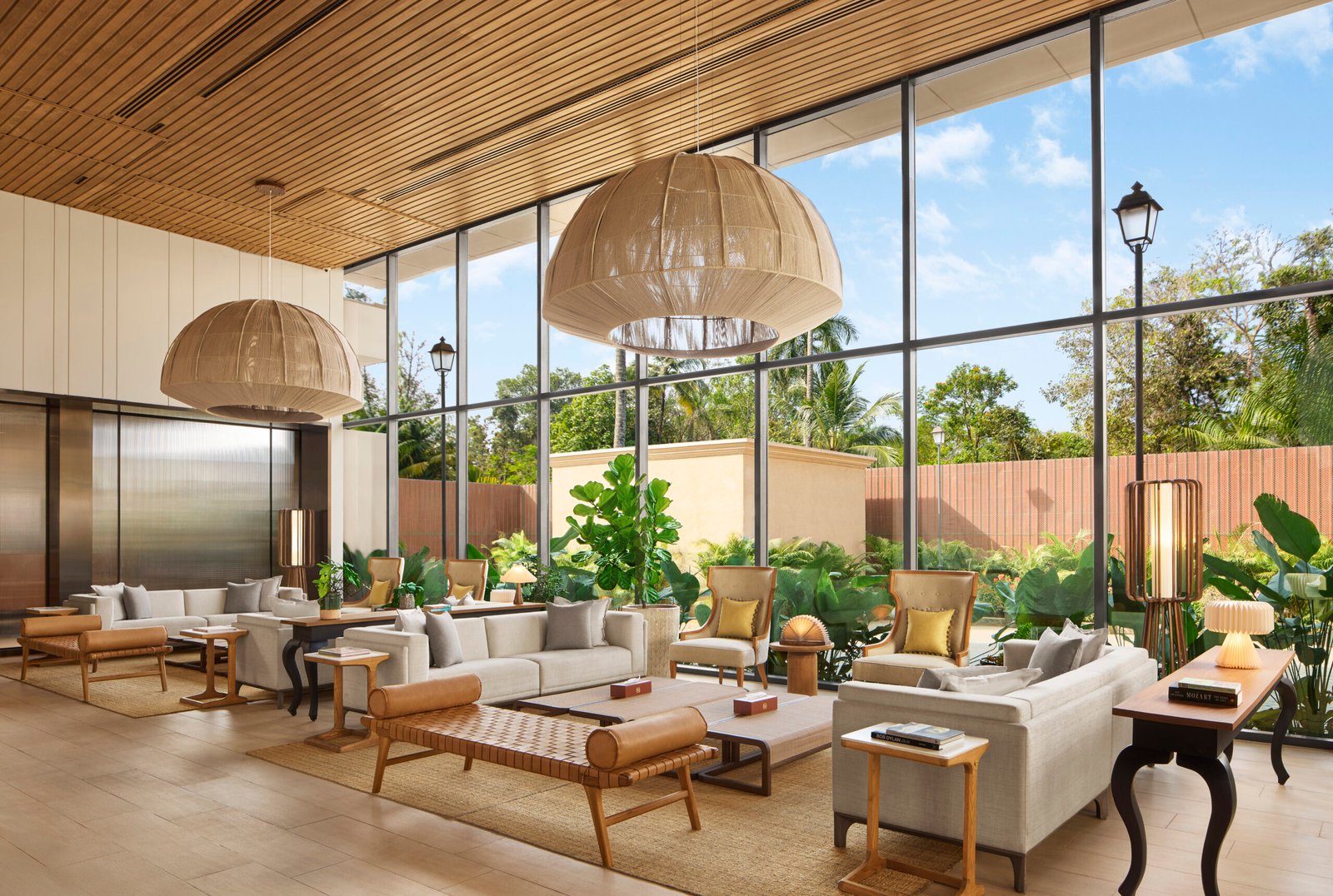
The building’s organic geometry responds to the terrain, with sloping rooflines inspired by surrounding peaks. These prevent snow accumulation while allowing the architecture to settle naturally into its alpine setting. Locally sourced stone and warm timber connect the structure to vernacular traditions.
Expansive glazing frames uninterrupted Himalayan views, flooding the interiors with natural light. The site’s contours are used strategically, with lower levels accommodating services and attic spaces reserved for storage, preserving spatial efficiency without altering the terrain.
Interiors balance vernacular charm with refined minimalism. Double-height volumes and clear sightlines enhance the guest experience, while biophilic principles guide the material palette and spatial planning. Natural textures, muted tones and framed vistas of snow-clad peaks cultivate a sense of calm and connection.
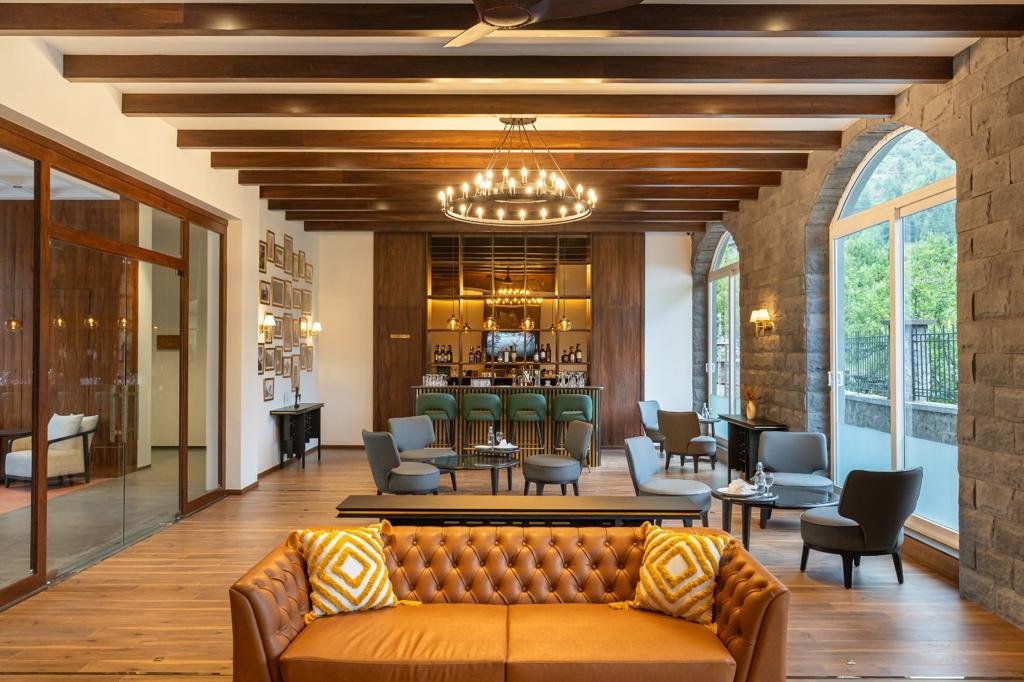
At Nivasana, architecture does not compete with nature; it honours it — creating a harmonious dialogue between built form and mountain landscape.
This article has been excerpted from our sister publication ‘Society Interiors & Design’.