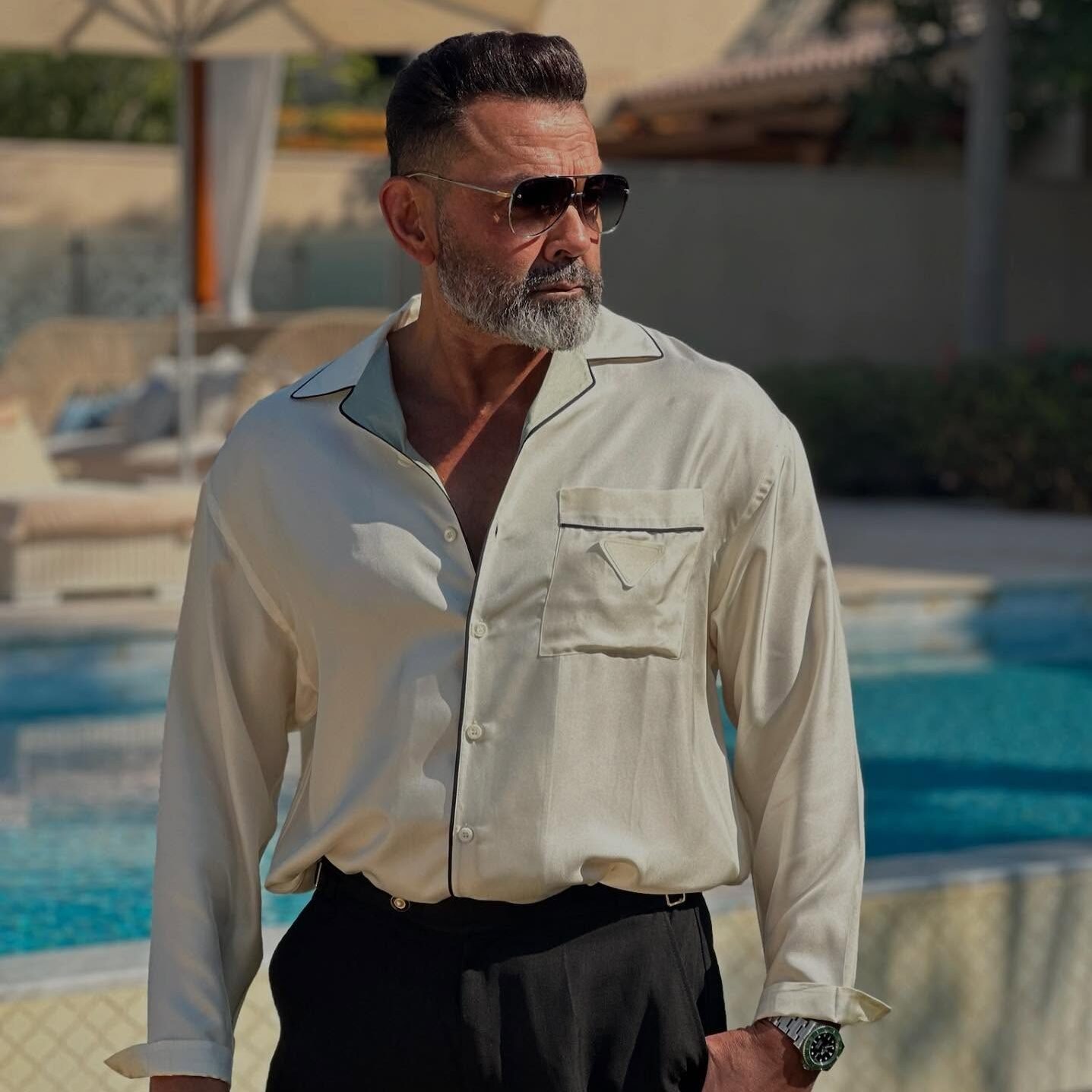
Bobby Deol on pushing boundaries with ‘Bandar’, staying creatively fearless, and the values he has imbibed from his father, Dharmendra.
By Nichola Marie
Bobby Deol’s journey in cinema spans a rare arc — one that moves from the legacy of a celebrated film family to the reinvention of an actor finding fresh relevance in a rapidly changing industry. The son of Dharmendra, whose iconic presence in films like ‘Sholay’ and ‘Dharam Veer’ defined an era of mainstream Hindi cinema, Bobby entered the industry in the 1990s with strong expectations and early success. Over the years, his career has seen its share of peaks and pauses, but in recent times, he has re-emerged with a renewed screen presence that has captured both audience attention and critical appreciation.
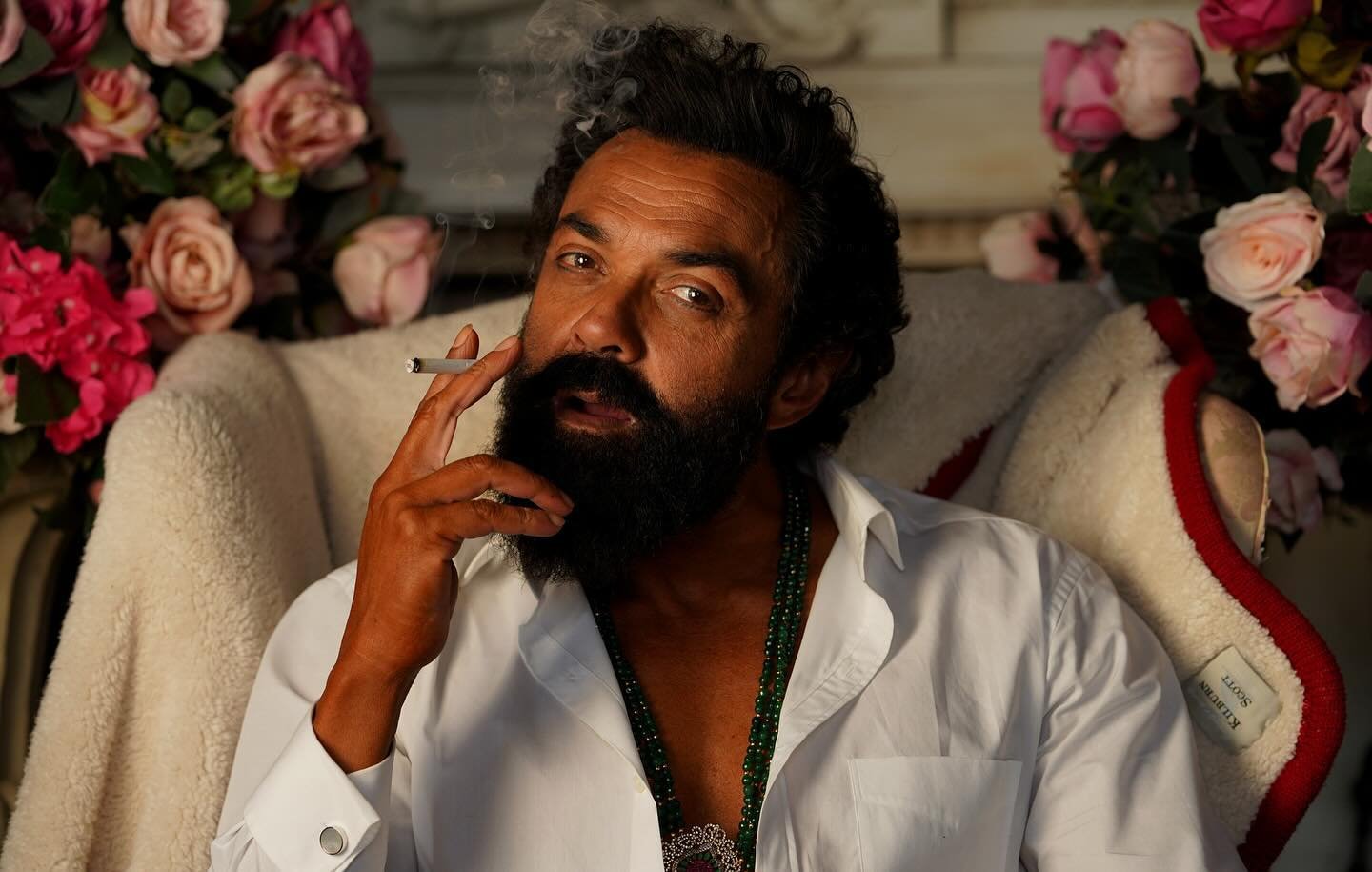
This new phase is marked by a clear departure from predictability, as he explores layered, unconventional roles across cinema and streaming platforms. From powerful character turns in recent projects to his collaboration with filmmakers known for offbeat storytelling, Bobby Deol has steadily carved a space defined by reinvention rather than repetition. Yet, beneath the evolving filmography, lies a consistent core shaped by values deeply rooted in humility, discipline, and emotional grounding — traits he attributes to his upbringing in the Deol household.
In this conversation, he reflects on his creative choices, his evolving relationship with performance, and the personal principles that continue to guide him through a constantly shifting industry landscape.
Many critics are calling your performance in ‘Bandar’ one of the finest of your career. What was it about this character that challenged you the most and helped you discover something new as an actor?
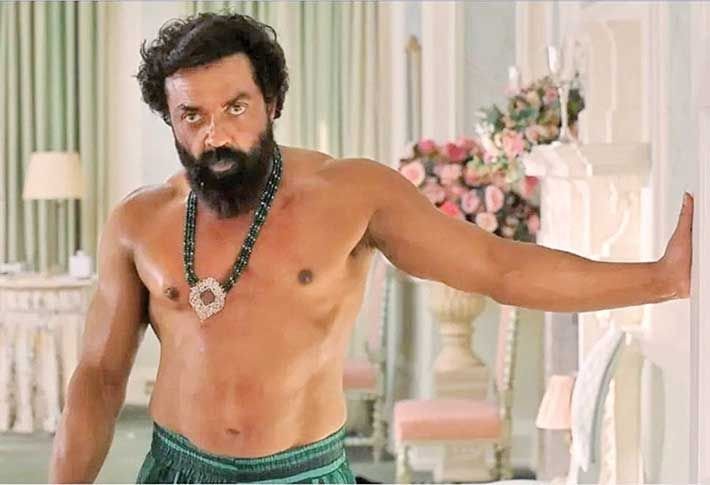
It’s amazing and surreal to hear critics calling this my finest performance; it’s truly encouraging. This character is so far removed from who I am as an actor that I never imagined I’d get the opportunity to play someone like this. It was a once-in-a-lifetime role, and I gave it everything I had.
I’ve become fearless as an actor, and I actively seek out challenges like this. I believe that for an actor to truly grow, you need characters that push you to be something you’re not, yet make it feel completely real on camera. That is the most difficult thing to do, and this role genuinely helped me become better at my craft.
Every project I choose now is something outside my comfort zone. That’s been my approach for a while now and I truly believe that is how I’ve grown over the years.
‘Bandar’ marks your first collaboration with Anurag Kashyap. What was the most memorable aspect of working with a filmmaker known for bringing out unexpected dimensions in his actors?
I’ve wanted to work with Anurag Kashyap for years. Way back, he had offered me something, but at that point, I wasn’t mentally prepared to accept a challenge like that. Maybe I felt I wasn’t mature enough in my career to take on characters that were so different. But over the years, things changed in my life. I wanted to step out of my zone, and slowly, the OTT platform gave me the chance to play these kinds of characters.
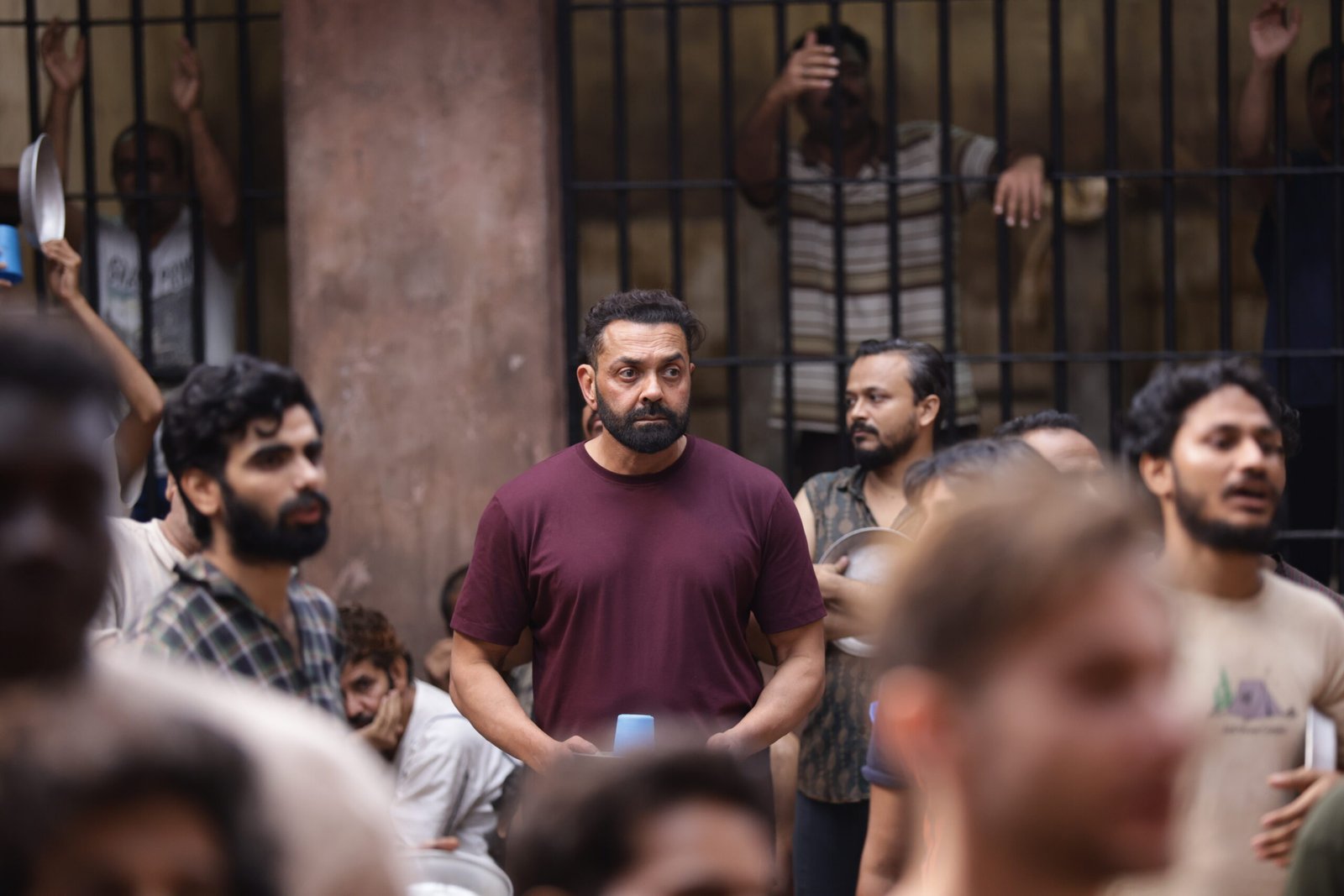
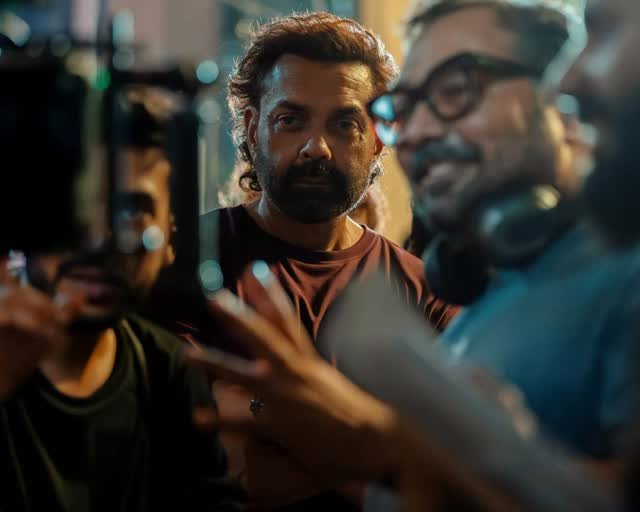
And then ‘Animal’ happened. Anurag noticed something in me, gave me a call and told me he’d love to work with me at some point. Less than a month later, Anurag, Nikhil [Dwivedi] and I were sitting together preparing and planning ‘Bandar’.
Working with Anurag was just something else; he’s very different. Every single day on that set felt like attending a workshop. He made me realise what my capabilities truly were, how I could portray a character in so many different ways, and how I could bring my character in ‘Bandar’ to life. He brought out the absolute best in me and I had a genuinely great time working with him.
I call him the mad genius, because he is. His cinema is so different, yet relatable, in so many ways.
Producer Nikhil Dwivedi has spoken about backing stories that are powerful and thought-provoking rather than fitting into any particular genre. What was it about his vision for ‘Bandar’ that convinced you this was a film you wanted to be part of?
You need someone with conviction to produce a film like this because there’s so much at stake at the box office. But Nikhil believes in great cinema. He’s always wanted to tell stories that no one else dares to bring to the screen, and there are so many of those stories waiting to be told.
I’m so glad Nikhil had this subject with him and that he believed in me. We spent quite a lot of time together and he understood that I genuinely wanted to do something challenging. I used to always tell him that. So, I’m truly glad this happened.
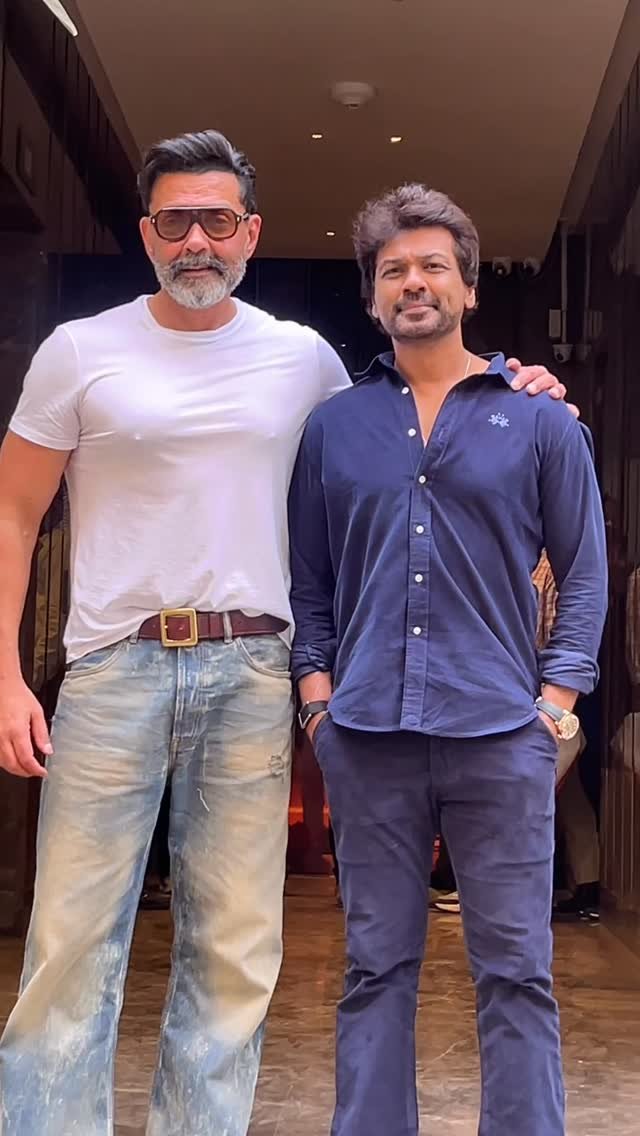
Nikhil has backed this film with everything he has, all the way to the end. Hats off to him, seriously.
The film deals with themes of fame, public perception and accountability. Did working on ‘Bandar’ change the way you look at these issues, either as an actor or as an individual?
This is definitely a strong team and a tough film to make.
It speaks about the realities of life, about how things can go wrong for anyone, because there are people out there who misuse the law. As an actor and as an individual, it felt meaningful to play a character like this.
And I want to be clear, this is not about changing anyone’s perspective or taking away from the very real struggles that women face in this country. Women are undeniably more suppressed and more abused. That is a truth we cannot ignore.
But the sad reality is that sometimes the law itself can be misused by anyone, man or woman, and when that happens, it can completely destroy innocent lives. That is what this film speaks to.
Your career has seen many phases, and in recent years you’ve connected with a whole new generation of audiences. What has helped you stay relevant and keep reinventing yourself?
That was always what I wanted to be – different from what people remembered me as. Whether it was my older fans or the new generation who didn’t know me at all.
Today’s audience is so exposed to world cinema that they’re ready to accept all kinds of stories, genres of film. That helped me connect with a whole new generation, while my loyal fans were thrilled to see me play such different characters – grey, negative, positive.
As an actor you always wonder what your audience will think. But when you play a character with complete honesty, people stop seeing Bobby Deol and start seeing the character. That’s what I’ve always strived for.
And that’s what makes this phase of my journey so beautiful! I’m getting opportunities to play characters that truly challenge me. I feel very fortunate.
You are admired not only for your work but also for the warmth and goodwill you enjoy within the film industry. Are these values something you inherited from your father, Dharmendraji, and what are some of the most important lessons you’ve learned from him?
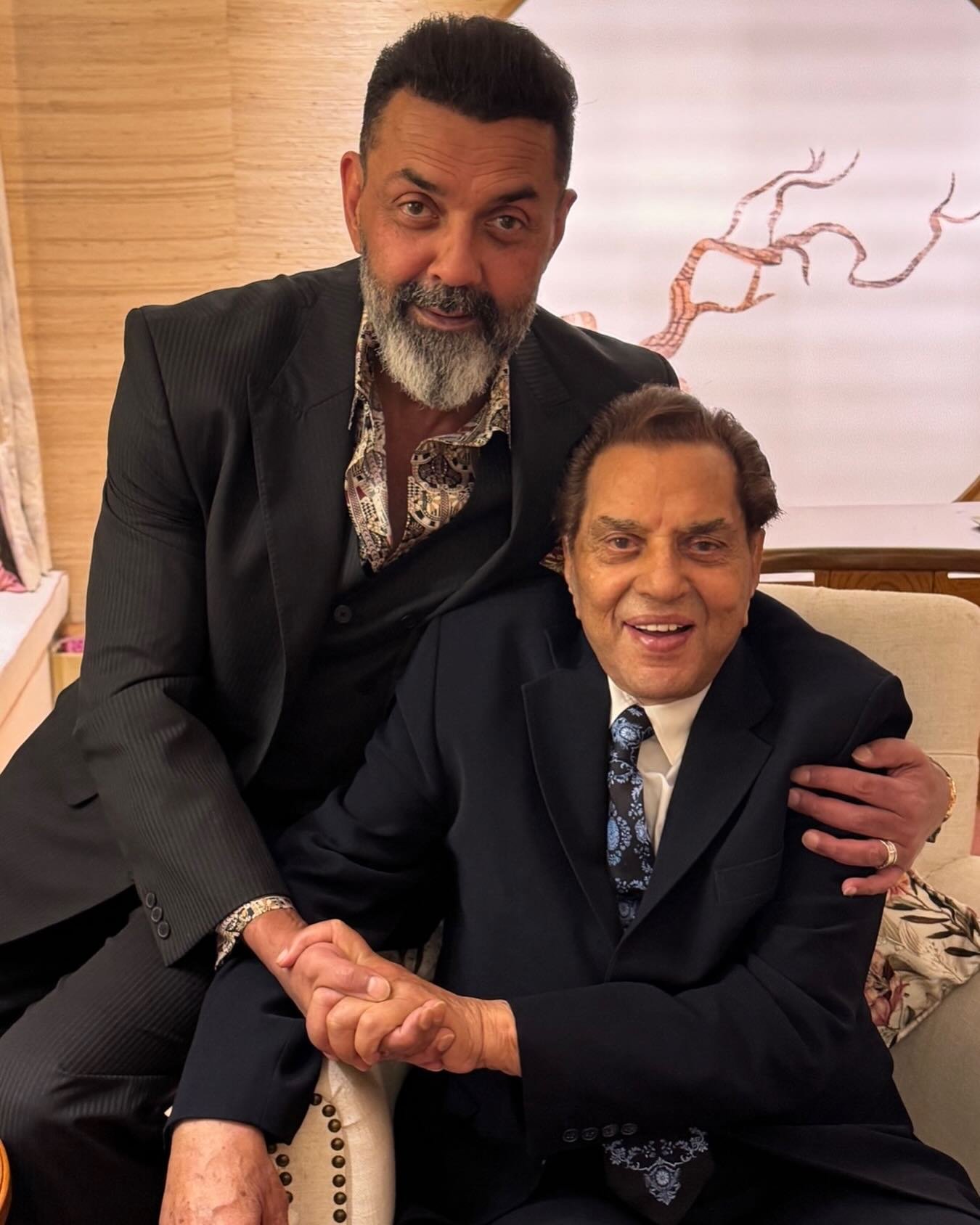
I mean, I am Dharmendra’s son and I am so blessed to be his son!
The values he has taught me have made me the person I am today. He always said first be a good human being, be humble and be true to yourself. Those are the most important things. And those values just became a part of me.
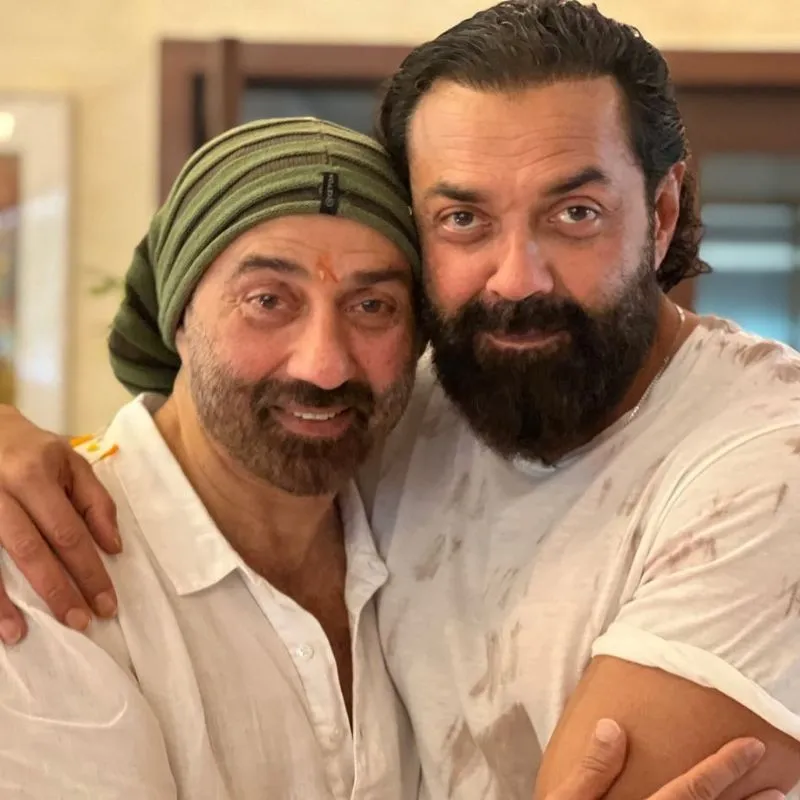
The way he touched people’s hearts, the love he gave and the love he received, it opened doors to everyone’s hearts and made space for my brother and me. I am so lucky that people, not just from the industry but from everywhere, are so happy for my success. Every time I do good work, they get so excited and that feeling is just amazing.
I am very proud to be Dharmendra’s son.
Cover Photograph
Photographer: Avinash Gowariker
Styled by: Tania Deol
Hair: Hakim Aalim
Team – Mohammed Shahrukh
Makeup: Siddhesh Nakhate