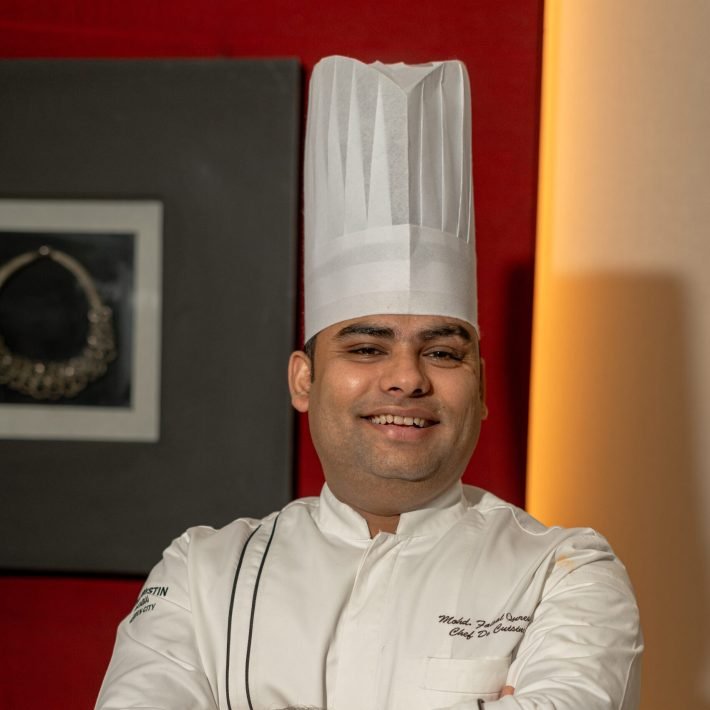
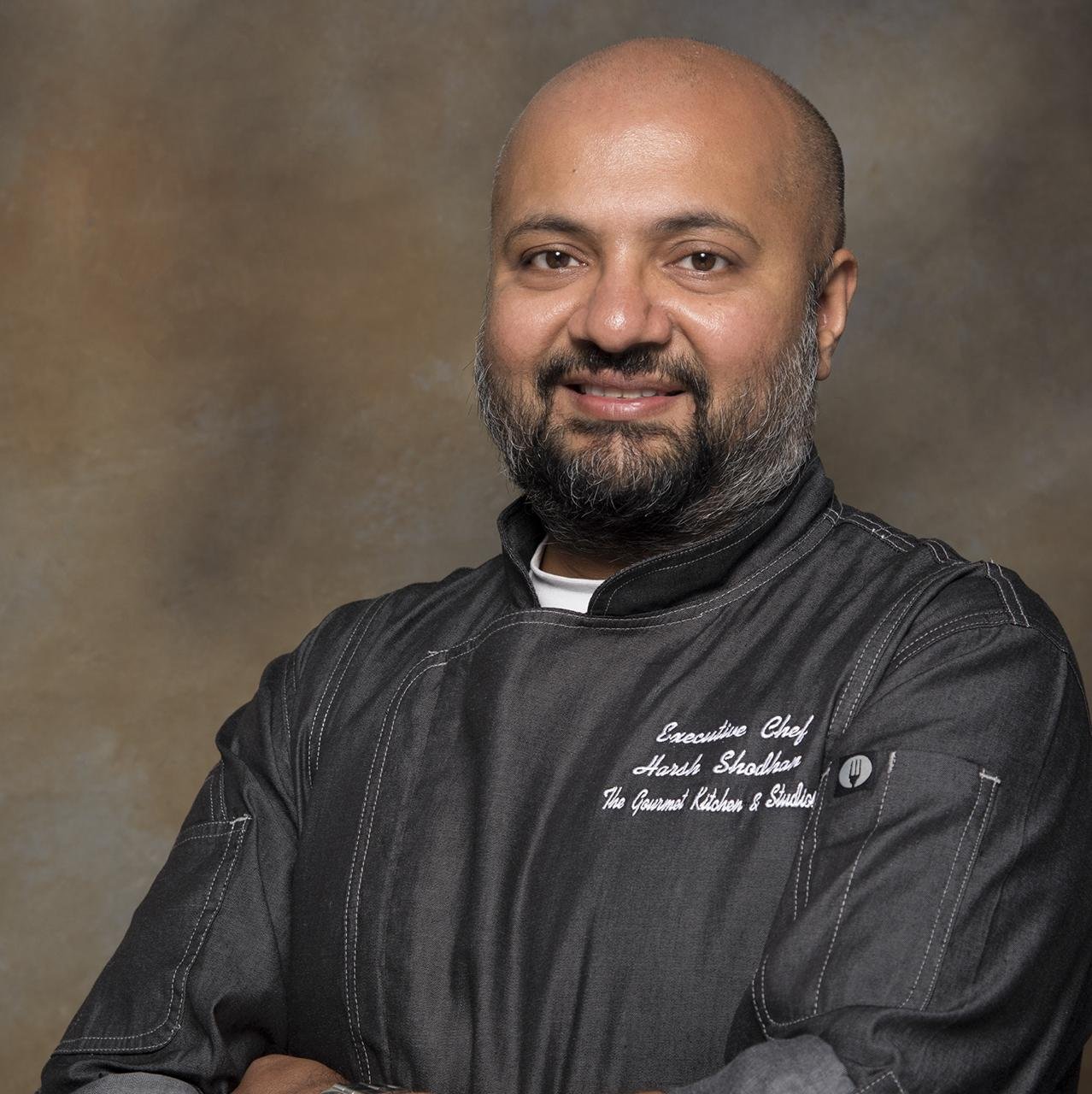
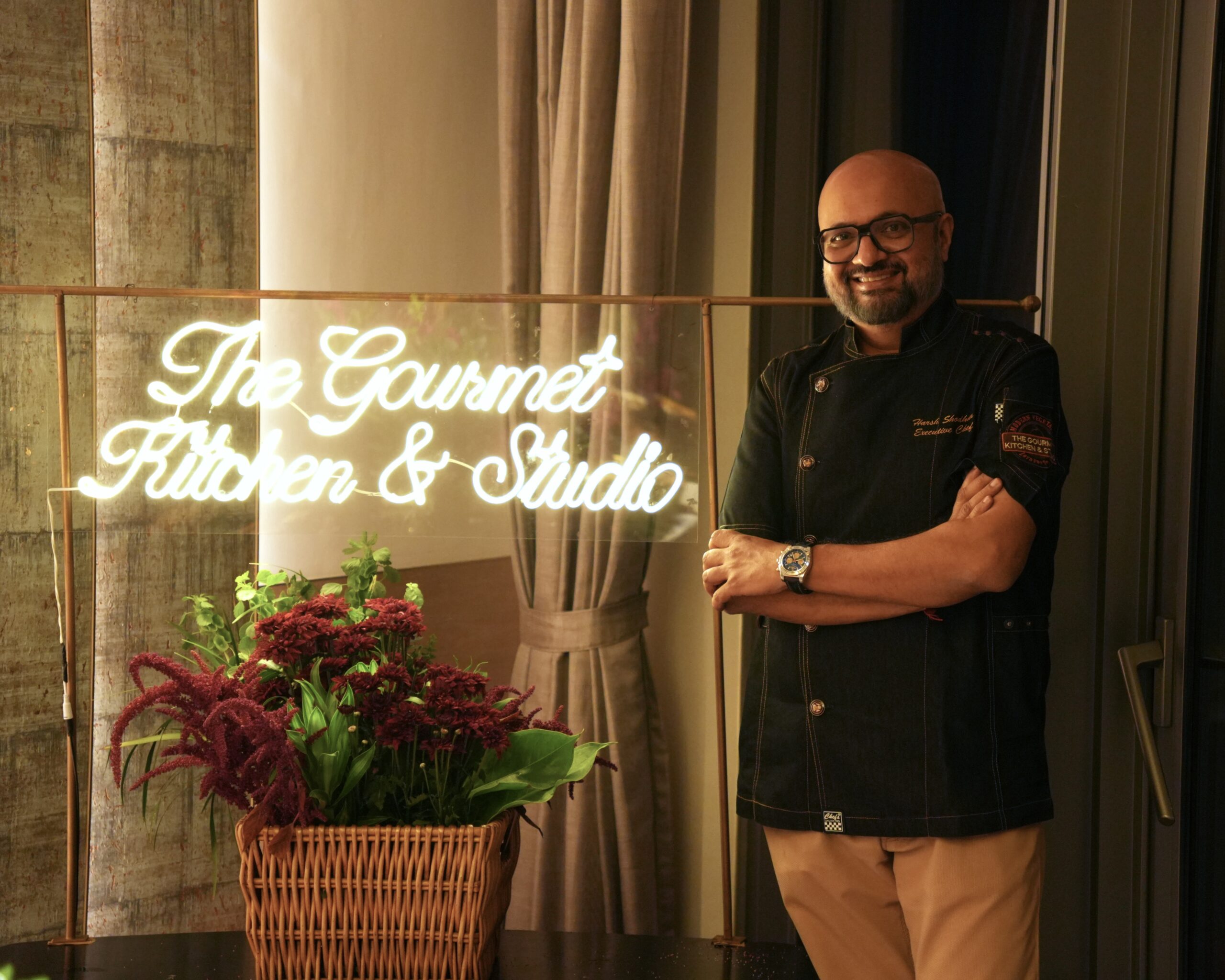
Chef Harsh Shodhan, Chef and Founder of The Gourmet Kitchen and Studio, shows Nichola Marie how he’s rethinking Indian flavours for luxury dining.
For Chef Harsh Shodhan, luxury dining is not about transforming Indian food into something unrecognisable. Instead, it is about understanding the cuisine deeply enough to present it with greater intention and refinement. The Chef and Founder of The Gourmet Kitchen and Studio believes Indian cuisine already possesses everything required for a sophisticated dining experience: Complexity, contrast, and depth of flavour. “What I try to do is refine how those elements come together on the plate,” he says.
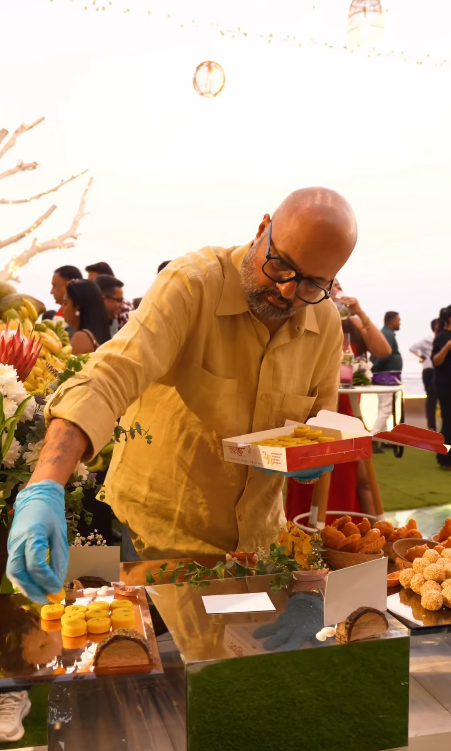
Rather than reinventing dishes entirely, Shodhan focuses on bringing clarity to flavours that are already layered and nuanced. A dish like chaat perfectly captures this philosophy. For him, what makes chaat memorable is the balance — the crunch, the tang, the sweetness, and the spice. In a luxury dining format, he is not trying to recreate the bustle of a roadside stall, but to preserve the harmony of flavours while presenting it with precision.
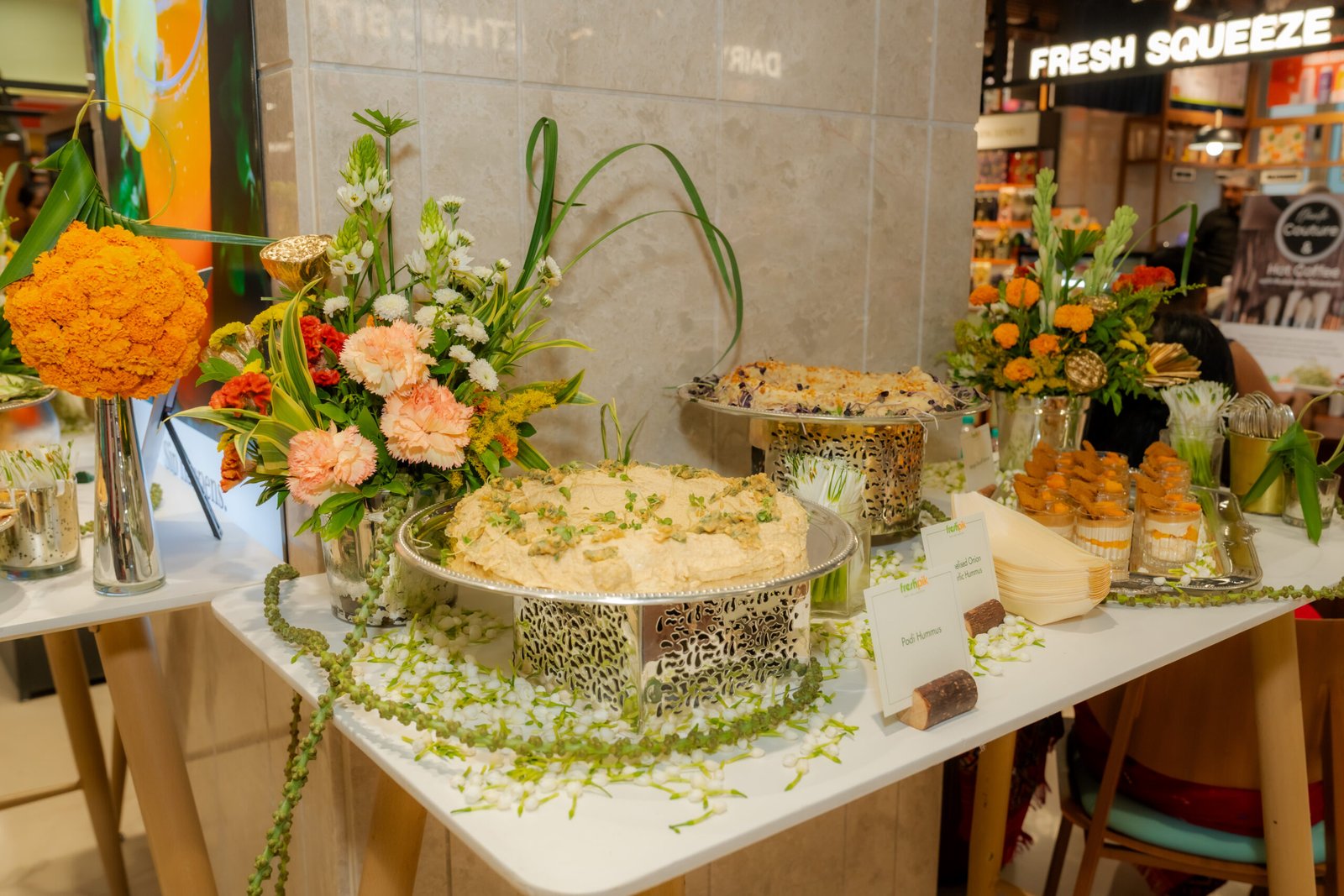
“I break it down, understand each component, and rebuild it in a way that feels more precise,” he explains. “The idea is that you still recognise it instantly, but experience it differently.”
This approach extends across regional Indian cuisine. Shodhan often studies what defines a dish at its core — whether it is the warmth of a spice blend, the sharpness of acidity, or a particular texture — before reinterpreting it in a way that feels lighter, more focused, and yet deeply rooted in its origins.
Luxury ingredients such as caviar, he believes, should complement Indian flavours rather than overpower them. “I don’t see them as the main attraction,” he says. “They’re accents.” For Shodhan, Indian cuisine is bold and confident enough to stand on its own, with global ingredients serving only to create contrast that feels natural rather than forced.
Nostalgia also shapes much of his cooking. He is fascinated by the emotional connection people have with simple Indian meals — home-style dals, rice dishes, and flavours tied to memory — and the challenge of presenting them in a fine-dining setting without losing their familiarity. “Taking something familiar and presenting it in a way that makes you pause and look at it differently, that’s where the challenge lies,” he reflects.
Although technique plays an important role in his kitchen, Shodhan believes it should never overshadow flavour. Whether he uses slow cooking, fermentation, or contemporary methods, the intention remains the same: To enhance the dish rather than draw attention to the process behind it. “If the technique becomes the talking point, then I feel like the dish has lost something,” he says.
He also thinks carefully about how a meal unfolds. Indian food, he points out, is traditionally layered and fluid rather than structured into rigid courses. Bringing that natural progression into a fine-dining experience is central to the menus he creates. For Shodhan, this philosophy extends beyond restaurant dining and into the world of luxury weddings, where food becomes deeply personal and emotionally resonant.
Curating India’s Most Exclusive Wedding Menus: A Chef’s Perspective
“When I approach a wedding menu, I don’t see it as a larger version of restaurant dining; I see it as something far more personal,” says Shodhan. “The scale may be expansive, but the intent has to remain intimate.”
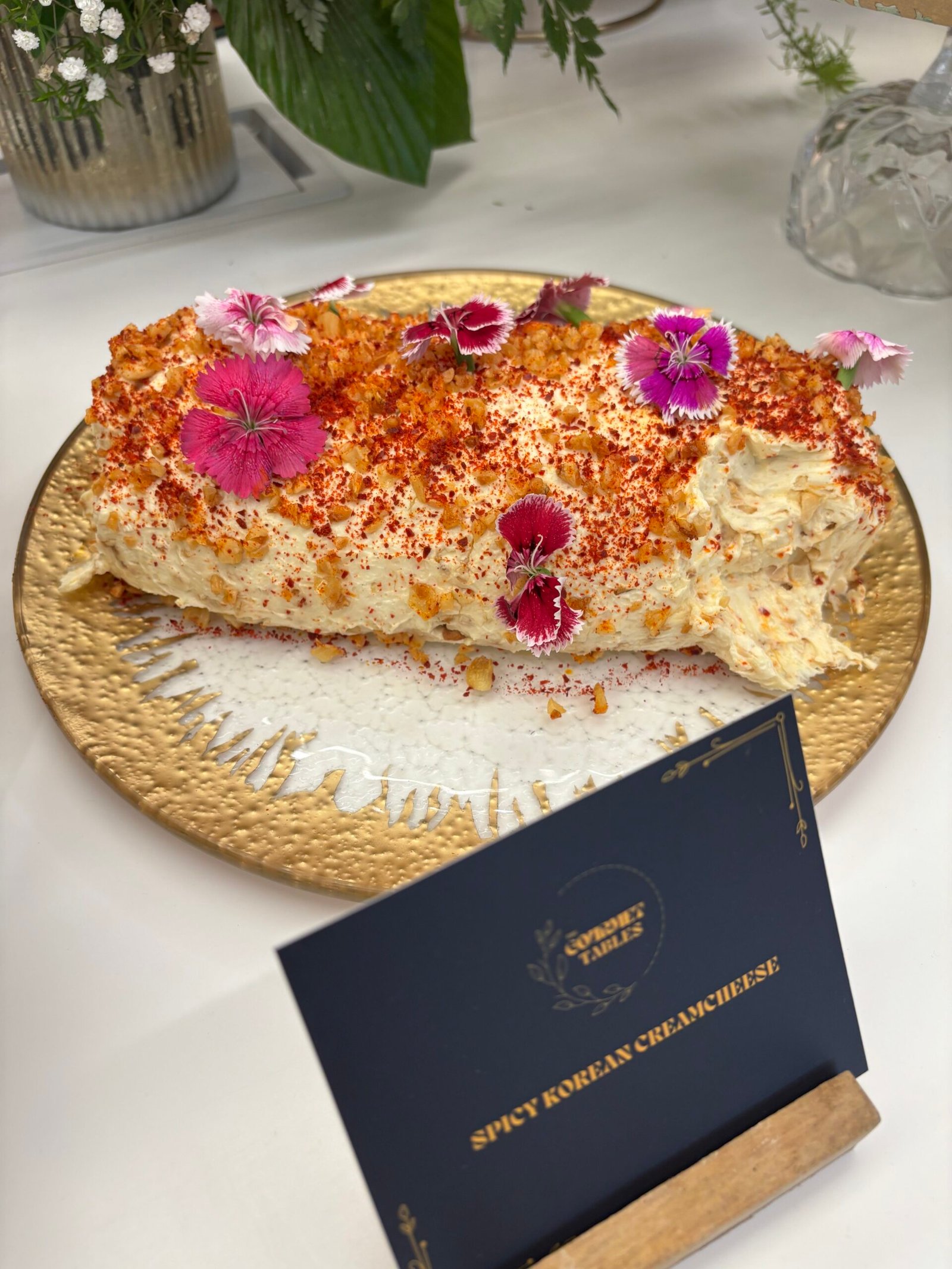
For him, every wedding menu begins with the couple — their backgrounds, memories, and the food they feel emotionally connected to. Sometimes it is a dish they grew up eating; sometimes it is tied to a shared experience or a place that matters to them. His role, he says, is to take those references and translate them into something cohesive, elevated, and appropriate for the setting without losing what makes them meaningful in the first place.
Indian cuisine naturally becomes the anchor of most menus he curates, and he believes it should remain that way. While many large weddings lean heavily into global cuisine, Shodhan feels the most memorable experiences come from refining familiar Indian dishes with greater care, sharper execution, and more thoughtful presentation. “Luxury isn’t defined by how many premium ingredients are used,” he explains. “It’s defined by how thoughtfully a dish is put together.”
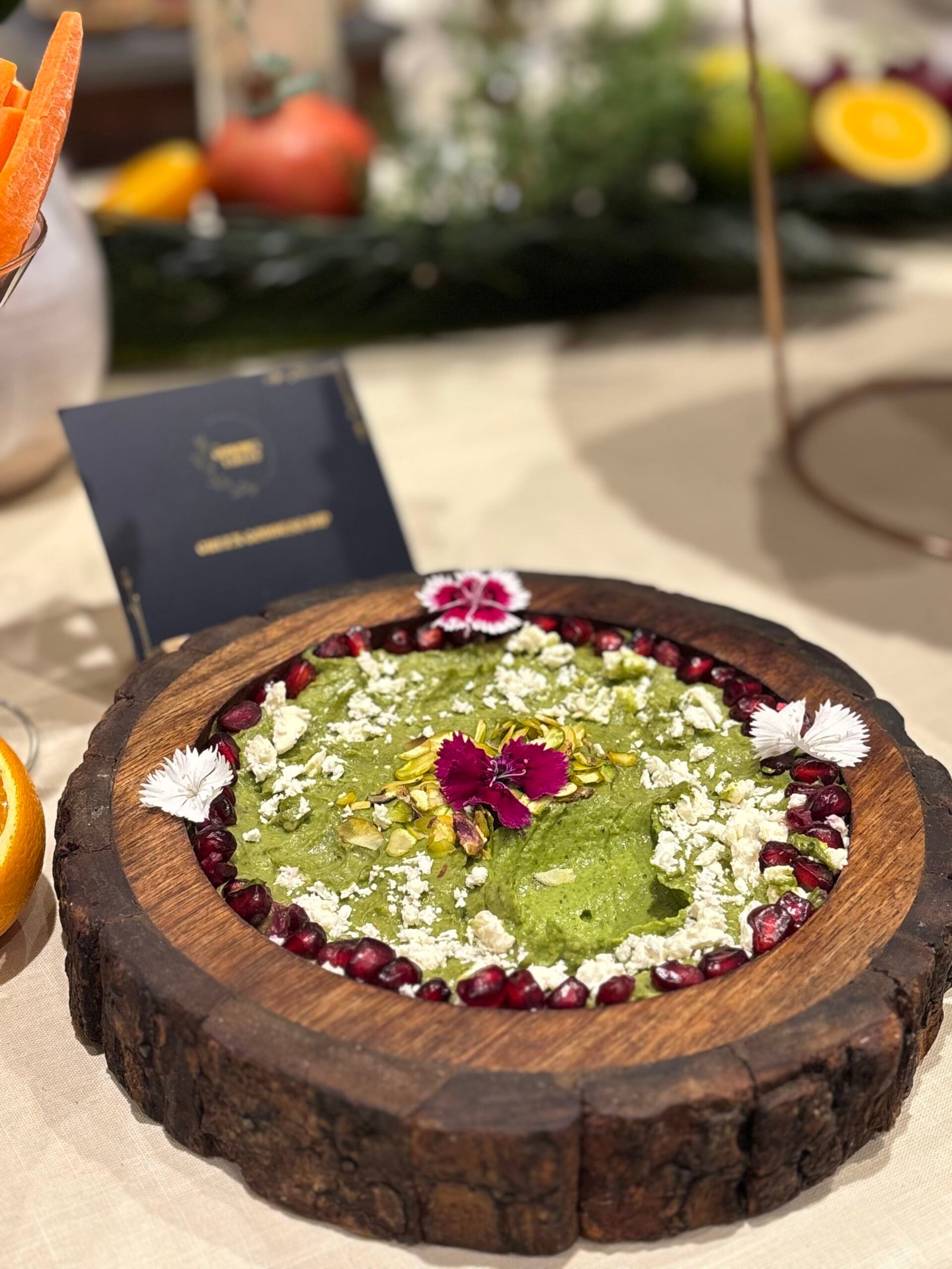
For him, restraint is often more important than excess. A simple preparation, executed with precision, can feel every bit as indulgent as something elaborate. The focus, he believes, should always remain on balance and flavour rather than spectacle alone. At the same time, he recognises how dramatically wedding dining has evolved. The era of overwhelming buffets is slowly giving way to more curated experiences — structured menus, interactive formats, and thoughtfully designed sections that encourage guests to engage with the food rather than simply navigate endless options. This shift, he says, brings clarity both for the kitchen and for the guests dining.
Of course, luxury weddings come with their own challenges, the biggest being scale. Maintaining consistency across hundreds or even thousands of plates requires meticulous planning. For Shodhan, that means designing menus that can retain their integrity regardless of the number of guests being served. “Often, that means simplifying certain elements without compromising on flavour or experience,” he says.
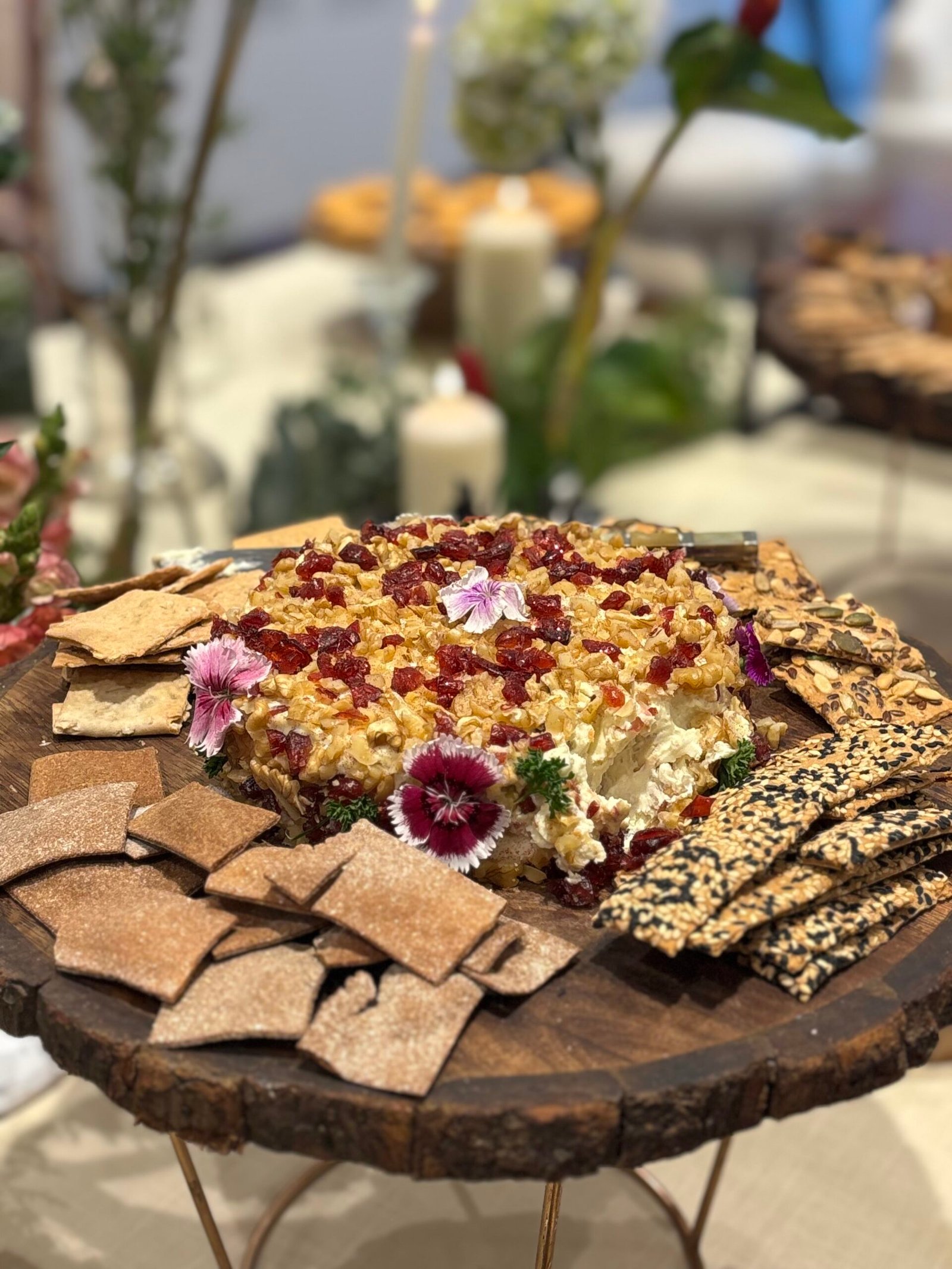
Ultimately, he believes what guests remember long after a wedding is not simply how much they ate, but how the food made them feel. It is the small moments — a dish that evokes nostalgia, a flavour that surprises them, or a detail that feels thoughtful and personal — that stay with people. “At its best, a wedding menu isn’t just about feeding guests,” he says. “It becomes a part of the memory itself.”