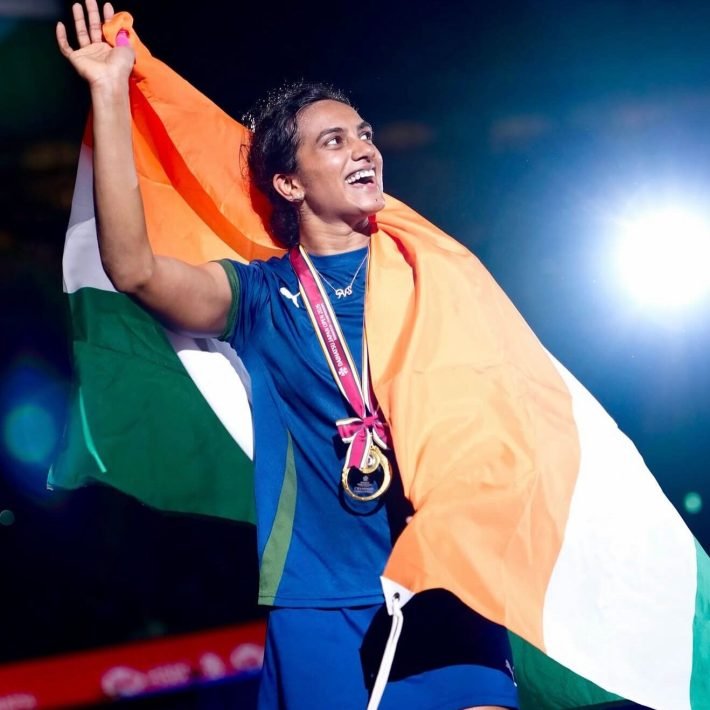

India’s T20 World Cup triumph showcased the power of belief, teamwork and individual brilliance as a new generation of champions etched their names into cricketing history.
By Nichola Marie
Indian cricket has witnessed many glorious chapters, but the national team’s triumph in the ICC Men’s T20 World Cup stands as one of the defining achievements of a golden generation. In front of an electrifying home crowd and millions of fans across the country, India produced a commanding performance to defeat New Zealand in the final, successfully defending their title and securing their third ICC trophy in as many years.
The victory was not just another trophy in the cabinet — it symbolised resilience, belief and the evolution of a team that had endured a long wait for global success before ushering in a new era of dominance.
Captain Suryakumar Yadav summed up the journey perfectly. After India lifted the trophy amid scenes of jubilation, he reflected on the transformation of the team over the past few years. The drought of more than a decade without a major ICC title ended in 2024, and since then the team has found a rhythm that blends fearless batting, disciplined bowling and remarkable depth.
Under Yadav’s leadership, India has embraced an aggressive brand of white-ball cricket that allows players to express themselves freely while maintaining a strong tactical structure. His captaincy in the tournament was marked by calm authority, bold decision-making and unwavering trust in his teammates.
Collective Excellence
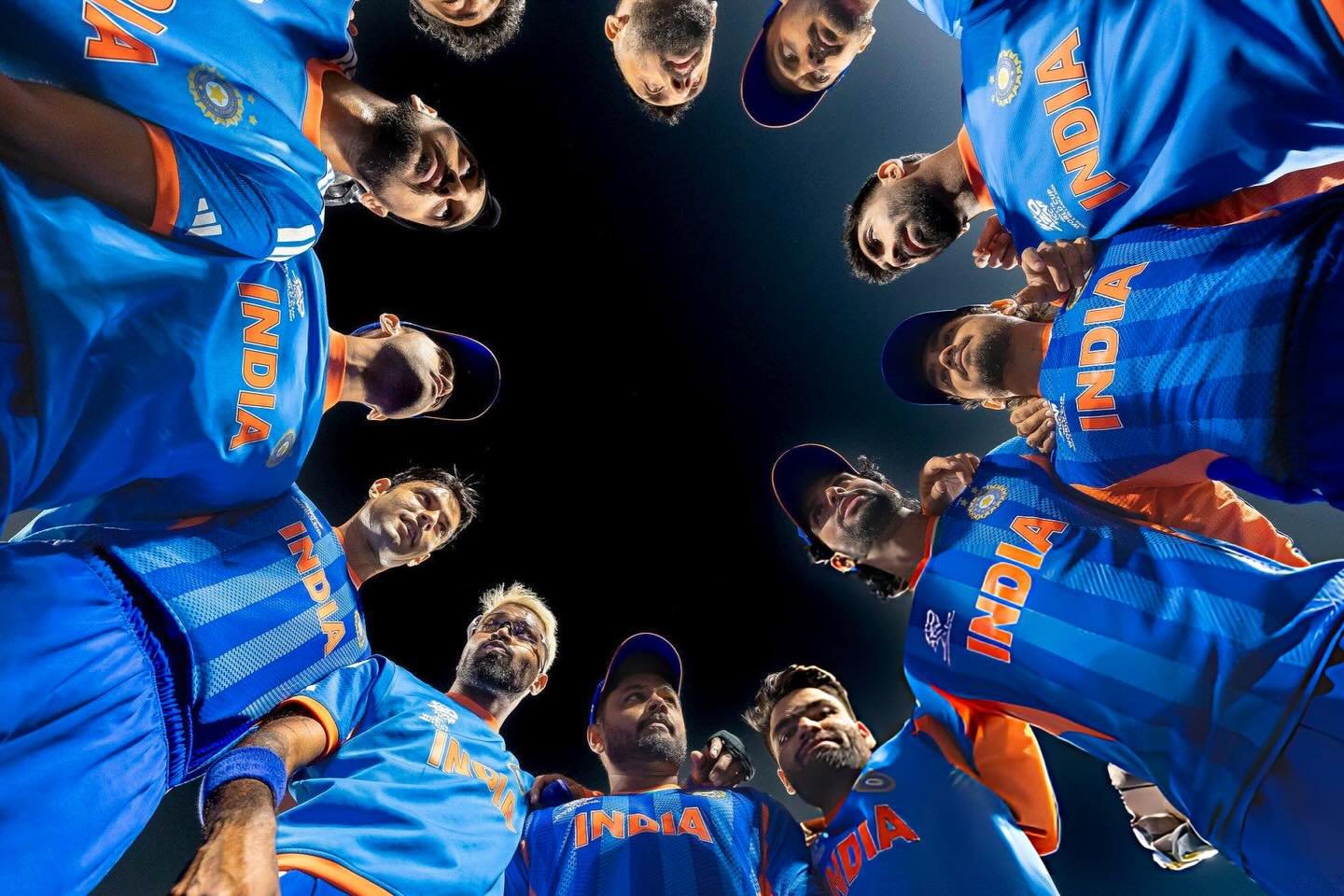
India’s triumph in the tournament was built on collective brilliance rather than the heroics of one or two players. Each member of the squad contributed at crucial moments, ensuring that the team remained consistent throughout the campaign.
Throughout the tournament, India displayed remarkable consistency across departments. The batting unit repeatedly set or chased down formidable totals, while the bowling attack maintained control in pressure situations. Dominant performances in the group stage and Super 8 rounds showcased the team’s depth, with different players stepping up at different moments. By the time India reached the knockout stage, they had already established themselves as one of the most balanced and confident sides in the competition, carrying that momentum into the semi-final and ultimately the title-winning final.
Sanju Samson: The Redemption Story
At the heart of the victory was Sanju Samson, whose inspiring comeback became one of the tournament’s defining narratives. After enduring a difficult period of form leading up to the competition, Samson rediscovered his confidence spectacularly.
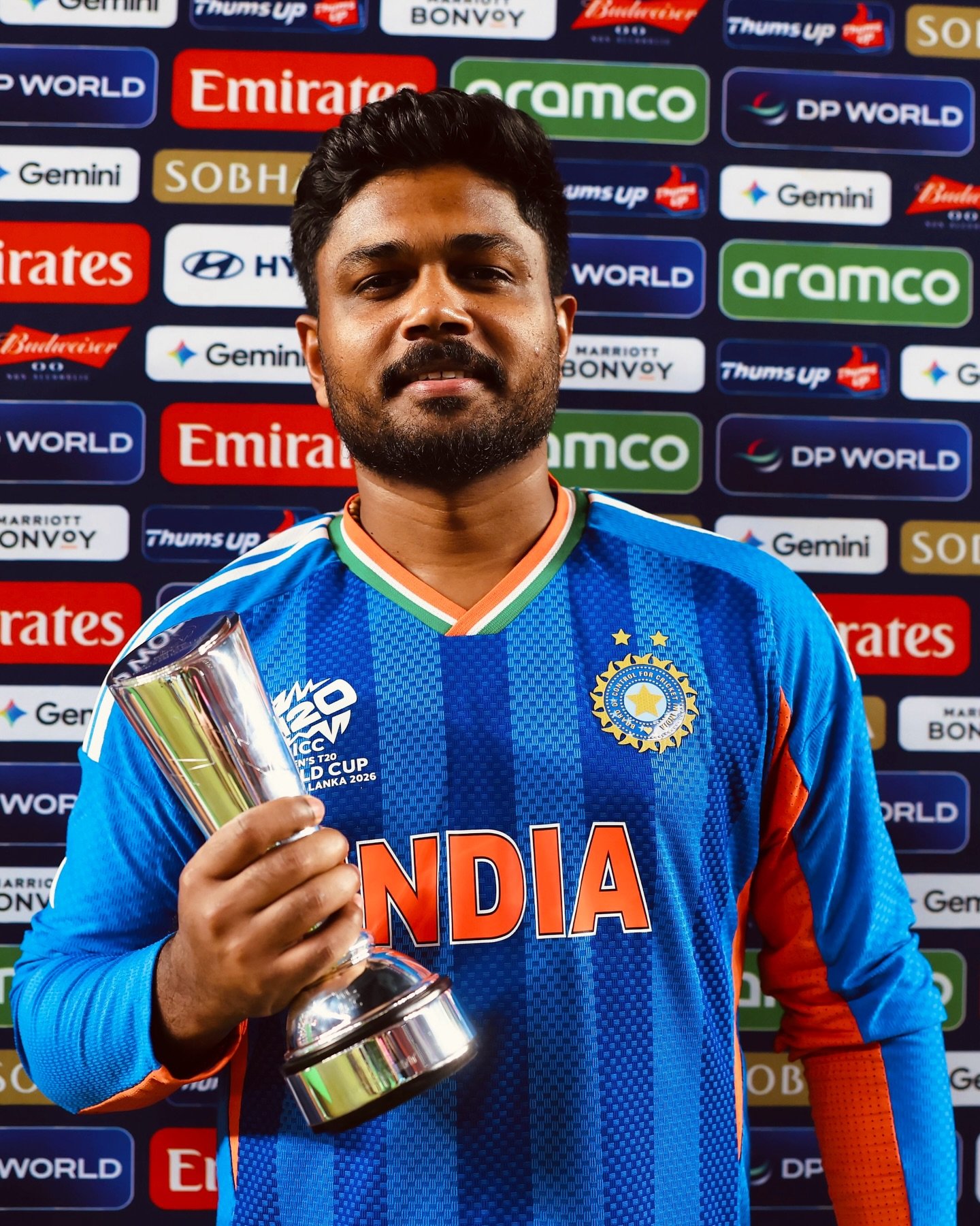
Named Player of the Tournament, Samson delivered match-defining performances in the knockout stages, including an unbeaten 97 against the West Indies in the Super 8 stage and two commanding innings of 89 in the semi-final and final. His elegant strokeplay, combined with fearless intent, set the tone for India’s batting dominance.
Samson later revealed that guidance from cricket legend Sachin Tendulkar helped him regain clarity and confidence during a difficult phase in his career. The result was a triumphant return that proved his immense value to the Indian side.
Abhishek Sharma: Explosive Beginnings
Young opener Abhishek Sharma provided the explosive starts that modern T20 cricket demands. His fearless approach in the powerplay allowed India to seize early momentum in several matches.
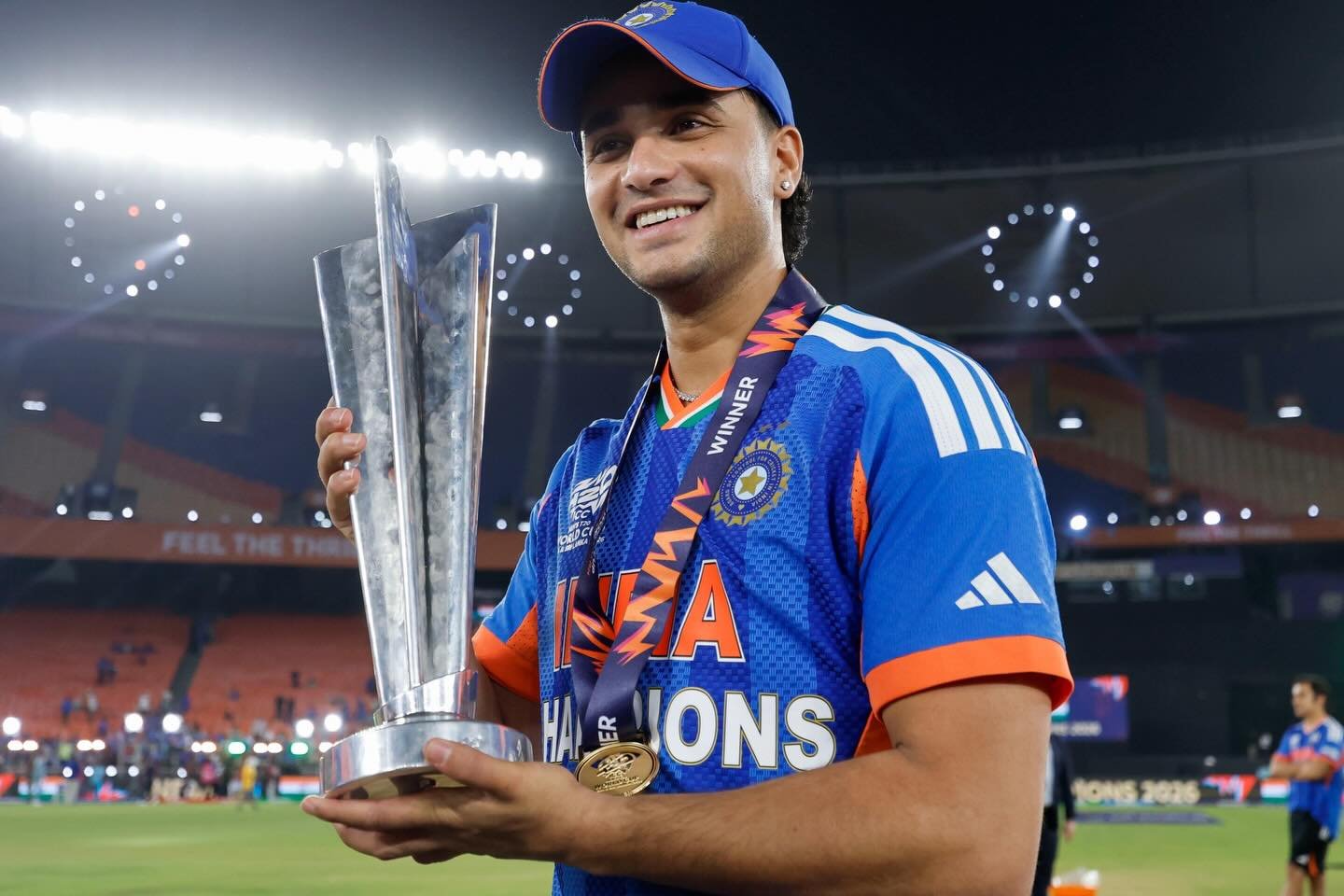
In the final, Sharma raced to a blistering half-century off just 18 balls, setting the platform for the massive total. His aggressive style and ability to attack from the first ball made him a crucial component of India’s strategy.
Ishan Kishan: Energy Behind The Stumps & At The Crease
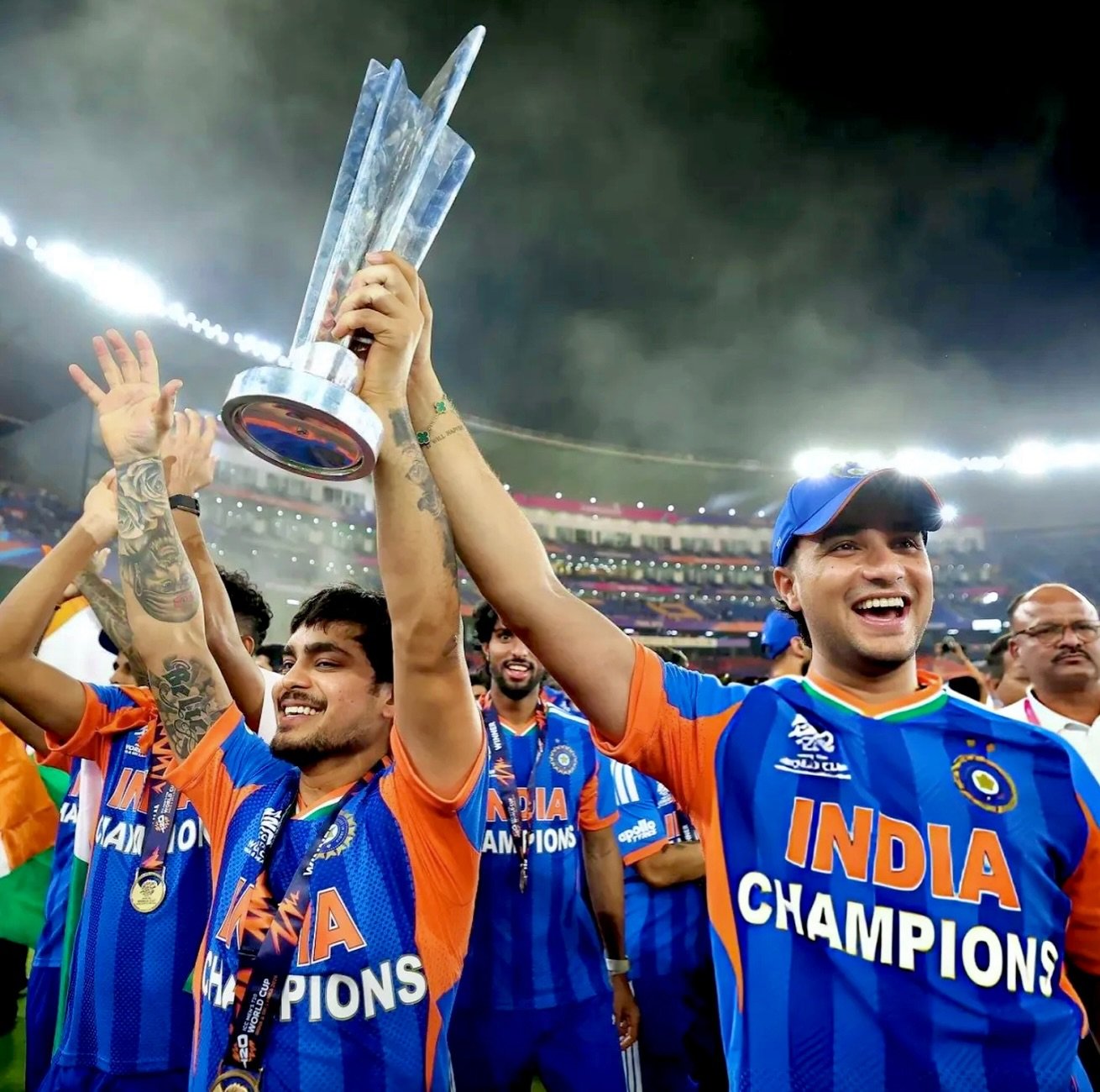
Ishan Kishan played a dynamic dual role throughout the tournament. As a wicketkeeper, his sharp reflexes and energy behind the stumps added intensity to the team’s fielding unit.
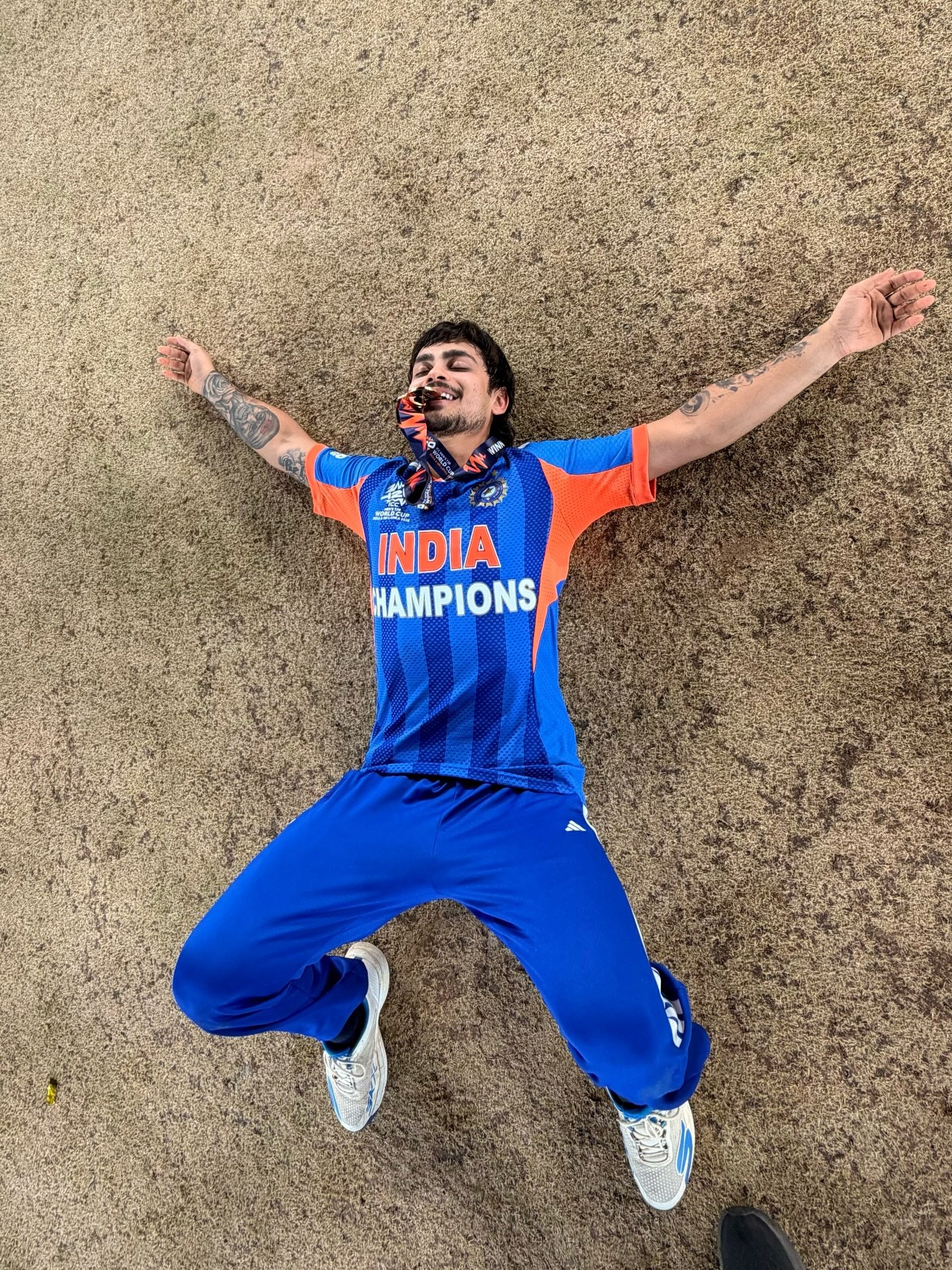
With the bat, Kishan’s aggressive approach complemented the top order perfectly. His rapid 54 in the final ensured that the run rate remained sky-high, while his remarkable catch in the field — despite losing control momentarily — became one of the most memorable moments of the match.
Suryakumar Yadav: Leadership & Innovation
Captain Yadav led from the front with his trademark innovative strokeplay and strategic clarity. Known for his 360-degree batting ability, he consistently applied pressure on the bowlers and maintained India’s attacking momentum.
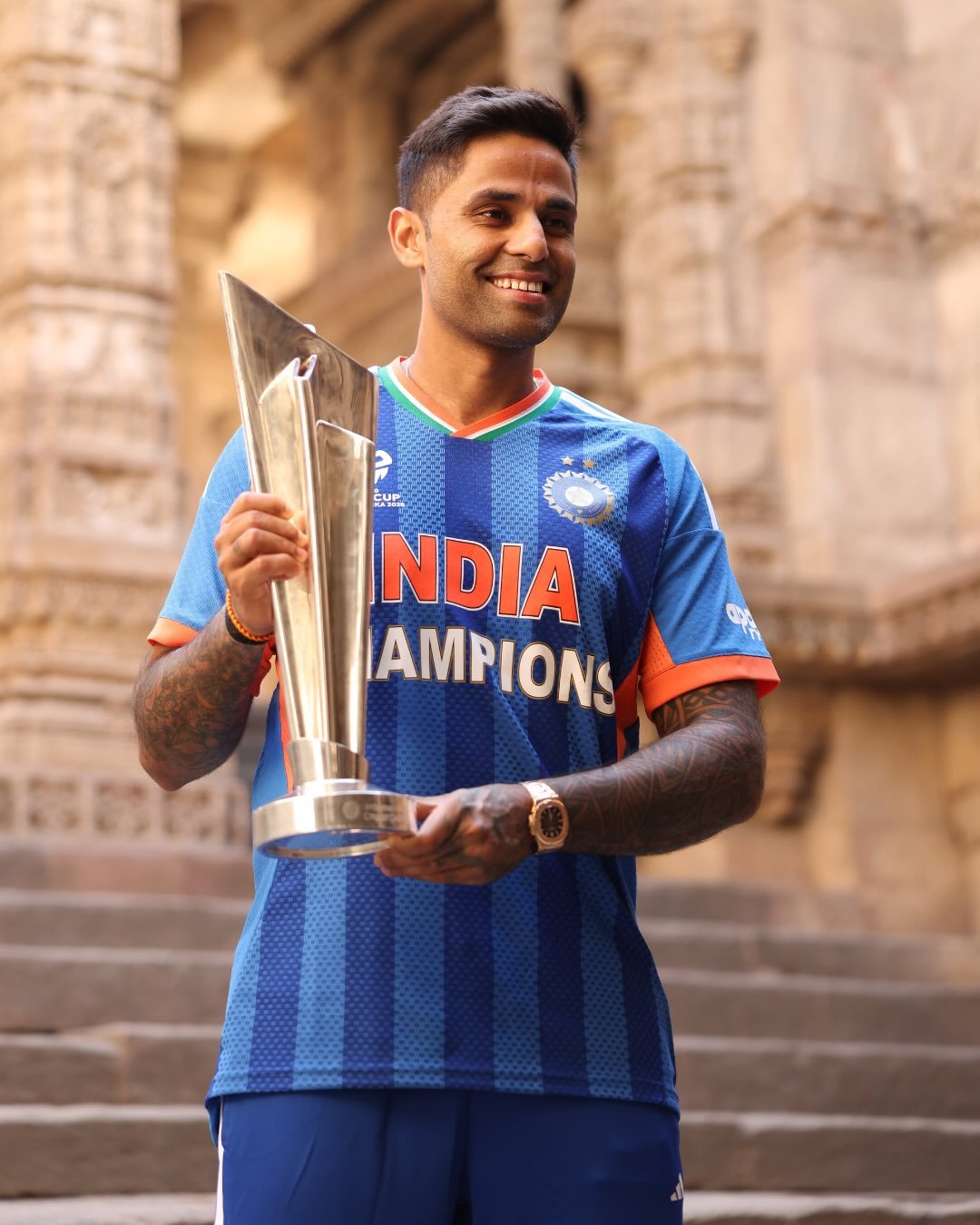
While he fell early in the final, his leadership throughout the tournament ensured that the team remained confident and composed in high-pressure situations.
Shivam Dube: Finishing With Authority
All-rounder Shivam Dube played a vital role as India’s finisher. His powerful hitting in the death overs provided the final flourish to India’s innings.
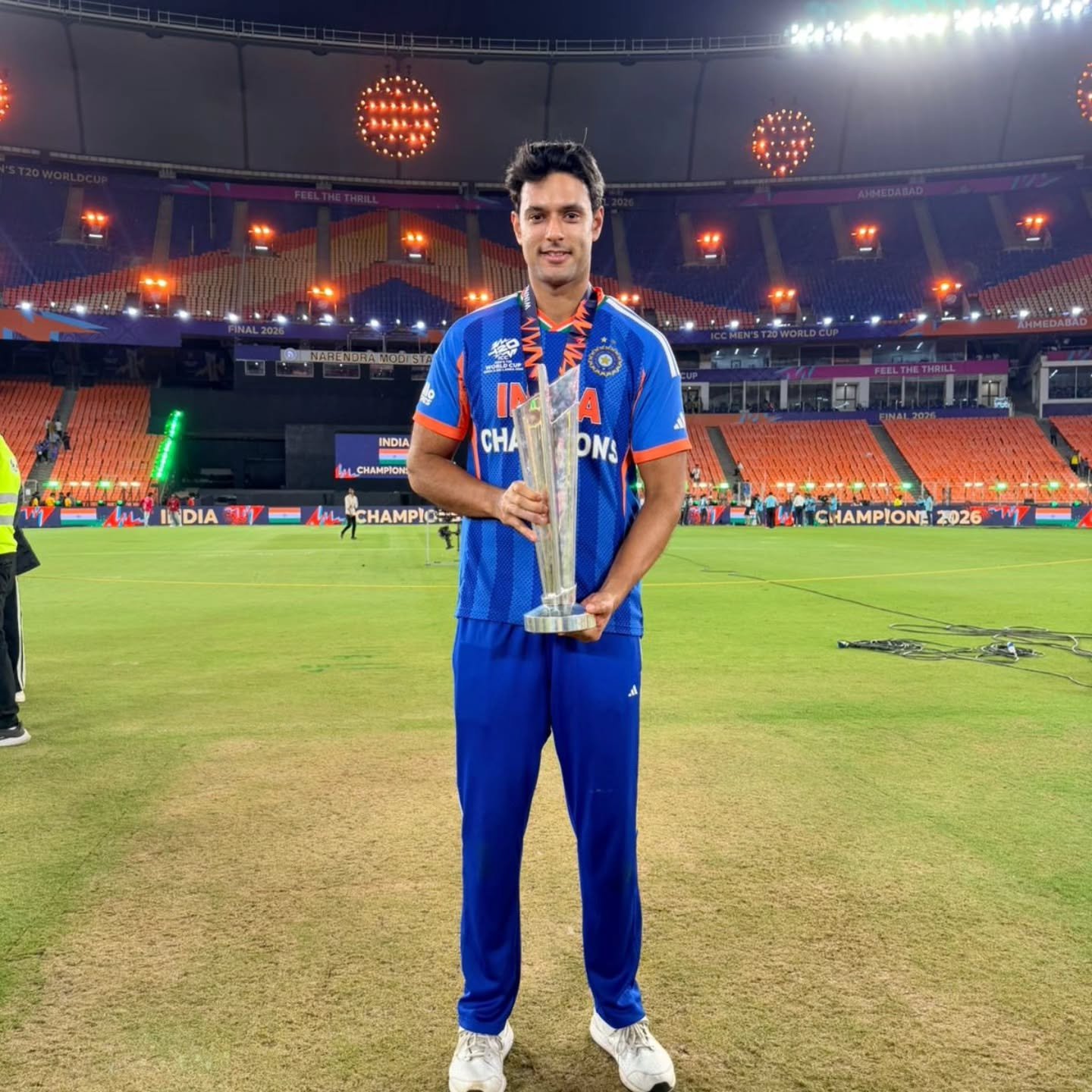
In the final match, Dube’s late assault transformed a strong total into a virtually unassailable one. His ability to clear the boundaries with ease made him an invaluable asset in the closing stages of the innings.
Hardik Pandya: All-Round Backbone
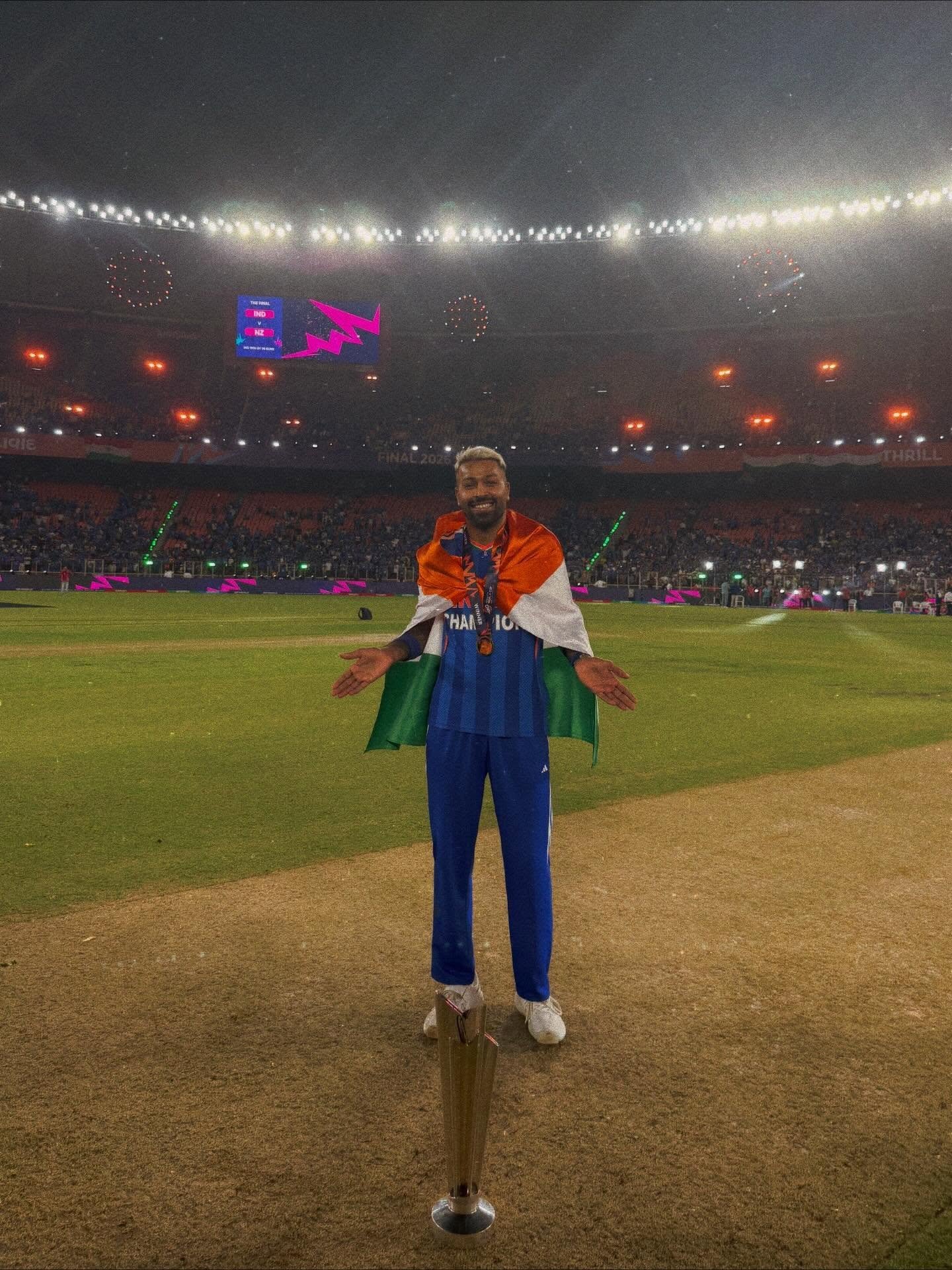
Hardik Pandya once again proved why he is considered one of India’s most valuable all-rounders. Contributing with both bat and ball, Pandya provided balance and flexibility to the team. His ability to accelerate scoring in crucial moments and deliver key overs in the middle stages of the innings allowed the team management to maintain tactical versatility throughout the tournament.
Jasprit Bumrah: Master Of Precision
If India’s batting dazzled, Jasprit Bumrah’s bowling brought discipline and control. Widely regarded as one of the finest fast bowlers in modern cricket, Bumrah delivered yet another masterclass in the final.
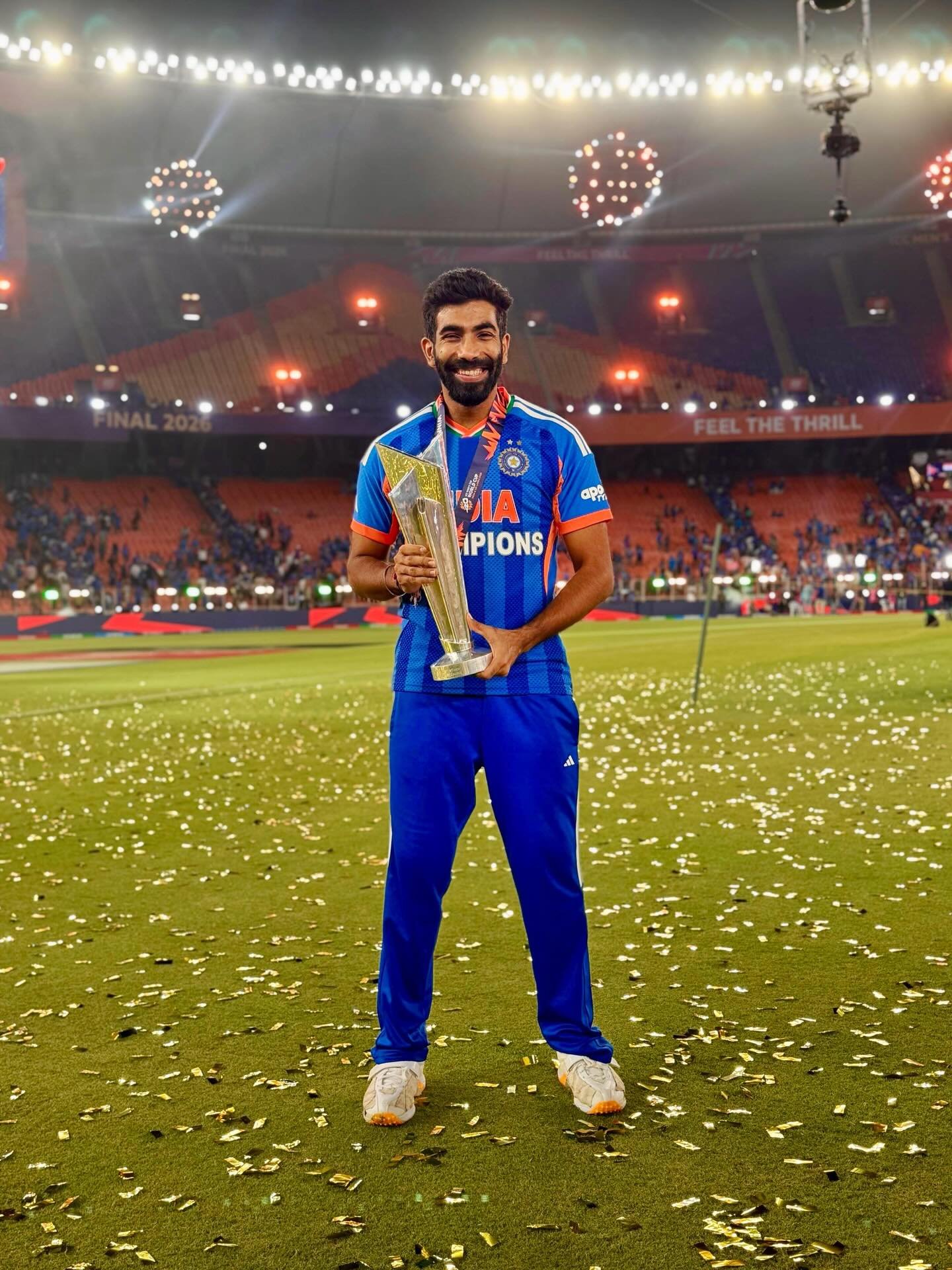
Using deceptive slower deliveries and pinpoint yorkers, he dismantled New Zealand’s batting line-up and claimed three crucial wickets. His outstanding performance earned him the Player of the Match award and once again highlighted his ability to thrive under pressure.
The Supporting Cast: Strength In Depth
Beyond the headline performances, the tournament also showcased the depth of India’s cricketing talent.
The squad’s bowling unit consistently delivered in key moments, ensuring that even massive targets remained well defended. Fielding standards remained exceptionally high throughout the tournament, reflecting the team’s commitment to fitness and preparation.

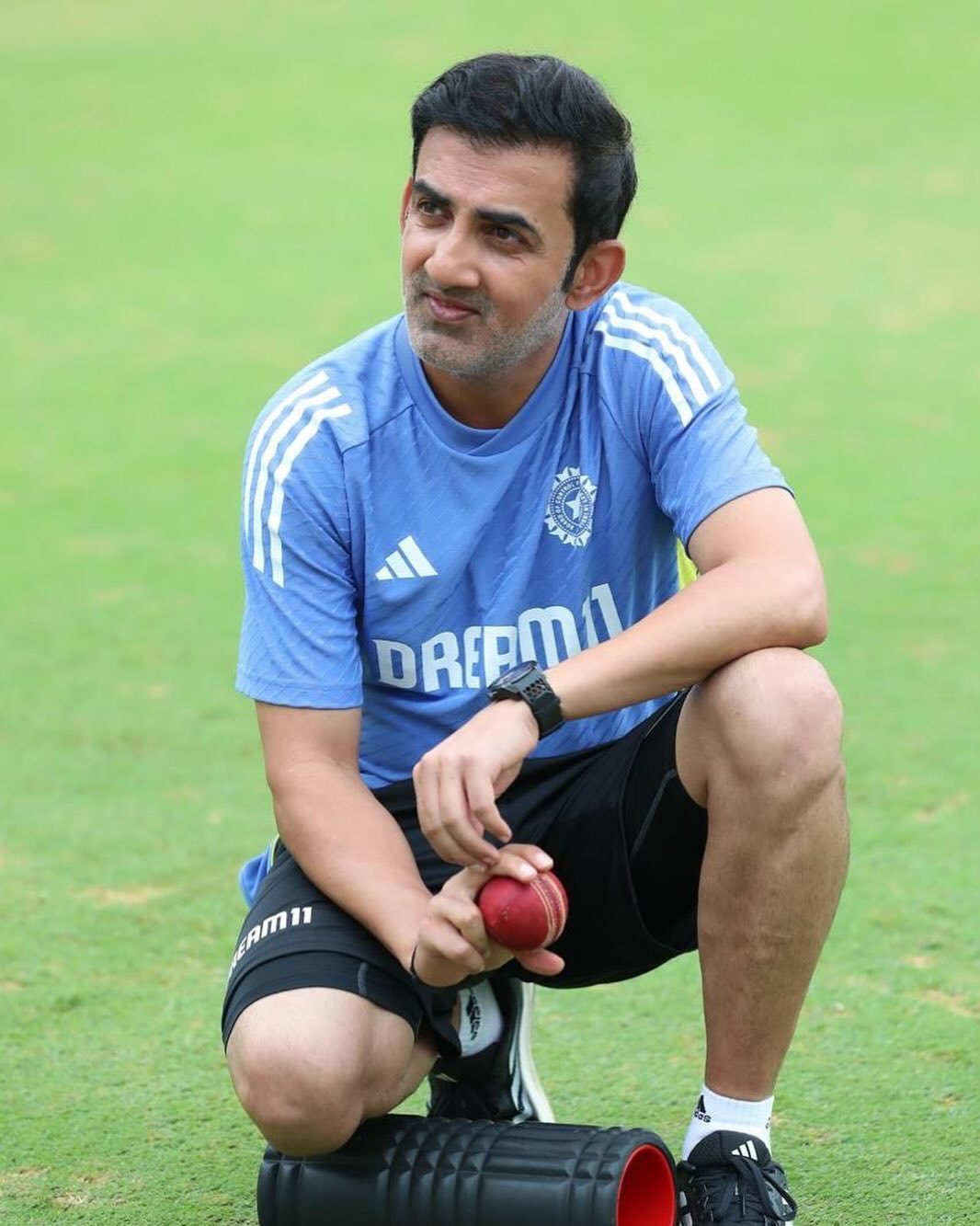
Head coach Gautam Gambhir played an equally important role behind the scenes. His emphasis on mental toughness, strategic clarity and player confidence helped create an environment where every individual could perform at their best.
A Victory For The Fans
For the passionate supporters who filled stadiums across the country, the victory carried special meaning. India became the first men’s team to defend the T20 World Cup and the first to win it on home soil.

The sight of thousands of fans dressed in blue celebrating under the floodlights symbolised the deep connection between the team and its supporters. It was a moment of shared pride that will be remembered for years to come.
Building A Legacy

India’s triumph also represents a larger shift in the global cricket landscape. After years of near misses and heartbreak in ICC tournaments, the team has now established itself as one of the most formidable forces in world cricket. With two T20 World Cups and a Champions Trophy secured since 2024, the Indian side has demonstrated remarkable consistency at the highest level. Captain Yadav has made it clear that the team’s ambitions extend far beyond a single victory. The focus now is on sustaining excellence and continuing to push the boundaries of modern white-ball cricket.
Champions For A New Era

Ultimately, this triumph symbolised far more than sporting success. It reflected the spirit of a team united by belief, resilience and an unwavering commitment to excellence. For millions of fans across the country, the victory served as a powerful reminder of what collective effort and fearless ambition can achieve. As the celebrations echoed across the stadium and beyond, one truth stood clear: Indian cricket had entered a bold new chapter defined by champions.