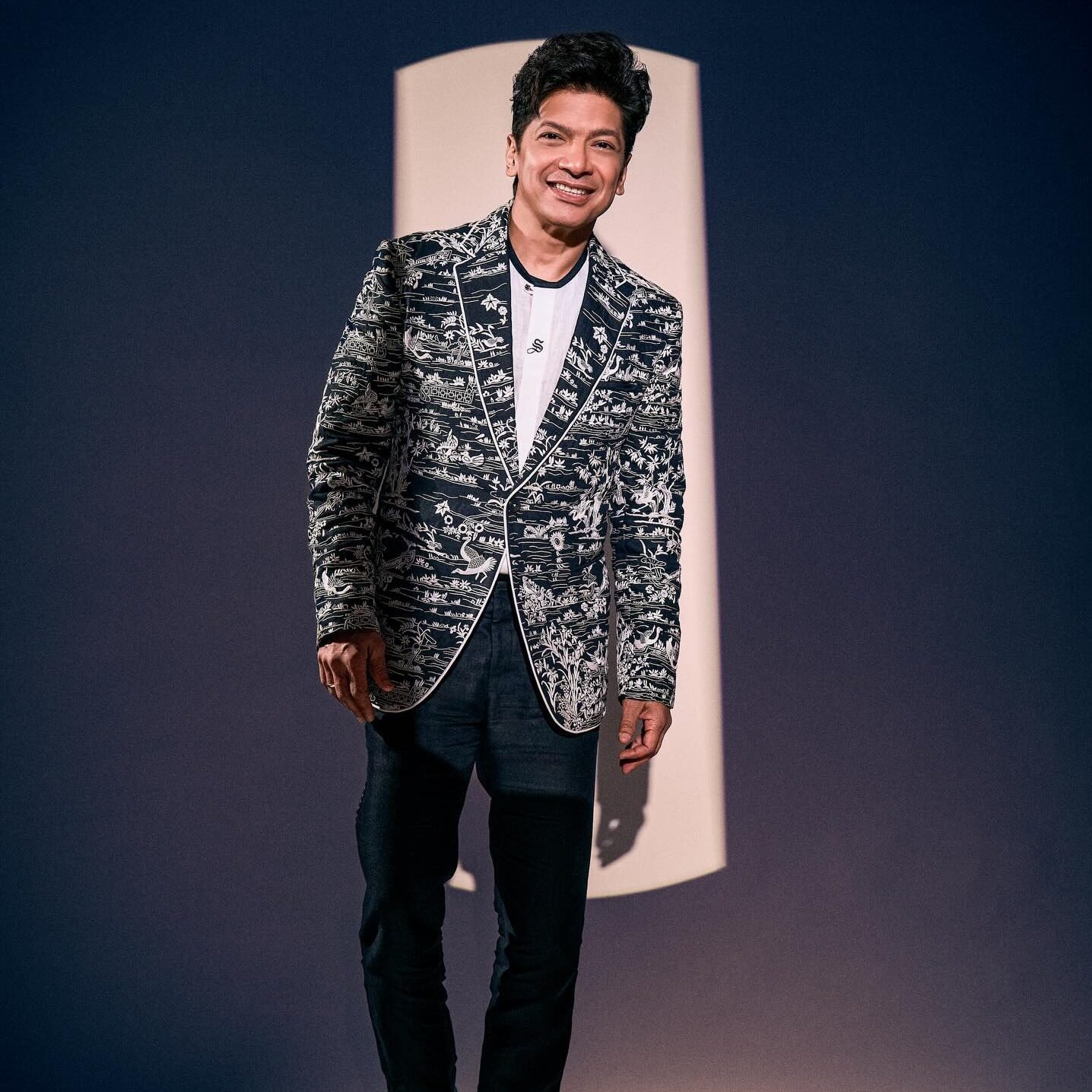
From an iconic career to a new generation finding its rhythm, Shaan Mukherjee and his sons Soham and Maahi chart a journey where inheritance meets individuality.
By Nichola Marie
For over three decades, Shaan has lent his golden voice to the soundtrack of a generation. As his sons Soham and Maahi step into the world of music — not as heirs to a legacy, but as artists in their own right — the narrative shifts from inheritance to individuality. In this candid family conversation, they reflect on choice, conviction and carving space in an industry that has transformed as dramatically as the music itself…
Excerpts from the interview…
Shaan, you’ve said music was always your world. What does it feel like to watch as your sons step into that world and make it their own?
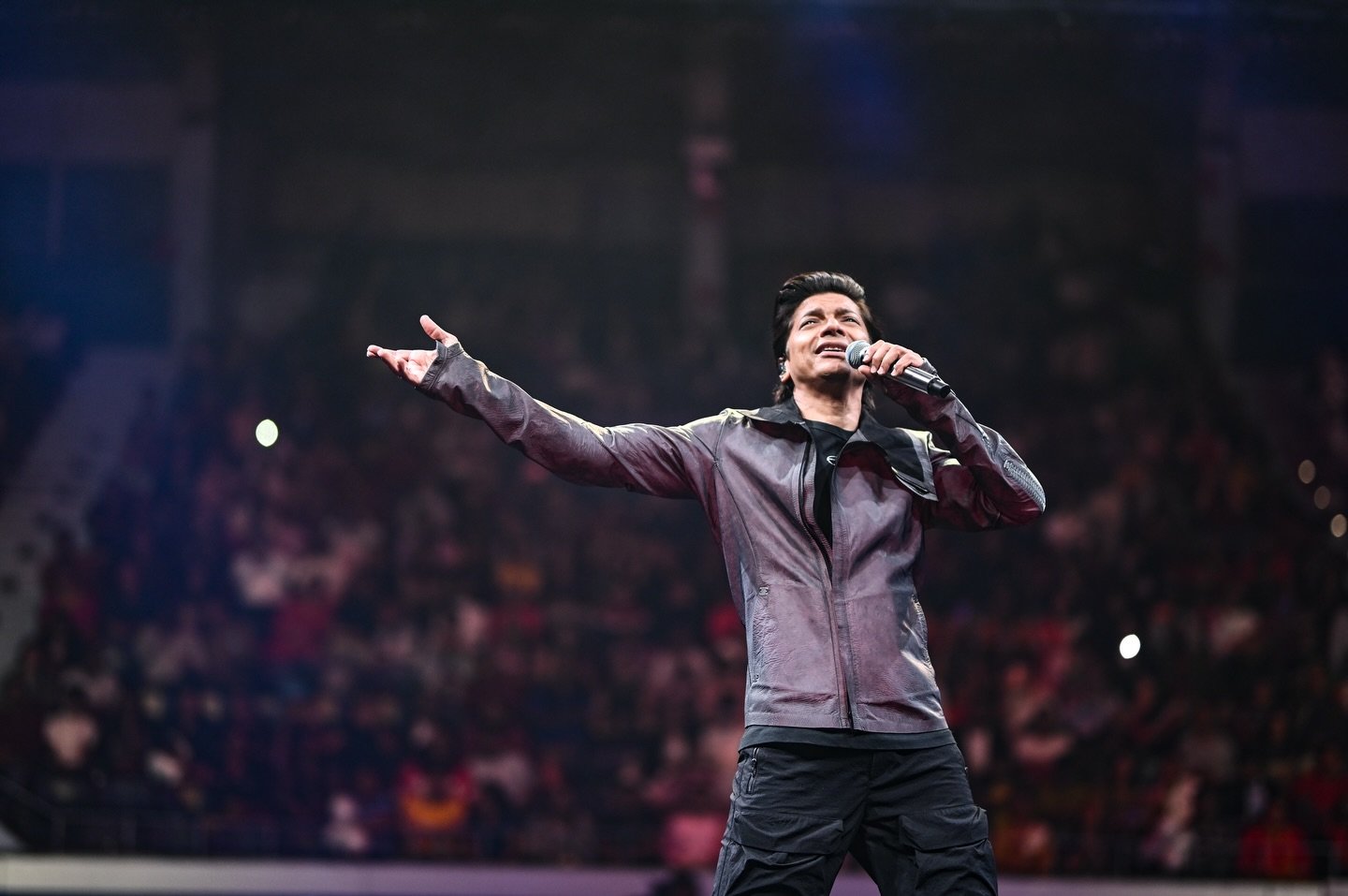
Music was the world I was born into and raised in… both my parents were professional and full-time musicians. I guess my boys, too, were influenced strongly by what their father does. I never forced or even so much as encouraged them to make music their passion and profession, but I guess it was bound to happen. And I’m loving it!
Was there a moment when you realised this was more than a childhood interest — that Soham and Maahi were serious about music as a calling?
They were both very quiet about their ambitions. I thought it was just a matter of time before they lost interest in music… but it was quite the contrary! And only after Soham was already steadily producing music for other established artists and Maahi came home with a contract with SaReGaMa that I realised they are ready to embark on a music career.
Soham and Maahi, growing up with a celebrated singer as a father, did music feel like a natural inheritance or something you had to consciously choose for yourselves?
Soham: It took me a long time to accept that music is my calling. I was always deeply obsessed with it, but it wasn’t until about a year ago – when I started producing professionally – that I felt secure enough to call myself a musician. I understood the weight of that word. To me, being a musician means being able to intentionally channel your own emotions or someone else’s. I’ve always struggled with self-validation, so it took other people believing in me for that shift to happen. That’s when I truly felt the move from hobbyist to musician.
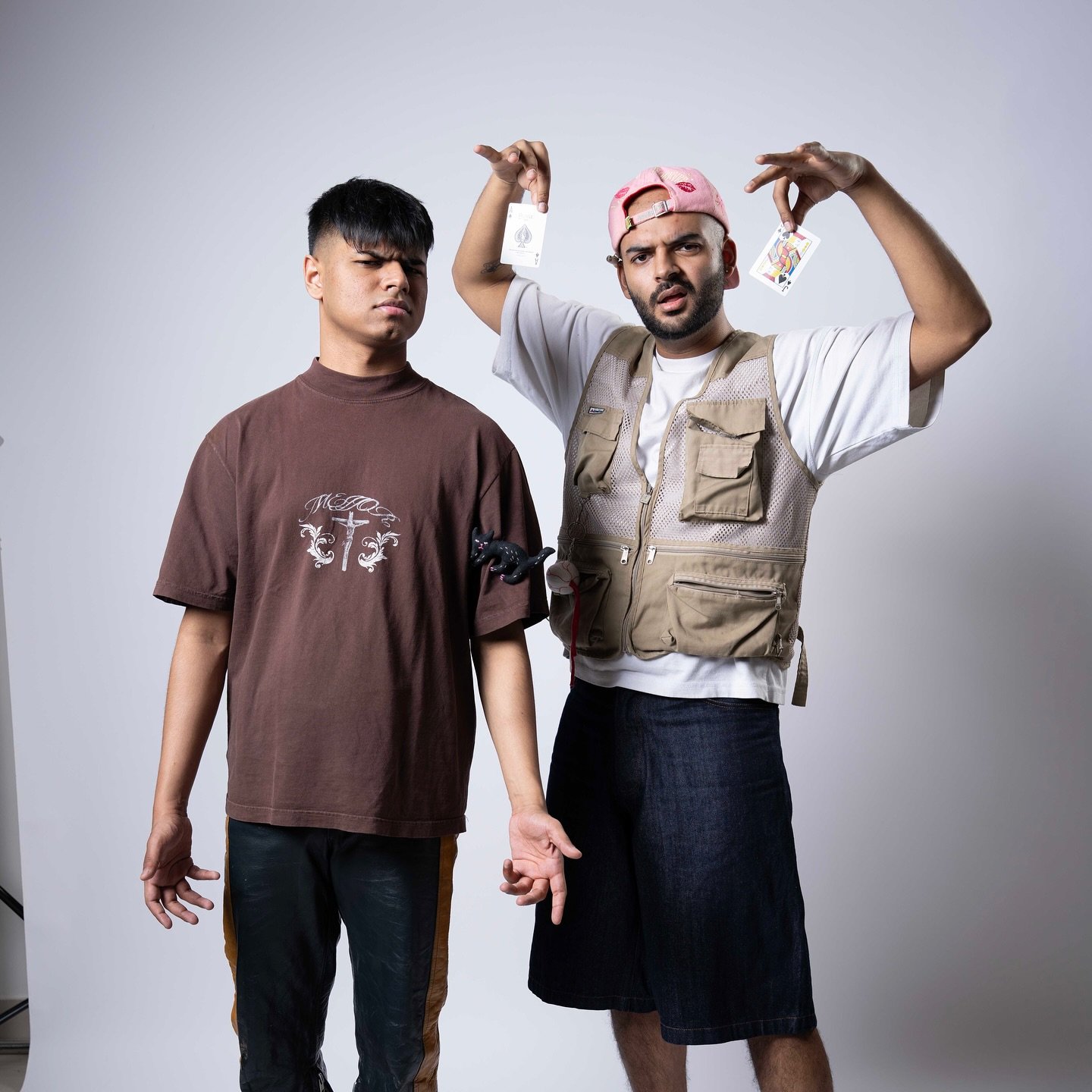
Maahi: Honestly, I don’t think it’s as black and white as people might assume. Growing up, music was always around me, so for a while I just assumed I would be a musician. It felt like a natural extension of my environment and family legacy. But during my formative years, I had a pivotal conversation with my parents. They told me that if I truly wanted to pursue music, I had to be completely in love with the art itself. It couldn’t just be something I did because it was familiar or expected. That conversation made me pause and reflect. After that, I took a few years to explore different paths and really understand what resonated with me. In that process, I naturally fell in love with music and singing in a much more personal way. Now I’m at a point where I genuinely have to stop myself from singing all day, and I couldn’t be happier about that!
You’re both exploring creative paths that go beyond just singing. Could you walk us through your pursuits in music and elsewhere — and what they’ve taught you so far?
Soham: This ties back to my first answer. Baba (as we call our dad) always made it clear that we weren’t inheriting a traditional family business. Music is personal, and musicianship only grows through individuality. He never pushed us towards this path – he gave us the freedom to choose it. Of course, growing up with a home studio helps, but I’m proud to say I’ve found my own voice. At the same time, Baba is still our biggest source of advice and inspiration, and I can say that for Maahi as well.

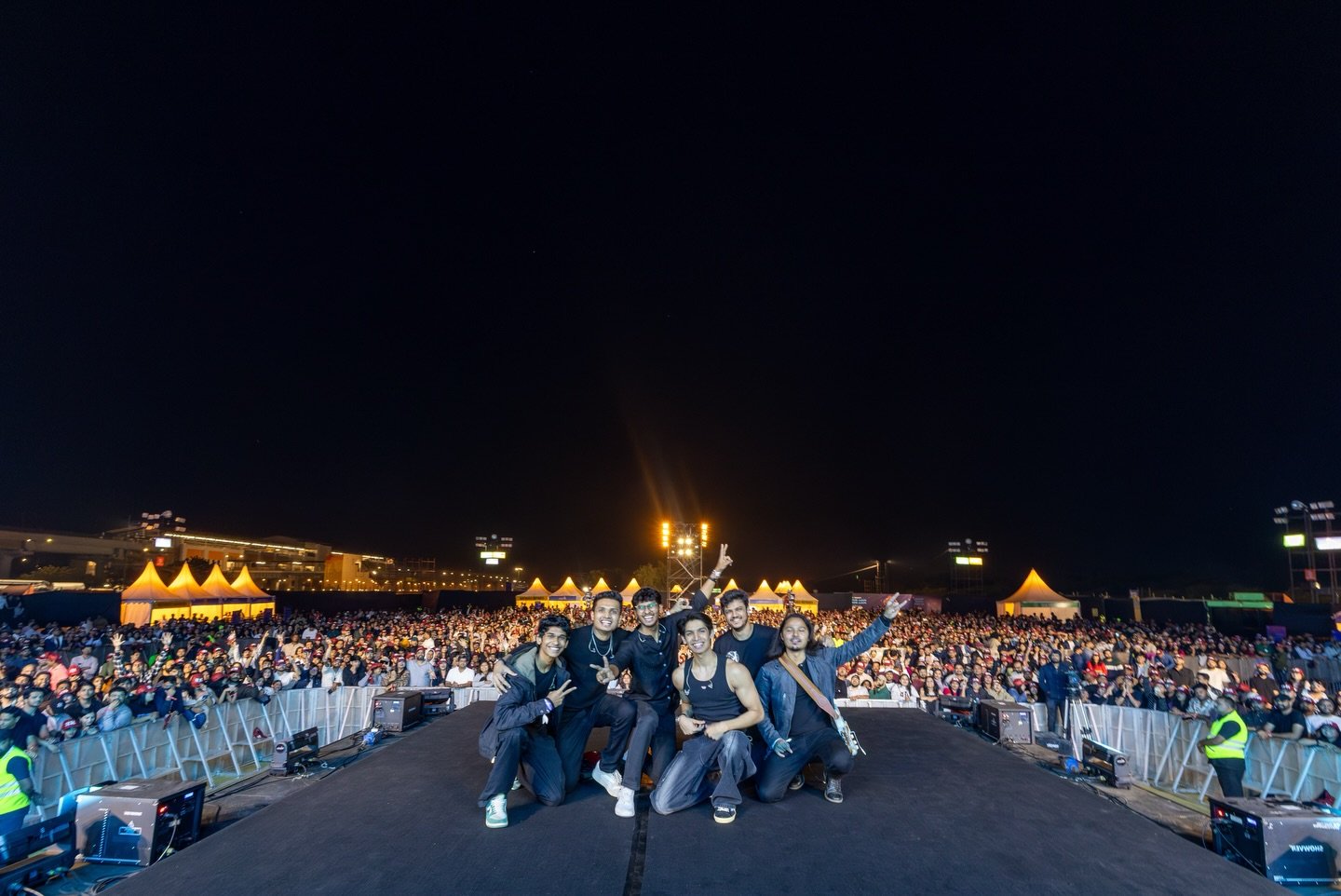
Maahi: In today’s generation, simply being an artist who releases music may not be enough, especially if you want to give yourself the best chance of connecting with an audience. For me, live performance has become a huge focus. One of my overarching goals is to deliver a top-notch experience every single time I step onto a stage. I didn’t initially realise how creative the live aspect of this journey could be, from arrangement choices to crowd engagement and stage presence, but I’m incredibly grateful to be learning through it. It has been teaching me discipline, consistency and how to truly command a space. At the same time, I’m also figuring out social media and content creation. That’s a very important part of building a presence today. It doesn’t come as naturally to me as performing live, but I’m fortunate to have mentors who guide me in that space. It has taught me adaptability and the importance of communicating your art beyond just the music itself.
How would each of you describe your individual artistic identities today? What distinguishes your sound, influences, or approach from one another — and from your father’s?
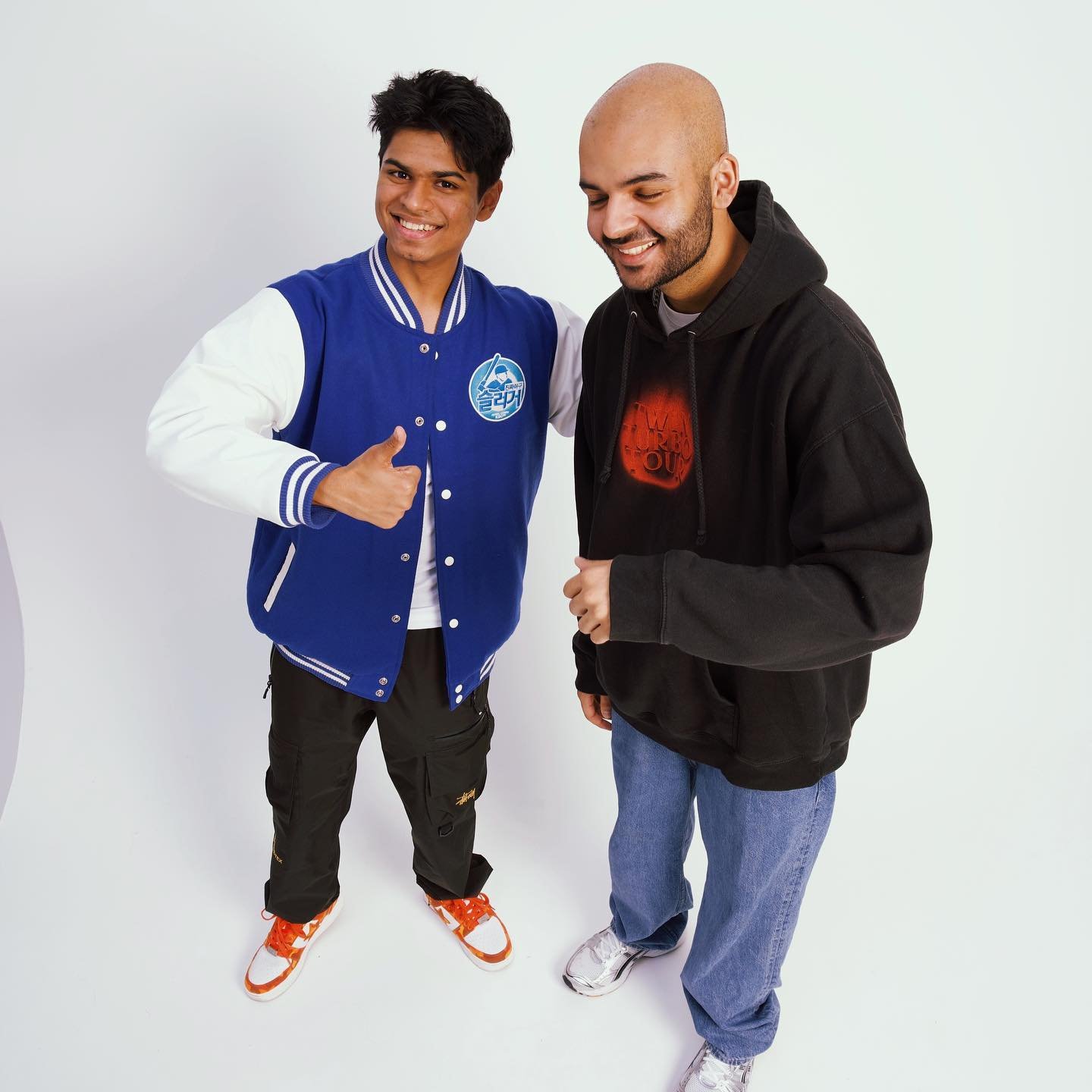
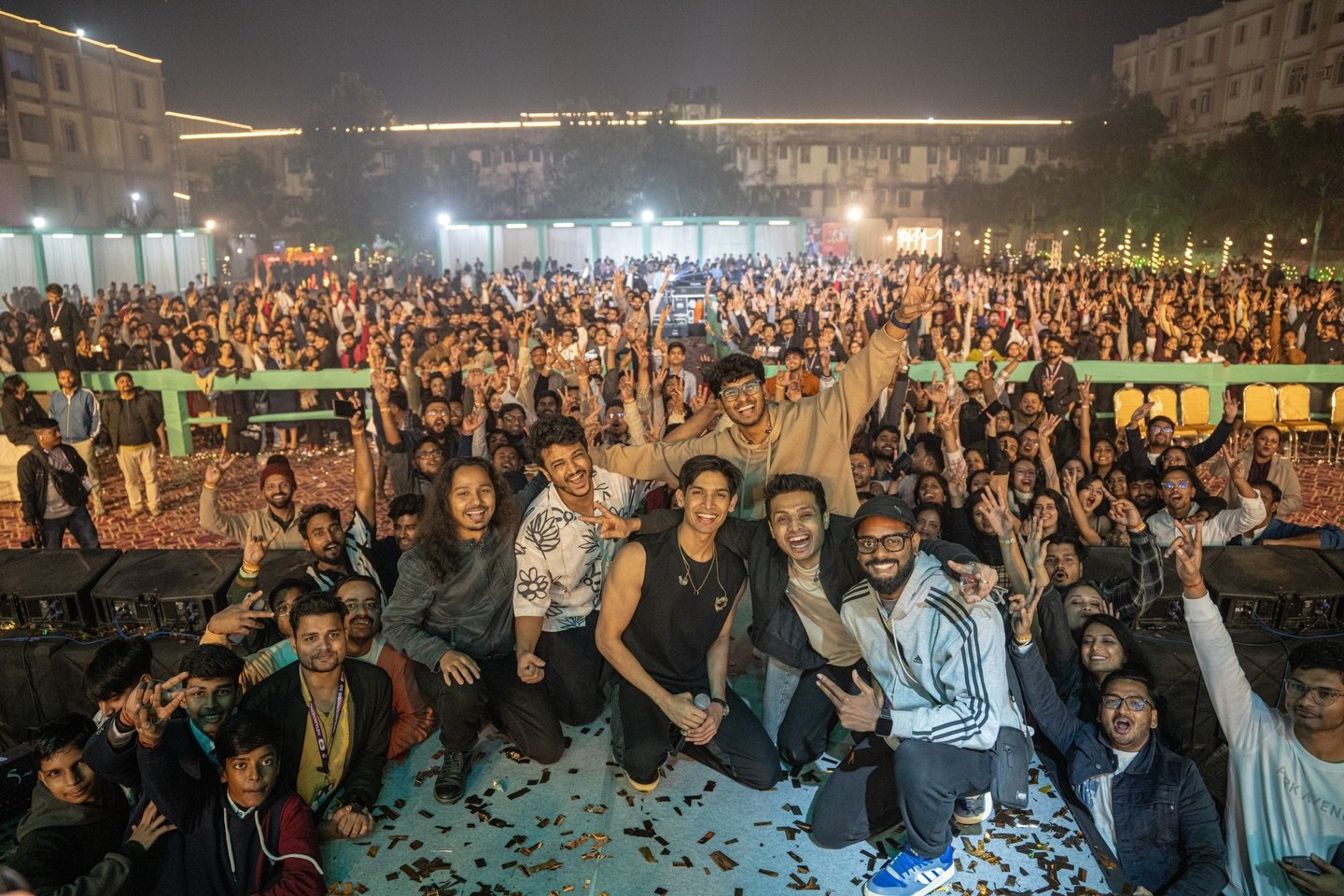
Soham: Right now, I’m doing a bit of everything. I started out on the corporate side at 17, working as an A&R intern in India and later the US, but that didn’t feel right for me long-term. I moved back to India and started a production project with my friend Riz Shain called NEVERSOBER. We’ve been lucky to work with some incredible artists across genres, and I’m really grateful for how that’s grown. Alongside that, I’m the vocalist in a band with my closest friends from high school called citimall. We’ve built a small but loyal audience, especially in Mumbai, and performing live with them is one of the purest forms of music-making for me. I’ve learnt a lot by trying my hand at different sides of this business, but the biggest lesson has stayed constant: Show up every day with intention and a pure heart. The rest finds its place. That’s something Baba taught me early on.
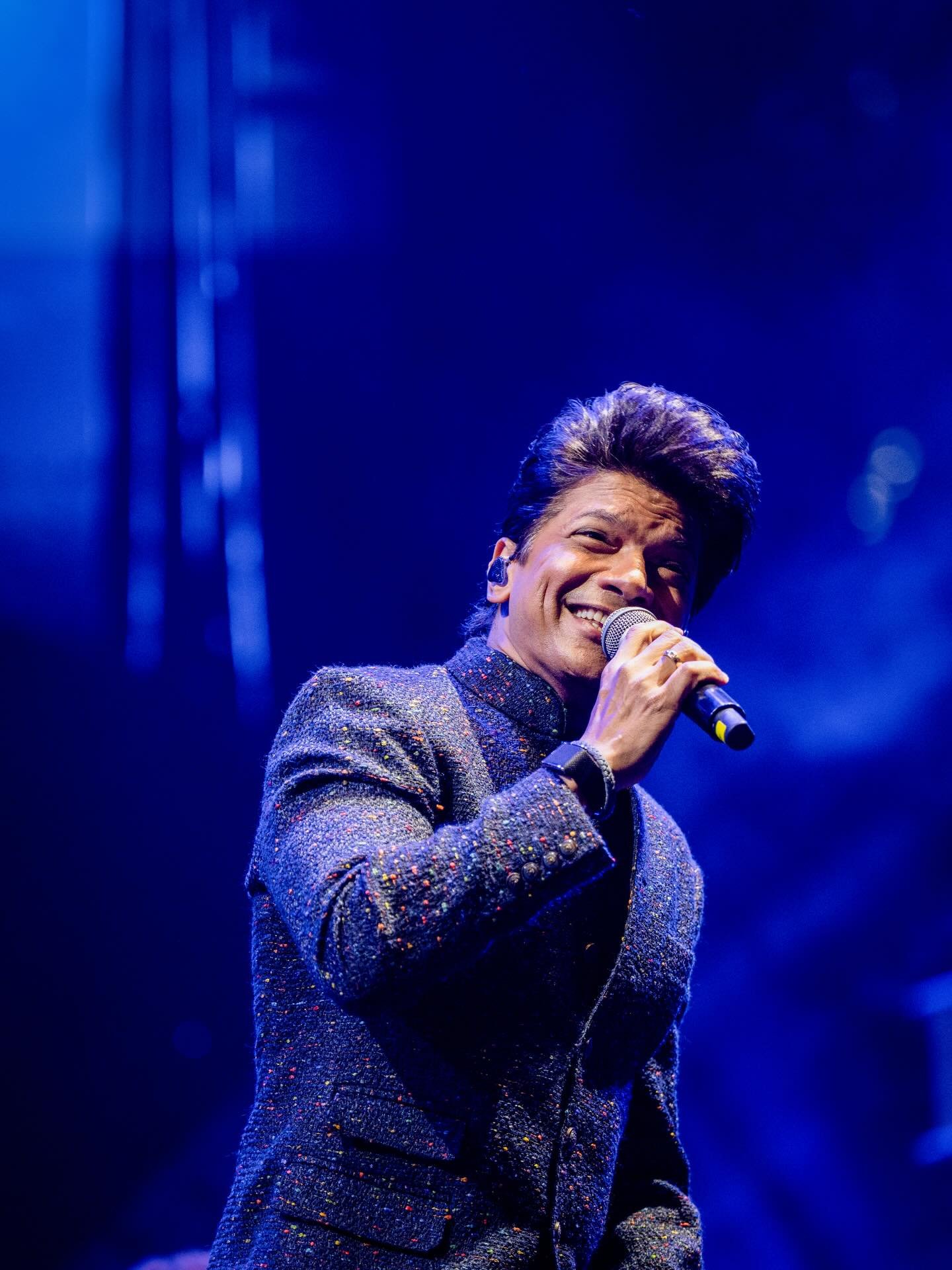
Maahi: I believe every musician has a unique sound, and I’m still actively discovering mine with every release. It’s something that evolves with time and experience. I draw inspiration from artists in both India and the West, and those influences subtly shape the sonic space I’m exploring. Instead of over-describing it, I would encourage people to listen to my latest song ‘Arzoo’. It reflects the direction I see myself moving towards in the foreseeable future. Interestingly, the track was produced by my brother and his partner Riz, and with their collaboration and my dad’s guidance, I’ve been able to better understand what feels authentic to me. That process has been instrumental in shaping my artistic identity.
Shaan, as someone who has witnessed the music industry evolve over decades, what guidance did you feel was essential to pass on to your sons — and what did you intentionally leave for them to discover on their own?
With my experience in the music industry over so many years, I would always advise my boys to be open and flexible. Do not have a block over any genre or demographic of music. There’s only good music and bad music. Just develop a taste for good music. But having said that, I tried not to personally influence them with my music tastes or my definition of good music. I wanted them to develop from their own instincts.
Was there ever a moment when you had to step back as a father and resist stepping in as a mentor? How did you strike that balance?
Very often! I’m a stickler for playing it by the book. But today ‘sound’ and ‘vibe’ are more relevant. So I don’t push for the details and intricacies. I’ve realised it can take the vibe away.
Your wife, Radhika, has been a steady presence behind the scenes through all your journeys. What role has she played in shaping the boys’ grounding, discipline, and confidence as artists?
Radhika has been extremely hands-on with both Soham and Maahi. She is always watching over them and keeping constant communication. They have tremendous trust in their mom’s decisions and insights.
Soham and Maahi, how do you navigate comparisons — with your father and even between yourselves — and has that shaped your resilience as performers?
Soham: Comparisons have never bothered me – it’s honestly a point of pride when people speak highly of my dad. I also feel that music, unlike films, isn’t really affected by nepotism. If you look at the most-listened-to artists in India today, most would be considered outsiders. Music is deeply individual; either it connects or it doesn’t. Distribution has become increasingly democratic, and the barrier to entry is almost nonexistent. In a space with no real gate, being an insider or outsider doesn’t matter much.
Maahi: Comparisons are natural, especially given our background. I often hear people say that I sing and sound like my dad, and honestly, it’s incredibly flattering. There’s no bigger compliment than being compared to someone I admire so deeply, who is clearly among the greatest in this field. That said, when it comes to vocal texture and individuality, I do believe there are clear differences. It’s something my dad, my brother, my mother and I have spoken about openly. While I’ve naturally picked up on a lot of my dad’s expressions and tendencies, especially in live settings, our vocal textures and approaches are distinct. What I’m grateful for is that there was never any pressure to imitate him or sing in his exact style. In fact, he has always encouraged both my brother and me to discover and develop our own identities. I think if you explore more of my original music, those differences become clearer. And I’ll shamelessly plug ‘Arzoo’ one more time as a starting point.
Shaan, what has sharing creative space as a family revealed about one another that might not have surfaced otherwise?
Though they are both working independently of each other, Soham and Maahi are extremely receptive to each other’s opinions. Soham has a unique talent to see a solution to a situation without getting too emotional or personal about it. Shubh (Maahi’s real name) is an eternal optimist. They both bring different energies to the table and yet it helps both gain clarity from each other. If not for both being in music, I would’ve never seen how well they connect with each other.
Shaan, when you watch your sons perform or record, do you see echoes of your own early journey — or paths that are entirely their own?
There are times when their confidence and conviction blow me away. I never had that self-belief. And there are times when I can see them struggling to find that balance between what is their comfort zone and what is a stretch. I have never shied away from stretching myself out of my comfort zone to fit into what the situation demands, and I quietly watch them do the same with aplomb.
The industry today is vastly different from when Shaan began. How do the three of you now define success — fame, longevity, creative freedom, or something else entirely?
Shaan: The industry today is vastly different. The parameters of success are also very different. The numbers are everything today. And your credibility depends on that. That’s massive pressure. I would like it if they pursue longevity and steady growth as success. Not instant gratification and trend-driven success that may not last or feel very hollow.
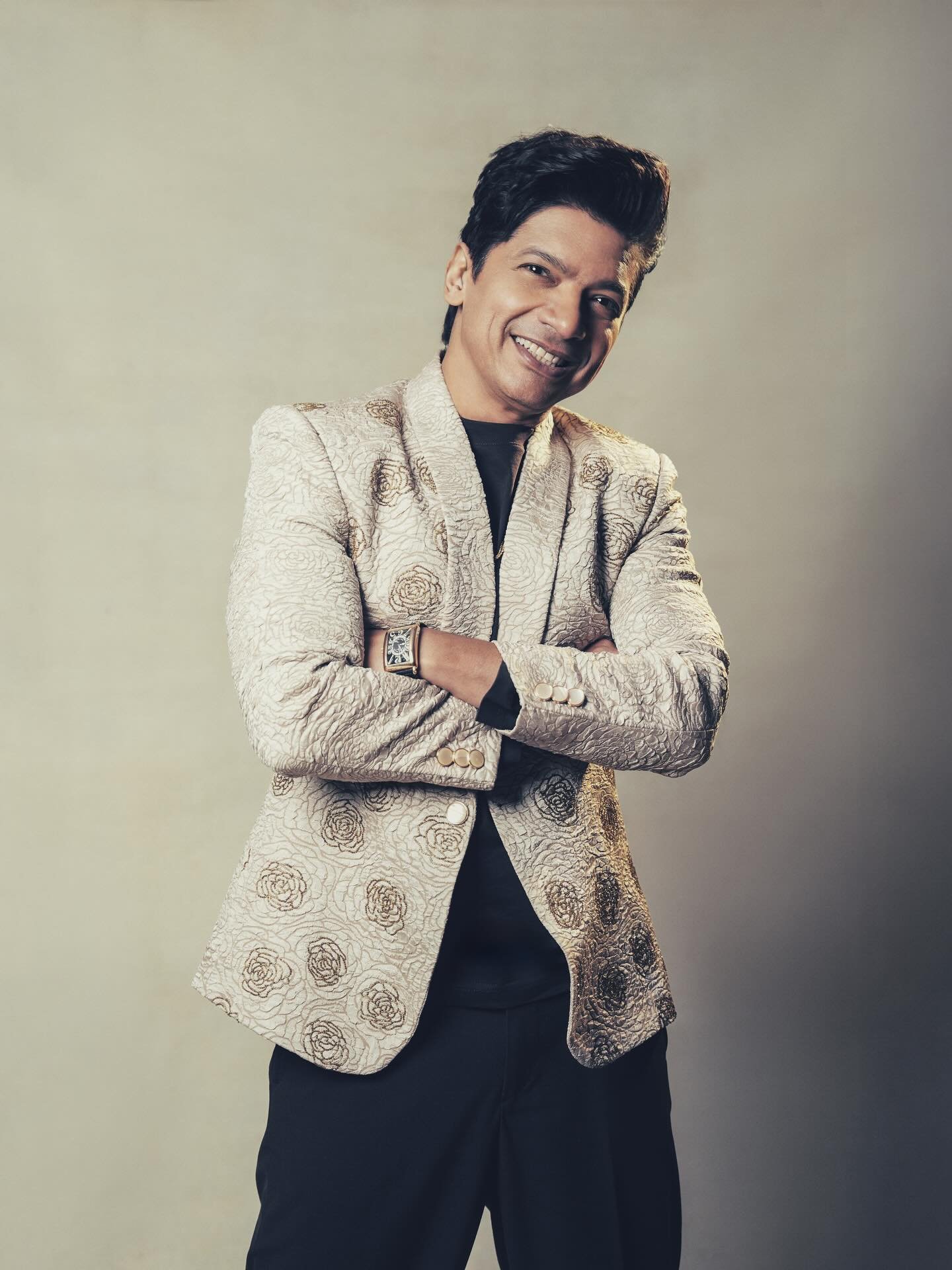
Soham: I don’t think I have a clear definition of success right now. Music can make you feel on top of the world or completely useless on the same day. At this moment, success is simply being able to keep ideas flowing and knowing that people are receiving them. Maybe that definition will change with time.
Finally, as a family bound by music, what do you hope audiences take away from seeing the three of you share this chapter together — on stage and beyond?
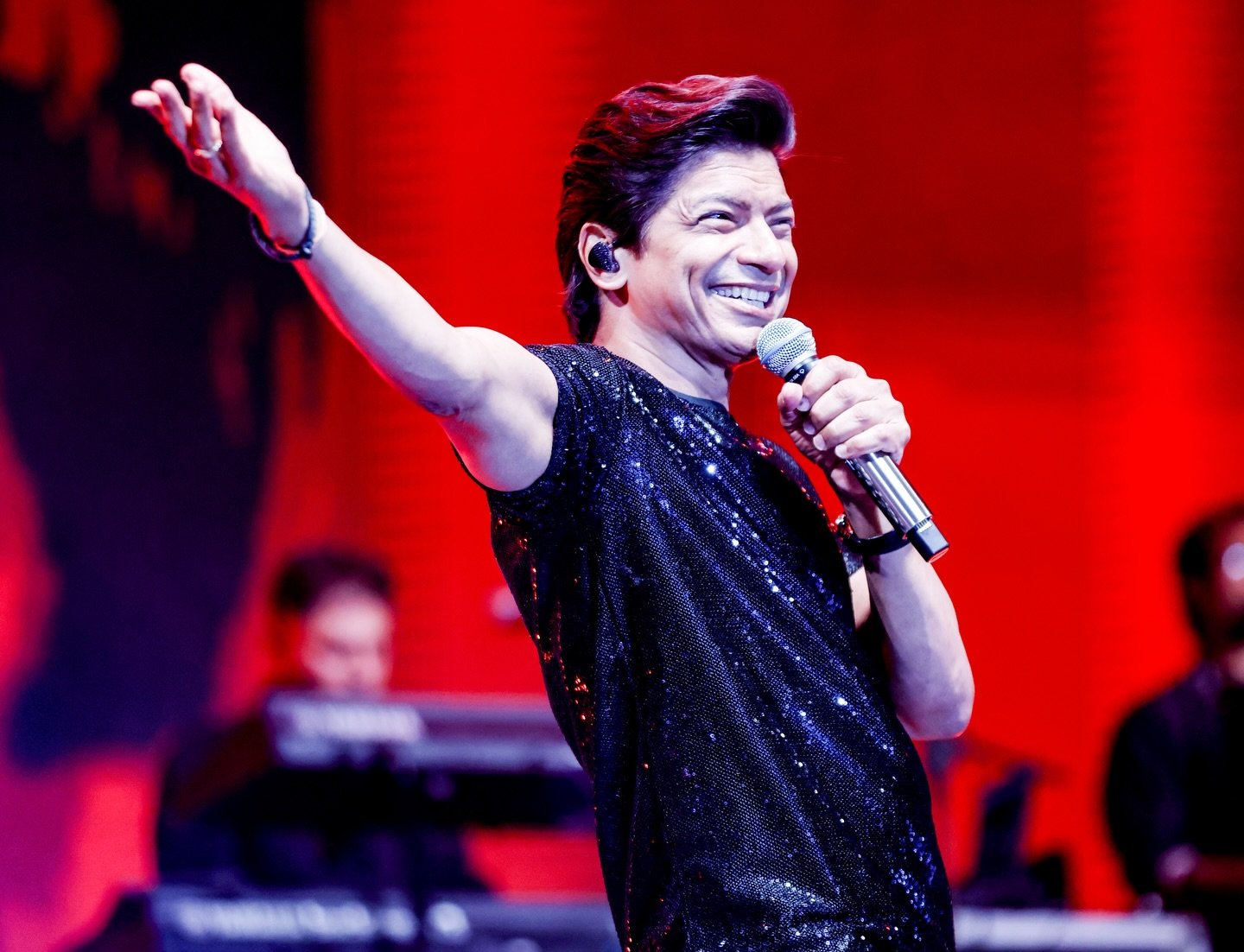
Shaan: I hope the takeaway for the audience is a bond of music without ego or rigidity, and a lot of positive energy and ease.


Soham: I hope people see how much we care about what we do. This industry is hard, no matter where you come from, and it tests you constantly. Having a strong support system makes all the difference — it keeps you grounded and motivated. I’m incredibly grateful for the freedom my family has given me, because that freedom allowed me to find my own voice.