
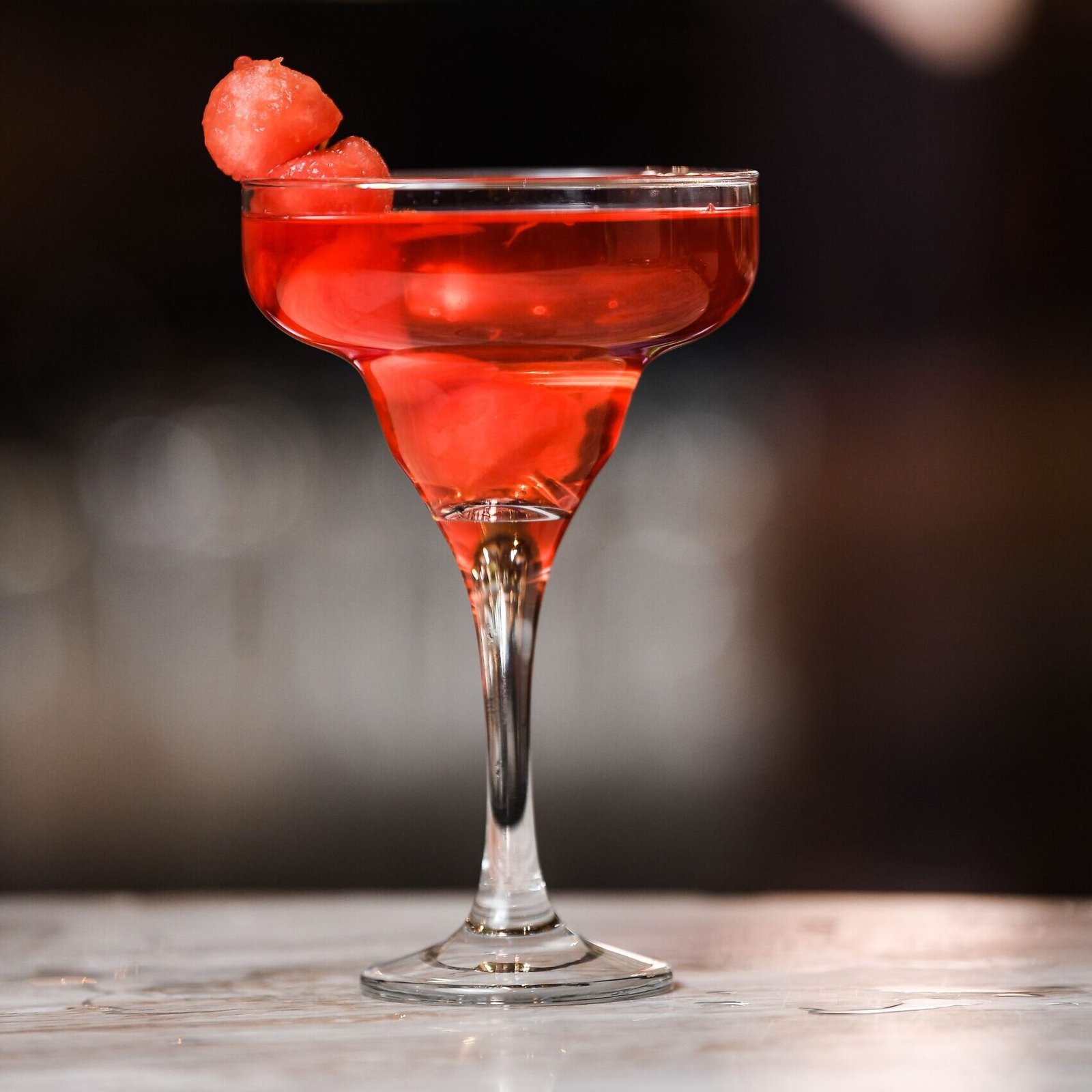
Fewer ingredients, sharper flavours. Minimalist cocktails are redefining what makes a drink sophisticated. From timeless classics to unexpected pairings, Amber Dias discovers why restraint is becoming the new art of mixology.
What if your cocktail didn’t need a dozen ingredients to make an impression? A good spirit, something fresh, a little sweetness and perhaps a dash of bitters can be all it takes to create a drink worth lingering over. The latest mood behind the bar is decidedly less-is-more, with bartenders paring cocktails back to four ingredients or fewer, and discovering just how much flavour can fit into a deceptively simple glass.
And simple doesn’t mean easy. When there are only a few ingredients in play, every one of them has to pull its weight. The spirit needs to shine, the balance needs to be precise and even the ice has a role to play. The result is a style of cocktail that feels unfussy and contemporary, but is often backed by considerable technique and thought.

“There’s a growing appreciation for restraint behind the bar,” says Abhishek Banerjee, Project Manager, Tulleeho. Rather than layering multiple flavours, he notes, bartenders are focusing on a handful of ingredients that work together and allow the character of the spirit to come through. Tulleeho’s Banana Republic, is one example: Aged rum, banana liqueur, demerara syrup and bitters. “The rum remains the star, while everything else simply supports it,” he says.
The Complexity Behind Simplicity
What appears simple in the glass can involve considerable work behind the bar. Evgenia, Drinks Director at Nao Spirits & Beverages, points out that modern cocktail techniques have made it possible to create drinks with remarkably concise ingredient lists while packing them with depth. A single component might involve distillation, clarification, fermentation or infusion before it reaches the glass. “In many ways, simplicity in the glass reflects complexity in preparation,” she explains.
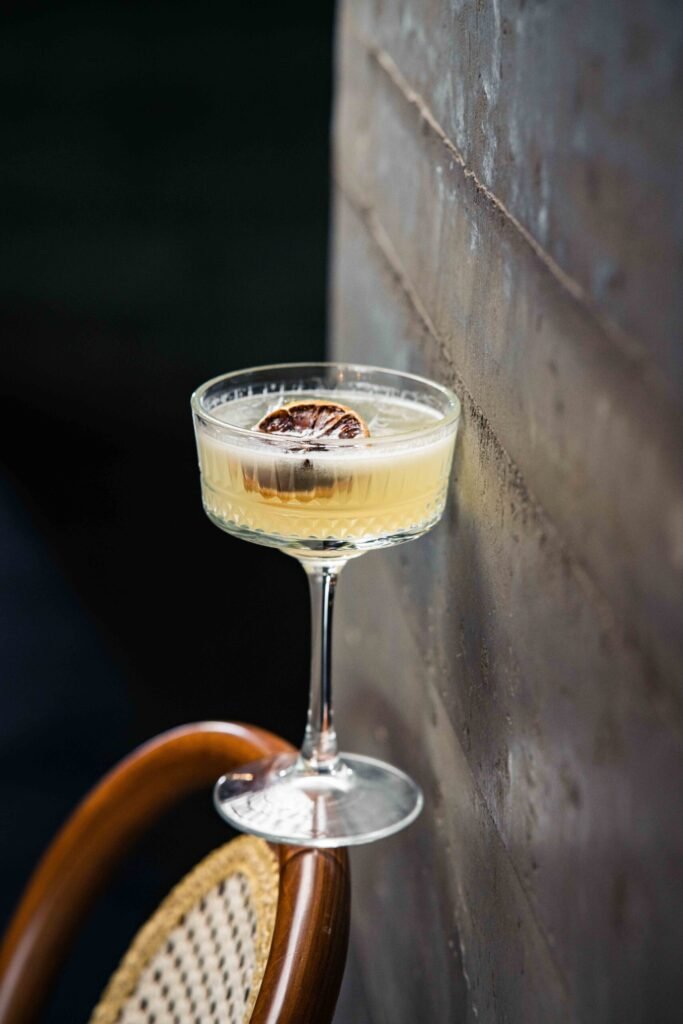
The growing popularity of highballs and draft cocktails has also helped push the movement forward. Their basic structure — a spirit, a flavour modifier and carbonation — is inherently restrained, while a carefully developed cordial can provide sweetness, acidity, texture and flavour direction all at once. According to Evgenia, in-house carbonation and draft systems also offer consistency, speed and efficiency without compromising quality.
There is another reason the format resonates with today’s drinker: It feels approachable. A short ingredient list is less intimidating for someone experimenting at home, while experienced cocktail drinkers can appreciate the skill required to make a few components work perfectly together.
Every Ingredient Counts
Minimalism puts the spotlight firmly on balance. When a drink contains only three or four ingredients, there is little room to disguise excessive sweetness, weak acidity or poor dilution.
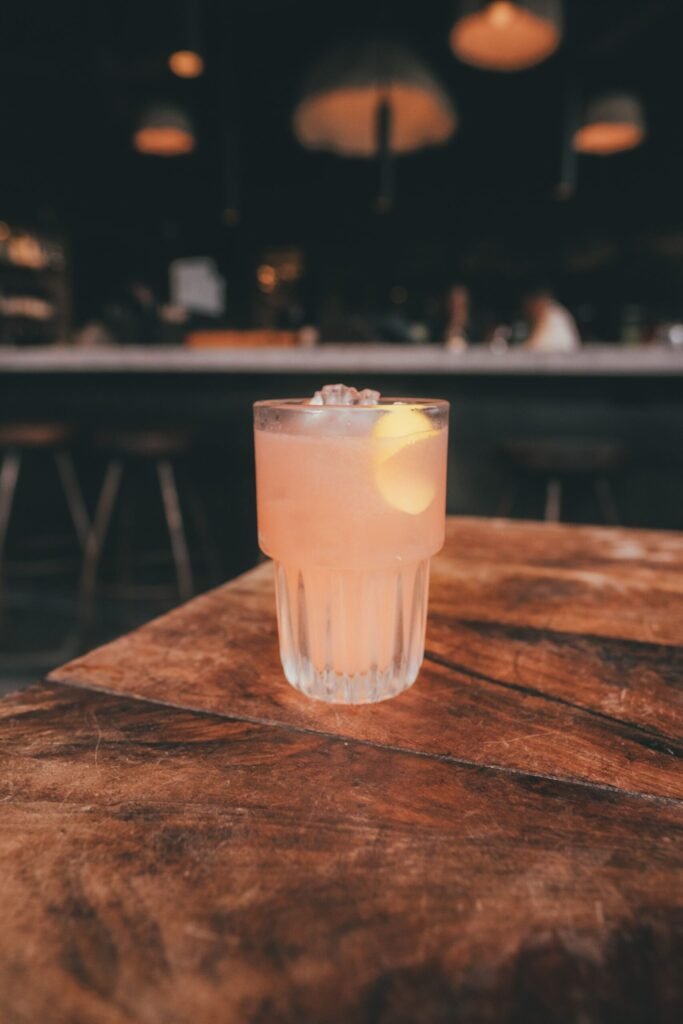
“Less ingredients does not mean less work. In fact, it usually means the opposite,” says Abhishek. Temperature, dilution and balance all need to be precise. The Martini, he suggests, is a classic example of a drink that looks deceptively simple but requires consistency and control to execute properly.
For Evgenia, the starting point is a strong concept and a clear identity. Technique should then have a purpose, whether it is being used to highlight an ingredient, control dilution, influence texture or alter mouthfeel. Even presentation matters: Glassware, ice, garnish and aroma can collectively elevate a drink.
The Art Of Pairing
With fewer ingredients competing for attention, pairing becomes critical. A successful minimalist cocktail often gives one ingredient centre stage while the others provide support.
“Ingredient quality is probably more important in a minimalist cocktail than anywhere else because there’s nowhere to hide,” says Abhishek. He points to combinations such as gin and dry vermouth, tequila and lime, and aged rum with banana and demerara as examples of pairings where each ingredient complements rather than overwhelms the other.
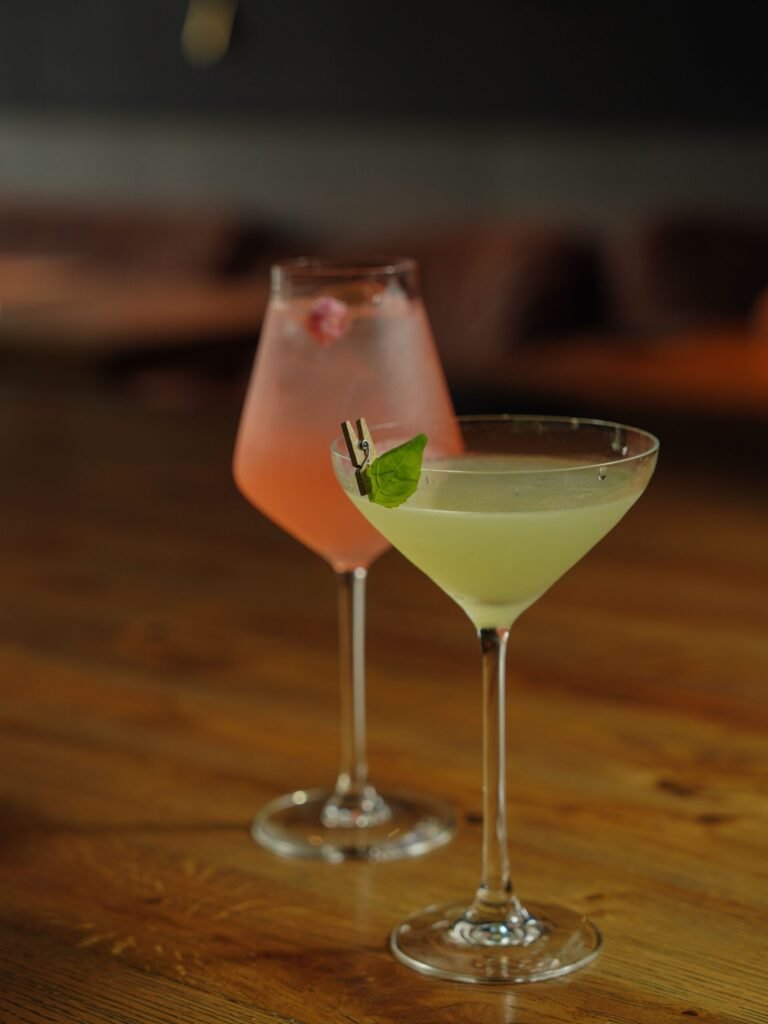
Evgenia takes a similar approach, building drinks around a single “hero ingredient” and selecting everything else to elevate it. But minimalist does not necessarily mean predictable. Among her favourite combinations are fresh strawberry with Timbur pepper, whose grapefruit-like citrus notes and tingling quality add an unexpected dimension to the fruit, and hibiscus with orgeat, a combination that creates a flavour reminiscent of ripe cherries.
The possibilities are broad: Gin with citrus, tequila with lime, mezcal with grapefruit, whisky with ginger, or rum with banana and caramelised sugar. The principle remains the same: Find ingredients that have distinct roles and allow each one to be tasted.
Quality Over Quantity
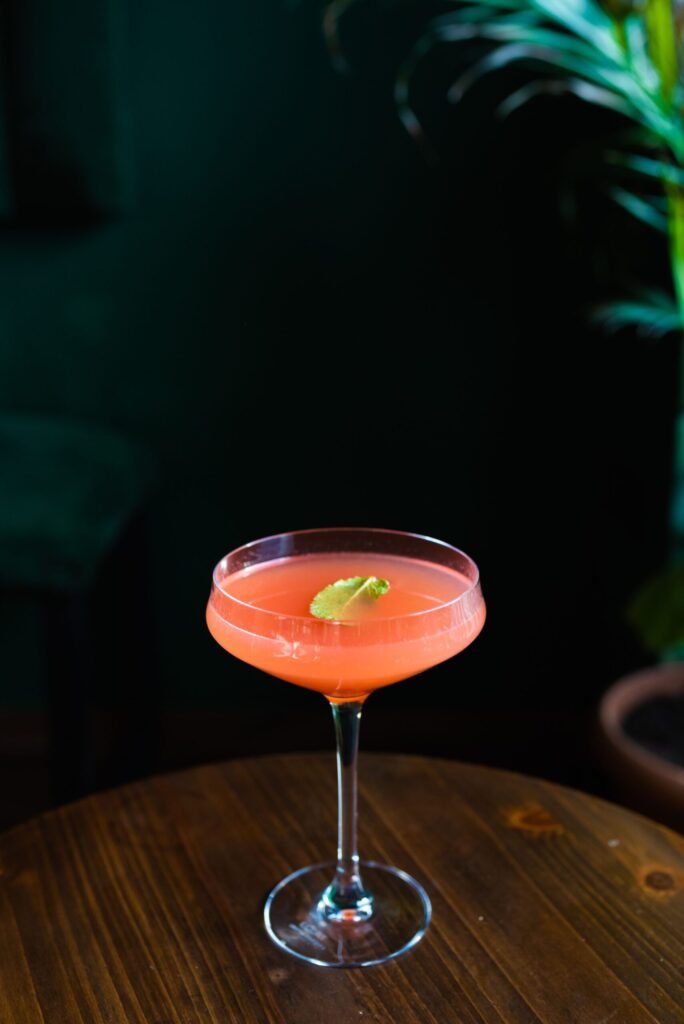
Minimalist cocktails also place greater emphasis on the quality of the raw materials. Fresh citrus, a well-made vermouth, good-quality spirits and properly handled ice can make a significant difference when there are no additional ingredients to mask shortcomings.
The classics have understood this for decades. A Daiquiri, Old Fashioned, Martini, Negroni or Margarita demonstrates that complexity of flavour does not require complexity of construction. Modern bartenders are simply applying that philosophy with new ingredients and techniques.
Keep It Simple
The beauty of a minimalist cocktail is that it knows when to quit. No towering garnish, no mysterious foam, no ingredient that needs a paragraph of explanation, just a few good things doing their job exceptionally well.
So go ahead, reach for the good gin, squeeze that lime and resist the urge to add one more thing. Because sometimes the best cocktail isn’t the one with the most going on. It’s the one that makes you take another sip and think, that’s all it needed.
Cocktails To Try
- Daiquiri: Rum, lime and sugar; a study in clean, precise balance.
- Old Fashioned: Whisky, bitters and sugar, allowing the spirit to lead.
- Martini: Gin or vodka with dry vermouth, finished with a purposeful garnish.
- Negroni: Gin, Campari and sweet vermouth for a classic bittersweet profile.
- Margarita: Tequila, lime and orange liqueur.
- Paloma: Tequila and grapefruit-led citrus flavours for a refreshing highball.
- French 75: Gin, lemon and sparkling wine.
- Tommy’s Margarita: Tequila, lime and agave.
Dos
- Choose quality spirits; the base ingredient is exposed rather than disguised.
- Use fresh citrus and quality modifiers.
- Give each ingredient a clear purpose.
- Measure carefully and pay attention to dilution and temperature.
- Keep garnishes functional, using them to enhance aroma or flavour.
Don’ts
- Add ingredients simply to make a drink seem more elaborate.
- Expect poor-quality spirits to disappear into the mix.
- Ignore ice, dilution or temperature.
- Over-sweeten in an attempt to make a drink more approachable.
- Confuse a short ingredient list with an effortless drink.