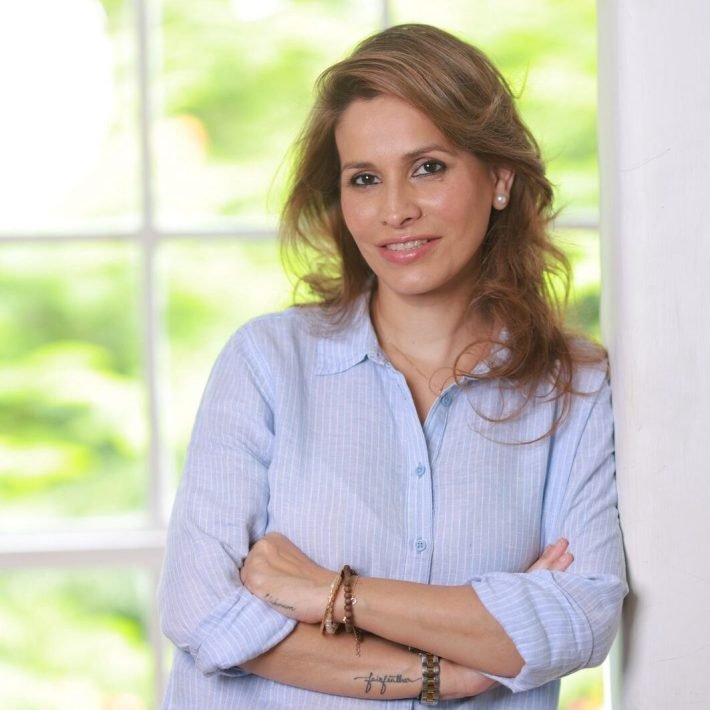
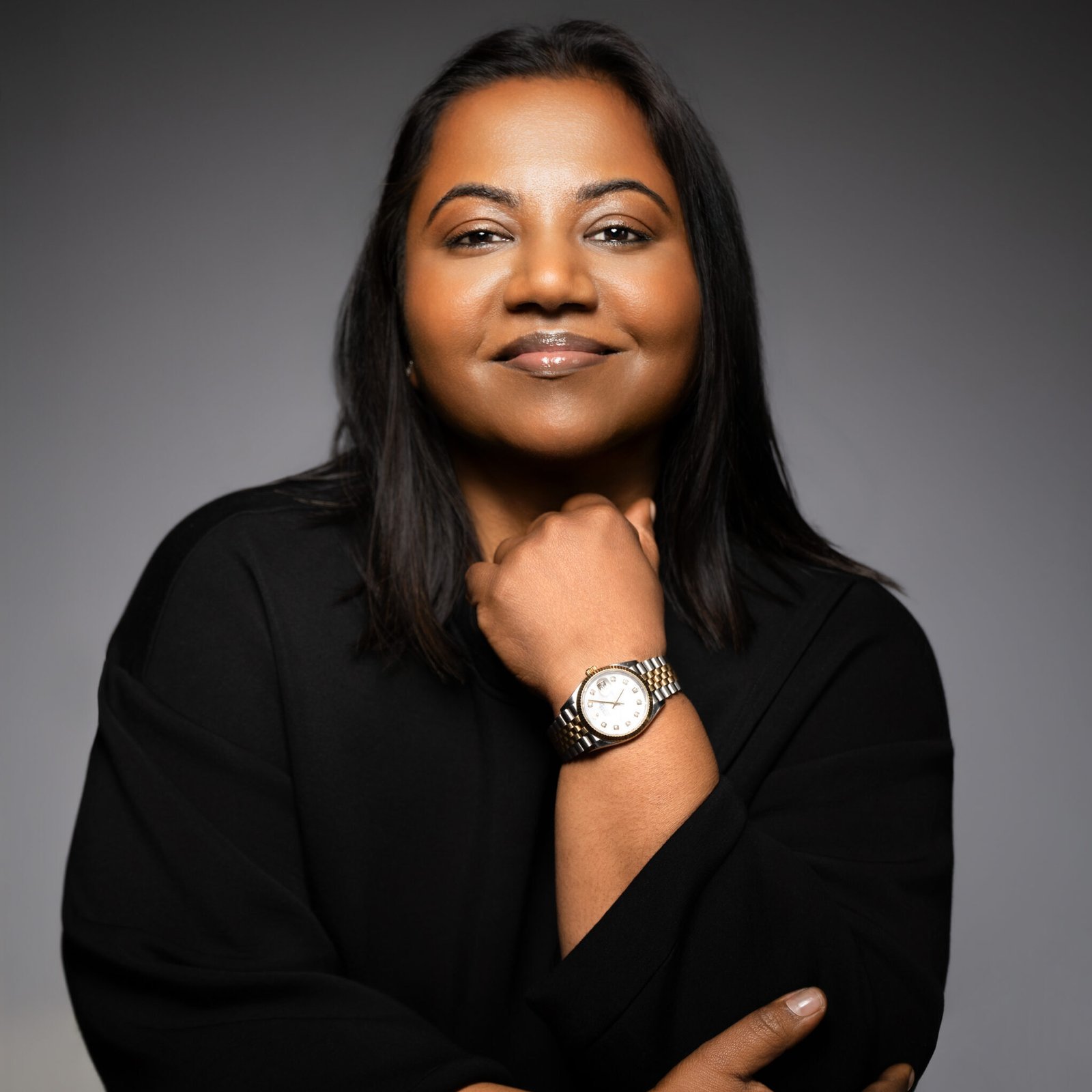
From Mumbai to New York, Chef Aarthi Sampath, Head Chef and Founder of Drāvida, has reimagined South Asian cuisine through a restaurant that celebrates the flavours, stories and journeys of the diaspora, says Nichola Marie.
You were born in Mumbai and have built your culinary career in New York over the past 13 years. What has the journey from Mumbai to Manhattan been like, and how have both cities shaped the chef and restaurateur you are today? Mumbai gave me my hands. It’s where I first learnt discipline in a kitchen, where I trained at Taj Hotels and understood what precision and respect for ingredients really meant. But it was New York that gave me my voice.
I moved here 13 years ago, and this city doesn’t let you hide. It’s direct, it’s demanding, it’s honest, and you either rise to that or you don’t. Working in kitchens like Junoon, The Breslin, and the Rainbow Room at Rockefeller Center pushed me technically in ways I hadn’t imagined. But more than that, living in New York exposed me to a South Asia I hadn’t grown up with: Guyanese Indians, Malaysian Tamils, Sri Lankans, Trinidadians, communities carrying our food in directions Mumbai never showed me.
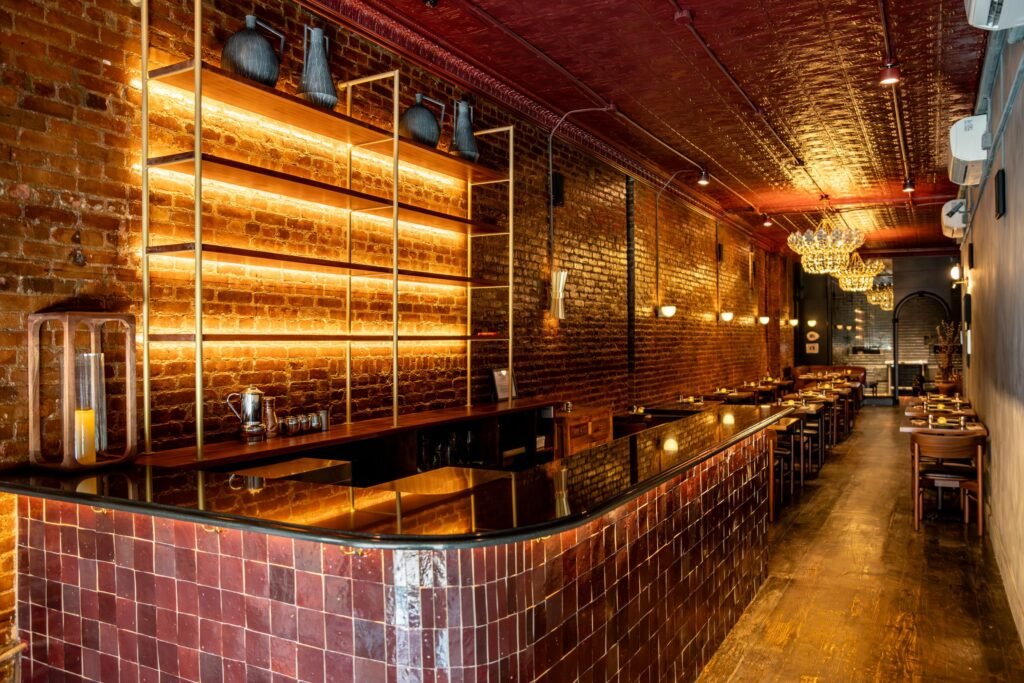
So, if Mumbai taught me technique, New York taught me story. Drāvida is really what happens when those two things meet: the discipline of where I trained, and the diversity of where I live now.
Drāvida is rooted in the flavours and stories of India and the South Asian diaspora, drawing inspiration from countries and communities including Sri Lanka, Pakistan, Nepal, Trinidad, Guyana and South Africa. What inspired this vision, and why was it important for you to tell these stories through food?
I wrote the first concept for Drāvida back in 2019. The idea came from a simple realisation: South Asian food cannot be defined by borders alone. Our history has been shaped by centuries of trade, migration and cultural exchange, whether that was the spice trade, merchants or communities carried across the world as indentured labourers. They took their recipes and spices with them and rebuilt them with whatever their new homes gave them.
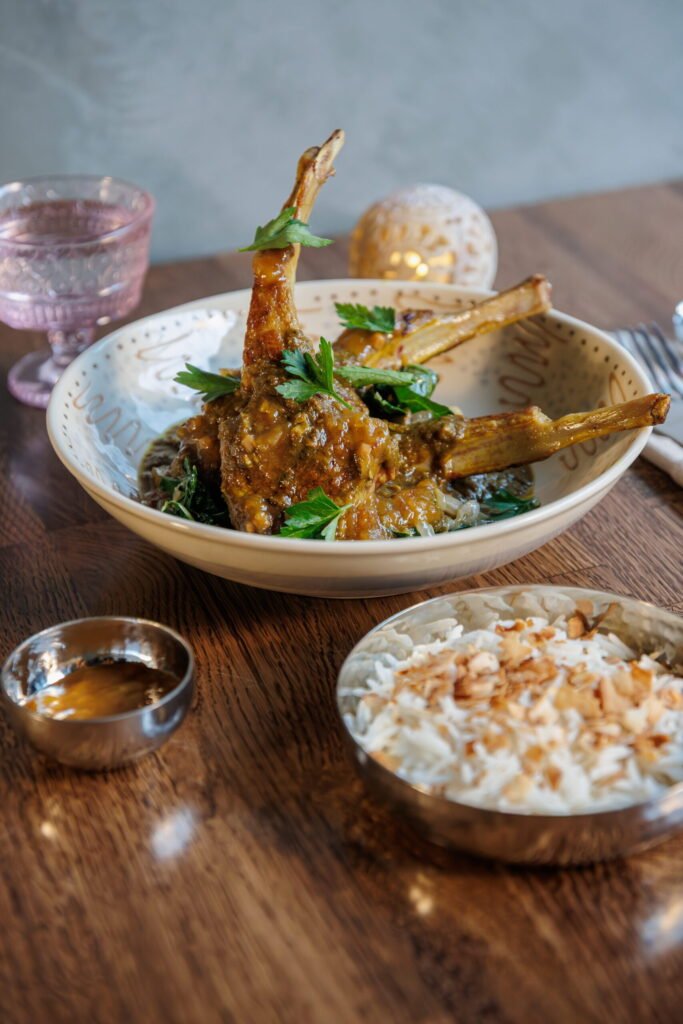
Take Guyana, the Indian community there still makes incredible chicken and goat curries, but now with wiri wiri peppers, thyme, parsley. It still tastes unmistakably Indian, but it has its own identity. That’s not a diluted version of anything. That survival turned into art.
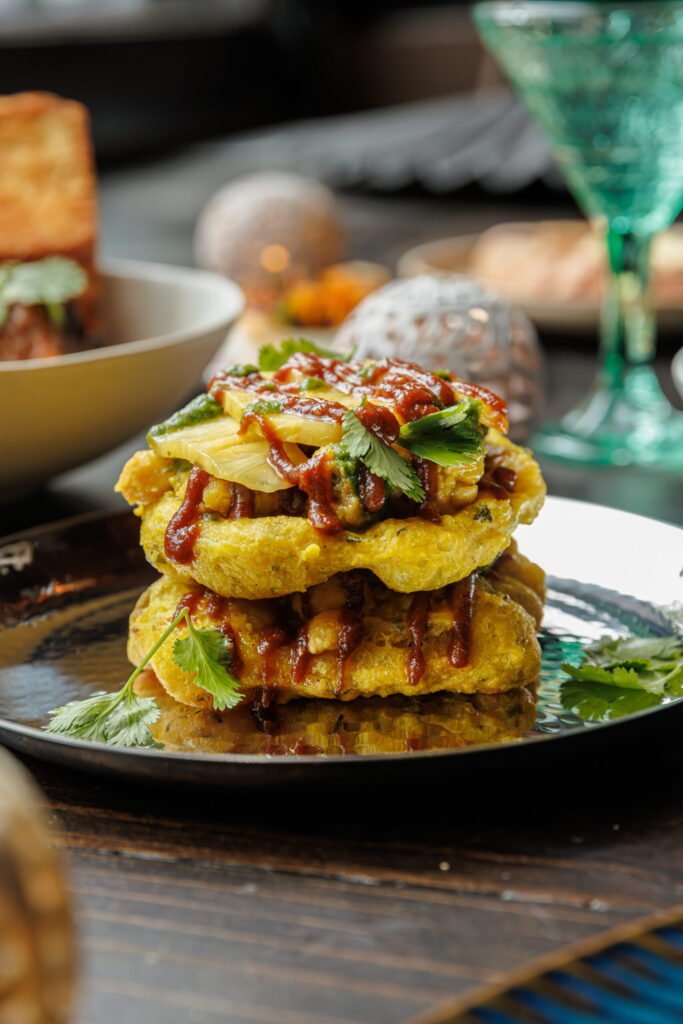
I wanted a restaurant that put those stories on one menu: Doubles from Trinidad, Oxtail Bunny Chow from South Africa, Nasi Kandar from the Indo-Malay world, because so much of that diversity simply wasn’t showing up on New York menus. This restaurant is for New Yorkers who haven’t seen their food represented yet.
You have often spoken about the connection between food, memory and migration. How do family traditions and personal memories influence the way you cook, and how does this come through in the dishes and experience at Drāvida?
Food is one of the most powerful carriers of memory we have. Every recipe on our menu comes from somebody’s grandmother, somebody’s kitchen, somebody’s specific migration story and I feel a responsibility to honour that rather than flatten it into something generic.
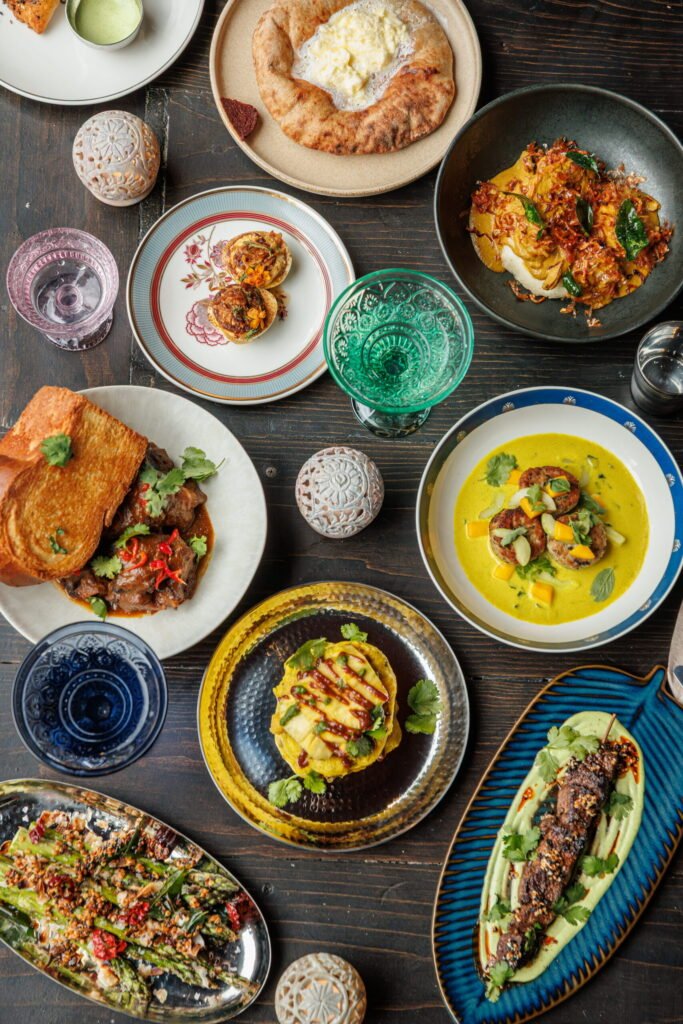
The Khameeri Roti is probably the clearest example of this for me personally. It’s just bread, but it traces a line through Persia, Afghanistan, Pakistan and North India. You can taste centuries of movement in something that simple. We bake ours in a wood-fired oven instead of a tandoor, which gives it its own character while still being rooted in that lineage.
When people eat at Drāvida, I want it to feel like they’re tasting someone’s memory of home, even if it’s not their own home. That’s the emotional core of the restaurant; food as a place where identity gets acknowledged, not erased.
Having trained in acclaimed kitchens and gained national recognition through shows such as ‘Chopped’ and ‘Beat Bobby Flay’, you have now made the transition from television personality and chef to restaurant owner. What have you learnt about building and running a food business, and what has been the most challenging aspect of this transition?
‘Chopped’ and ‘Beat Bobby Flay’ taught me to think fast and trust my instincts under pressure, that’s a very different muscle than building and running an actual business. Owning a restaurant is a whole different kind of pressure: it’s sustained, it’s daily, and nobody’s calling “time” after 30 minutes.
The hardest part, honestly, was getting people to believe in the concept before it existed. I pitched Drāvida to investors, chefs, restaurateurs and it was dismissed, over and over. Some of the most respected people in this industry tasted the food and told me they loved it but didn’t fully understand what I was trying to do. That’s a strange position to be in, trusted enough to be tasted, but not yet trusted enough to be backed.
So, I kept refining the menu and the concept, and eventually I funded it myself, using what I’d built through CookUnity. What I’ve learnt is that if you write your vision down and keep working toward it without needing anyone else’s permission to believe in it first, it can actually happen. I’m still not sure I’ve fully absorbed that the restaurant is real.
Indian cuisine is gaining increasing global recognition, but it is also evolving beyond familiar regional categories. What do you believe is the future of Indian and South Asian cuisine globally, and what role do you hope Drāvida will play in shaping that conversation?
I think we’re moving past the era where “Indian food” meant one flattened idea of curry houses, buffets and a handful of familiar dishes. Diners are getting curious about the layers underneath that: regional cuisines, diaspora traditions, the specific histories that shaped a dish. That shift excites me more than almost anything else happening in our industry right now.
I don’t think any one cuisine is better than another; every community has something worth celebrating, and that’s what makes this moment interesting. What I hope Drāvida contributes is proof that this diversity can live on one menu without losing any of its integrity. That a Guyanese curry and a Malaysian Tamil dish and a North Indian roti can all sit at the same table and still feel like one coherent story. If people leave a little more curious than when they walked in, we’ve done our job.