
With their balanced flavours, aromatic profiles, and endless versatility, tea-based cocktails are proving that the humble brew has a place well beyond the breakfast table, says Amber Dias.
A warm chai to kick-start the day or a chilled brew — dressed as a cocktail — to unwind with in the evening, our love affair with tea shows no signs of slowing down. It may not be the first ingredient you’d expect to see behind the bar, but once you try the combination, it makes perfect sense.
The Right Pick

Tea’s appeal lies in its remarkable range of flavours. Depending on the variety, it can be earthy, floral, smoky, fruity, spiced, or vegetal, making it an ideal ingredient for cocktails with depth and character. Its natural tannins help balance sweeter ingredients, while floral teas add delicate aromas and smoked varieties bring richness and intrigue. As drinkers increasingly seek more nuanced, less sugary cocktails, tea offers a sophisticated way to add complexity without heaviness.
“Tea is one of the most versatile ingredients behind the bar because it brings both flavour complexity and a sense of familiarity to consumers,” says Germain Araud, Managing Director, MONIN India.
Tea Time
“Tea is a fantastic ingredient to experiment with in cocktails, especially in India, where there is such an affinity for this flavour,” says Sanaya Dahanukar, Marketing Manager, Tilaknagar Industries Ltd. But not every tea works equally well behind the bar. Certain varieties consistently stand out with distinct flavour profiles that pair naturally with spirits.
Black tea remains a favourite behind the bar thanks to its bold flavour and tannic structure. Varieties such as Assam, Darjeeling, and Earl Grey bring depth and balance to cocktails, particularly when paired with darker spirits like bourbon and rum. “Some of the more versatile varieties behind the bar tend to be lighter, more aromatic teas. Earl Grey works very well because of its citrus-forward bergamot notes, which pair naturally with a wide range of spirits,” says Sanaya.
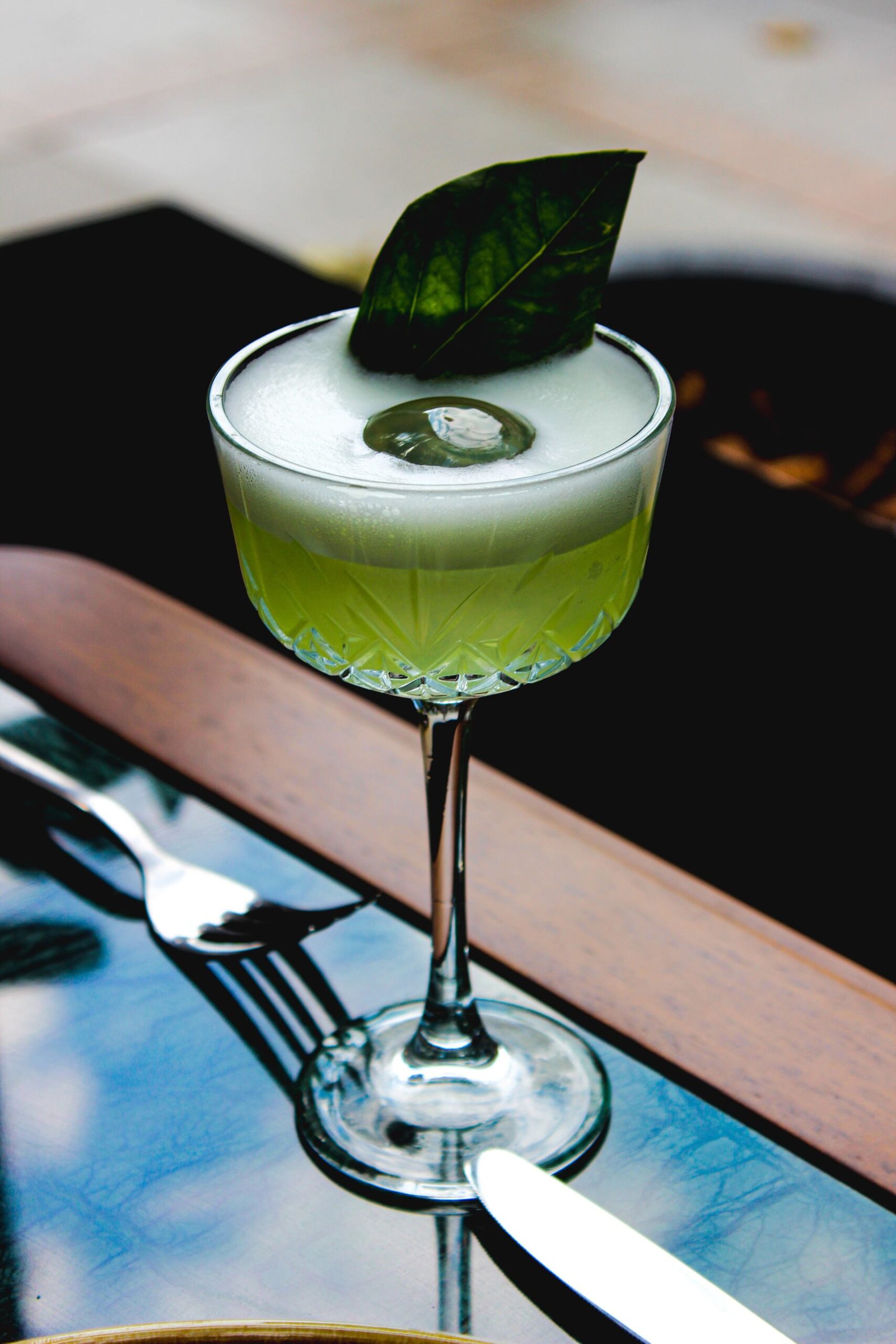
Green tea offers a fresher, more delicate profile with grassy, vegetal notes. Matcha, in particular, has become a cocktail favourite thanks to its vibrant colour and creamy texture. As Germain explains, “Green tea works exceptionally well with bright fruit flavours like yuzu, green apple and peach to create refreshing serves. Matcha continues to be one of the most exciting tea categories globally, as it pairs well with both classic and innovative flavours.”
Sitting between black and green tea, oolong brings floral, toasty, creamy, or fruity notes depending on its oxidation. Its complexity makes it a natural companion for aged rum, cognac, and tequila, while milk oolong adds a silky texture and subtle vanilla-like character.
Herbal and floral teas open up a world of aromatic possibilities. Hibiscus lends tartness and colour, while chamomile adds gentle floral warmth. “Jasmine tea is an exceptionally versatile ingredient. Its delicate floral character pairs beautifully with a wide range of spirits, making it suitable for everything from light highballs to more spirit-forward cocktails,” says Evgenia, Drinks Director, Nao Spirits & Beverages, and MTW.
Spirited Pair
“The success of tea-and-spirit pairings often comes down to balance. Tea can either complement existing flavours within a spirit or introduce contrasting elements that add complexity without overwhelming the palate,” Evgenia explains.
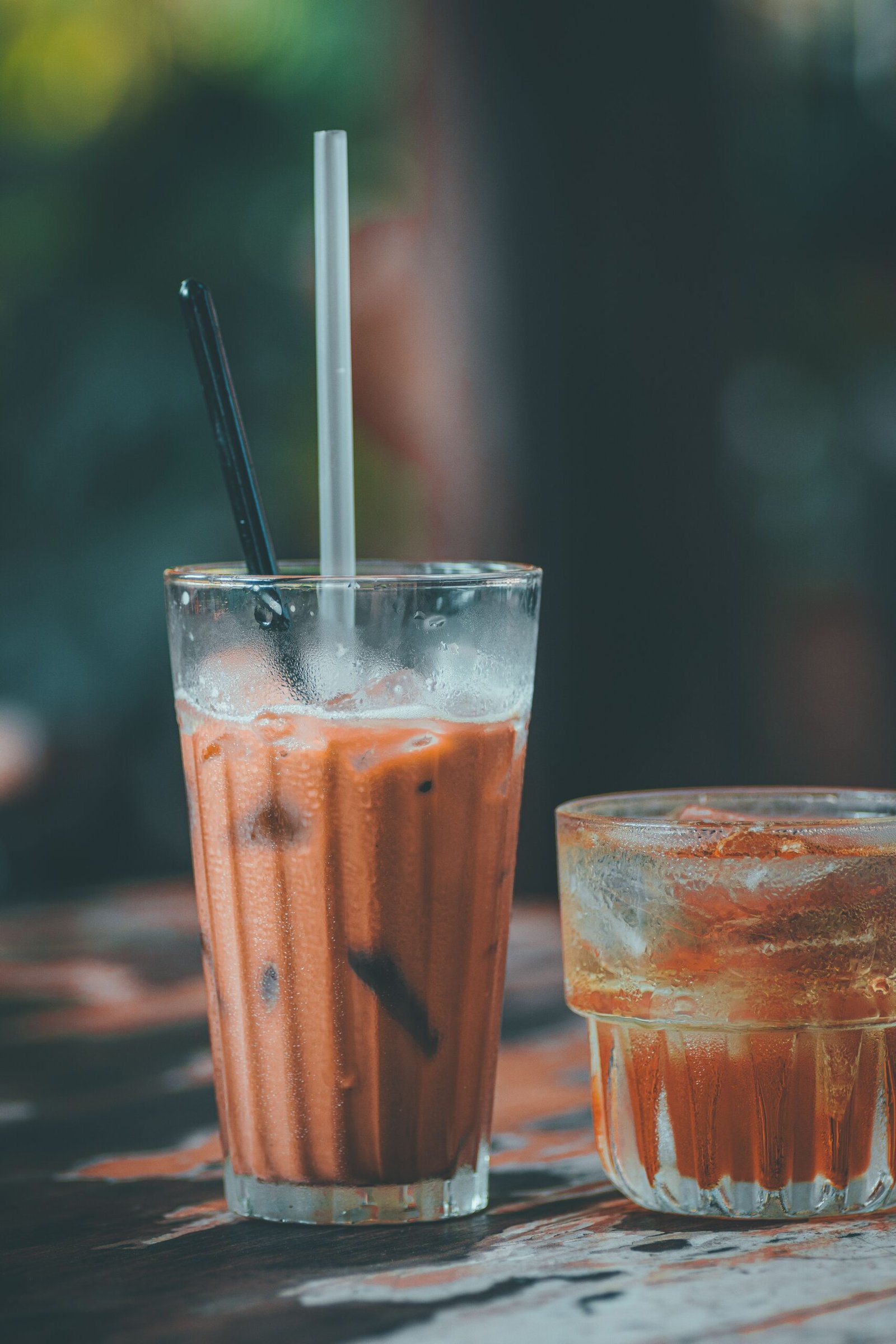
Certain pairings naturally lend themselves to this balance. Gin works beautifully with floral and citrus-forward teas like Earl Grey and jasmine, while whisky complements robust black and smoky teas. Rum pairs well with chai and hibiscus, tequila and mezcal shine alongside earthy or floral varieties, and vodka’s neutral profile allows more delicate tea flavours to take centre stage.
While gin is often considered one of tea’s most natural partners, other spirits can be equally compelling. Sanaya makes a strong case for brandy, sharing, “We have experimented with a few tea-based cocktail recipes using our luxury brandy, and have found that the pairing works exceptionally well. Flavours of tea can accentuate the fruit, spice and oak characteristics of a spirit like brandy, while contributing its own aromatic complexity, creating a balanced drink.”
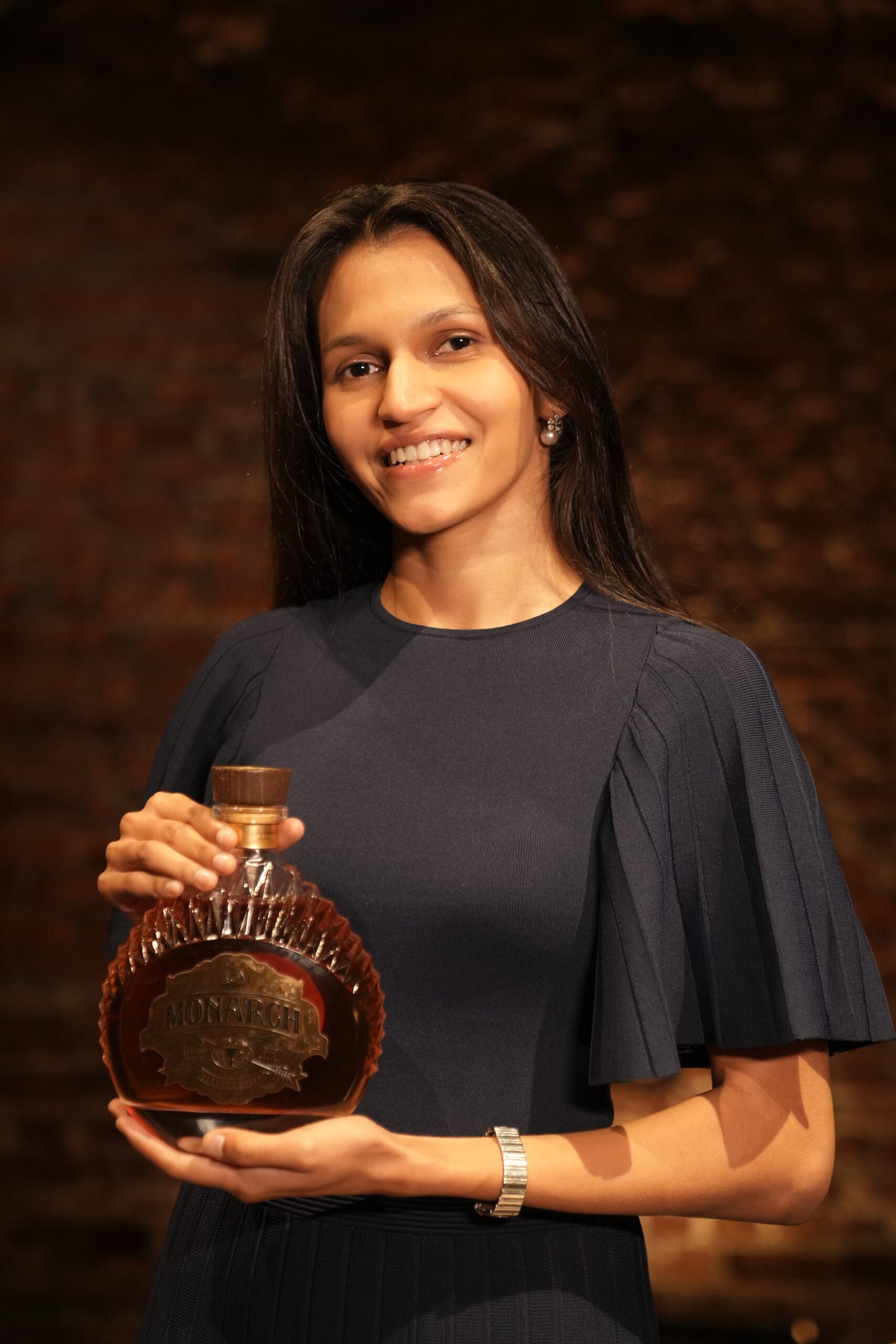
Evgenia highlights a pairing that continues to impress. “One pairing we consistently return to is gin and milk oolong tea. The botanical character of gin integrates seamlessly with the creamy, lightly roasted notes of milk oolong. The tea contributes elegant tannins and a silky mouthfeel, creating a drink that feels structured yet approachable.”
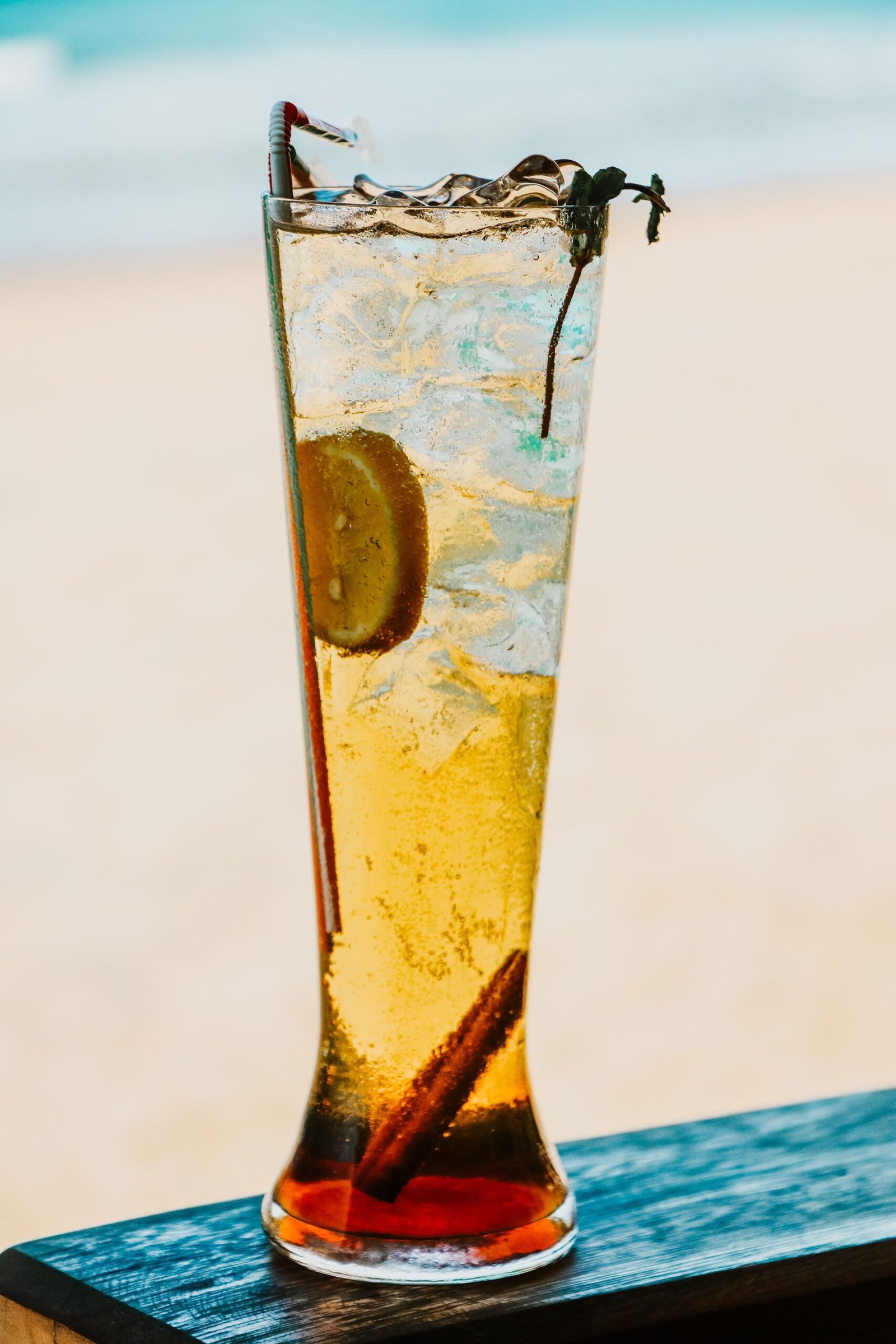
Germain points to several enduring favourites: “Black tea pairs beautifully with whisky and aged rum, while green tea works well with gin and vodka. Jasmine tea and gin remain a classic combination, enhanced by floral flavours like lychee, rose, or elderflower.”
Raise A Glass
As Germian puts it, “Tea is an ideal canvas for beverage innovation; it is versatile and aligned with how consumers drink today. It’s why tea-based beverages remain a consistent trend across cafés, bars, and hospitality venues globally.”
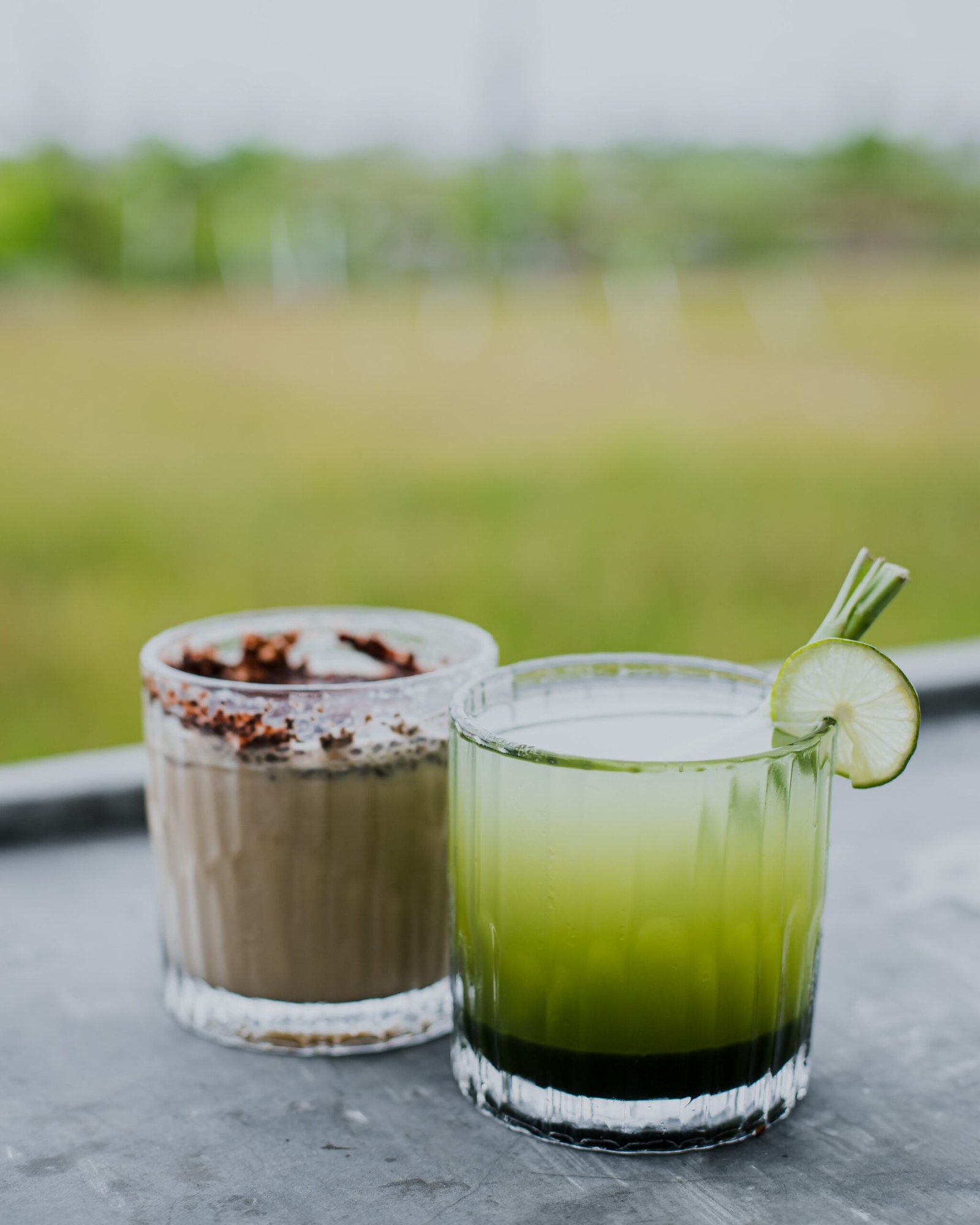
Tea-based cocktails strike a balance between familiarity and innovation, offering layered flavours without excessive sweetness. For cultures with deep-rooted tea traditions, they bring a comforting sense of nostalgia while introducing new drinking experiences. As consumers increasingly gravitate towards ingredient-led cocktails, tea is proving to be far more than a passing trend.
Tea Vs Fruit-Forward Cocktails
“Tea-based cocktails have a timeless appeal. Tea is an incredibly layered ingredient and, when paired thoughtfully with a spirit, requires very little else to create a balanced, flavourful drink. A well-made cordial and a touch of carbonation are often enough. With its ability to add flavour, texture, aroma, and structure, tea remains one of the most versatile ingredients behind the bar.”

- Evgenia, Drinks Director, Nao Spirits & Beverages, and MTW.
A Case For Chai
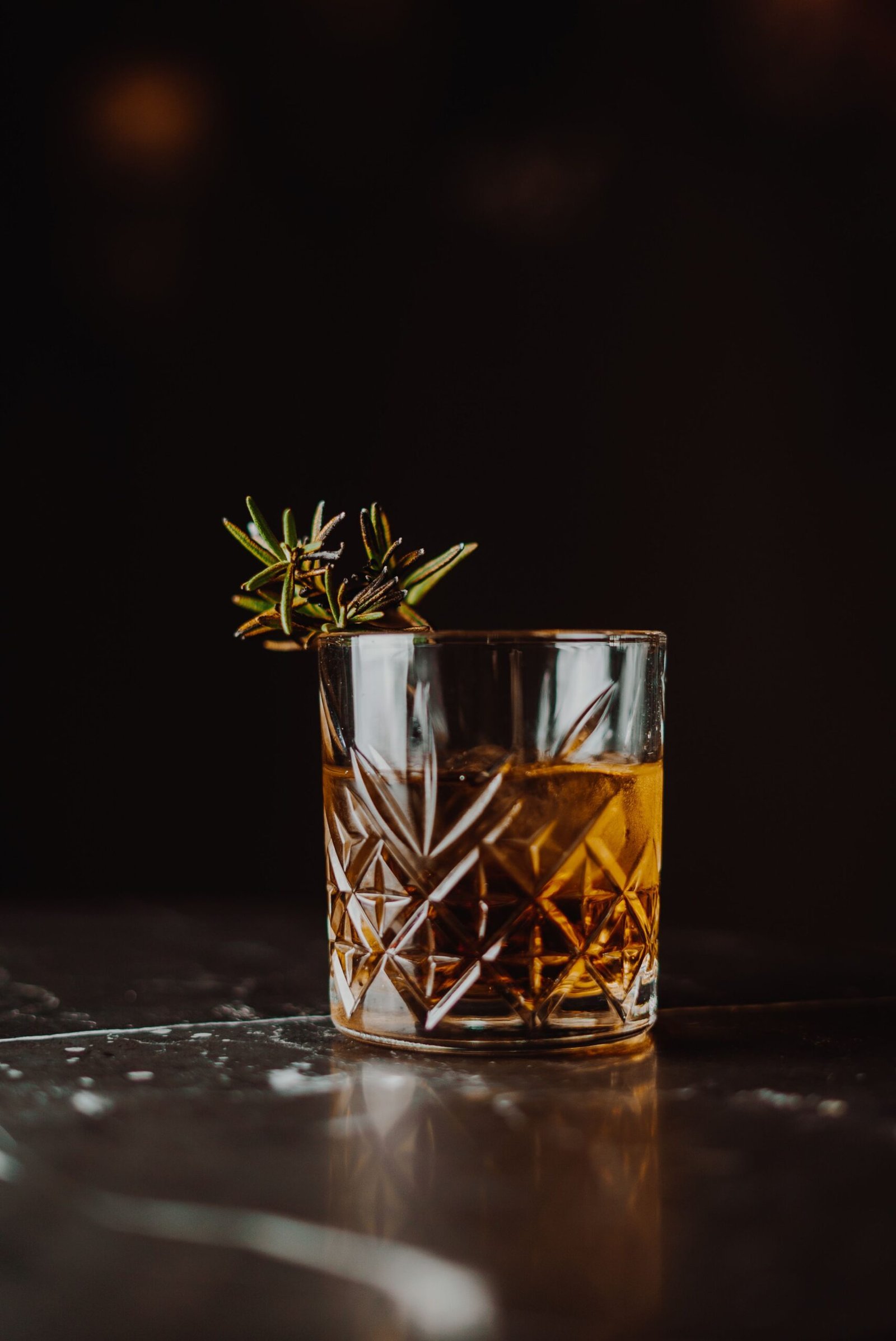
Masala chai is especially popular in India. The warming spices — cardamom, cinnamon, ginger, cloves, black pepper — naturally complement dark spirits. It pairs exceptionally well with bourbon, spiced rum, Irish whiskey, and coffee liqueurs. Many chai cocktails feel almost dessert-like without becoming cloying. A Chai Old Fashioned, for instance, uses tea to deepen the spice notes already present in whiskey rather than masking them.
Cocktails To Try
Earl Grey MarTEAni
Matcha Gin Sour
Hibiscus Margarita
Green Tea Highball
Lapsang Souchong Old Fashioned
Oolong Rum Punch
Masala Chai Espresso Martini