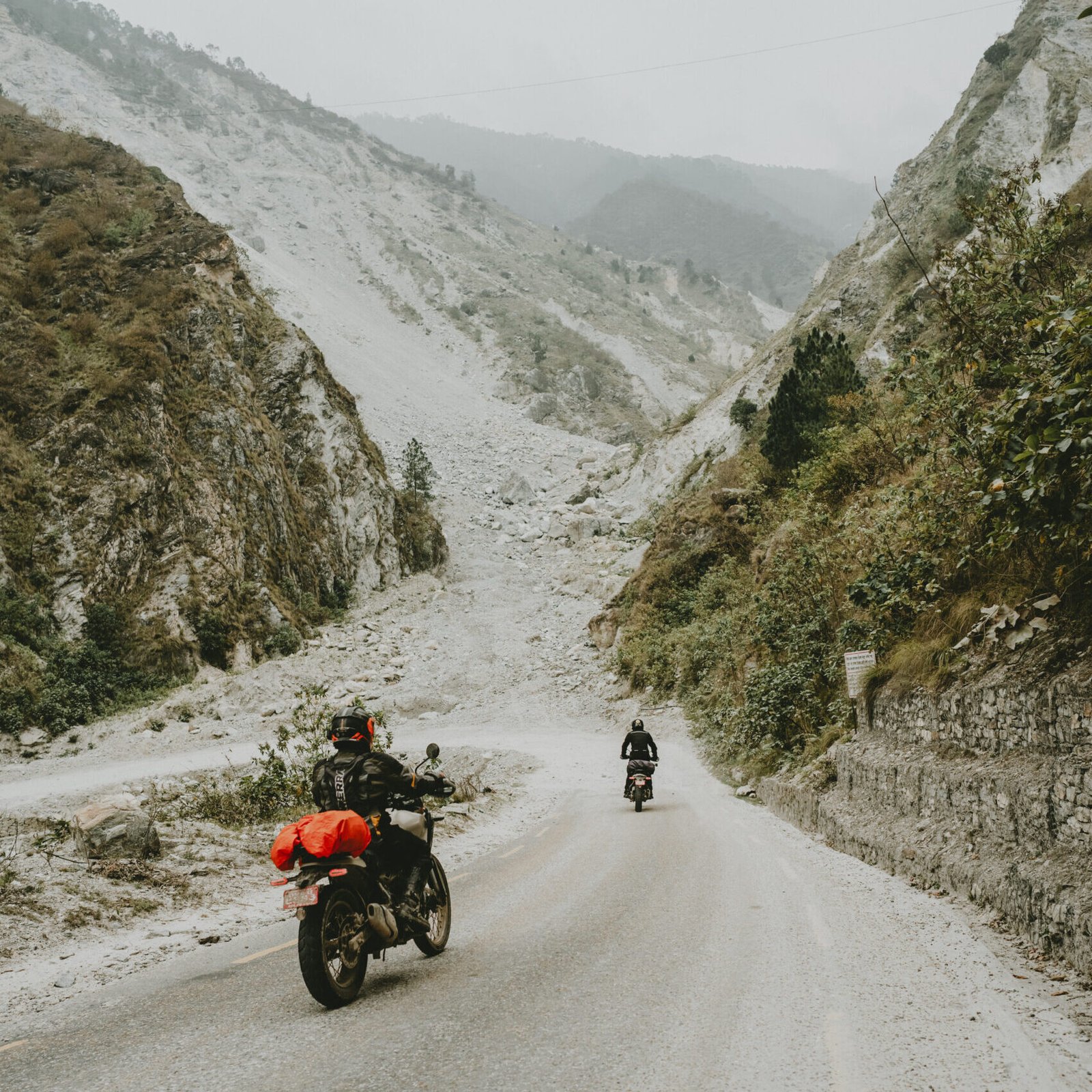
A week of rugged trails, remote mountain villages and unforgettable landscapes revealed Nepal as one of the most rewarding motorcycle adventures in the Himalayas, says Shaun Pais.
Motorcycling in India has boomed, and how! In 2025 alone, more than two crore two-wheelers were sold. While a majority of these were used for daily commutes, there was a niche audience that was a little different. An audience that cared about more than just fuel efficiency. An audience that knew their motorcycles cost as much as some cars, but could never dream of swapping their exciting two wheels for four.
I’m part of this community and, over the last few years, I have been fortunate enough to explore some of the most remote parts of our country. From the highest passes in Ladakh to Spiti’s frozen deserts, there is so much to explore and doing it on two wheels makes everything even more special.
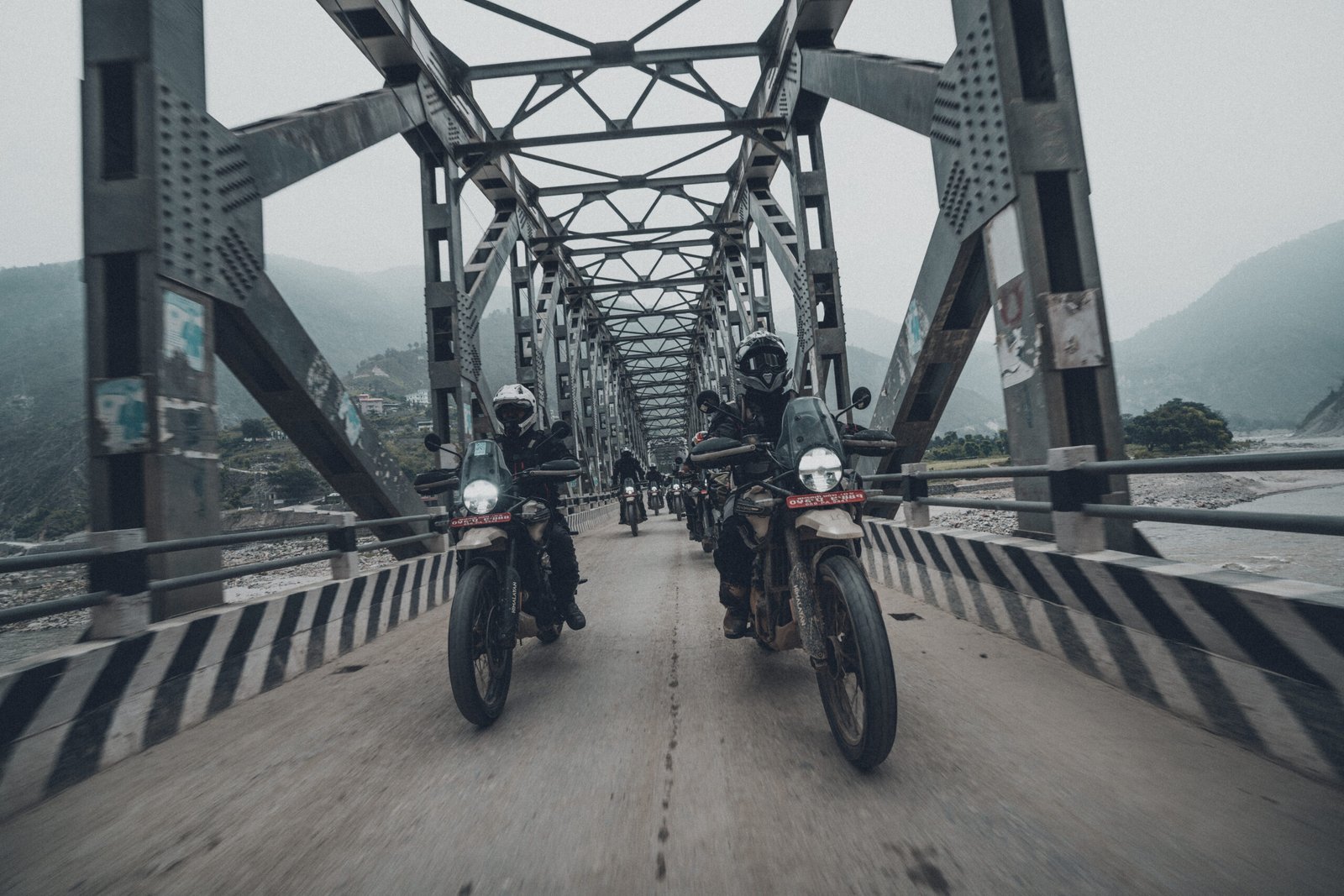
Royal Enfield invited me to join their Himalayan Adventure – a route that would take me through some of the most arterial roads in Nepal. Before long, I was stepping off a plane in Kathmandu, ready for a unique experience. And what an experience it was. From smooth tarmac roads to barely motorable slushy trails, we tackled it all. I have been on many rides, but this was one of the most memorable adventures I have ever had.
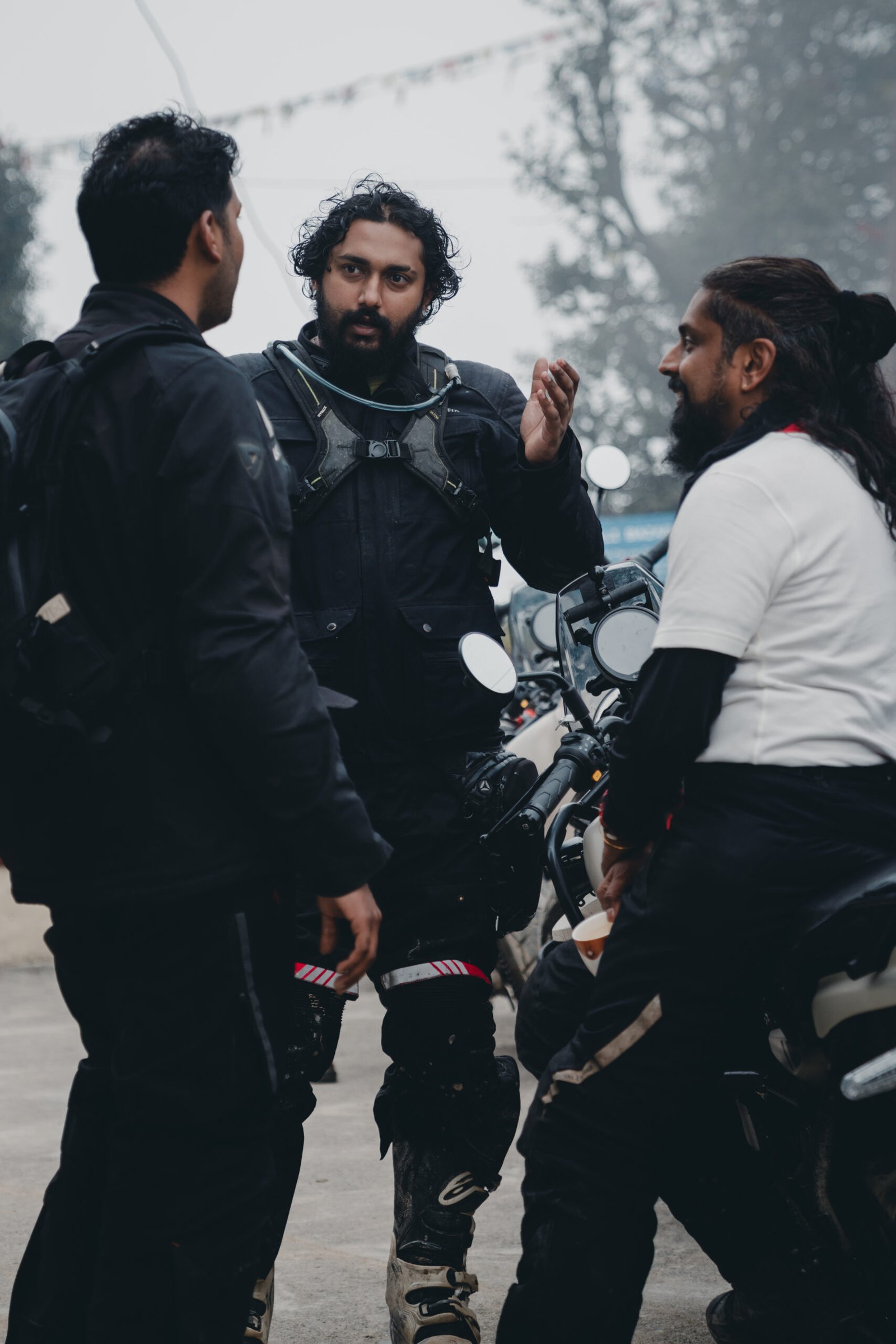
Here are seven things you should know about my trip.
The Steed
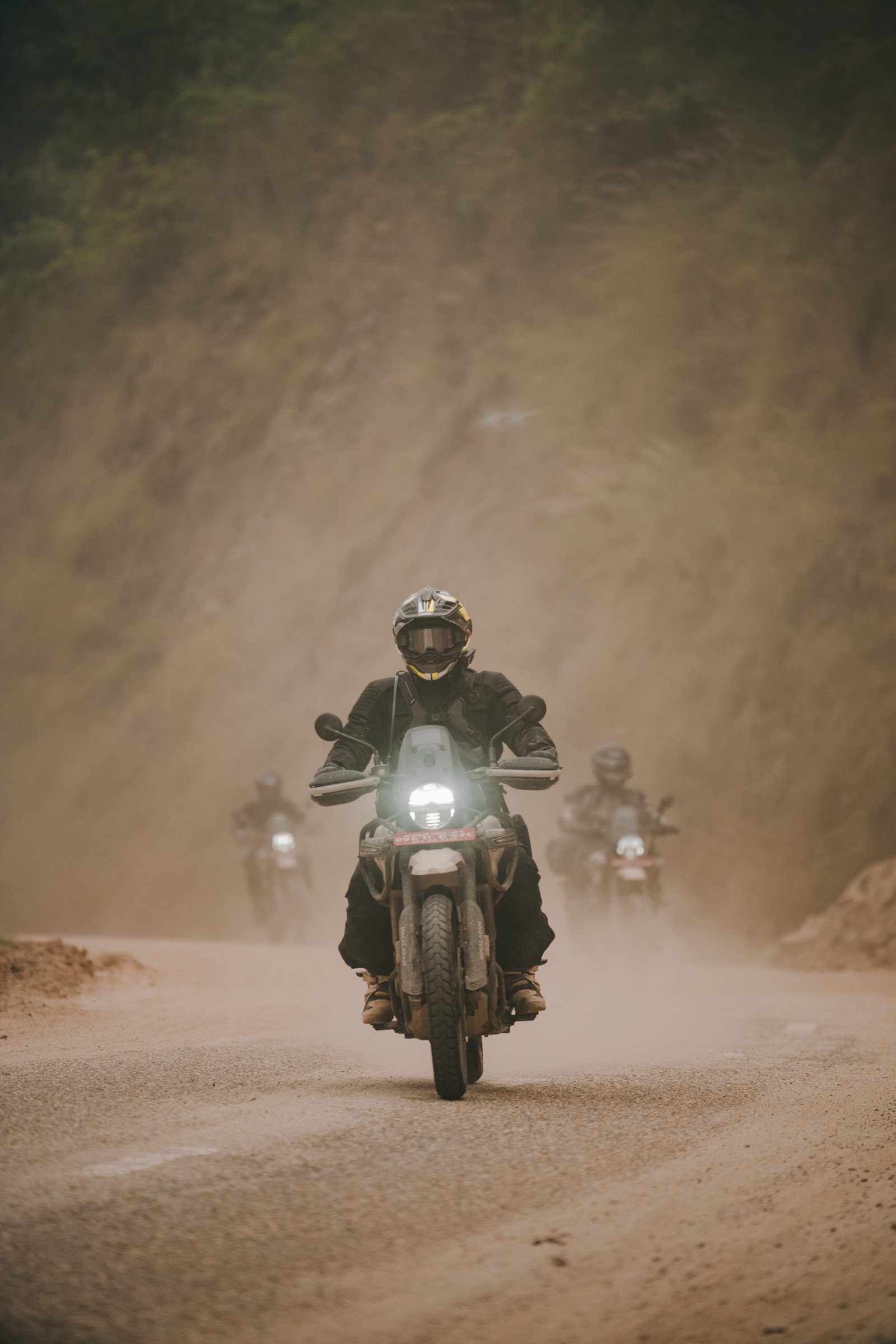
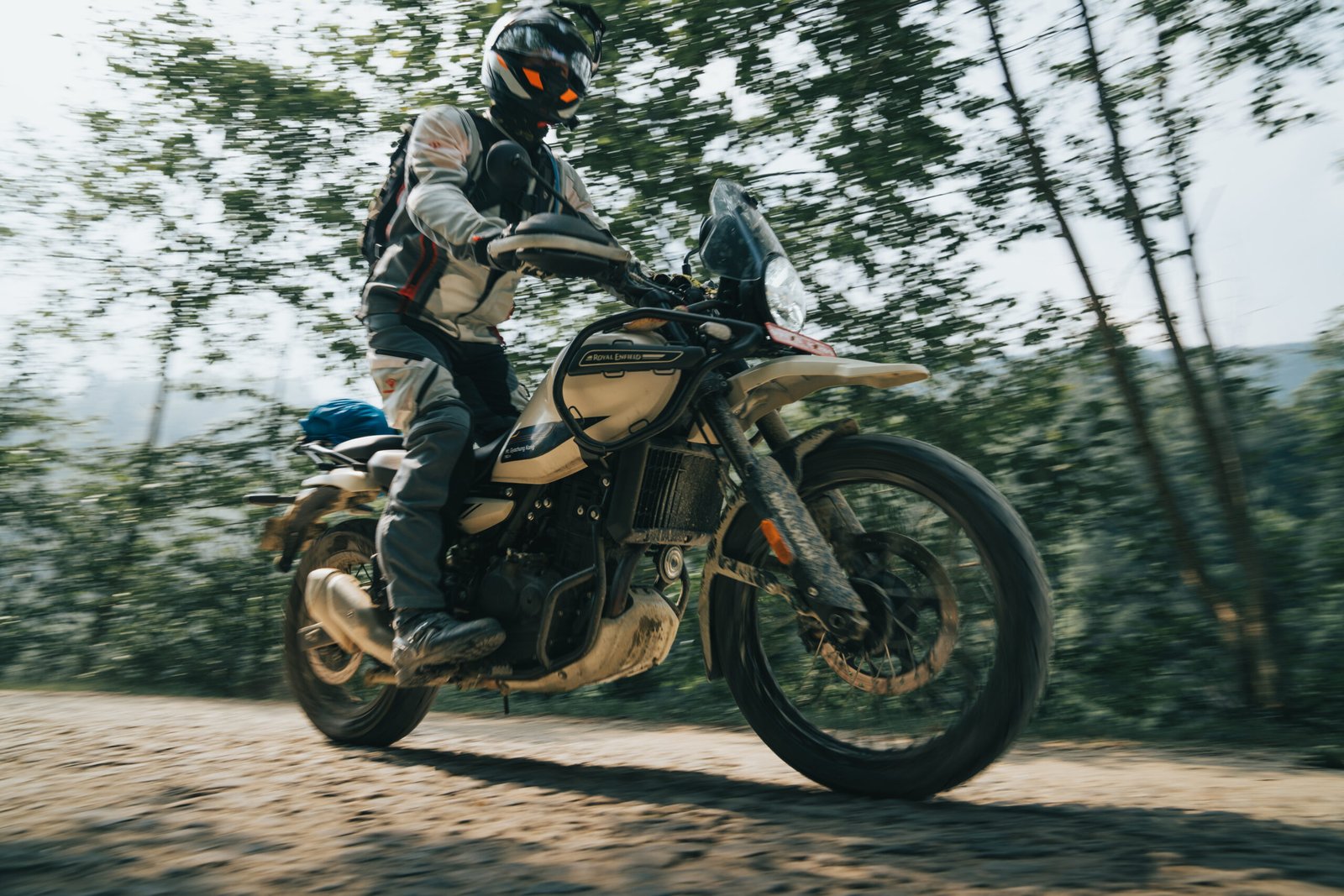
The most important part of this trip was the motorcycle. Choose a machine that is too focused and you will end up worrying about every fall. Pick one that is too comfortable and you will constantly fear it breaking down. We undertook this ride on Royal Enfield Himalayan 450s and they were absolutely perfect. They handled everything we threw at them and more. You can rent one in Nepal for around INR 5,000 per day. Too expensive? No problem. You can also ride into the country on your Indian motorcycle for a nominal fee and explore for up to 30 days. You do need to carry luggage, and having a guide is mandatory, so make sure these arrangements are sorted in the larger cities.
The Nutrition
After a week of punishing riding, the motorcycles did not need a rest. Our bodies, however, were crying out for one. Unlike the Indian mountains, where altitude changes are generally gradual, Nepal is full of steep climbs and rapid descents. Our overnight stay in Kuri Village, at over 11,000 feet, proved challenging for some of us. Drinking plenty of water helped immensely, and I would recommend carrying a hydration pack at all times. It is also worth packing whey protein or protein bars. The local diet in these regions is largely carbohydrate-heavy vegetarian food and, after putting your body through such exertion, it will crave protein. Trust me, you will thank yourself later.
The Threads
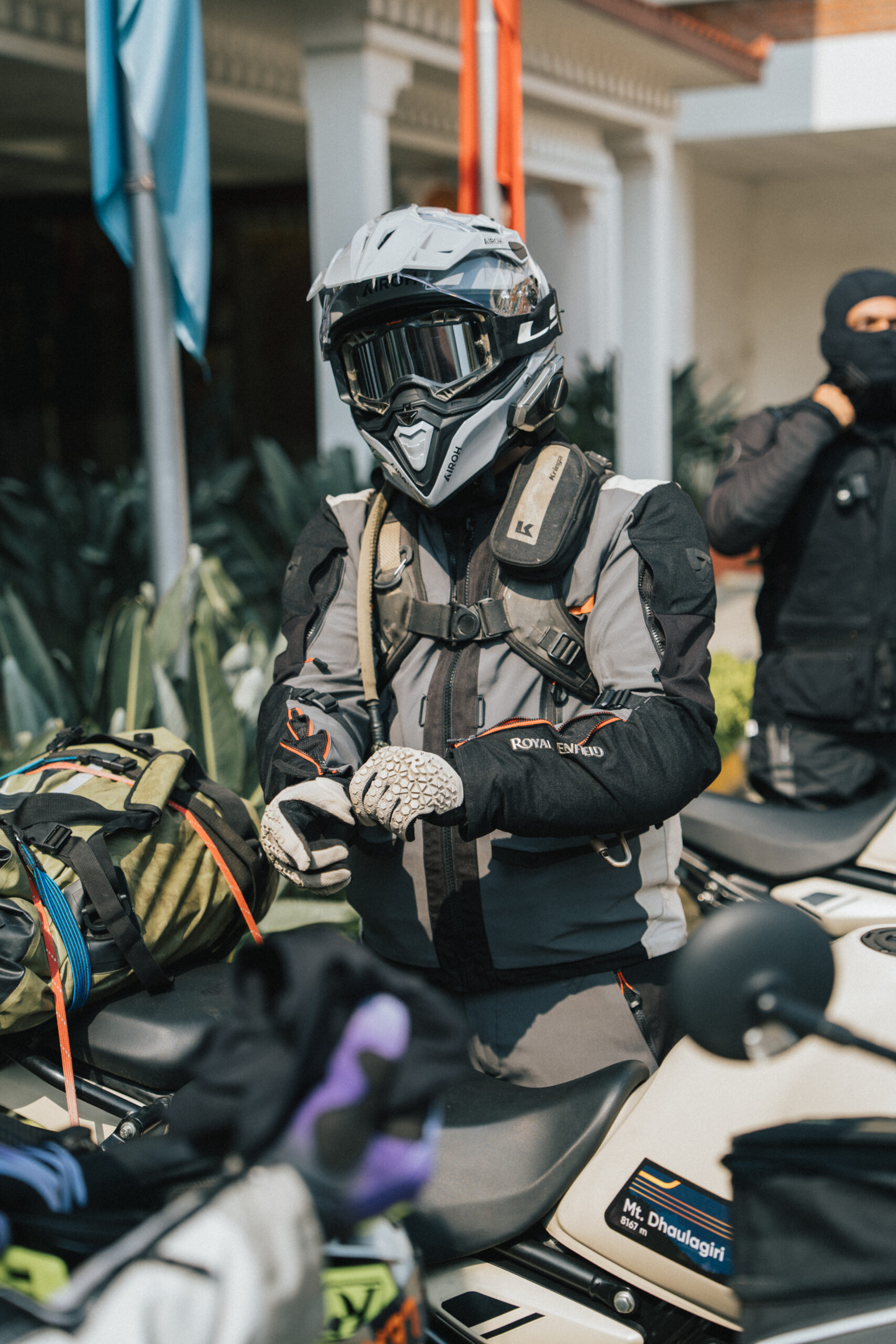
We experienced at least five incidents during the ride where riders found themselves on the ground. Falling in Nepal’s terrain is not uncommon, so dress for the slide, not the ride. A helmet, gloves, armoured jacket and trousers, and proper riding boots should be worn at all times. Beyond this, carry warm clothing. In some places, temperatures dropped to single digits after sunset. Waterproof socks were lifesavers when crossing the numerous streams and water bodies we encountered almost daily. Most importantly, if you are carrying your luggage on the motorcycle, pack light. There is nothing more frustrating than hauling a heavy bag around mountain roads and cliff edges.
The Laws
Nepal shares many similarities with India. We drive on the same side of the road, wear similar clothes and enjoy familiar cultural traditions. It is easy to forget that you are in a foreign country and behave as you would in an Indian state. Do not make that mistake. The Nepalese take road discipline seriously. Nobody overtakes from the left, unnecessary honking is rare, and driving on the wrong side of the road is treated as a serious offence. Respect the rules, even if you are less strict about them back home.
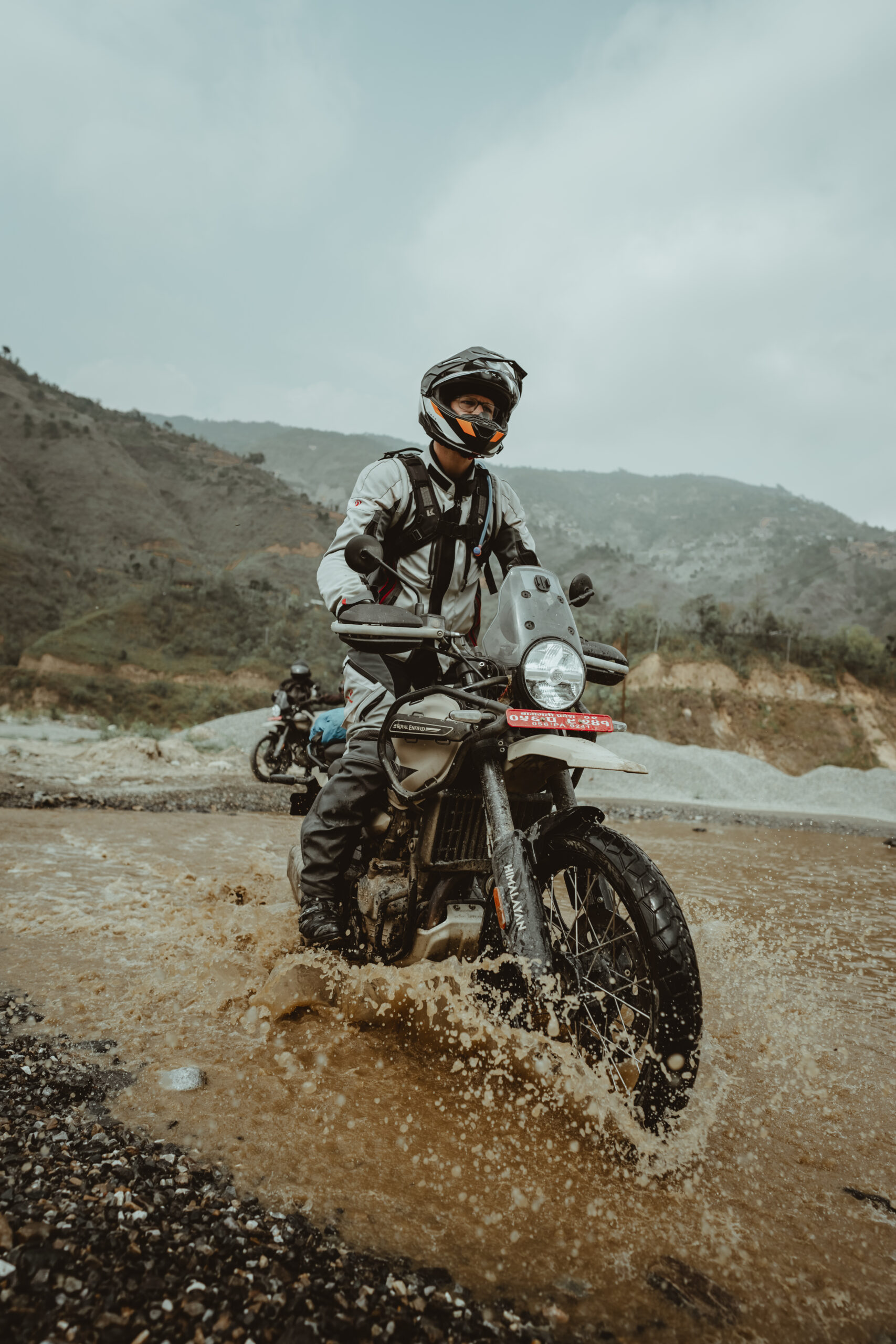
Most regions in Nepal also require entry permits. Many riders choose routes through Manang or Mustang. We explored the eastern part of the country, a far less-travelled region, which required a permit for the Gaurishankar Conservation Area. These permits are straightforward to obtain in the cities, so make sure all formalities are completed before setting off.
The Necessities
Given how popular Nepal is with tourists, you might expect to walk into any accommodation and find a room with ease. Not quite. Outside Kathmandu and Pokhara, homestays are far more common than hotels. Most hosts prepare only for guests who have booked in advance, so turning up unannounced is rarely advisable.
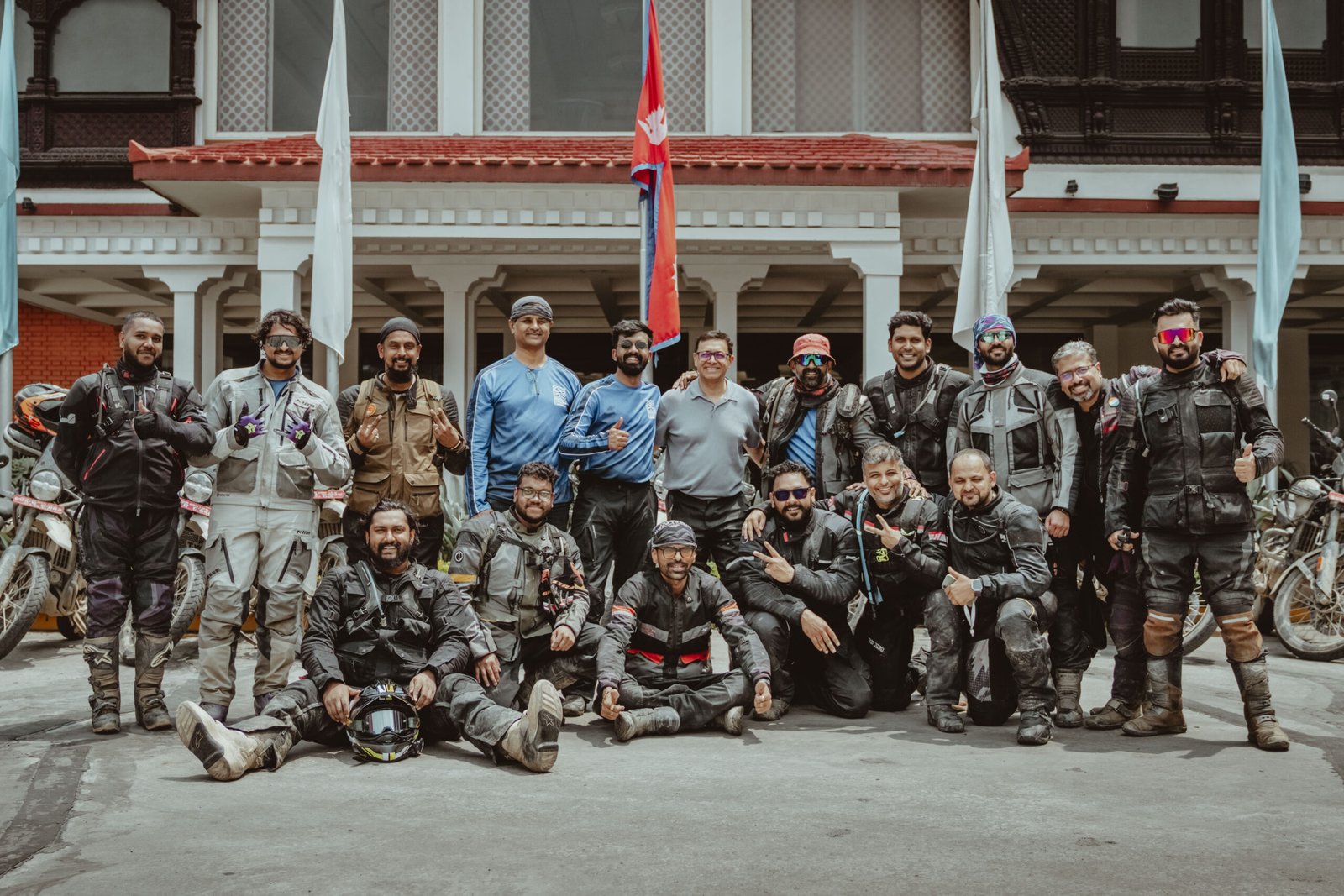
This means fewer luxuries and more basic amenities. An en-suite bathroom? Only if you are fortunate. A hot shower? Usually available for an additional charge. Carry Nepalese currency, as cards, UPI and Indian cash are not accepted everywhere. Every place we stayed at was clean and comfortable, but lavish they were not. Then again, you are there for the adventure.
The Difficulties
Most homestays offered free Wi-Fi, which was a welcome convenience. Mobile network coverage, however, was limited regardless of the service provider. Road signage was not always reliable, making it remarkably easy to lose your way. Take one wrong turn and you could find yourself heading towards Tibet rather than your intended destination.
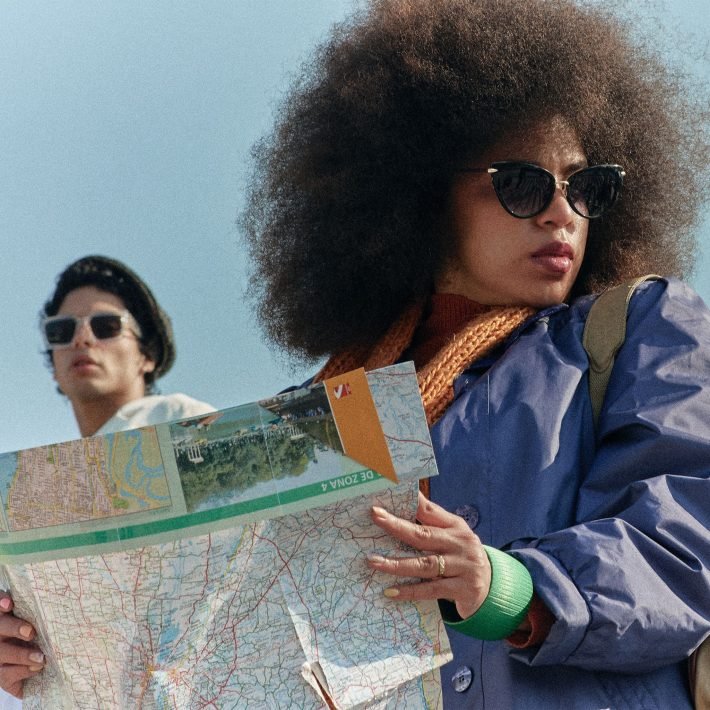
Before anyone suggests relying solely on maps or GPS, it is worth mentioning that they were not always accurate. Often they failed to identify motorable routes to our destination. At other times they neglected to mention roadworks, leaving us to either battle through difficult terrain or search for alternatives.
Stressful, certainly. But not quite as stressful as wondering where the next fuel station might be. Nepal has plenty of fuel stations, but not all of them are operational. The catch is that you usually discover this only when you arrive. Nepal is not a destination for the faint-hearted — or for riders with small fuel tanks.
The Guardian
The risks in Nepal are endless. You could lose your way and find yourself heading in the wrong direction entirely. You might eat something that disagrees with you and spend the next day recovering. You could even encounter wildlife that regards you as its next meal. And if you somehow avoided all of that, a simple puncture in the middle of nowhere could still bring your day’s ride to an abrupt halt.
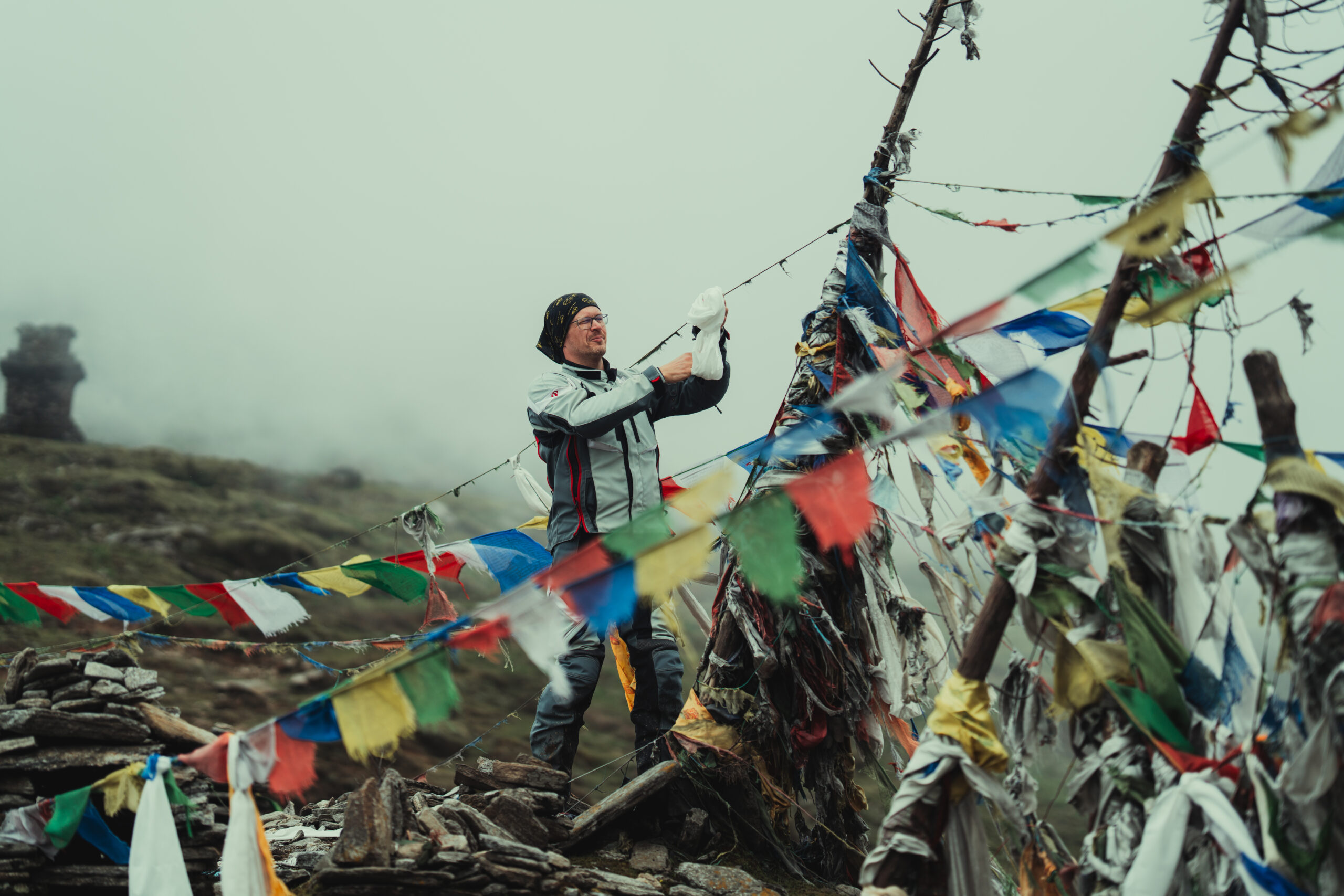
Or you could take the smarter option and join one of Royal Enfield’s organised rides. Their annual calendar includes the famous Himalayan Odyssey, ideal for anyone who has always dreamed of riding in the mountains but never known where to begin. Make the booking, arrive at the starting point with your riding gear and Royal Enfield handles the rest. They provide the motorcycle, spare parts, mechanical support, medical assistance, fuel, accommodation and logistics.
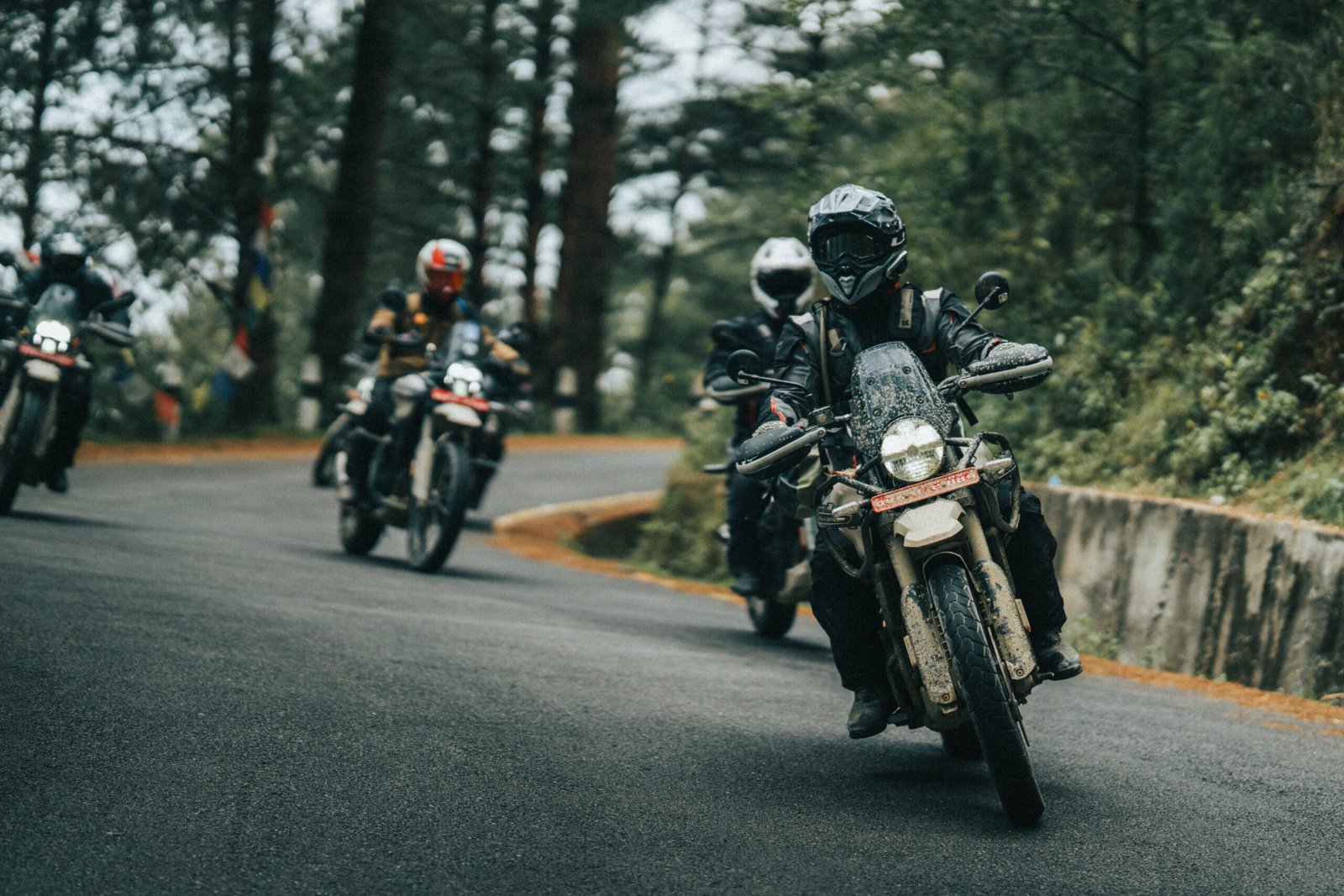
There were 19 enthusiasts on our Nepal adventure, most of whom were experiencing the country for the first time. This support network allowed us to focus entirely on the experience rather than the planning. The team remained close enough to ensure we stayed safe, yet gave us enough freedom to enjoy Nepal on our own terms. By the end of the journey, they felt less like guides and more like guardians.
Chasing Horizons
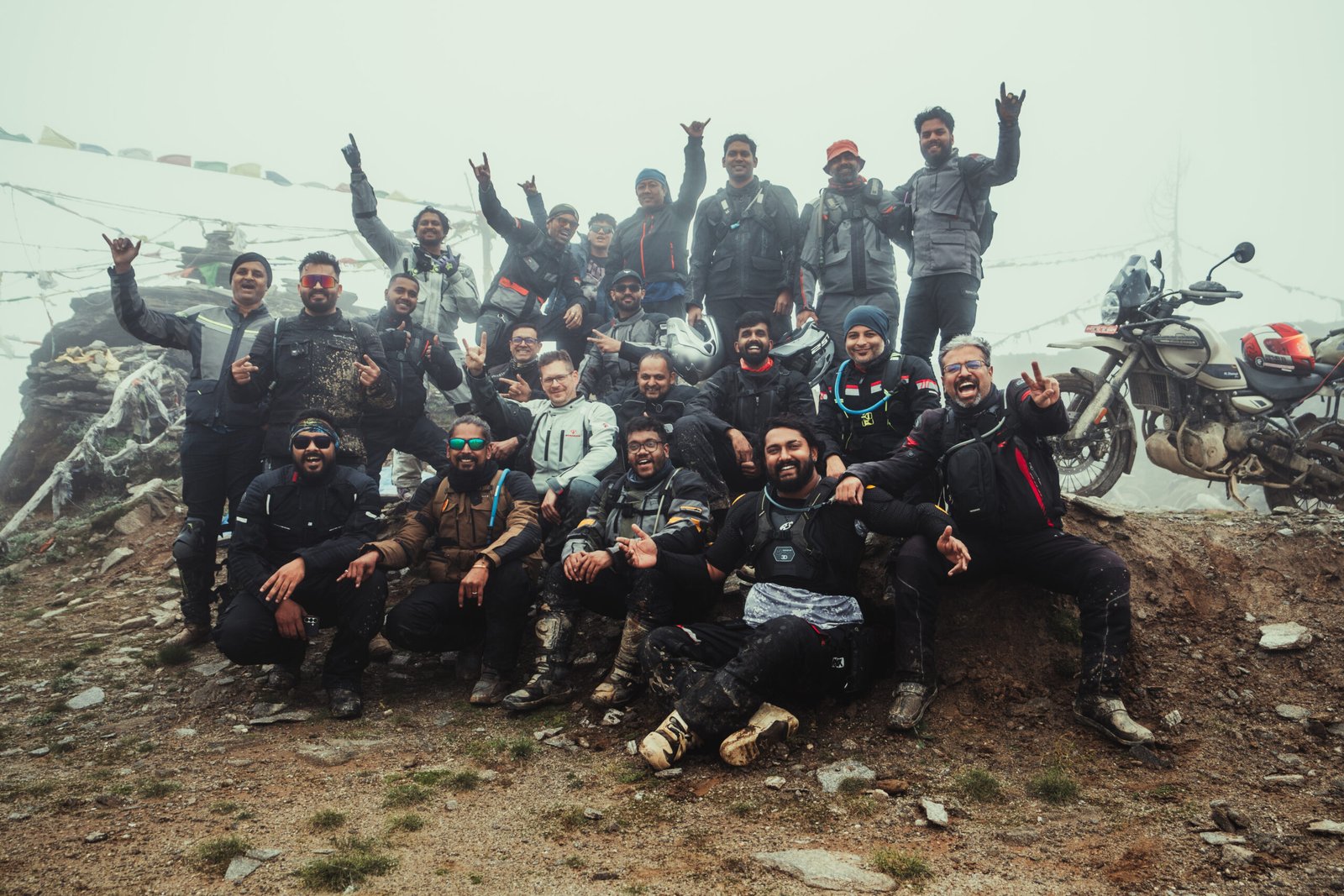
Motorcycling in India is incredible, no doubt. But if, like me, you do more with your motorcycle than simply commute, make sure you experience an adventure ride in Nepal at least once. The east is done, the west still awaits. I will certainly be back, and I hope to see you there too.