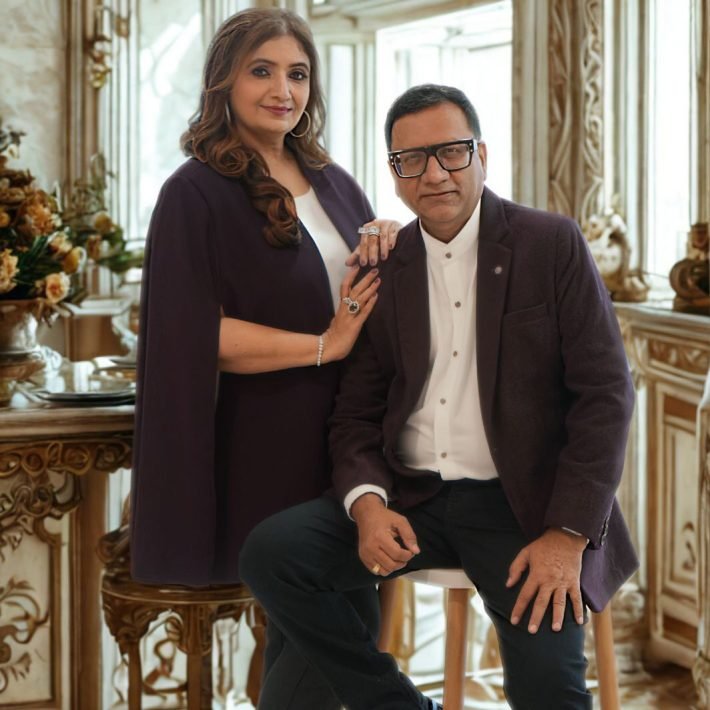
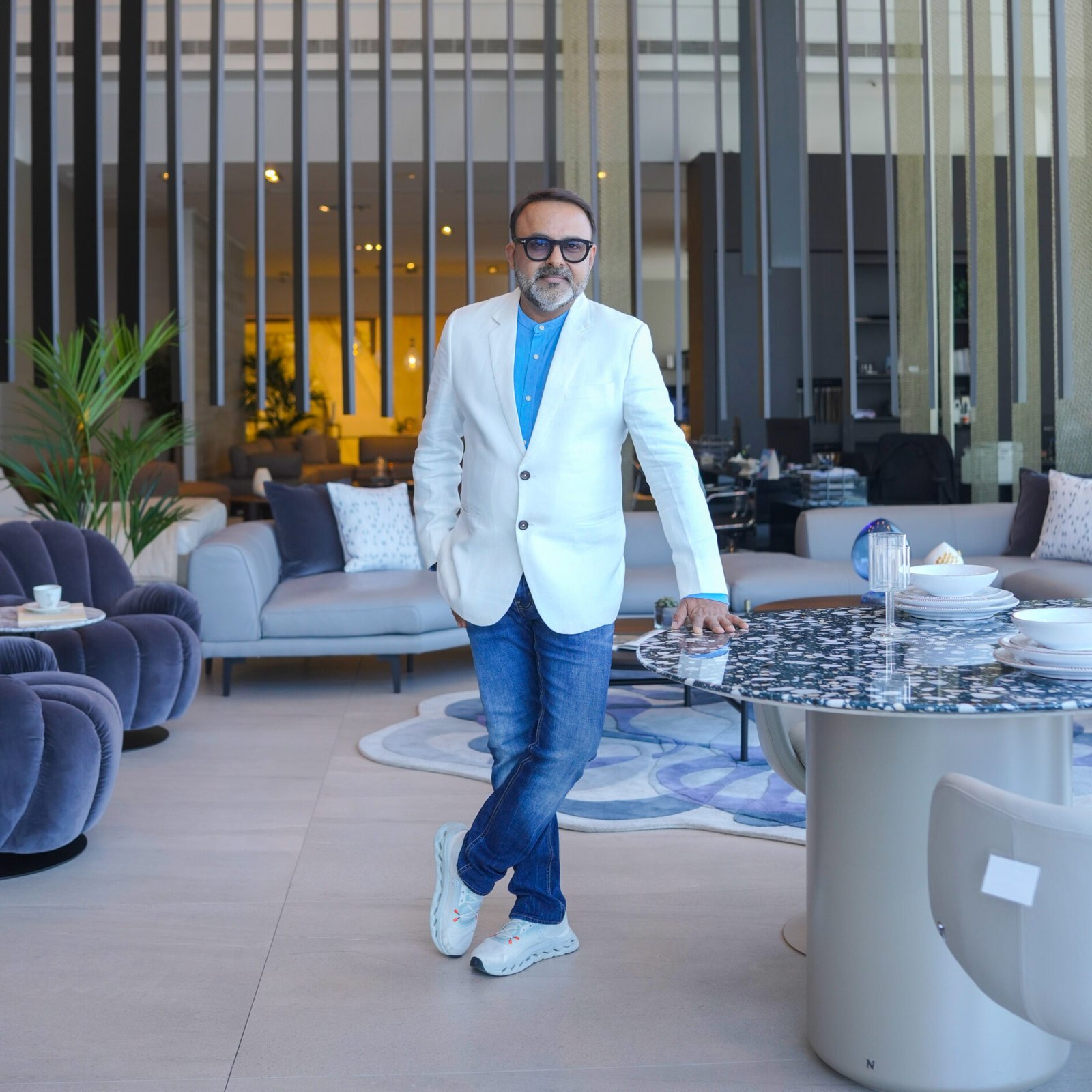
Amit Porwal, the creative force behind IPIPL, has spent over two decades redefining the meaning of modern luxury, creating environments that inspire, endure, and evolve with time.
Amit Porwal, Founder and Principal Designer of Icon Projects In-space Pvt Ltd (IPIPL), has been shaping India’s design landscape for over two decades. Based in Mumbai, he has carved a niche as one of the country’s leading names in interior and architectural design, celebrated for his ability to craft spaces that are refined, purposeful, and deeply personal. Guided by the belief that every environment should narrate the story of its inhabitants, Amit’s design philosophy blends intuitive client understanding with creative versatility and functionality.
Under his leadership, IPIPL has evolved into a multidisciplinary practice that seamlessly integrates interiors, construction, and bespoke furniture, powered by a strong in-house team. From luxury residences to cutting-edge commercial spaces, and now with projects extending to Dubai, the studio continues to push boundaries while staying rooted in excellence, innovation, and detail-driven design.
Here’s a selection of projects that capture IPIPL’s commitment to design excellence.
Kanira
Kanira was envisioned as a residence that brought together the ornate elegance of colonial architecture with the openness and transparency of contemporary glass design. Conceived as a dialogue between the past and the present, it has grown into a home where tradition and modern living coexist seamlessly.
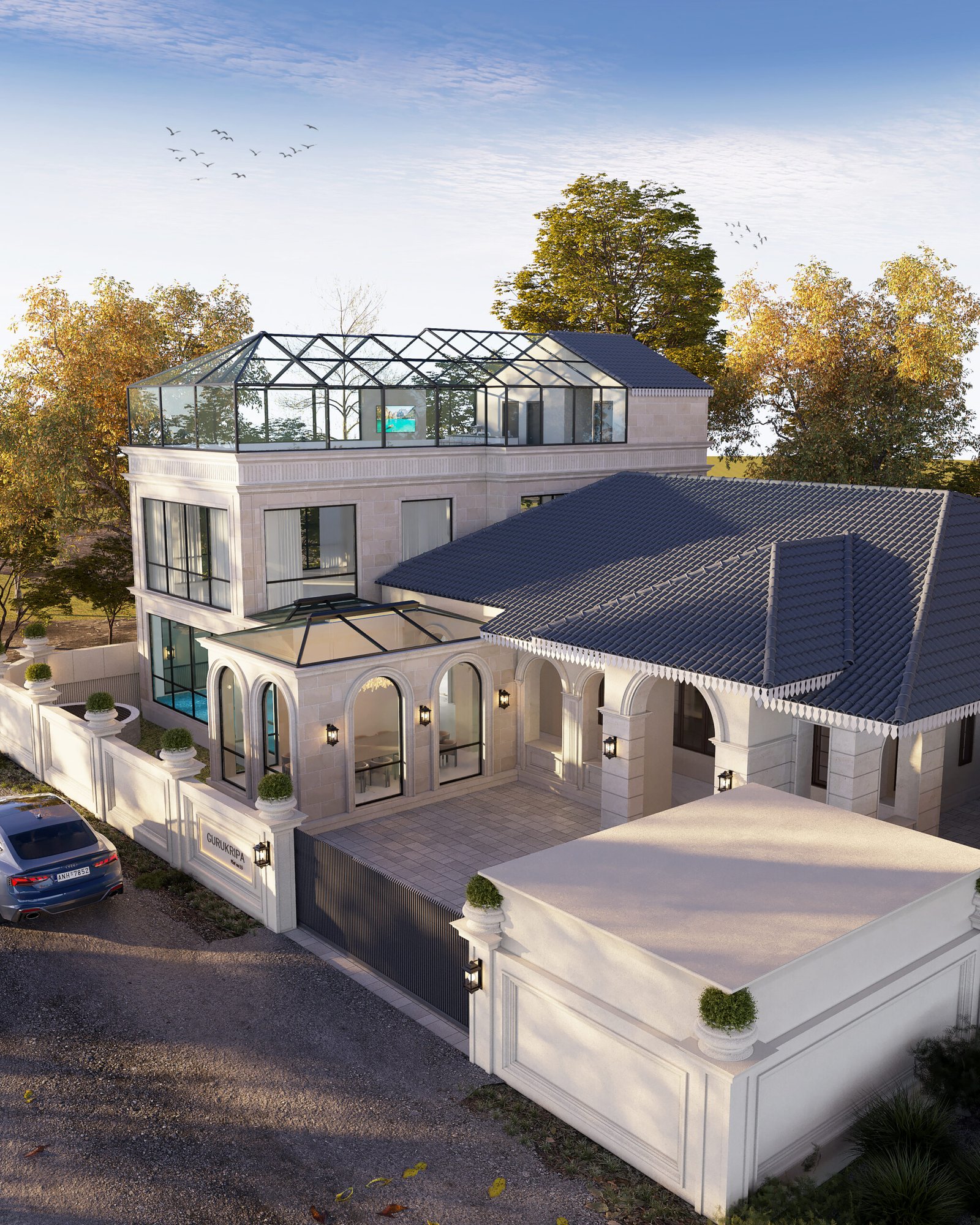
The colonial character was articulated through mouldings, arched openings, tiled pitched roofs, and finely detailed cornices. These elements anchored the architecture in timeless tradition, adding richness, rhythm, and a sculptural quality to the façade. In contrast, expanses of glass introduced a bold modernity — flooding the interiors with natural light, creating visual transparency, and opening the house to its natural surroundings.
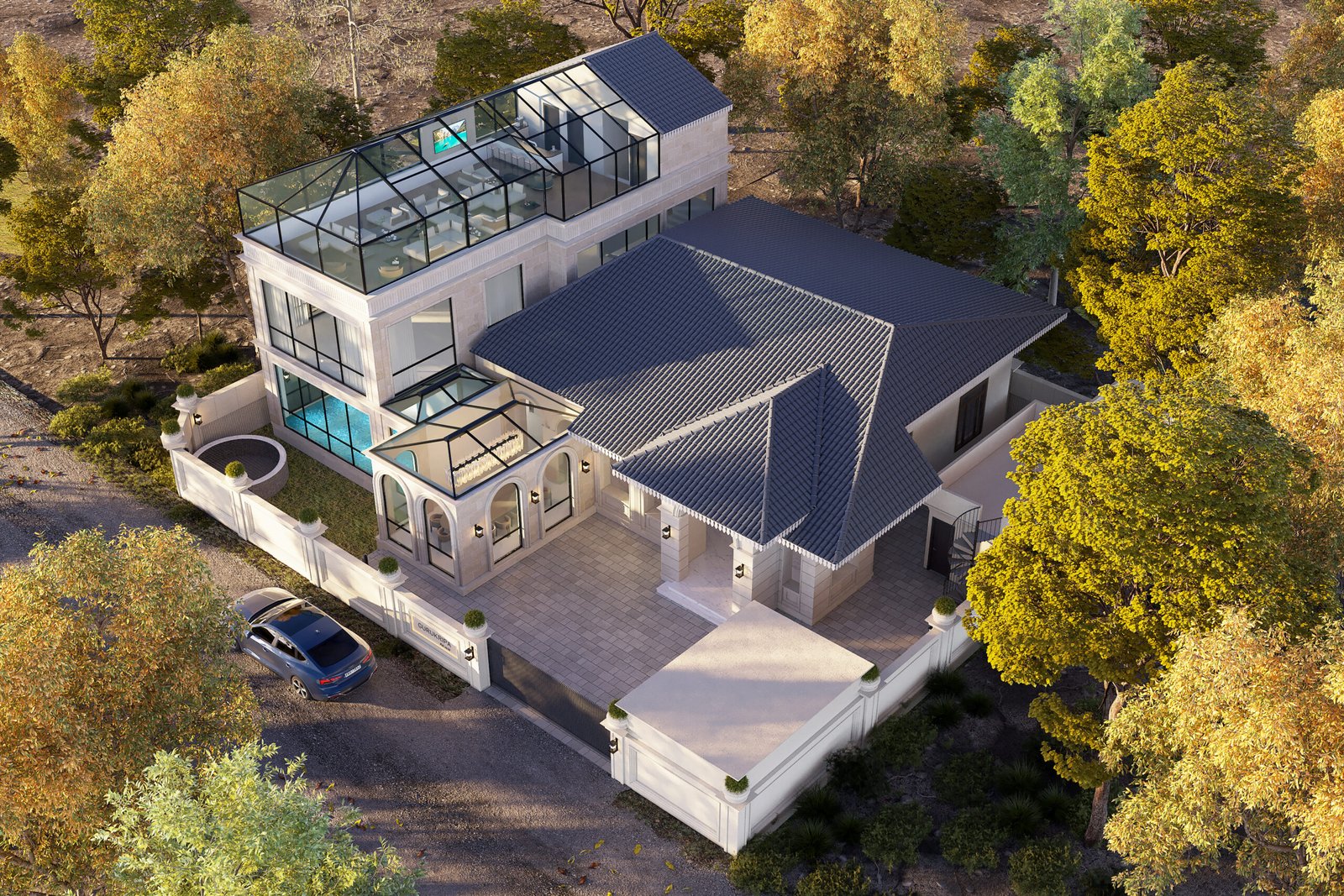
The design language thrived on dualities — solid and transparent, ornamental and minimal, heavy and light. Grand colonial-inspired entrances were balanced with glass atriums, skylights, and glazed pavilions, resulting in immersive interior spaces that felt both formal and fluid. Each space was shaped to create a layered architectural narrative, one that continues to resonate with both heritage and innovation.
The Cove
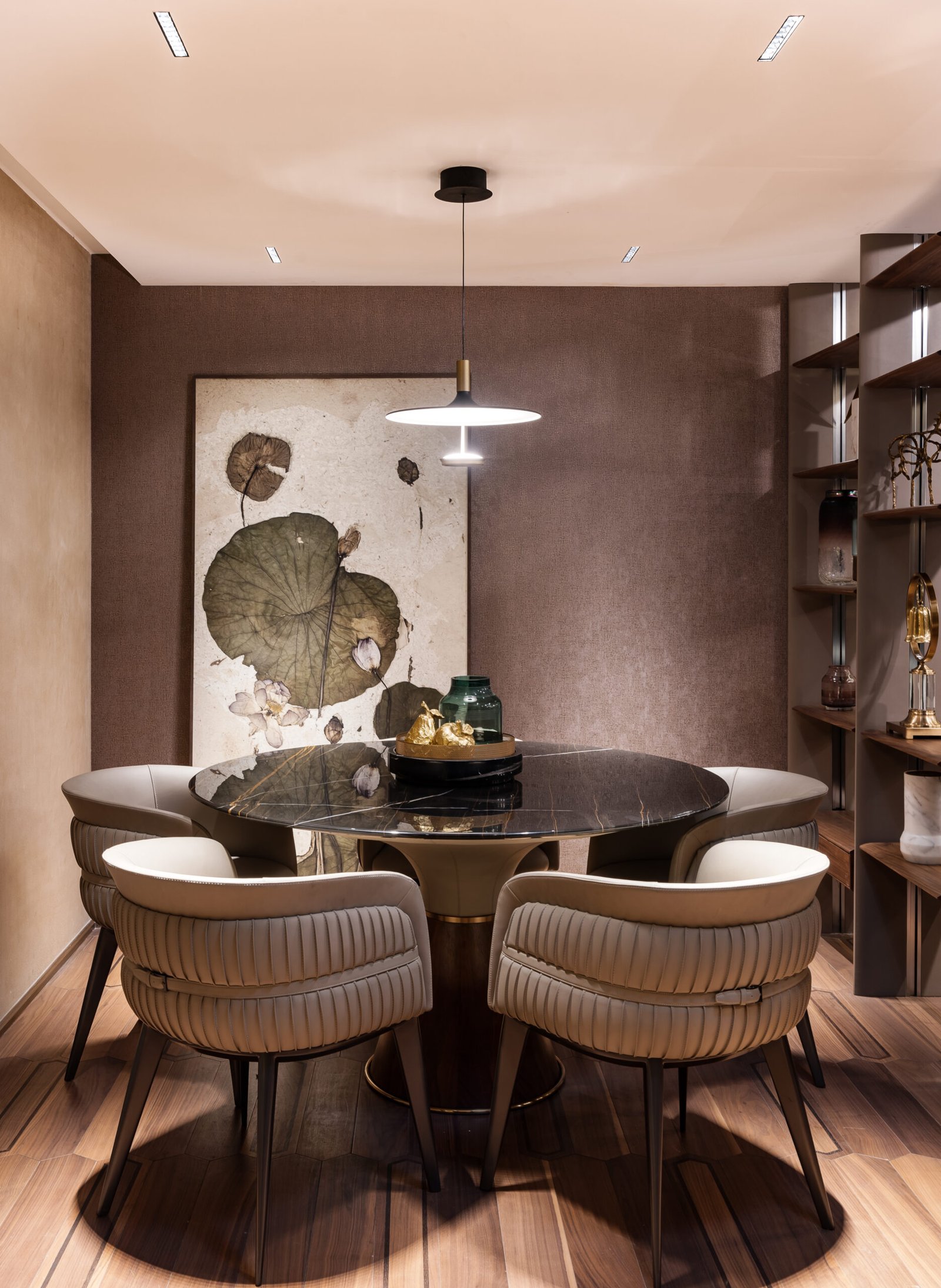
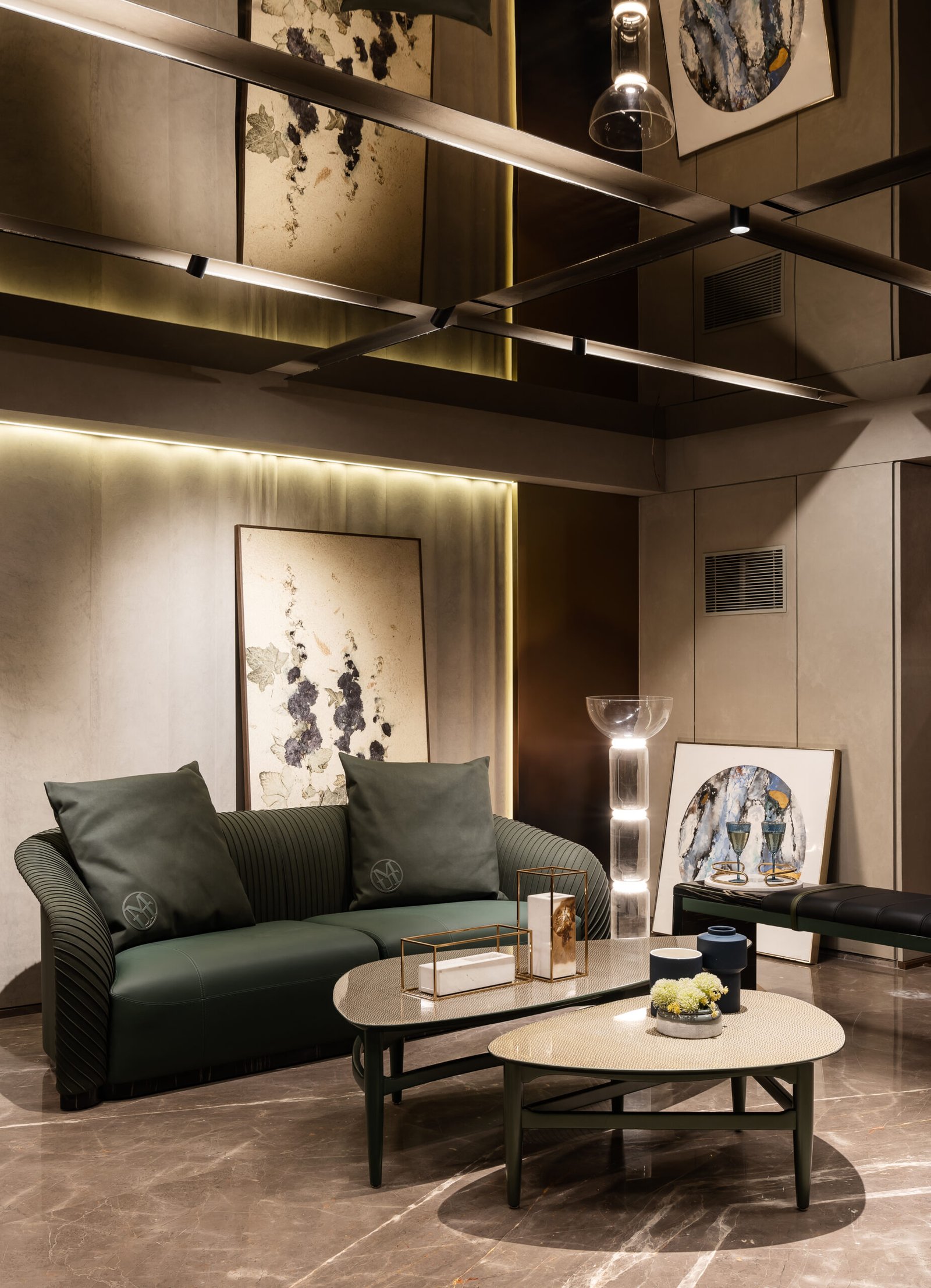
Every corner of The Cove is thoughtfully curated, transforming furniture into expressions of personality, aspiration, and refined taste. The spatial journey flows effortlessly through a series of exclusive display areas, intimate lounges, refined dining setups, accent corners, and a welcoming reception zone. Each setting is styled not only to showcase functionality but also to evoke the emotional connection furniture can create within a living space.
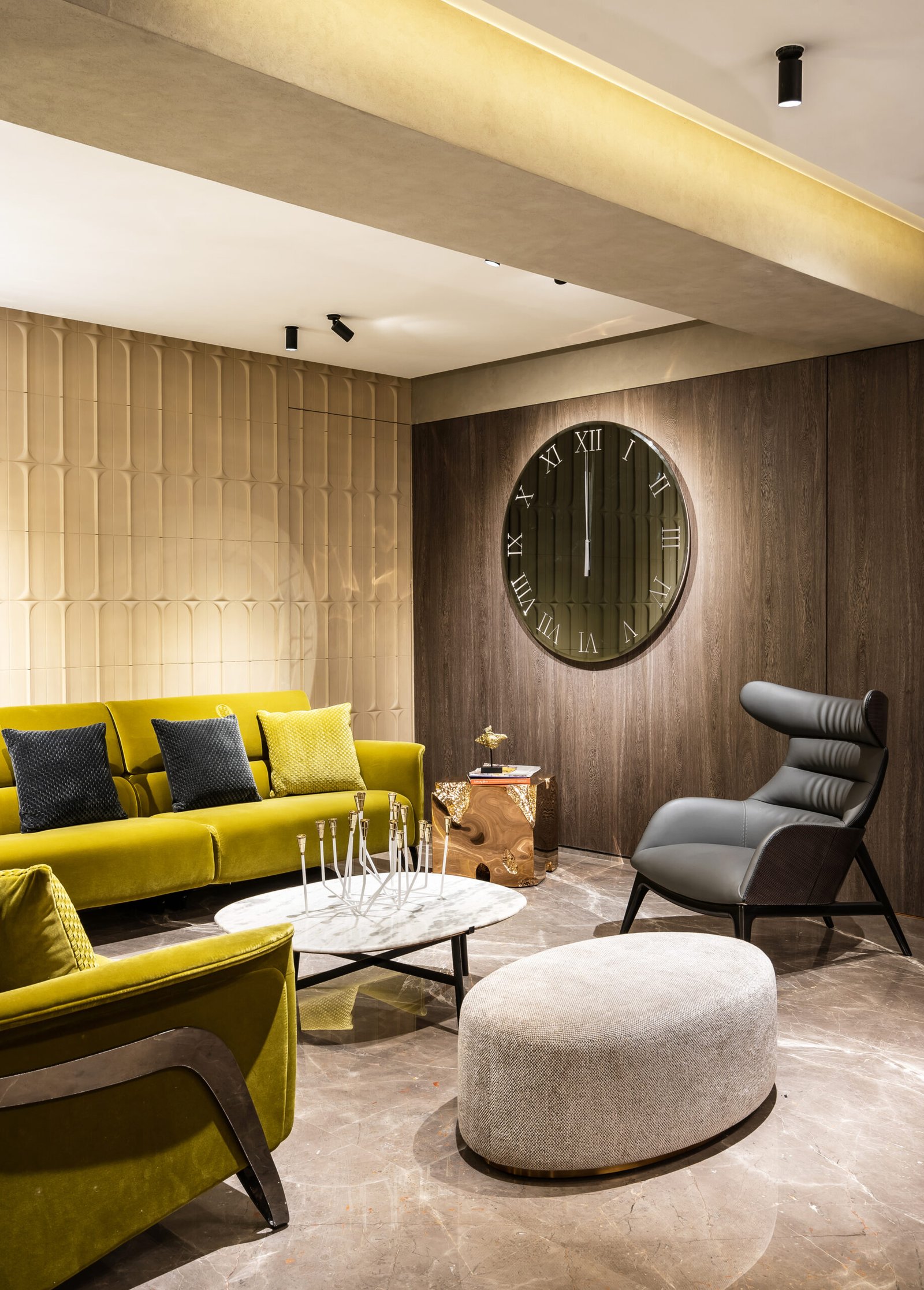
Lighting plays a pivotal role in shaping the showroom’s mood. A carefully orchestrated mix of warm ambient tones, accent highlights, and focused illumination elevates materials, finishes, and textures, allowing every piece to reveal its true character. The interplay of luxurious surfaces, rich palettes, and tactile detailing enhances the sense of opulence while maintaining an understated elegance that defines The Cove.
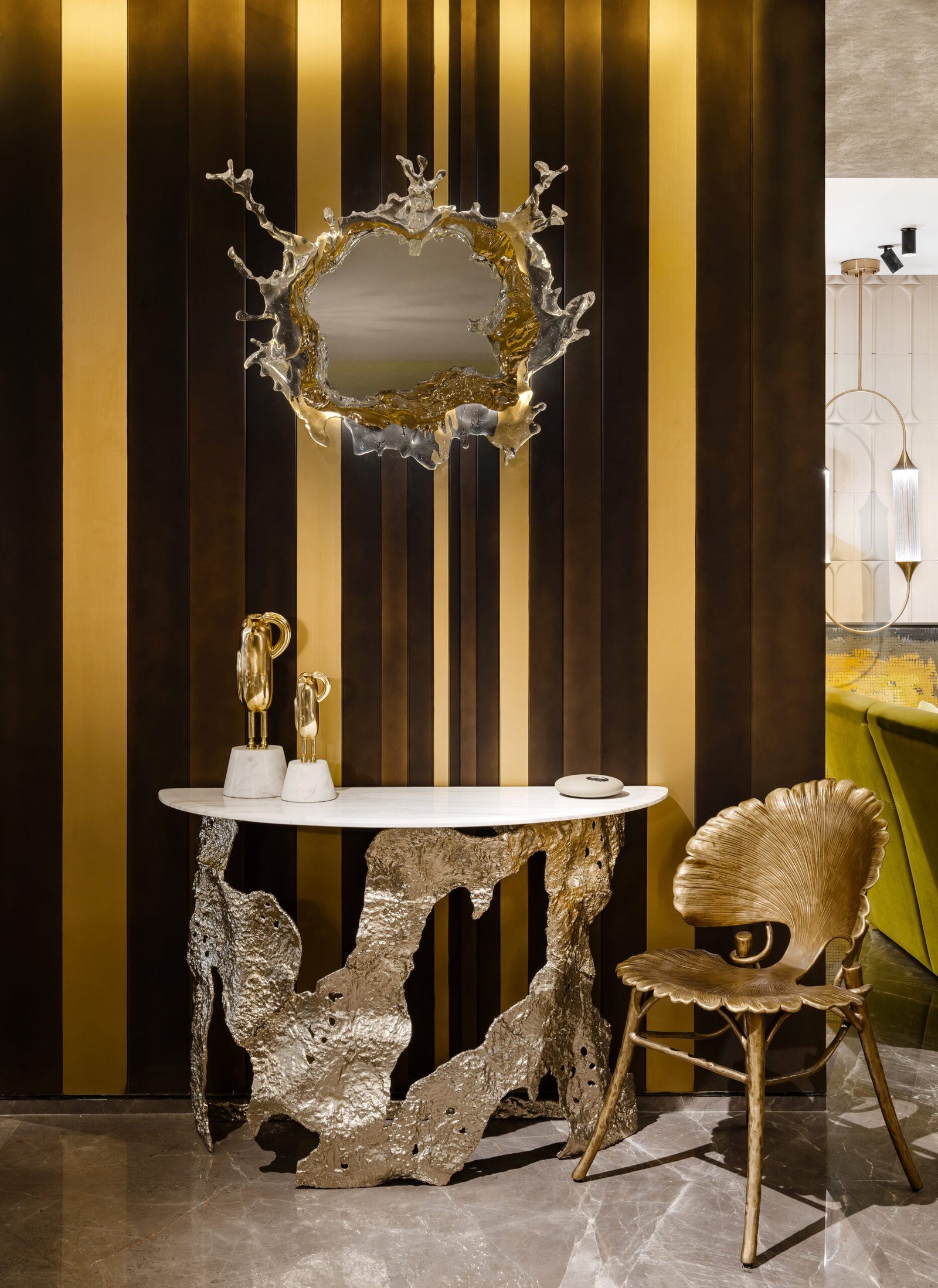
The design language of the showroom balances minimalist sophistication with timeless grandeur. While clean lines and uncluttered layouts reflect modern sensibilities, statement pieces and curated décor infuse richness and drama. This balance ensures that The Cove resonates with both contemporary lifestyles and those who appreciate classical luxury.
What truly distinguishes The Cove is its experiential approach. Visitors are not merely browsing through furniture; they are immersed in fully realized lifestyle environments. From the warmth of a lounge to the intimacy of a reading nook or the elegance of a dining space, each zone encourages clients to visualize these pieces in their own homes, bridging the gap between inspiration and reality.
The Nautical Escape
Perched on the 44th floor of Mumbai’s prestigious Blu development in Worli, this 4,000 sq. ft. four-bedroom apartment embodies refined luxury while embracing comfort and ease of living. With sweeping views of the Bandra-Worli Sea Link, the residence draws inspiration from its coastal setting, infusing serenity and lightness into a bustling urban backdrop.
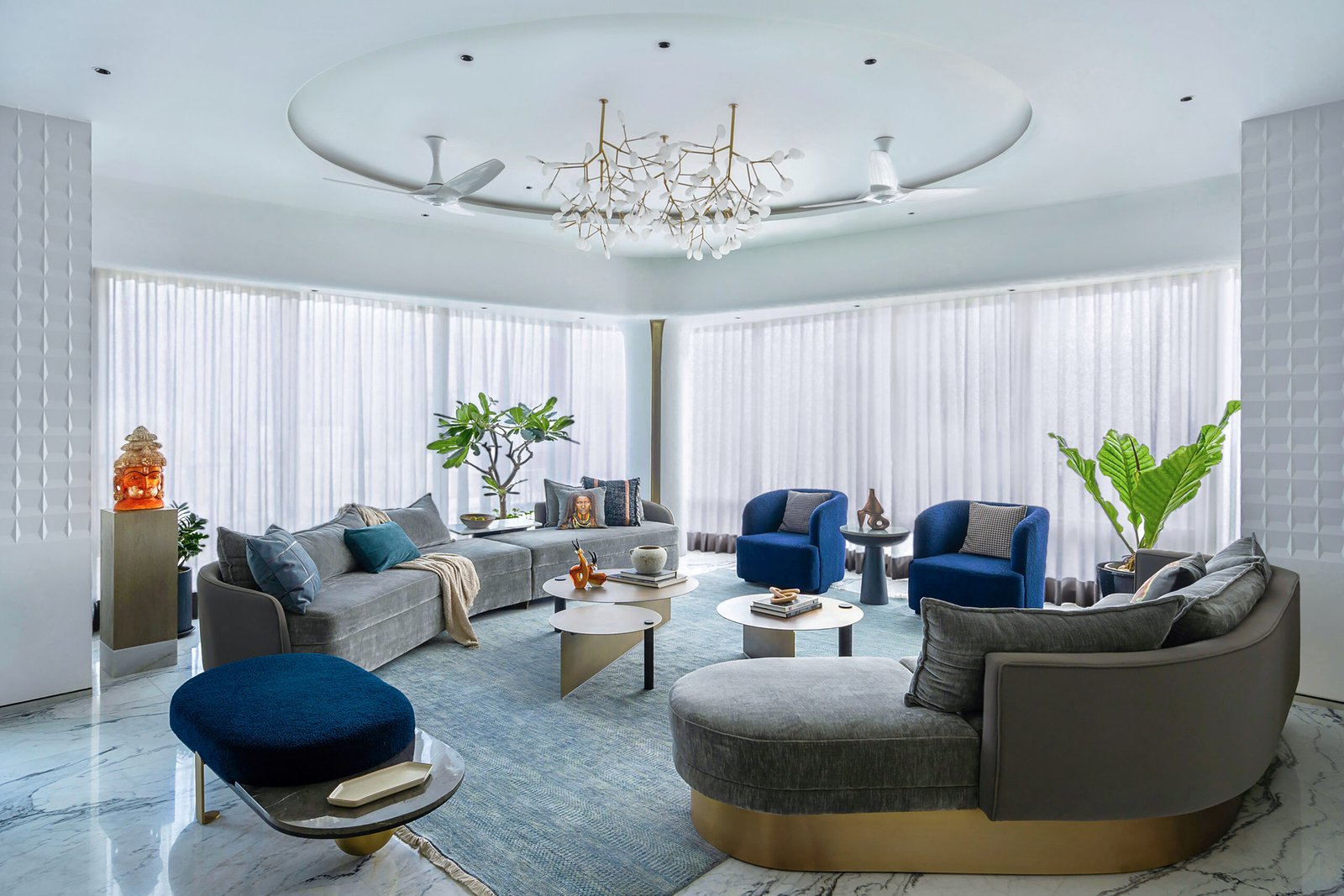
A key design challenge lay in the placement of structural columns and beams. Instead of concealing them, the design team transformed these constraints into defining features, introducing graceful curves that now shape the interiors. These fluid lines soften the architectural edges, creating a sense of continuity and warmth throughout the home.
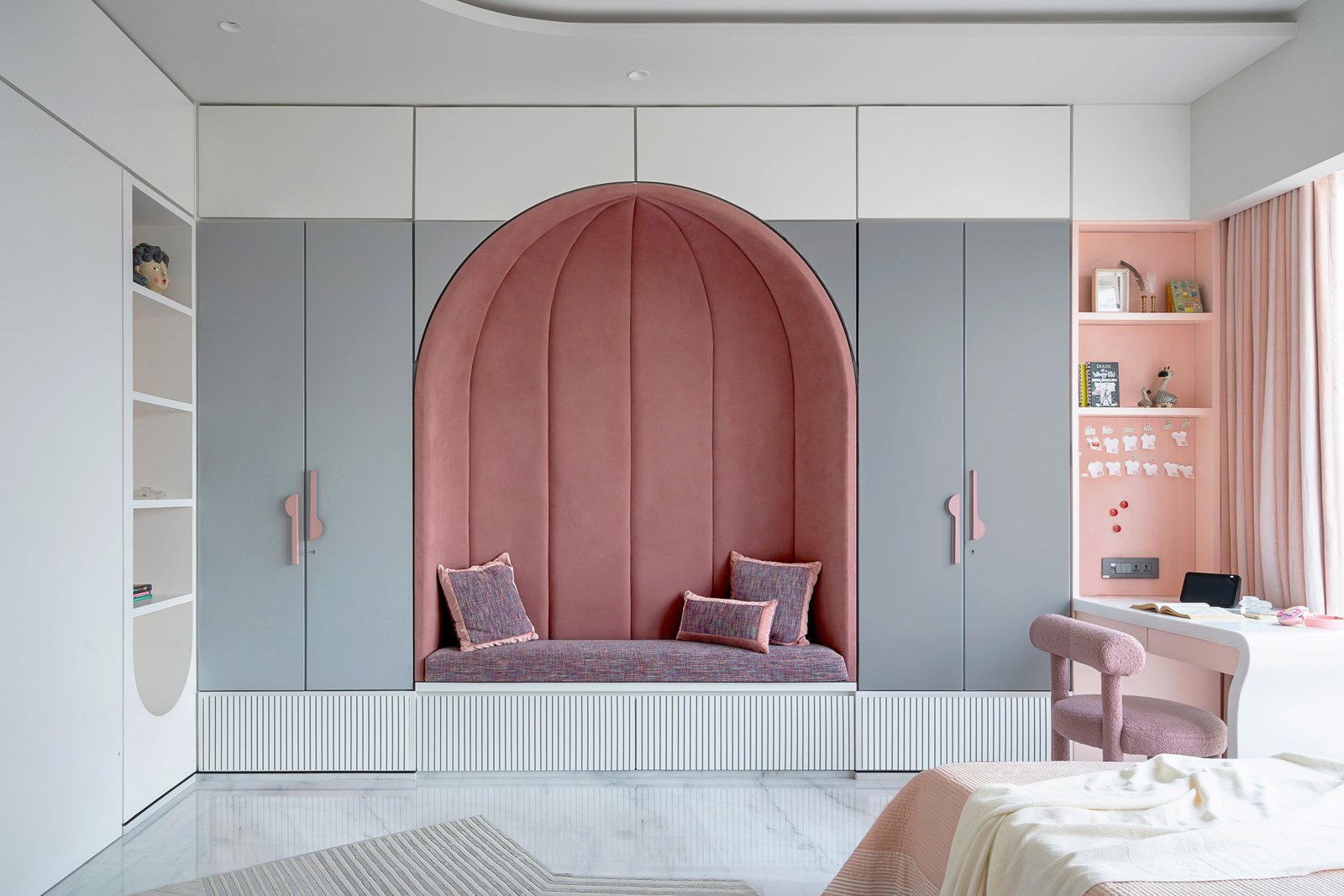
The residence accommodates two master bedrooms for a young couple and their parents, along with additional spaces for children and guests. A curated collection of Indian art frames provided by the client anchors the design narrative, layered with opulent marble inlays, brass accents, and bespoke furniture to create an atmosphere of understated grandeur.
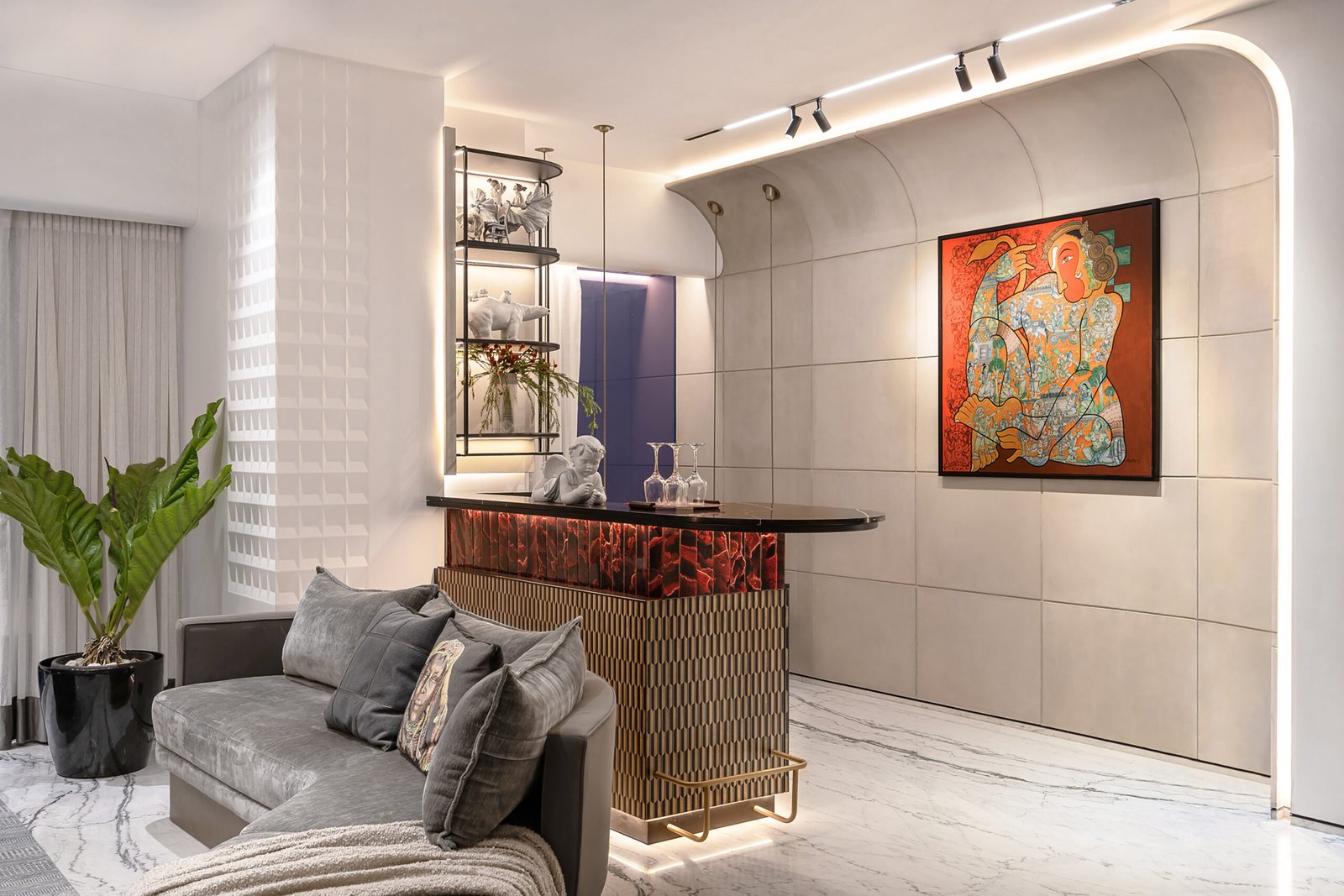
The living room is expansive and filled with natural light, its neutral base enlivened by subtle hints of blue that echo the sea views. Curvilinear seating, marble flooring, and refined brass detailing define the space, while a striking bar clad in fiery Murano stone — with dynamic lighting — emerges as a bold counterpoint. A distinctive swing and curved veneer wall add further character, reinforcing the balance between sophistication and warmth.
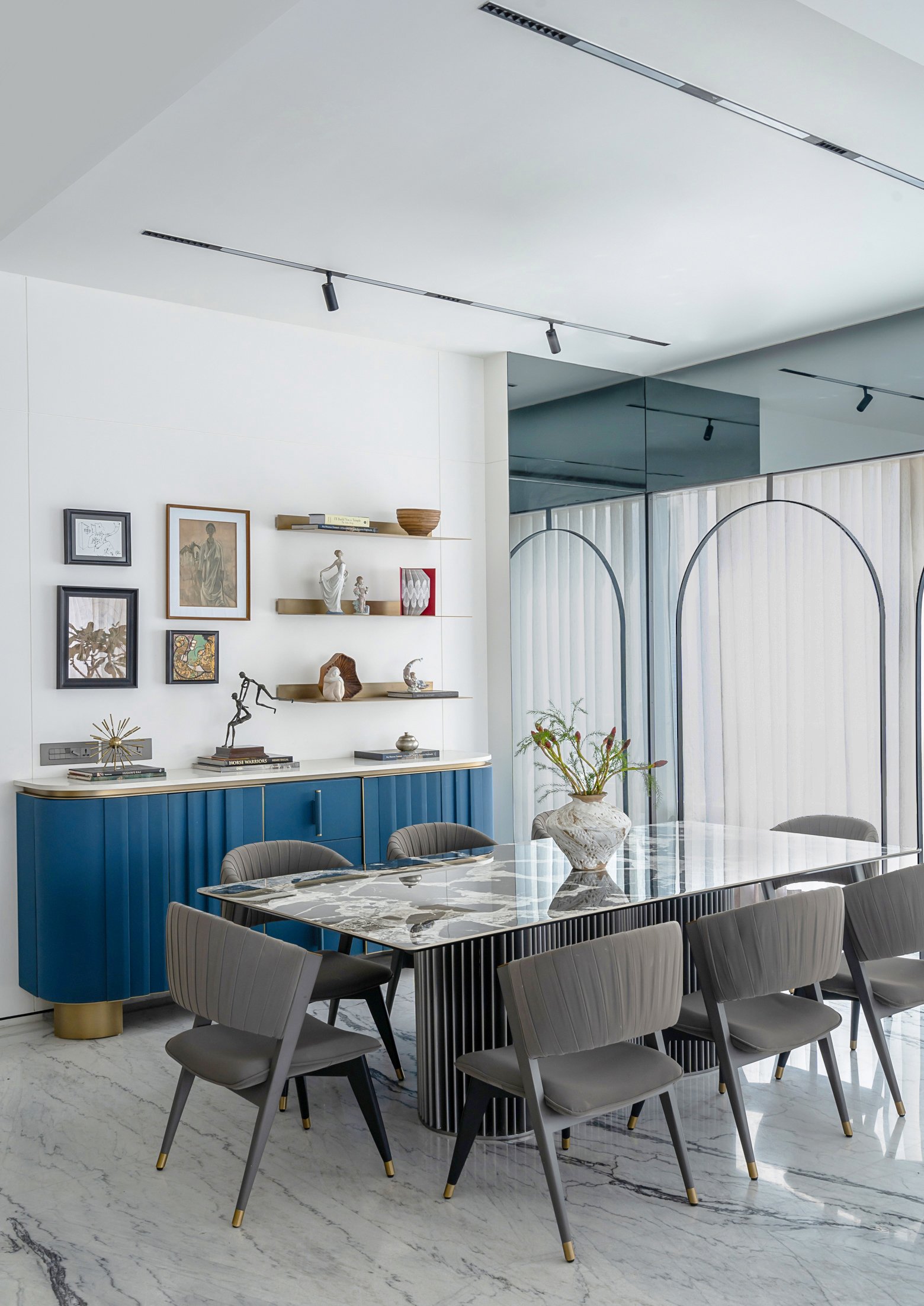
Every corner of the apartment is crafted with care. The dining area is framed by elegant metal arches and mirrored motifs, while the powder washroom gleams with gold accents and patterned finishes. A long passage, often overlooked in apartment planning, was reimagined through mirrors, lighting compositions, and patterned ceilings into a visually rich corridor that enhances movement and experience.
The private areas reflect individual personalities with equal refinement. The parents’ bedroom exudes serenity with warm veneers and soothing tones. The children’s rooms embrace vibrancy and playfulness — one in cheerful yellow for the son, and the other in a palette of pinks and blues for the daughter — separated by a flexible sliding partition that allows shared or independent spaces as needed.
(This article has been excerpted from our sister publication ‘Society Interiors & Design’.)