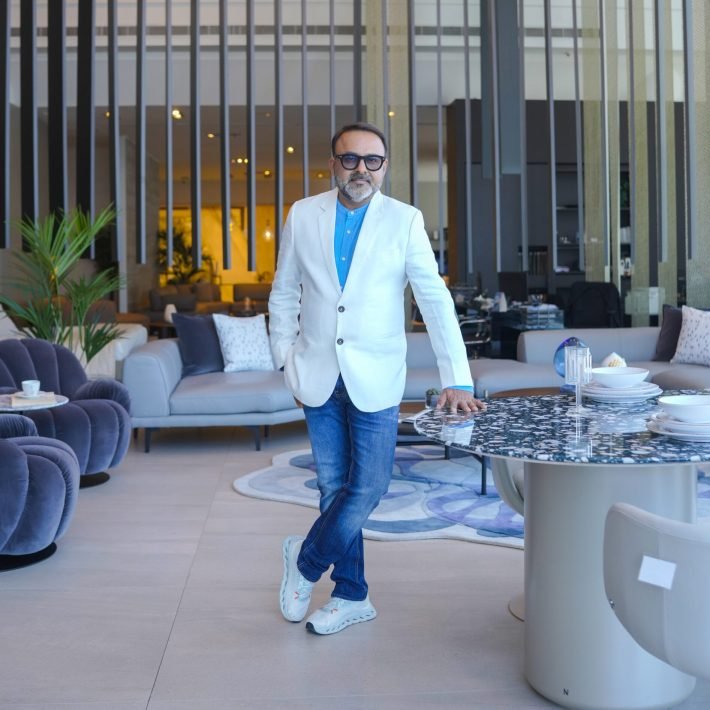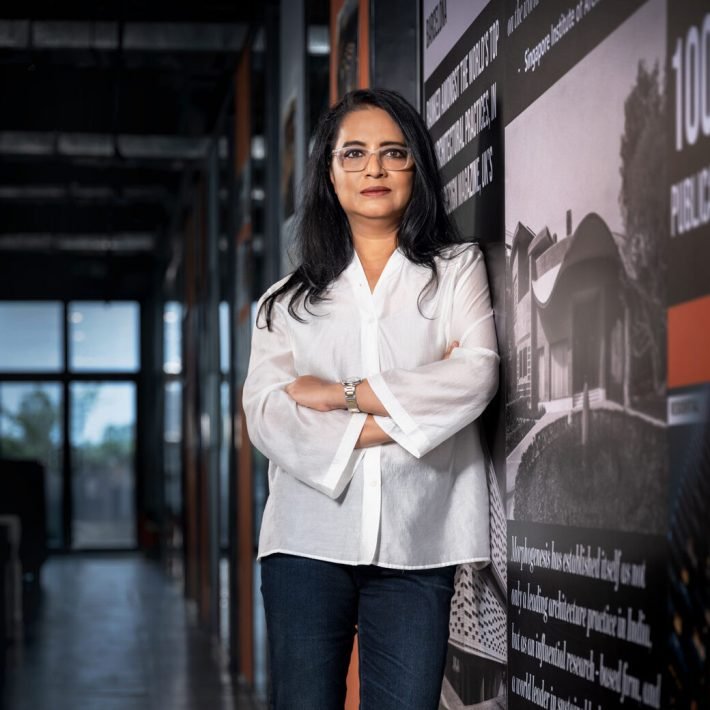

Architect Hiten Sethi is a visionary architect and urban reformer who treats architecture as a public act, not a personal signature.
Ar Hiten Sethi is a visionary architect, thought leader, and urban reformer whose work has transformed the narrative of Indian architecture — from building structures to building civic consciousness. As the CEO and Founder of Hiten Sethi & Associates (HSA), he has spent over three decades shaping India’s urban landscape through design that bridges innovation with empathy, ambition with responsibility, and progress with sustainability.
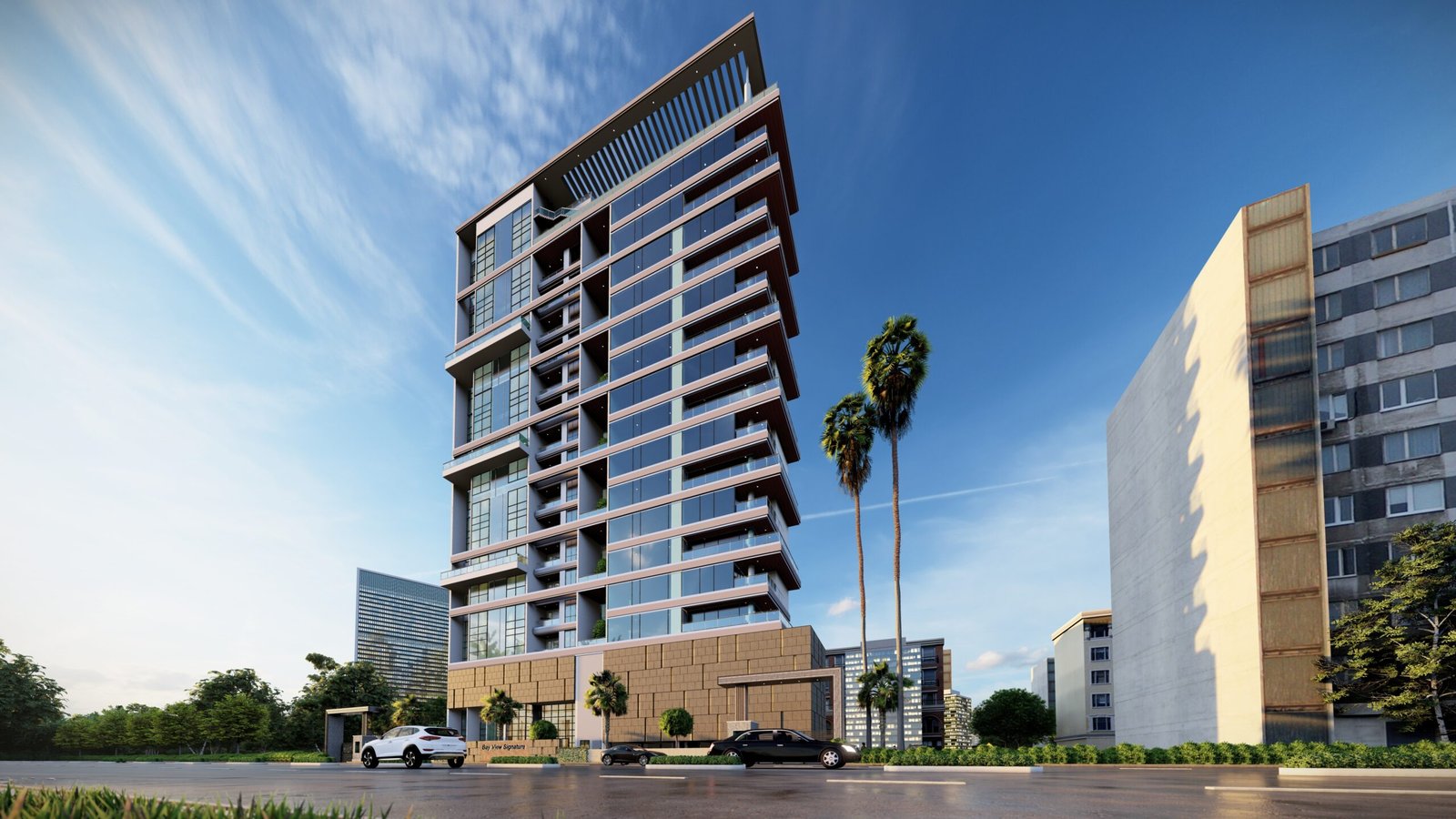
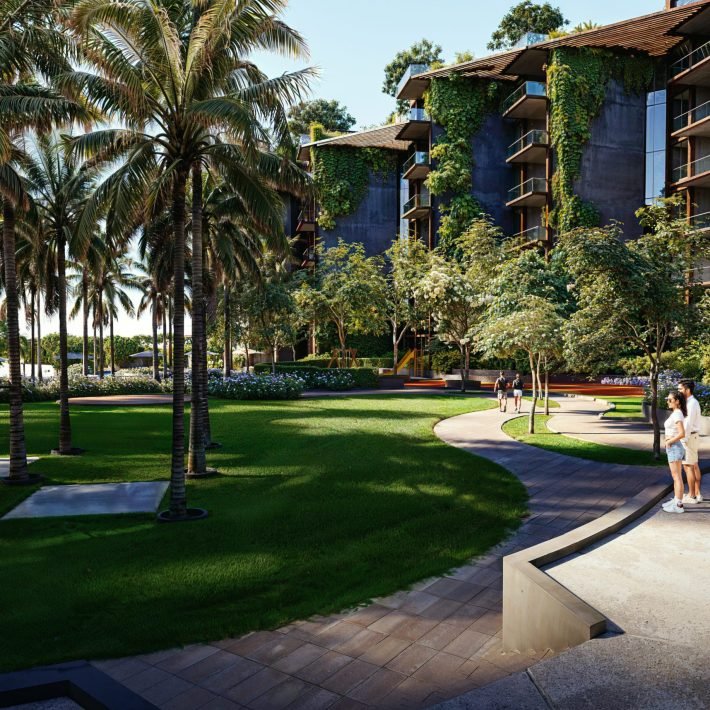
Some of his projects include:
NAINA (Navi Mumbai Airport Influence Notified Area): A Planned City For A Better Tomorrow
NAINA represents a new model of urban growth, a thoughtfully planned city around the Navi Mumbai Airport influenced area, that seeks to balance sustainability, innovation, and community well-being.
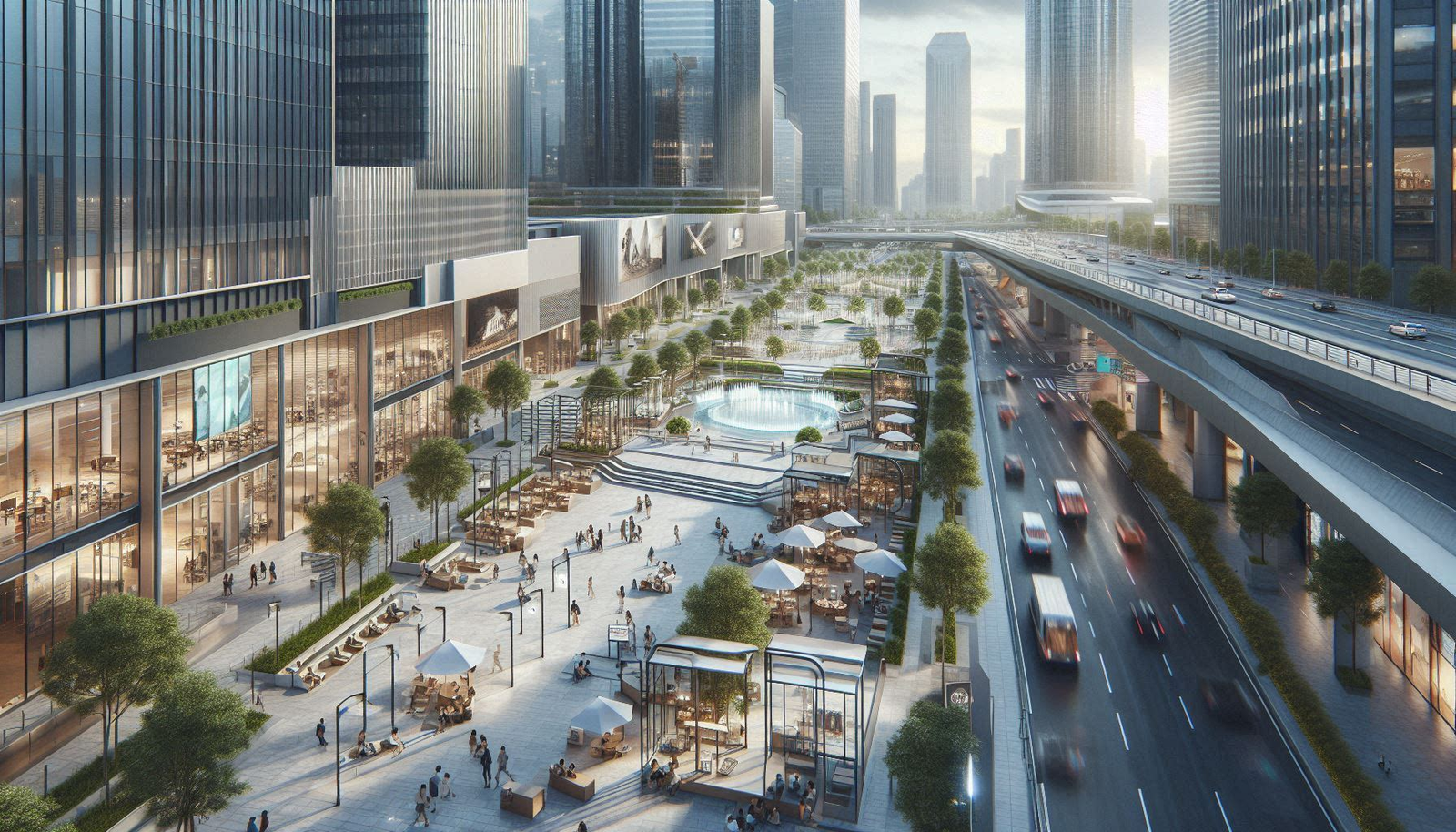
NAINA’s land use strategy reflects a well-balanced urban vision, comprising 42 percent residential areas, 14 percent public spaces, 12 percent commercial zones, 6 percent green parks, 1 percent industrial areas, 20 percent non-developable regions, and 5 percent social facilities such as schools and hospitals. It is envisioned to accommodate a 3.2 million population.
Connectivity
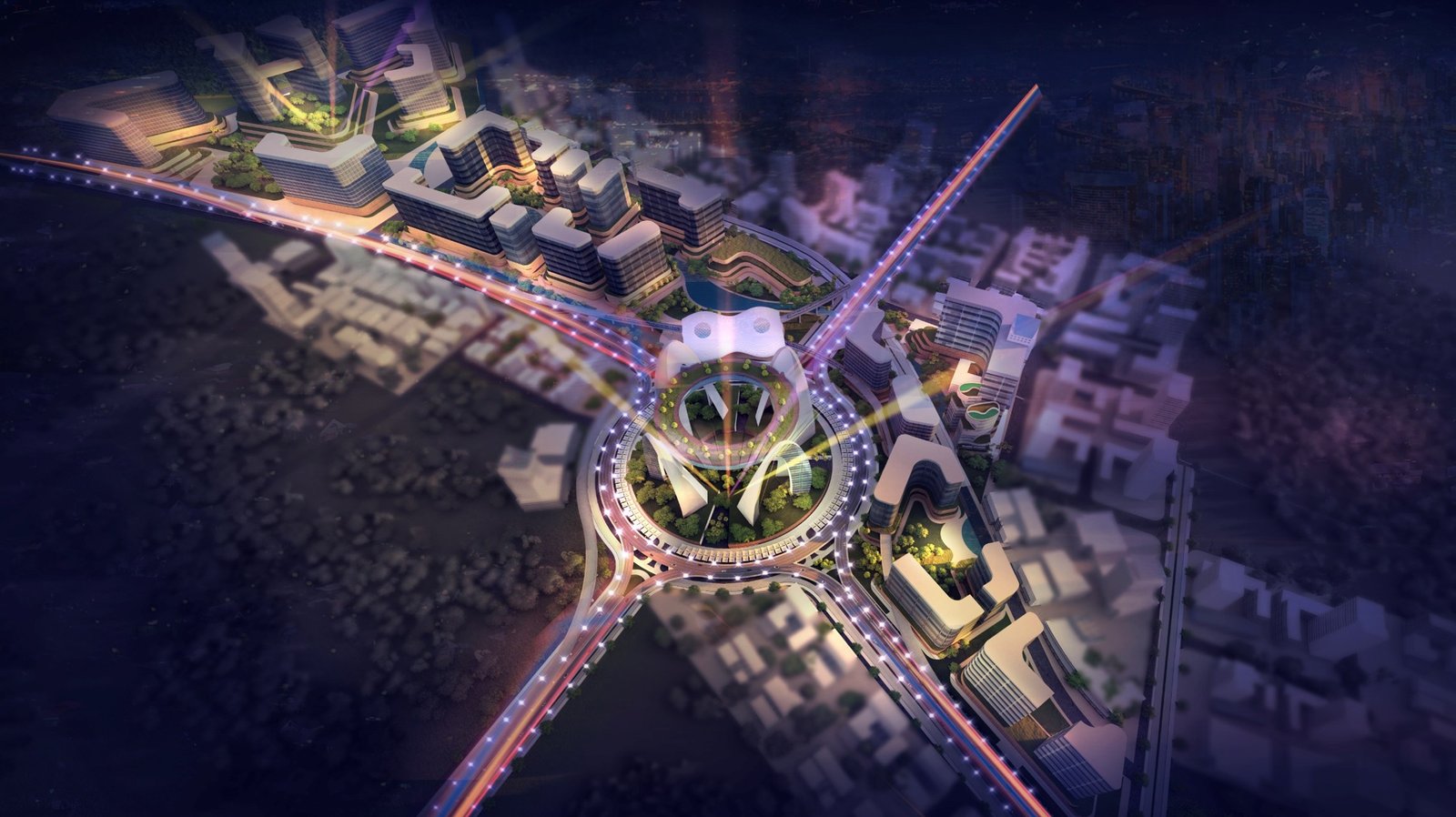
With a commitment to becoming a Net Zero City, NAINA strives for carbon neutrality through efficient resource management, resilient infrastructure, and an integrated connectivity framework. Connectivity, both physical and digital, serves as a key enabler in reducing emissions and optimising urban efficiency. The city’s planning approach emphasises multimodal mobility, ensuring seamless integration of public transport, pedestrian networks, and non-motorised transport corridors. Last-mile connectivity is a central component, enhancing access between transit nodes and neighbourhoods through well-designed walkways, cycling infrastructure, and shared mobility options. By integrating metro systems, dedicated bus routes, pedestrian and cycle tracks, taxi pods, and major structures such as bridges, flyovers, and interchanges, the plan ensures smooth connectivity across the region, reducing traffic congestion.
Urban Character
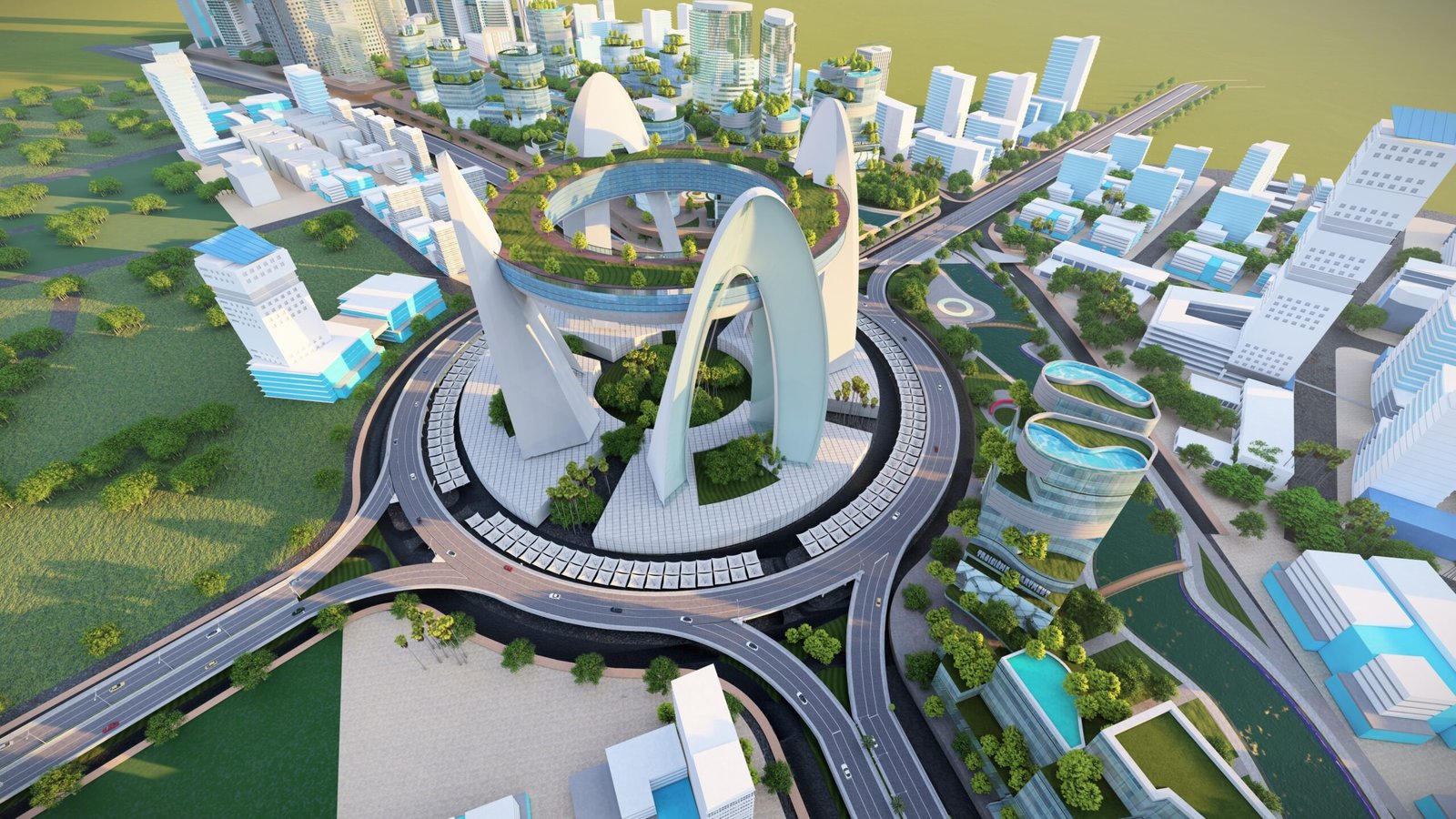
The city’s design emphasises placemaking by integrating iconic landmarks and vibrant green spaces that enrich everyday life. Growth centres within the city promote economic vitality through the creation of mixed-use, highly connected zones that support innovation, business growth, and efficient land utilisation. These growth centres are strategically clustered and linked through a network of major roads, ensuring last-mile connectivity within a 10-minute walk.
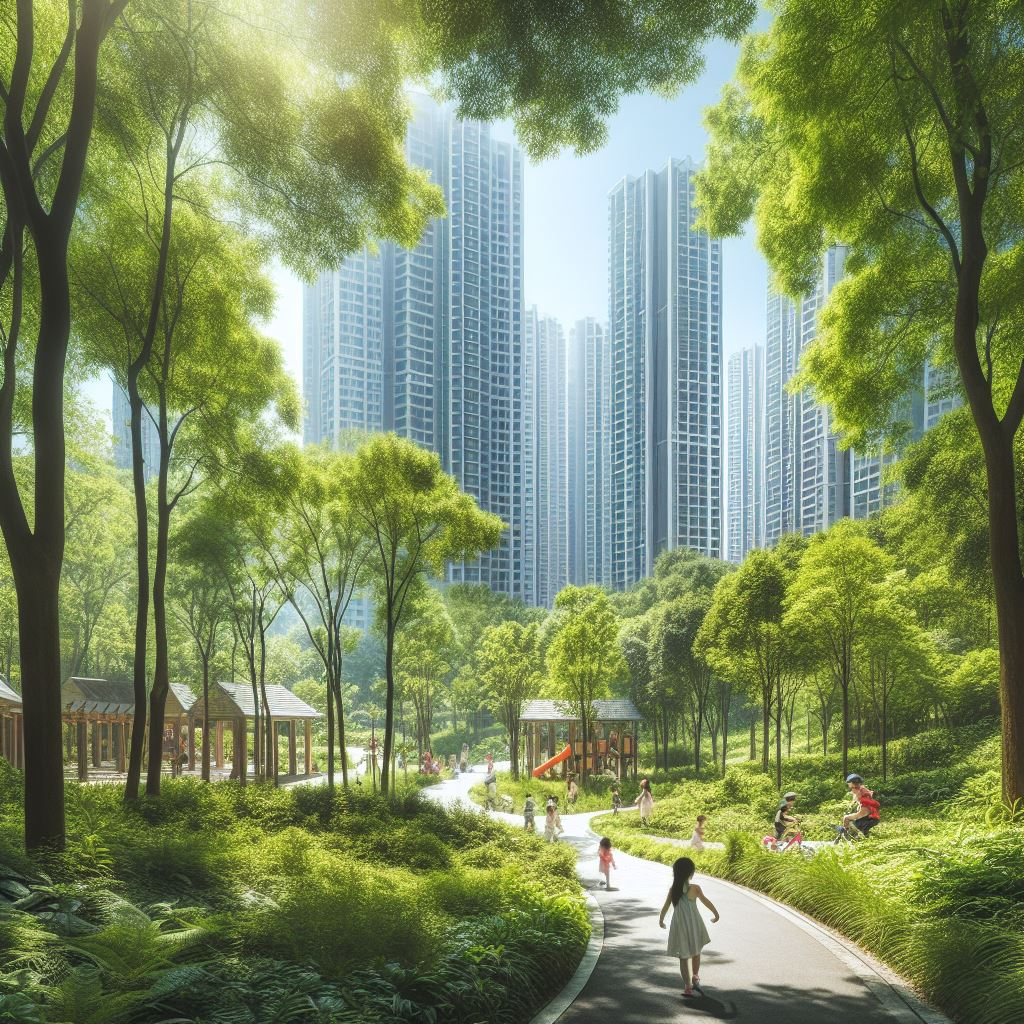
NAINA prioritises inclusivity, accessibility, and social cohesion by creating welcoming public spaces where communities can connect, grow, and flourish, reflecting a city built for its people. Each town planning scheme provides accessible green spaces within a 10-minute walk from residential areas. Public spaces, green corridors, and recreational areas enhance mental, physical, and social well-being, while social infrastructure is strategically located for convenient access. The city’s land use strategy also includes areas for EWS housing, fulfilling the region’s commitment to providing homes for all. Each Town Planning Scheme defines a sustainable, inclusive, and economically viable future for the region.
Landscape/ Urban Greens
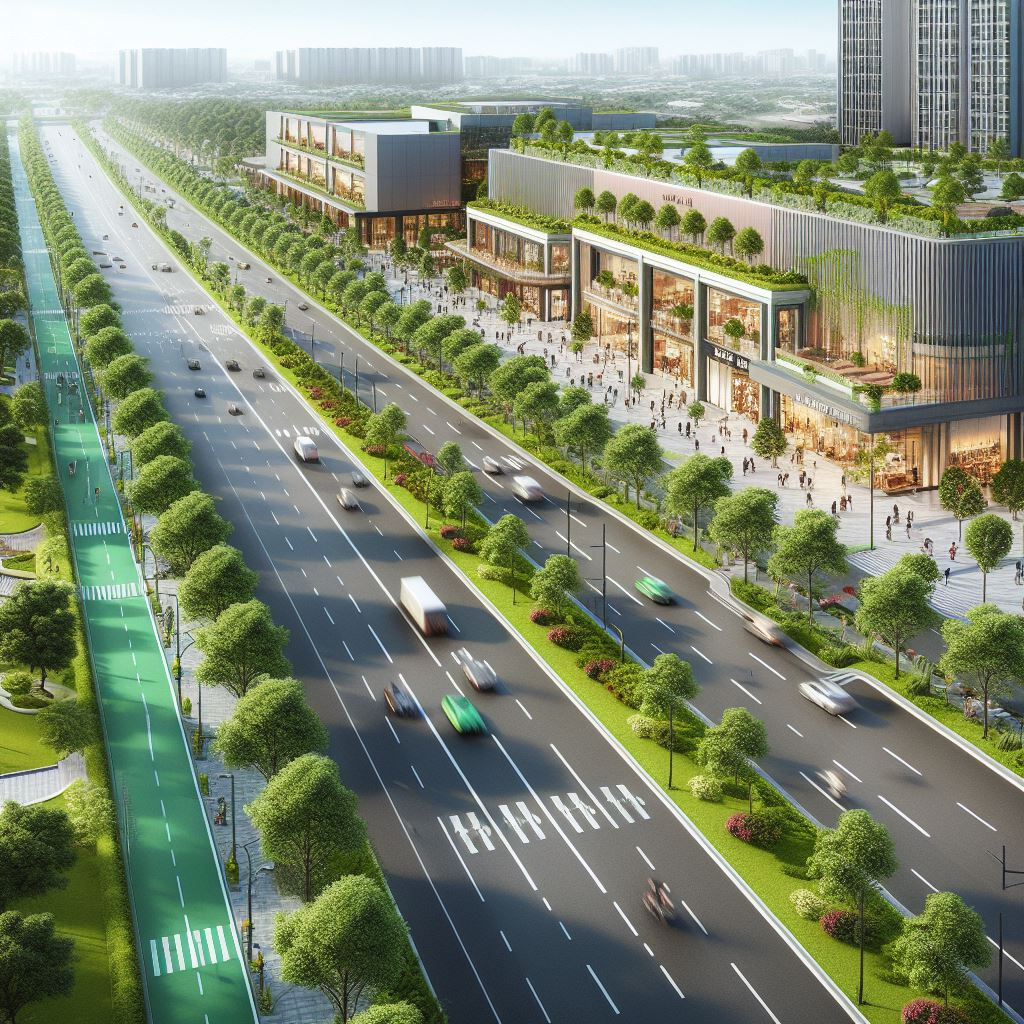
NAINA envisions a green city plan that connects the urban fabric through waterfront developments, environmental conservation, and green trails in non-development areas. The city will feature an Integrated Flood Management Plan that treats surface water and groundwater as linked resources, using floodplains to support natural recharge and exploring innovative methods to enhance groundwater replenishment. The plan also coordinates land use and water systems, employing parks, floodplains, and drainage networks to manage flooding, support groundwater recharge, and create a safer, more sustainable urban environment.
Sustainability
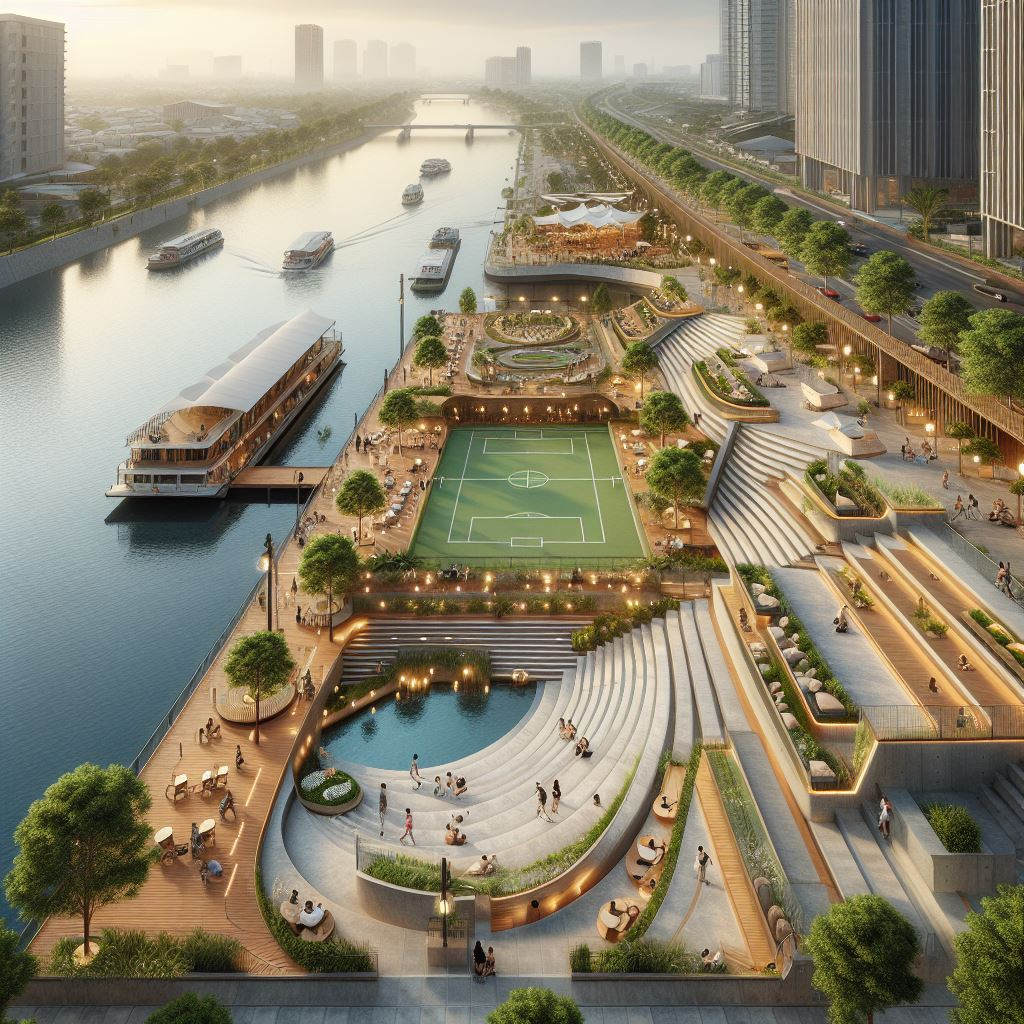
NAINA aims to be a climate-smart and livable city by integrating comprehensive urban climate action strategies into its development. The city plans to reduce greenhouse gas emissions and improve air quality through the electrification of public transport, low-emission zones, and strict monitoring of polluting vehicles. Energy-efficient buildings and smart metering systems will lower operational emissions, while clean energy integration in public infrastructure and renewable energy adoption will support a sustainable power transition. NAINA also promotes active mobility by designing safe walking and cycling networks, green corridors, and accessible public spaces, ensuring that climate action enhances health, well-being, and long-term urban resilience.
Sai World Empire, Kharghar
For Ar Hiten Sethi, Sai World Empire is not just about opulence — it is about storytelling through architecture. Each of the six towers celebrates a legendary empire — Roman, Greek, French, Egyptian, Spanish, and British — translating their timeless architectural vocabularies into the verticality of modern towers. The result is a skyline that evokes heritage yet speaks to the aspirations of a global India.
The project’s concept was to craft a modern kingdom — a community that embodies strength, beauty, and harmony. Every tower, rising up to 166.95 meters, blends neoclassical proportion with contemporary precision, achieving a balance of scale and serenity that defines true architectural luxury.
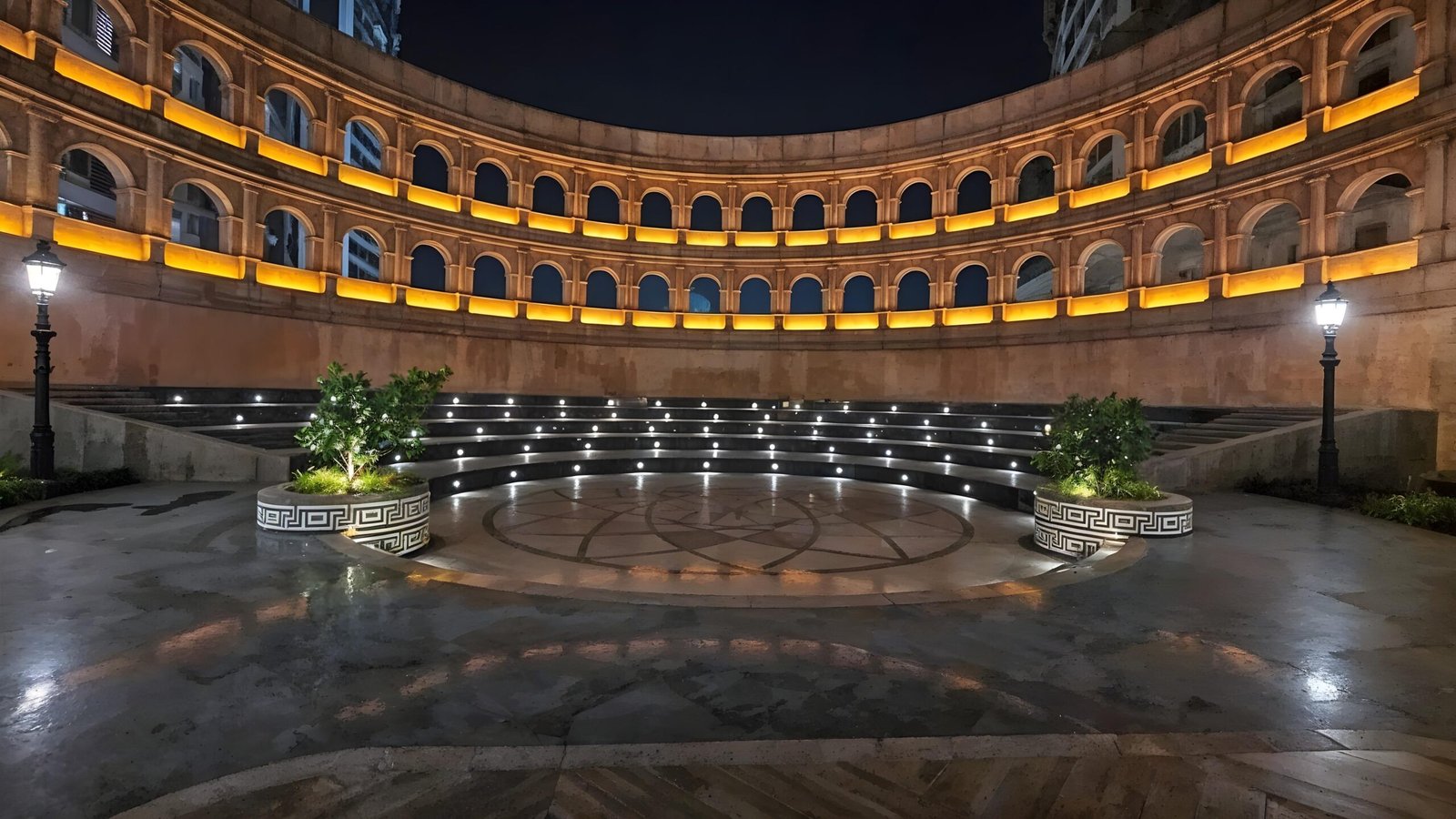
Residents are greeted by the Arc de Triomphe entrance, a French-inspired gateway symbolising majestic arrival. The Broadway Amphitheatre celebrates performance and public gathering in the spirit of British culture, while the Athena Clubhouse offers Greek-inspired leisure in an atmosphere of calm elegance.
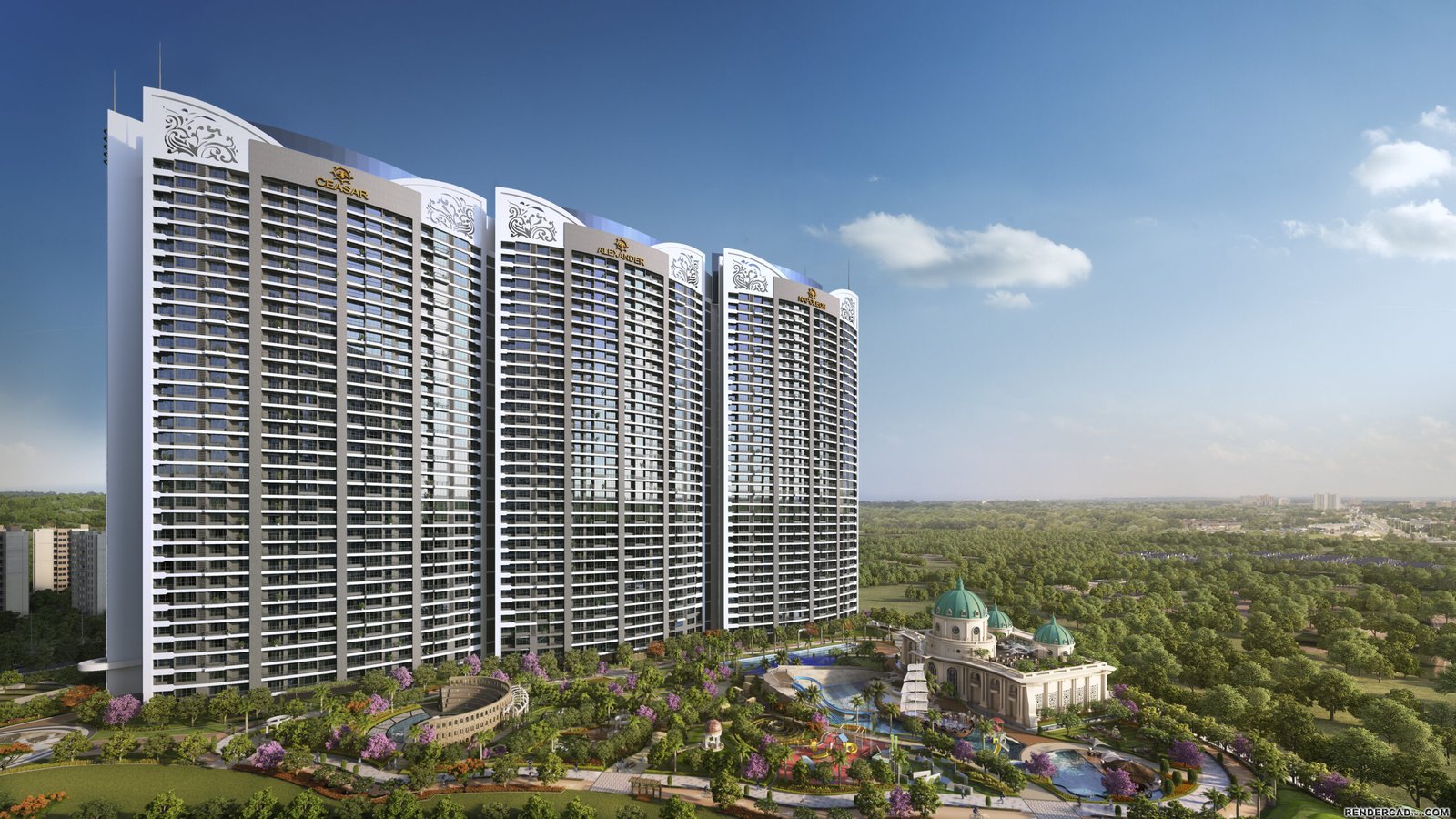
Each elevation is rich in classical detailing — Corinthian columns, arched windows, ornate cornices, and domed crowns — crafted with modern materials and engineering finesse. A smooth beige-ivory façade, enhanced by ambient lighting, transforms the towers into luminous icons against the city skyline. Inside, double-height lobbies, art lounges, private theatres, and sundecks extend the royal narrative, merging grandeur with modern comfort.
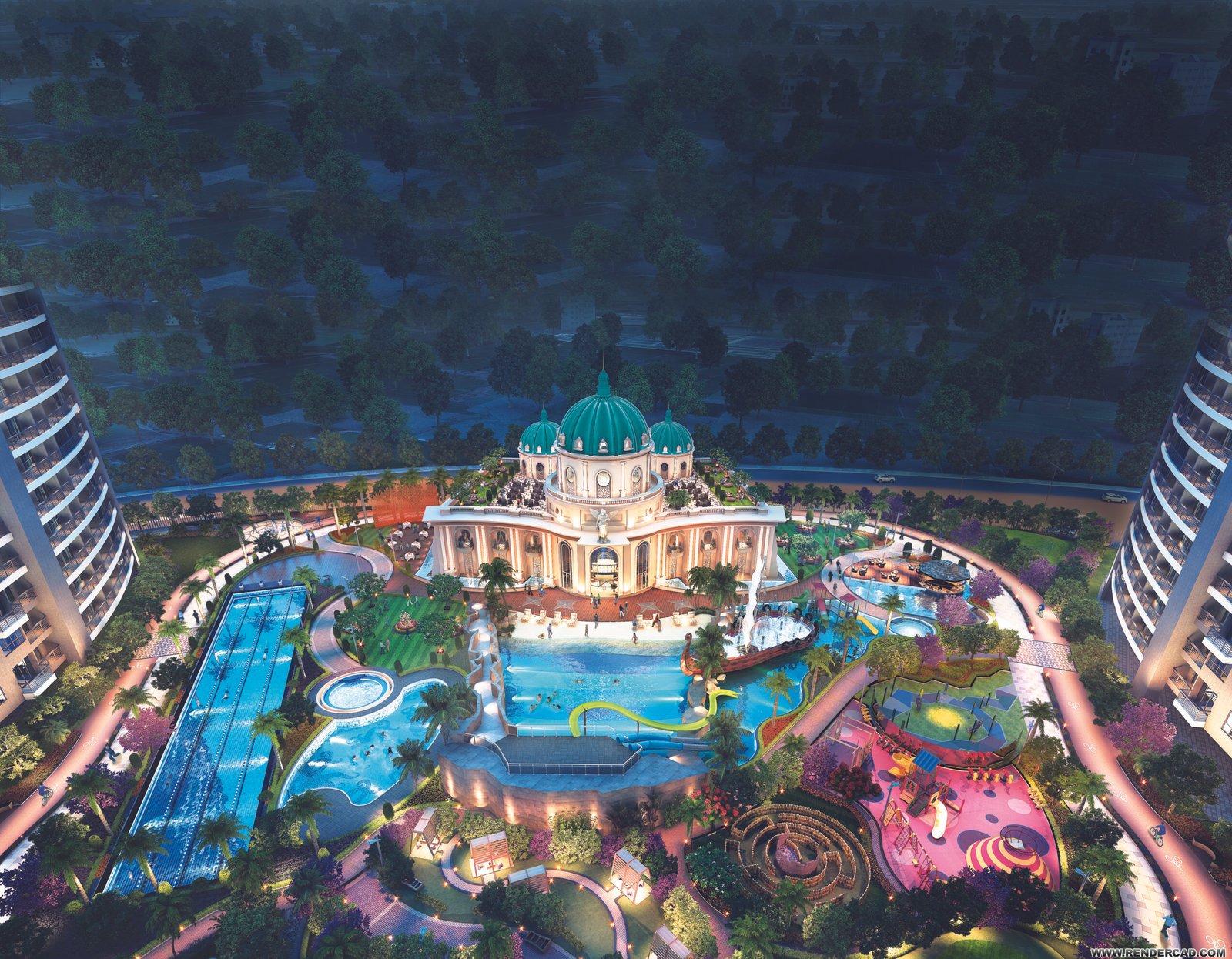
True to Ar Hiten Sethi’s philosophy of holistic living, the landscape is designed as a series of curated experiences — a Flower Boulevard, Mirror Maze Gardens, and Espana Kids Park coexist with serene lawns, water features, and sculptural art. The Aswan Spa, Wave Pool, and Floating Bar add layers of leisure and community, turning the development into a living resort where every corner evokes joy and discovery.
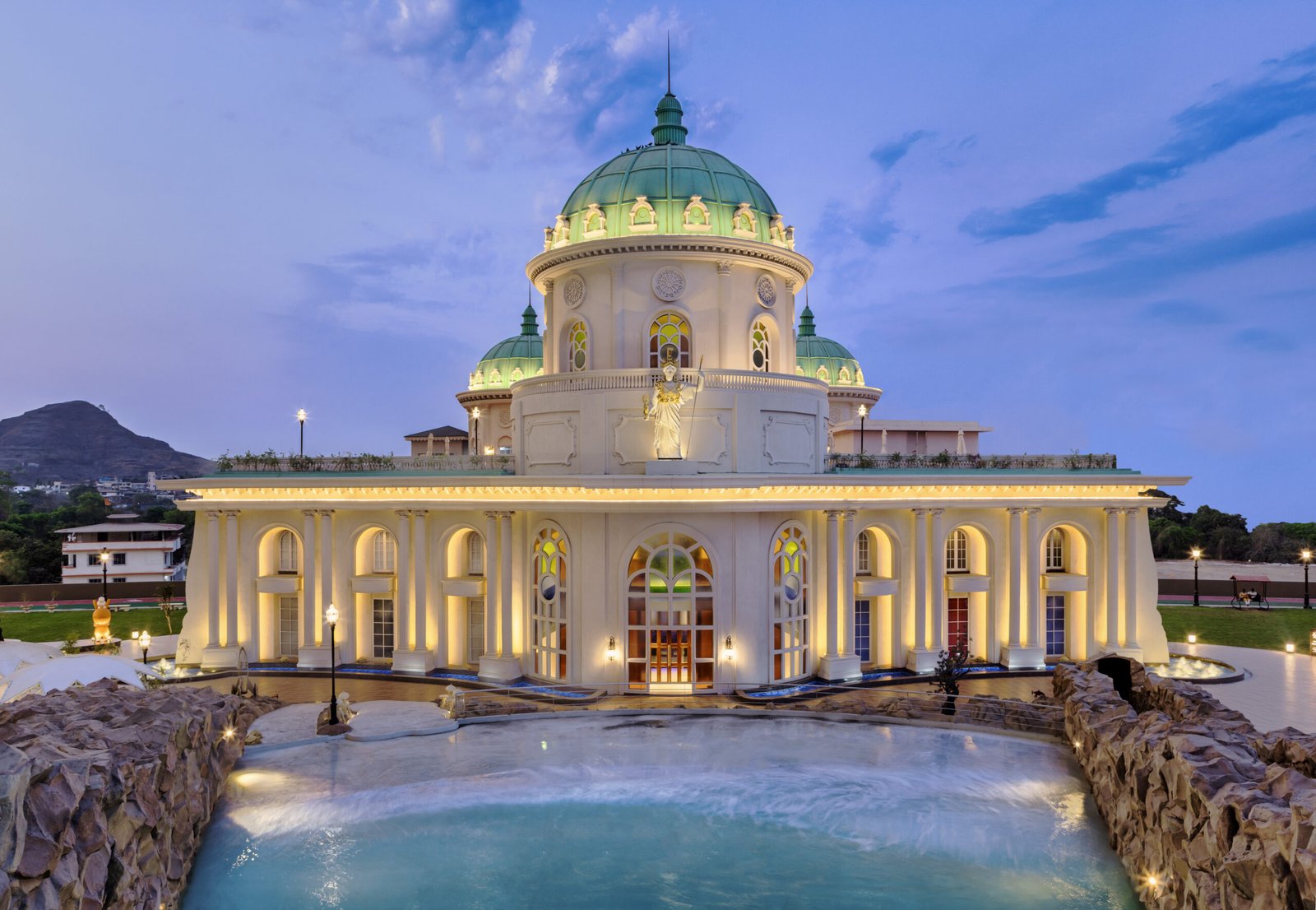
The integrated Sai World Empire Retail Mall continues the architectural rhythm with a unified façade, generous proportions, and thoughtful circulation. It ensures the convenience of modern life within the same design vocabulary of elegance and order.
(This article has been excerpted from our sister publication ‘Society Interiors & Design’).