
From air mattresses to a global travel revolution, CEO & Co-Founder Brian Chesky has built Airbnb, once valued at over $100 billion, on trust, design thinking, and a bold embrace of the future.
By Nichola Marie
In a world increasingly shaped by artificial intelligence, Brian Chesky is once again asking a familiar question: How do you build trust between strangers? As CEO and Co-Founder of Airbnb, Chesky is now leading the company into an AI-driven future, where nearly a third of customer support interactions in North America are already handled by intelligent systems. Yet, for all his enthusiasm about technology, Chesky remains grounded in a belief that has defined his journey from the very beginning — that human connection, not just convenience, is the true currency of hospitality.
That belief was not always easy to uphold. In 2011, when Airbnb was still a fledgling startup, a host’s home was vandalised by a guest. The incident went viral, threatening to dismantle the fragile trust on which the platform depended. Chesky responded not with defensiveness, but with accountability. He issued a public apology and introduced a host guarantee — initially $50,000, now expanded to $3 million — transforming a moment of crisis into a defining leadership philosophy. It was, as he has often said, the moment he truly became a CEO.

Today, Airbnb stands as one of the most influential companies of the sharing economy, with millions of listings across countries and regions. But its origins were far humbler — and far more personal.
Design Mindset Meets Business Idea
Born in 1981 in Niskayuna, New York, to a social worker father, Robert Chesky, and an educator mother, Deborah Chesky, Brian Chesky did not set out to build a hospitality empire. A graduate of the Rhode Island School of Design, he was trained to think like a designer — to solve problems creatively and empathetically. That mindset would later become central to Airbnb’s DNA.
The idea for Airbnb emerged in 2007, when Chesky and his friend Joe Gebbia struggled to pay rent in San Francisco. With a design conference in town and hotels fully booked, they inflated air mattresses in their apartment and offered them to attendees. What began as a quick fix soon revealed a larger opportunity: People were willing to open their homes — and others were willing to stay in them.
With the addition of Co-Founder Nathan Blecharczyk, the idea evolved into AirBed & Breakfast, eventually shortened to Airbnb. Backed early on by Y Combinator, the company began scaling rapidly, tapping into a global demand for affordable, flexible, and more personal travel experiences.
Building A Global Platform
Airbnb’s model was simple yet disruptive: Connect hosts with spare space to travellers seeking alternatives to traditional hotels. The platform earns revenue through service fees, while also expanding into experiences and services — from guided tours to private chefs — creating a more immersive travel ecosystem.

By 2011, Airbnb had already crossed a billion-dollar valuation. In 2020, despite the challenges of a global pandemic, it went public in one of the year’s most significant IPOs, reaching a market valuation of over $100 billion. It has since grown into the largest player in the short-term rental market, reshaping how the world travels.
Yet, growth has not come without scrutiny. From regulatory battles in major cities to concerns about housing affordability, safety, and discrimination, Airbnb has faced its share of criticism. Chesky’s approach, however, has remained consistent: Adapt, take responsibility, and refine the system.
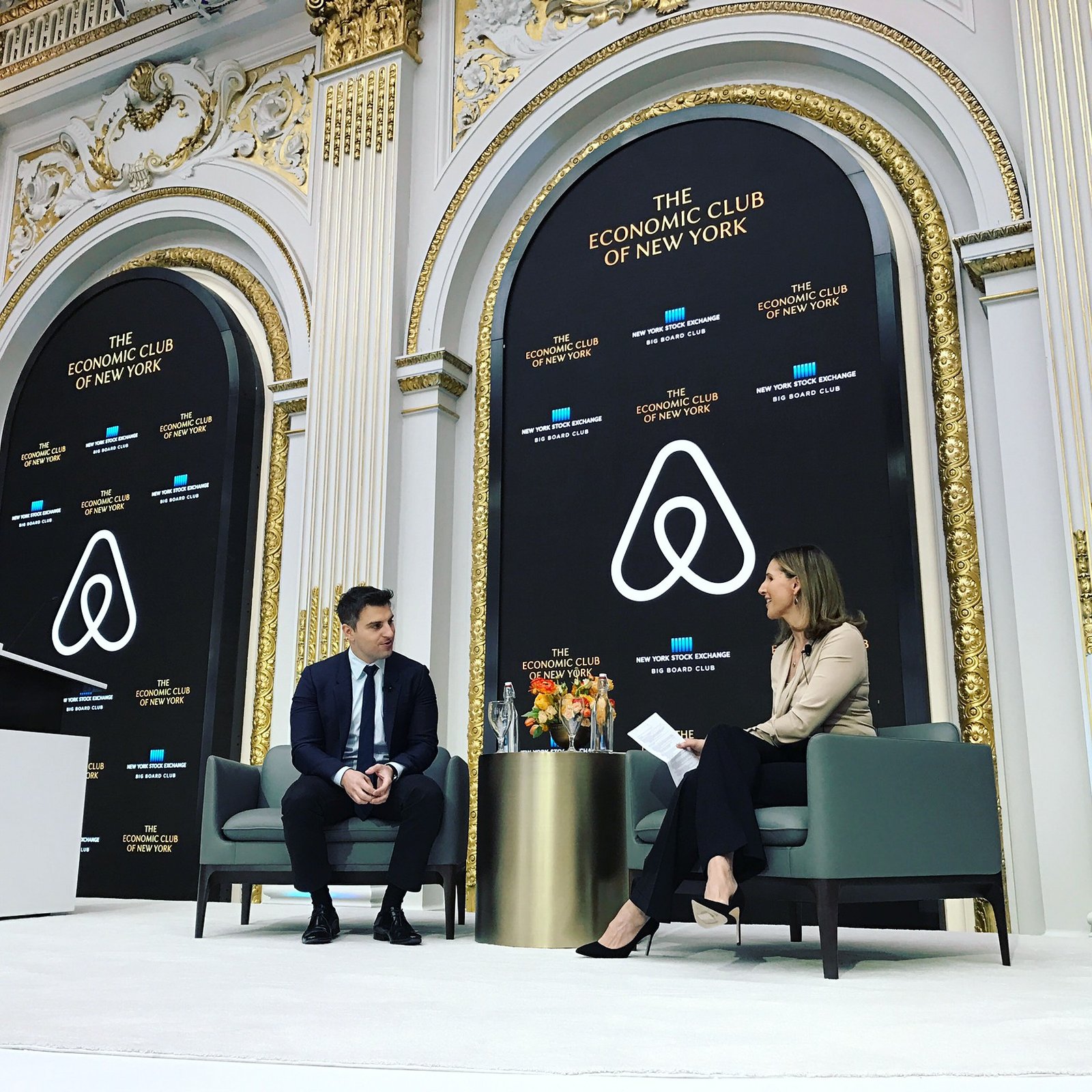
Initiatives such as identity verification, anti-discrimination policies, and stricter controls on party bookings reflect a company continually recalibrating itself in response to both opportunity and challenge.
Resilience & Reinvention
Airbnb’s journey has been punctuated by defining moments of crisis. None was more severe than the Covid-19 pandemic, which saw bookings plummet by over 70%. The company responded with layoffs, cost-cutting, and a strategic pivot towards local travel and virtual experiences.

The rebound was swift. By 2022, Airbnb reported its first full-year profit, driven in part by changing travel patterns and the rise of remote work. Longer stays and flexible living arrangements became the new normal, aligning perfectly with Airbnb’s core offering.
For Chesky, these moments underscore a fundamental truth: Resilience is not about avoiding failure, but about responding to it decisively.
The AI Frontier
Today, Chesky is once again steering Airbnb through a period of transformation — this time driven by artificial intelligence. He sees AI not as a replacement for human interaction, but as an enhancement. By layering AI over Airbnb’s vast ecosystem — its verified users, reviews, and host-guest interactions — the company aims to create a more seamless, intuitive experience.
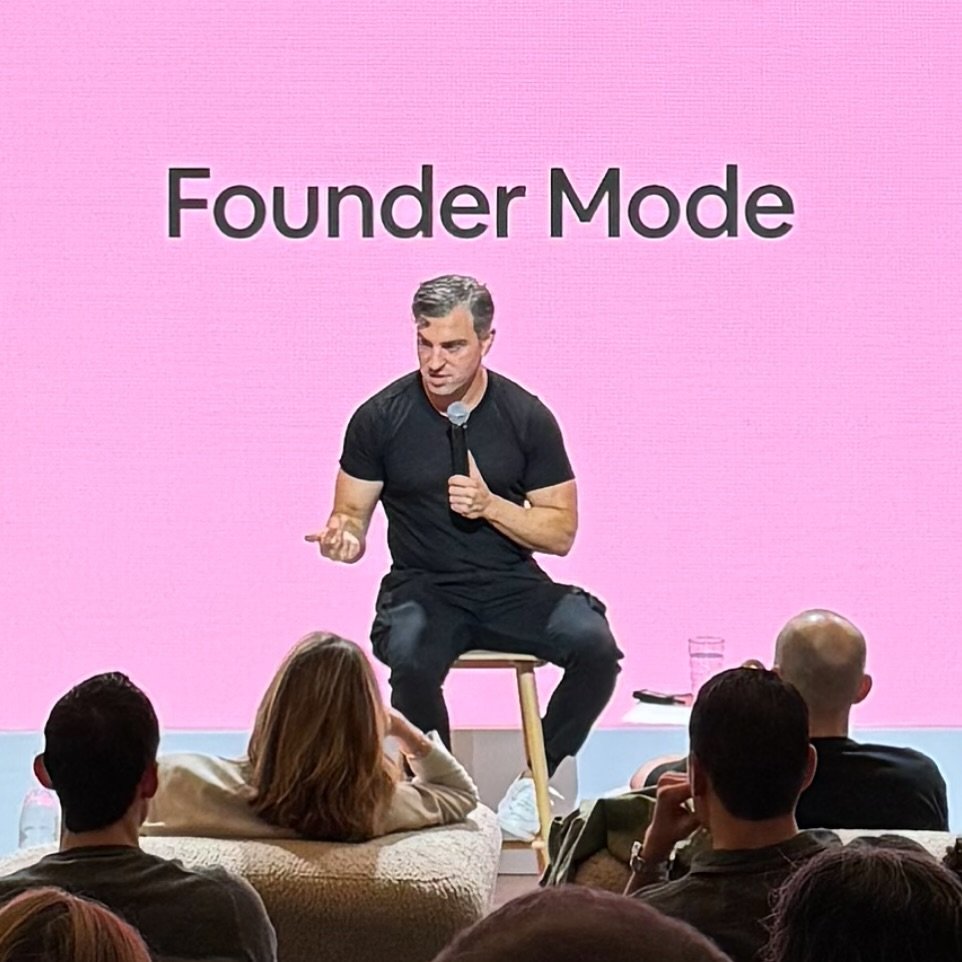
Importantly, he believes Airbnb holds a competitive advantage that generic AI platforms cannot easily replicate: A deeply integrated network of trust. With hundreds of millions of verified identities and reviews, Airbnb’s data ecosystem is both proprietary and relational — rooted in real human experiences.
While some investors worry about AI eventually disrupting the sector, Chesky remains confident. Airbnb, he argues, is not just a marketplace but a community — one that combines technology with human connection in ways that are difficult to duplicate.

Leadership In ‘Founder Mode’
Unlike many CEOs who step back as their companies scale, Chesky has embraced what he calls “Founder Mode”—a hands-on leadership style that keeps him closely connected to his team and product. He interacts directly with employees across levels, favouring fluid, idea-driven engagement over rigid corporate structures.
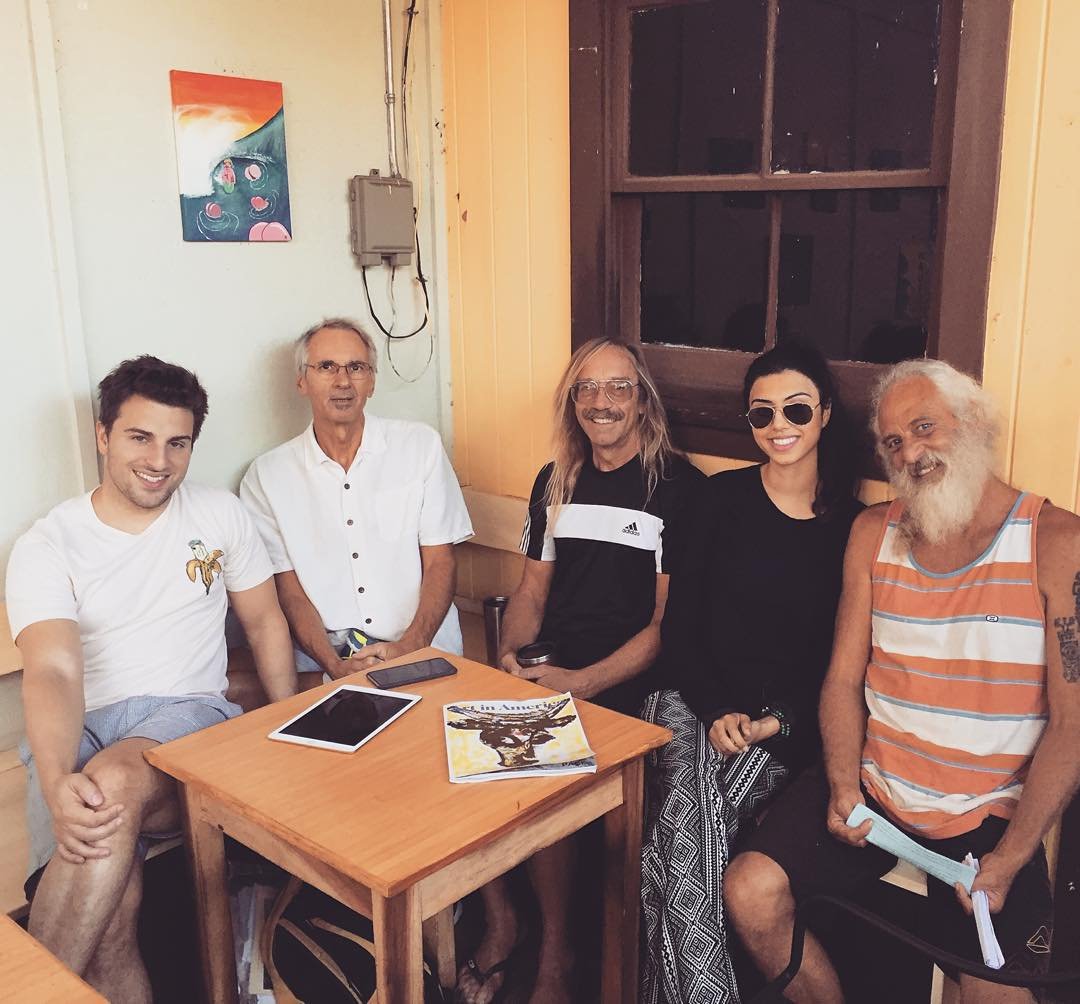
This approach mirrors his design background. For Chesky, leadership is not about hierarchy but immersion — understanding the nuances of the product, the needs of users, and the pulse of the organisation.
He is also known for questioning conventional notions of productivity. Rejecting Silicon Valley’s glorification of early mornings, Chesky works to his natural rhythm as a night owl, prioritising clarity of thought over performative busyness.
Equally telling is his emphasis on focus. By minimising distractions and streamlining everyday decisions, he frees up time for high-level thinking and creativity — areas where he believes leadership truly matters.
Life Beyond Work
Beyond the boardroom, Chesky’s life reflects a blend of discipline, introspection, and carefully curated routine. Known to be intensely private, he has largely kept details about his relationships and family out of the public eye, choosing instead to let his work and ideas take centre stage.
A proponent of journaling, he captures thoughts in quick, unstructured notes, allowing creativity to flow without constraint. His daily rhythm follows a deliberate cadence — late nights, a later start to the day, and mornings that often include a workout or a walk with his golden retriever, Sophie Supernova, before easing into work.
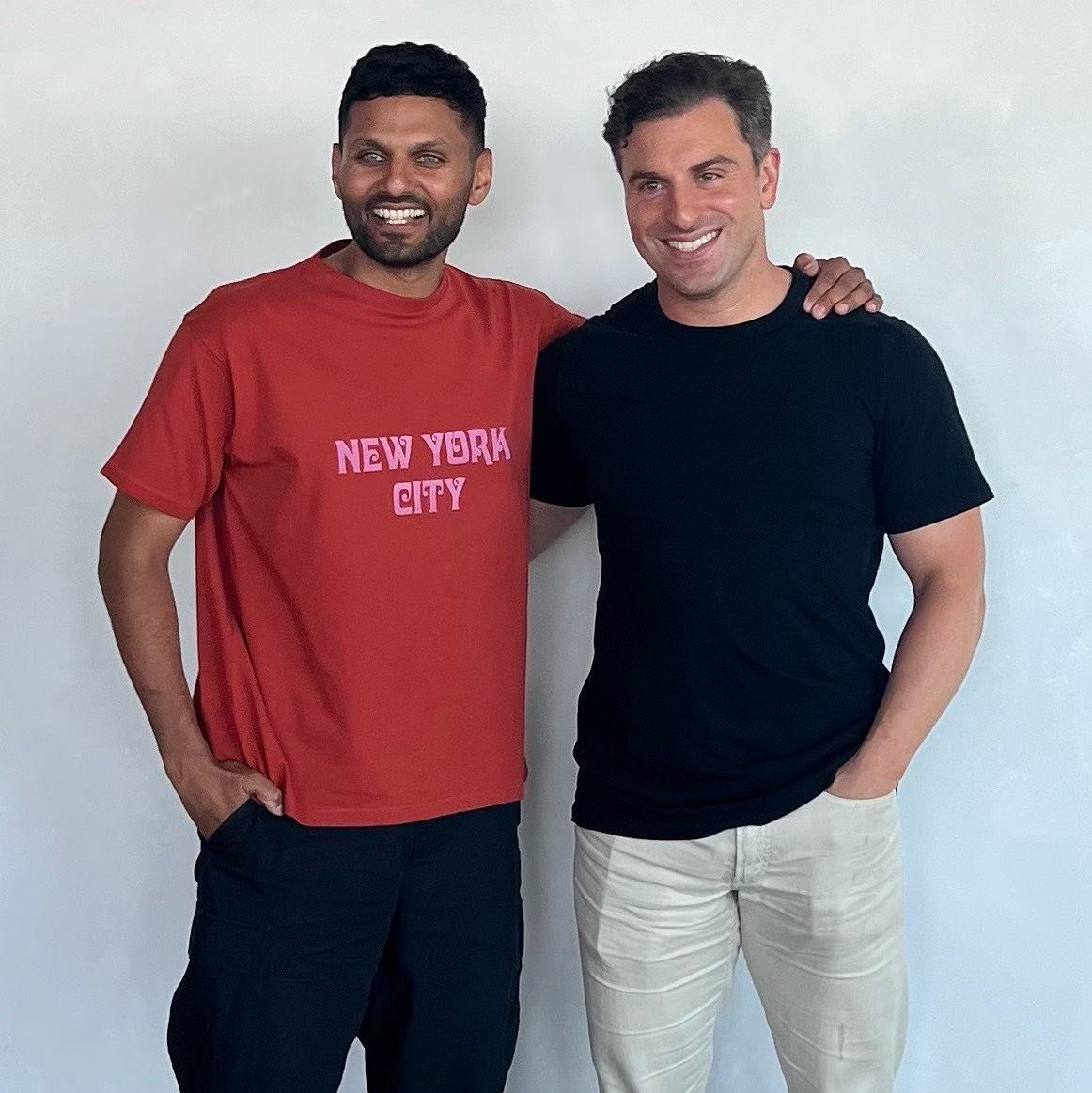
Fitness, for him, is less about regimen and more about sustaining energy and mental clarity. His lifestyle reflects a conscious effort to create space for deep thinking, design, and decision-making.
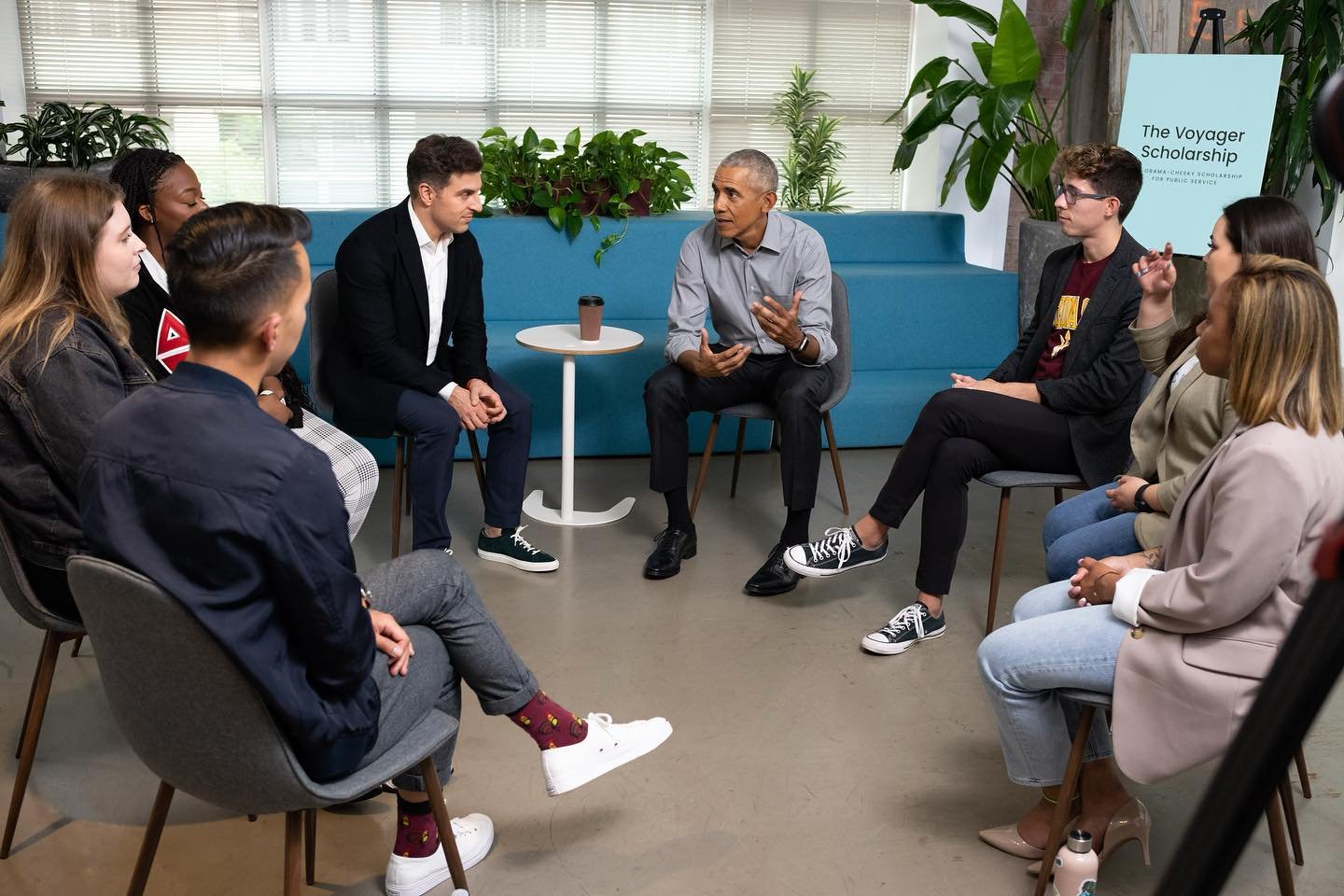
He is also deeply committed to philanthropy, having signed the Giving Pledge, and pledging to donate the net proceeds of his CEO equity compensation to charitable causes.
Despite his success, Chesky remains closely connected to the essence of Airbnb’s mission — he is himself a host in San Francisco. This dual perspective, as both leader and participant, keeps him grounded in the very community he helped build.
A Lasting Legacy
Chesky’s journey is, at its core, a story of reimagining possibility. What began as a simple solution to a rent problem has evolved into a global movement that has transformed how people travel, connect, and experience the world.
Airbnb did more than disrupt an industry — it changed behaviour. It made the idea of staying in a stranger’s home not just acceptable, but desirable. It created new income streams for millions and opened doors — literally and metaphorically — across cultures and continents.
As the company navigates the complexities of regulation, competition, and technological change, Chesky’s guiding principle remains unchanged: Build trust, and everything else will follow.
In an era defined by rapid innovation and constant disruption, that clarity of purpose may well be his greatest achievement.