Gluten-free dining has gone from a niche need to a regular part of eating out. Amber Dias takes a peek at what’s driving this shift and how chefs are making it work.
“Gluten-free restaurants near me” has quickly become one of the go-to dining searches and you can see why the moment you open a menu. Gluten-free pastas, millet flatbreads, almond-flour desserts, neat little labels guiding you through – it’s all right there. What used to feel like a special request now feels completely normal. Gluten-free dining isn’t a niche anymore; it’s just part of how we eat out today, quietly changing the way chefs cook and serve their food.
From Necessity To Trend
Gluten, found in wheat, barley and rye, is something people with coeliac disease or gluten intolerance have to strictly avoid. As awareness around these conditions has grown, restaurants have had to rethink their menus. What once felt like an occasional special request has now turned into a steady, visible demand.
The shift has been hard to miss. Over the past decade, gluten-free labels on menus have surged, making it one of the fastest-growing dining trends. And it’s not just those with medical needs; today, nearly one in five diners has tried a gluten-free option while eating out.
Part of this comes from a growing focus on health, with many seeing gluten-free food as lighter or easier to digest. But more than anything, it reflects a larger shift in how people think about food. Diners are more aware of ingredients, sourcing and sensitivities, and they expect restaurants to keep up. Gluten-free menus now sit comfortably alongside other trends like plant-based eating, alternative grains and minimally processed food.
It’s also being driven by younger diners, who are more open to experimenting and more conscious of what they eat, making gluten-free less of a restriction and more of a choice.
In Demand
For chefs and restaurateurs today, ignoring gluten-free dining just isn’t an option. Food allergies are more common, and even one person with a restriction can decide where an entire group eats. As culinary consultant Sid Mathur puts it, “Sensitivity is growing, and chefs today know global standards and substitutes.”
You can see that shift everywhere, from fine dining spaces to casual cafés and chains. Gluten-free dishes are no longer afterthoughts; they’re being built into menus from the start.
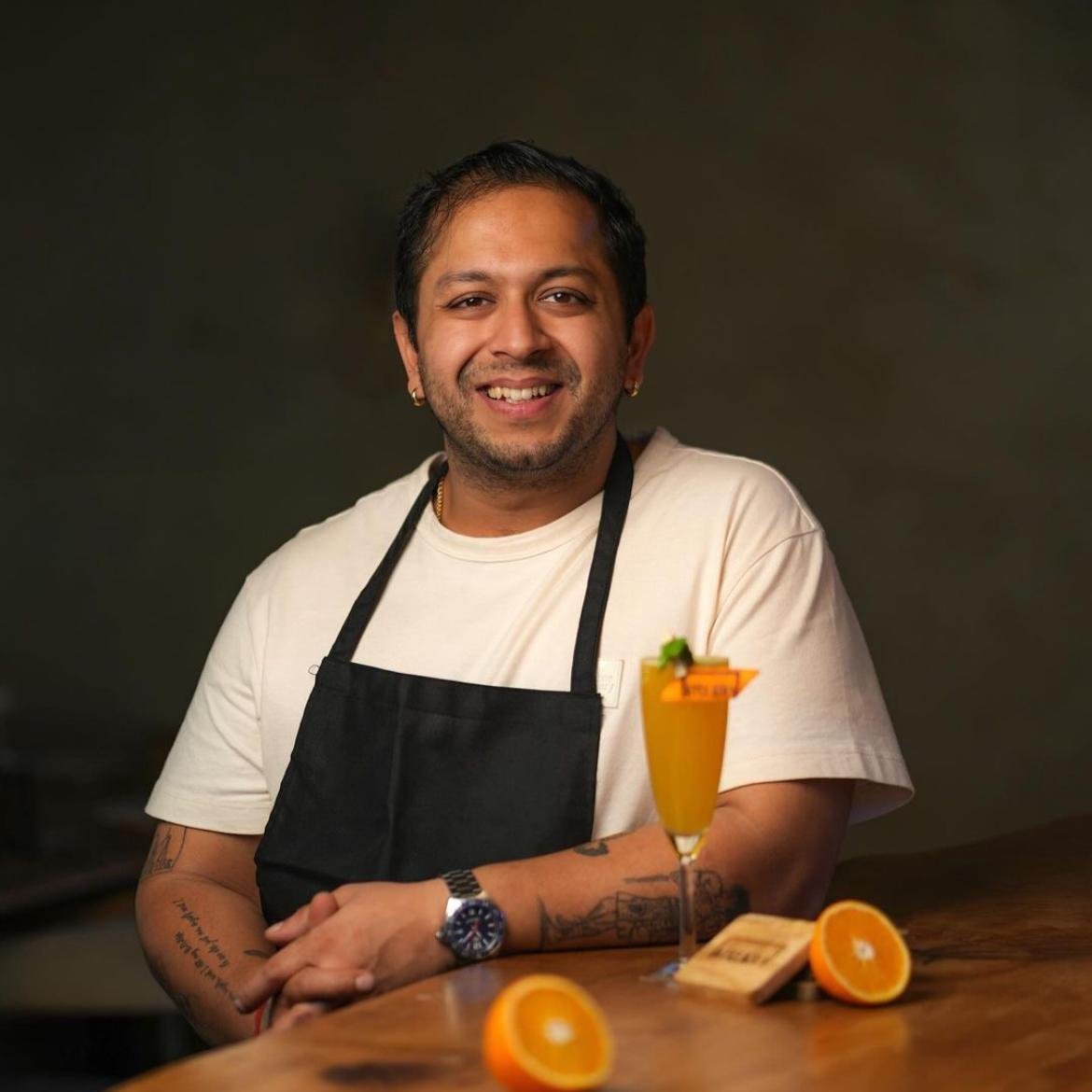
“In Indore, it’s still a fairly small set of diners who ask for gluten-free food. It’s not something we see every day in high volumes, but the awareness is definitely growing, especially among well-travelled guests or people who are more conscious about what they’re eating. Some celebrities have also made the gluten-free movement quite popular,” says Vedant Newatia, Founder and Head Chef, Atelier V & Masala Code.
He adds, “For us, it hasn’t really been about creating a separate gluten-free menu. It’s more about being mindful while designing dishes, either by keeping them naturally gluten-free or by ensuring they can be easily adapted without altering the dish too much.”
Rethinking Ingredients & Techniques
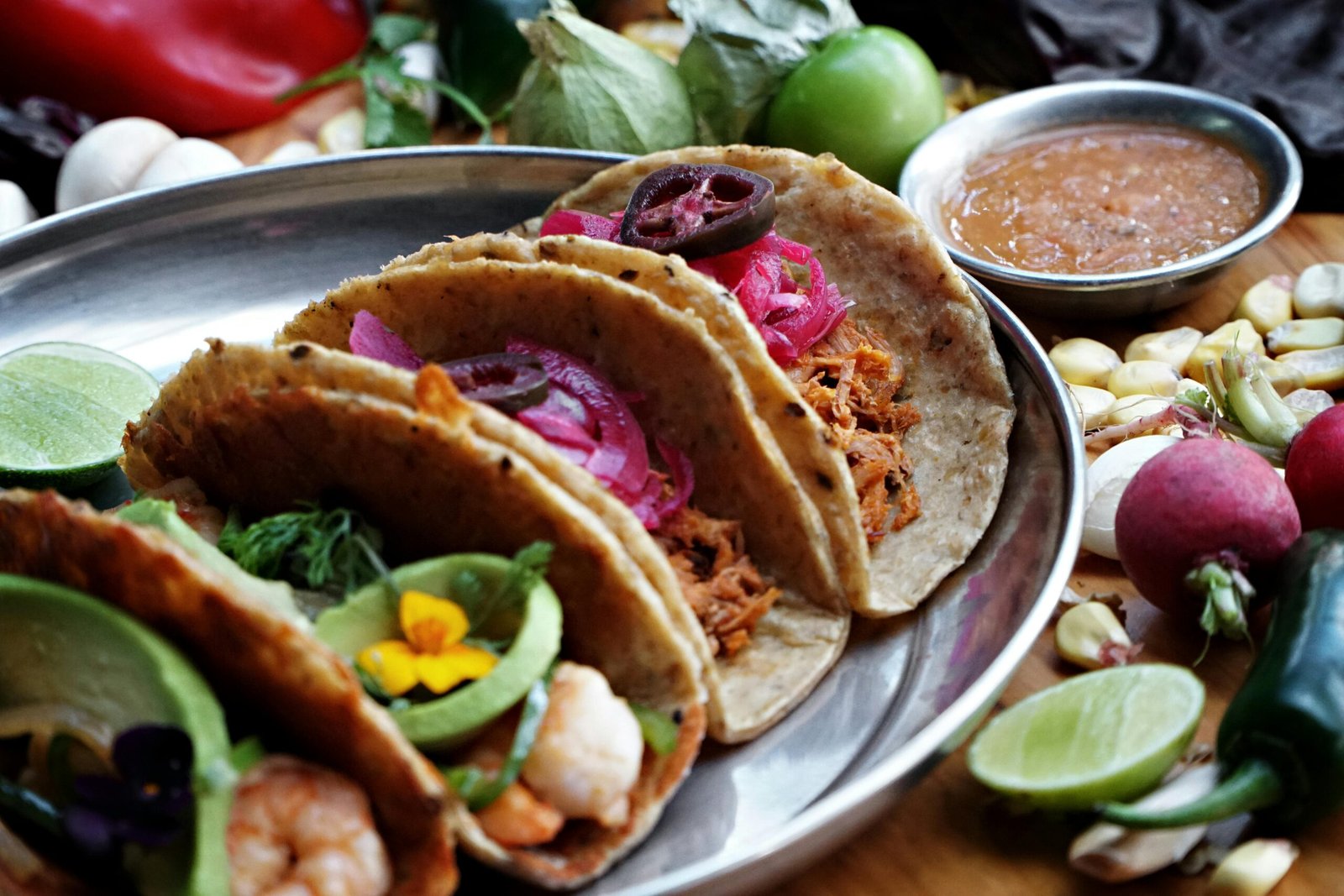
Adapting to gluten-free cooking requires creativity. Traditional thickeners, breads and pastas often rely heavily on wheat, forcing chefs to shift to alternative ingredients. Many kitchens now use substitutes such as chickpea flour, quinoa, potato starch, arrowroot or rice flour in sauces and batters. Corporate chef Rolf Baumann says that restaurants have had to rethink ingredients entirely: “We’re working with chickpea flour and potato flour and quinoa. We’re training our chefs to use them.”
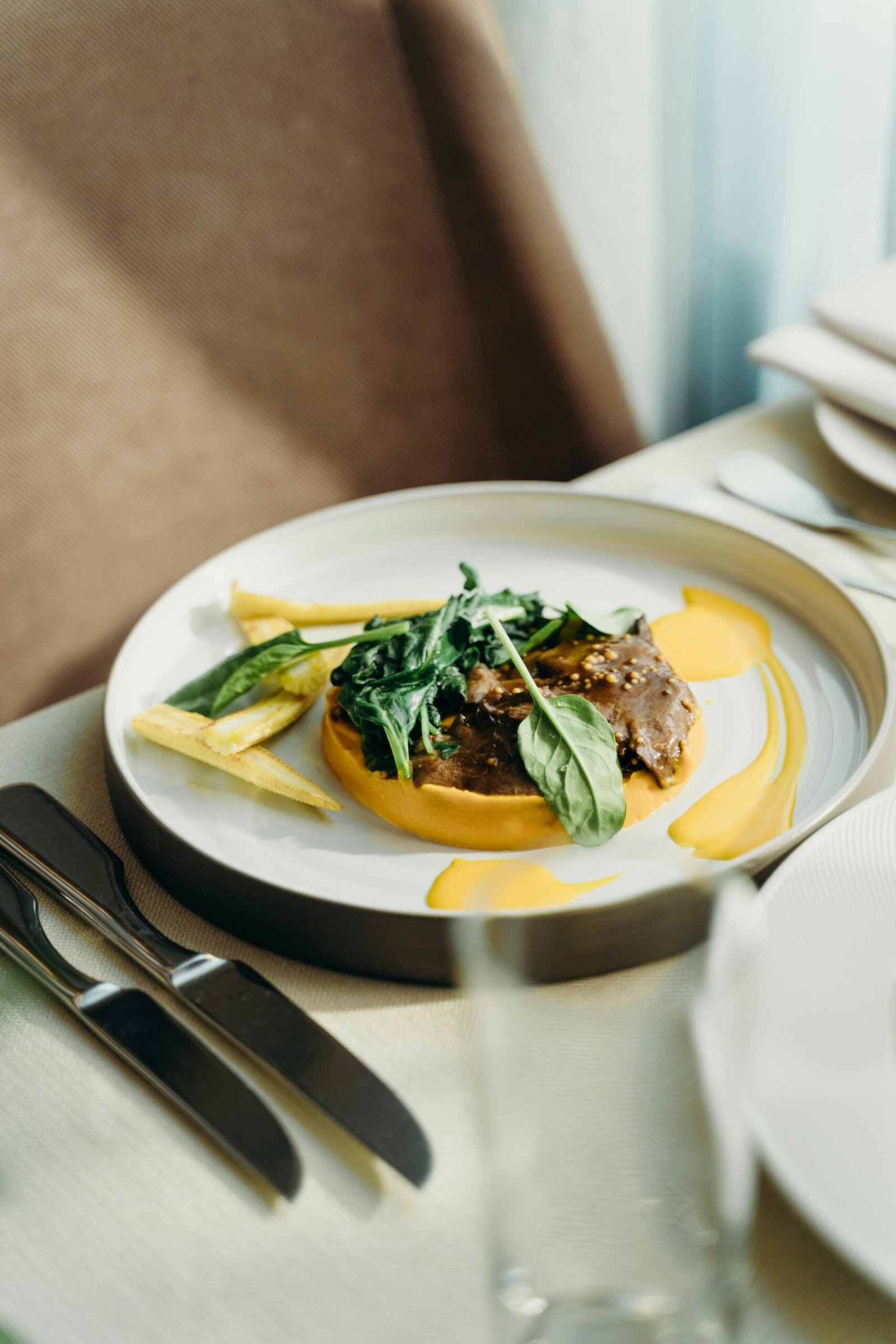
Some chefs also point out that many global cuisines are naturally gluten-free or easily adaptable. Rice-based dishes, corn tortillas, lentils and millet grains allow chefs to create menus that are inclusive without feeling restrictive. Chef Vedant explains, “Indian cuisine already gives you a strong base to work with. We use a lot of rice in different forms, and flours like besan quite naturally. From a global perspective, I enjoy working with quinoa, buckwheat, and corn-based elements; they provide good structure and don’t make you feel like you’re compromising the dish.”
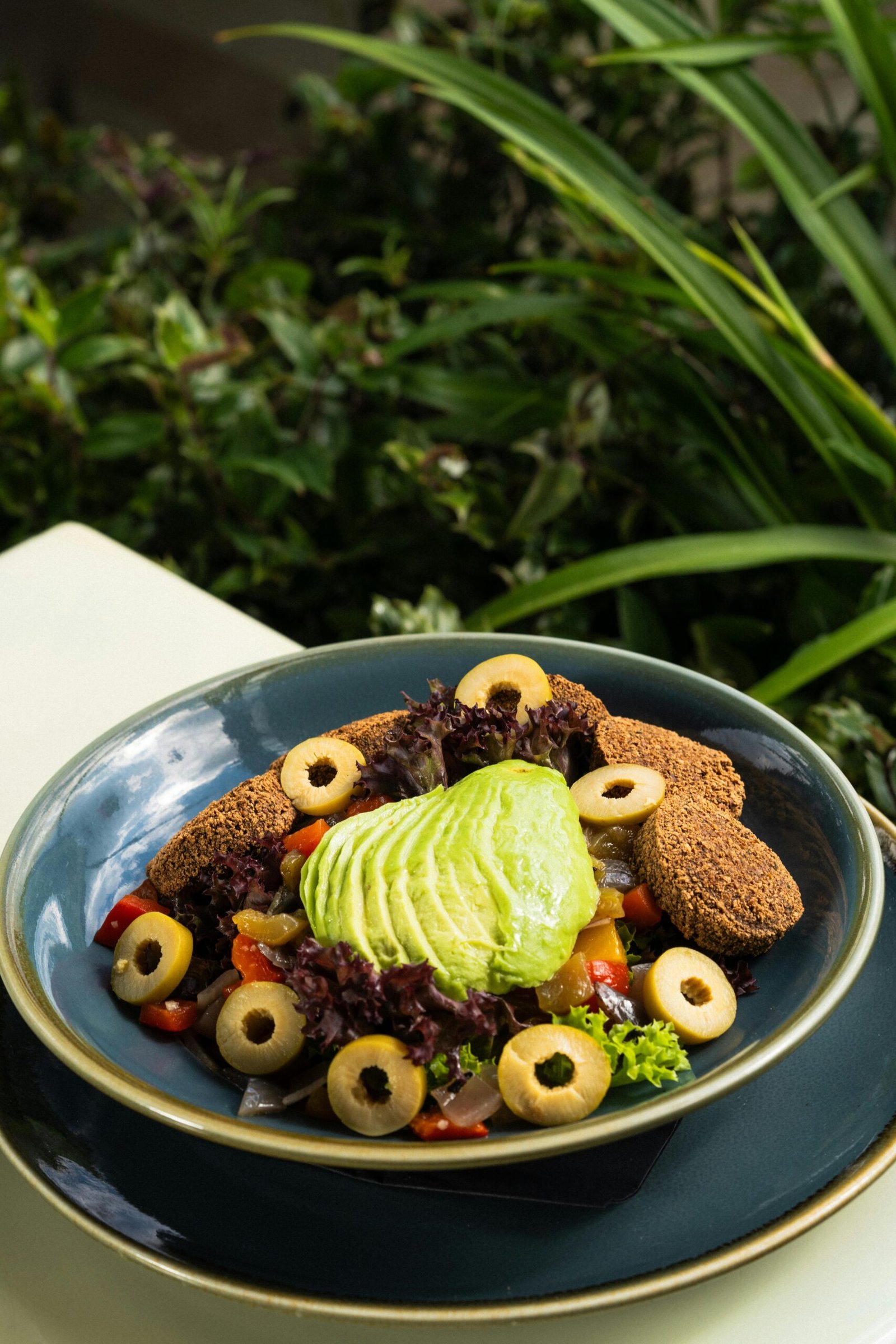
The need to adapt has also given rise to experimentation in the kitchen. “The moment you take wheat out of the equation, you have to rethink a lot of basics,” Chef Vedant points out. “The way something binds, how you achieve crispiness, and even mouthfeel. That naturally pushes you to experiment. We’ve tried different flours and explored alternative techniques to achieve similar depth. In a way, it simplifies things too; you rely more on the actual ingredients rather than what’s holding everything together.”
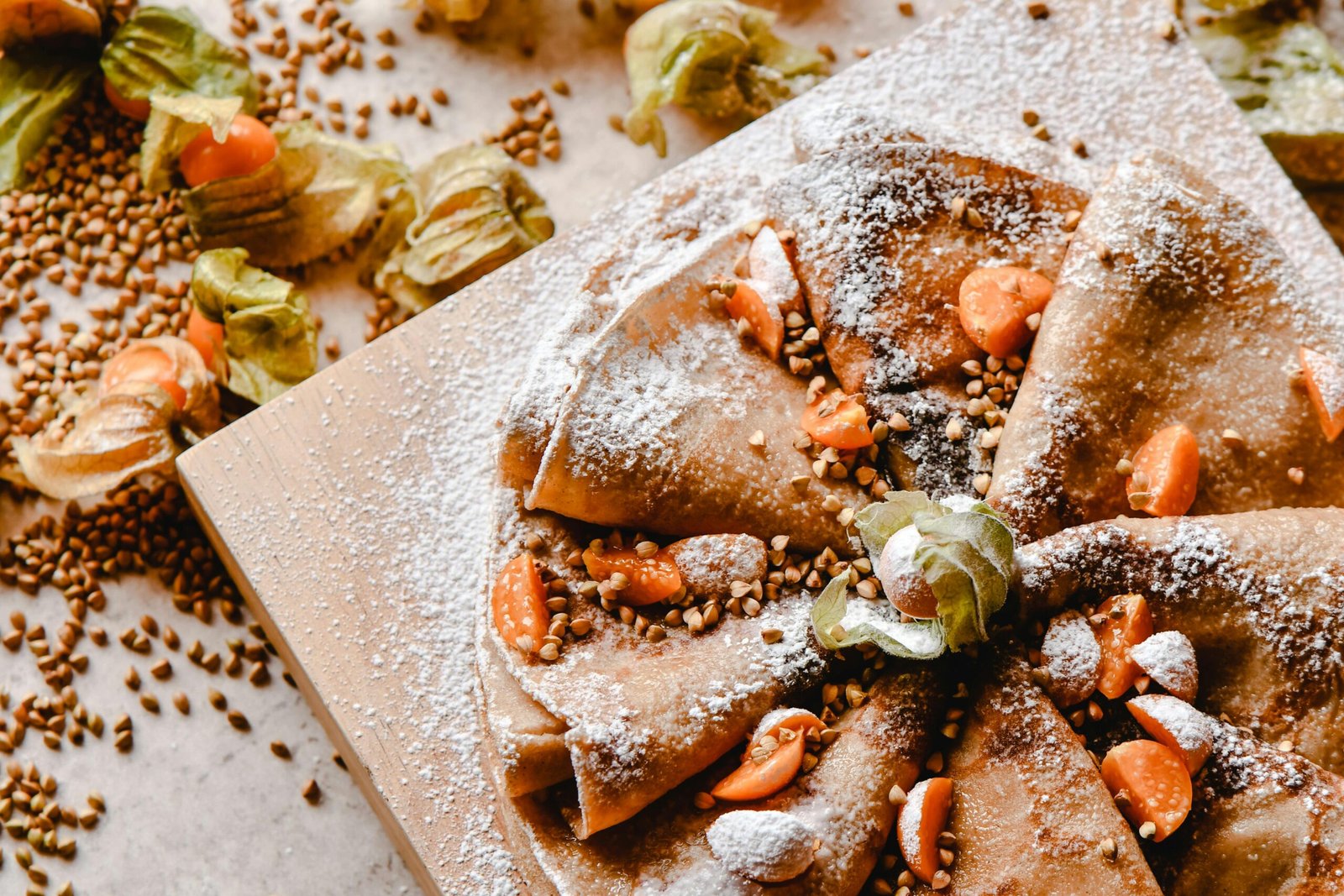
Importantly, the goal is not to produce food that feels like a compromise. Modern gluten-free dishes are designed to be just as flavourful and satisfying as their traditional counterparts. And it seems like Chef Vedant agrees, “I think the mindset shift is important. If you stop treating gluten-free as a limitation and start seeing it as just a different way to approach texture and flavour, it becomes much easier. Some dishes are even better, for example, tacos made with masa dough are better than regular flour tortillas.”
Intuitive Kitchens
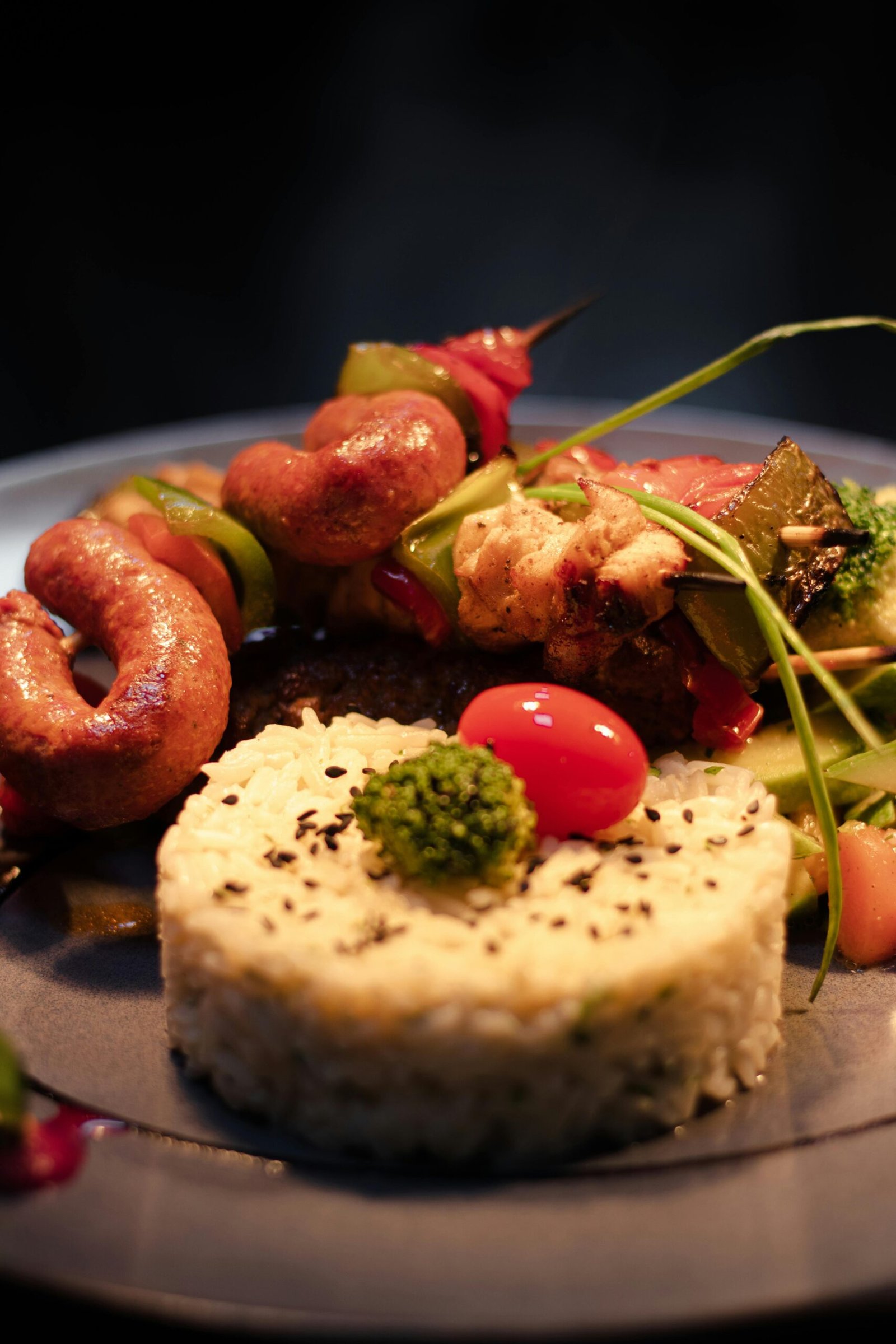
The rise of gluten-free dining has also forced restaurants to reconsider their kitchen practices. Preventing cross-contamination is essential when serving guests with coeliac disease, which means that careful preparation protocols are required. “In a busy kitchen, it’s very easy for things to overlap – shared fryers, prep areas, wash areas, and even storage. So, you need strong systems in place and a team that’s trained to be careful about it,” Chef Vedant highlights.
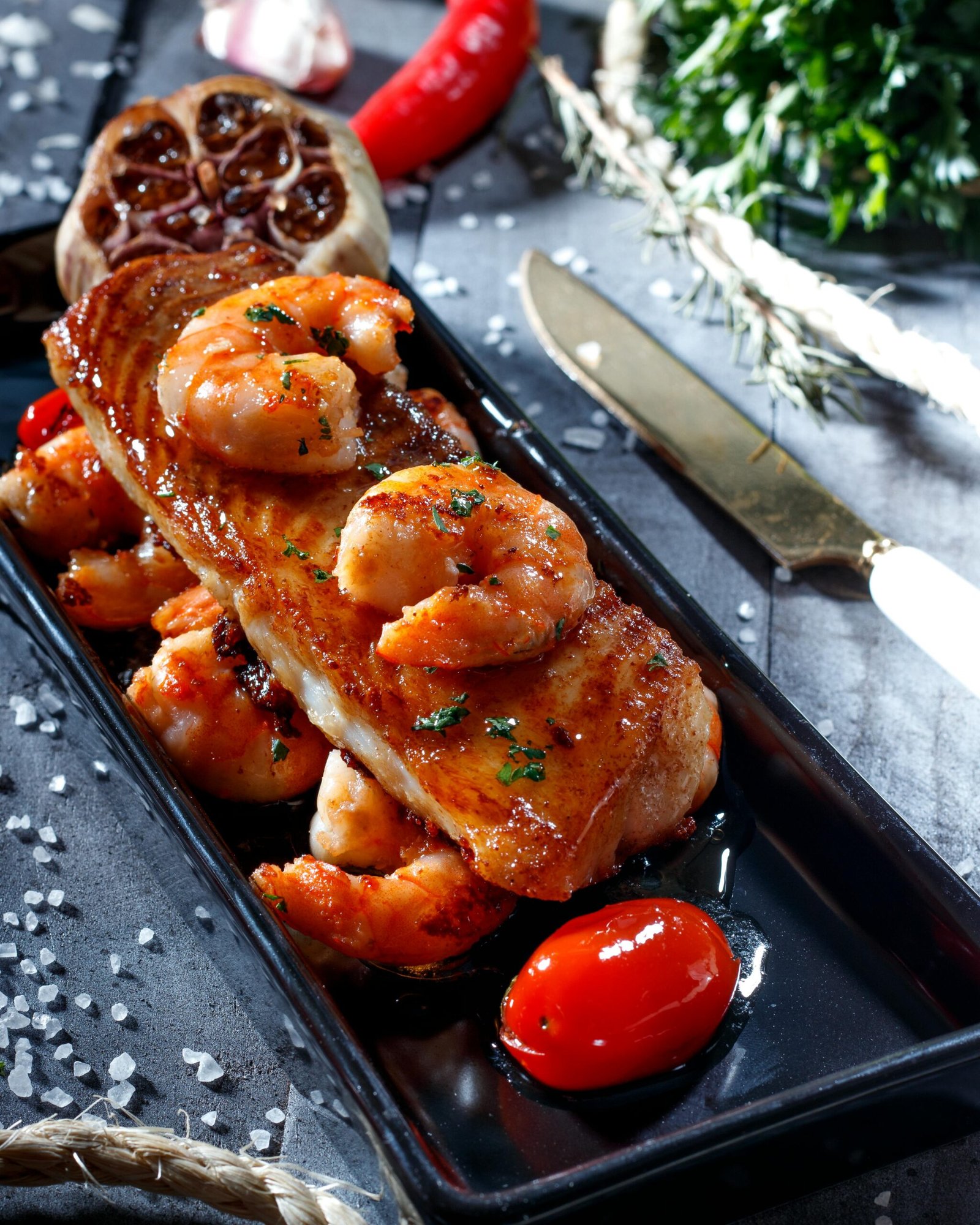
In many restaurants, staff are trained to handle allergen-friendly dishes separately. Colour-coded utensils, dedicated cooking surfaces and clearly labelled ingredients are becoming standard. Some establishments even go further by installing separate ovens or preparation stations for gluten-free dishes, an investment that reflects how seriously restaurants now take dietary safety.
Not Just A Compromise
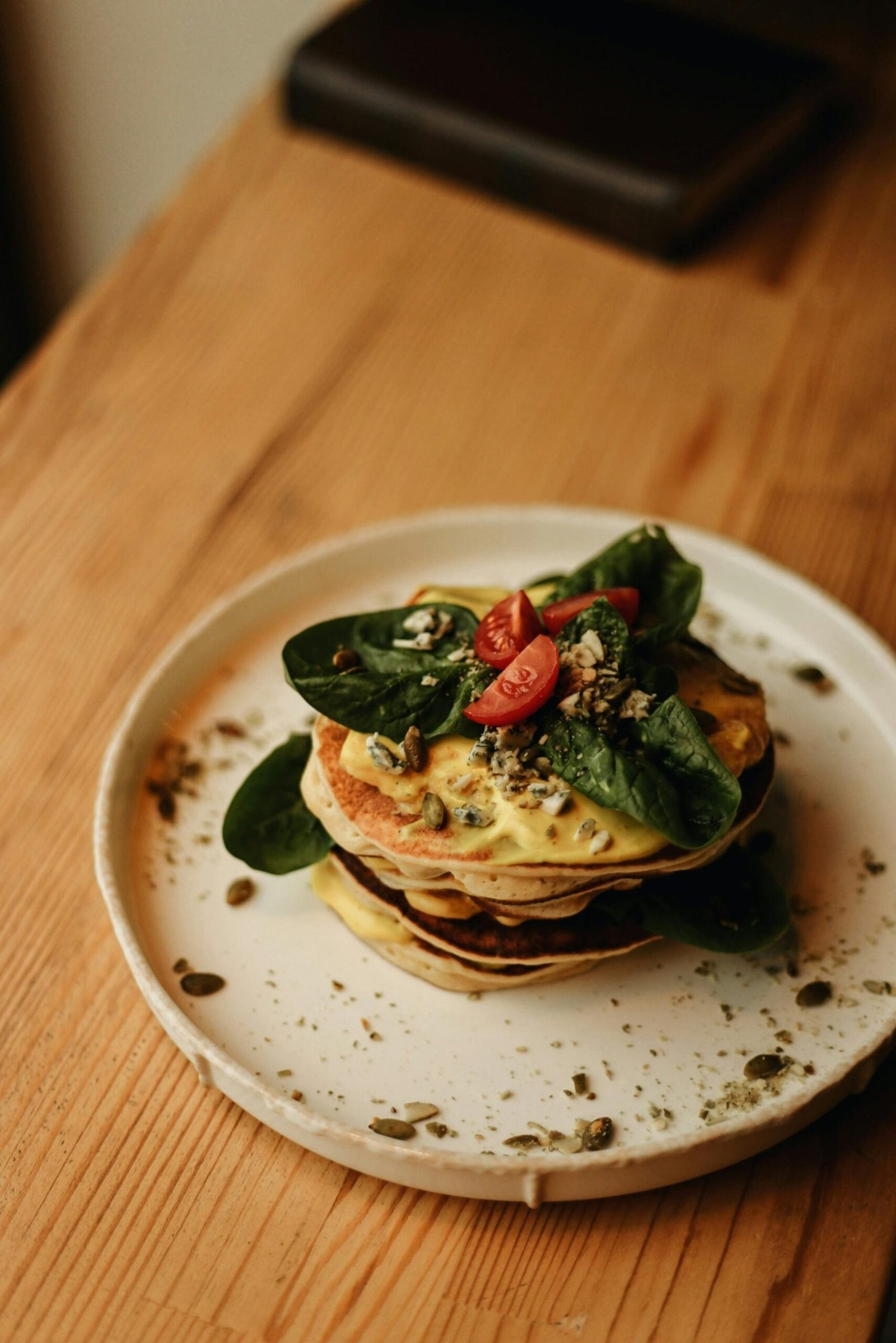
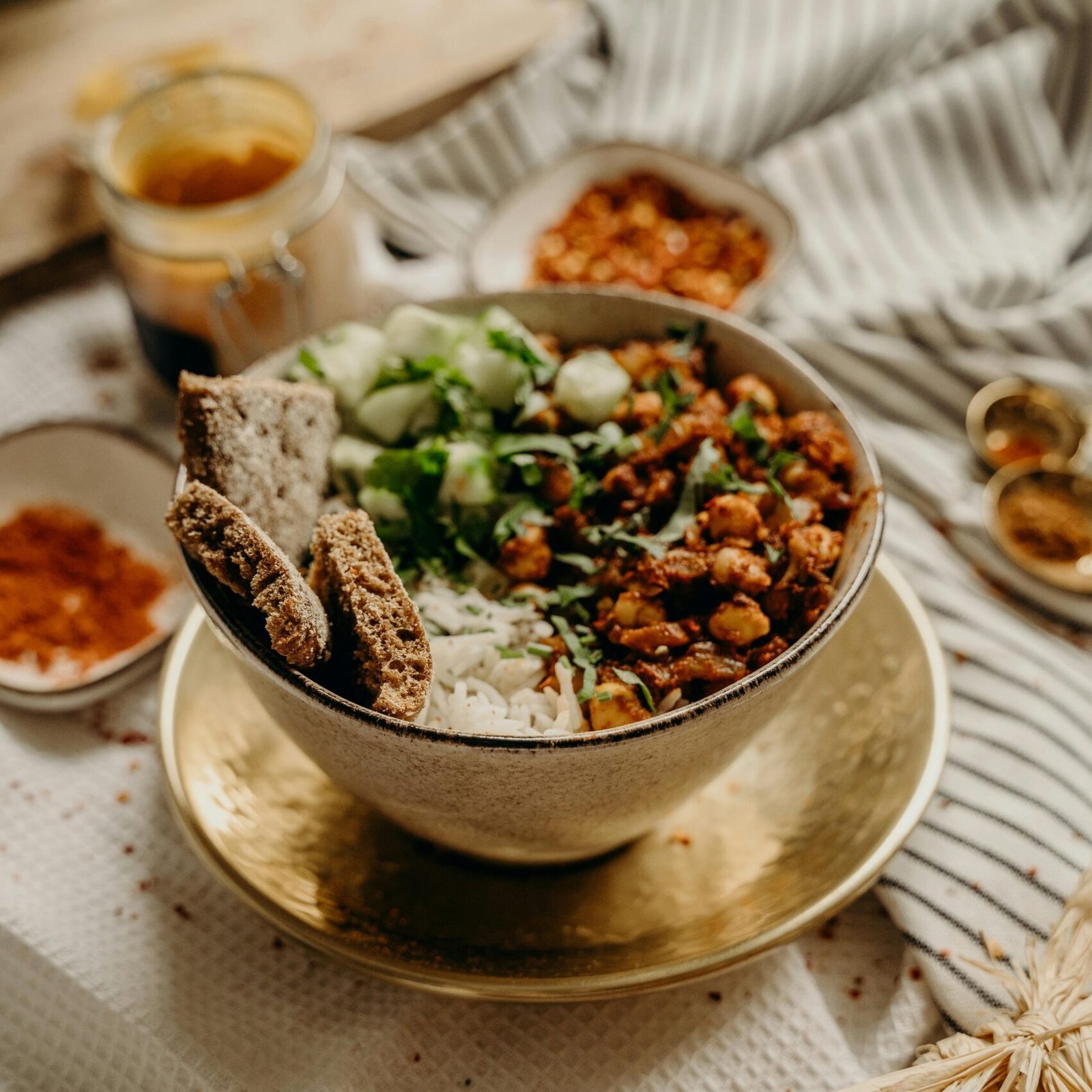
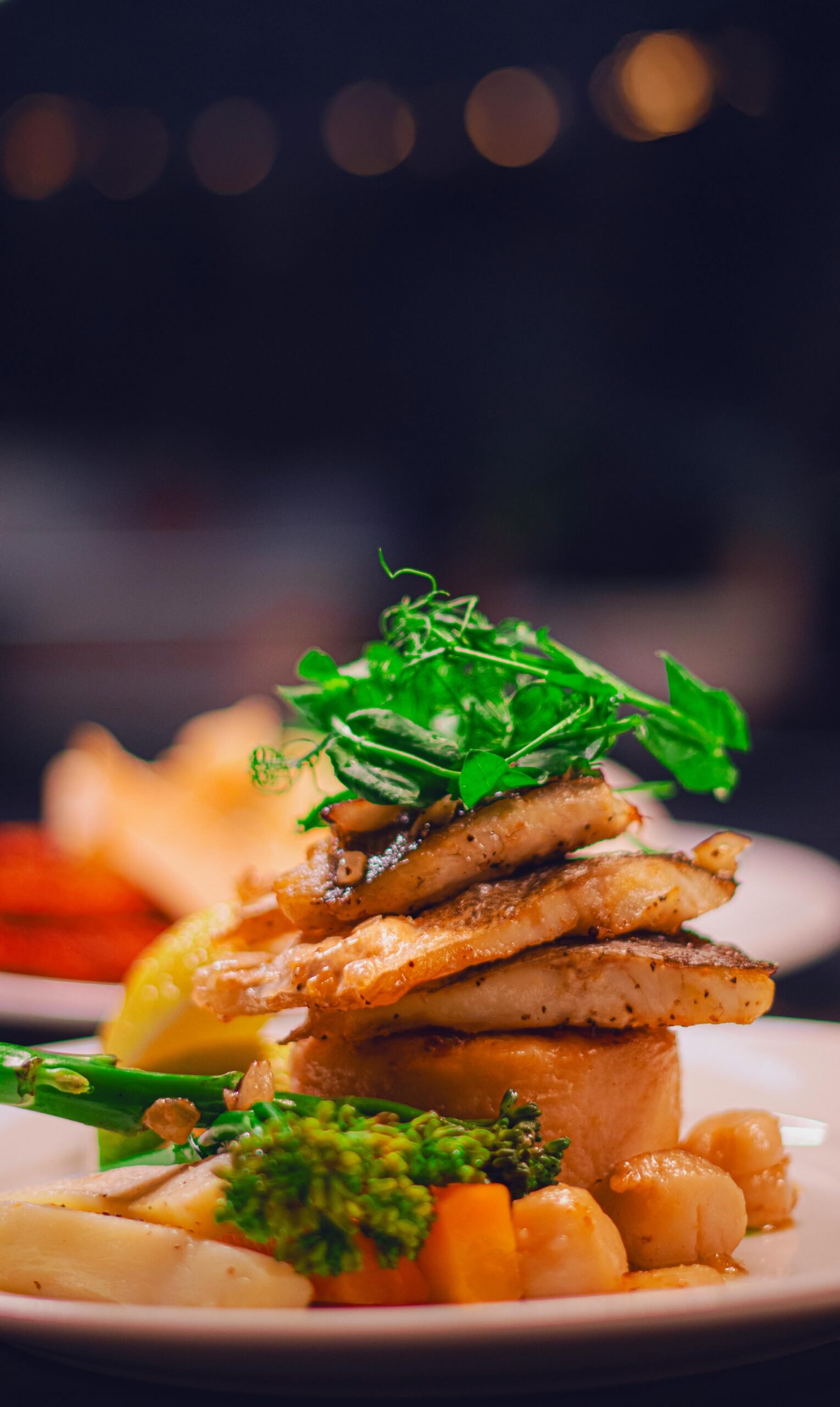
What’s really helped gluten-free dining take off is the food itself. From millet or rice-based pastas and dosas to grilled mains like lemon butter fish with sautéed vegetables, or rice bowls topped with roasted vegetables and tender meats, nothing feels like a compromise anymore. Even desserts, think almond flour brownies, coconut flour pancakes or flourless chocolate cakes, hold their own. Chefs are using ingredients like chickpea flour for crispy fritters, lentils for hearty stews, and quinoa for fresh, textured salads – proving you don’t need gluten to make a dish taste good. In fact, many of these dishes feel lighter but just as satisfying.
Bon Appétit
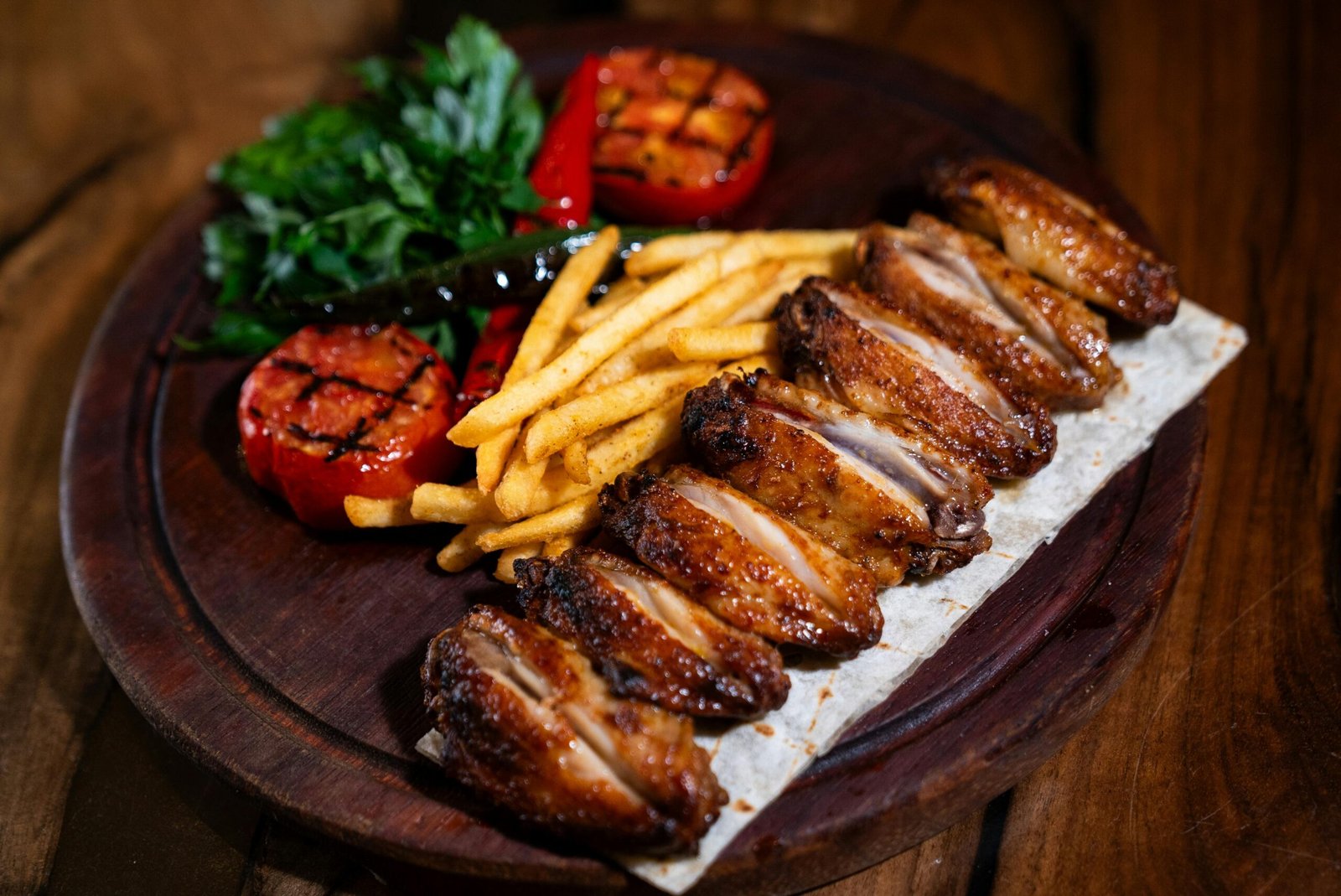
Gluten-free cooking is slipping seamlessly into everyday menus, with chefs creating dishes that are naturally inclusive rather than set apart. It reflects a broader shift towards more flexible, thoughtful cooking – where dietary needs spark creativity instead of restriction. What started as an adjustment has now become part of how modern kitchens evolve and stay relevant.