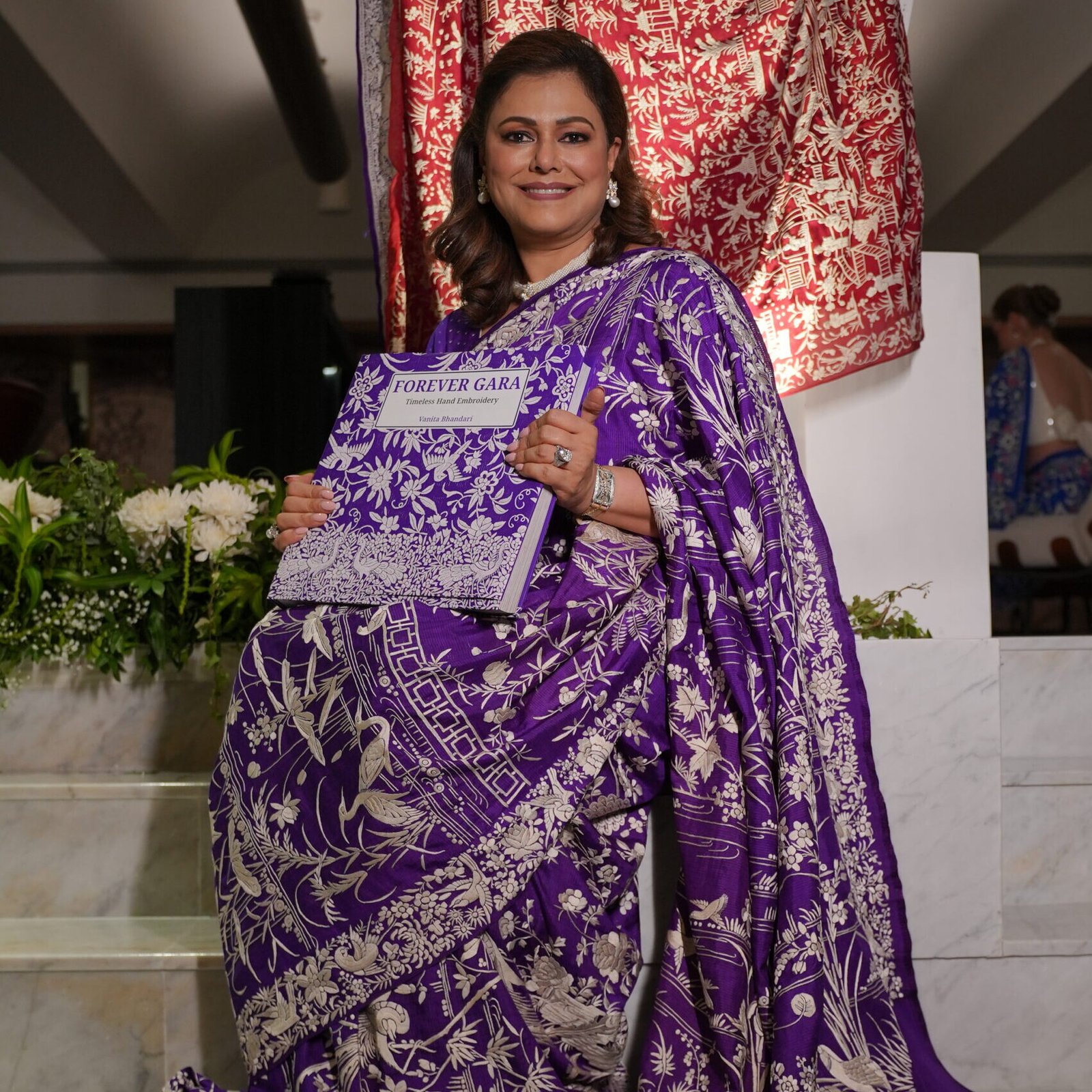
With its delicate motifs and rich history, Gara embroidery has a story to tell. In ‘Forever Gara’, entrepreneur and author Vanita Bhandari talks about her journey with this timeless craft – and the stories woven into every piece.
By Nichola Marie
Gara embroidery, for Vanita Bhandari, is not just an art form but a deeply personal inheritance – one that she has lived with, learnt from, and now documents in her coffee table book ‘Forever Gara’. Drawing from a lifetime of observing her mother, revivalist Perveez Aggarwal, and years spent engaging with the craft herself, Bhandari speaks about the stories woven into each piece, the journey of Gara across cultures, and the importance of preserving its intricate, hand-crafted legacy in a changing world.
Excerpts from the interview…
Your book feels deeply personal, almost like a tribute. How did your relationship with your mother, Perveez Aggarwal, shape both your understanding of Gara and your decision to document it in this form?
Yes, it is personal, a narrative linked with my experiences with the Gara. It is, in many ways, a tribute to my mother, Perveez, who believed in cherishing beautiful things. From my earliest days, I would watch my mother drape her Gara for an evening out. It was done not so much for vanity as for a respect for something created with the hand and the heart. I wasn’t taught, but imbibed my mother’s love for aesthetics. At first, I thought I would just document the photographs I had, but the story just evolved. And being home during the pandemic helped!
You describe Gara embroidery as something that tells stories — almost like visual narratives. What, in your view, gives Gara its enduring emotional and cultural resonance across generations?
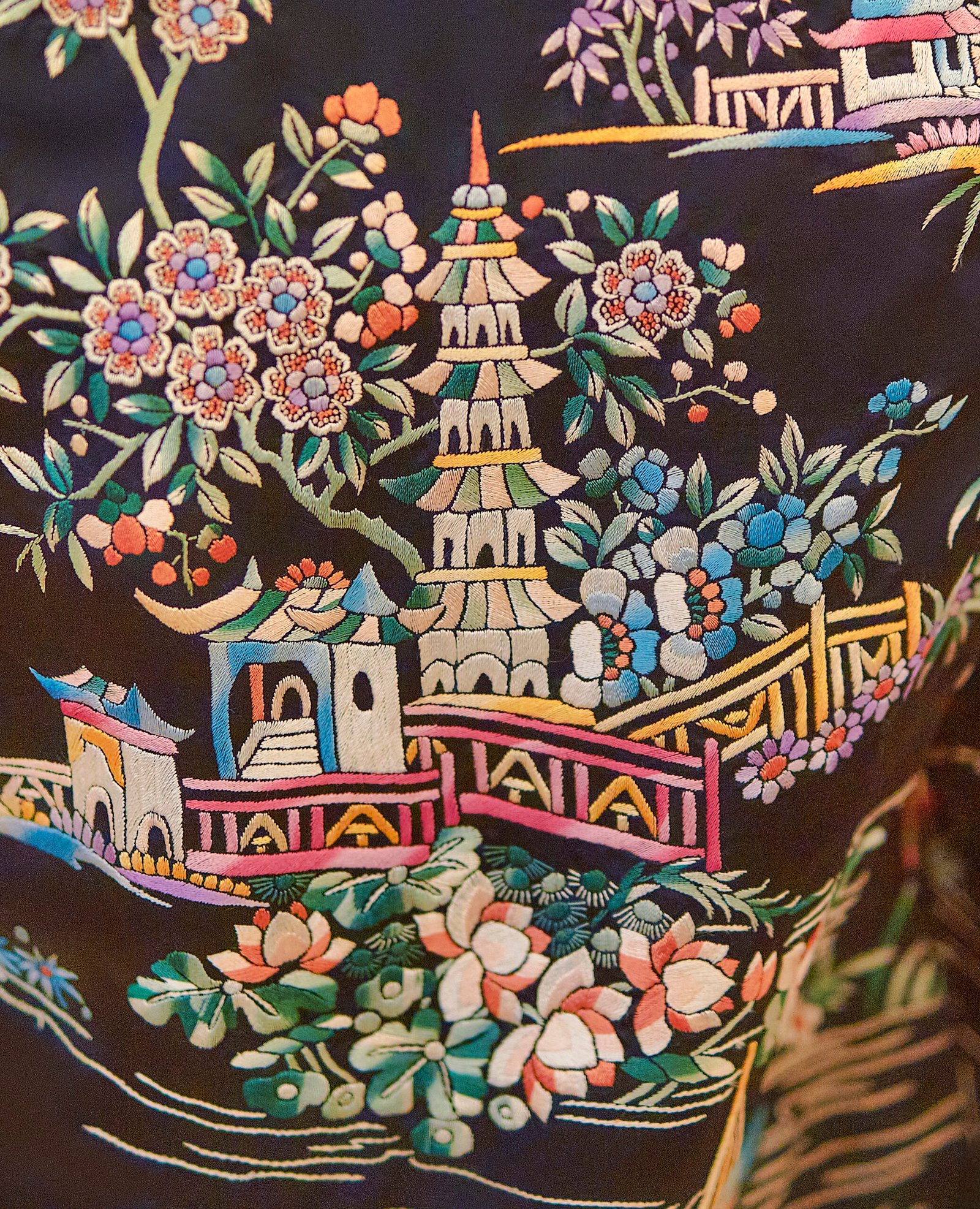
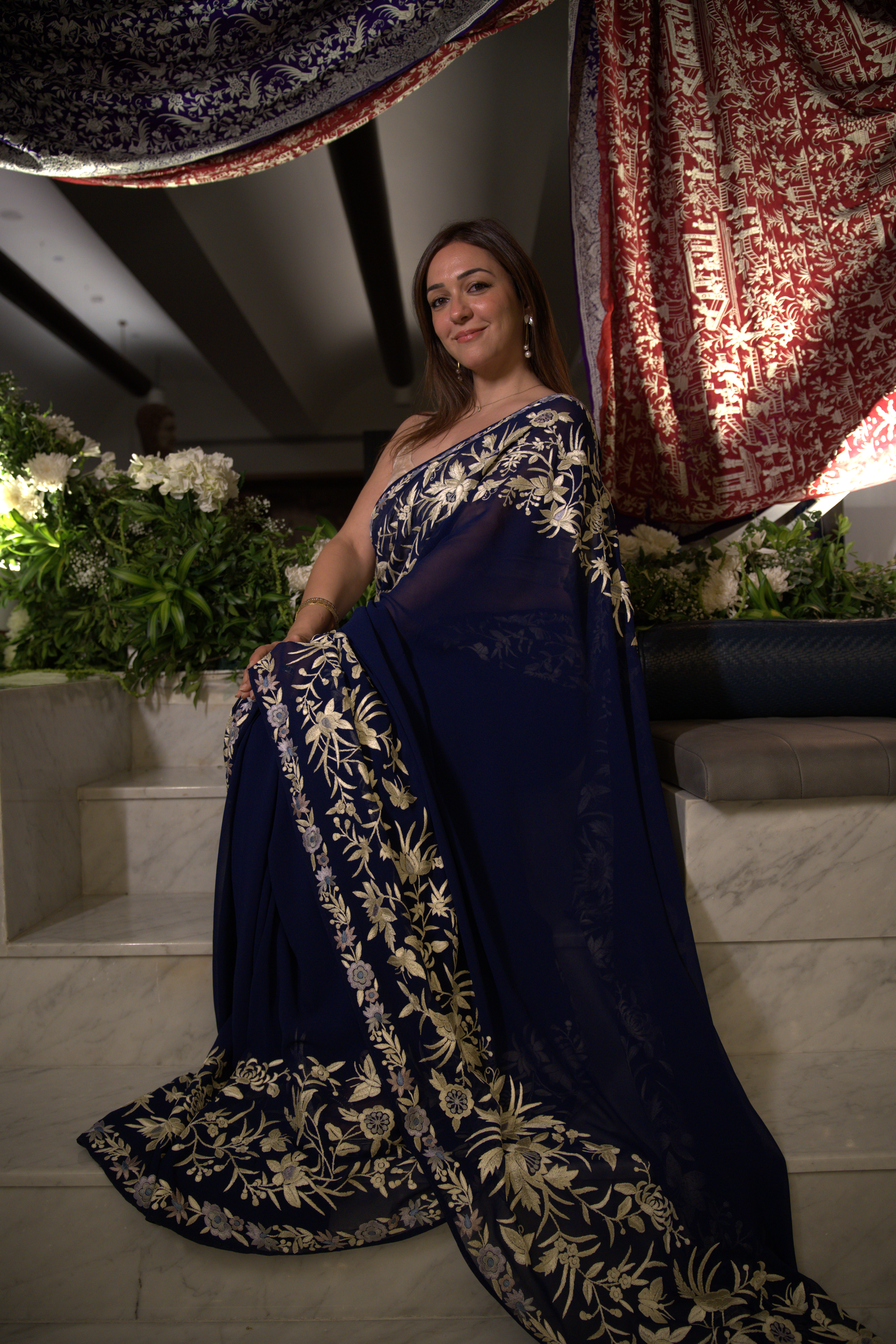
Well, the sari is a silken canvas and the stories embroidered on Garas are so fascinating. My coffee table book ‘Forever Gara’ traces the journey of Gara from the old trade routes between Canton in China and Gujarat in India, with motifs embroidered with photographic detail. A visual journey, it resonates with everyone and is personal.
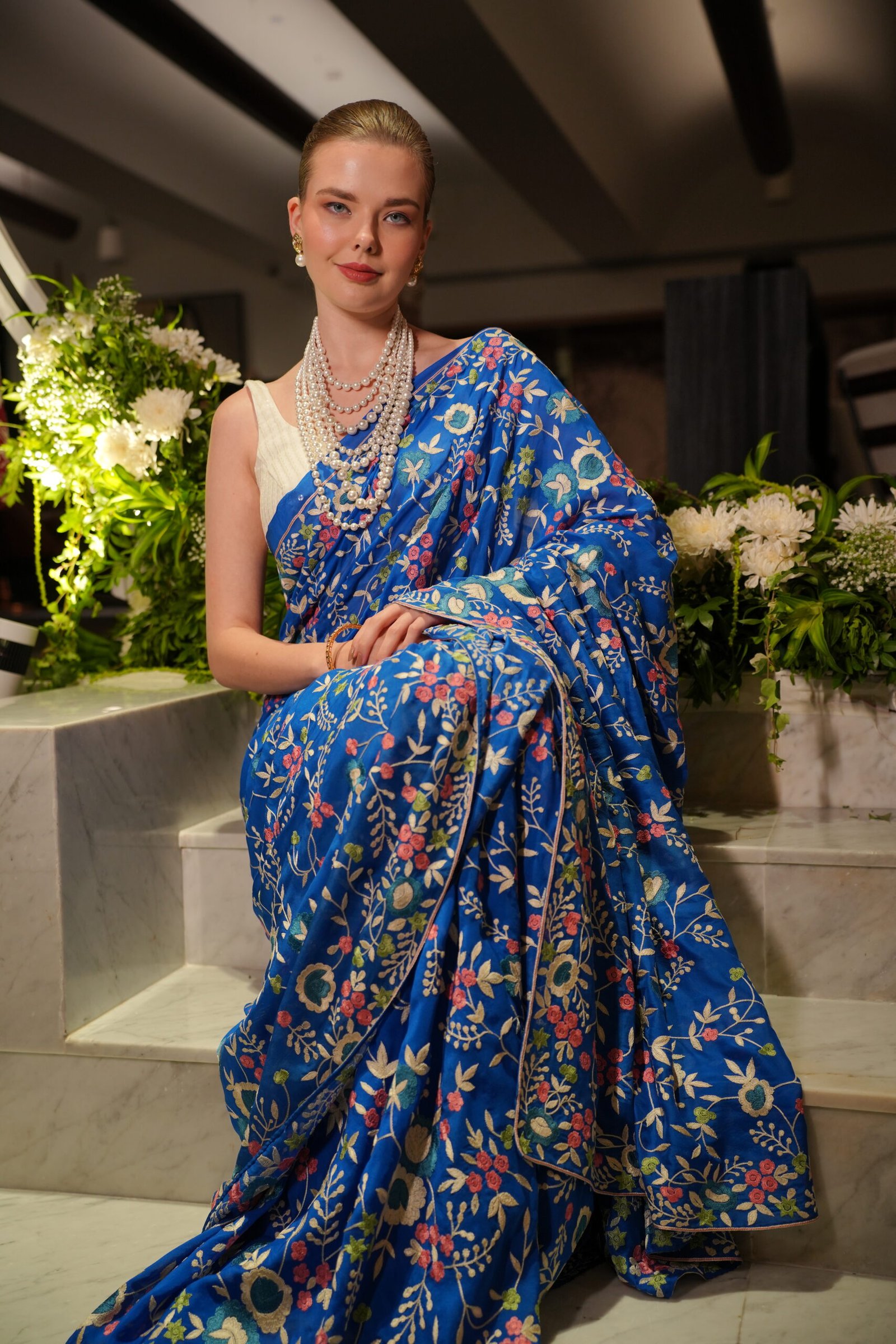
Gara is an excellent conversation opener. As for spanning generations, Gara is never old-fashioned. In fact, its historic symbolism makes it unique. Many young clients are slowly waking up to this exquisite embroidery and we are pleased to see the shift.
The book traces Gara’s journey from China to India. What surprised you most while researching its cross-cultural evolution and historical context?
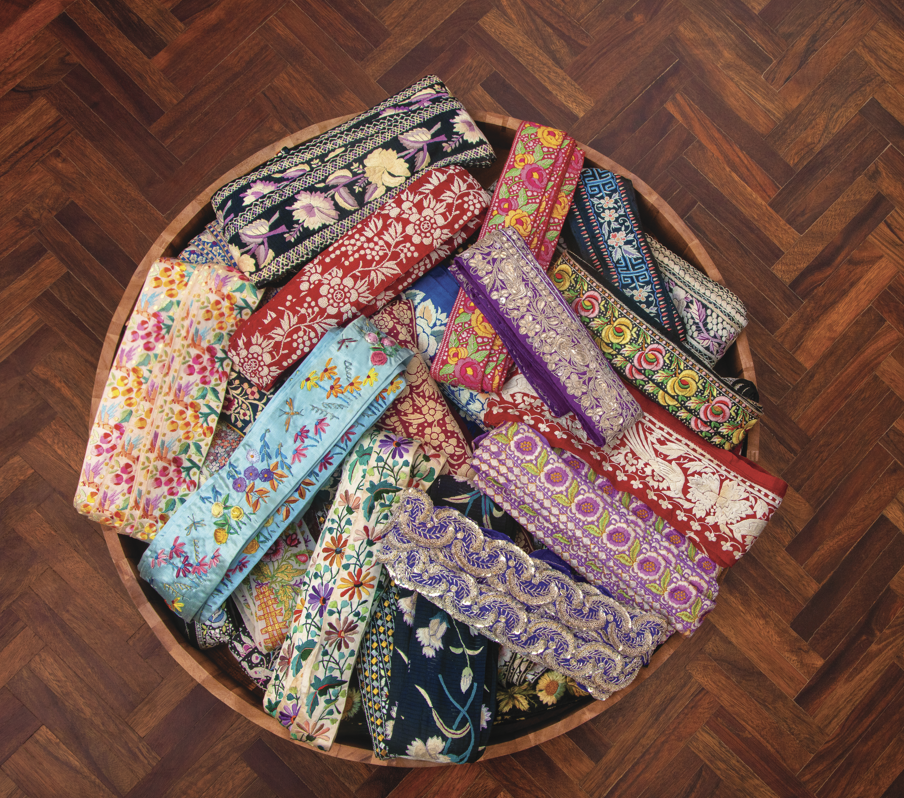
What surprised me was that there was practically a history book hidden in our almirahs. The craft travelled with Parsi traders from Canton to India, but over time it evolved into something unique and special to the Parsi community. You still see Chinese influences in the motifs – like pagodas, birds and delicate florals but they were reinterpreted through the lens of Parsi traditions. Discovering how these two cultures came together so beautifully in a single tradition was fascinating, and it really highlights how fashion and craft can carry histories of migration, trade and identity.
There is a strong emphasis on craftsmanship and the karigars behind the embroidery. In today’s age of fast fashion, how do you see the future of such intricate, time-intensive embroidery traditions?
The exclusive, hand-crafted art of Gara handed down from generation to generation, will always have a place with those who are discerning. Fast fashion comes and goes. The timelessness of the craft will be forever. But I do admit that machine work is a threat to the livelihoods of the artisans. This is across all craft forms as well as Gara. That’s why my mother was active as a revivalist. And so am I.
“Details matter” is a recurring philosophy in your narrative. How has this principle influenced not just your appreciation of Gara, but also your approach to business and life?
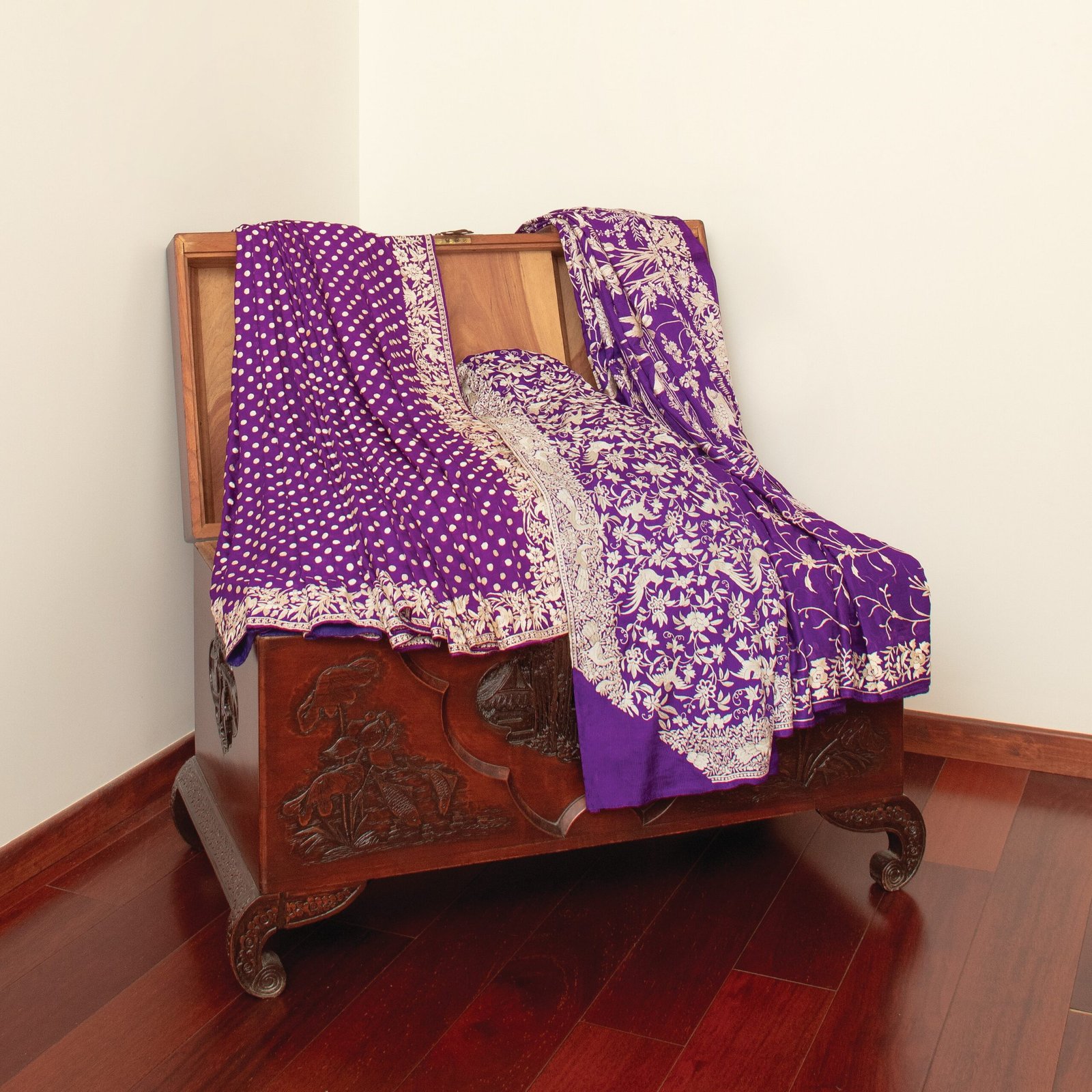
I confess I am a little obsessed with details; they do matter. Whether in my business centres or my boutique, or my home. I like to make things as perfect as possible. In my defence, I would say that I don’t wait for somebody else to correct things, but just go ahead and do it myself. If a thing is worth doing, it is worth doing well. Takes the same amount of time!
With chapters like “Re-inventing the Gara,” you touch upon its contemporary relevance. How do you strike a balance between preserving authenticity and allowing innovation within such a heritage craft?

The beauty of this art is that it never goes out of style. That’s what makes it a heritage craft, sought after, even in a world as fickle as fashion. Gara embroidery is so adaptable. It is stunning on saris and traditional outfits. And with a little bit of imagination, Gara becomes a la mode for the latest outfits and creations. Many of our clients opt for jackets or lehengas with Gara work, so authenticity and innovation go hand-in-hand with Gara embroidery.
Your book has clearly touched many hearts, especially among friends and fellow Gara enthusiasts. Could you share a few meaningful glimpses of the love and appreciation that have come your way?
My friends, clients and lovers of Gara embroidery appreciate the long hours and painstaking handwork that go into the craftsmanship of creating this embroidery. I encourage them not to hoard their precious Garas but wear them on all occasions. Gara is not just a thing of beauty; it makes a fashion statement for the wearer, too.
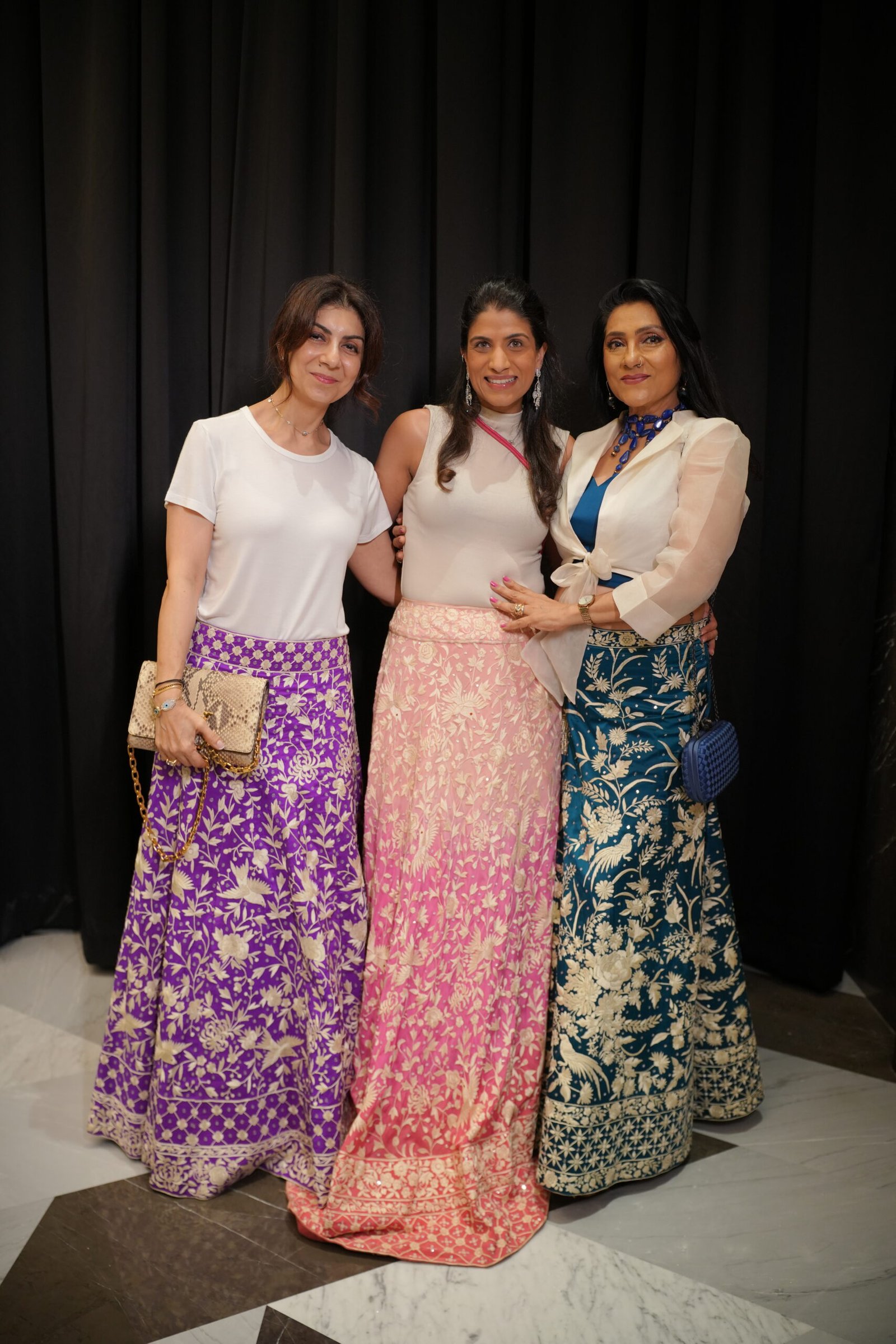
As Pheroza Godrej said, “Each Gara tells its own story in colour as well as pattern. More than ever, I can add for those who don’t have a Gara or a kor (sari border) – one can look at these images from the book ‘Forever Gara’ with wonder or awe for their exquisite embroidery. For me, friendship is like a Gara. These friendships with Garas have been made over centuries. If it is an heirloom that you have inherited, you get an insight into an individual who cherished the work and wore it with pride.”
For The Love Of Gara: Voices Of Appreciation
“Vanita is a good friend of mine, and I’ve known her for many years. Her mother Perveez Aggarwal was deeply passionate about Gara work and played a significant role in bringing this intricate art to a wider audience. She loved wearing Gara herself and began creating pieces for others who admired the craft, eventually building it into something truly remarkable.
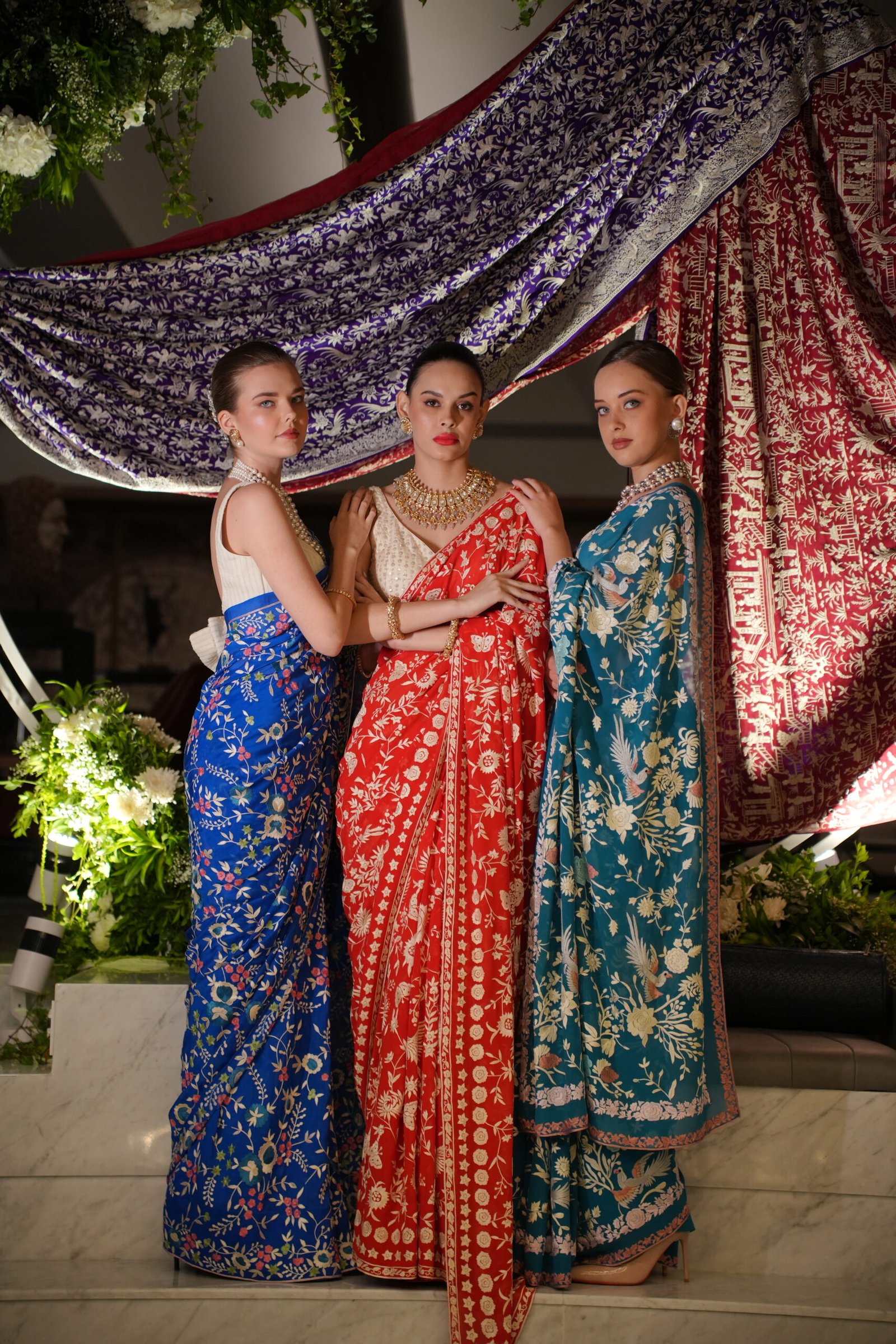
“This book beautifully reflects that passion. Vanita has carried forward her mother’s legacy with grace, preserving both the heritage of Parsi culture and the tradition of Gara work. The book is engaging and interesting because it traces the origins of Gara – from Iran, through the journey of the Parsis to India – and showcases how this intricate embroidery, with its delicate floral and bird motifs, evolved over time. It highlights the immense skill and dedication of the artisans who bring this work to life. Gara has since become a beloved and elegant form of embroidery, particularly for saris, admired for its beauty and timeless appeal.”
– Debbie Hitkari, industrialist
“Garas are heirlooms – timeless, elegant and something you never really fall out of love with. What I love about the book ‘Forever Gara’ by Vanita Bhandari is how beautifully it brings together the history, craft and visual richness of this embroidery tradition. As someone who loves sharing my culture through fashion, it feels incredibly special to see a craft so deeply rooted in the Parsi community documented in such a meaningful way, translated to a new generation to value and wear.”
– Scherezade Shroff, Content Creator
“I must have been about six at a navjot ceremony when I saw a lady wearing the most exquisite sari, embroidered with tiny birds, flowers and animals. I remember dragging my mother across the lawn just to see it up close, and when the lady let me touch it, she told me it was a Gara sari. I fell in love with that embroidery then and it has proved to be a love affair with Gara for life.
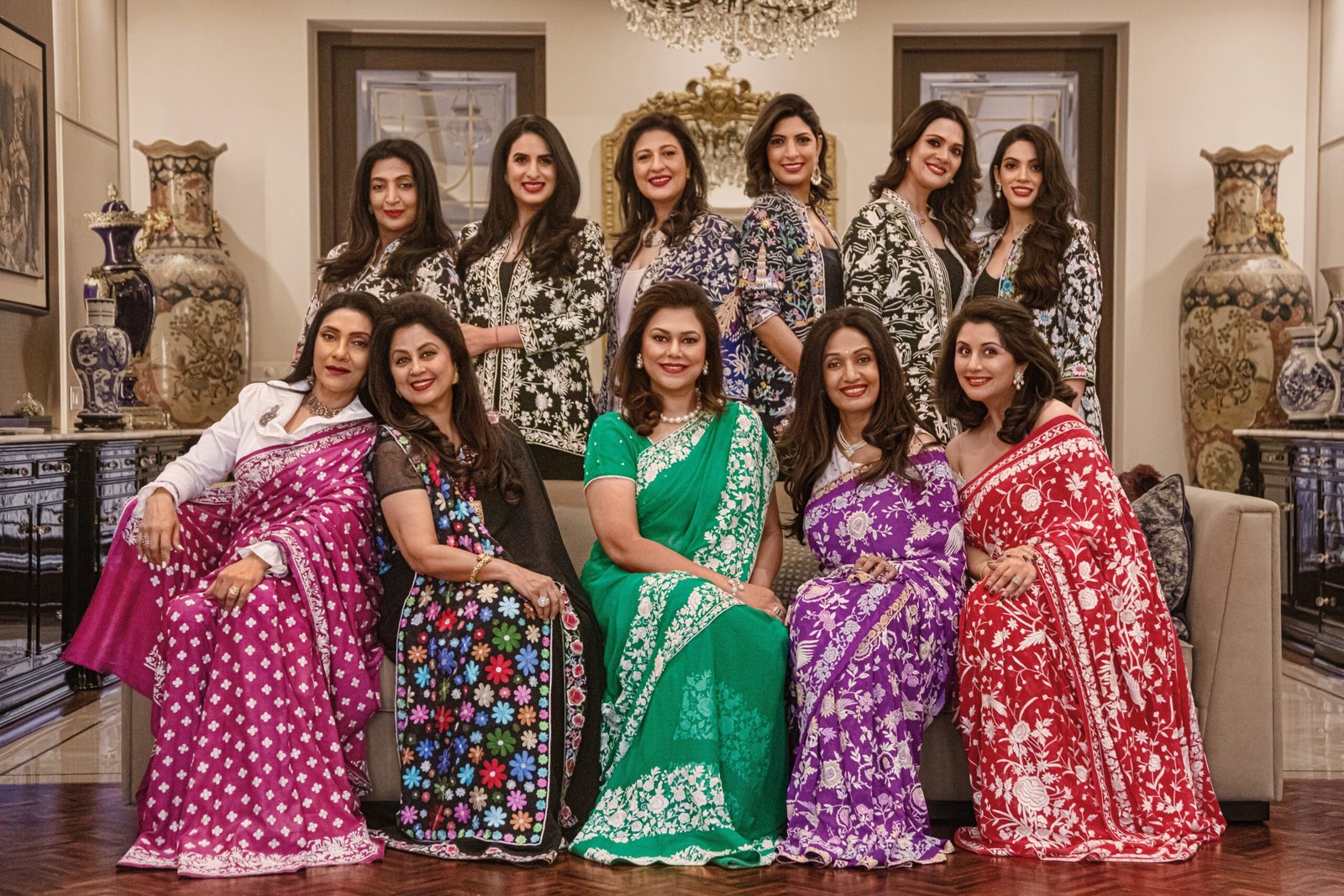
“My dear friend Vanita Bhandari has just launched the coffee table book ‘Forever Gara’ as a tribute to her mother, Perveez Aggarwal, the original revivalist of Gara. This book feels incredibly special and celebrates these archival treasures and the extraordinary craftsmanship behind them, while also continuing the legacy through PeGara. The launch itself was magical – a room full of people dressed in stunning Gara pieces, truly celebrating the beauty of this timeless craft.”
– Aarti Gupta Surendranath, Actor & Content Producer
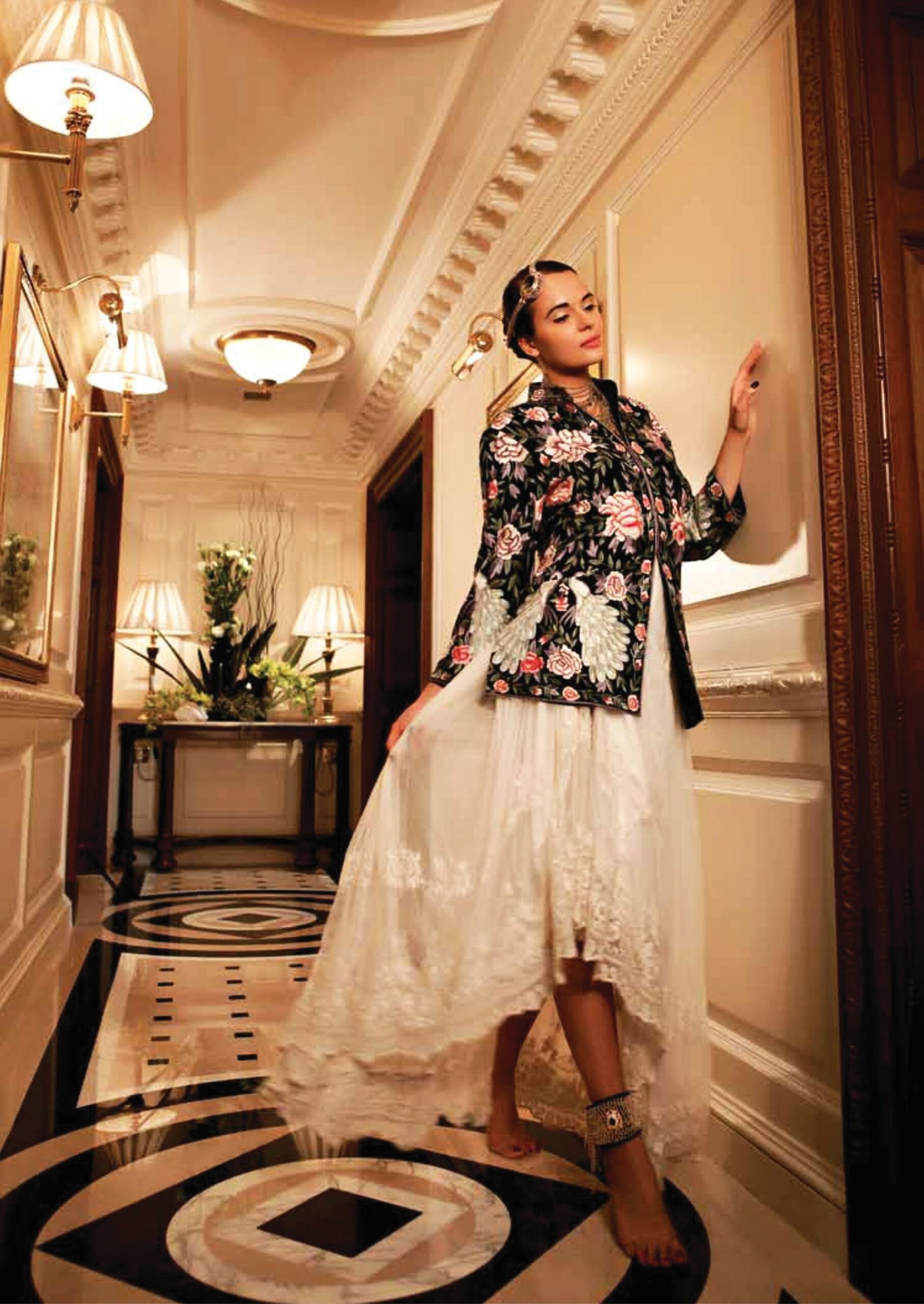
“As a Parsi girl, Gara has always been around me – at navjotes, weddings, family celebrations… It just feels like home. That’s why the launch of ‘Forever Gara’ by Vanita Bhandari felt special. The book beautifully captures the history, craftsmanship and nostalgia of this embroidery tradition, and flipping through its pages almost feels like stepping into a world of stories – with motifs like birds, the mythical Simurgh and delicate pagodas bringing each piece to life. The first PeGara Gara sari in my wardrobe is a heritage piece, passed down generations.”
– Nauheed Cyrusi, Actor & Content Creator
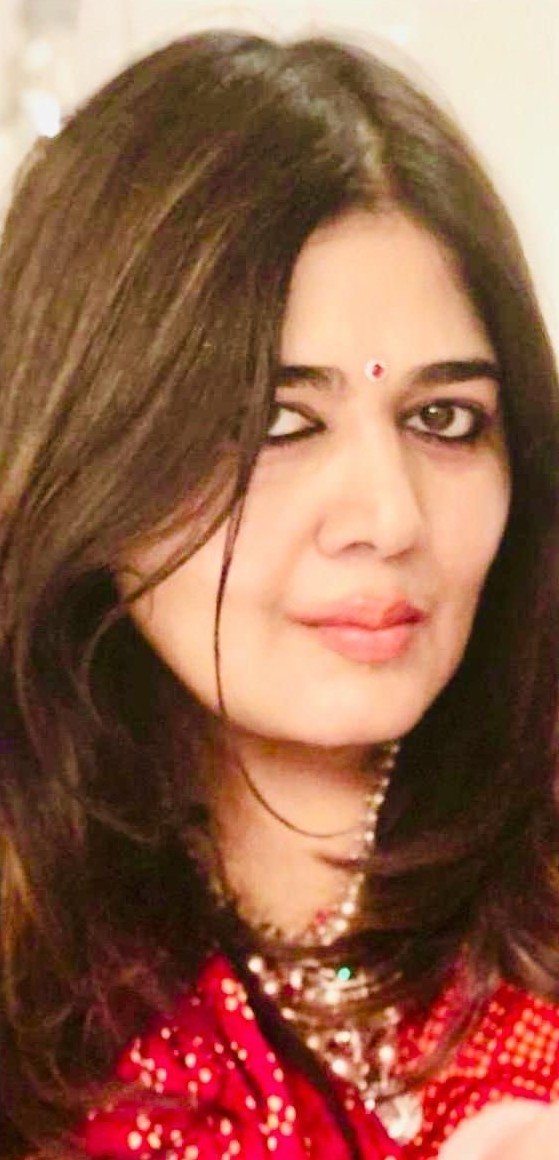
“I was so intrigued by the beauty of Gara that I knew I had to own a piece myself. ‘Forever Gara’ by Vanita Bhandari feels incredibly special because it’s such a heartfelt tribute to her mother Perveez Aggarwal, who was so passionate about reviving this craft. As you turn the pages, you really begin to appreciate the delicate stitches, the beautiful motifs and the incredible patience of the artisans who create these pieces. There’s something very nostalgic about it all. Whenever I wear my red fishtail Gara skirt from PeGara, I instantly feel elegant and sophisticated, almost like carrying a little piece of that heritage with me.”
– Ghazalah Moloobhoy Mody, businesswoman