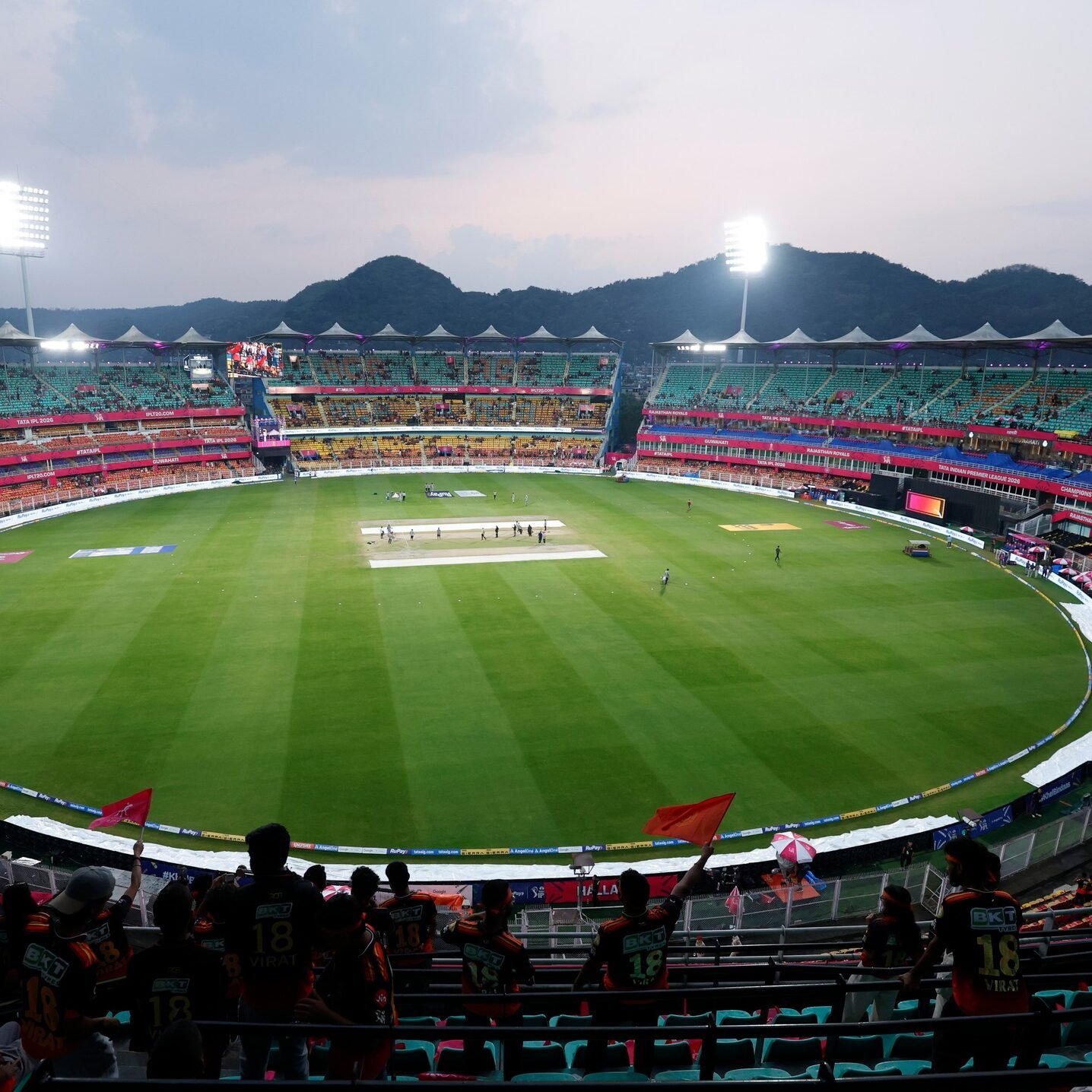
As the IPL 2026 season gathers momentum, emerging stars, big-money shifts, and evolving team strategies are redefining cricket’s most electrifying league.
By Nichola Marie
The Indian Premier League has always been more than just a cricket tournament — it is a spectacle, a business powerhouse, and a cultural phenomenon rolled into one. Now in its 2026 edition, the tournament is once again delivering on its promise of drama, talent, and high-stakes competition. With weeks of cricket still to unfold before the May finale, early trends have already revealed the players and teams shaping this season’s narrative. From breakout performers to seasoned match-winners rediscovering form, IPL 2026 is emerging as a fascinating blend of youth and experience.
Most Valuable Names
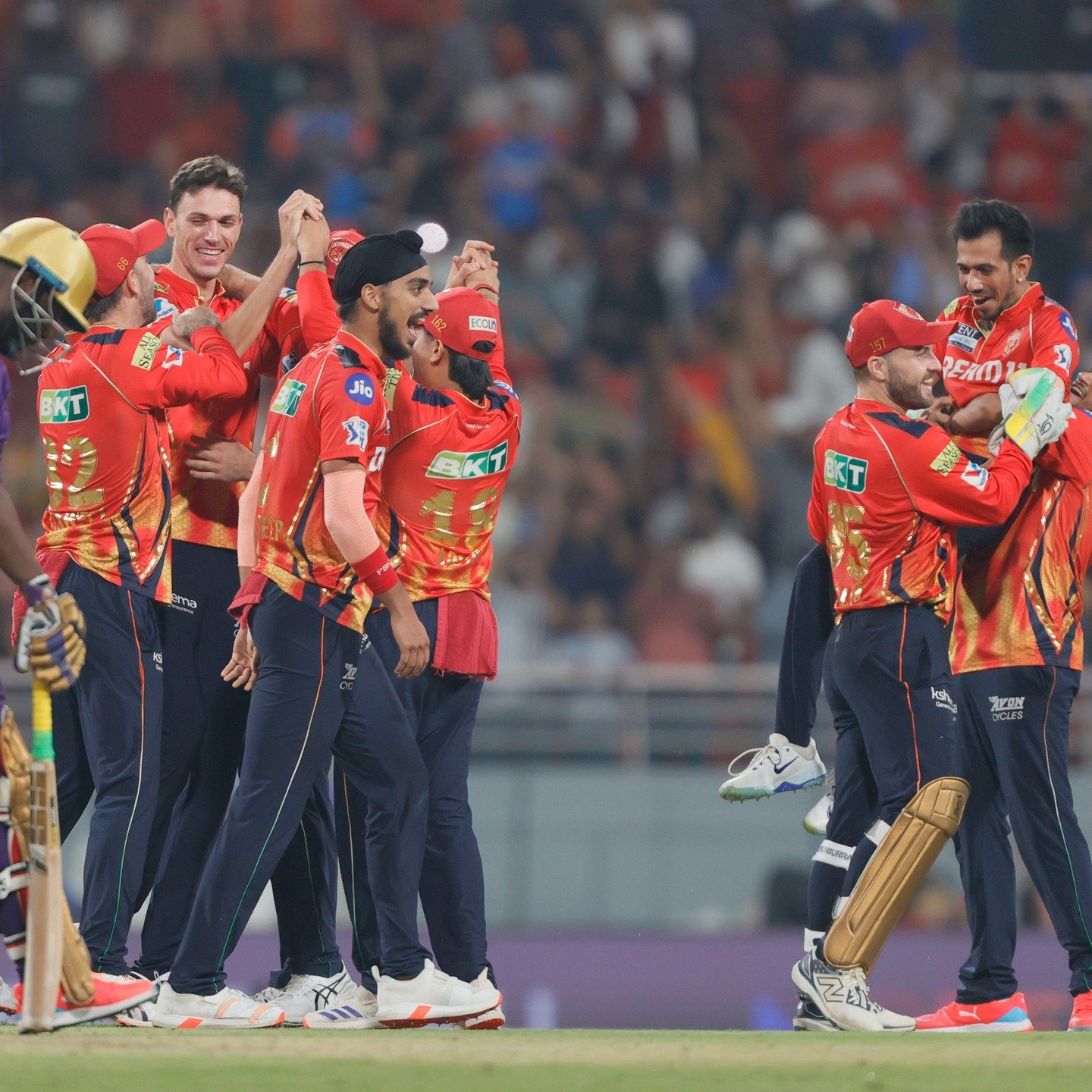
The 2026 IPL season has once again reinforced the league’s reputation as cricket’s most lucrative stage, where sporting impact and commercial value increasingly go hand-in-hand. Several marquee players are understood to be among the highest-paid in the league, with reported contracts reflecting both performance credentials and leadership responsibilities.
According to industry estimates, Rishabh Pant at Lucknow Super Giants is among the top earners, with figures in the region of ₹27 crore, underscoring his dual value as an explosive batter and a captaincy option. Close behind is Shreyas Iyer at Punjab Kings, with an estimated deal of around ₹26.75 crore, reflecting his reliability in the middle order and leadership experience.
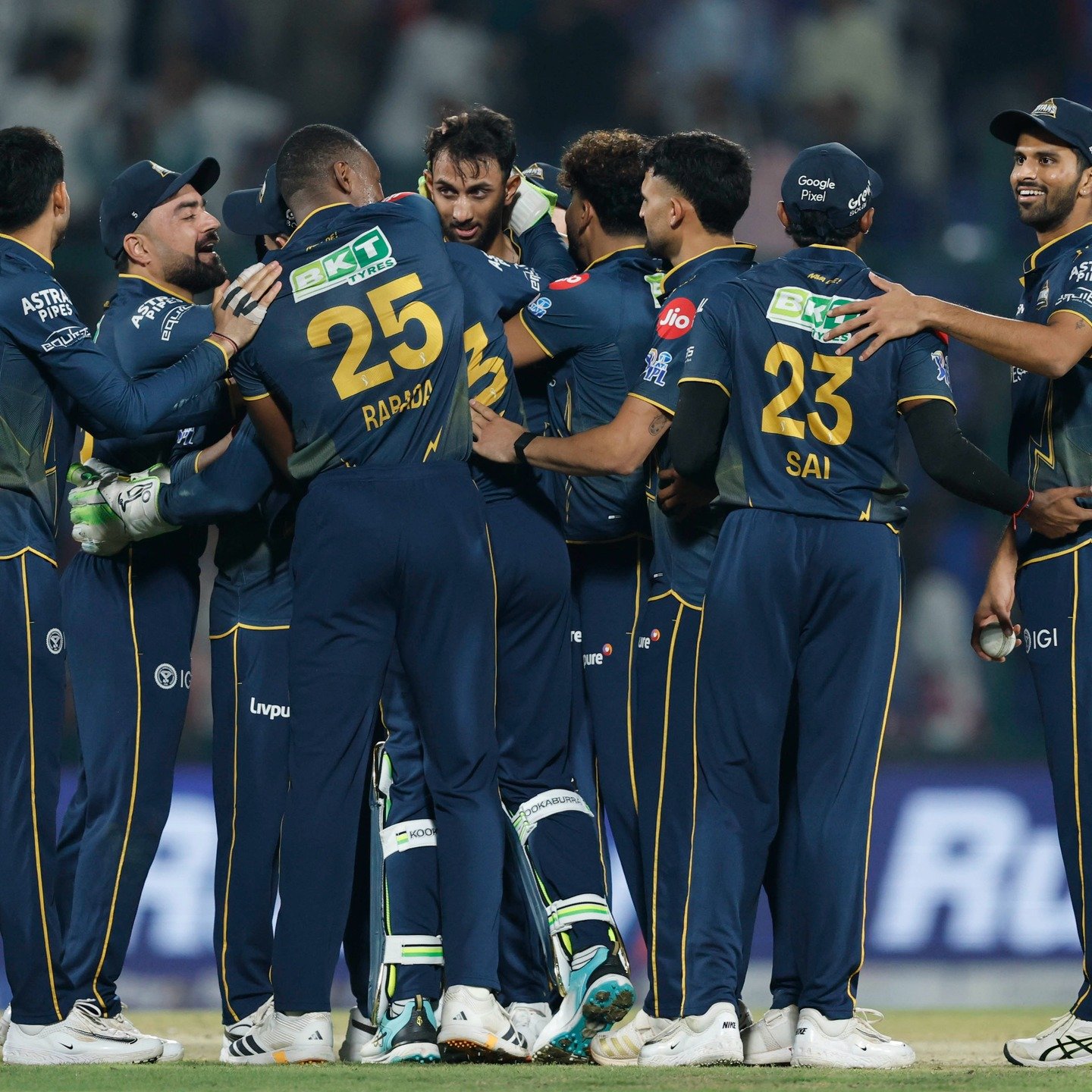
Kolkata Knight Riders’ reported acquisition of Cameron Green is also seen as one of the standout moves of the season, with reported valuations placing him among the most expensive overseas all-rounders in IPL history. Sunrisers Hyderabad’s Heinrich Klaasen continues to command premium value in the range of ₹23 crore, driven by his consistency and impact in high-pressure phases of the innings. Meanwhile, Virat Kohli remains a central figure at Royal Challengers Bengaluru, with long-standing marquee value estimated at around ₹21 crore, reflecting his enduring influence both on and off the field.
Taken together, these reported figures highlight the IPL’s evolving economics, where match impact, leadership responsibility, and global star power increasingly shape valuation as much as on-field performance.
Stars Who Have Shone So Far
Every IPL season introduces new heroes, and 2026 is no exception. Among batters, Shubman Gill continues his evolution into one of India’s most dependable T20 anchors, combining elegance with aggression. Ruturaj Gaikwad has shown encouraging form at the top, while Yashasvi Jaiswal has been among the standout performers, underlining his growing stature in the league. In the power-hitting department, Heinrich Klaasen remains a destructive force in the middle order, while Nicholas Pooran continues to be a dangerous presence in the death overs.
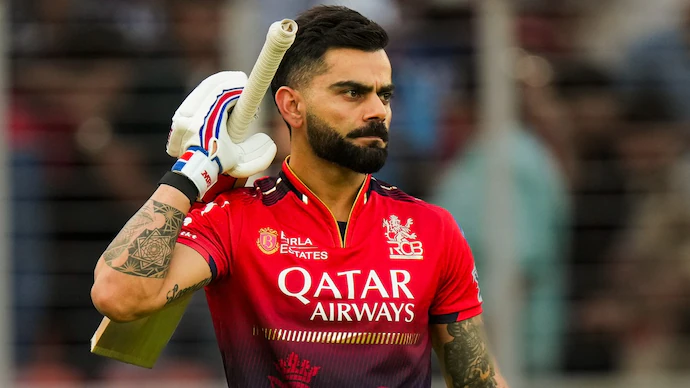
On the bowling front, the ever-reliable Jasprit Bumrah has once again reinforced his reputation as one of the most feared T20 bowlers globally. Mohammed Siraj has provided important breakthroughs, while young pacers like Mayank Yadav have attracted attention with their raw pace. Spin, too, remains crucial, with Rashid Khan continuing to be a game-changer, alongside a new generation of Indian spinners beginning to make their presence felt.
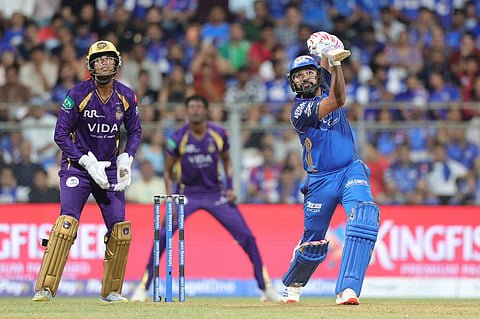
Players To Watch
While early performers have set the tone, IPL seasons are often defined by those who peak at the right moment. Virat Kohli remains a central figure — his ability to anchor chases and deliver under pressure could prove decisive. Rohit Sharma, with his experience, is always a threat in crunch games. All-rounders like Hardik Pandya and Ravindra Jadeja are expected to play pivotal roles, offering balance that often separates contenders from also-rans. Among international names, Jos Buttler and Glenn Maxwell have the ability to change games single-handedly — making them key players in the weeks ahead.
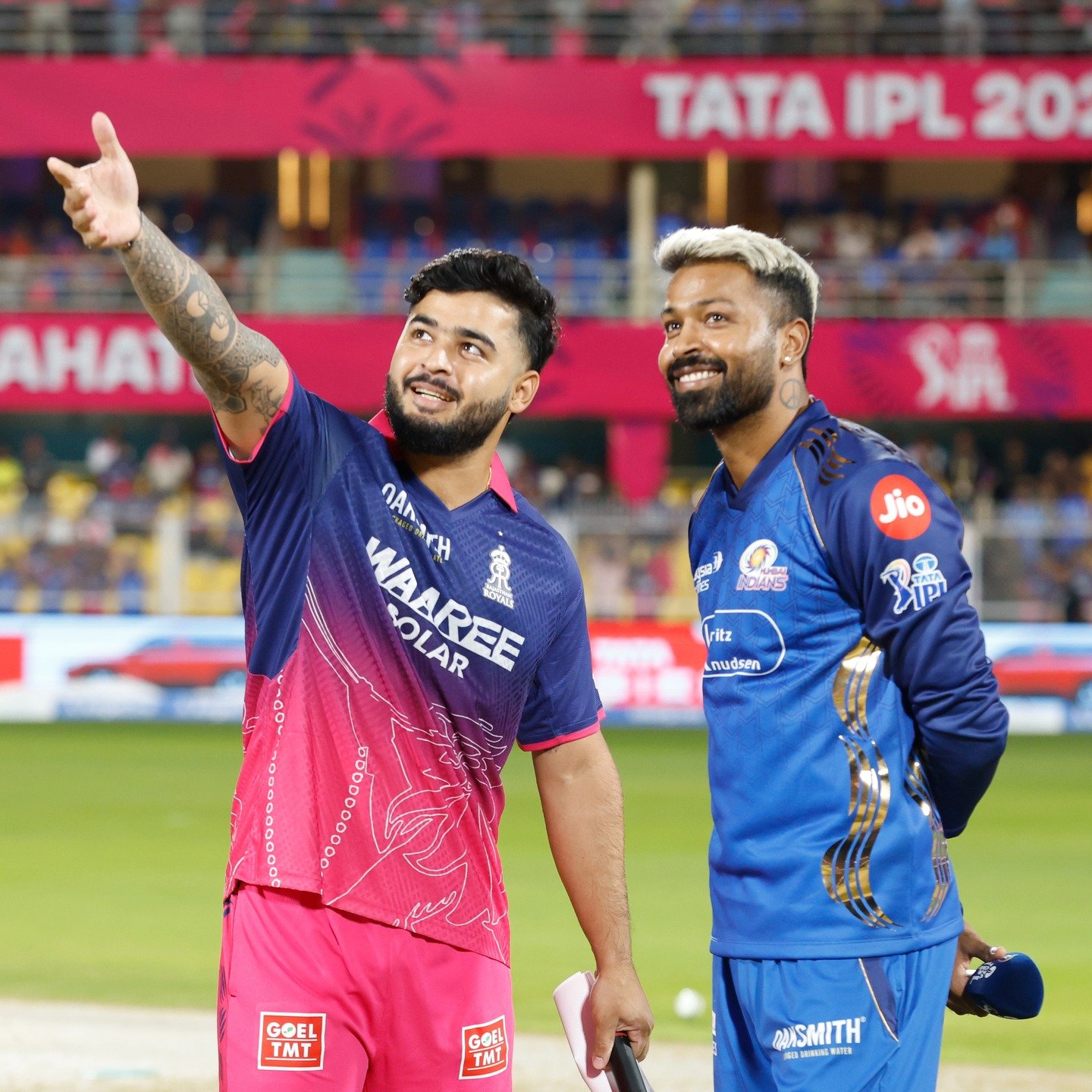
Early Contenders
Chennai Super Kings (CSK): The five-time champions continue to evolve while maintaining their hallmark consistency, built on experience, structure, and strong leadership transition within the squad.
Mumbai Indians (MI): A historically dominant franchise, MI remain built on depth, balance, and a strong core of Indian talent supported by high-impact match-winners.
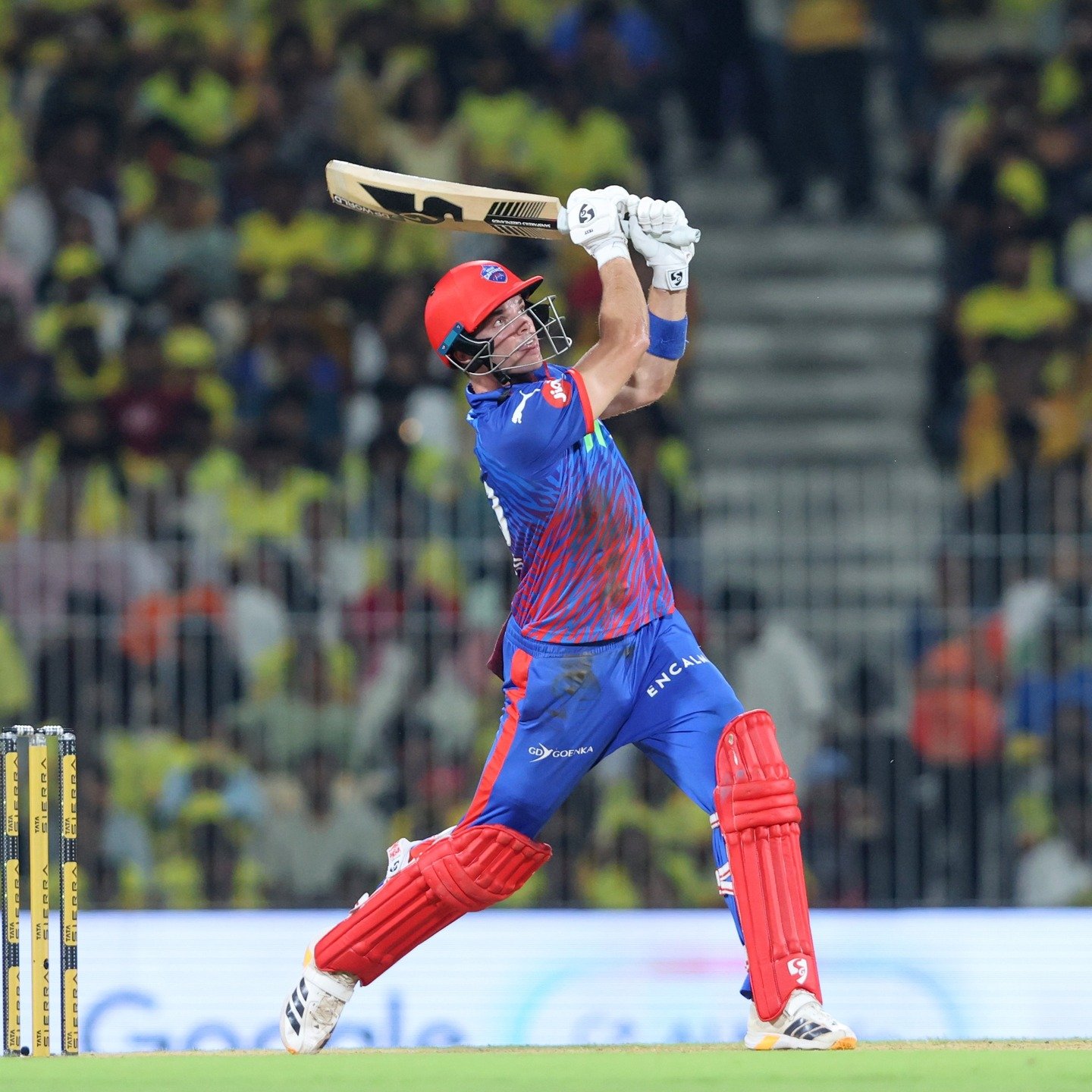
Royal Challengers Bengaluru (RCB): One of the league’s most followed teams, RCB continues to combine star presence with evolving squad balance in pursuit of its first title.
Rajasthan Royals (RR): A franchise known for nurturing young talent, RR remains competitive through intelligent squad-building and a focus on emerging Indian players.
Kolkata Knight Riders (KKR): A tactically dynamic side, KKR relies on adaptability, depth, and strong spin resources in pressure situations.
Delhi Capitals (DC): A side in transition, DC continues to refine its squad structure in search of long-term consistency.
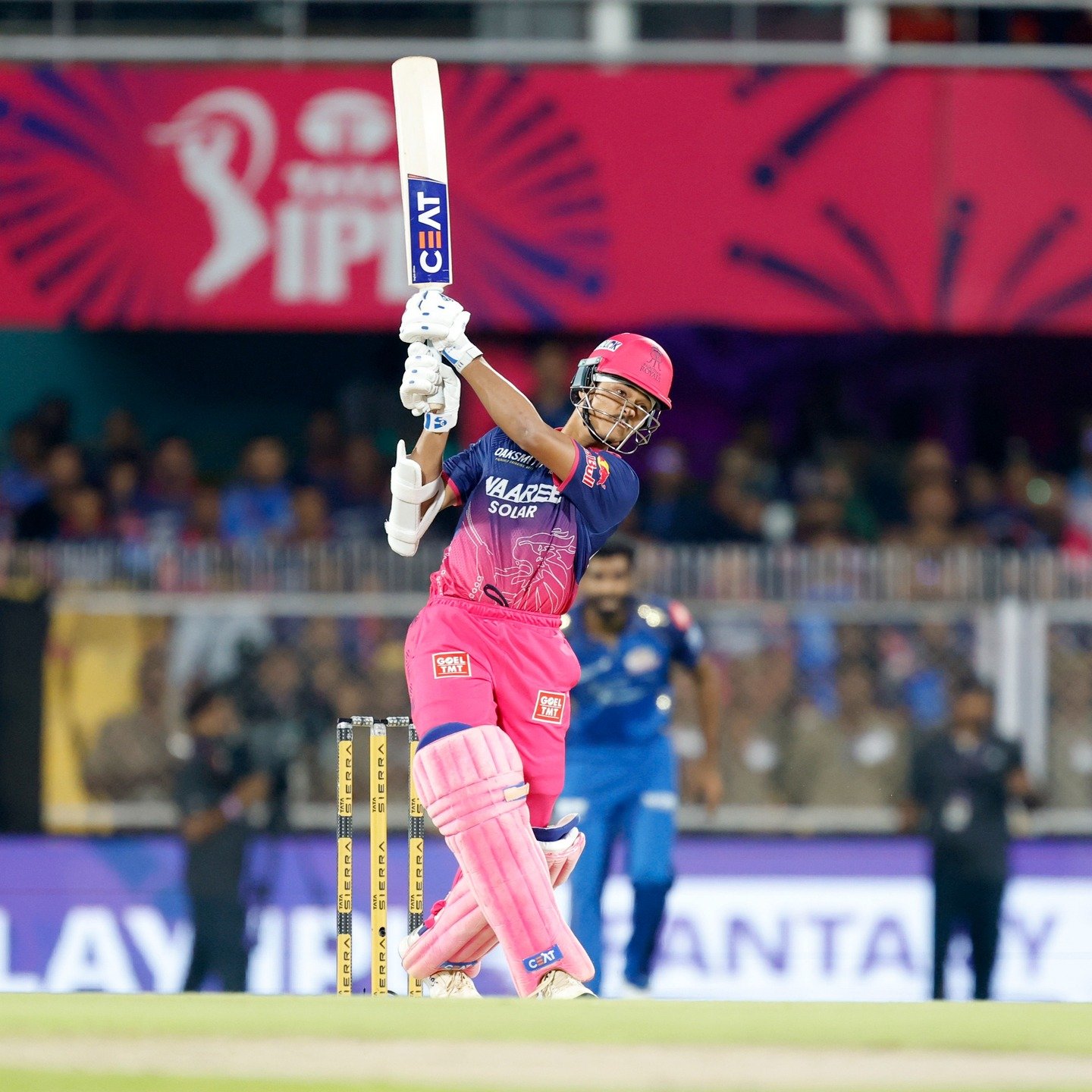
Lucknow Super Giants (LSG): A newer franchise with strong planning and tactical discipline, LSG has quickly established itself as a consistent contender.
Gujarat Titans (GT): One of the most structured new teams in the league, GT continues to build on their reputation for disciplined, system-led cricket.
A League That Changed Cricket Forever
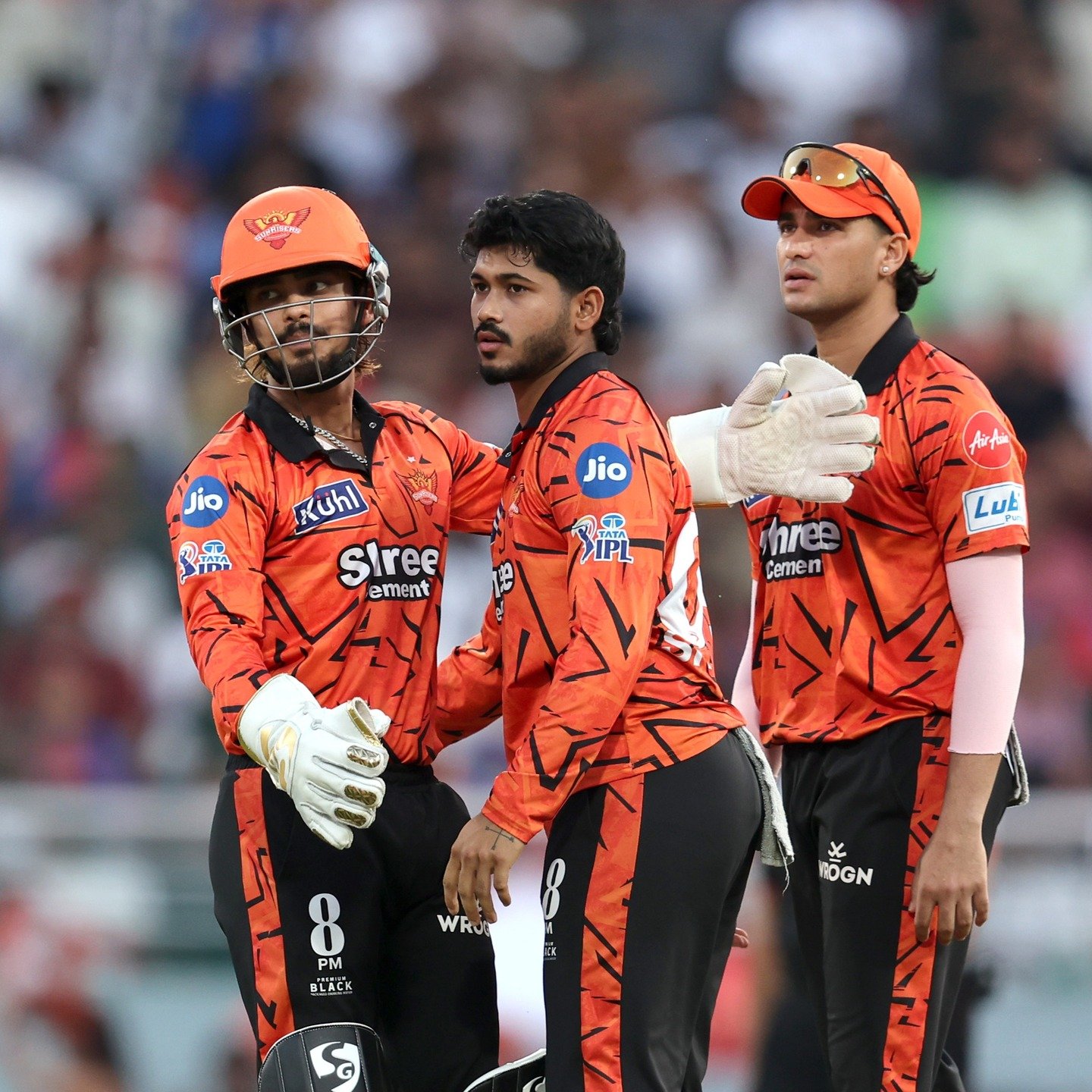
The IPL was launched in 2008 by the BCCI, with Lalit Modi playing a central role in conceptualising and operationalising the franchise-based T20 model. What began as a bold experiment soon transformed cricket’s economic and cultural landscape. The league introduced player auctions, city-based franchises, and global broadcasting appeal — turning cricket into a year-round commercial powerhouse. Over the years, the IPL has evolved into a financial juggernaut. Media rights deals, sponsorships, and franchise valuations have skyrocketed, making it one of the richest sporting leagues globally. The 2026 season has further underlined this growth.
According to wpleague.in, “The Indian Premier League has cemented its status as the world’s richest cricket league. By 2026, its total business value surged to $18.5 billion, with the standalone brand value climbing to $3.9 billion. IPL franchises now rival top global sports teams in commercial power. In 2026, Royal Challengers Bengaluru (RCB) became the richest IPL team, valued at $269 million, surpassing the Mumbai Indians and Chennai Super Kings. This valuation spike followed their maiden IPL title win in 2025 and a record-breaking $1.78 billion sale to the Aditya Birla-led consortium. Record broadcast deals worth ₹48,000 crore (2023-2027) have pushed franchise values higher. Sponsorship revenue and social media growth also play a big role in each team’s net worth.”
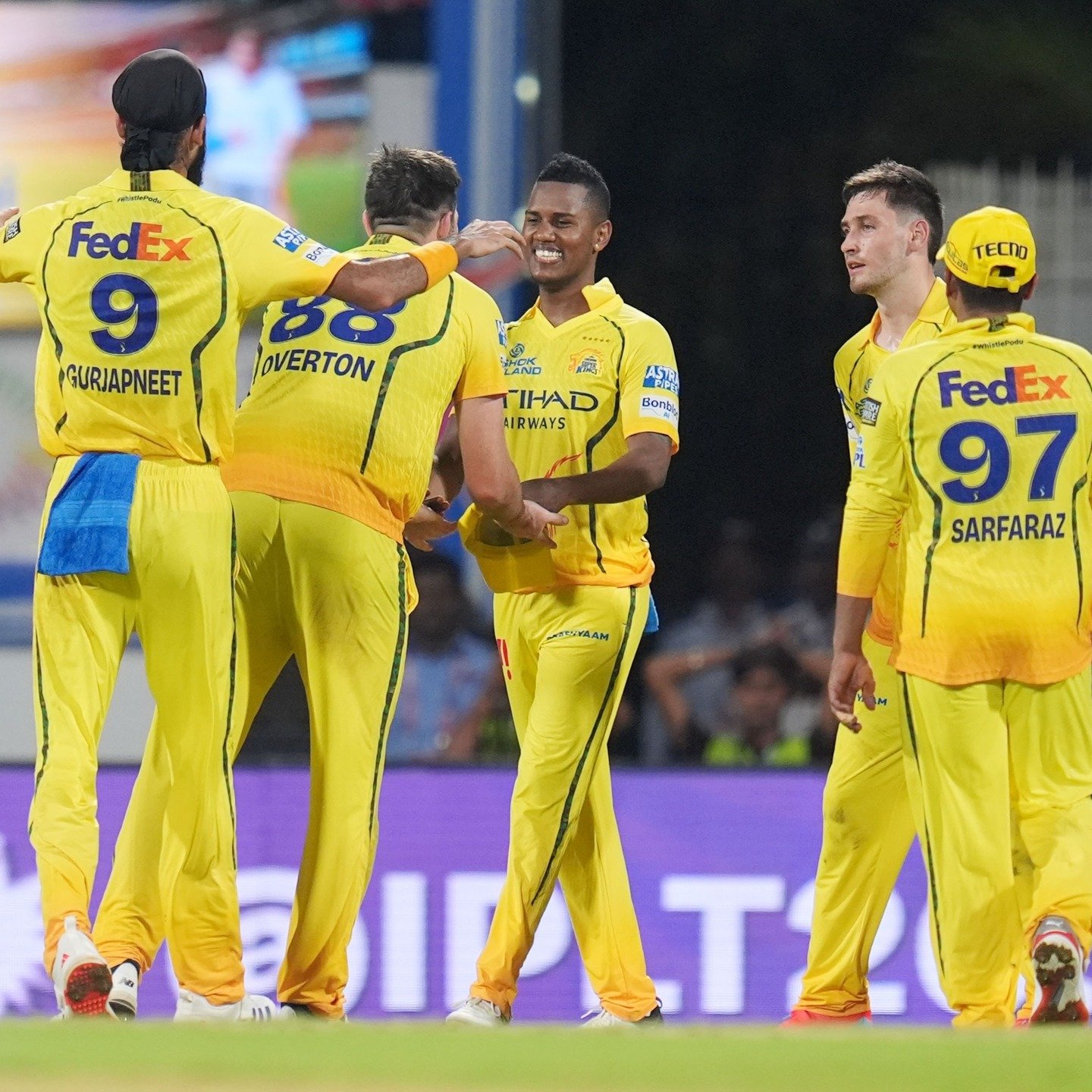
Industry experts believe IPL team valuations could reach $4–$5 billion in the next decade, reinforcing its status as a premier global sports property. In India especially, where cricket commands unmatched popularity, the IPL has become a major economic driver — impacting advertising, tourism, and even local businesses.
Challenges & Evolution
Despite its success, the IPL continues to navigate challenges. Concerns around player workload, scheduling conflicts with international cricket, and regulatory issues remain. Additionally, debates around auction dynamics, team balance, and financial fairness persist.
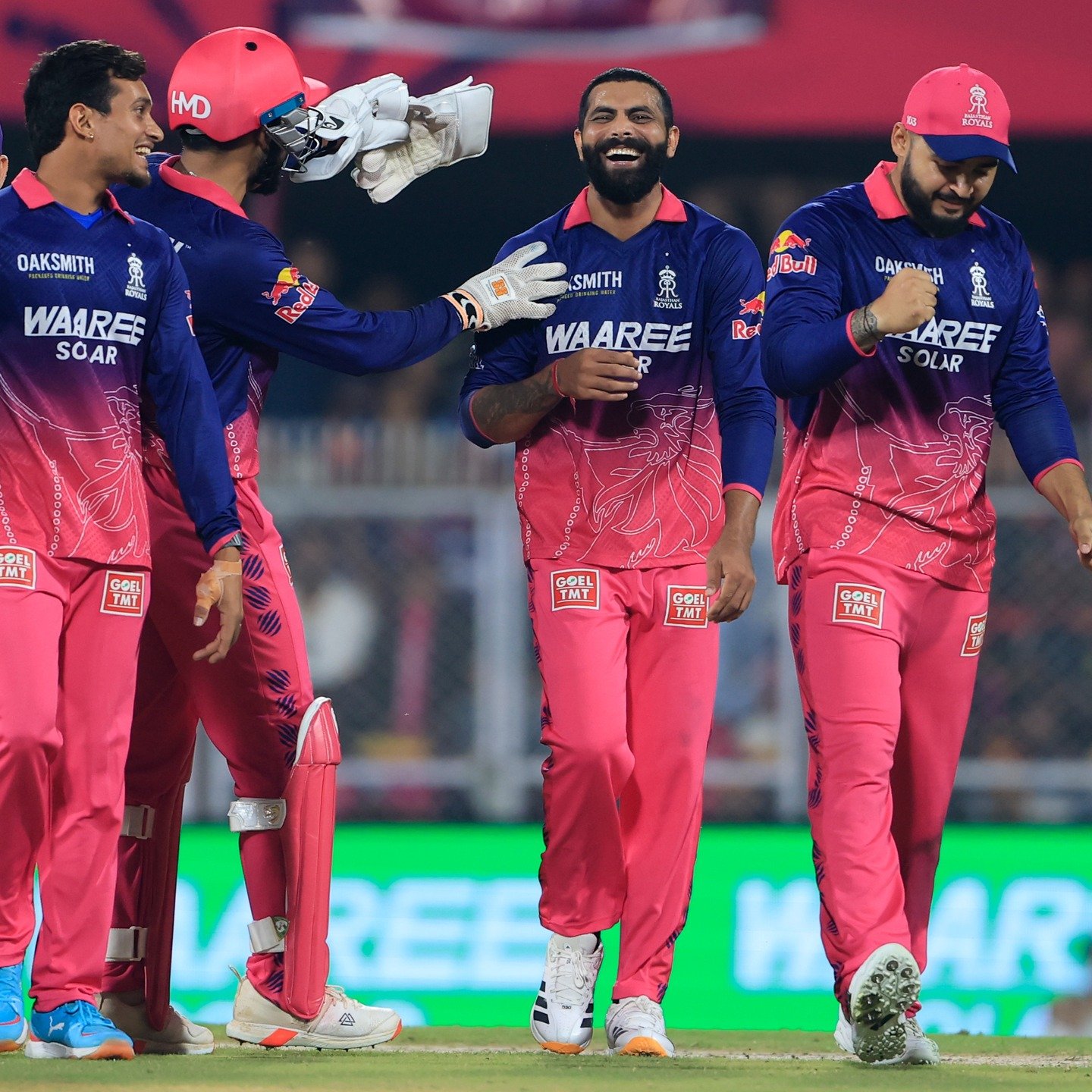
However, the league has consistently adapted — introducing new rules, expanding teams, and leveraging technology to enhance fan engagement. The growing integration of data analytics and digital fan experiences is expected to shape the next phase of IPL evolution.
Why IPL Still Matters
At its core, the IPL represents opportunity. For young Indian cricketers, it is a platform to showcase talent on a global stage. For international players, it offers exposure to high-pressure conditions. For fans, it delivers unmatched entertainment. But perhaps its biggest achievement lies in how it has democratised cricket — bringing together players from different nations, cultures, and backgrounds into a single, high-intensity competition.
The Road Ahead
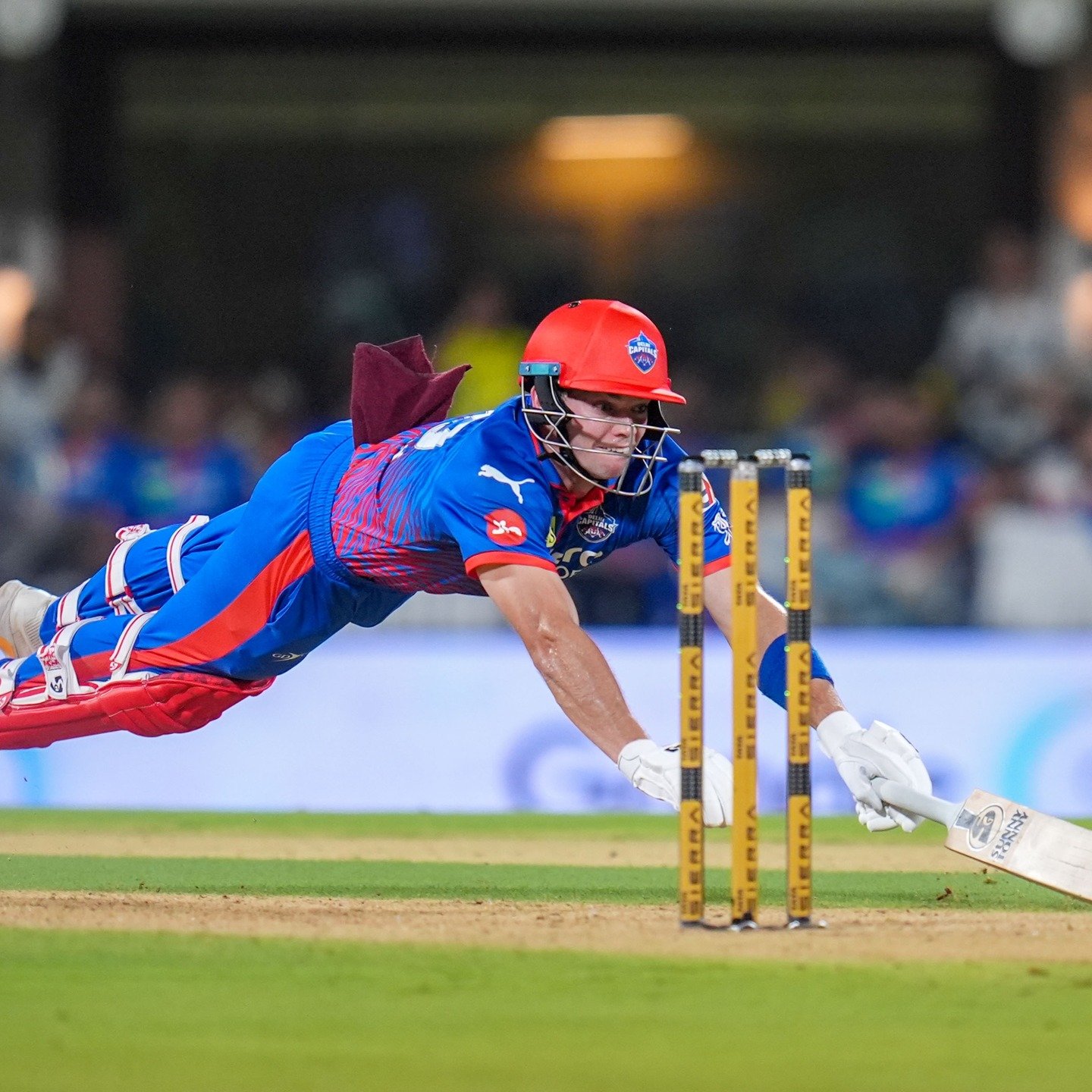
As IPL 2026 progresses, the unpredictability that defines the tournament will only intensify. Teams will recalibrate strategies, players will rise under pressure, and new narratives will emerge. Injuries, form, and momentum will all play decisive roles in shaping the final outcome. Yet one thing is certain: The league will continue to produce heroes — players who rise above the rest to define the season.
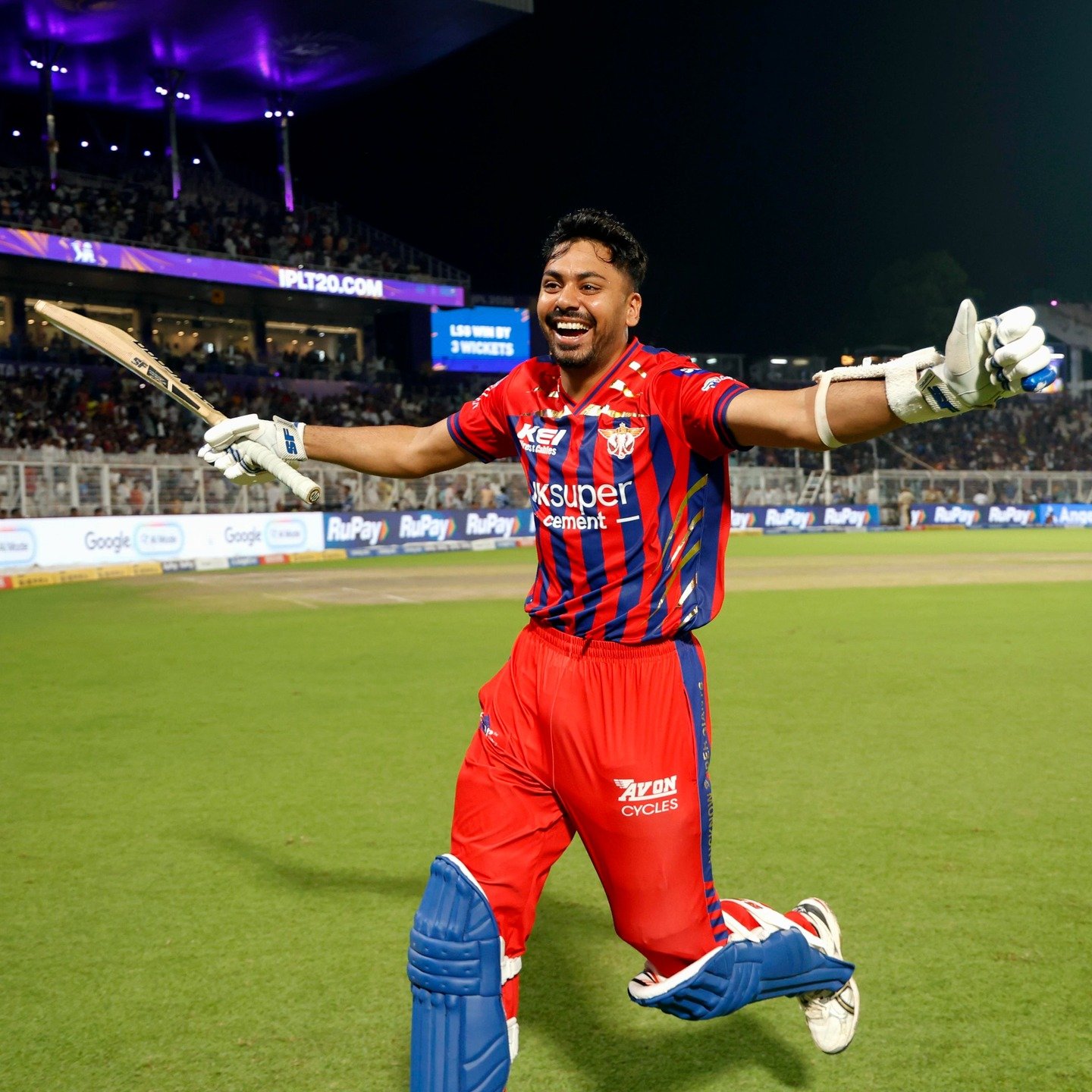
IPL 2026 is not just about runs, wickets, or points tables. It is about resilience, reinvention, and the relentless pursuit of excellence. From young talents announcing their arrival to seasoned icons reaffirming their greatness, this season is a celebration of cricket’s enduring spirit.And as the tournament heads toward its climax, one question remains: Which warriors will rise when it matters most?