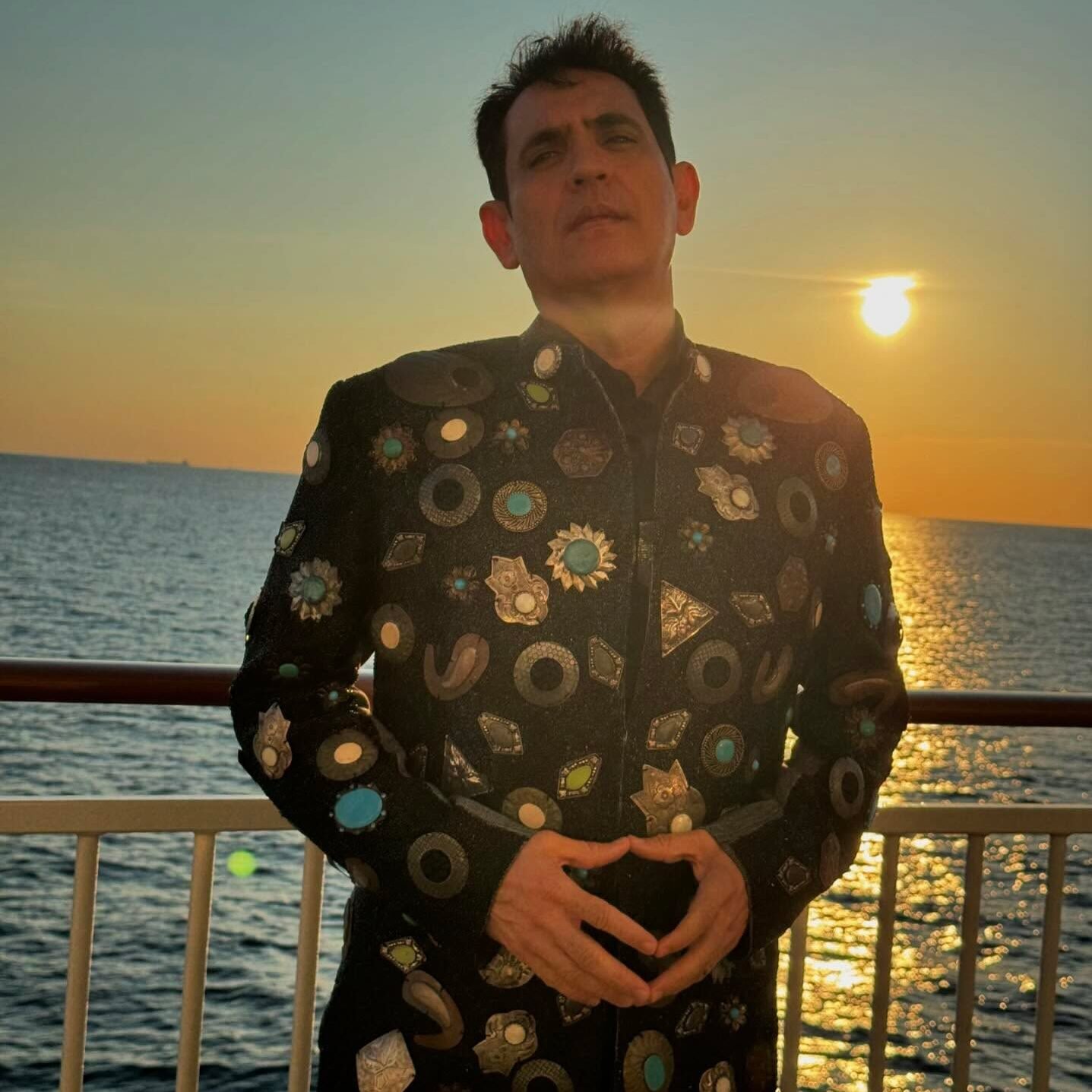
From designing unforgettable cinematic worlds to telling deeply touching stories like ‘Mary Kom’ and ‘Sarbjit’, filmmaker Omung Kumar opens up about his love for storytelling and more…
By Andrea CostaBir
Before he stepped behind the camera as a director, Omung Kumar was quietly shaping the emotional landscapes of films like ‘Black’ and ‘Saawariya’ as a production designer. That early connection to visual storytelling continues to define his work today, giving his films a distinct sensitivity and depth.
With films like ‘Mary Kom’, ‘Sarbjit’, and ‘Bhoomi’, Kumar has shown a clear inclination towards stories that are rooted in real emotions and human resilience. But beyond the screen, it’s his collaborative spirit and grounded approach to filmmaking that truly stand out. In this candid conversation, he talks about his journey, the lessons he’s learnt on set, and why he believes that the best kind of leadership comes from trust, clarity and listening.
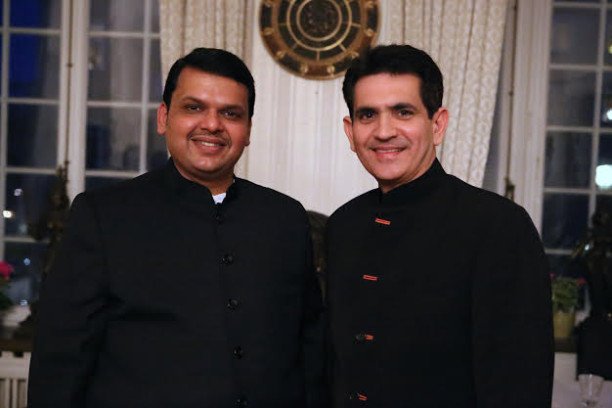
Excerpts from the interview…
You began your career as a production designer on films like ‘Black’ and ‘Saawariya’ before directing ‘Mary Kom’, ‘Sarbjit’, and ‘Bhoomi’. How did your early design work influence your storytelling as a director, and what draws you to the real-life or socially relevant stories you choose to tell?
My journey in cinema actually began with understanding space, atmosphere, and emotion through design. When you work as a production designer, you learn how a wall, a colour palette, or a piece of furniture can quietly influence the emotional tone of a scene. That training made me very sensitive to the visual grammar of storytelling.
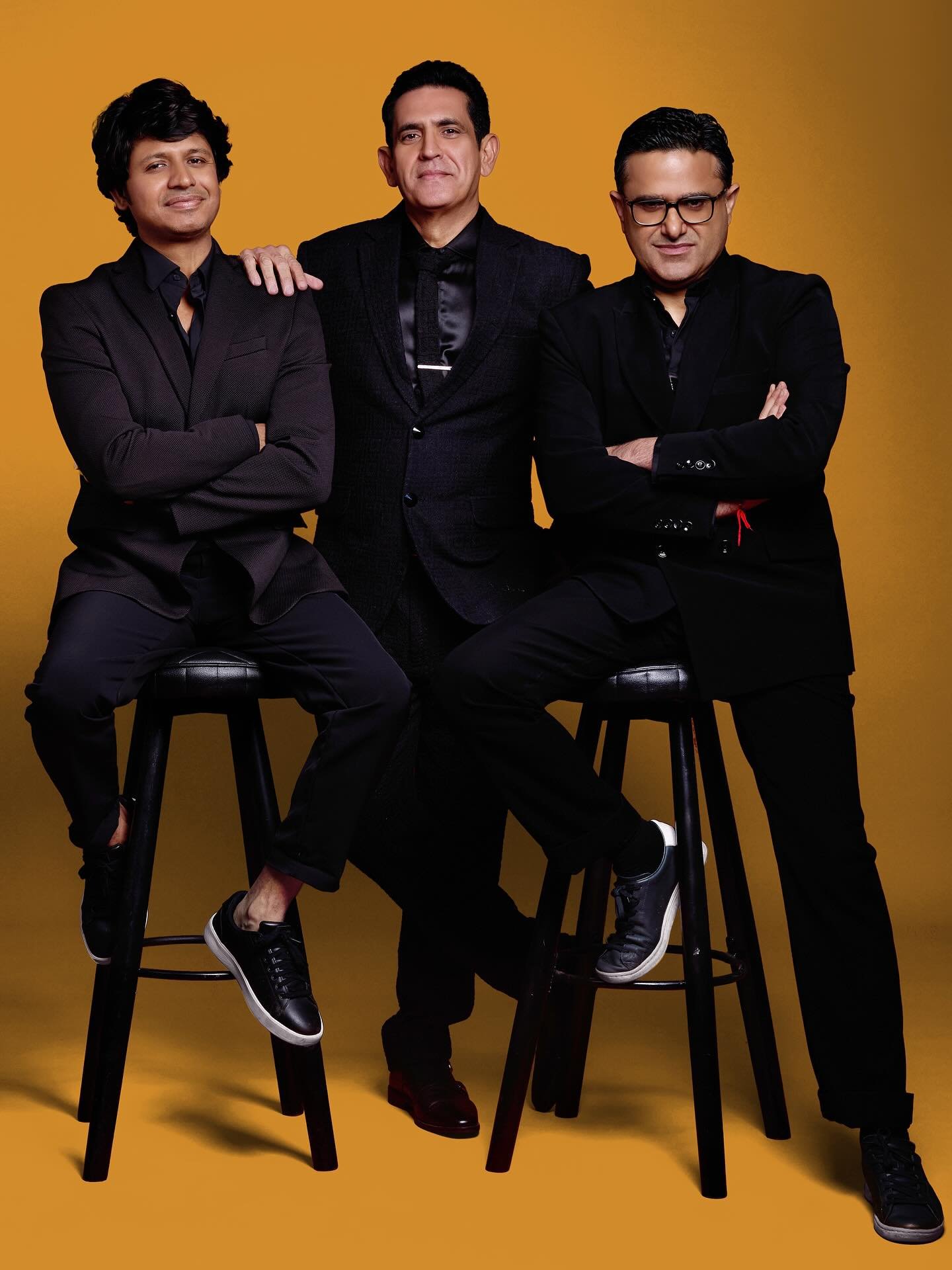
When I transitioned to directing, that sensibility naturally stayed with me. I tend to think of every scene not just in terms of dialogue but also how the environment reflects the character’s emotional world.
As for the stories I choose, I’ve always been drawn to narratives that carry human resilience and emotional truth. Real-life stories like Mary Kom’s and Sarbjit Singh’s resonate because they represent courage, struggle, and dignity. I feel cinema becomes powerful when it not only entertains, but also moves people and leaves them thinking long after the film ends.
Music, visuals, and cinematography are integral to your films. How do you collaborate with your creative team to ensure your vision translates effectively on screen?
Filmmaking is never a solitary process – it’s a collective creative journey. I believe the director’s job is not just to lead, but to build a shared vision with the team.
With cinematographers, composers, and designers, I spend a lot of time discussing mood, references, and emotional intention. Sometimes it’s through mood boards, sometimes through conversations about light, colour, or rhythm.
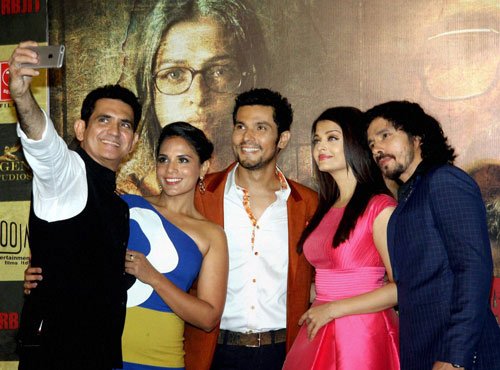
Music, for example, often becomes the emotional bridge of the film, while cinematography shapes how the audience experiences that emotion visually. My role is to ensure all these elements are aligned so that every department contributes to the same narrative heartbeat.
Filmmaking requires balancing multiple responsibilities and guiding large teams. What has been the most important lesson you’ve learnt about leadership and collaboration on set?
The biggest lesson is respect for every department and every individual on the set. A film set is like a small city – everyone has a role, and every role matters.
Good leadership in filmmaking is not about authority; it’s about clarity and trust. When the team trusts your vision and you trust their expertise, the process becomes very organic. I’ve learnt that listening is just as important as directing. Sometimes the best ideas emerge from unexpected places, and being open to collaboration enriches the film.
The film industry can be demanding and high-pressure. How do you manage stress and maintain focus while overseeing complex productions?
Filmmaking is intense, and the pressure can be immense because so many things depend on timing, budgets, and logistics. For me, the key is preparation and perspective. The more prepared you are, the calmer you remain when unexpected challenges arise – and they always do in filmmaking.
I also remind myself that filmmaking is something I genuinely love. When you reconnect with that passion, it helps you stay grounded and focused even during difficult moments.
Family often provides grounding and perspective. How has your family influenced your career decisions, and how do they support you in your journey as a filmmaker?
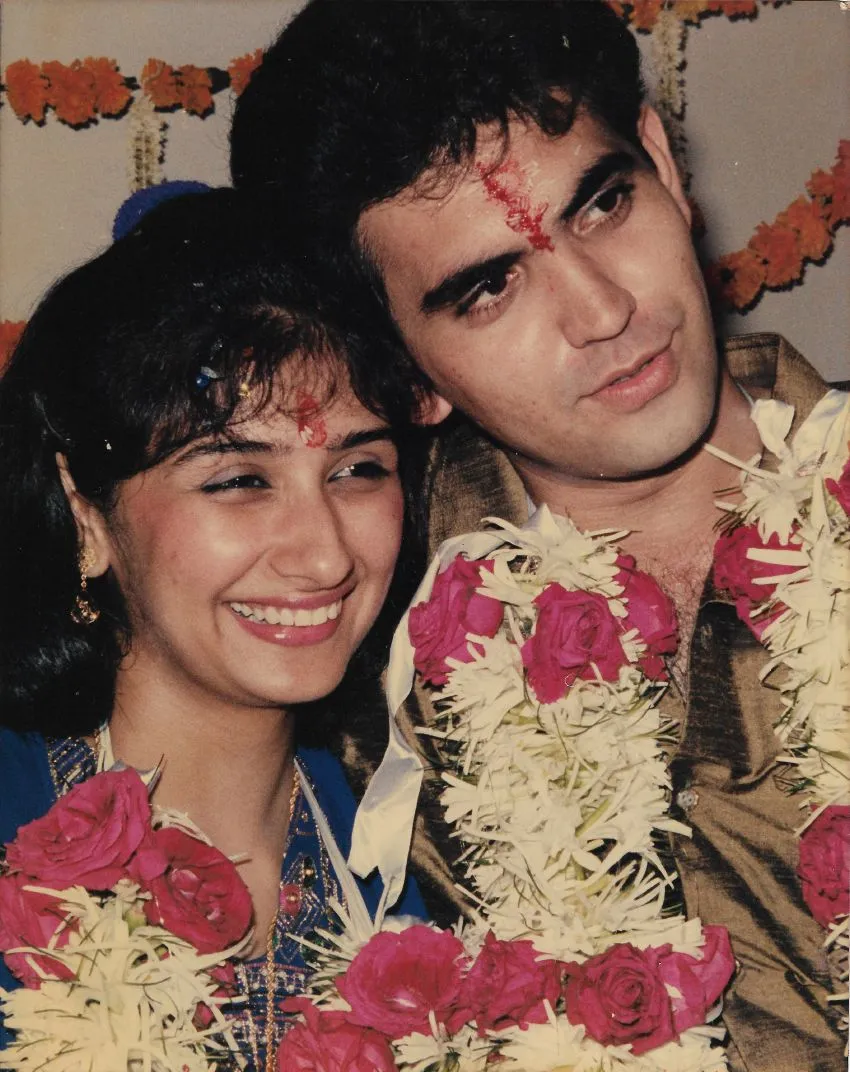
Family and my wife have always been my anchor. In an industry that can sometimes be unpredictable, having that emotional support system is invaluable. They are always with me in all my decisions. They remind me of the importance of balance and humility. No matter how demanding the work becomes, family keeps you connected to the real world beyond the film set. Their belief in me has always given me the confidence to take risks and pursue stories that truly matter to me.
Beyond filmmaking, do you have personal passions or hobbies that inspire your creativity or help you recharge?
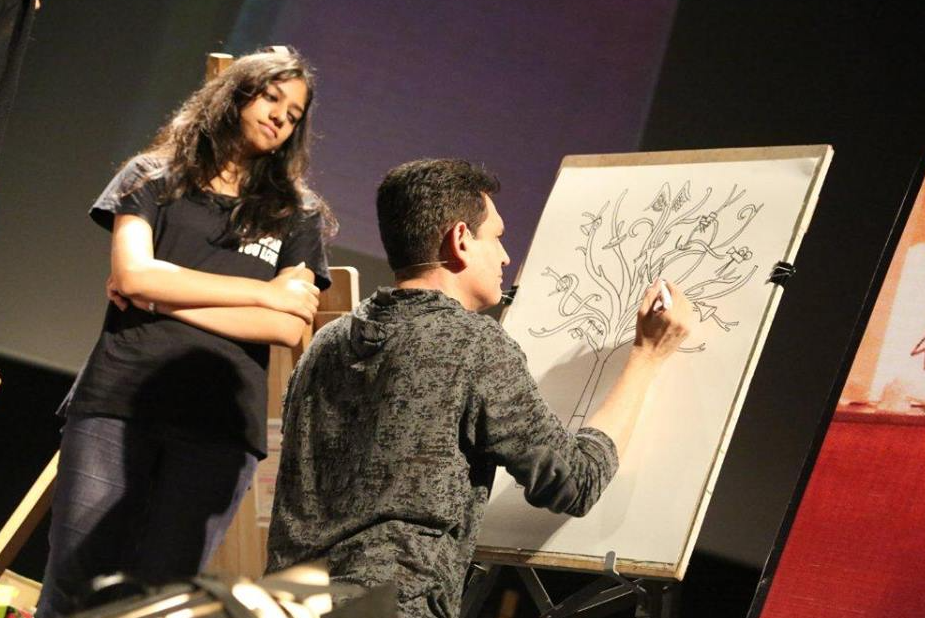
My passion is painting; I paint all the time. And I keep on sketching. I’ve always been deeply interested in visual art and design, which naturally connects with my background as a production designer.
I enjoy observing architecture, colours, textures, and spaces. Sometimes inspiration comes from the simplest things – walking through a city, looking at old structures, or even seeing how light changes a room. Those moments often recharge my creative energy and subtly influence the visual ideas I bring into my films.
Mentorship and inspiration are vital in cinema. Who have been your biggest influences, and what advice from them has stayed with you?
I’ve been fortunate to work with some incredible filmmakers early in my career, and those experiences shaped my understanding of cinema. Working with Sanjay Leela Bhansali is always inspiring. What stayed with me most was the importance of honesty in storytelling. Audiences connect with authenticity – they can sense when a film is made with sincerity.
Another valuable lesson was that filmmaking requires patience and persistence. Every film has its own journey, and you have to stay committed to the story you believe in.
Any favourite filmstars that you love working with/ hope to work with in the future?
I’ve been fortunate to work with some remarkable actors who bring incredible dedication to their craft. What I appreciate most in actors is commitment to the character and emotional honesty.
There are many talented actors in the industry today, and as a filmmaker, I’m always excited about the possibility of collaborating with performers who bring depth, discipline, and curiosity to their roles. Every collaboration is unique, and that unpredictability is part of what makes filmmaking so exciting.
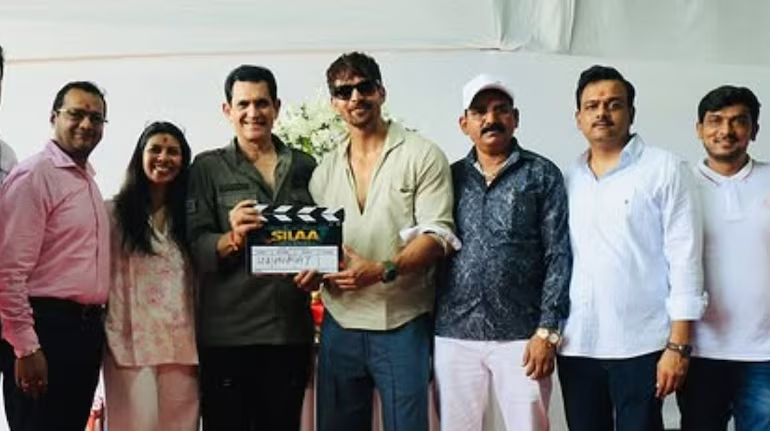
I would love to work with Ranbir Kapoor, Ranveer Singh, Deepika Padukone, Vicky Kaushal… to name a few good actors.
Work ethic often defines long-term success. How do you stay disciplined, motivated, and consistent in your craft?
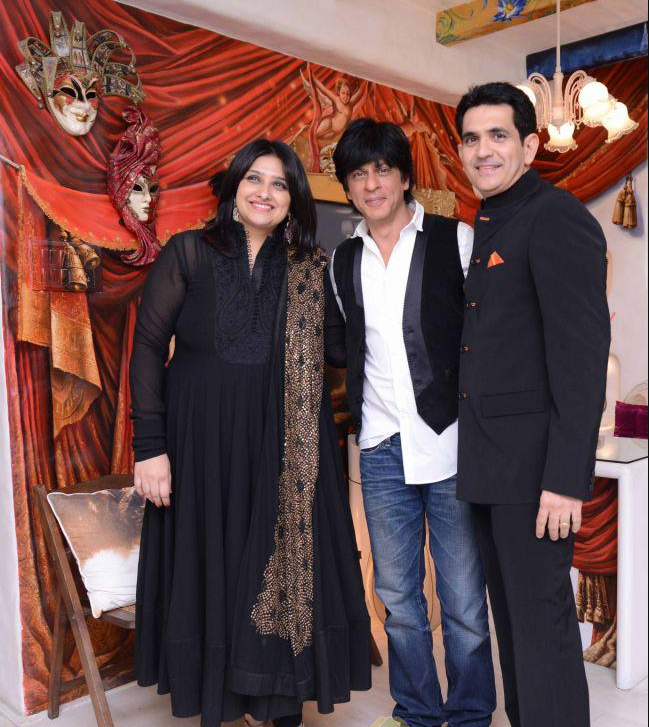
For me, discipline comes from respect for the craft. Cinema is a powerful medium, and every project deserves sincerity and effort. Motivation often comes from curiosity – the desire to explore new stories, new emotions, and new cinematic possibilities. I believe consistency is about showing up every day with the same commitment, regardless of the scale of the project or the challenges involved.
Looking ahead, what kind of projects excite you the most (both film and OTT), and what are your future goals?
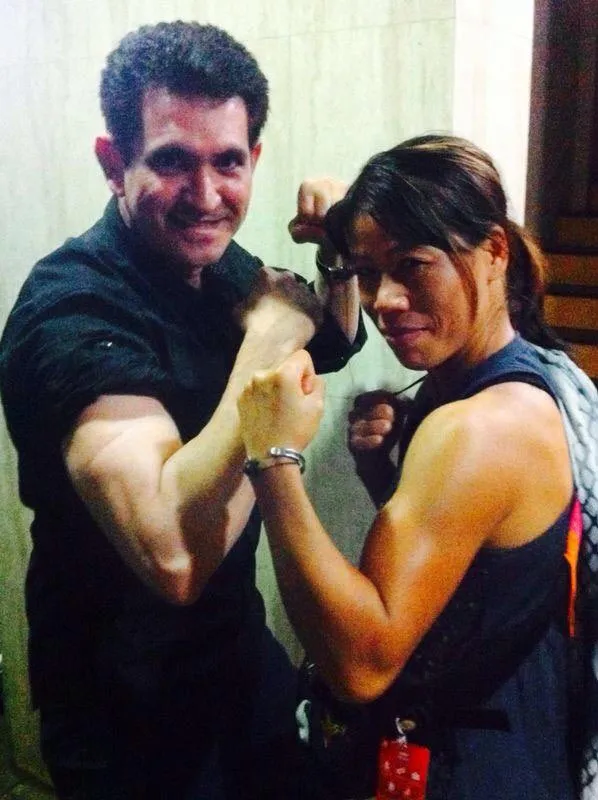
The landscape of storytelling is evolving rapidly, especially with OTT platforms offering new formats and creative freedom. Film is where my heart is; the big screen. But what excites me most are stories that push emotional and cinematic boundaries – whether they are intimate human dramas, large-scale narratives, or unique genre explorations.
My goal is to continue telling stories that connect with audiences emotionally while also exploring new visual and narrative possibilities. As a filmmaker, the journey of learning and evolving never really stops.