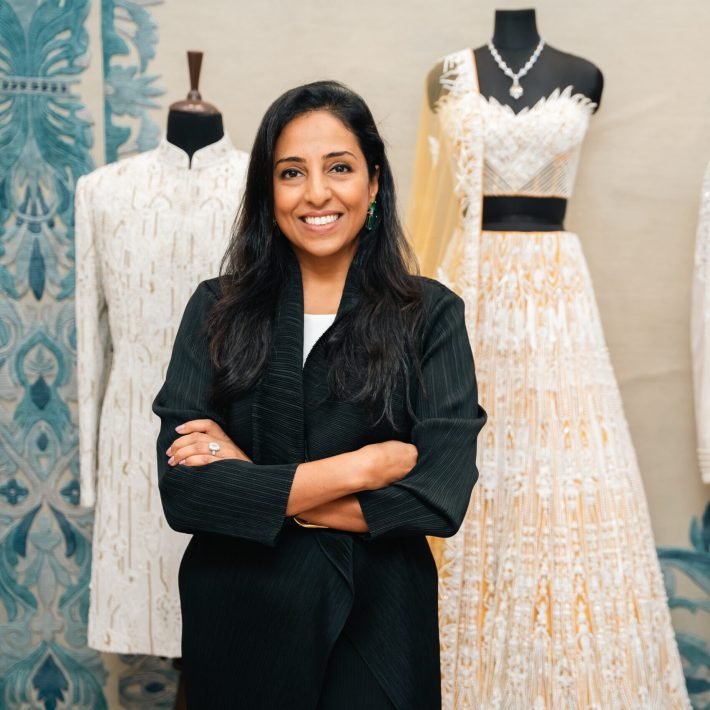
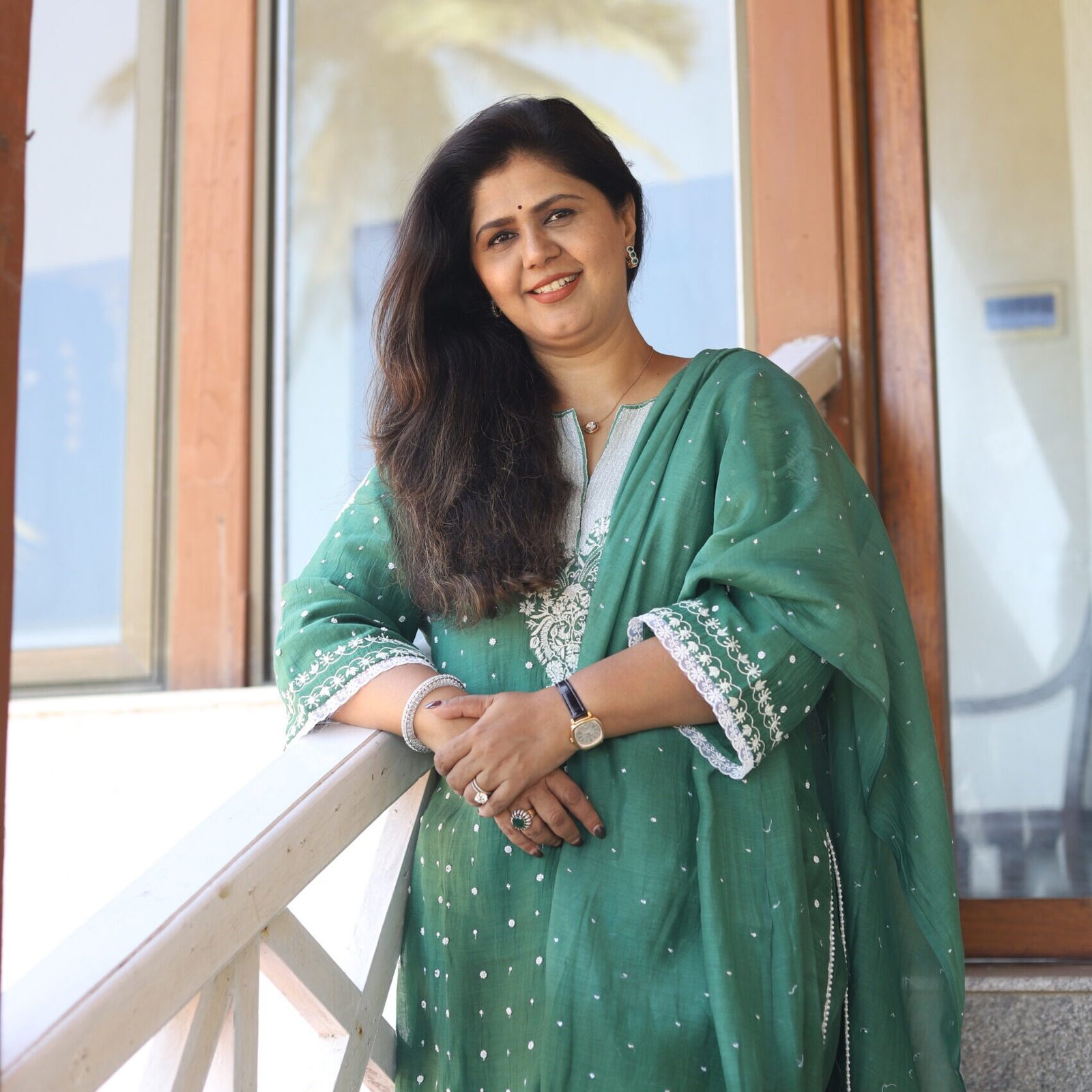
In a world where influence and affection don’t always coexist, Hon. Minister Pankaja Gopinath Munde believes she is fortunate to inherit and enjoy both — and she continues to honour that rare privilege with courage, conviction and an unwavering commitment to Maharashtra.
By Andrea CostaBir
Fearless in voice and generous in spirit, Pankaja Gopinath Munde has built a political identity that balances authority with deep human connection. Today, serving as Cabinet Minister for Animal Husbandry, Environment and Climate Change in the Government of Maharashtra, Deputy Leader of the House in the Maharashtra Legislative Council, and an MLC, she carries forward the legacy of her late father, Hon. Shri Gopinath Munde – one of Maharashtra’s most respected and widely loved leaders.
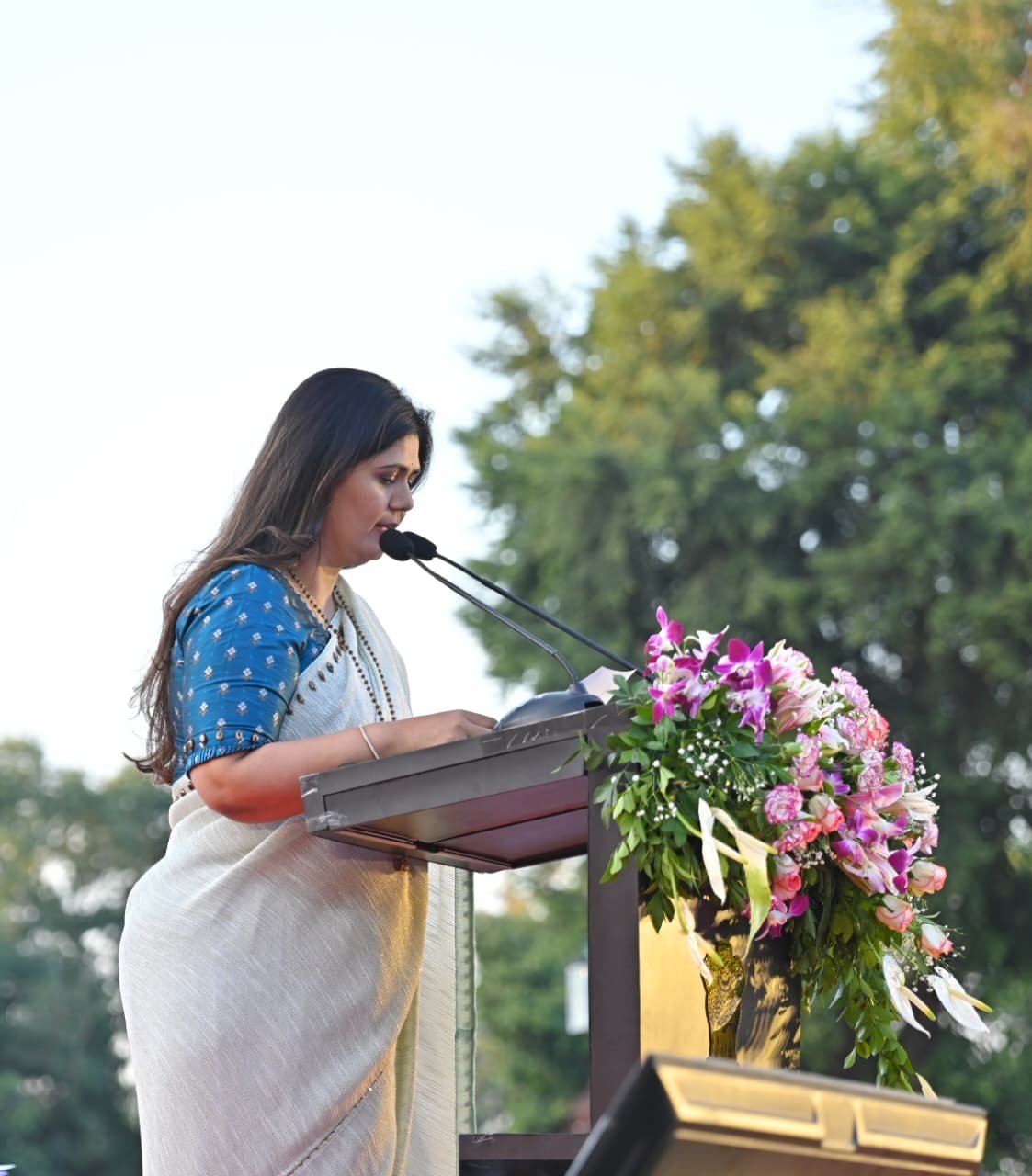
Across rural Maharashtra, however, titles matter less than affection. Here, she is simply “Pankaja Tai” or “Pankaja Tai Saheb” – a leader who speaks boldly, laughs easily, and remains fiercely committed to the people who place their trust in her.
For her, leadership is not about titles or power, but about the faith people place in her — the blessings of elders, the hopes of women, and the trust of communities that expect her to stand by them. Undoubtedly, she occupies an influential space in the state’s leadership while remaining closely tied to the grassroots.
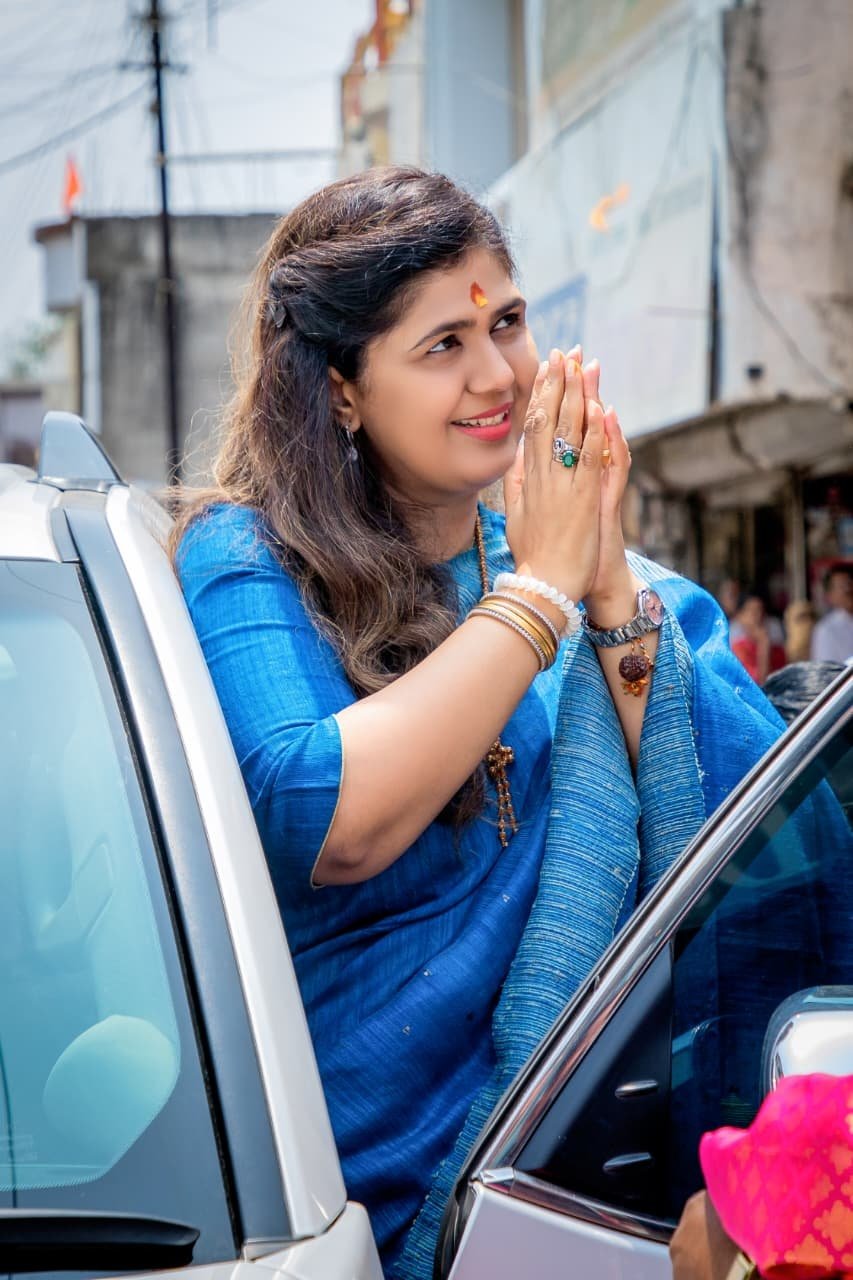
Pankaja Gopinath Munde’s political path has seen both celebration and scrutiny. Ministerial responsibility, public expectations, electoral setbacks and relentless public attention have all shaped her leadership. But through every phase, two traits have remained constant: Courage & Resilience.
Excerpts from the interview…
You were born into a powerful political legacy. How has your father’s vision and values shaped your understanding of leadership and public service?
Yes, as you have stated, I’m very blessed and grateful to God that I was born into this family. You have described it as a powerful political legacy. But I was always made to believe that I’m born in a family which has a legacy of love, a legacy of trust, and that we belong to people who are really deprived. That is why there should always be a humble approach, a grounded approach.
Hence, I think my legacy — I don’t know whether it is powerful, but it is trusted for sure. My dad was known more as the most loved leader than as the most powerful leader. His vision and values shaped me a lot. It shaped my understanding of leadership and public service, but beyond that, it shaped me as a complete human being.
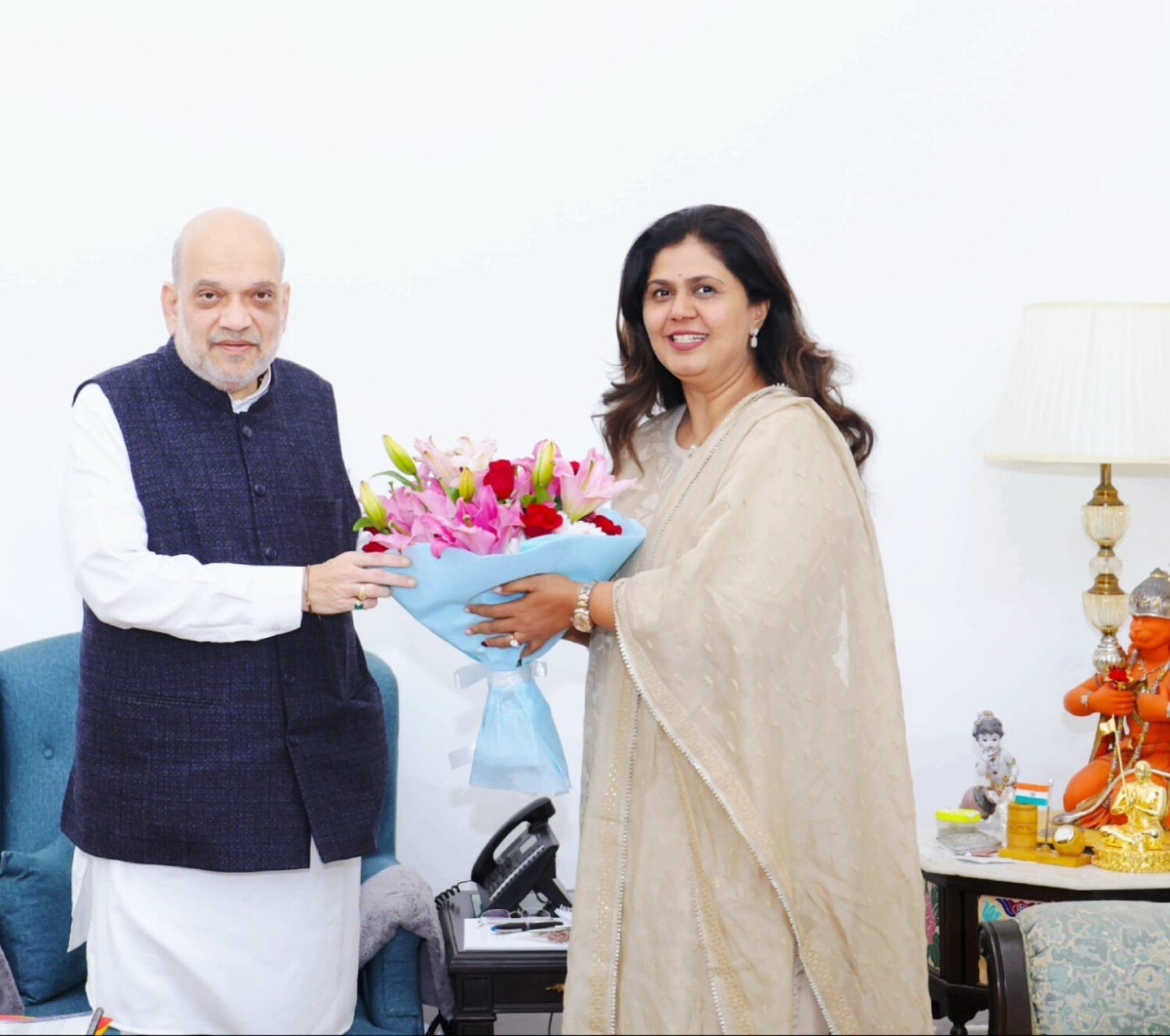
It has given me the values and vision to live life the same way, no matter what — whether you are hitting rock bottom or you are in seventh heaven. Success never goes to my head, and defeats or bad times never sink me. He never formally taught me by sitting me down and explaining things. He was such a happy person, such an accommodating person. The way he gracefully handled bad situations and humbly handled successful moments — I just kept watching him. Sometimes, watching people who are bigger than you, who are achievers, silently shapes you automatically.
Politics can be both empowering and unforgiving. What has been your most defining challenge, and how did it transform you as a leader?
Politics can be very empowering. It gives you recognition, power, and authority. And it can also be very unforgiving. I think many fields are like that — especially fields with glamour, public perception, and popularity attached to them. They give you a lot, and if something goes wrong, they can be very unforgiving.
In any phase of life, one should experience both. That makes you a different soul — someone ready to absorb whatever comes and still not shake from within.
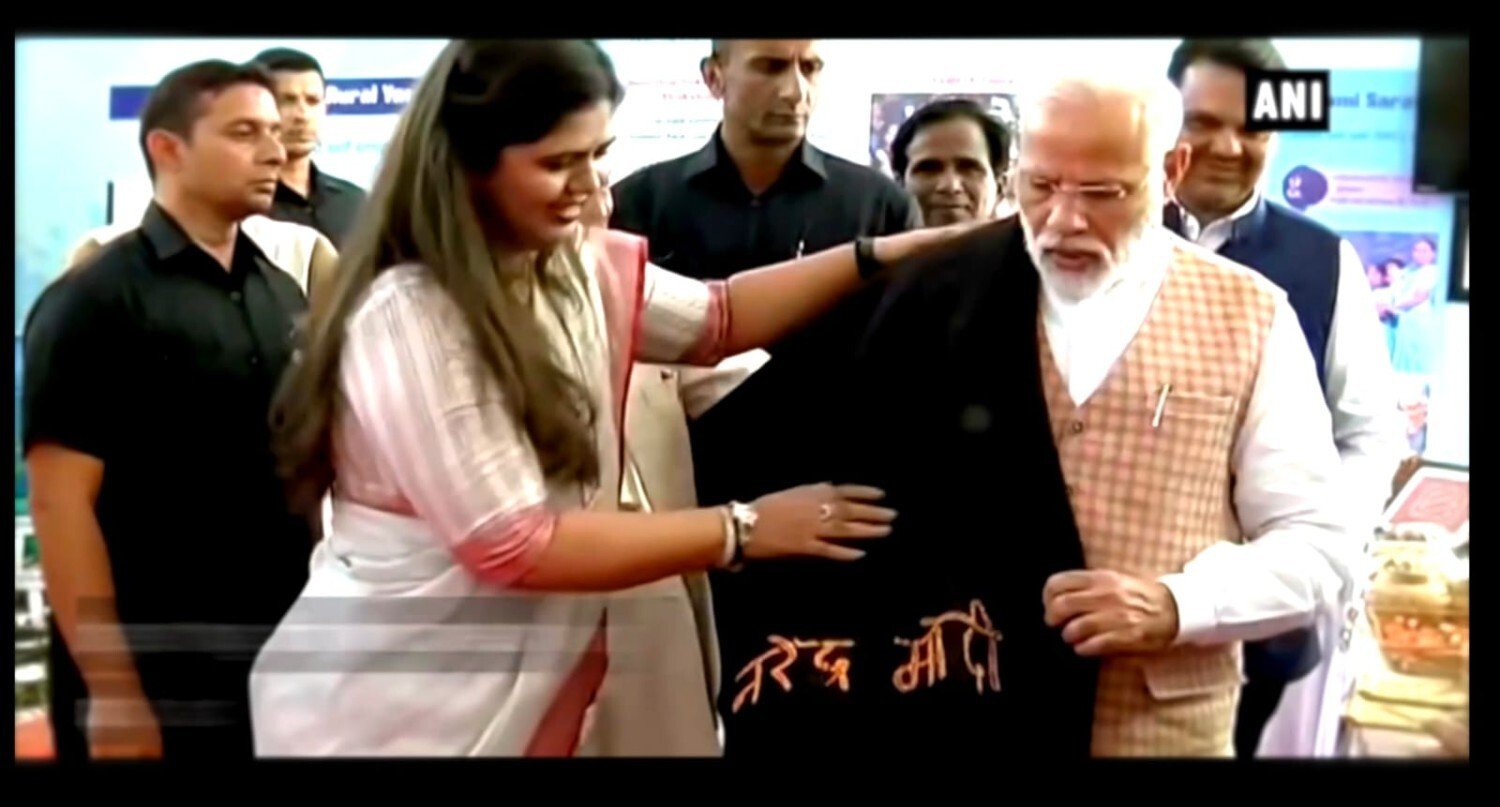
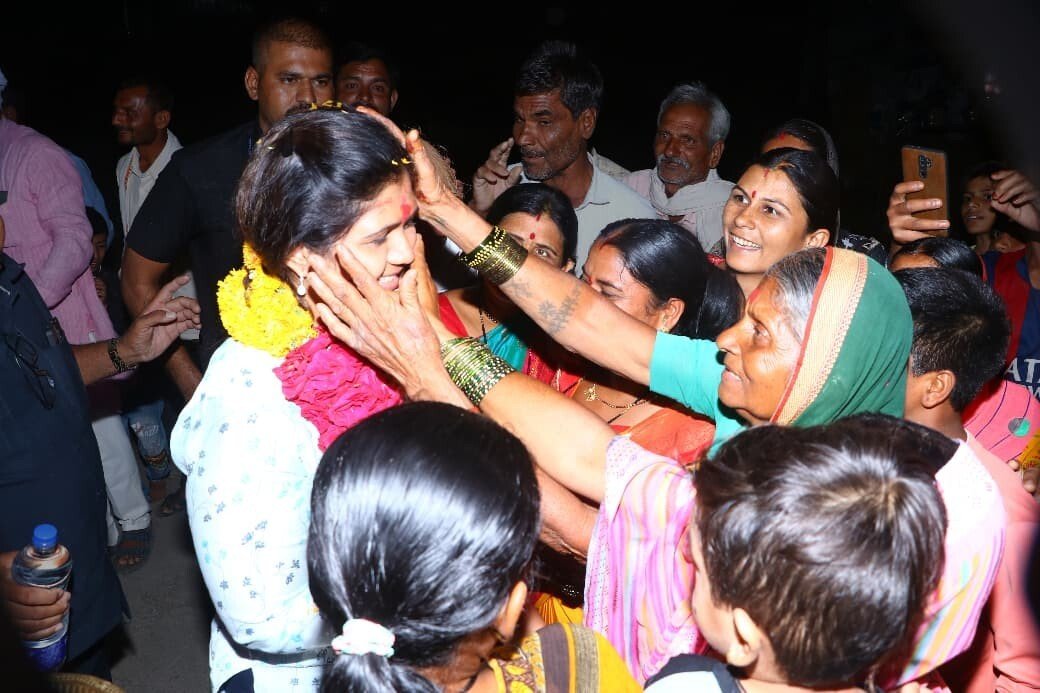
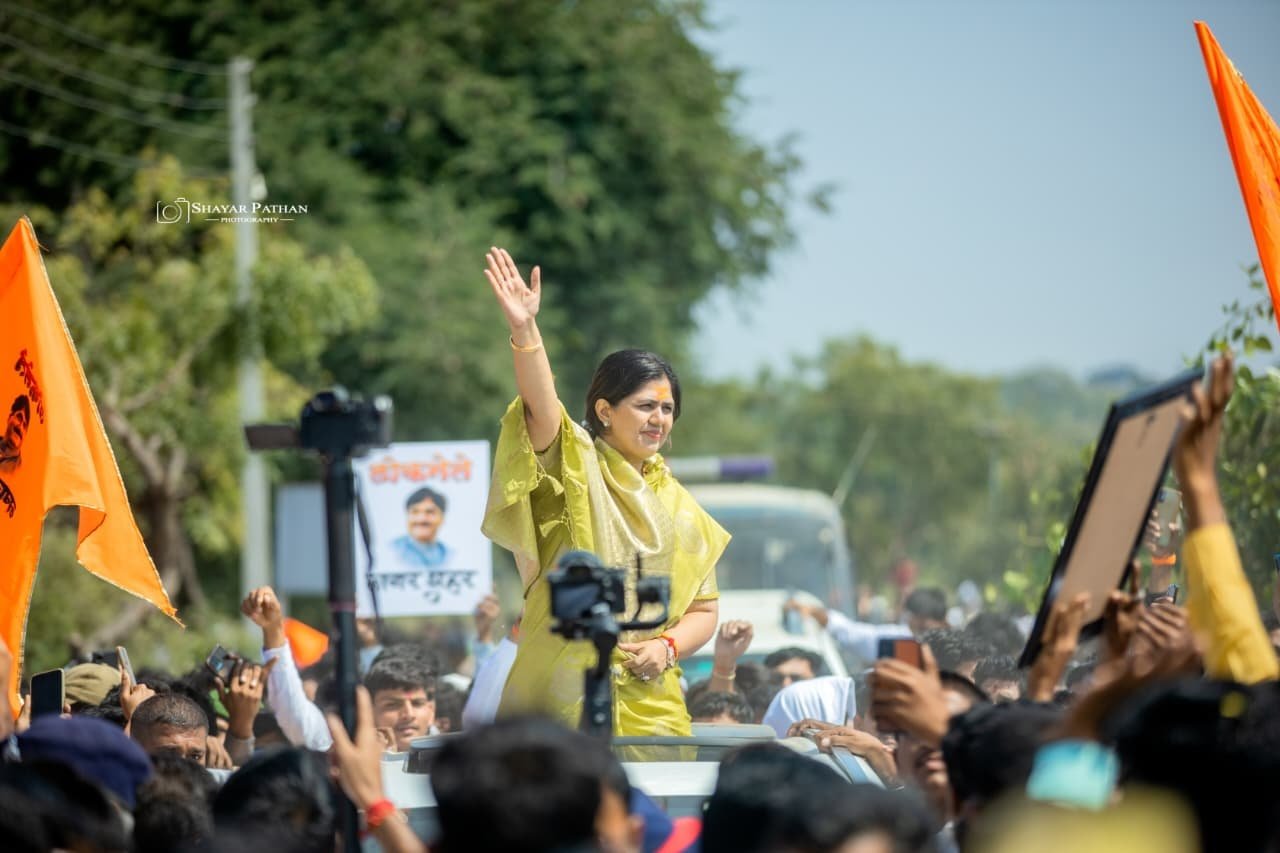
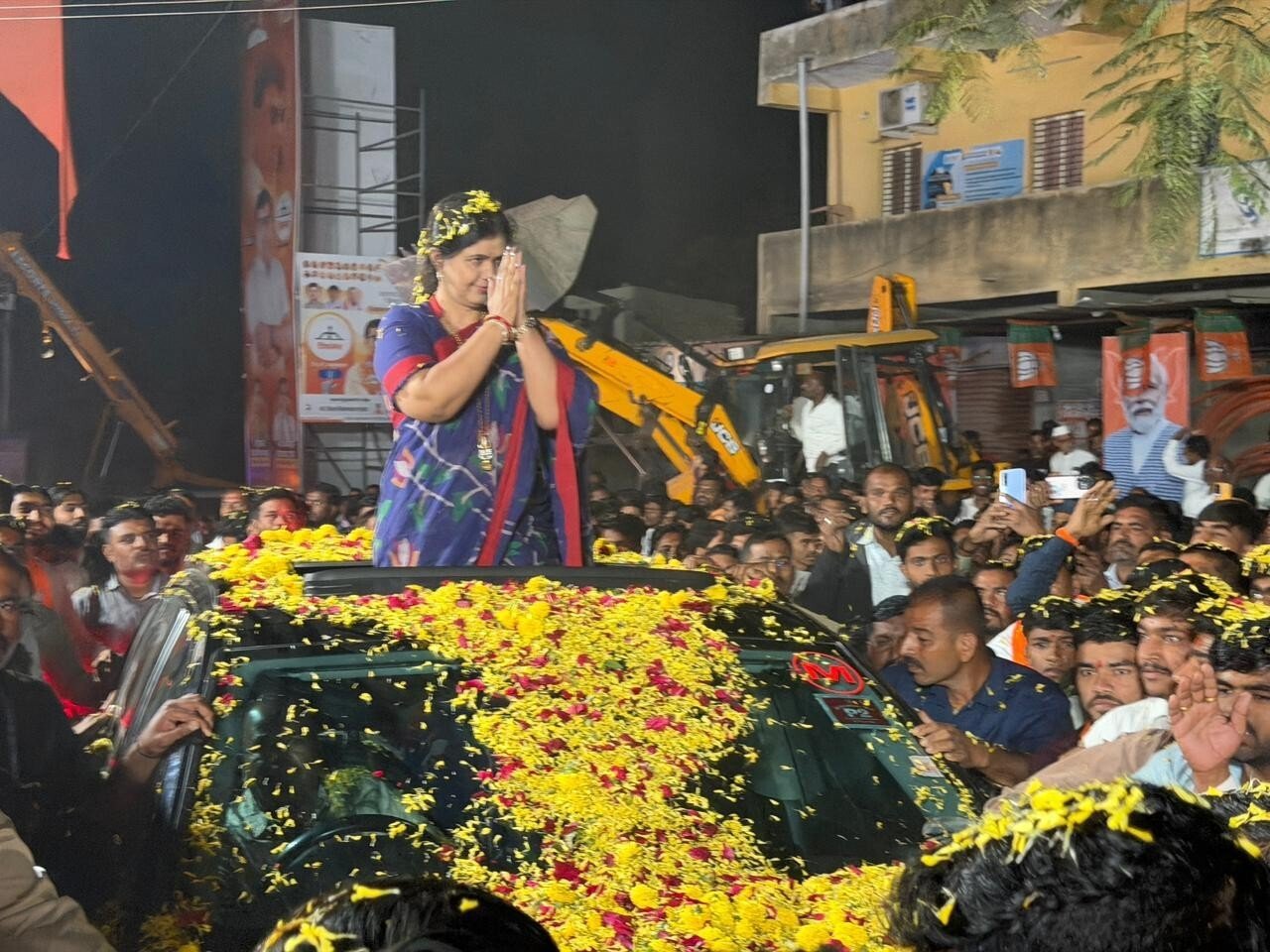
There were empowering moments — when I became minister, when I worked with very renowned leaders of the country, when I could take decisions that affected many lives and people would come and bless me. When old people put their hands on your head, on your cheek. When women take out your nazar. When I go to my villages, they make me stand on a wooden platform, put water on my feet, apply haldi and kumkum, and welcome me as if Lakshmi is entering their house. That increases my responsibility. That empowers me more than the authority of being a minister or VIP. Empowering other people empowers me.
But it is unforgiving when your words are broken down and presented differently in today’s media world. The trolling can be cruel. If you are weak-minded, it can tear you into pieces. When you lose elections — and I have lost an election even after getting huge votes — the people who love you feel shattered. And those who are happy you lost start trolling and judging you.
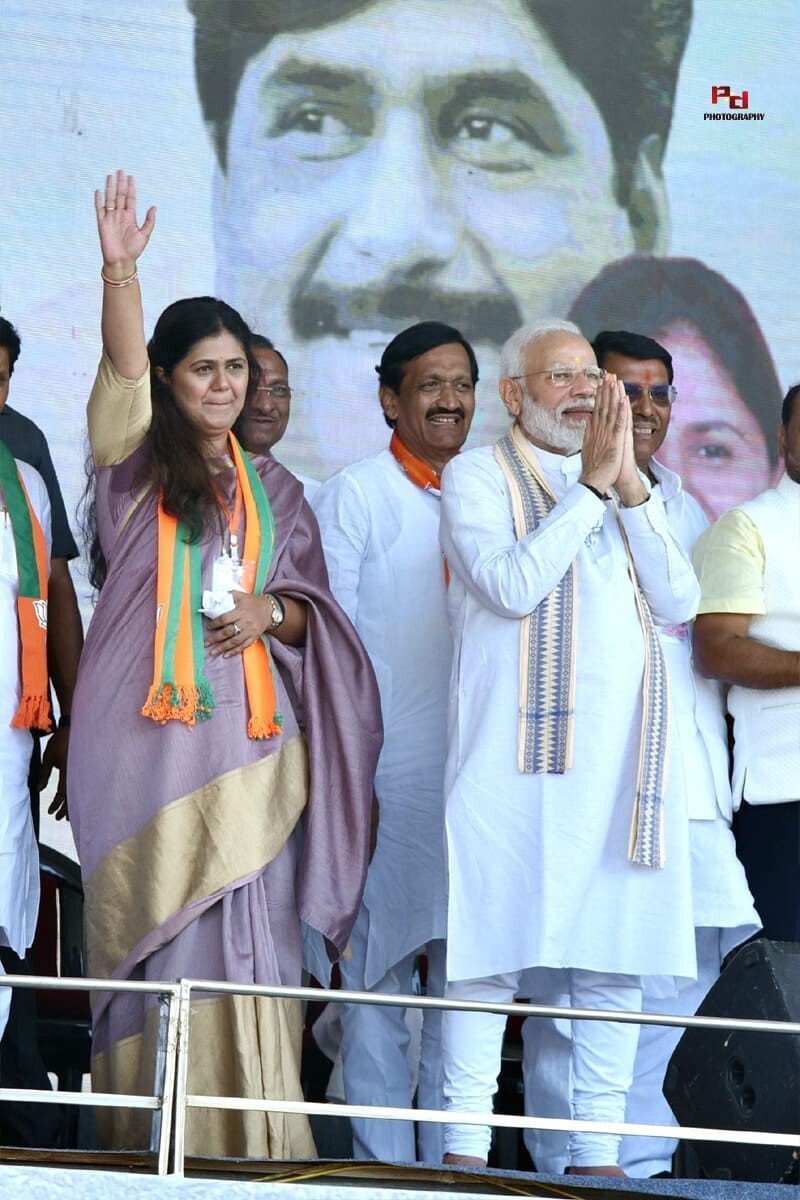
When you are doing well, not many praise you. But when something goes wrong, you are judged — especially as a woman. “You leave your hair open.” “You don’t wear a sari.” “You are overconfident.” Women are measured differently. It happens subtly. When a man is loud, he is confident. When a woman speaks strongly with emotion, she is called rude. That happens.
As a woman in Indian politics, what barriers did you have to consciously break — and what message do you have for young women aspiring to leadership?
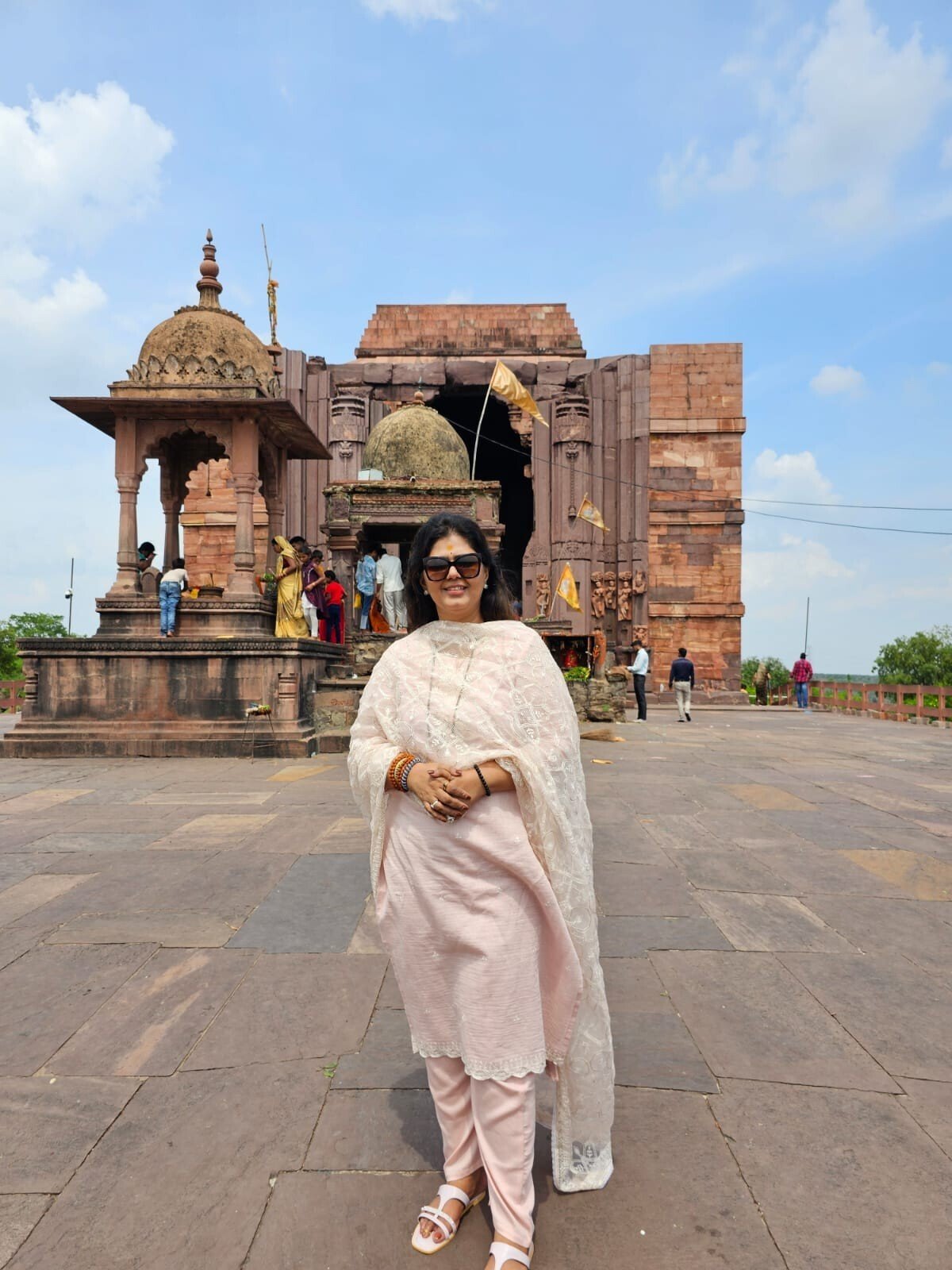
My message to women who want to enter politics — just be brave. Be unbreakable. Be self-respecting. Things will fall in place. And even if they don’t, you will learn a lot. Every experience either gives you success or gives you a lesson.
Leadership can be in any field, not just politics. I believe women are born leaders. They are multitaskers. When given love, trust, and comfort, they do great. The best power of a woman is that she never thinks only about herself. No matter her position, she thinks of many people. She is realistic, mostly ethical, and rightful — both in being right and in protecting others’ rights.
Public life demands resilience. What anchors you during moments of criticism, political setbacks, or intense scrutiny?
When I face criticism, political setbacks, intense scrutiny, the heat – one has to be composed, calm, and brave. When you work in such fields, you have to draw a circle around yourself where nothing enters — no happiness, no sorrow, no darkness, no light. That is your zone. You protect your inner self here. You wait for the time to pass, because everything passes — good or bad. Always believe there is a ray of hope after the darkness.
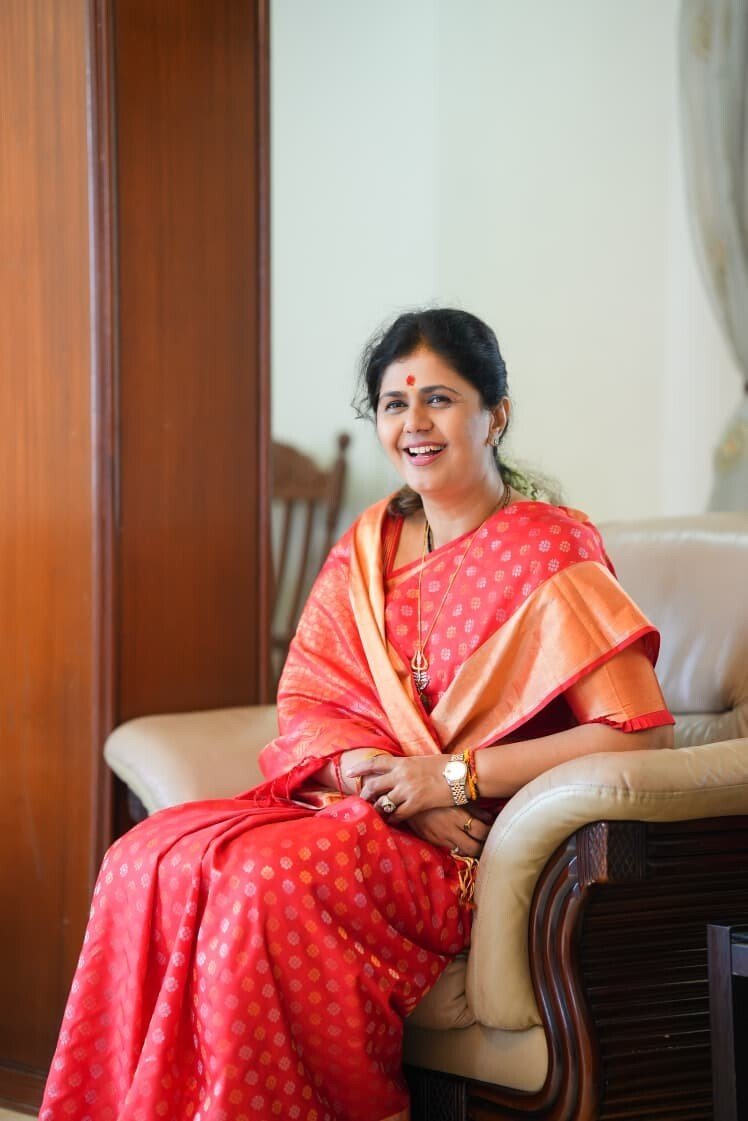
Some people create their own darkness by their deeds. I don’t believe in doing wrong things. I believe in being right. Being right may bring turbulence and shocks, but in the long run, it never harms. Like gold in fire — it comes out as an ornament.
You have worked closely with rural communities in Maharashtra. What, in your view, is the single most urgent reform India’s villages need today?
I’m Minister for Animal Husbandry, Environment, and Climate Change. I was Minister for Rural Development, Water Conservation, Women and Child Welfare, and Employment Guarantee Scheme. I have experienced seven ministries, but I’m really enjoying this work of Environment, Climate Change and Animal Husbandry.
Earlier, I was working for people who could express their problems. Now, I’m working for those who cannot express themselves.
In Animal Husbandry, on one hand, it is about providing the best nutrition — meat, milk, fish, goat, chicken — to people. On the other hand, it is about saving cows, preserving indigenous breeds, and doing scientific experiments where we come up with hybrids. So it is very scientific on one side and very global on the other, where we are trying to provide eggs, milk, mutton to other states and even globally. It is a very strong business.
This department has the capacity to create many entrepreneurs in rural areas — especially lady entrepreneurs. We call them Good Lakhpati Didi – they can provide the produce to our own state, as well as nationally and export to other countries as well. This sector has a lot of strength, and I’m very positive about it.
As a minister, I have ensured that people who have livestock and are breeding animals get subsidies – solar, interest – and all the benefits that farmers receive. This will strengthen Animal Husbandry at the grassroots level. It is already a grassroots issue, but now it will get a more corporate approach. We are working on that, and every day I’m seeing good results.
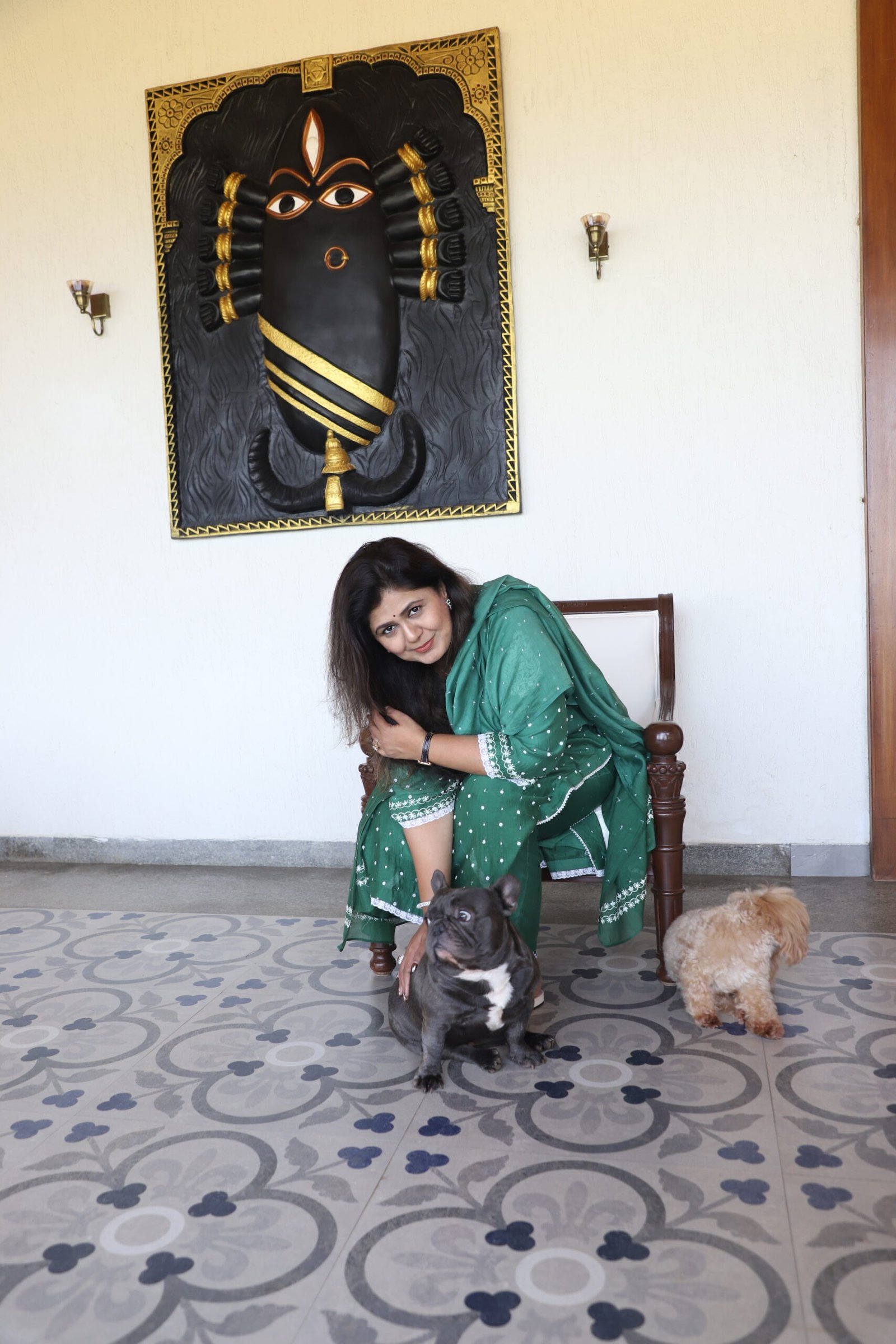
I also like being with animals — touching a cow, interacting with people who care for them, breed them, grow them, and run their businesses. It’s a very different department. On one hand, it is about saving; on the other, it is about feeding people. But that is required. We must give people the best products they deserve.
Youth aspiration in India is rapidly evolving. How should policymakers adapt to a generation that is ambitious, digital-first, and globally aware?
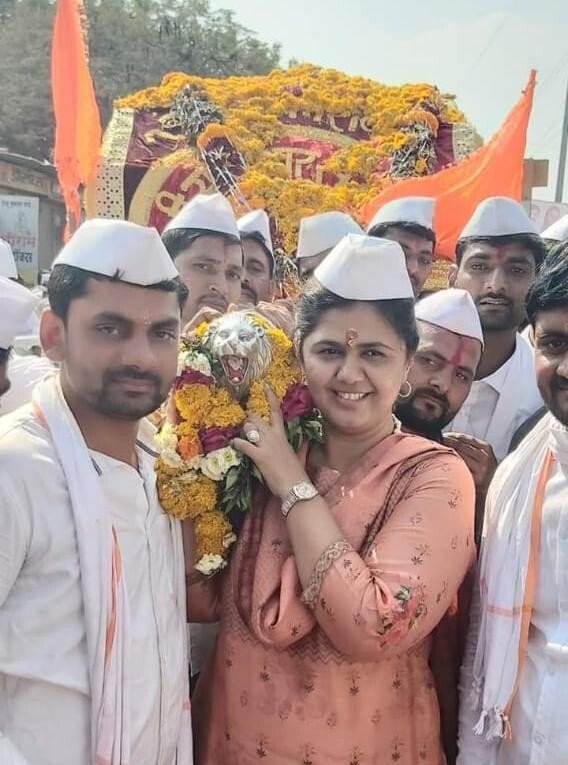
Yes, youth aspiration in India is rapidly evolving. The youth today are very goal-oriented. For everything, they ask: What is my goal? What is my outcome? What will I achieve from this? They are very ambitious and very aware of global scenarios.
But at the same time, they must remain emotional and ethical. They must understand deprivation — that you don’t have to have everything. That will make them calm and composed internally, strong enough to fight the world.
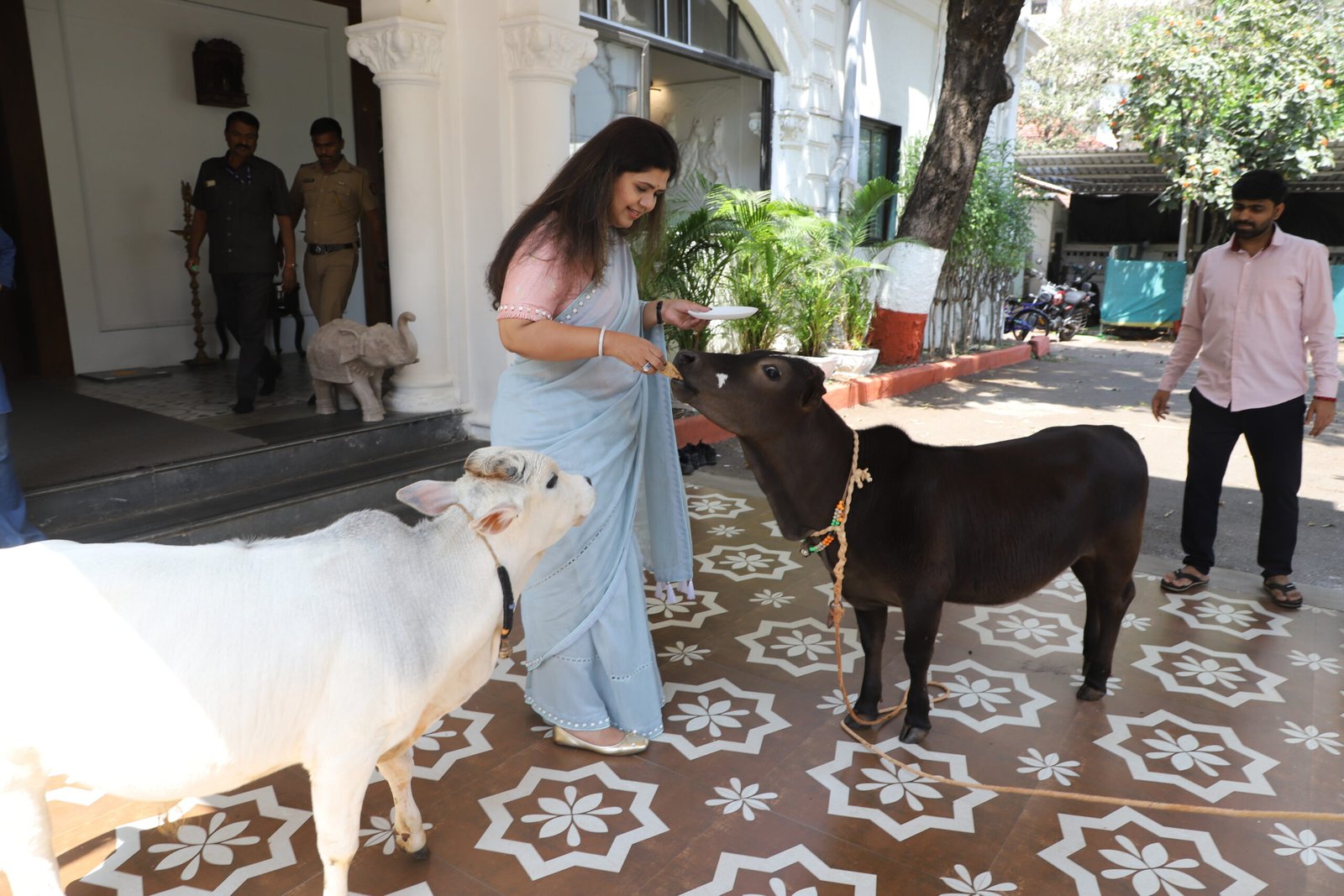
The youth today have tremendous energy, knowledge, and technology. They will achieve things with great force. I’m very positive about what they aspire to and where they want to reach. They know their potential.
The only thing is that they must stay connected to their roots. That will keep them grounded and make them feel complete. In life, you need success, health, wealth — but harmony is equally important.
As Minister of Animal Husbandry, Environment, and Climate Change, GoM, what have been your key priorities? What tangible steps have you taken so far towards environmental protection and sustainable development in Maharashtra?
Environment and Climate Change are vast subjects. It is so global that whether I interact with a Japanese governor, the Consulate General of Argentina, or a British leader, everyone is concerned about climate change. We are all speaking the same language globally — clean oceans, clean rivers, ozone layer protection, soil preservation, biodiversity, wildlife protection, forestation, decarbonization, desalination. It is very scientific.
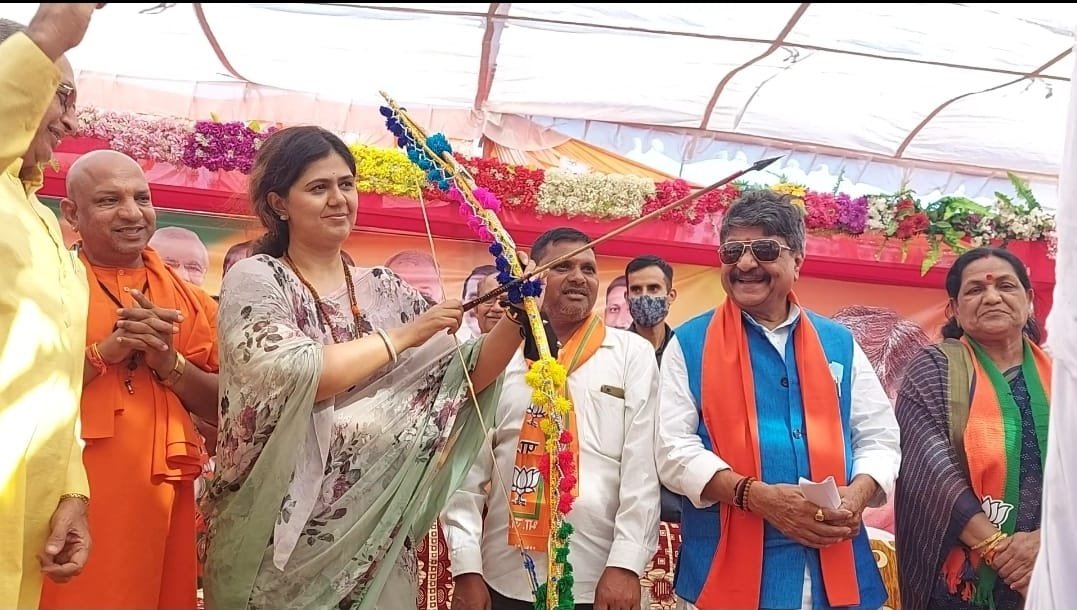
Both departments I handle are scientific. In Animal Husbandry, we talk about breeding animals to get proper results. In Environment and Climate Change, it is like serving Mother Nature.
I’m a very spiritual person. I pray. I worship. I do sadhana of Bhagwati — Devi, Prakriti, Shrishti. Taking care of the food chain, providing the best breeds, preserving forests and the environment — somewhere I feel it connects spiritually.
We were provided with everything on a platter, but in our greed for development and wanting more and more, we are polluting even space now. It is a global subject and a matter of concern.
In this entire journey, I consider myself an environment warrior — working to preserve what we have, to save it, and maybe one day bring it back to what it once was. That may be difficult, but preserving today’s situation is the task we are on.
How do you balance your responsibilities in the government with your role in the BJP?
My journey in the BJP has been great because I was fortunate to receive solid responsibilities. I became MLA, then Youth Wing President — the first woman Youth Wing President. Then I became a core committee member, then minister.
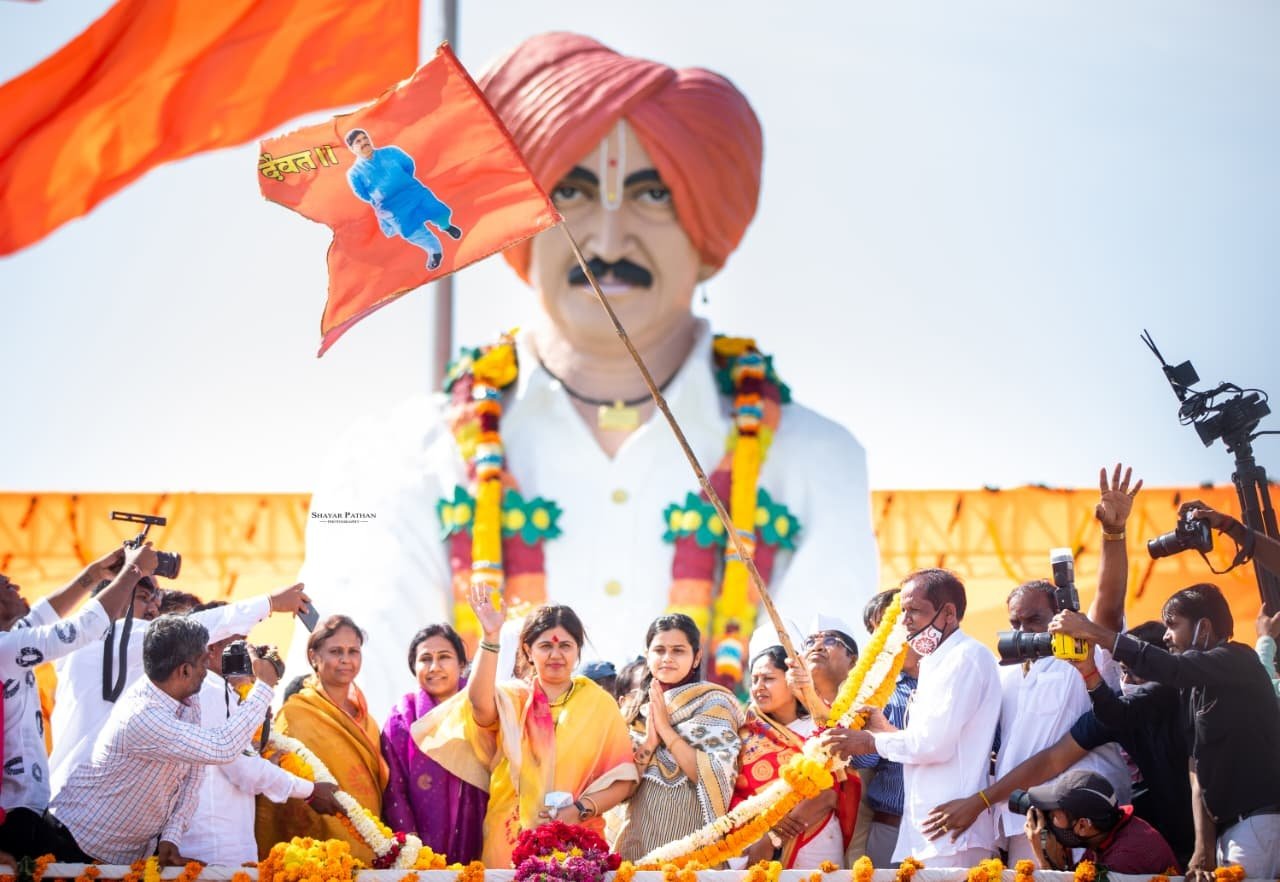
Except for Women and Child Welfare, I was the first woman minister in all the other departments I handled. That thrilled me. Whenever I was given responsibility, I made sure my work would be remembered through decisions and action. I insist on that.
Just like silently observing my father shaped me, silently observing the BJP’s decisions shaped me. Sometimes, at that moment, I didn’t understand whether something was right or wrong. But later, when I looked back, I realised it shaped me and taught me lessons.
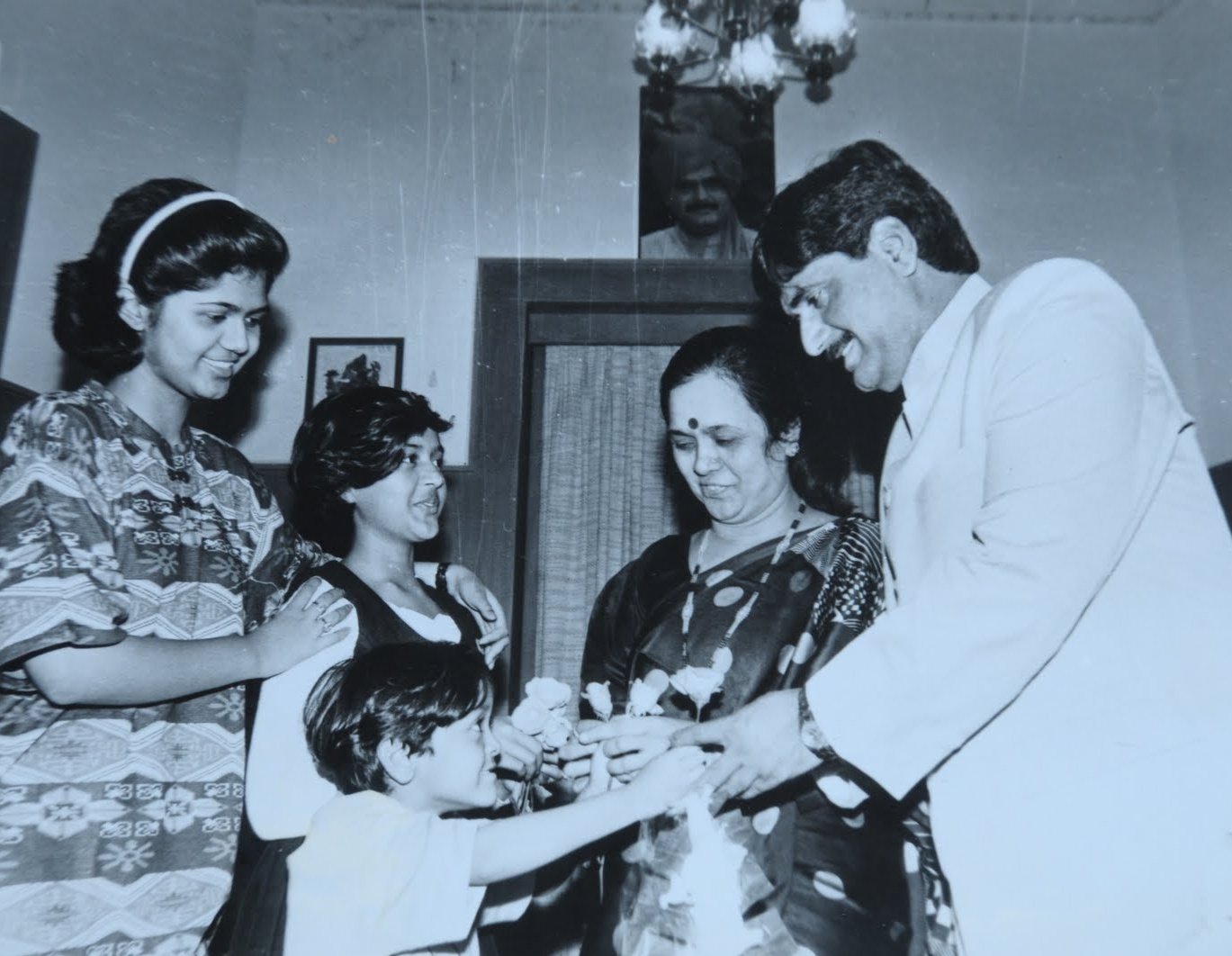
I cannot separate myself from the BJP. It is a value-based party, spiritually inclined. Every scheme connects ancient beliefs with modern science and future vision. That has strengthened my values. I can say I am a daughter of the BJP.
What does ethical leadership mean to you in today’s political climate?
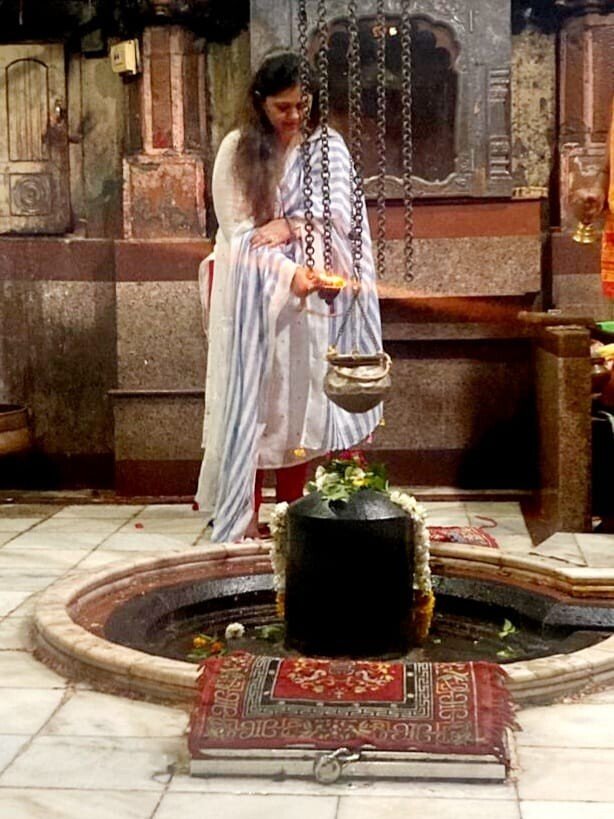
Ethical leadership means ethical leadership. There is no substitute for ethical leadership. You can be smart — if you feel things are not going your way or are not ethical, you don’t have to jump into the fire. You can have a strong mind and simply choose not to be part of it.
And if you are in a strong position, if you have the strength and authority, you should stop it. Because unethical practices have a very bad future. Whatever it is, whoever it is — it is a big no.
Beyond policy and power, what personal values define Pankaja Gopinath Munde the individual?
Beyond policy and power, the personal values that define me are… that I am the same everywhere. As a leader, as a minister, as a karyakarta, as a family person — I am not different. Maybe my approach changes. As a minister, I may be more official. As a leader, more communicative. As a family member, more submissive. But inside, I am the same.
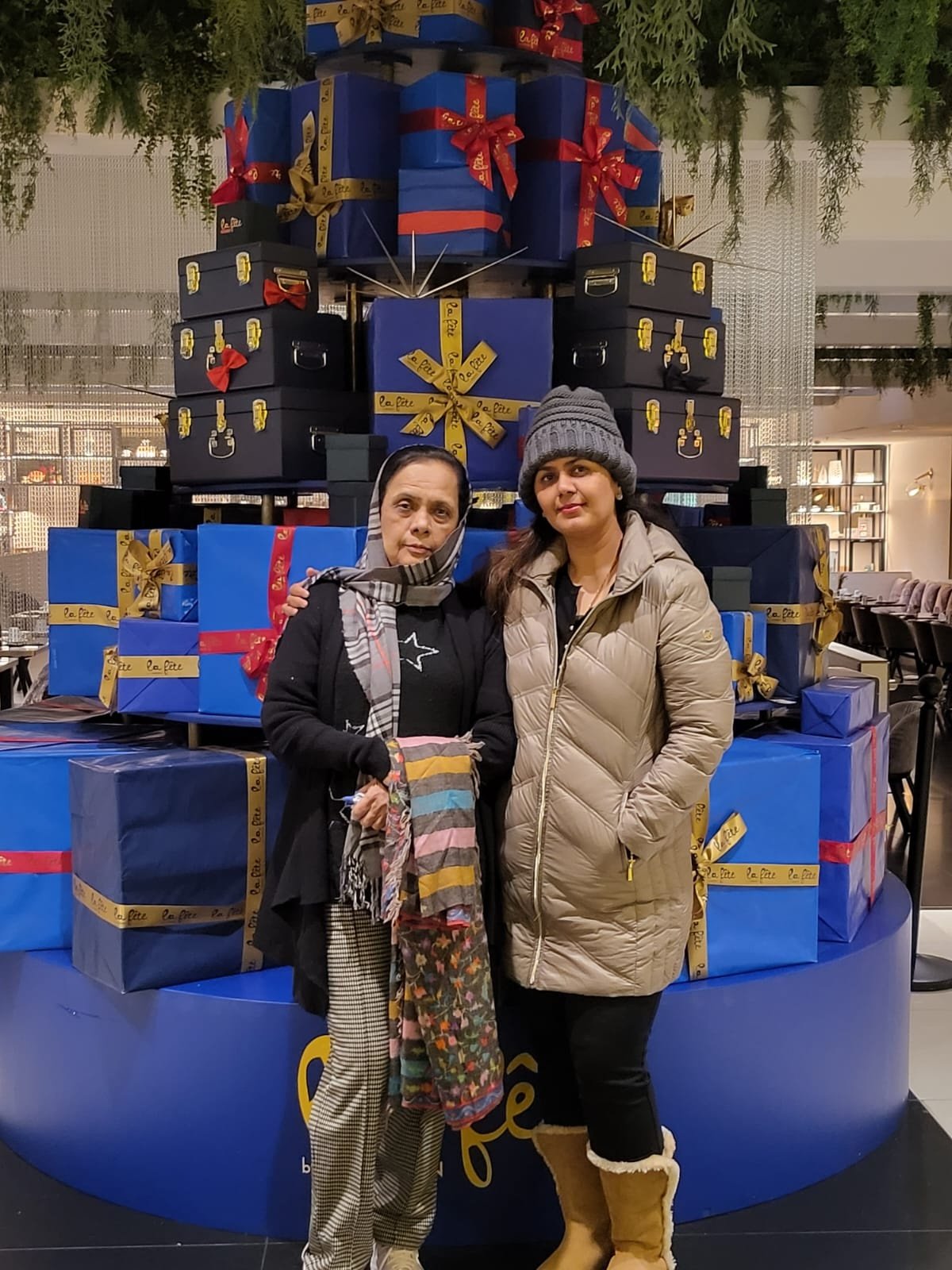
I feel very responsible for everything I do. I am very kind. I don’t want to destroy somebody’s creation or life for my ego — I would never do that. Even if I am not wrong and somebody else is, I am not a person who keeps grudges. I don’t hold things in my heart. I’m not grudgeful at all.
People trust me. They know that what I say, I do. I am fearless. Nobody can blackmail me because there is nothing to blackmail me for. And even if someone tries to threaten me — “If you don’t do this, I will do that” — that is a big no. You cannot threaten or blackmail me to get something out of me. If you are clear, positive, and honest, I can give everything. I can take out my heart and give it to you. But not under pressure.
I am very spiritual. What I think and what I do — there is no difference. Many people think one thing and do another. I am the same inside and outside.
Maybe in high society parties, my way of talking or clothing changes slightly. But I am not different among rich people or common people. I am the same. In and out — the same.
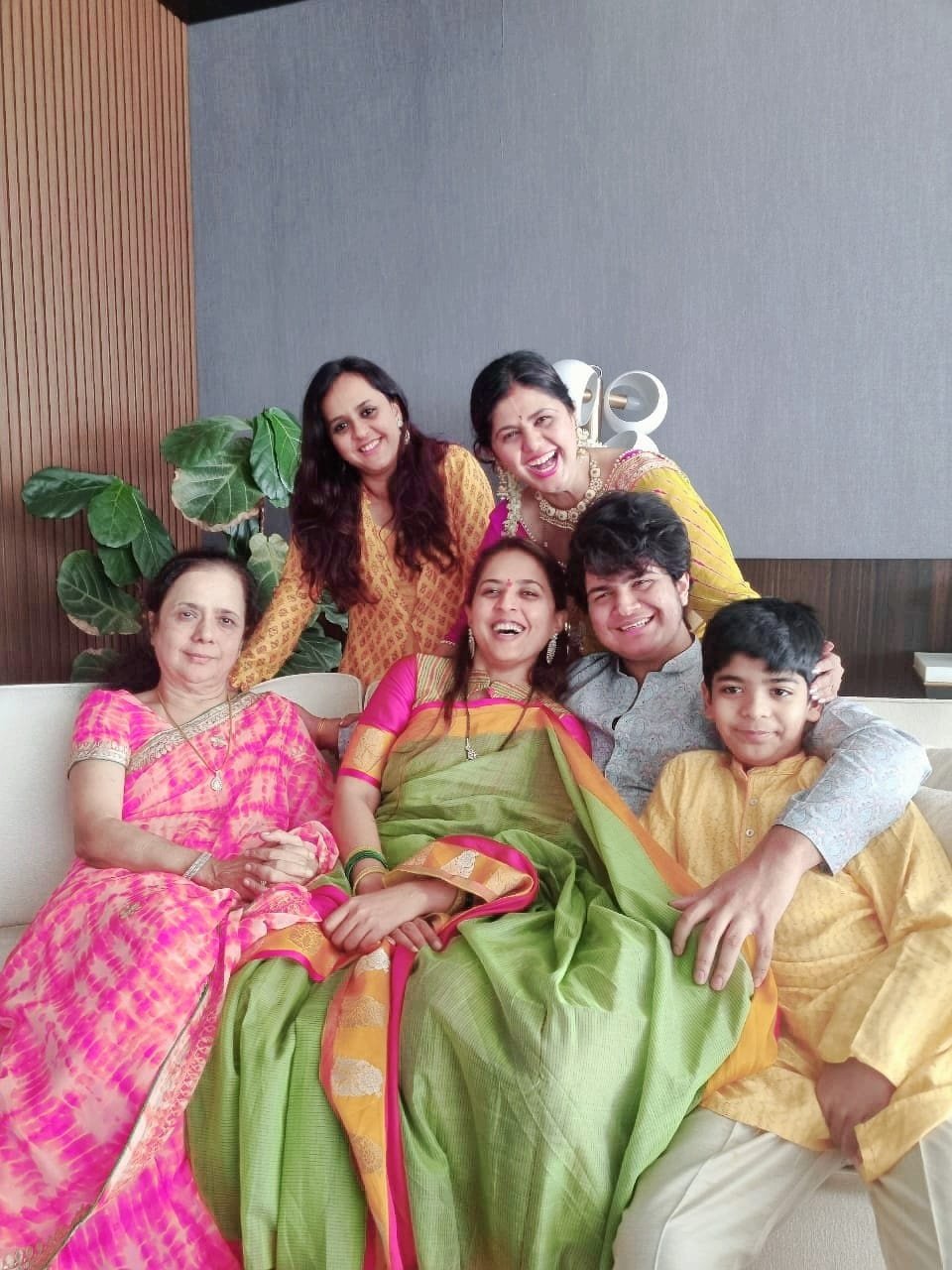
You balance an intense public life with personal roles. How have your son, mother, and sisters shaped your emotional strength?

My mother and father shaped me deeply. I am the oldest daughter. My mother is very strong-headed, decisive, value-oriented, self-respecting, and disciplined. Health-wise — her exercise routine and diet — I can never beat that.
I am more like my father — chilled out, not taking everything to heart. But my mother grounded us. She never let pride enter our heads. That made us who we are today — able to live simply and happily. No showing off. I owe that to her.
My sisters and I are not like typical older-younger sisters. We are the same. The middle one is like my friend — sometimes she behaves like my older sister. She is very decisive, very strong-headed, very clear about what she wants in life — unapologetically clear.
The youngest one is very knowledgeable and well-read. She sees through people. Whoever she talks about, she usually turns out to be right. She is creative, decorates beautifully, loves cooking and feeding people. She is a lawyer. The middle one is a doctor.
We have no jealousy. No competition. No expectations from each other. Blood is thicker than water. We are very thick, touch wood. None of us are greedy. Whatever comes our way, we accept it calmly and strongly.
Even though we are in politics, my sister will stand in line in a temple for darshan. She won’t use our names. That grounding comes from our parents.
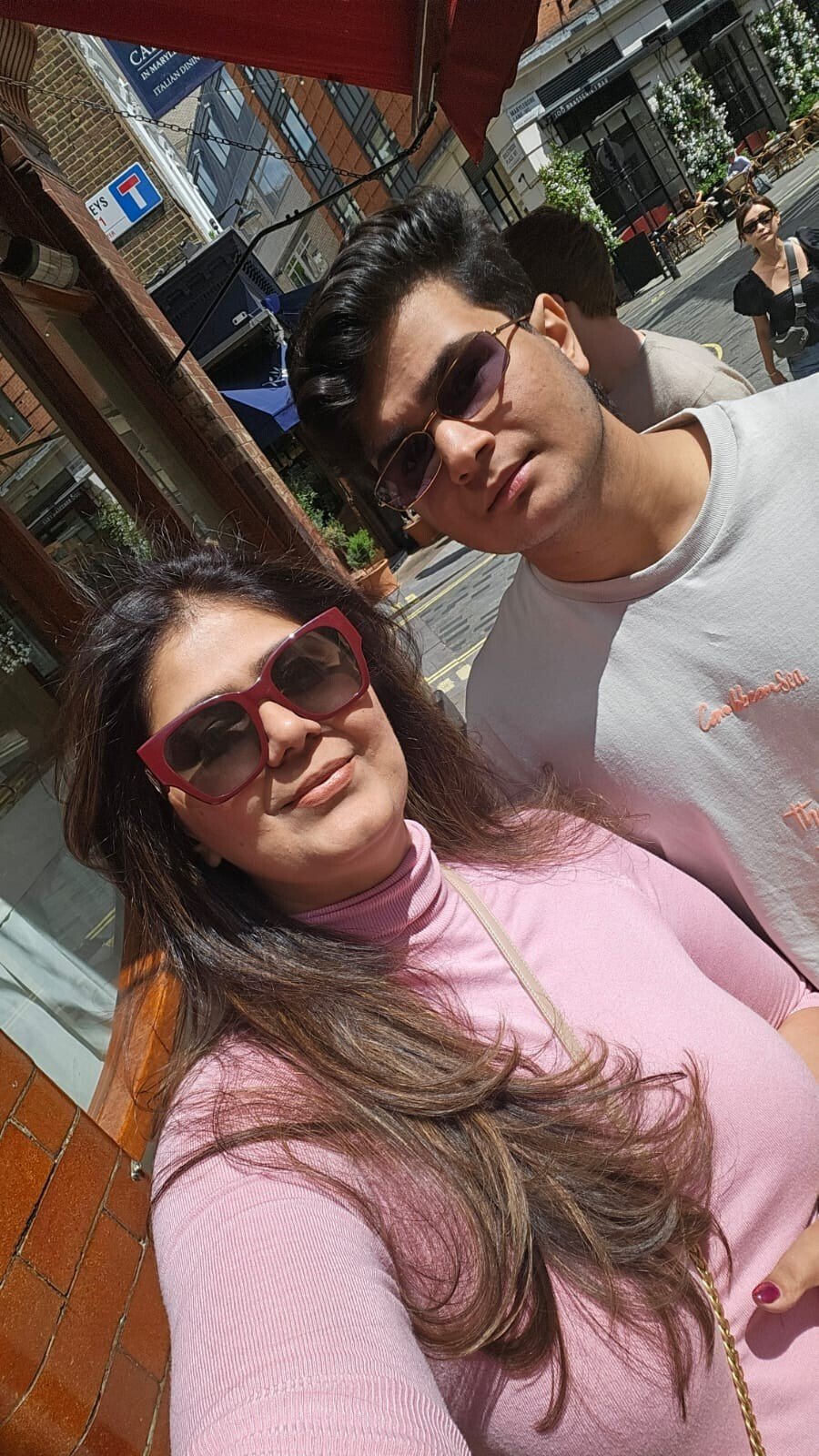
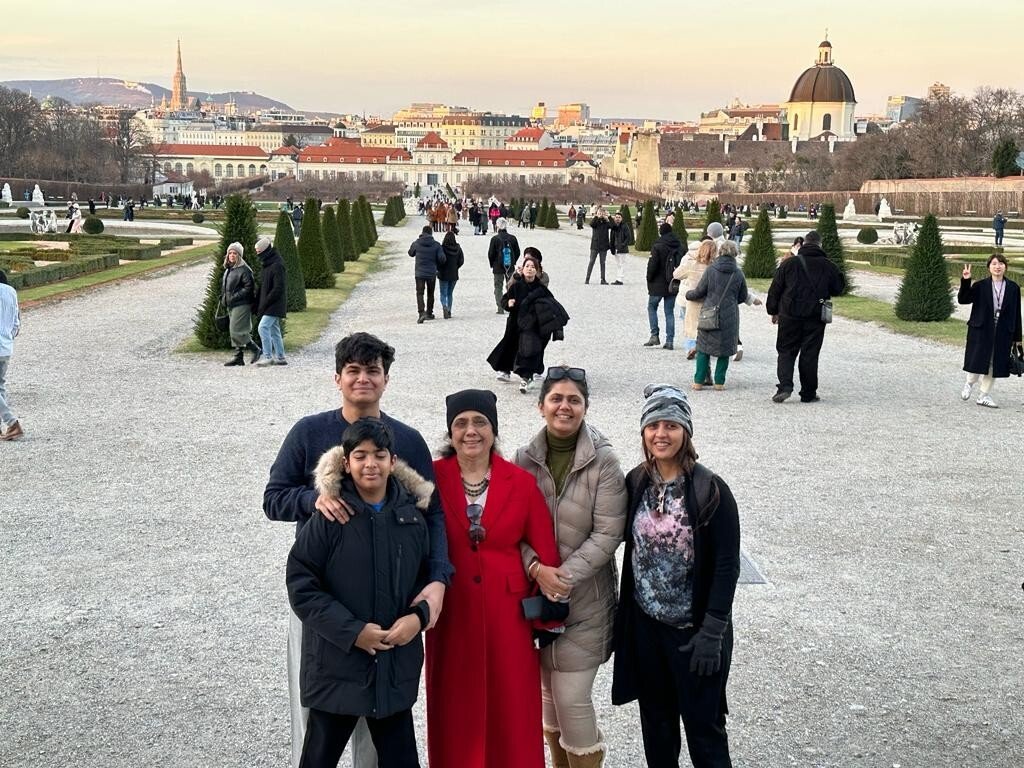
Now, my son… He is my support system. He is tall, strong, broad-shouldered. Sometimes he looks like my father. But his nature is different. He is fiery, dreamy, decisive. He knows what he wants, and his decision is final. He is punctual. If we have to reach somewhere, he will be ready on time. But he loves sleeping when he gets the chance — he can sleep 23 hours a day! When he is hungry, he becomes very cranky. He commands respect and gives respect. He talks to people of all ages kindly.
During a rough political phase in my life, he would always manifest for me. “Mama, you will become this. Mama, you will become that.” That pure soul asking for something played a big role in where I am today.
Over the years, my absence due to my work did not break him. He is my biggest strength. He was pampered as the first grandchild in the family. There is no “no” in his dictionary. He is kind and loving towards my dogs. Every mother wants her son to prosper — wealth, health, happiness.
बच्चा, बीवी, घर, गाड़ी, बंगला सब कुछ।
मैं चाहती हूँ लोगों से बहुत प्यार मिले उसे।
और क्योंकि लोगों से जिसे प्यार मिलता है, उसके अंदर certain चीजें होनी चाहिए होती हैं। वो उसमें automatically होंगी और हैं तो बढ़ती रहेंगी।
(“Kids, a wife, a house, a car, a bungalow — everything. I want him to be loved by a lot of people. And when someone receives so much love from people, they need to have certain qualities within them. Those qualities will come to him naturally, and if he already has them, they’ll only keep growing.”)
I want him to do better than me. I don’t force him into any field. Just don’t drive fast — that’s my only motherly fear. Otherwise, he should do what he wants and succeed.
Where would Pankaja Gopinath Munde like to go from here?
I want to go to my destination, which was designed for me before I was born by the Almighty, so that no karmas are left behind. I want to retire after achieving what I am born to achieve, and then begin a spiritual journey till my last breath. That is my real dream.
Doing good for people does not mean only building them roads, drains, temples, factories, and giving them jobs. It also means showing direction. Helping people understand themselves. Calming them. Teaching them to respect and love each other. After a certain time, I want to focus on that. I don’t know when that time will come — maybe 10 years, 12 years, 15 years. But I will know when I reach my destination.
And I want a beautiful exit. I will not wait for people to throw me out or ask me to leave. I will know when it is time to go.
Rapid Fire with Pankaja Munde
What’s your favourite way to unwind with your son?
Our simple “chai time.” We sit together, sip tea, watch something light, and just talk. Those quiet conversations are my best moments.
Anything your mother still lovingly scolds you about?
Oh yes — travelling at odd hours! If I take a late-night trip or push through tough conditions (floods etc), she gets upset and says, “Why do you have to go when no one else is going?”
Who’s the most mischievous among you and your sisters?
Definitely me. I love performing mimicry and teasing my youngest sister especially. As kids, I would even fake little dramas just to trouble them!
Your perfect holiday looks like…?
Exploring temples, heritage sites, and ancient architecture in India and around the world. I love history, spirituality, and peaceful walks.
One sweet dish you can never say no to?
Honestly, I don’t have a sweet tooth — I can happily skip desserts!
Morning chai moment or late-night quiet time?
Chai at any time — but late-night chai hits differently.
A colour you love wearing?
Brown, sky blue, white — and lately, softer, lighter shades. I feel our colour palette evolves as we evolve within.
One small daily ritual that keeps you grounded?
Starting my day with prayer and ending it with meditation. It keeps me calm, centred, and positive.
Three words your family would use for you?
They’re not big on praise! But in the past, they have called me – strong, socially connected, and responsible.
When you need strength, do you turn to silence, prayer, music, or conversation?
Silence and prayer. I go inward. I don’t carry my stress home — I step inside my home with faith, and find strength within myself.