Amber Dias explores how florals are adding fragrance, elegance and visual drama to cocktails.
The prettiest cocktails on the menu right now also happen to be the most fragrant. Rose spritzes, lavender gin sours, hibiscus margaritas and elderflower highballs are showing up everywhere, from neighbourhood cocktail bars to elegant hotel lounges.
The appeal lies in their balance of fragrance, flavour and visual beauty. Floral ingredients add subtle sweetness and aromatic complexity while keeping drinks light and refreshing — ideal for warmer months and outdoor drinking. More importantly, they offer bartenders a creative palette that feels elegant rather than heavy.
The Rise Of Floral Cocktails
The growing love for floral cocktails can be traced back to the craft cocktail revival of the early 2000s, when bartenders began experimenting more freely with botanicals, house-made syrups and edible garnishes. Ingredients like elderflower liqueur quickly gained popularity because they blended effortlessly with classic spirits.
One product that helped push this trend forward was St‑Germain Elderflower Liqueur, launched in 2007. Made from hand-picked elderflower blossoms from France, it gave bartenders a way to add floral sweetness and aroma without overpowering a drink.
“Elderflower works almost like seasoning in cocktails,” notes one London bar manager. “It lifts citrus, softens stronger spirits and adds a fragrance people immediately recognise.”
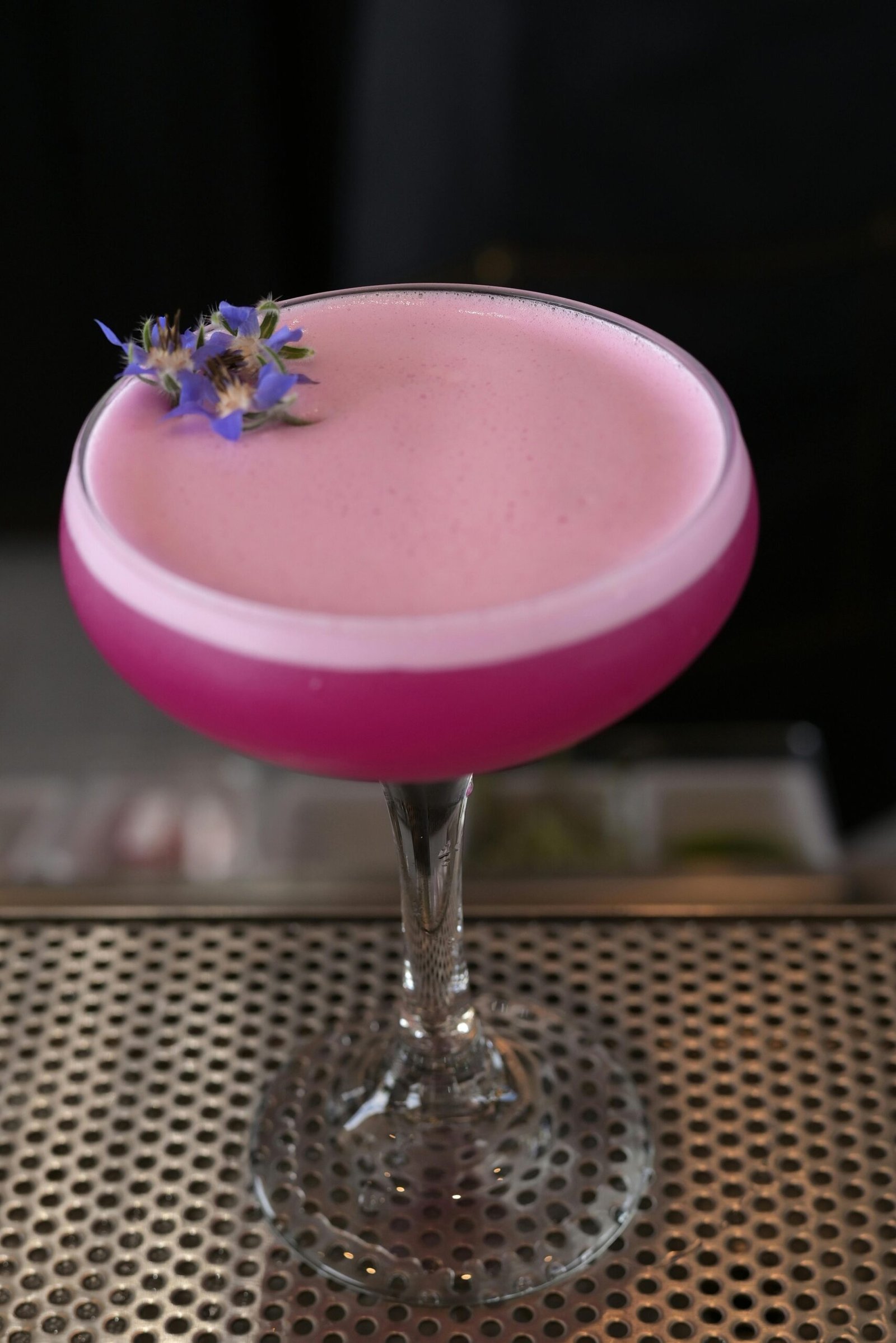
Today, drinks like the Elderflower Collins or a rose-infused gin spritz regularly appear on cocktail menus around the world. Floral liqueurs paired with sparkling wine or soda have become especially popular because they create drinks that are aromatic yet easy to sip.
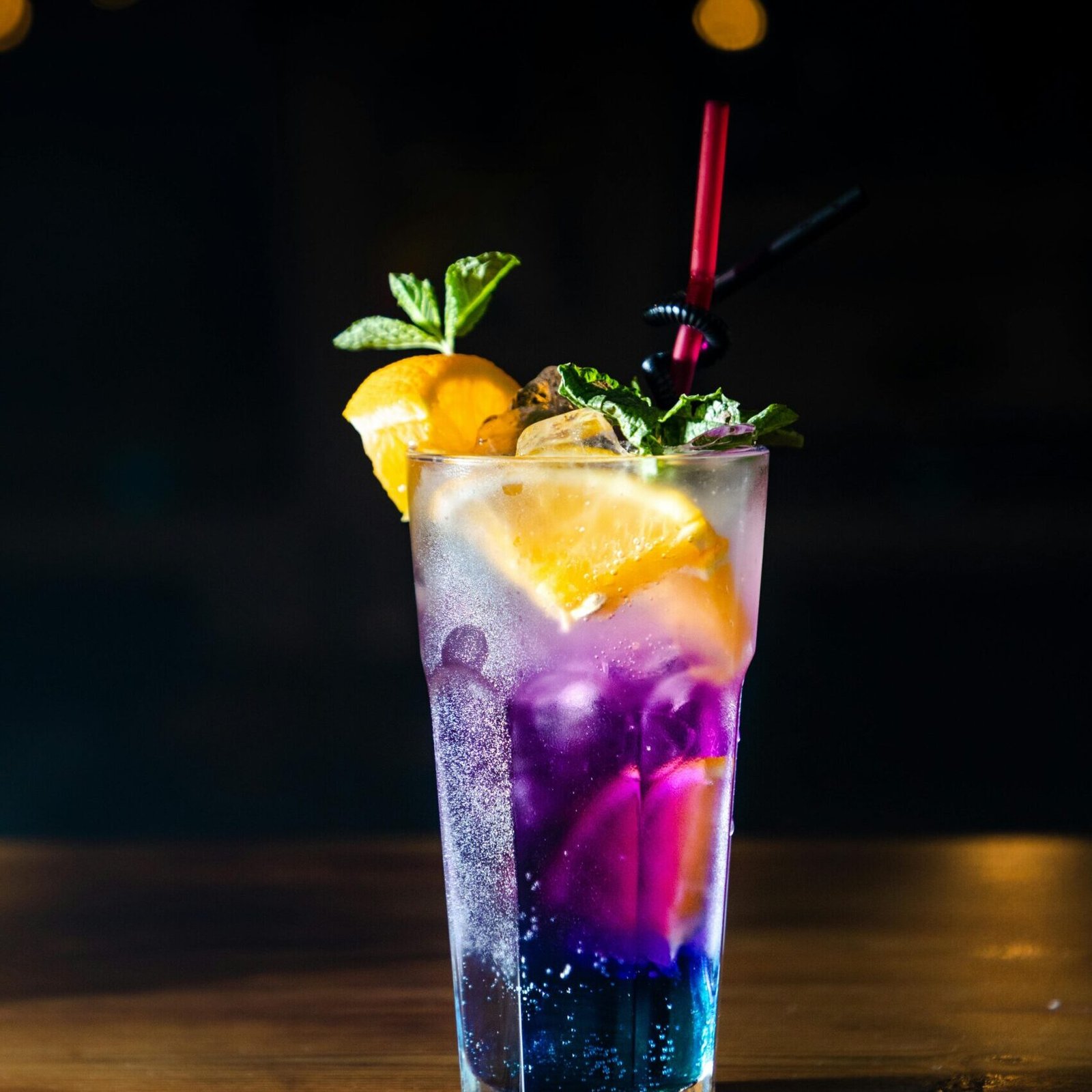
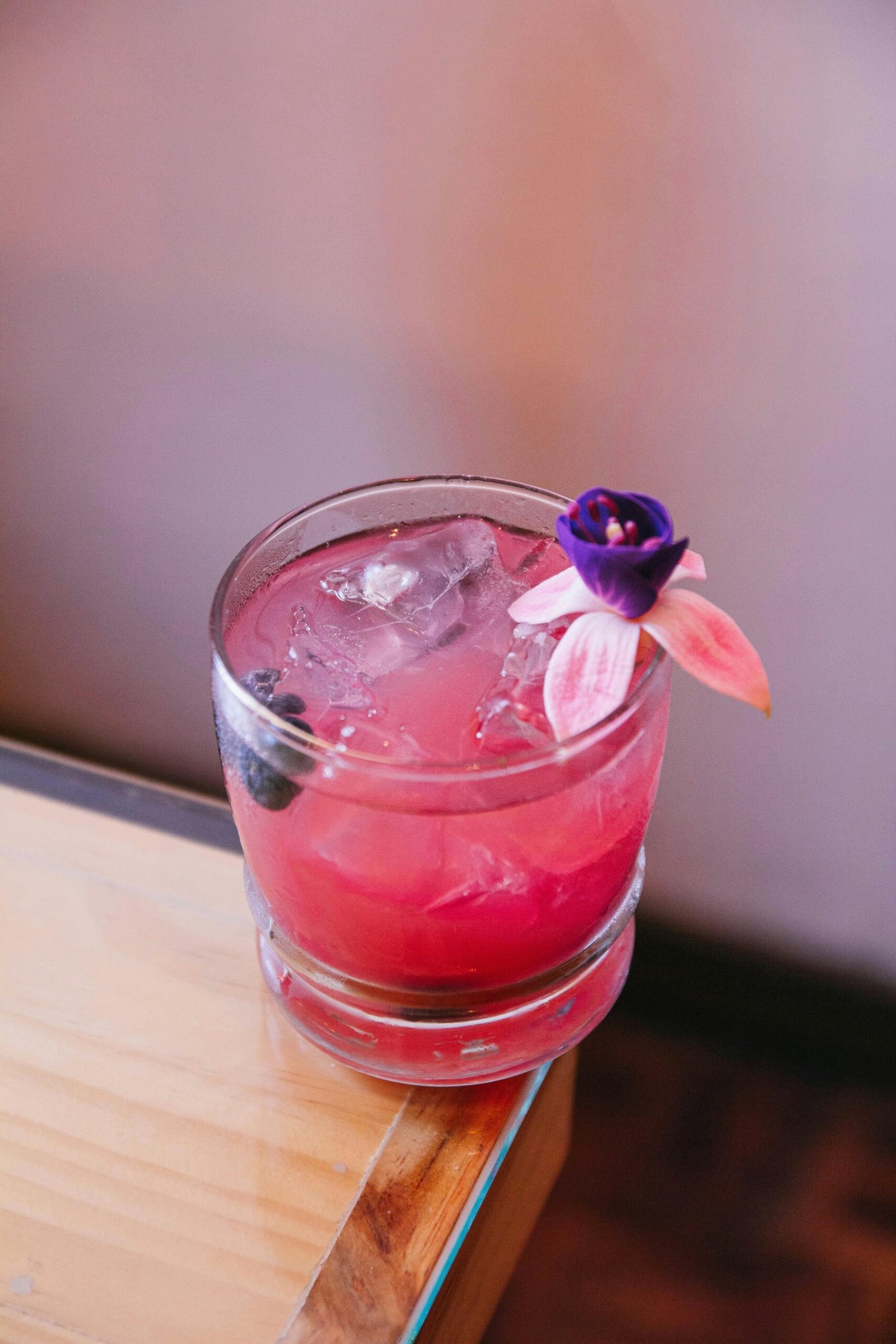
There’s also a visual appeal. Floral cocktails photograph beautifully, something that matters in the social-media age. A drink topped with rose petals, lavender sprigs or hibiscus ice cubes instantly feels elegant and a little indulgent.
Why It Works
Flowers add more than just visual appeal. In mixology, they function much like herbs or spices, introducing delicate layers of aroma that interact with other ingredients. Unlike fruit flavours, which are usually bold and obvious, florals are subtler. They often carry honeyed, perfumed or slightly herbal notes that complement citrus, berries and botanical spirits like gin.
As some experts explain it, when you add flowers to a cocktail, you’re adding aroma first. In turn, it is the fragrance that hits first, before the drink is tasted, and that changes how the palate perceives flavour.
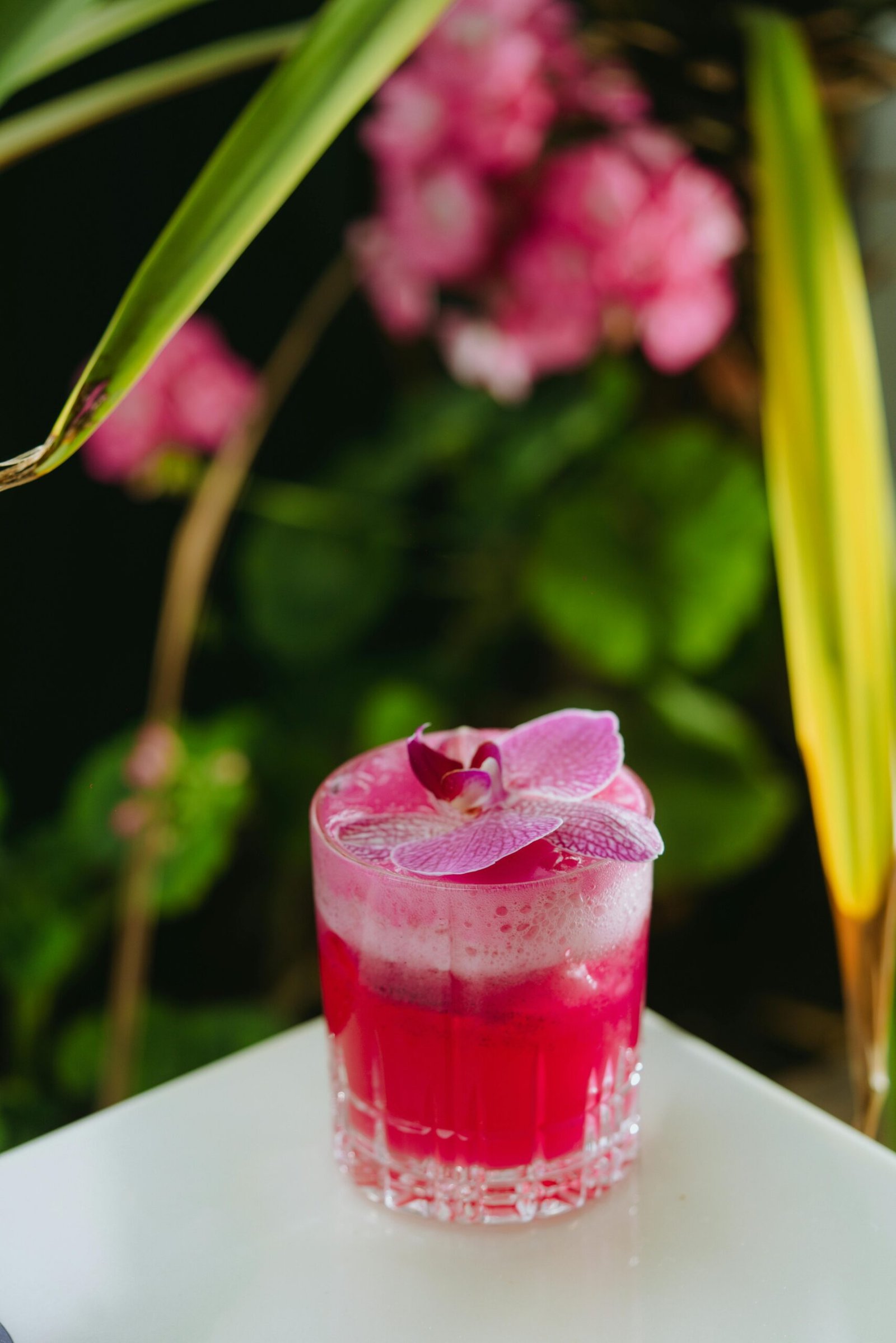
Rose water or rose syrup, for example, brings a soft sweetness and a slightly exotic perfume that pairs beautifully with gin, vodka or sparkling wine. Lavender adds a herbal dimension that complements gin-based cocktails, echoing the spirit’s botanical character. Hibiscus introduces both floral notes and a natural ruby colour, while jasmine can lend tea-like elegance to lighter drinks. Crucially, these ingredients enhance rather than dominate. Used sparingly, they brighten cocktails without making them taste overly sweet or perfumed.
On The Menu
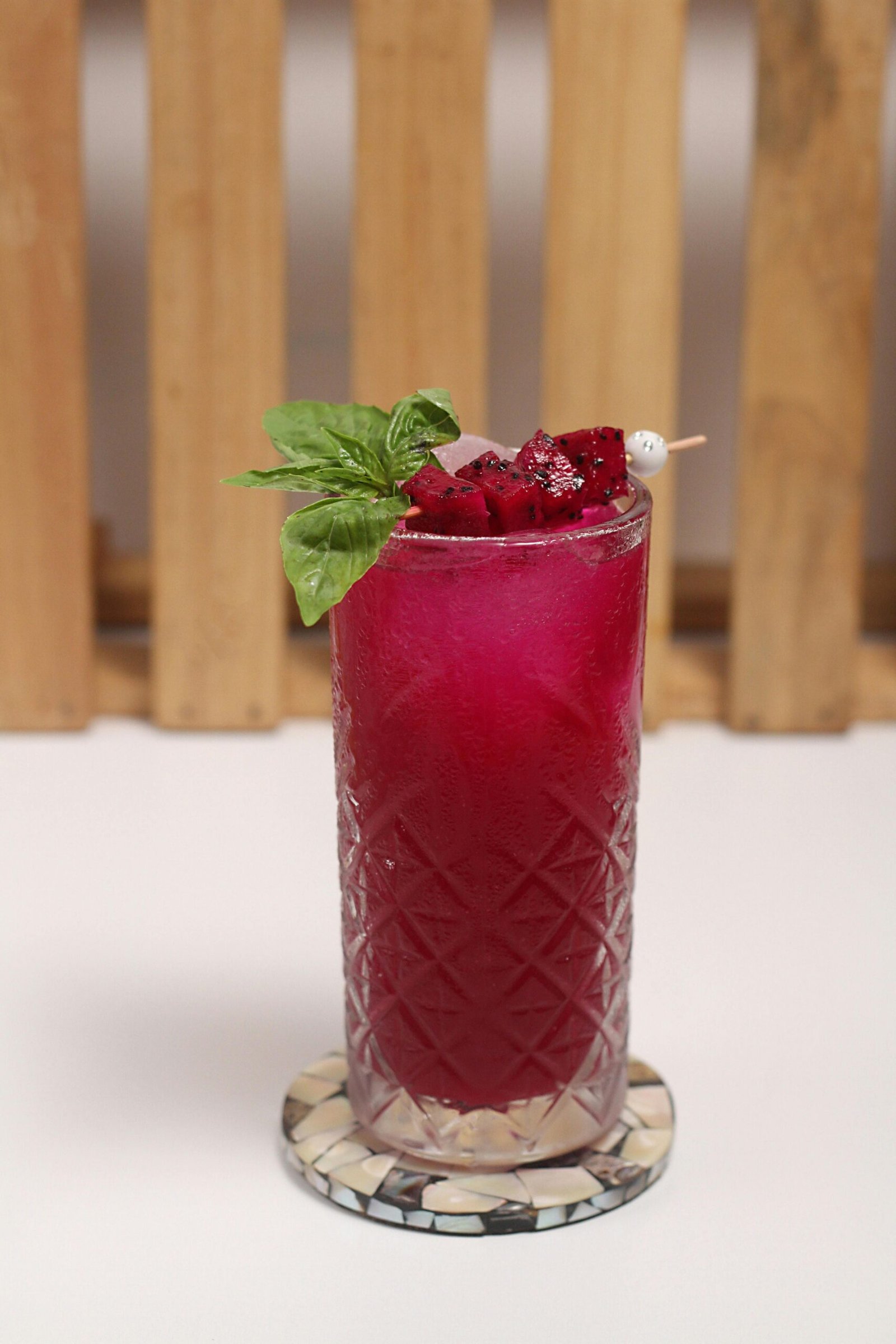
Many contemporary cocktails highlight florals while remaining rooted in classic structures. The Elderflower Collins adapts the traditional Tom Collins by replacing sugar with elderflower liqueur, creating a drink that is crisp, citrusy and lightly aromatic. A Rose Spritz, often made with rosé wine, elderflower liqueur and sparkling citrus, delivers both fragrance and effervescence — making it a popular aperitif. Lavender has also found its way into gin-based cocktails, where lavender syrup softens the spirit’s sharpness while highlighting its botanical notes. Even classic drinks are being reinterpreted through floral lenses. Bartenders might add a hint of rose to a gimlet, hibiscus to a margarita or jasmine tea to a martini.
For The Season
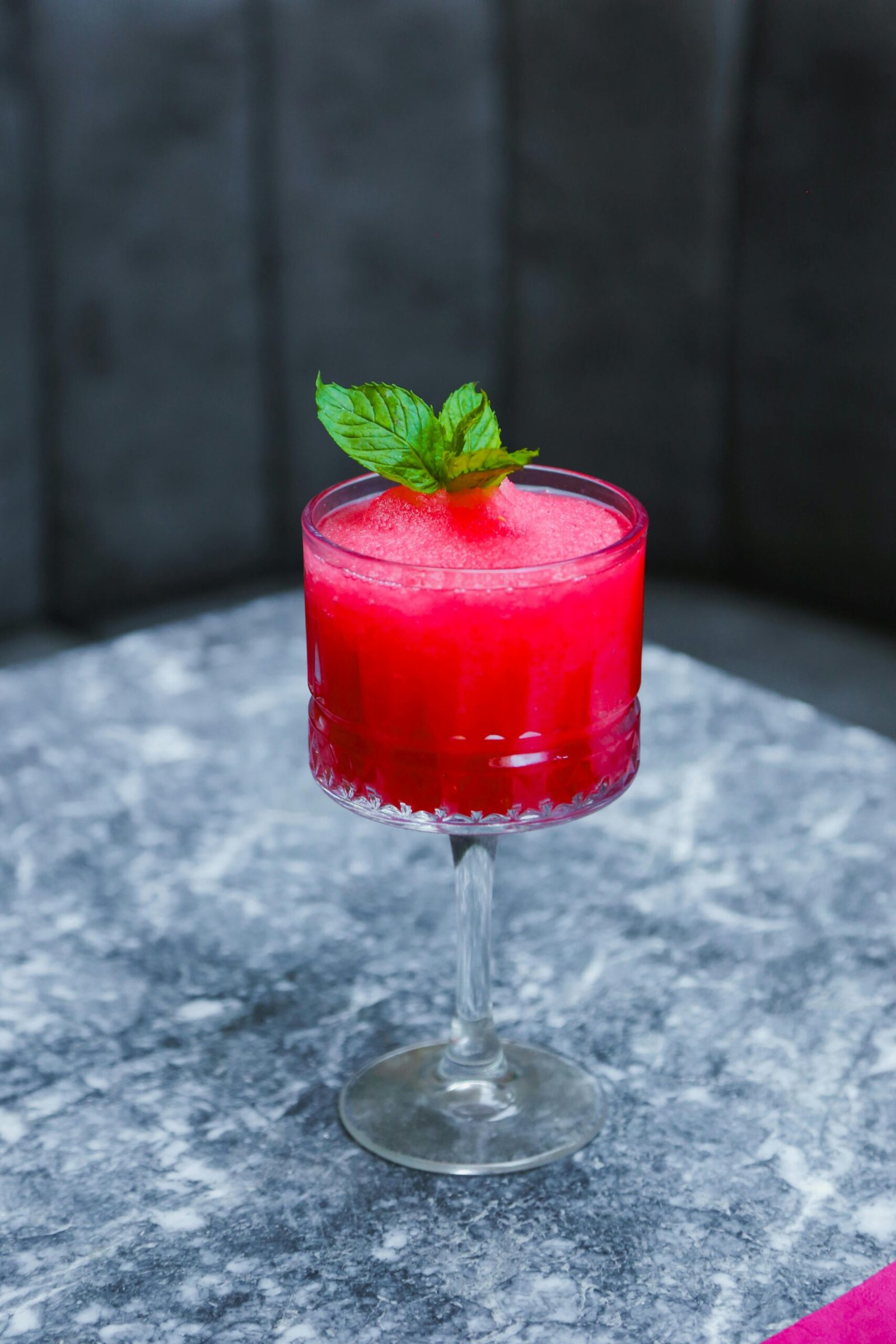
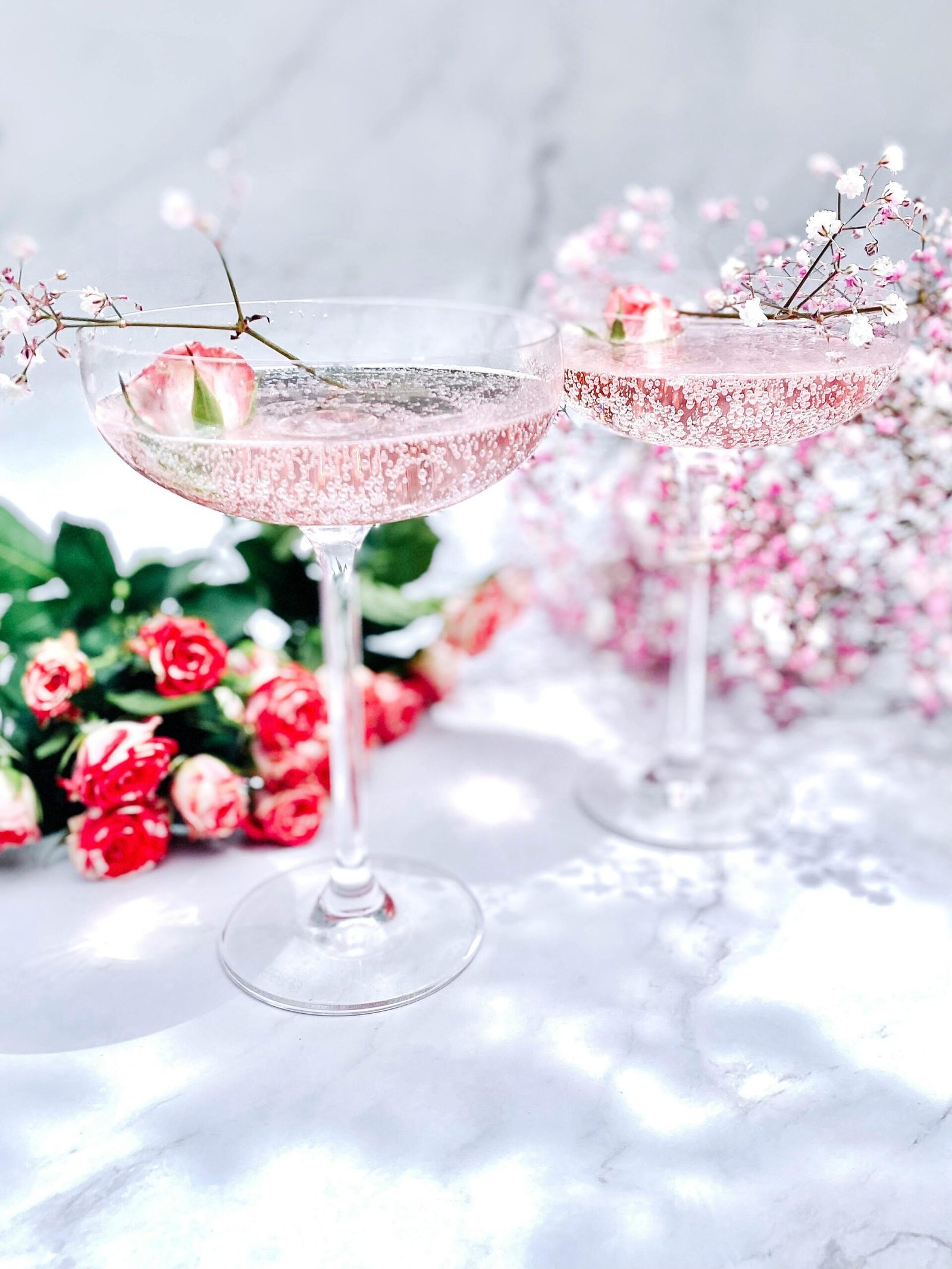
Seasonality is another reason floral cocktails have become so popular. Just as chefs adjust menus based on fresh produce, bartenders are also treating cocktails as seasonal creations. Many bars now experiment with ingredients that feel fresh and botanical — hibiscus syrups, chamomile infusions and jasmine tea reductions are common additions. Some even use edible flowers directly in the drink. Violet petals, tiny roses or marigolds might be frozen into ice cubes or used as delicate garnishes, adding both flavour and visual appeal. This approach also reflects a wider shift towards natural, botanical ingredients. Many drinkers today are drawn to cocktails that feel lighter, fresher and less sugary, and floral notes deliver exactly that.
Say It With Flowers
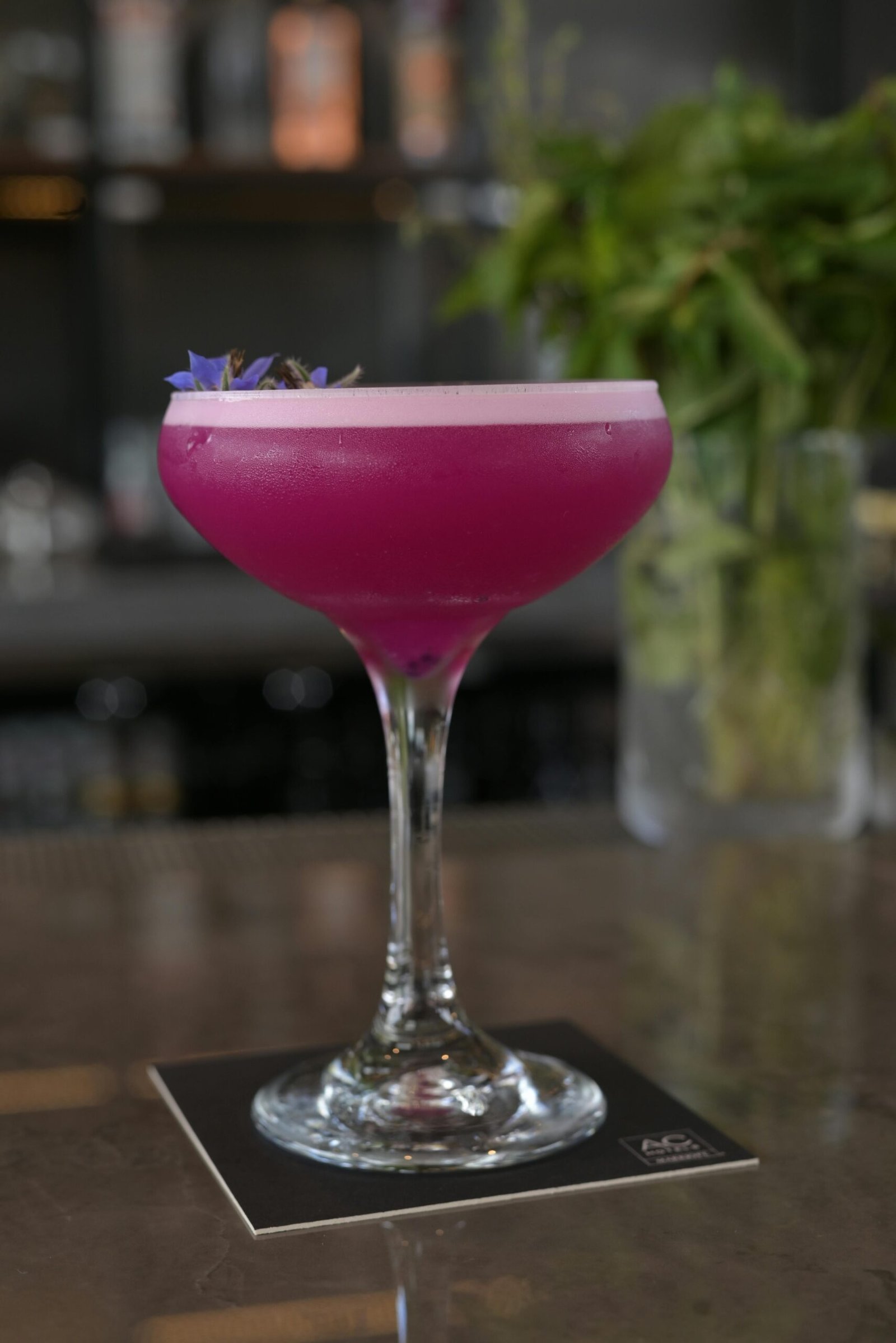
Floral cocktails may have started as a seasonal favourite, but they’ve clearly earned a permanent spot on the menu. Many bars now keep at least one botanical- or flower-forward drink available year-round, thanks to their wide appeal and easy elegance. They also fit perfectly with today’s drinking trends, lighter spritzes, botanical spirits and cocktails that look as good as they taste.
Signature Floral Ingredients
Elderflower remains the most widely used, largely because it pairs seamlessly with gin, vodka and sparkling wine.
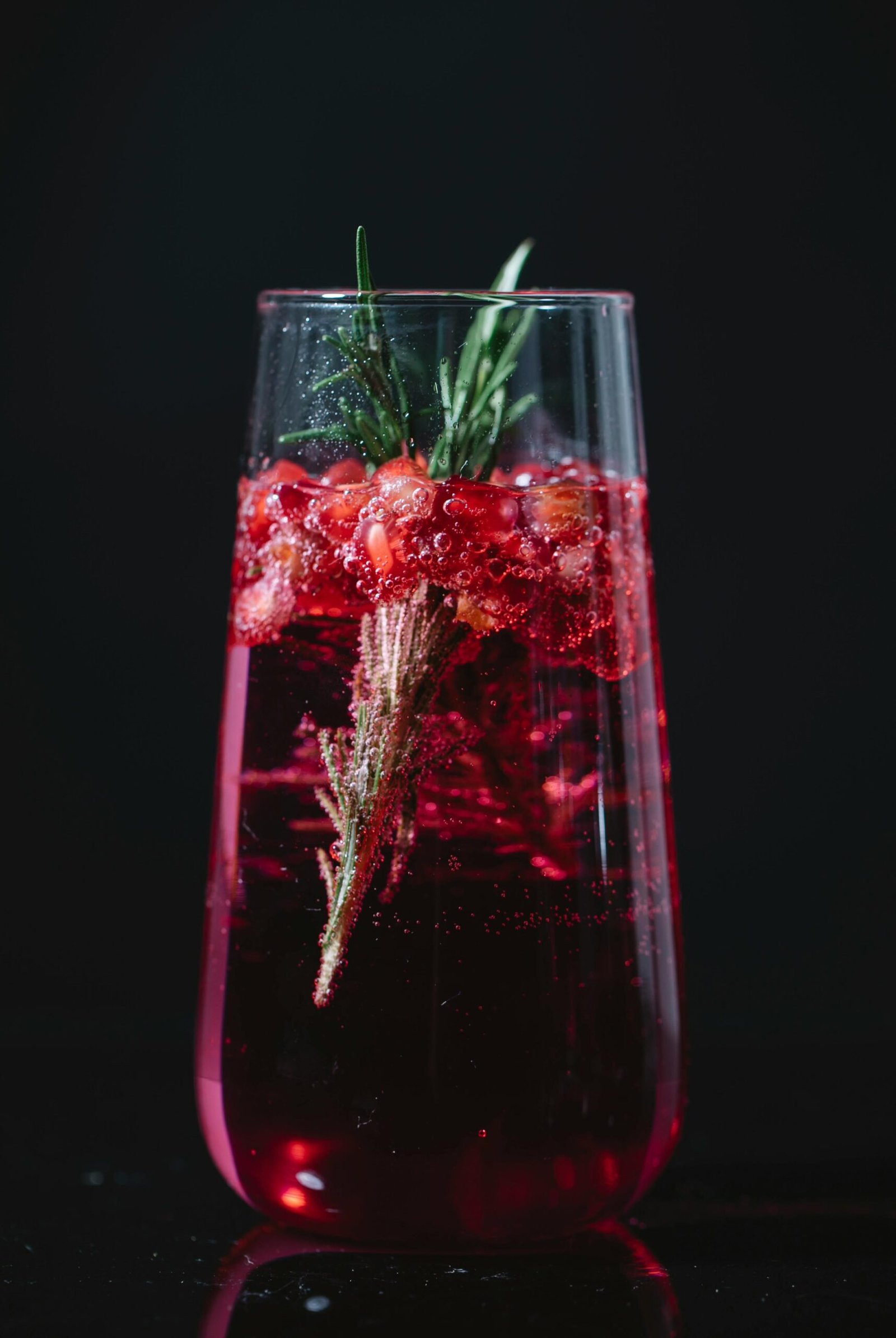
Rose is another favourite, particularly in Middle Eastern–inspired drinks. A rose gimlet or rosé-based spritz offers a fragrant twist on familiar classics.
Lavender brings a subtle herbal quality. When infused into simple syrup or gin, it creates cocktails that feel both floral and slightly earthy.
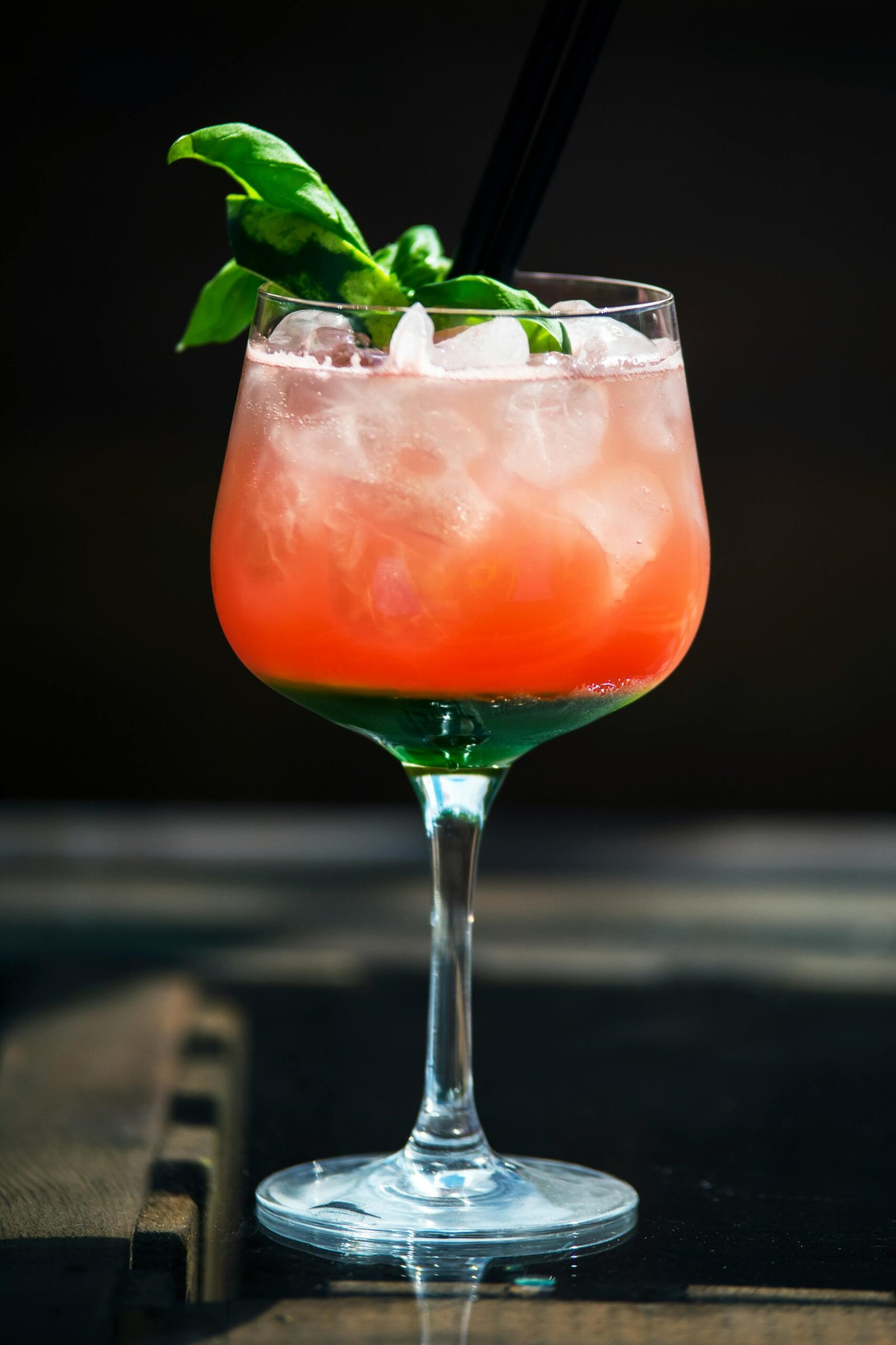
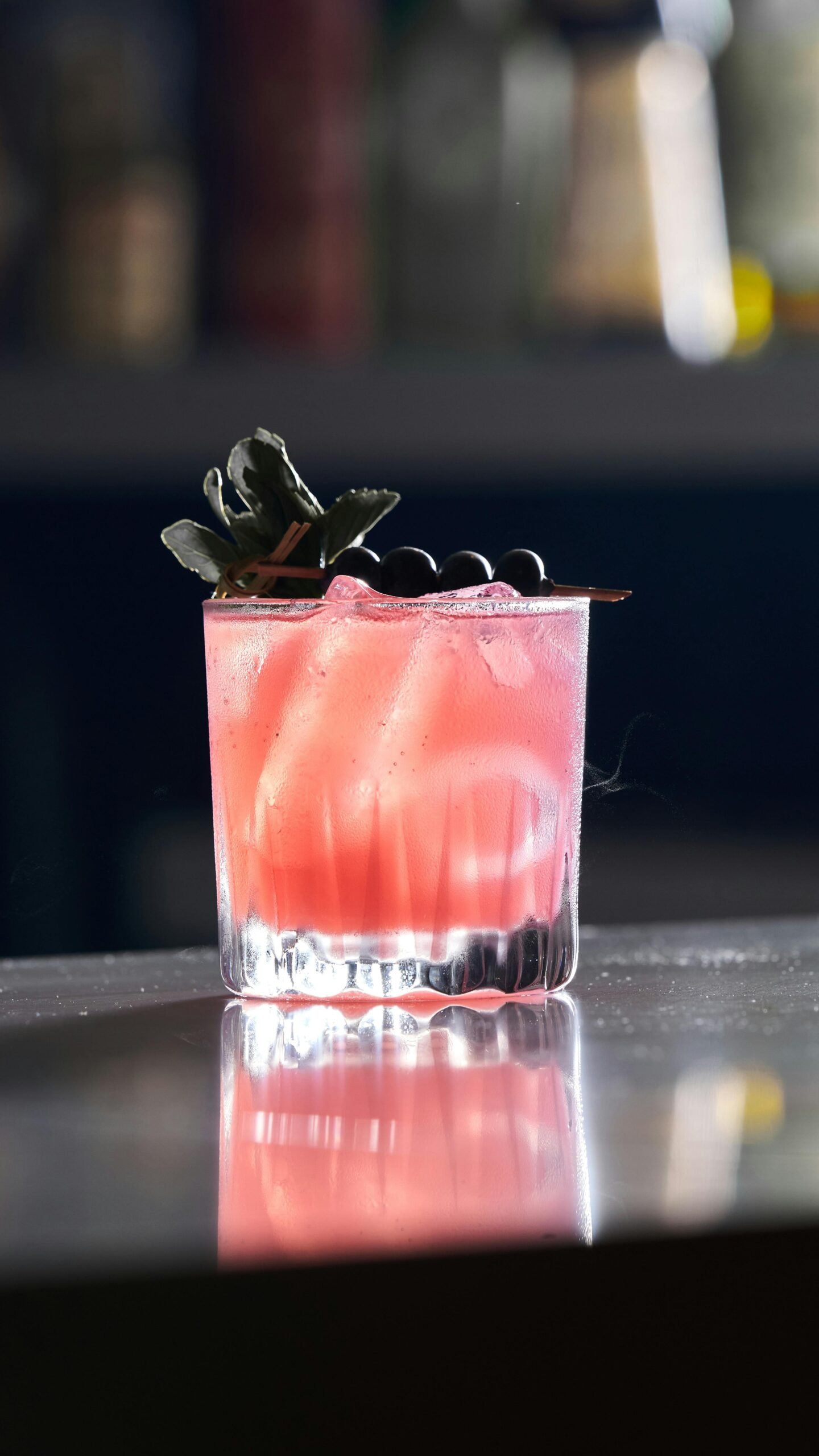
Hibiscus contributes colour as much as flavour. The deep crimson petals infuse syrups and teas that add tangy brightness to margaritas, spritzes and tequila-based drinks.
Jasmine is often used as tea or syrup, lending cocktails an elegant fragrance reminiscent of green tea or white blossoms.
Floral Cocktails To Try
Sakura Mojito
The Garden Party
Elderflower Sour
Floral Old Fashioned
Birds & Bees
Rose Magarita
Best Bites
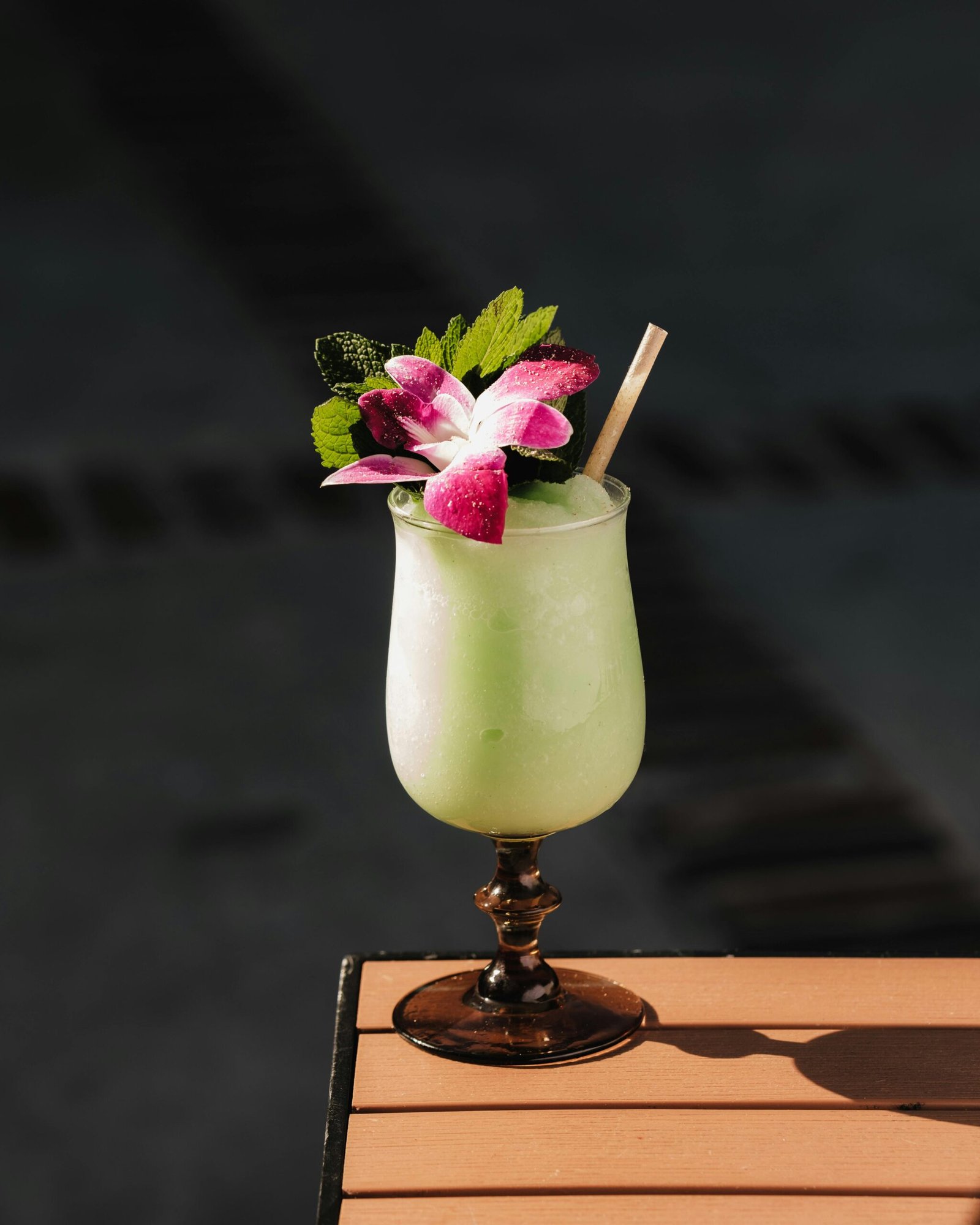
- Elderflower or jasmine-based drinks complement seafood, salads and citrus-forward appetisers.
- Rose cocktails often pair nicely with Middle Eastern dishes, grilled meats or mezze that include ingredients like pomegranate, nuts and herbs.
- Lavender cocktails tend to work best alongside creamy cheeses, light desserts or fruit-based pastries.