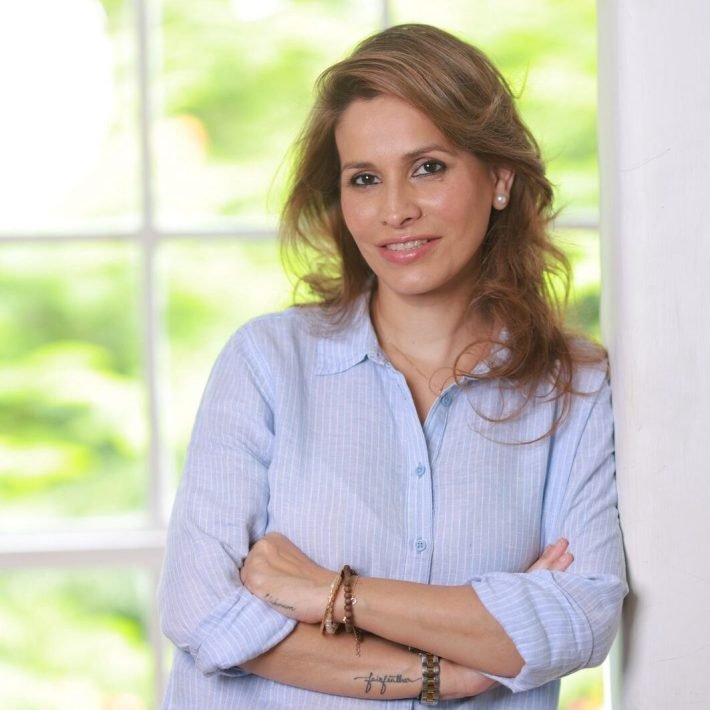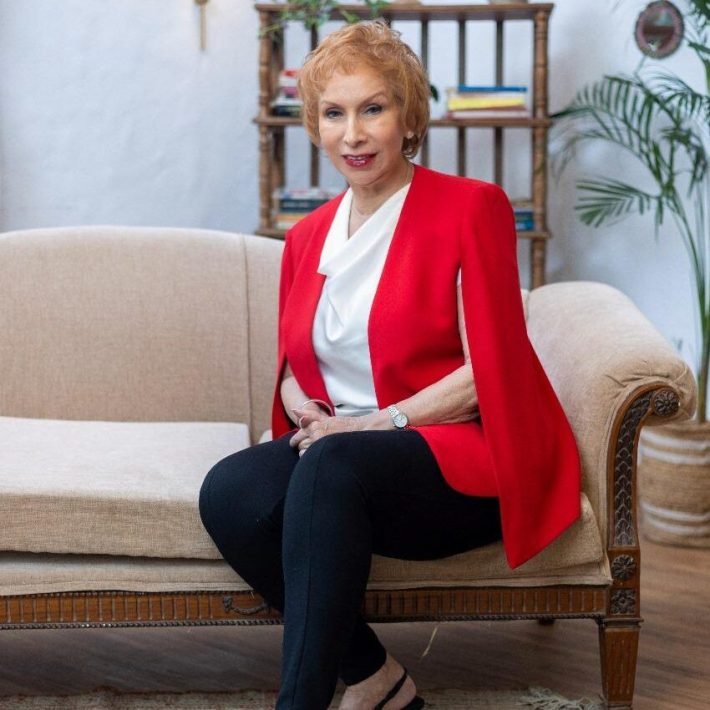
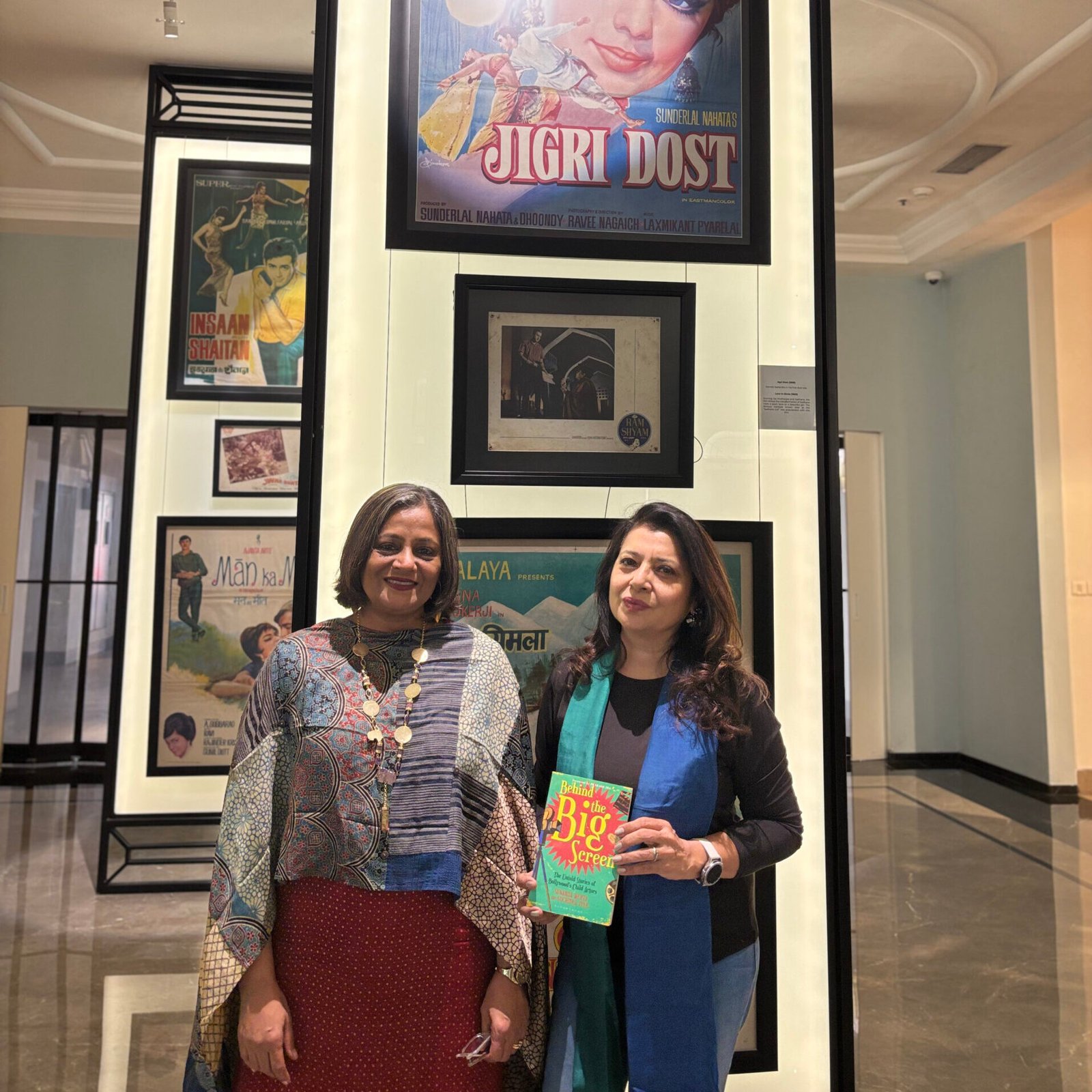
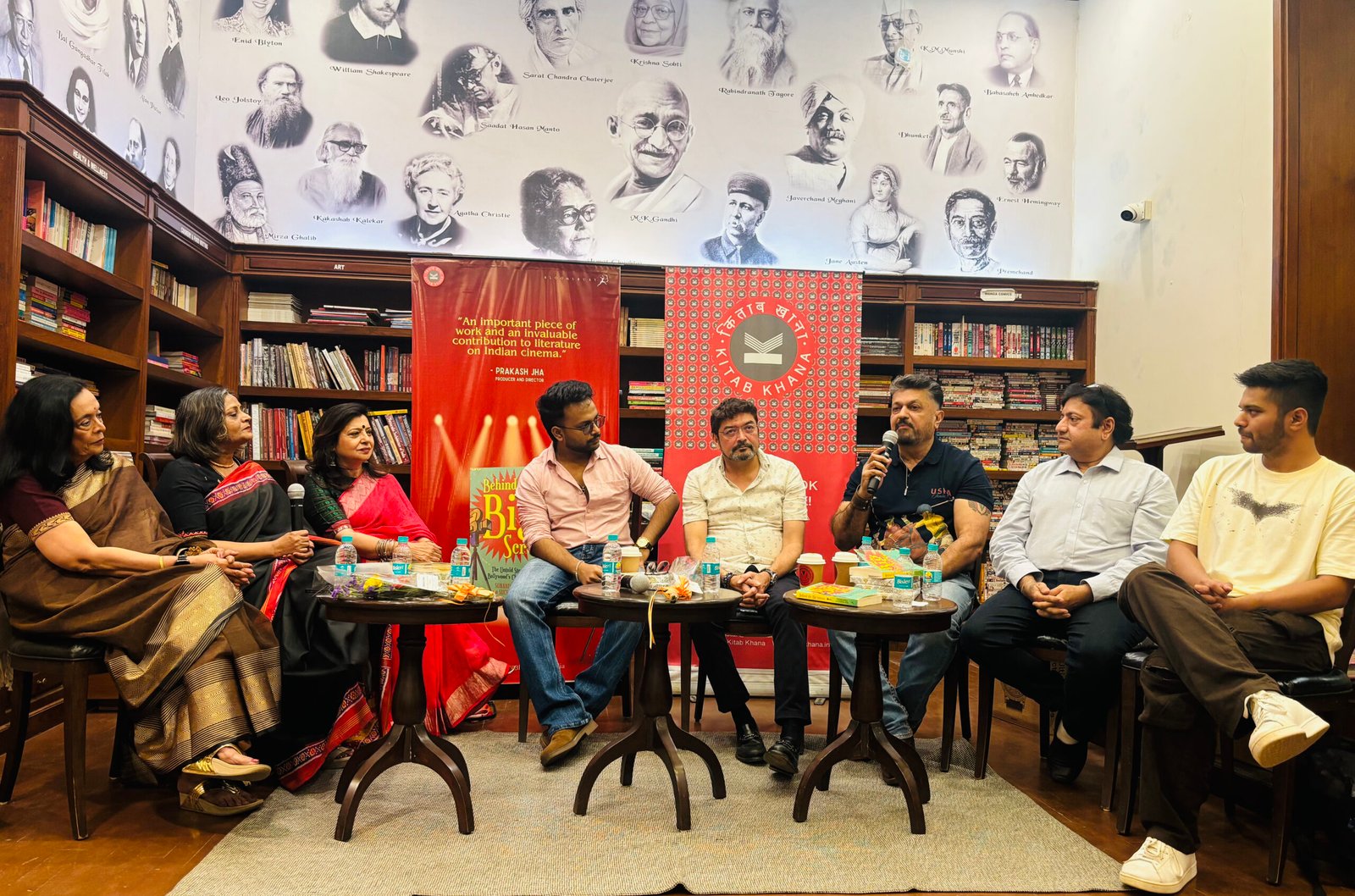
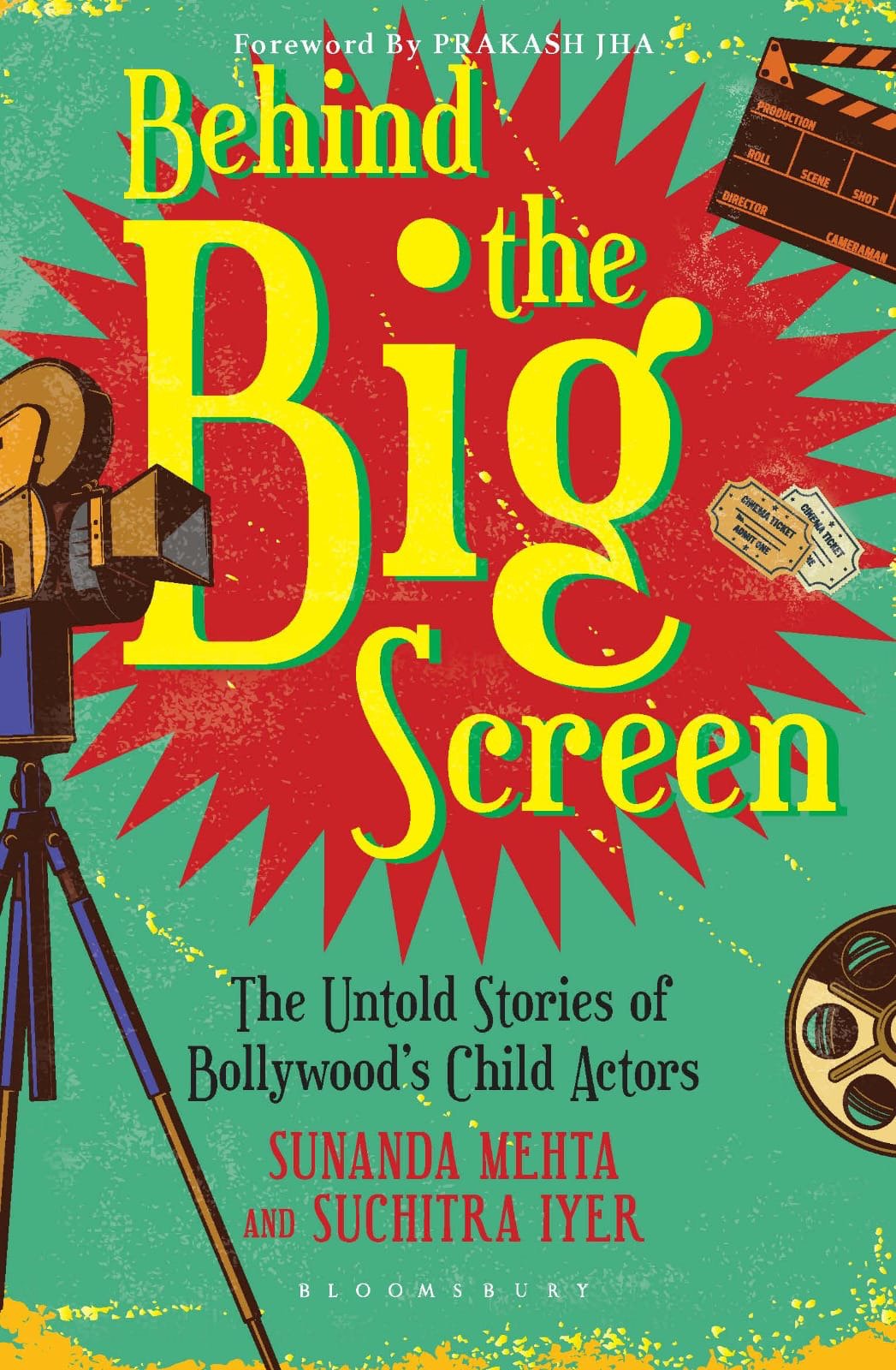
Preeta Nair chats with Suchitra Iyer and Sunanda Mehta about their new book ‘Behind The Big Screen’.
Veteran journalists Suchitra Iyer and Sunanda Mehta come together as co-authors to present ‘Behind The Big Screen’. The book candidly presents the real-life journeys, challenges, and behind-the-scenes realities faced by child actors in Bollywood, offering readers a rare and insightful perspective on their world.
Excerpts from the interview…
What first inspired you to explore the lives of child actors, and what brought you together to collaborate on this book?
The idea was to explore the unusual childhoods of actors who grew up in front of the camera, experiencing fame at a young age, only to see it fade as they grew older. As we began our interviews, we uncovered the realities behind early stardom: Lost childhoods, exploitation, parental pressure, and the psychological impact of sudden fame. While there were happy stories, many felt that a child actor’s life comes at a cost. As filmmaker Prakash Jha notes in the foreword, “You are what your childhood was.” Through these stories, we hope to highlight the importance of protecting childhood and encouraging a better balance between education and the spotlight.
How did you select the personalities featured in the book, and what was your process of researching, approaching, and earning the trust of your subjects to tell such personal stories?
After deciding to write the book, we first listed iconic child actors who had to be included — Daisy Irani, Honey Irani, Master Raju, Jugal Hansraj, Junior Mehmood, Sachin Pilgaonkar, Ravi Valecha and Khushbu Sundar, among others. But we weren’t only chasing big names. We wanted a range of experiences: Actors who transitioned into mainstream cinema, those who left the industry, and those who struggled later in life. Gender and era diversity were important, as we hoped the book would become a seminal work on child actors.
Our research involved revisiting old interviews and consulting experts. Filmmaker Dilip Ghosh, who directed ‘Children Of The Silver Screen’, offered early insights that shaped our approach. While some actors readily agreed to speak, others were hesitant, and trust often developed through multiple conversations.
What were some of the most surprising or revealing insights that emerged during your conversations with former child actors?
Many spoke of lost childhoods, their most formative years spent on film sets among adults, delivering dialogues beyond their age, with little chance to attend school or socialise with peers. Some faced intense parental pressure to capitalise on their fame, becoming the family’s “golden goose,” often without emotional or physical safeguards. A few even spoke of sexual exploitation and the burden of growing up too quickly.
Yet, not all memories were bitter. Many recalled the joy of acting and shared warm, sometimes humorous stories of working with legendary stars. For some, the experience instilled discipline that shaped their later lives and careers.
Some stories stayed with us. Jugal Hansraj revealed he signed 35 films as a young adult that were never made. Rubina Ali and Shafiq Syed felt early fame disrupted normal life. Meanwhile, Junior Mehmood and Sachin Pilgaonkar remembered their journeys with gratitude.
In highlighting the realities of child actors, how important was it for you to give them a voice and meaningful visibility through this book?
It was central to the book. Child actors are often remembered only as cute faces on screen, but they are real people whose stories continue long after the film ends. We wanted to move beyond nostalgia and let them speak in their own words, stripping away the veneer of fame. By giving them a voice, we hoped to shift how readers view child stardom, not just as fame or money, but as a complex journey of childhood, identity, and growing up in the spotlight. As the first book of its kind, we also wanted to document and archive these lives within the history of the film industry.
What was your experience of working together — both creatively and personally? And how did your individual strengths as journalists complement each other during the research and writing process?
We have known each other for over three decades, and that familiarity and friendship helped immensely. Most of the time, we were on the same page. It wasn’t always smooth sailing, but we always had each other’s backs and worked through them together. From the start, we agreed to critique and praise each other’s work honestly, which made the process easier.
Being journalists also helped. With years of experience interacting with high-profile personalities, speaking with former child actors felt natural. That background also shaped how we approached the book – with curiosity, sensitivity, and a strong focus on getting every detail right.