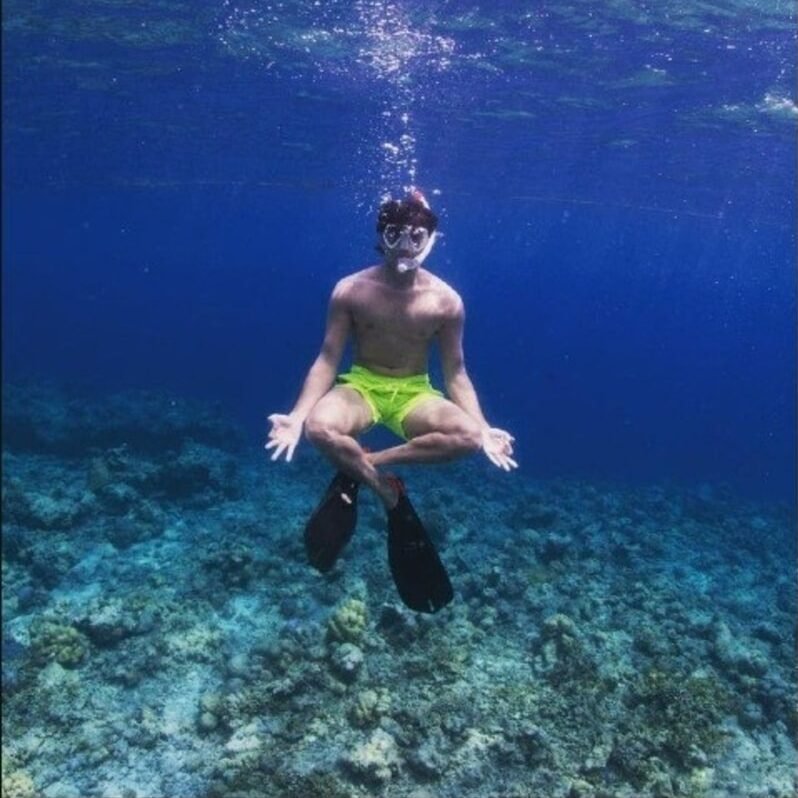
Kavita Kapoor decodes why celebrities are taking their workouts below the surface.
Sidharth Malhotra

Sidharth Malhotra has spoken about using aqua training as a recovery tool, particularly after demanding days of dancing or action work. His version includes using the resistance of water instead of weights, along with swimming, laps, flexibility and stretching. He has also been a certified scuba diver and has described his connection with the sea as something that goes back to his childhood. There is a useful fitness lesson here: water can make familiar movements harder without putting the same kind of impact on joints. Sidharth has specifically said he uses aqua training when his schedule involves particularly strenuous physical work
Parineeti Chopra

Parineeti Chopra went from learning underwater work for ‘Kill Dill’ to becoming an advanced diver. She has described scuba diving as an activity where the outside world effectively disappears for the duration of the dive, leaving her completely focused on the moment. She has dived at destinations including the Great Barrier Reef, Sipadan, Palau and the Similan Islands. That concentration is part of what makes diving interesting as a fitness tool. It isn’t simply about kicking through the water; divers constantly monitor breathing, buoyancy, movement and their surroundings.

Akshay Kumar
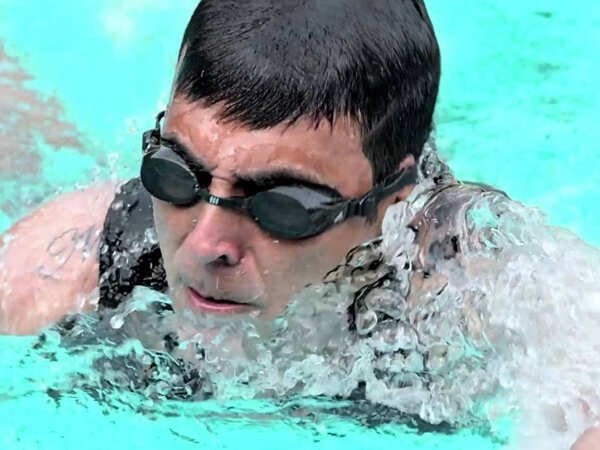
Akshay Kumar’s fitness routine has always extended beyond the conventional gym, and scuba diving adds an interesting dimension to it. As a certified diver, he has taken to the water as a form of physical conditioning that calls for stamina, controlled breathing, balance and coordination. Swimming against the resistance of water engages the arms, shoulders, core and legs, while maintaining buoyancy requires constant, controlled movement. For an actor known for his action-heavy fitness, diving offers a lower-impact way to work on endurance and body control while keeping the mind focused.
Shraddha Kapoor

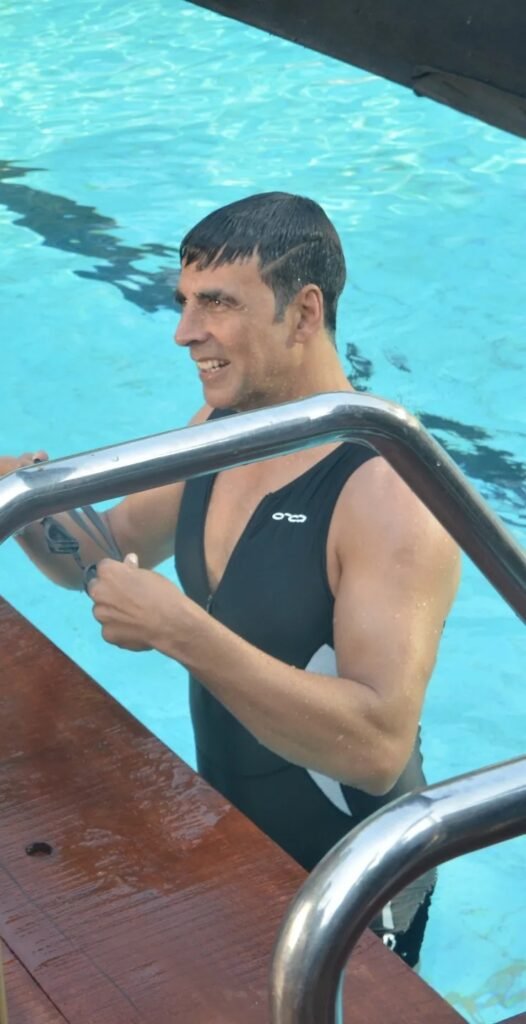
Shraddha Kapoor’s diving journey began with snorkelling and eventually progressed to scuba. She has spoken about initially struggling with her balance underwater before getting her buoyancy under control after several dives. On one Maldives trip, she completed 22 dives in a week and subsequently obtained her advanced diving licence. Buoyancy control requires constant, subtle adjustments of the body and breathing. In other words, the workout isn’t necessarily about moving faster; sometimes it’s about learning to move less.
Milind Soman

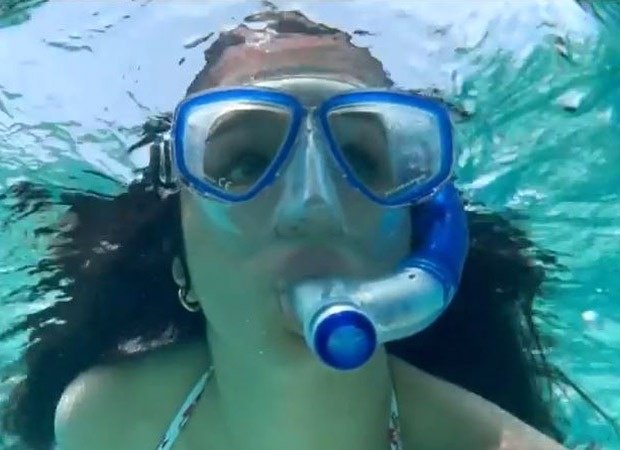
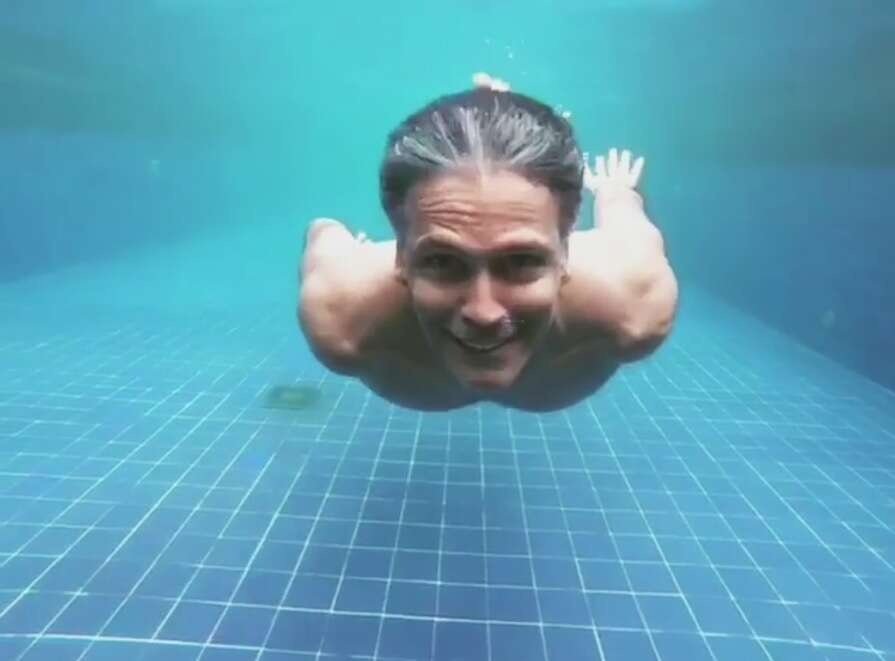
For Milind Soman, freediving takes his endurance-focused approach to fitness into a completely different environment. Diving on a single breath requires the body to stay relaxed and movement to remain controlled and efficient, while swimming underwater engages the legs, core and upper body. The discipline also places a strong emphasis on breath control and mental focus, making it as much about conserving energy as it is about physical strength. For Soman, it offers a demanding combination of endurance, body awareness and control.
Yami Gautam
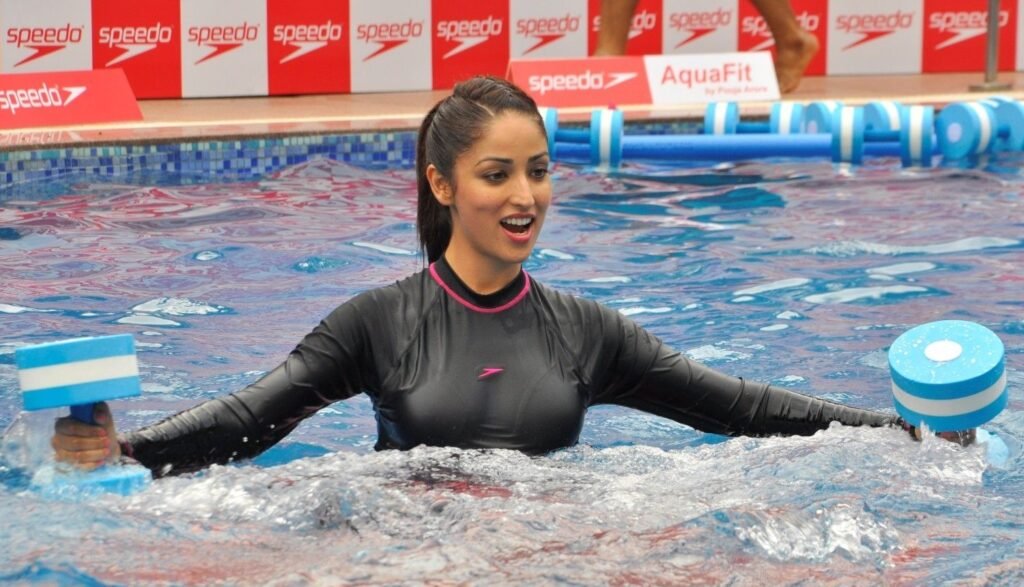
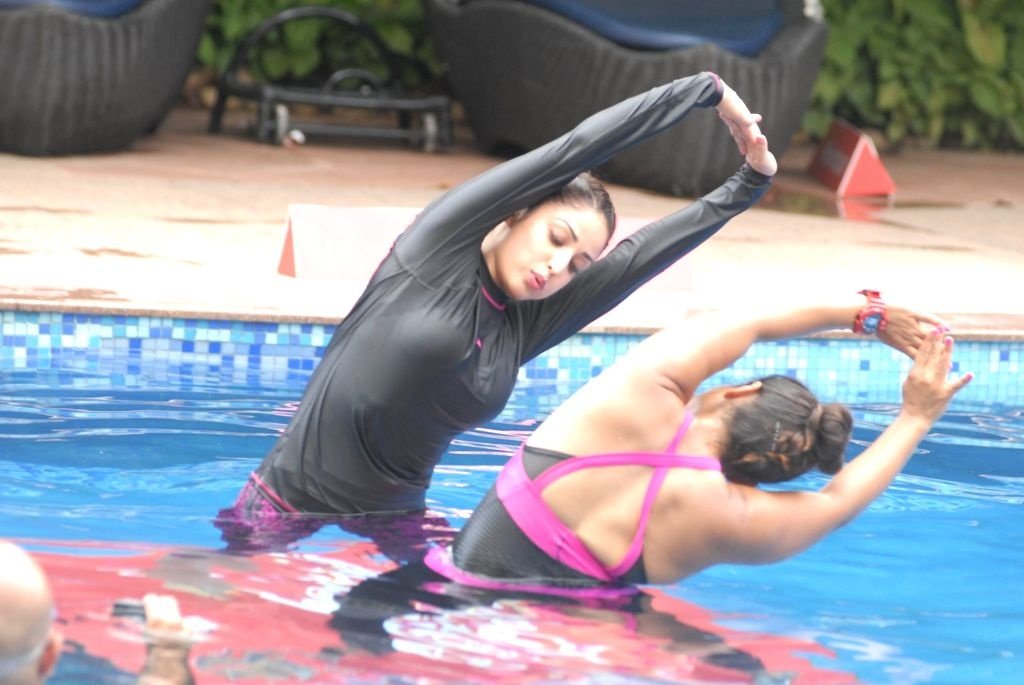
Yami Gautam explored water-based fitness through Speedo AquaFit, a programme that takes conventional exercises into the pool. Her session combined cardio, resistance training, stretching and weightlifting-style movements, using the water’s natural resistance to challenge the body. The result is a low-impact workout that works multiple muscle groups while building strength, endurance and overall conditioning.
Why It Works
Water provides natural resistance, making even simple movements more challenging, while buoyancy reduces impact on the joints. Diving adds another layer: efficiency. Every movement uses energy, so swimmers and divers must learn to move economically while maintaining control and composure.
For freedivers, breath control takes centre stage. Training focuses on staying relaxed while holding the breath, alongside techniques that build endurance, strength and mental focus. It makes underwater fitness less about speed and more about control, efficiency and awareness.