
Winnie Singh, Founder & Director, Maitri Ghar Vidhwa Ashram, tells Nichola Marie how a chance visit to Vrindavan led to a lifelong mission to restore dignity to abandoned widows.
Your first visit to Vrindavan was a turning point. What did you witness that led to this journey?
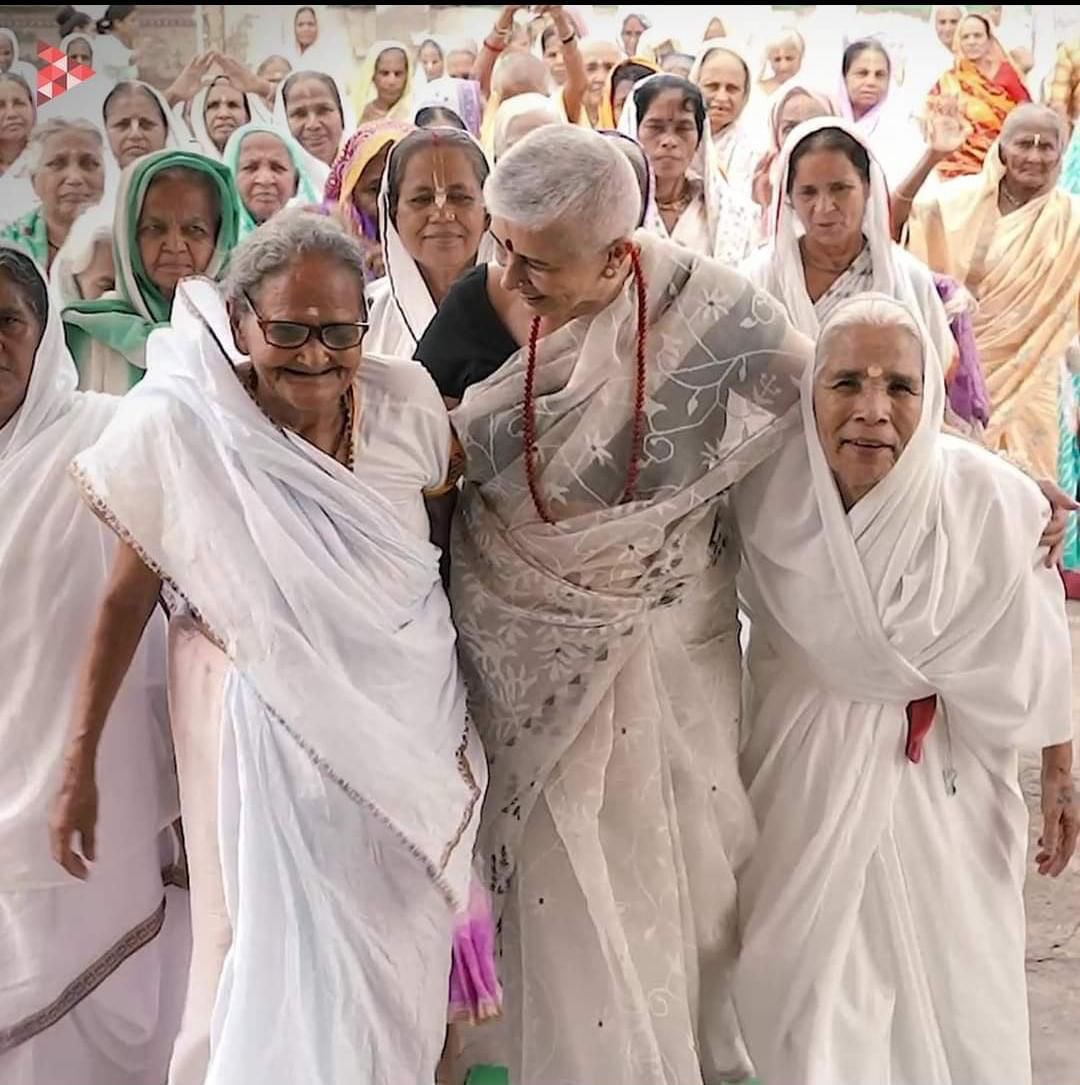
My visit to Vrindavan in 2008 changed me completely. While many go there seeking spiritual peace, I encountered a very different reality — widows living in extreme poverty, abandoned and struggling to survive. Many were dressed in torn white sarees, in poor health, and begging for food. What struck me most was the extent of abandonment by their own families. It was not enough to feel anger or helplessness — I knew I had to act. That moment led to the creation of Maitri Ghar, a space where these women could live with dignity and security.
Vrindavan is seen as a spiritual haven. How do you reconcile that with this reality?
There is a stark contrast. On one hand, Vrindavan represents devotion and refuge; on the other, it is home to women who have been forgotten by society. This contradiction exists because we often romanticise places without acknowledging the lives lived on the margins. Recognising this gap is the first step towards change.
What does “restoring dignity” mean in everyday terms at Maitri Ghar?
Dignity is about the basics we often take for granted. It means a woman no longer has to beg for her next meal or worry about where she will sleep. It means access to clean clothing, nutritious food, medical care, and a safe, hygienic environment. Most importantly, it means being treated with respect — as a valued member of a community, not as someone invisible.
What kind of emotional journeys have you witnessed among the women?
When women first arrive, they often carry silence and a deep sense of invisibility. Over time, there is a visible transformation. They begin to form friendships, share their stories, and rediscover a sense of belonging. The fear in their eyes slowly gives way to warmth and connection. Moving from survival to a sense of community is a powerful shift — it begins with the simple realisation that they are no longer alone.
What are the biggest challenges in running Maitri Ghar?
Sustaining the initiative, both financially and emotionally, is challenging. We are responsible for every aspect of their care — food, clothing, and comprehensive healthcare, including major treatments when required. Ensuring consistent funding is a constant effort.
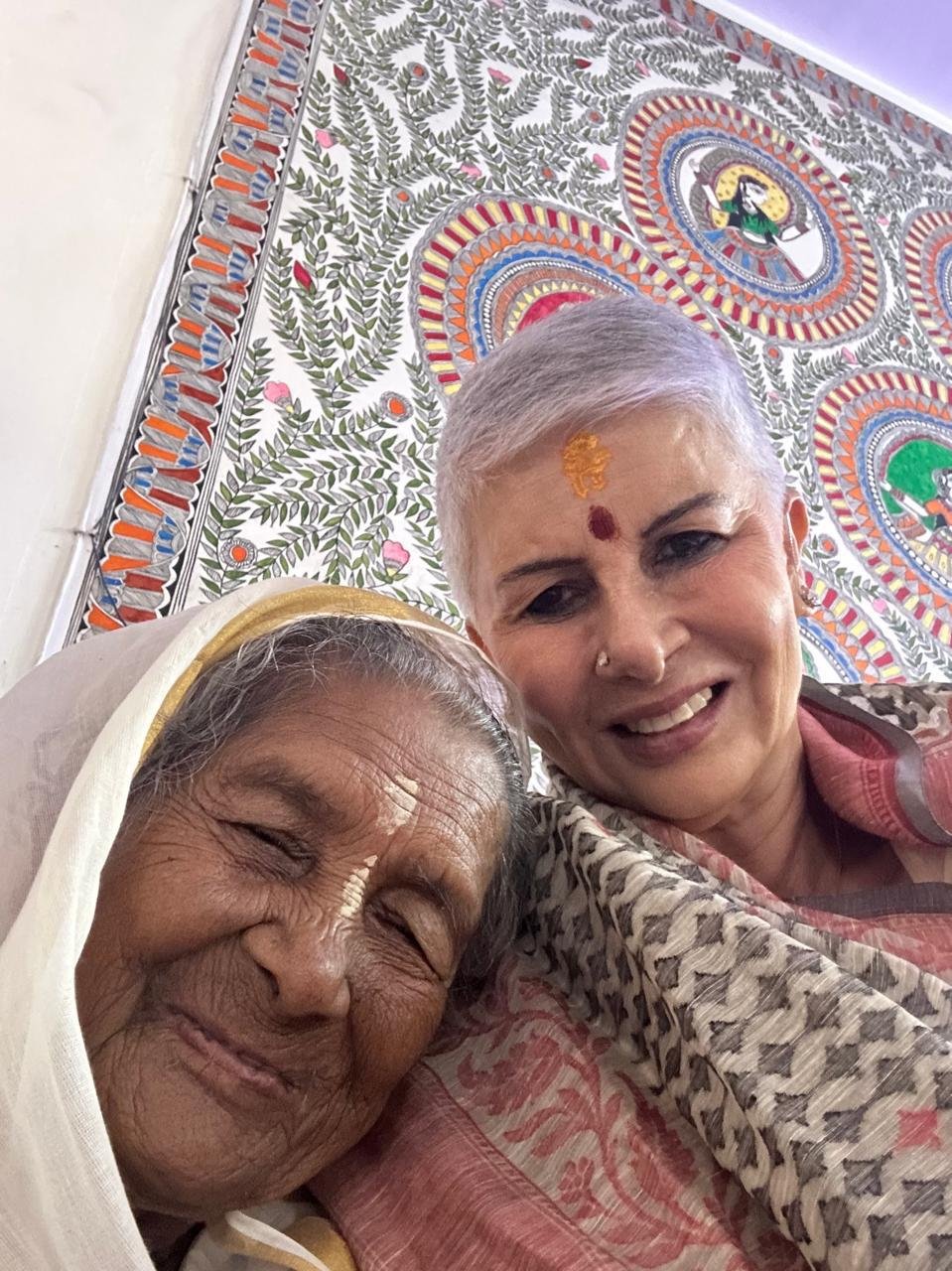
Emotionally, it is about helping them heal from deep abandonment. Beyond physical care, we focus on mental and emotional well-being through counselling and daily engagement. Our commitment extends to the very end of their lives, including performing their last rites with dignity.
You’ve also turned to crowdfunding platforms like Milaap. How has that changed engagement with your work?
Crowdfunding through Milaap has created a more personal connection between donors and the cause. People can see the direct impact of their contributions — whether it is funding meals or supporting medical care. It shifts the narrative from charity to shared responsibility. Donors feel involved in the lives of these women, not just as contributors, but as participants in their journey.
Why do elderly widows continue to remain invisible despite conversations around women’s empowerment?
It’s because they represent a stage of life that society is often uncomfortable confronting – aging combined with abandonment. They are often seen as a “lost cause,” which makes them easy to overlook. We need to change this mindset. Empowerment should not have an age limit. These women deserve inclusion, dignified living conditions, and respect for their needs — right until the end. Real change begins when we stop looking away and start recognising their humanity.
What is your vision for the future?
My vision is simple: No lady should spend her final years in fear or isolation. I want Maitri Ghar to serve as a model for how society can care for its most vulnerable — with dignity, compassion, and responsibility.
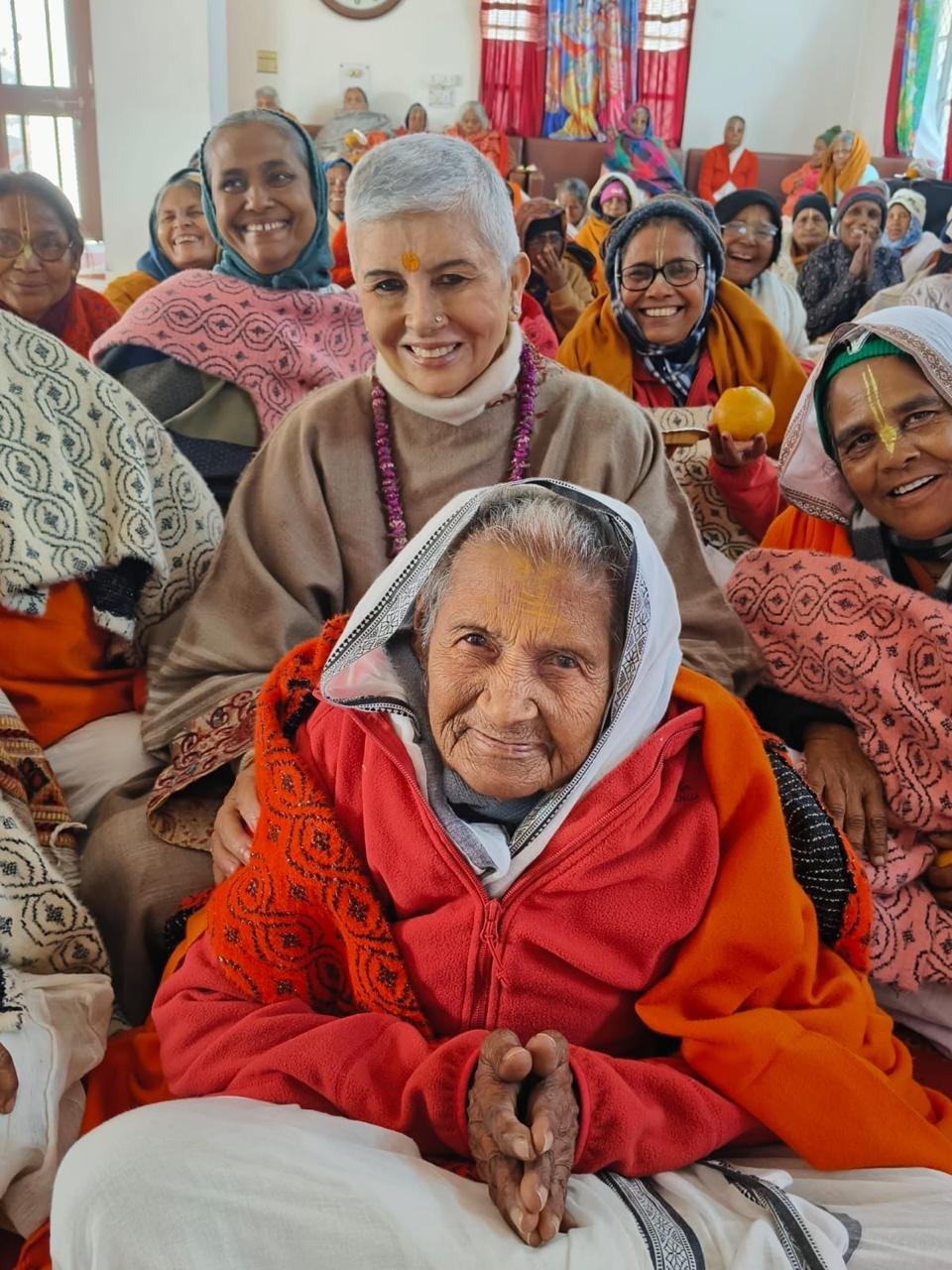
Dignity is not a privilege; it is a basic human right. Care is not just about providing food or shelter — it is about creating a space where a person feels seen, heard, and valued. When we care for our elders, we are not just supporting individuals — we are preserving the humanity of our society.