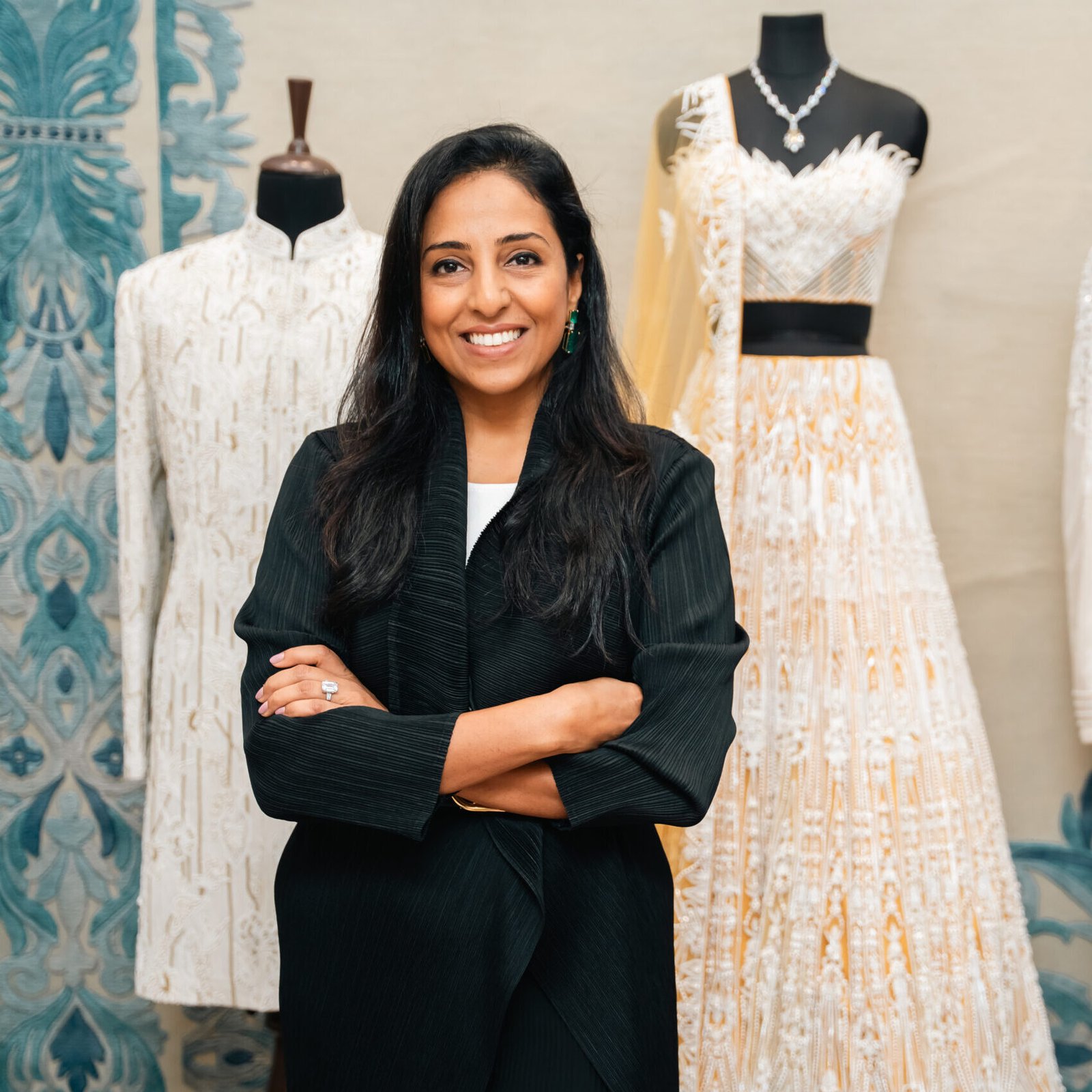
From timeless couture to meaningful social impact, designer Nivedita Saboo discusses the values that define her distinctive approach to fashion and the philosophy behind the House of Nivedita.
By Nichola Marie
Your work beautifully blends Indian craftsmanship with a contemporary global aesthetic. How has your design philosophy evolved over the years?
When I started over two decades ago, I wanted to create beautiful garments rooted in Indian craftsmanship while responding to modern lifestyles. Today, my philosophy has evolved beyond creating clothes to designing pieces that become a natural extension of a person’s identity and lifestyle.
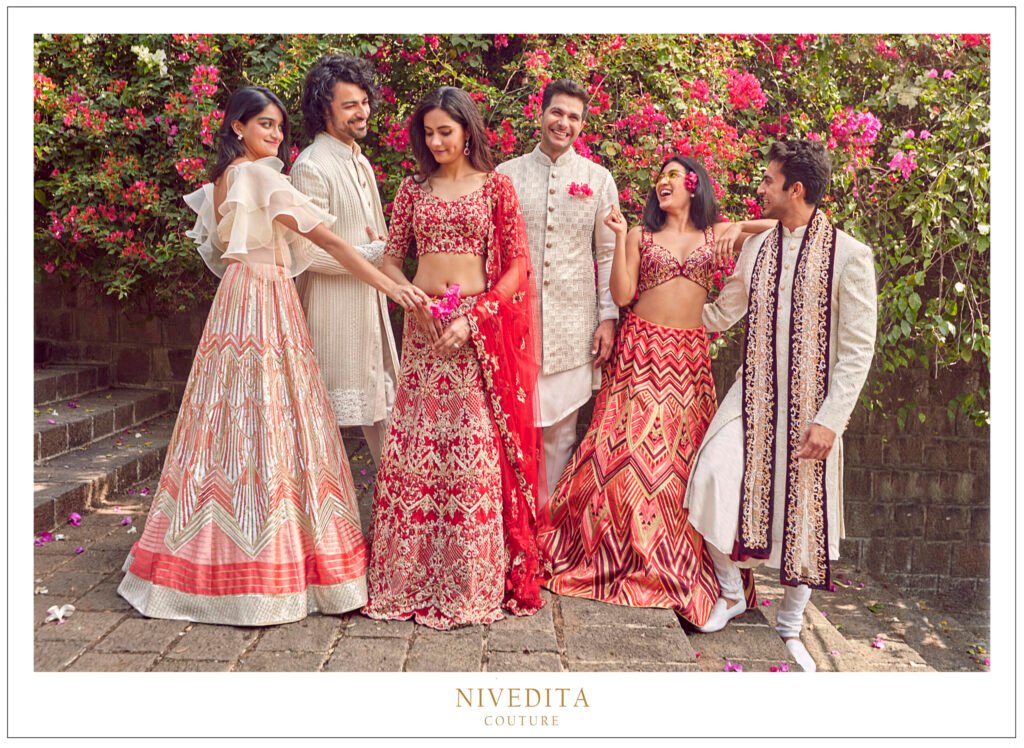
I believe every garment should make the wearer feel confident, comfortable and authentic. For me, luxury is not about embellishment alone; it’s about creating clothing that feels effortless, personal and relevant to everyday life.
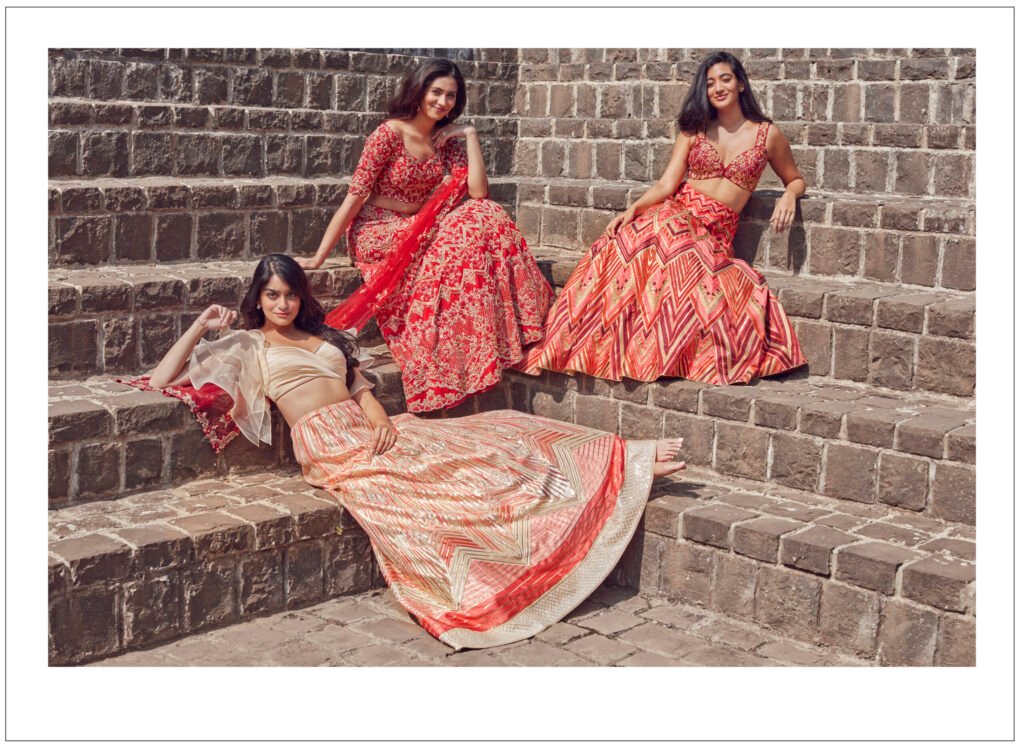
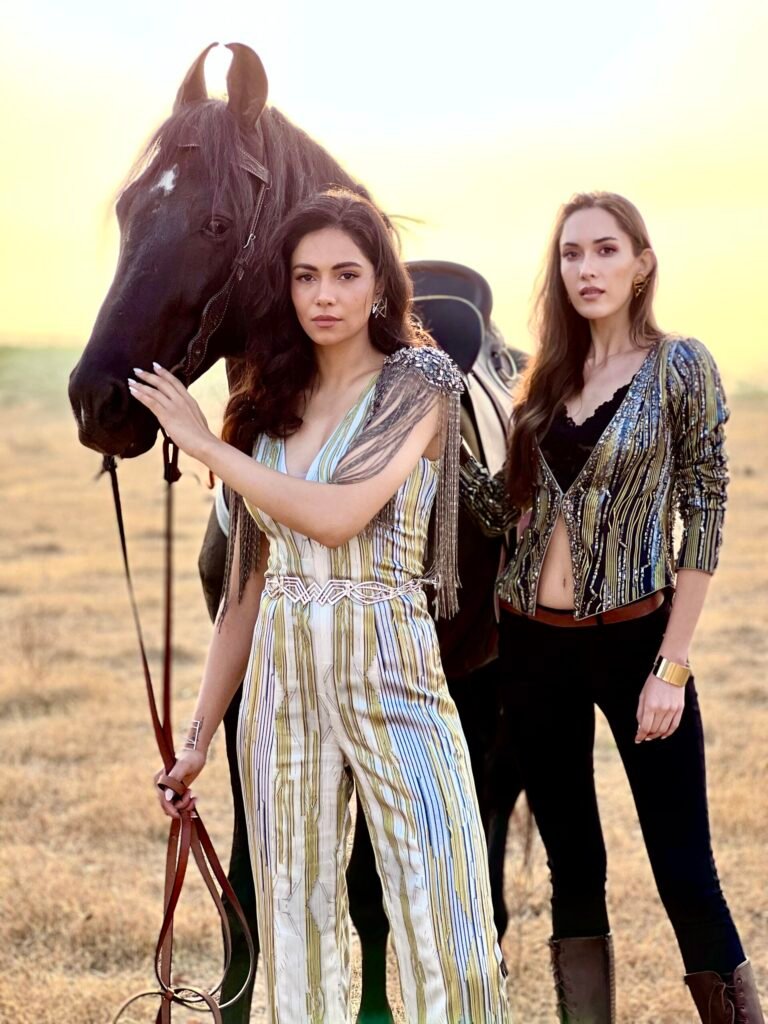
Indian craftsmanship remains the soul of the brand, interpreted through contemporary silhouettes, innovative textiles and precision construction. At the House of Nivedita, we believe in quiet luxury — timeless pieces defined by craftsmanship rather than excess. I’ve never designed for trends. I design for people and for garments that remain relevant long after a season has passed.
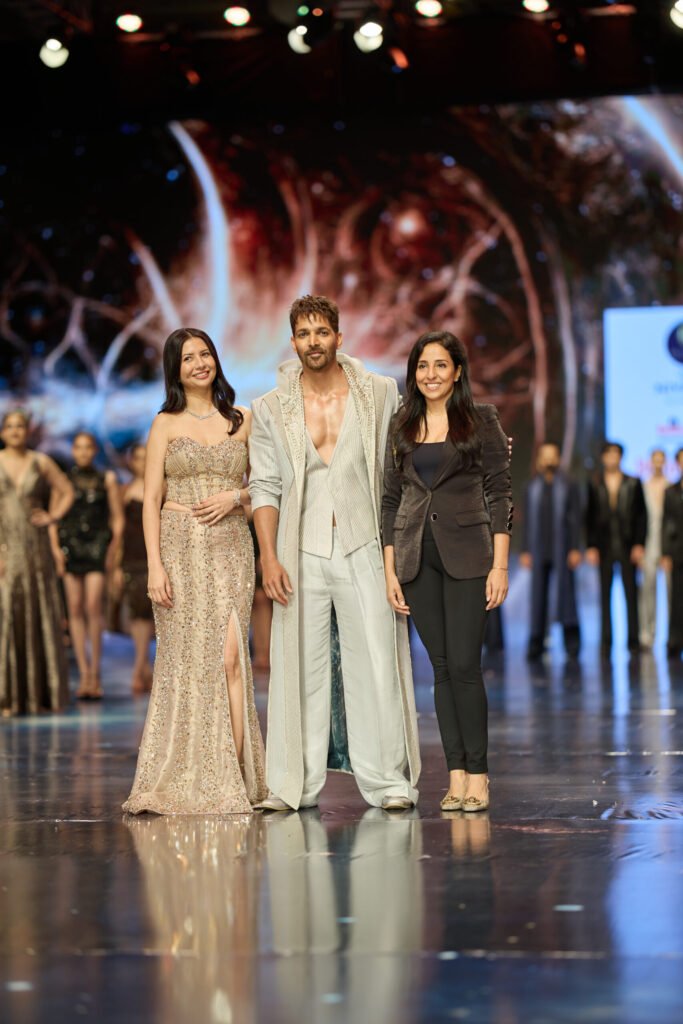
As the niece of the late politician Ajit Pawar, you’ve grown up around public life while forging a successful career in fashion. How have your family’s legacy and your own creative aspirations influenced the person and entrepreneur you’ve become?
Growing up in a family closely associated with public life gave me an early understanding of responsibility, discipline and the importance of carrying oneself with integrity. Being the niece of the late Ajit Pawar, I had the privilege of observing leadership, commitment and public service from close quarters. Those values have stayed with me throughout my journey, even though I chose to express myself through a very different medium, fashion.
I have always believed that success carries with it a responsibility to contribute meaningfully to society. That belief has shaped not only the way I run my business, but also the projects I choose to pursue. Whether it has been training girls with hearing impairment, developing practical clothing solutions for individuals living with Parkinson’s disease, guiding design initiatives for the Pune School for the Blind, or creating thoughtful ensembles for acid attack survivors, I have always wanted my work to extend beyond the runway and into people’s lives.
Fashion became my language of creativity after graduating from NIFT and working with several international brands. I realised that I wanted to build a luxury house that reflected my own philosophy rather than follow existing formulas. My family’s legacy taught me resilience, accountability and the courage to think long-term, while my creative journey taught me to trust my instincts, embrace innovation and remain authentic.
Over the years, I also had the honour of designing for the late Hon. Ajit Pawar on several important occasions. That experience reinforced something I deeply believe – that clothing is not merely about appearance; it is about identity, confidence and communicating who you are without saying a word.
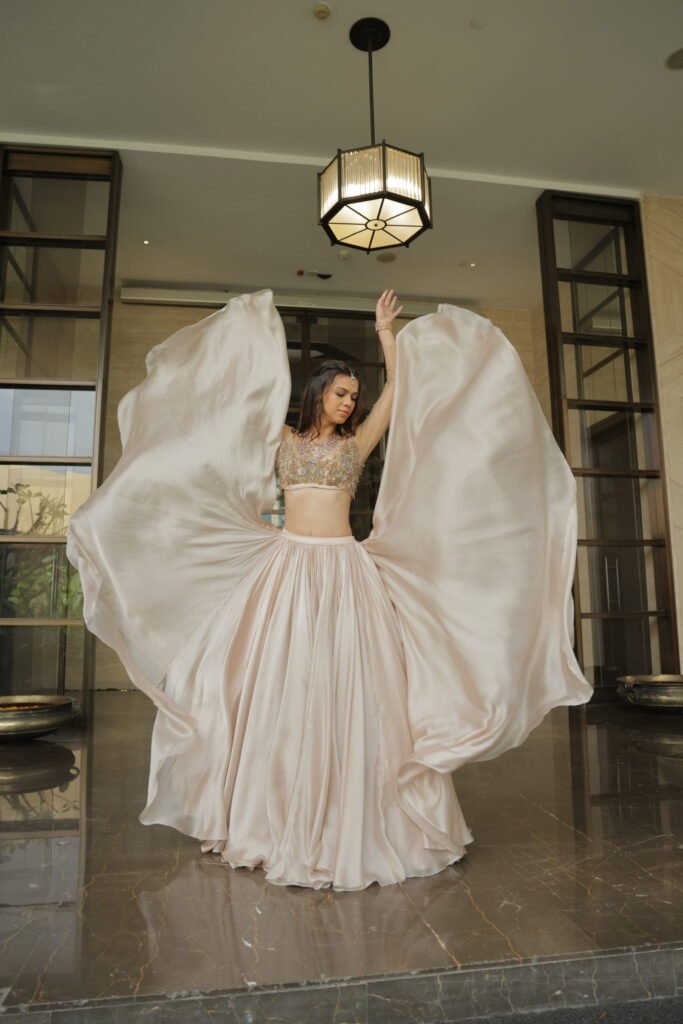
Ultimately, my journey has been about creating my own identity while carrying forward the values I grew up with. Every generation should honour its roots while having the courage to build something uniquely its own.
What inspired your latest collection Aurea, and how did you translate its themes of light, energy and emotion into couture?
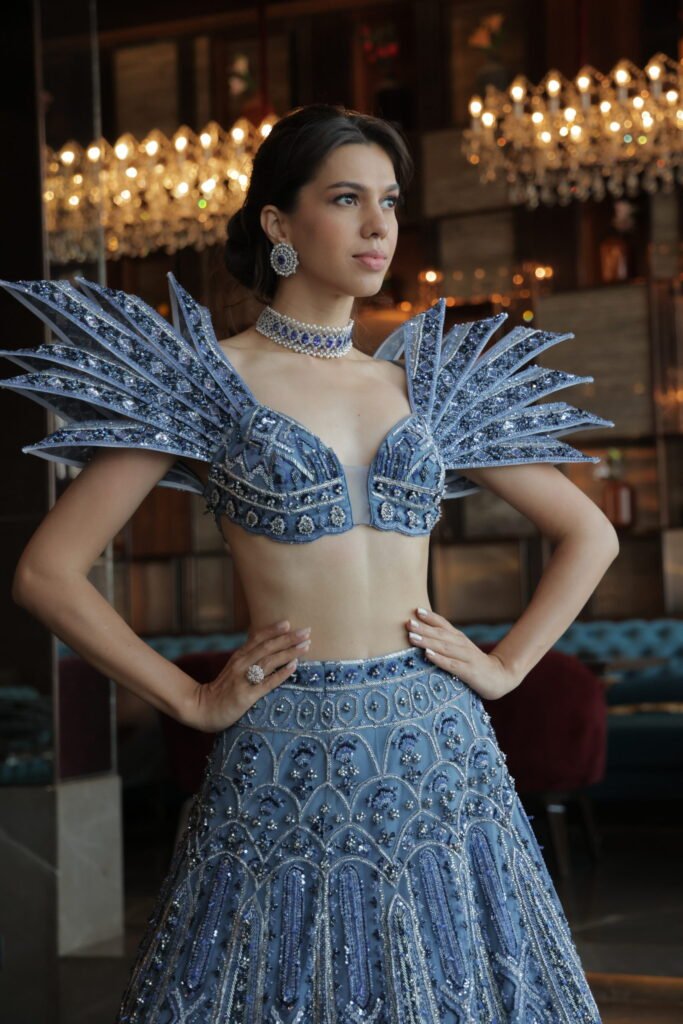
Aurea began with the belief that every individual carries an invisible energy. Light fascinated me because it is universal — we may not always see it, but we constantly experience its presence. It became my metaphor for emotion, connection and the aura each of us carries.
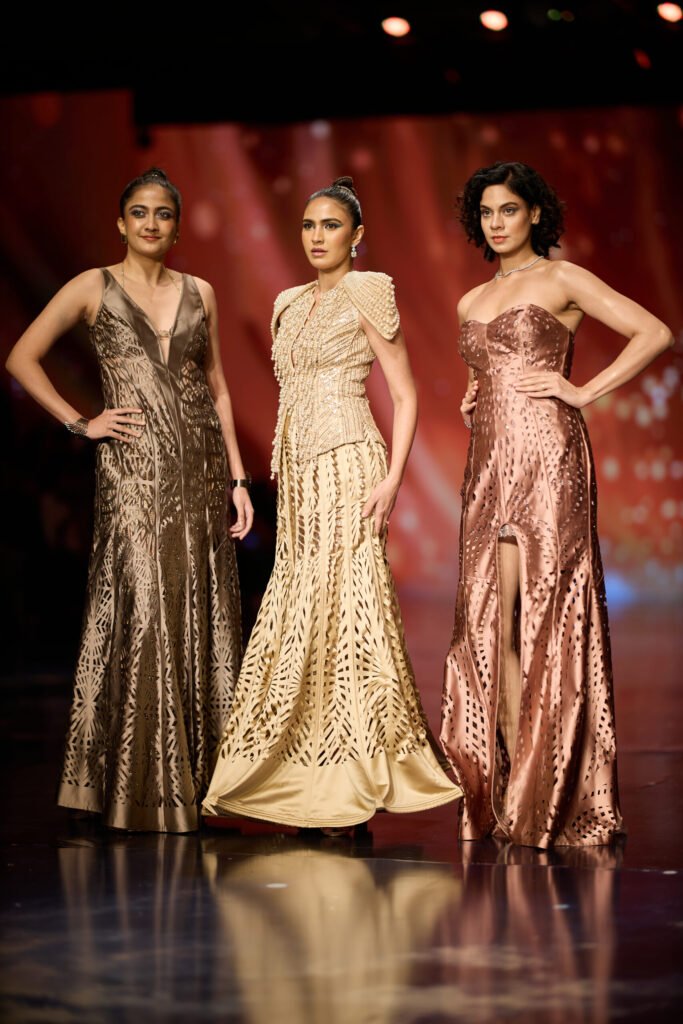
That idea shaped every design decision, from fabrics that capture and reflect light to sculptural silhouettes, textured surfaces and colours inspired by different emotional frequencies. Every embroidery, quilted detail and engineered print became part of expressing that narrative.
More than creating garments that are admired, I wanted Aurea to evoke optimism, confidence and a sense of positive energy. When couture creates an emotional connection with the wearer, it becomes far more than fashion.
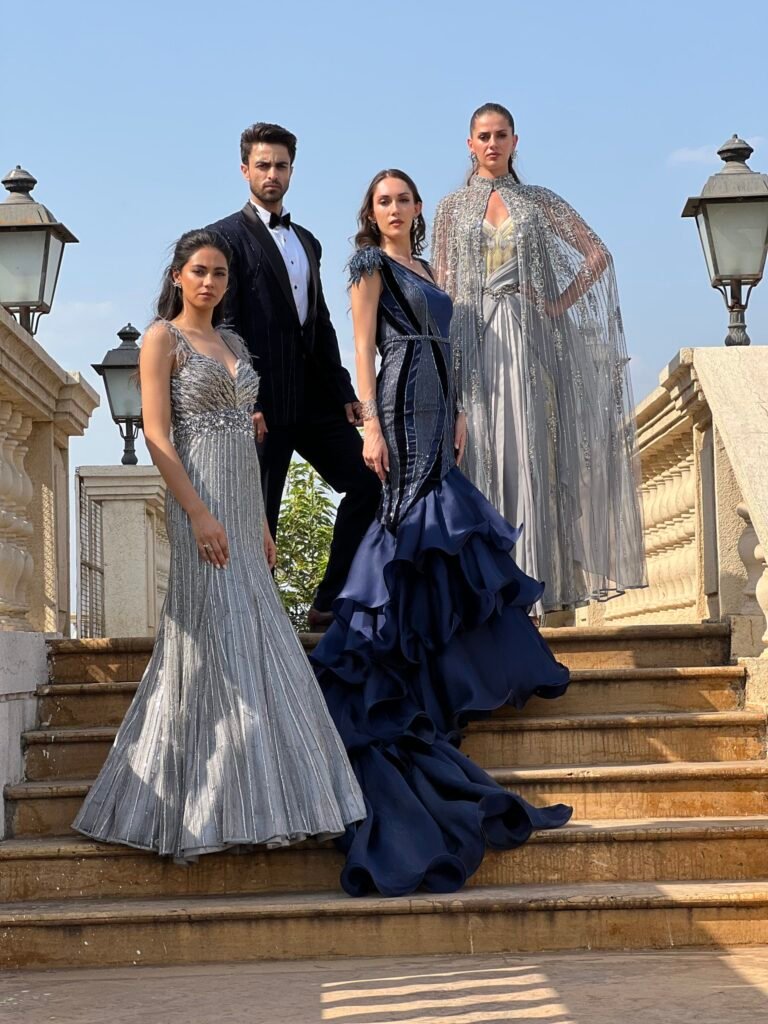
The Infinite Saree is a powerful example of fashion being used as a platform for social impact. Do you believe designers today have a responsibility that extends beyond creating beautiful garments?
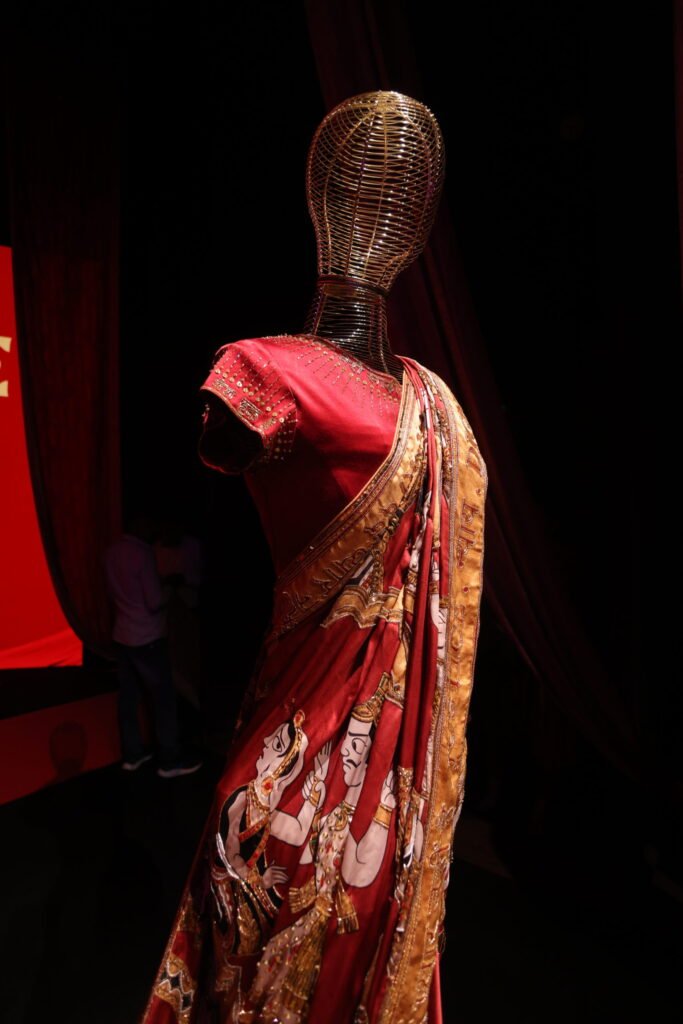
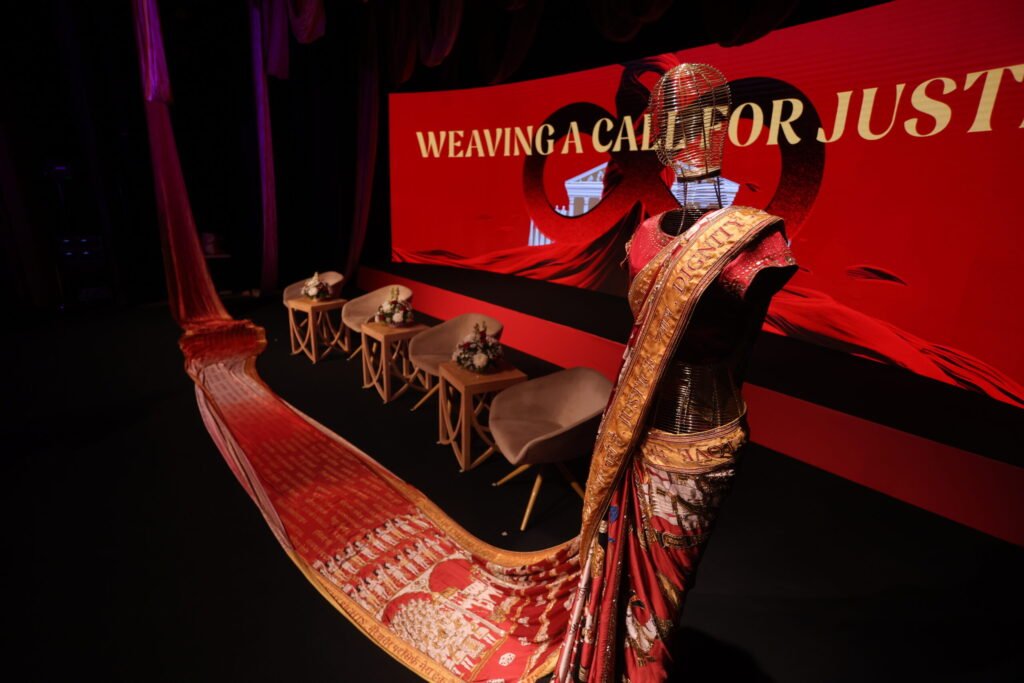
Absolutely. Fashion has always reflected society, but today it also has the power to influence it. The Infinite Saree transformed one of India’s oldest symbols of womanhood into a platform for thousands of voices seeking justice.
I don’t believe every collection has to make a political statement, but I do believe every designer should ask whether their work leaves the world more meaningful than they found it. Beauty and purpose do not compete; they strengthen each other.
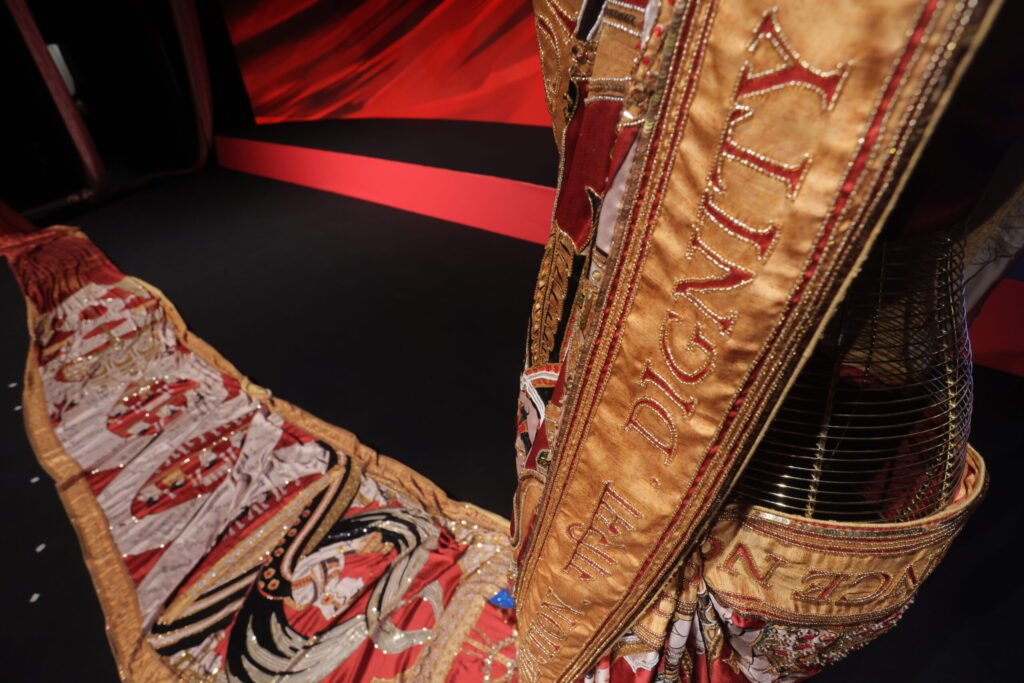
The 4,000-metre Infinite Saree received international recognition, including a Cannes Silver and multiple Clio Awards. For me, those honours affirmed that fashion can move beyond aesthetics to inspire empathy, dialogue and meaningful change.
You’ve dressed business leaders, public personalities and achievers from diverse walks of life. How do you ensure every creation reflects the personality of the wearer rather than simply following trends?
I’ve never designed for trends. I design for people. Before taking measurements, I try to understand the individual — their personality, profession, lifestyle and aspirations. I believe clothing should communicate something meaningful before a single word is spoken.
Those insights become the foundation of a highly personalised wardrobe. Every decision, from silhouette and fabric to colour and construction, is made to complement the wearer rather than overpower them. When someone wears the House of Nivedita, I want people to notice the individual as much as the garment. Luxury should amplify your identity, never overshadow it.
What have been some of the biggest challenges in building your brand, and what lessons have they taught you?
The greatest challenge has been remaining authentic in an industry driven by trends, instant visibility and short-term success. Building a couture house is a long-term commitment. It requires investing in artisans, nurturing talented teams, maintaining uncompromising quality and making decisions that build lasting value rather than immediate rewards.
The biggest lesson I have learnt is that consistency always outlasts hype. Trends come and go, but craftsmanship, integrity and meaningful relationships remain timeless. Those values have become the strongest foundation of the House of Nivedita.
What does success mean to you today, and what legacy would you like to leave for the next generation of Indian designers?
Earlier, success meant recognition. Today, success means impact.
If I have created opportunities for artisans, inspired young designers to believe Indian luxury belongs confidently on the global stage and built a brand that serves, inspires and endures, I will consider my journey worthwhile.
I also hope to encourage young designers to trust their own voice instead of chasing trends. Authenticity, patience and a commitment to excellence will always outlast fleeting success.
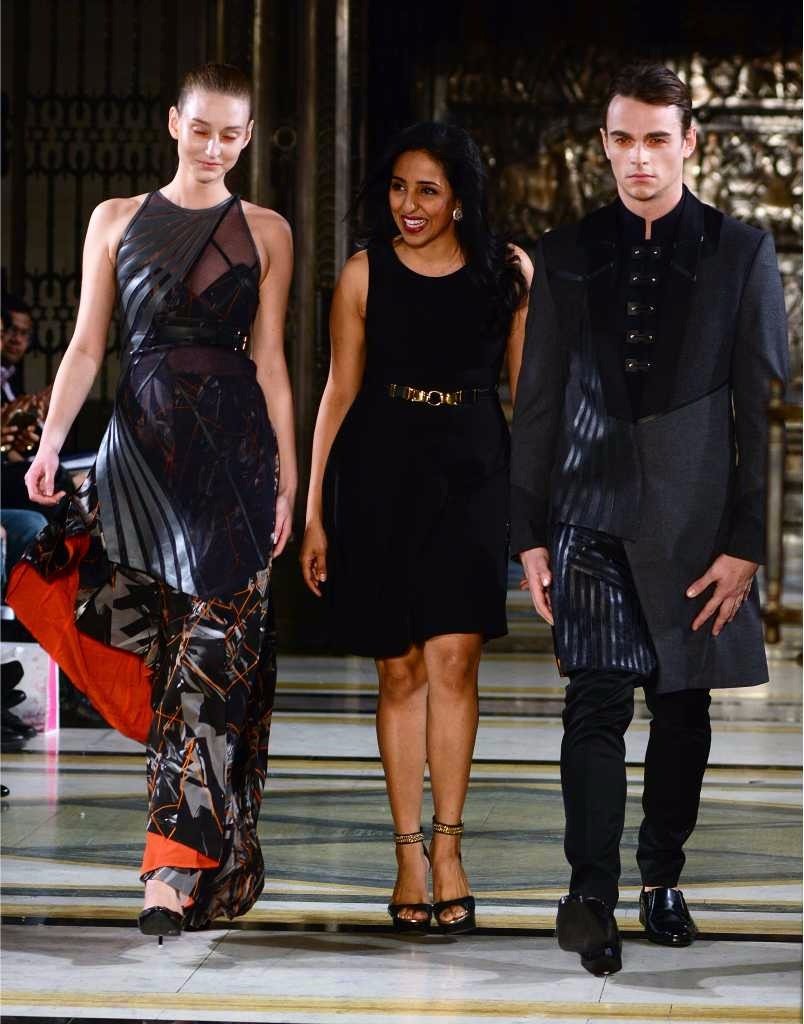
The legacy I hope to leave extends beyond beautiful garments. I want the next generation to know they never have to choose between being deeply Indian and globally relevant. The future of luxury lies where heritage meets innovation, craftsmanship embraces technology and fashion becomes a meaningful force that enriches people’s lives.