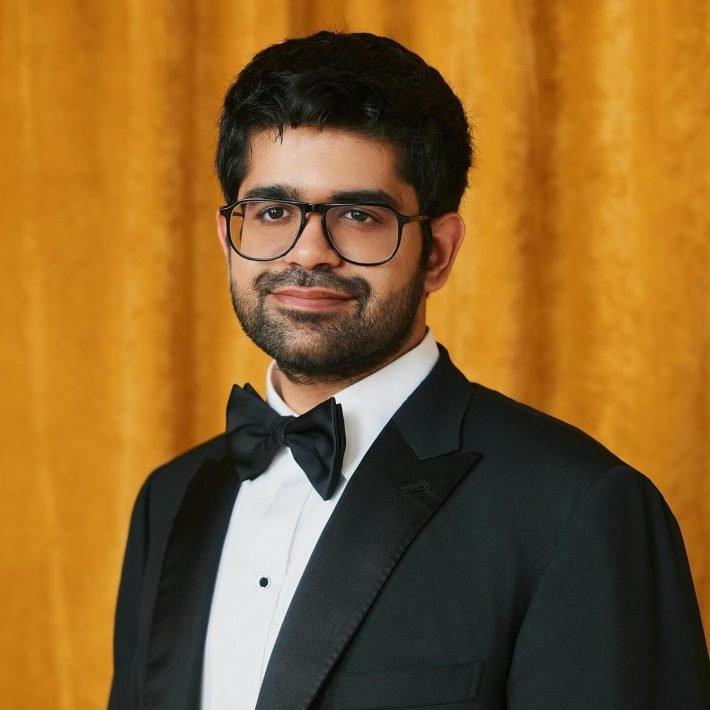
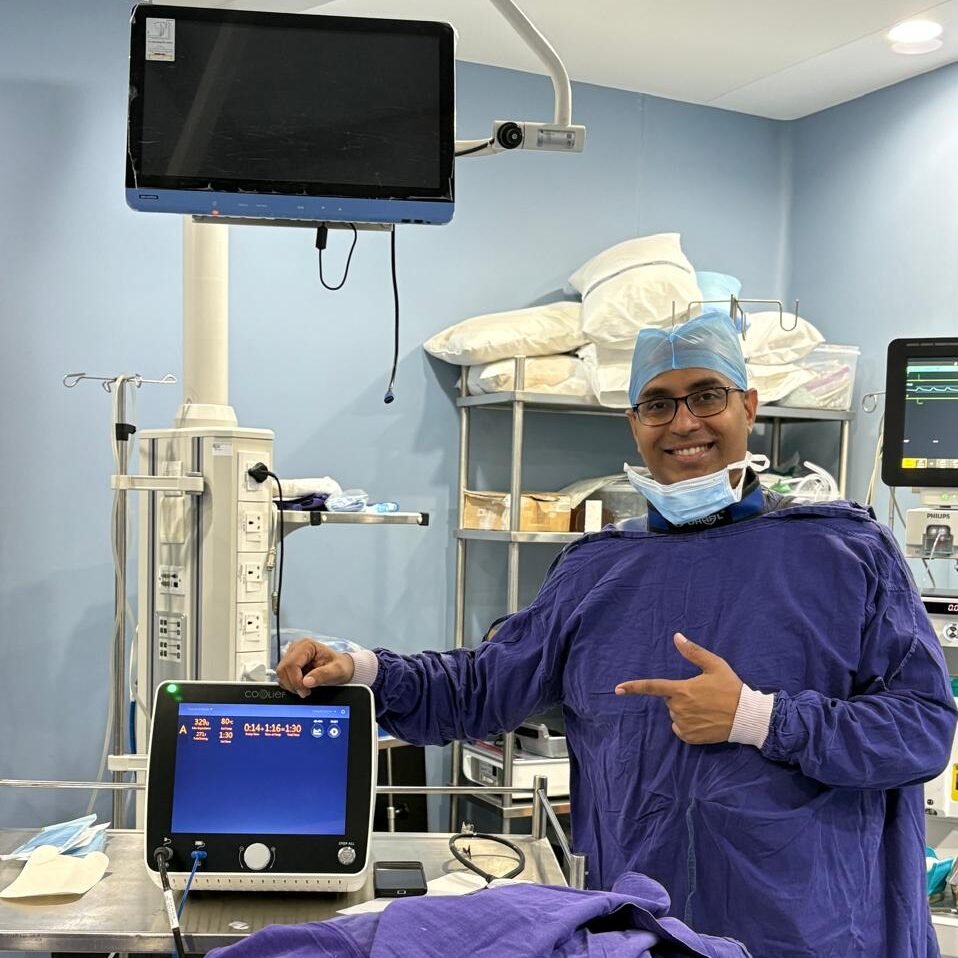
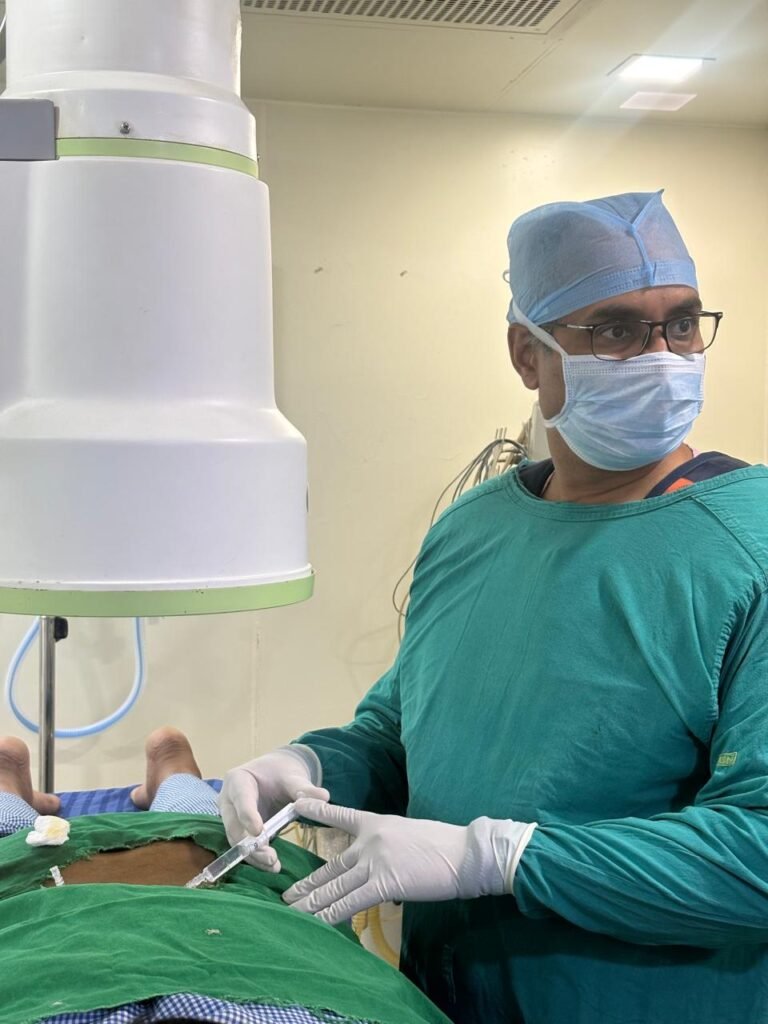
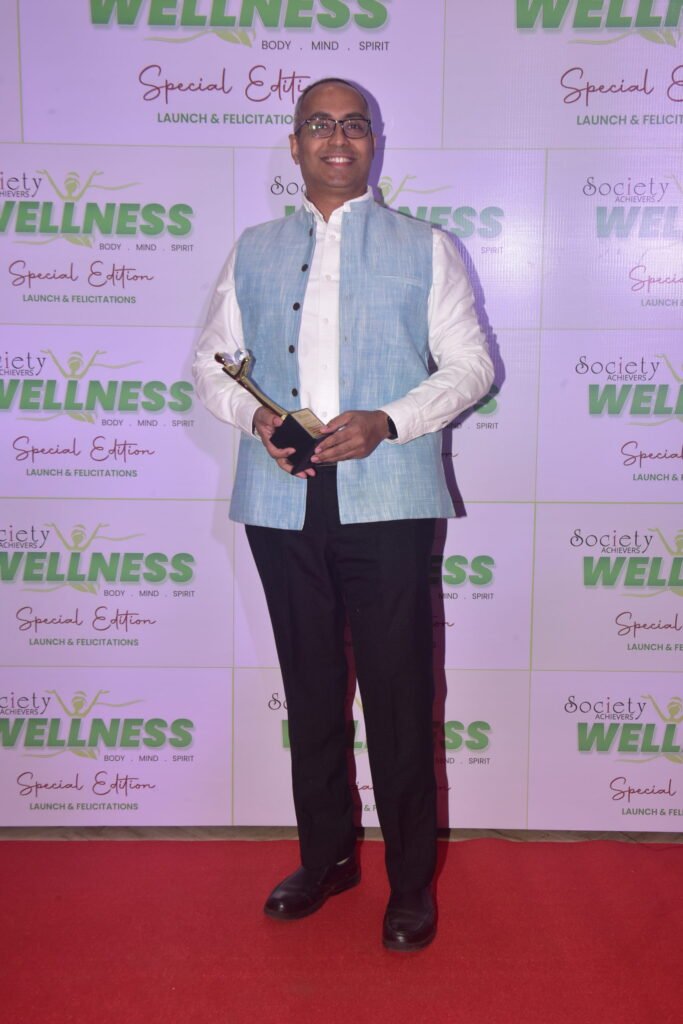
Dr Mahesh Menon, Lead, Department of Pain & Palliative Care at Sir HN Reliance Foundation Hospital & Research Centre, Mumbai, and Founder, High Bright Health, combines deep clinical expertise with a deeply human approach to caring for people living with pain and serious illness.
By Amber Dias
With years of experience in pain medicine and palliative care, Dr Mahesh Menon has built a reputation for being the kind of doctor patients and families want beside them during some of their most difficult moments. Alongside his role at Sir HN Reliance Foundation Hospital, he consults through his healthcare practice, High Bright Health, with services across Mumbai and Navi Mumbai. Warm, approachable and deeply empathetic, he believes that expertise must go hand-in-hand with listening, reassurance and, above all, being there for patients and their families when they need it most. In this conversation, he reflects on the lessons his patients have taught him, why care must continue even when a cure is no longer possible, and the importance of finding humour, humanity and hope along the way.
Excerpts from the interview…
You’ve spent many years caring for people living with pain and serious illness. Looking back, what has this experience — and the people you’ve met along the way — taught you, and how has it shaped the doctor you are today?
Interesting question. Caring for people living with pain and serious illness lies at the heart of medicine, but it is most deeply reflected in the field I have chosen — pain medicine and palliative care.
The first lesson I learnt was to “know what is important.” Pain and serious illness can affect anyone, at any time. That brings humility, gratitude for every day lived well, and a reminder not to worry about smaller things when family, friends and love matter so much more.
The second lesson is that “people are a miracle.” I have learnt never to underestimate human resilience. I have seen a son carry his bedridden father up a flight of stairs to bring him to hospital for treatment, and people make extraordinary efforts towards rehabilitation with the support of family and friends. I have seen people smile in the face of catastrophic illness, showing a grace beyond anything I could have imagined. These moments are nothing short of inspiring.
The third lesson may sound idealistic: “there are no patients.” A patient is first and foremost a person, with relationships, worries and needs beyond their illness. While healthcare professionals address medical problems, truly caring for people requires society as a whole to contribute. Clean air and water, nutritious food, education, employment, social support and access to healthcare can all reduce suffering and disease burden.
This brings me back to my first lesson: know what is important. It is also why I founded a company providing pain relief, palliative care and care at home — to bring essential care closer to people when they need it most.
Was there a point in your career when you realised that pain and palliative care was where you could make the greatest difference?
There was no single moment, but a gradual realisation. I remember my first day in the labour ward of a municipal hospital, where women struggled with labour pain while staff went about their routine, forms in hand. Labour pain was simply normalised. If we can put people on the moon, surely we can do something to relieve pain.
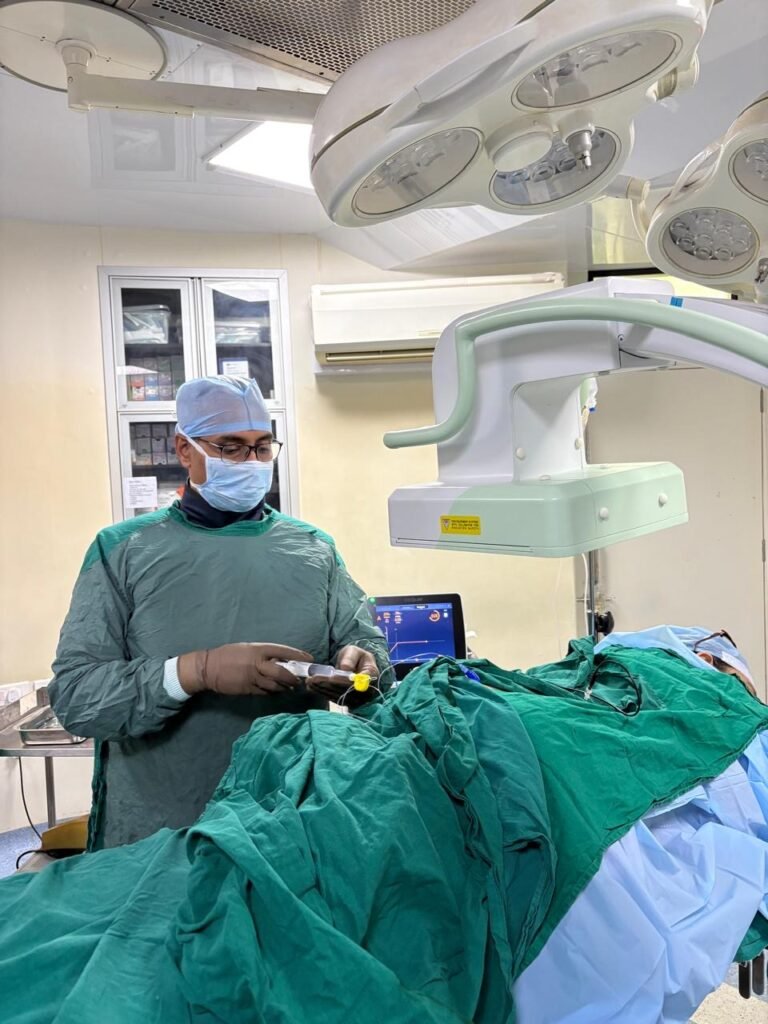
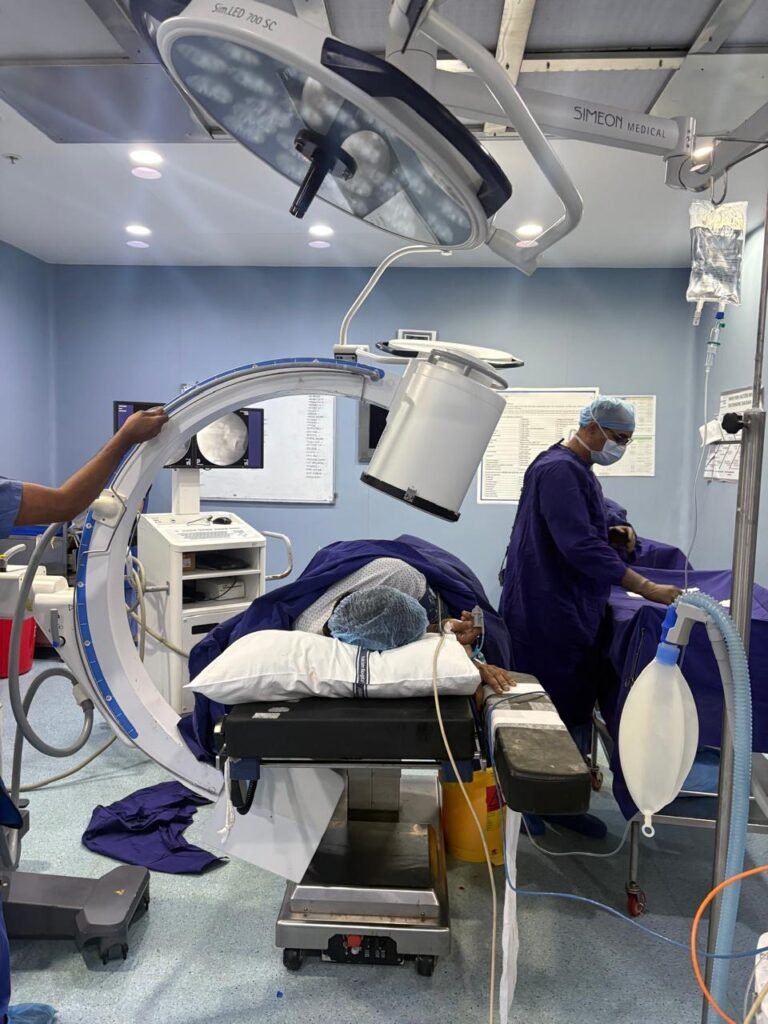
My training in anaesthesia and fellowship in Pain Medicine gave me the tools to address this, and I continue to do so as far as science and local resources allow. Later, caring for people with advanced cancer, I realised that while pain could be relieved, suffering remained. Suffering is physical, emotional and spiritual — and requires a team to provide relief, dignity and compassionate care.
You’re often there for people and their families during some very difficult times. What do you think people need most from their doctor at those moments?
There are two things patients need, and both are non-negotiable: subject knowledge and clinical expertise, and “non-abandonment.”
We all need human connection. Paradoxically, the more connected we are online, the more distant we can become from one another. To young doctors, I would say this: people want a person. They want an expert who understands their problem, while families want reassurance that they have done their best and that their loved ones will not suffer.
Most importantly, they do not want to be abandoned by a medical system that tells them, “We can do nothing more.” Even when a cure is no longer possible, sitting beside a terminally ill patient, holding their hand and ensuring good pain relief is not “nothing.” For the family, that moment can mean everything. When cure is not possible, care does not stop. Being present — whether in person or from a distance — can provide immense comfort. My home healthcare service aims to bridge the gap between home and hospital, ensuring dignity and comfort are never compromised.
Over the years, have your patients taught you something that has stayed with you?
Yes, I have learnt not to underestimate the capacity of good, even in the worst of times.
This is work that can stay with you long after you leave the hospital or clinic. How have you learnt to deal with the emotional side of it?
I realised the importance of self-care very early in my career. Unfortunately, doctors and nurses are not taught to take care of themselves. Even family members caring for a person with a serious illness do not prioritise their own health. This is avoidable!
Taking care of oneself is the first step to being able to take care of others. There is not only the emotional side, but also the physical health aspect of it. I make sure our team speaks to our counsellors, and we debrief after caring for vulnerable people. I am also mindful of the signs — irritability, feeling overwhelmed, sadness, anger and helplessness. That is when we make sure to take time out for self-care.
Palliative care is still something many people don’t fully understand, and the words themselves can create fear. What do you wish more people knew about it, particularly those who see it as giving up hope?
I always say, “Palliative care is not about death and dying — it is about caring for life till the very end.” To understand it, we must accept one essential truth: life ends. Palliative care supports people when cure is no longer possible, helping them understand what to expect, manage pain and suffering, and make choices based on what matters to them and their families. We support care at home or in hospital, provide nursing care and grief counselling, and help families navigate the final stages together. I have often heard dying patients say, “I am worried about my family.” Knowing they will be cared for is a reassurance they need. Ultimately, when cure is no longer possible, care — and love — does not stop.
How important is it to understand the person behind the illness — to know what matters to them, what they’re worried about and what they want from their care?
It is the single most important thing in clinical care. Today, we are increasingly looking at a person’s genetic makeup to identify the most effective treatment for their illness. In cancer care, for instance, specific molecules may be used to target cancers based on genetic studies. This is personalised medicine.
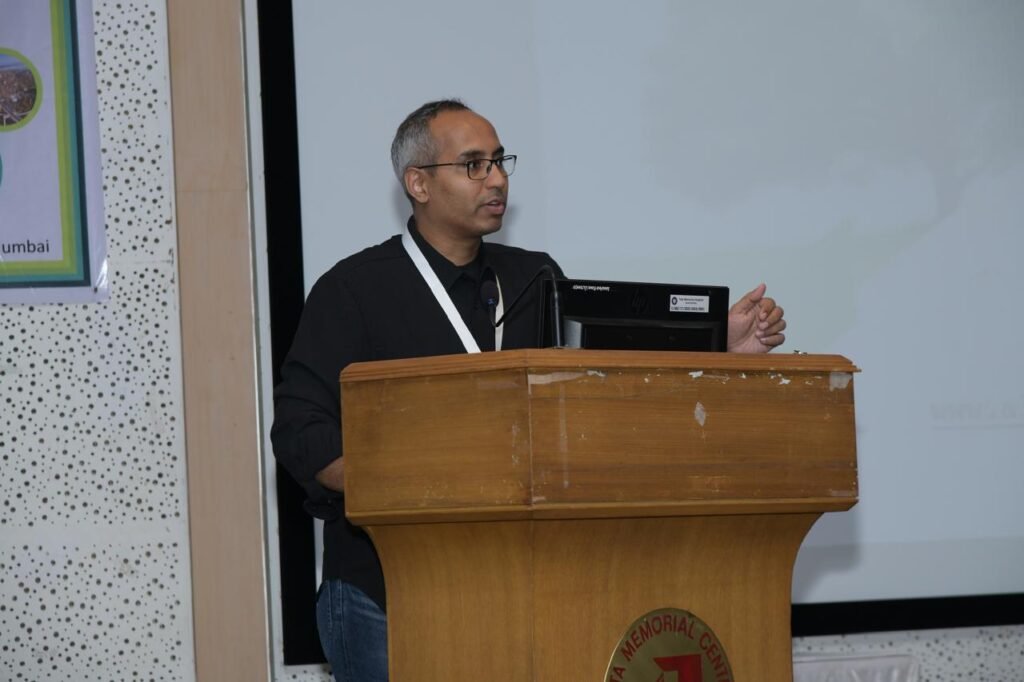
If we can examine a person’s genetic structure to tailor treatment, it is only intuitive that we should treat every patient as an individual. This means understanding what matters most to the person and their family, and using the best of science and technology appropriately. As Sir William Osler famously said, “It is much more important to know what sort of a patient has a disease than what sort of a disease a patient has.”
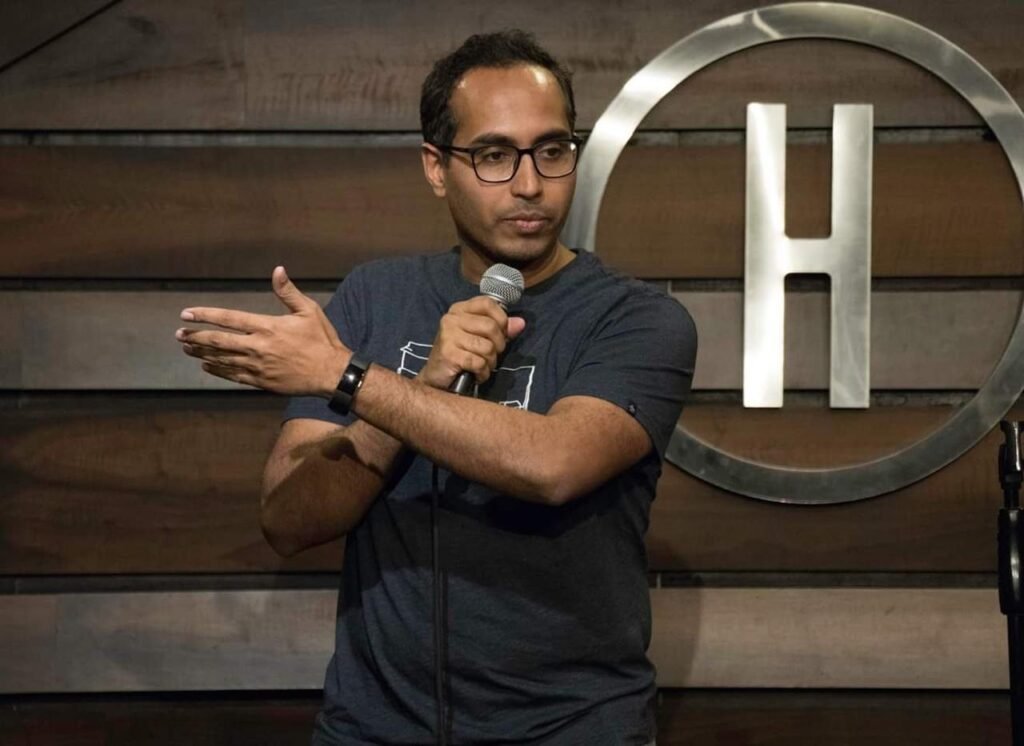
You’ve talked about your interest in stand-up comedy. How did that interest develop?
I always performed at college events. My interest developed when I attended a few stand-up shows a couple of decades ago, and I started participating in open mic events. One thing led to another, and I am doing professional shows today.
Do you find that sharing a laugh or performing gives you a different way of connecting with people?
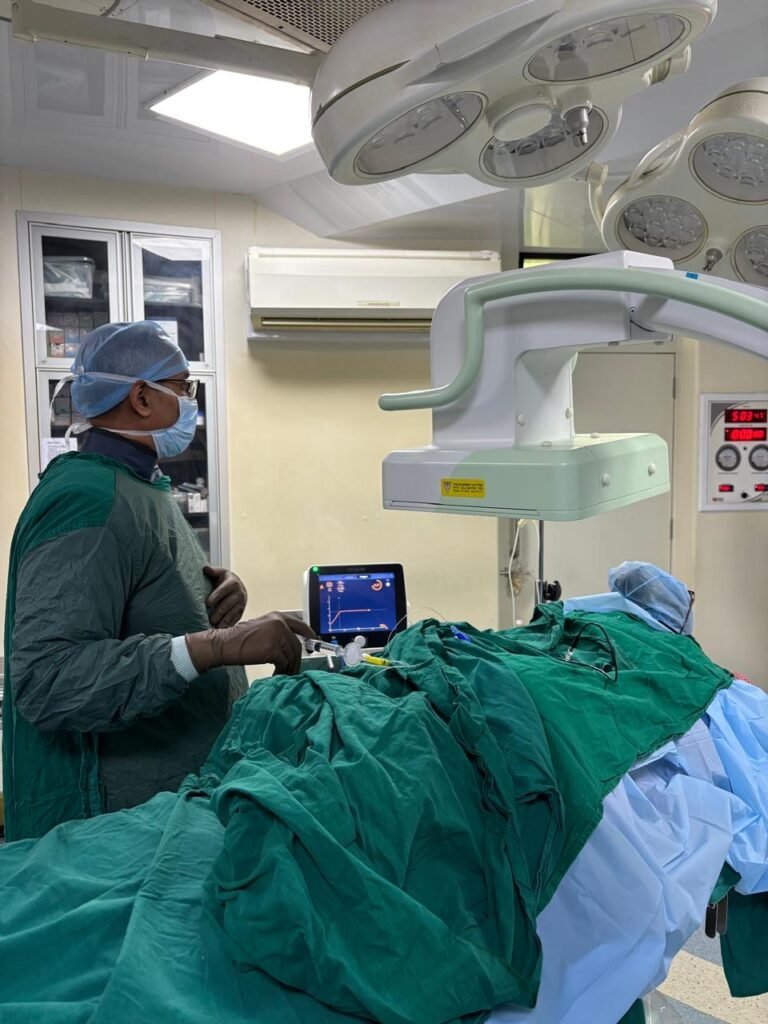
I think humour is a great bridge between people. It is a coping mechanism that helps us productively deal with stress. Making people laugh and smile is a great blessing. In my work, it helps cut the tension and allows for more honest and transparent conversations between families and colleagues. I will always cherish bringing a smile to the faces of my very sick patients more than an applauding auditorium in my shows, any day.
As you look ahead, is there something you still want to do, explore or contribute to that you haven’t had the chance to yet?
Oh! Many things. On a personal front, I have learnt to play the tabla; I need to finish the course. I aspire to have six-pack abs at least once in my life! Professionally, I want to develop the home care services that I have set up in the city of Mumbai to grow to the next level. I also aspire to bring the best in technology to India to help people with chronic pain.
Rapid Fire
One thing that instantly lifts your mood: Humor.
A person who always makes you laugh: Robin Williams.
Something you’re surprisingly bad at: Skipping.
One thing you can never say no to: Tea.
Morning person or night owl: Morning person.
A book, film or show you’d recommend to everyone: ‘Anything’ by Terry Pratchett.
The best advice you’ve received: “Do your best, success will follow.”
Something you wish you had more time for: Gym.
If you weren’t a doctor, what might you have been: A writer.
One thing people are often surprised to learn about you: That I do stand-up comedy.
One thing you’ve learnt not to take too seriously: The race to be the “best” doctor.