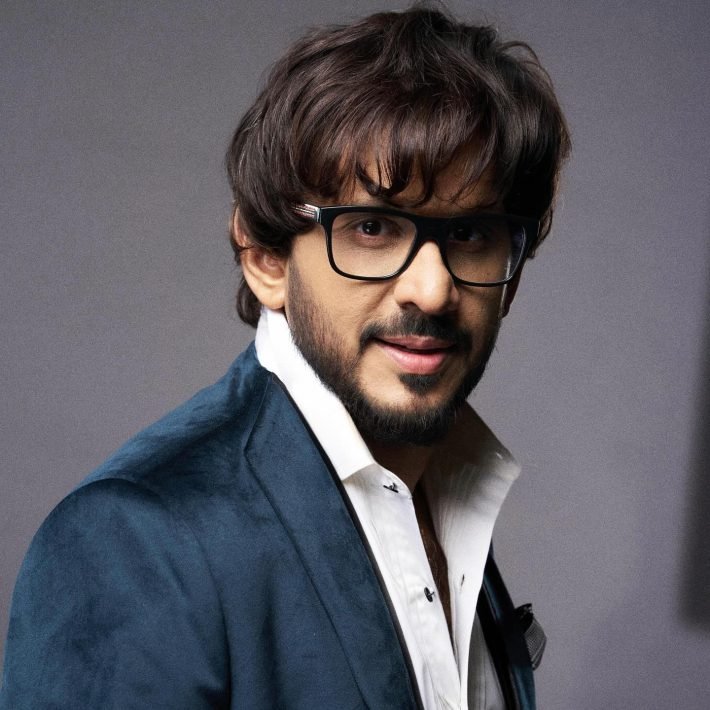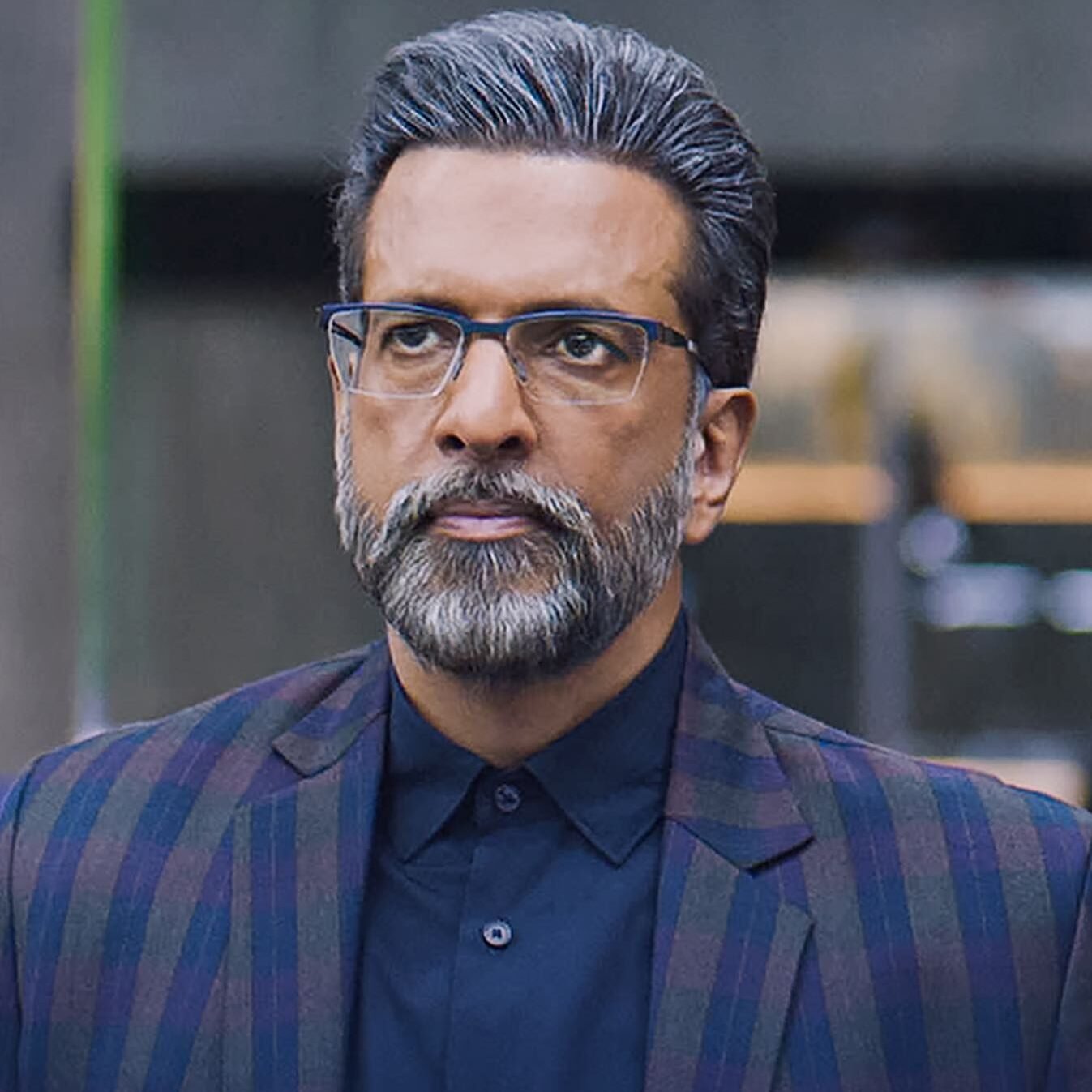
From dance and comedy to television and films, Jaaved has continually evolved with the times. In a candid conversation, he reflects on creativity, family, faith, the changing entertainment industry and finding his own path.
By Andrea CostaBir
From your early days in films to ‘Boogie Woogie’ and OTT platforms, you have successfully reinvented yourself across dance, acting, comedy, television and hosting. What has kept you creatively restless through the decades?
That’s simply how I am. I’m creatively restless; it’s something that’s within me rather than something I’ve consciously developed or learnt. I like to stay in touch with what’s happening around me — whether in the socio-political world, entertainment or other spheres — so I naturally keep moving with the times and flow with the tide.
I’ve been lucky that I’ve found work and that people have appreciated it. There are many extremely talented people who haven’t necessarily had the same journey, so I’m grateful for what I’ve received. I don’t spend much time thinking about what I could have been or might have done differently. I’m thankful for what I have, I give whatever I’m doing my hundred percent and I stay focused.
Being the son of the legendary Jagdeep, was it difficult to carve out an identity that was independent of your father, who was a prominent figure in the industry?
When I was growing up, I never actually intended to become an actor. I didn’t really know what I wanted to do until college. I somehow got into dance, perhaps because of the people and environment around me. I was born and brought up in Bandra, and many of my friends were Catholics/ Christians. We would go to weddings where there were live bands, and I think that environment contributed to my early love for music and dance. I remember dancing to Hindi film songs at parties even as a child.
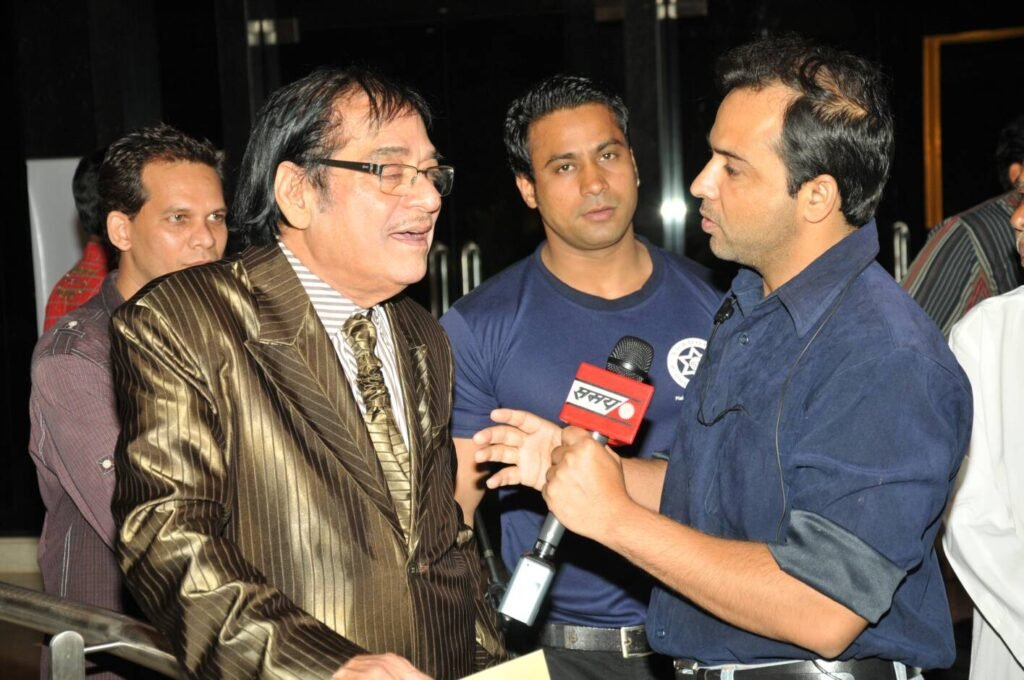
As I got older, around 13 or 14, that interest became more serious. Eventually, I started competing and won the All-Mumbai and All-India Dance Championships. From around the ninth or tenth standard onwards, wherever I went, people would ask me to dance. In college, I performed regularly and participated in fashion shows and cultural events. I also started doing advertising and modelling, including campaigns for brands such as Gold Spot and Cinthol. There wasn’t one formal course or teacher who shaped me; it was really the environment, observation, performance and opportunities I encountered along the way.
Your dance style and stage persona changed the way audiences viewed performances in the 1980s and early 1990s. How do you look at your contribution to the Indian entertainment culture?
I think I can take some credit for introducing a different style of dance and performance to mainstream Indian entertainment. In ‘Meri Jung’, for instance, the dancing had a very different vocabulary — kicks, splits and other influences that weren’t commonly seen in Hindi films at the time.
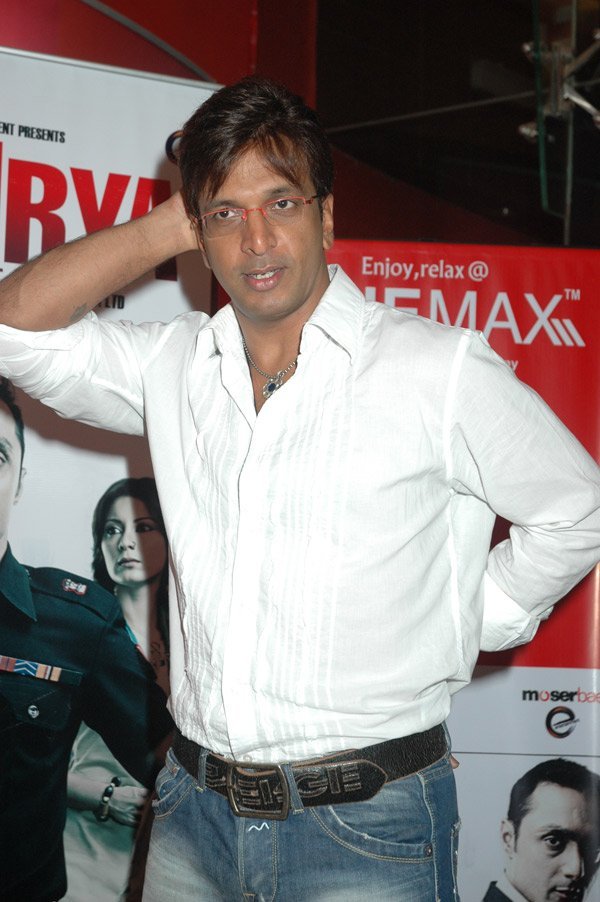
Later, when I came into television with Channel V in 1994, I also approached hosting differently. Javed Akhtar sahab once told me that I had done to television what Ameen Sayani sahab had done to radio, because I brought a more casual, humorous and interactive style to hosting. I wasn’t simply standing there and speaking; I was incorporating dance, mimicry, comedy and music. With ‘Boogie Woogie’, we created something that was fresh at the time and eventually became a hugely influential dance format. So, while I wouldn’t overstate my contribution, I do feel I was part of a shift in the way dance, hosting and entertainment were presented.
Having witnessed the industry evolve over several decades, what changes do you think have been for the better, and what do you miss about the earlier era — particularly as the industry has become more corporatised?
The biggest positive change is the sheer number of opportunities available today. We moved from films to television, then to OTT and now to countless digital platforms, so talented people no longer have to depend entirely on a producer or director discovering them. Someone can build an audience and even a livelihood through YouTube, Instagram or other platforms. The world has become much more connected, and that’s wonderful for talent.
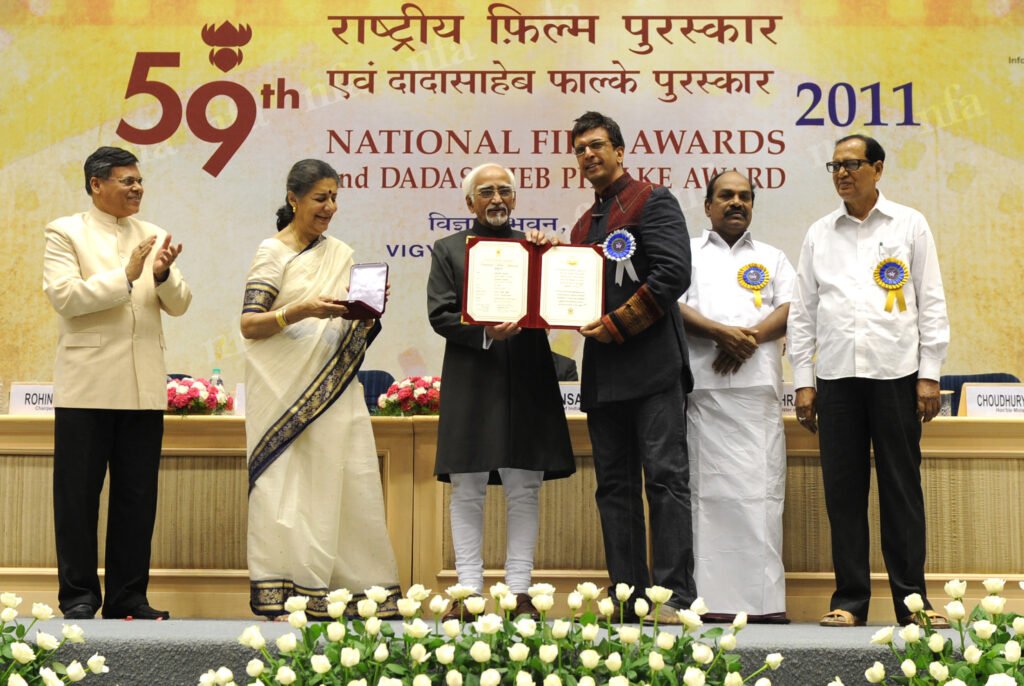
What I miss about the earlier era is that it was more organic. It was disorganised, but the creative people were largely in charge and understood the process from the inside. Today, corporatisation has brought structure and investment, which is good, but sometimes the financial and corporate side can interfere too much with the creative process. I think the industry needs to find a better balance between the two.
It has brought some structure to working conditions as well, but there is still a long way to go.
Your body of work ranges from comedy and satire to emotionally layered roles. Which performances or projects have challenged you the most creatively?
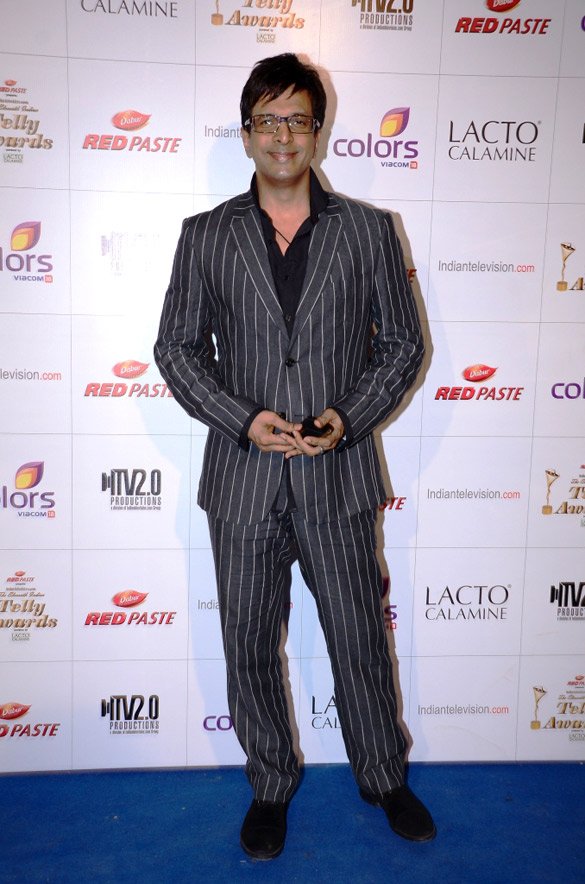
A film that immediately comes to mind is ‘Mayasabha’, directed by Rahi Anil Barve, who made ‘Tumbbad’. It was a very different kind of dark, psychological and emotional drama, and we shot for around 20 to 25 days in a dilapidated theatre in Chembur. The environment itself was physically difficult, with smoke, dust and a musty atmosphere, but the character was equally demanding emotionally. It was probably the most physically and emotionally challenging role I’ve done in my 41-year career.
You have often spoken about creating your own content rather than depending on celebrity appearances. What appeals to you about that approach?
I don’t like the idea of a show depending entirely on who comes on it. If the success of a programme rests on whether a particular celebrity appears, then that celebrity is effectively making the show. I’d rather create a format that has its own identity and credibility.
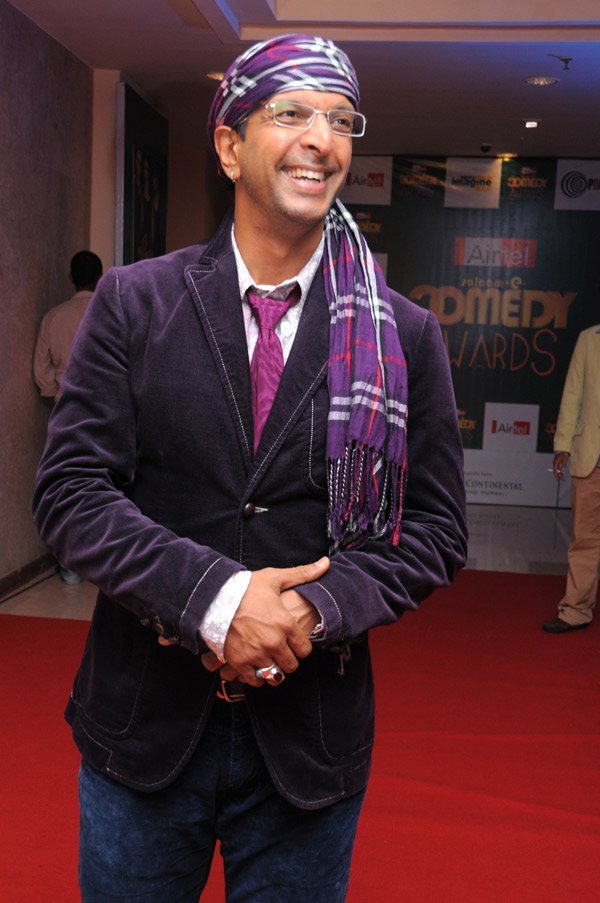
‘Boogie Woogie’ was a good example because it didn’t depend on film stars coming in to promote their movies. We sometimes brought in veteran performers who had been forgotten by the younger generation, not because they were commercially useful but because we wanted to honour their talent and introduce them to a new audience. The show stood on its own. I think that’s the kind of content that has longevity.
Success often comes with applause, but it also comes with private struggles. What have been some of your toughest personal and professional phases, and how did you overcome them?
Personally, I sometimes feel I could have given more time to my family. When you have a demanding career, you don’t get as much time with them as you’d like. Professionally, I sometimes felt I could have received better work and done more as an actor. There’s a difference between ego and confidence, and I believe I’m confident about what I can do because people whose opinions I respect have told me that I have more to offer.
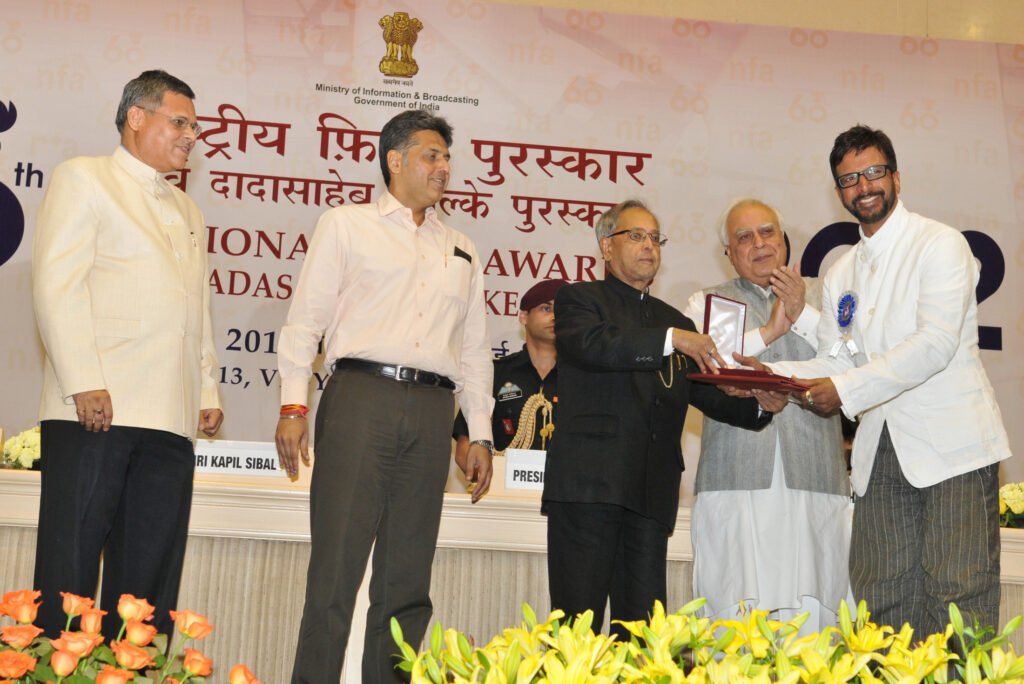
At the same time, life sometimes requires compromises. You have responsibilities and a family to support, so there are occasions when you take work because it keeps the home running. I’ve made my peace with those choices.
When you were going through a difficult professional phase, how did you stay grounded?
My connection with God is very strong, and that keeps me balanced. When I bow down to God, I let go of my ego and accept that I’m doing my best and that some things are simply beyond my control. I believe that what may appear good or bad at one point can have a completely different meaning later because the dots eventually connect. That sense of perspective helps me deal with uncertainty. I’m grateful for what I have and equally accepting when something doesn’t work out. That attitude keeps me grounded.
As you continue to explore new formats and creative avenues, what are you currently excited about?
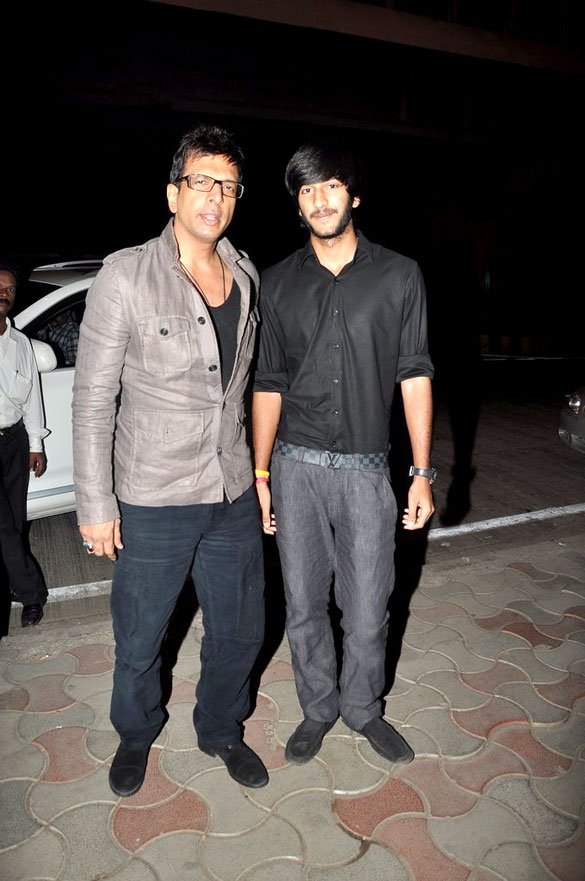
I have several projects in different stages. ‘Dhamaal 4’ recently released. I have another film with Vikrant Massey, and there are other films in discussion. I’m also judging a new dance show on Sony. At the same time, I’m being more selective about what I take on and am trying to develop something of my own. At this stage, I’m interested in choosing work that feels right rather than simply filling up my calendar.
Your son Meezaan has entered the film industry. Did you encourage him, and what advice do you give him about building his own career in entertainment?
I didn’t encourage him specifically towards acting. I wanted him to get an education and decide for himself. He studied business and later chose to go to film school before deciding to enter films. I told him that if that was his decision, I would support him wherever I could. I didn’t want him to look back one day and feel that I had stopped him from pursuing something he wanted.
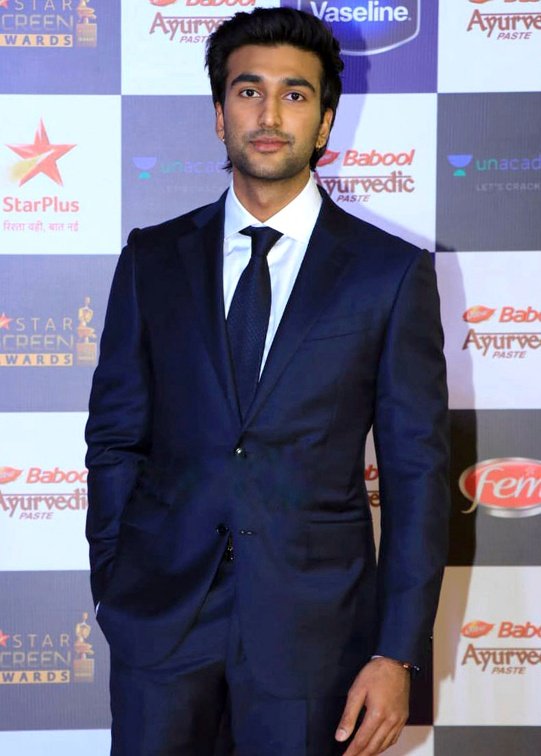
He’s much smarter and more aware of the industry than I was at his age, so I don’t feel the need to tell him how to navigate it. If he sends me a script and asks for my opinion, I’ll read it and tell him what I think, but I let him make his own decisions. That’s important because people need to develop their own confidence and learn from their own choices. If he needs my advice, he’ll ask for it.
You’ve had a long and multifaceted career. How would you like to be remembered — not just as an entertainer, but as a person?
Honestly, I’m not particularly concerned with how I’m remembered after I’m gone. For me, what matters is doing my duty while I’m here — towards humanity, the planet and the people around me. If people remember me as a good human being, I’ll be grateful.