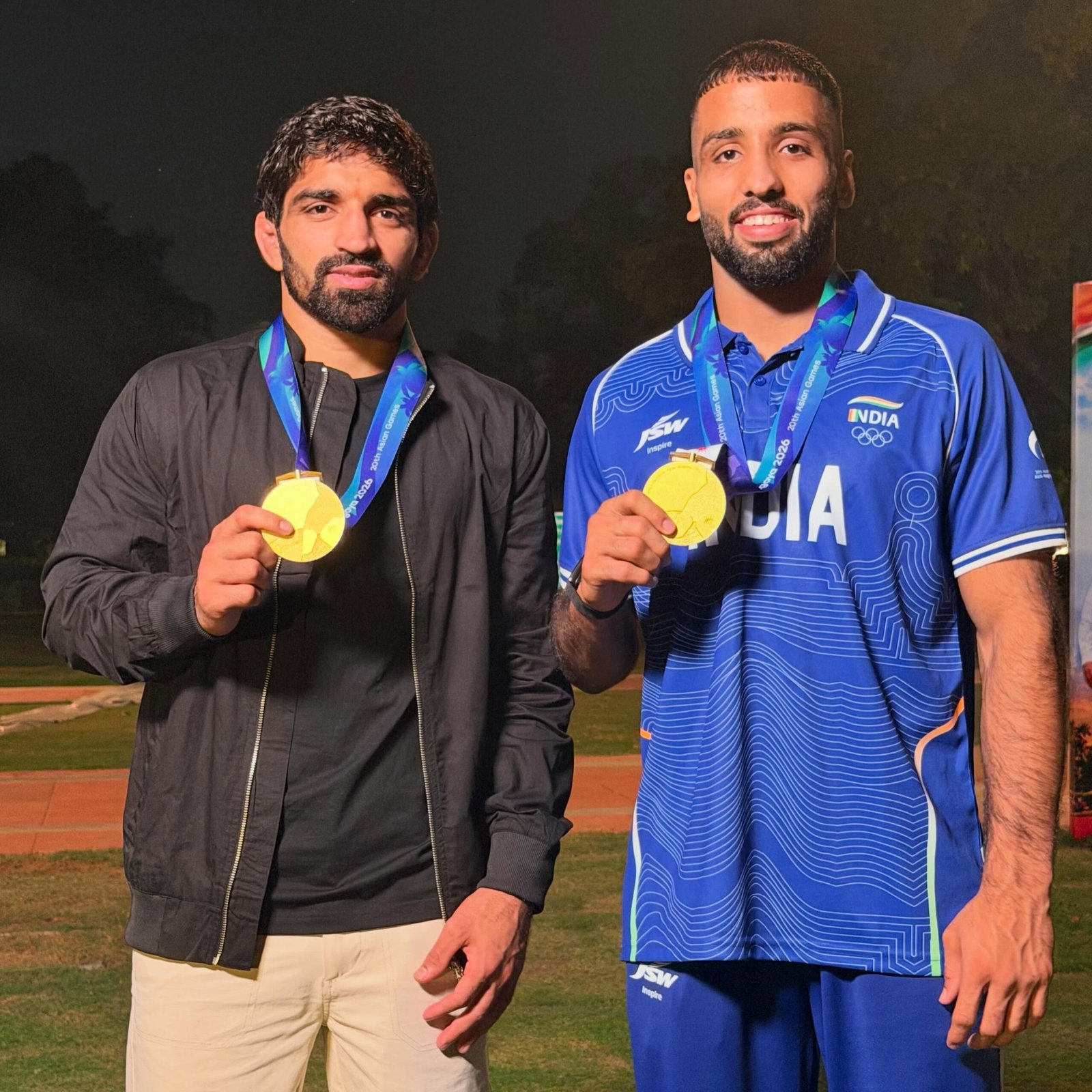
From dramatic comebacks and historic firsts to commanding team victories, India’s medal winners gave the Aichi-Nagoya Asian Games in Japan plenty to celebrate.
By Nichola Marie
For more than a fortnight in Japan, Indian athletes produced the kind of sporting drama that makes a medal tally far more than a set of numbers. At the end of it, India finished fourth at the Aichi-Nagoya Asian Games with 85 medals, including 21 gold, 27 silver and 37 bronze. The final position matched its ranking at the previous Asian Games, although the overall haul was lower. What made the campaign memorable, however, were the stories behind the medals.
A Place Among Asia’s Best
China topped the medal table with 341 medals, followed by Japan with 269 and South Korea with 150. India’s 85-medal haul placed us fourth, ahead of Uzbekistan, which also won 21 gold medals but finished with 70 medals overall. India’s tally was its second-highest at the Asian Games, after its revised total of 106 medals at Hangzhou in 2023, following the disqualification of boxer Parveen Hooda.
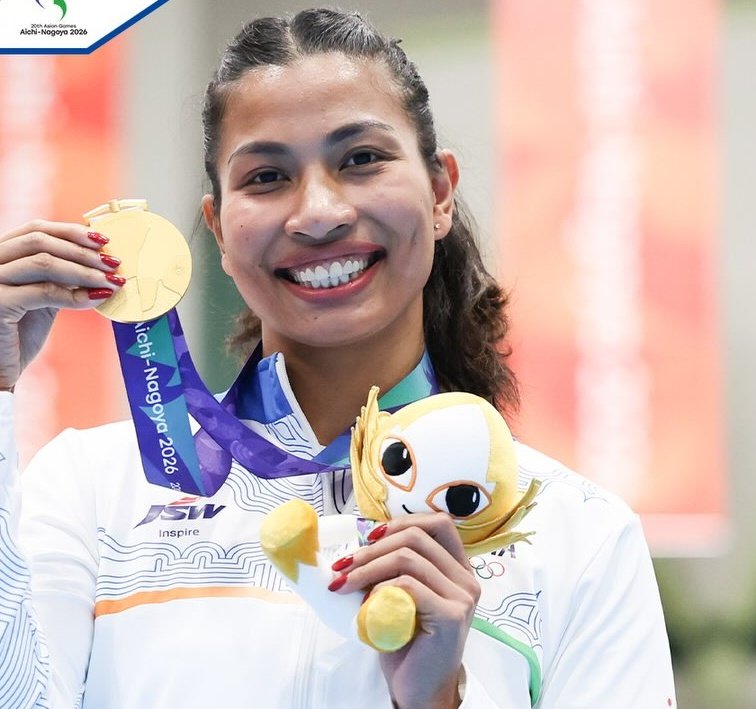
The numbers reflected a campaign of contrasts. Athletics contributed 24 medals, shooting 15 and archery nine. Wrestling and boxing delivered six medals apiece, while cricket, hockey and kabaddi brought gold in both the men’s and women’s competitions. The late surge that lifted India up the table gave the campaign a strong finish, but it was the quality and variety of individual performances that made the Games stand out.
Comebacks, Composure & Gold
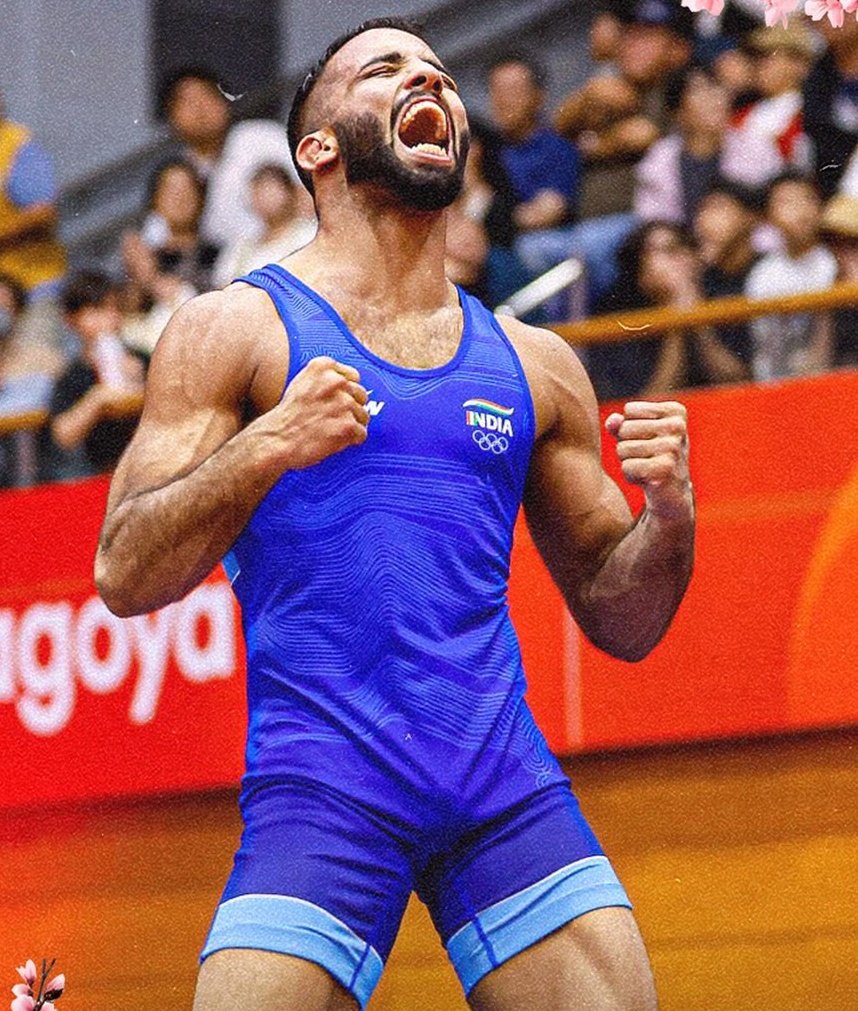
One of the most compelling performances came from wrestler Sujeet Kalkal in the men’s 65kg final. After falling behind 2–9, he fought his way back to win gold in a contest that demanded both physical strength and considerable mental resolve. Earlier, he had beaten reigning Olympic champion Kotaro Kiyooka in the semi-final. His victory, alongside Aman Sehrawat’s gold in the 57kg category, helped India finish with two wrestling titles and six medals overall.
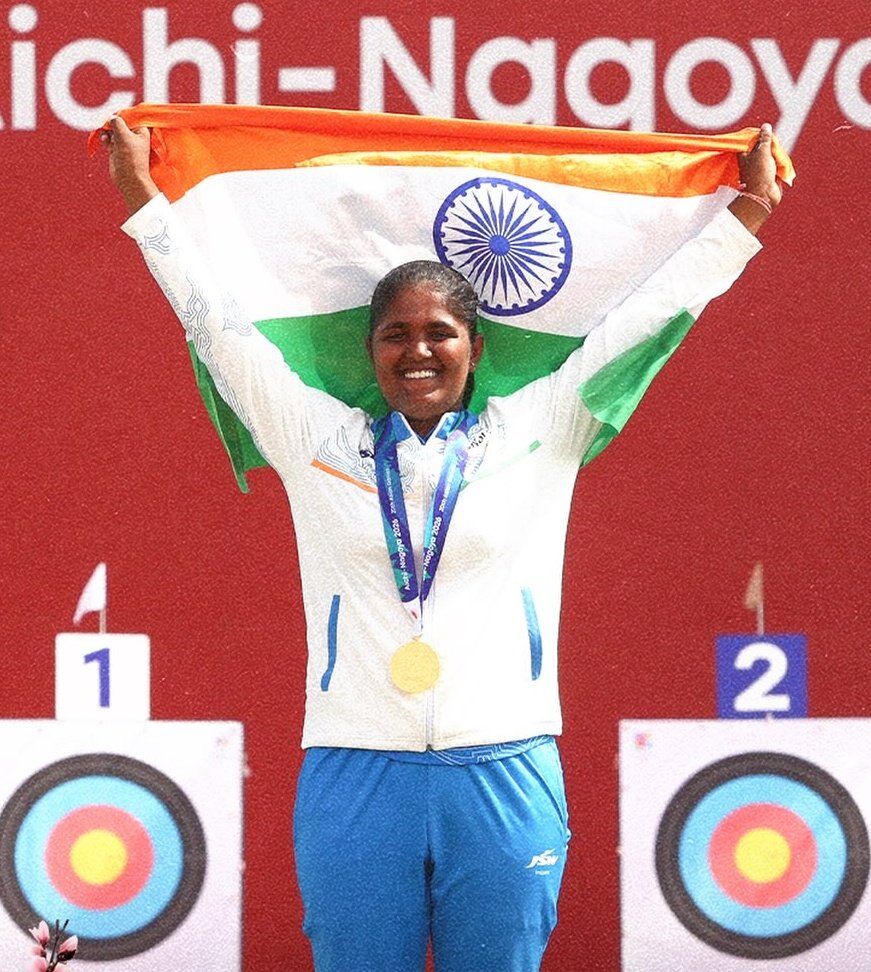
Archery was another major success story. India won nine medals, including five golds, finishing ahead of traditional powerhouse South Korea. The women’s recurve team of Ankita Bhakat, Kumkum Mohod and Kirti Sharma claimed a historic gold, while the team’s success was followed by another landmark when 17-year-old Kumkum won the women’s individual recurve title. For a young archer, the achievement marked a remarkable arrival on the continental stage. India also retained its strength in compound archery, adding to a campaign that underlined the country’s growing depth in the sport.
Boxing produced one of India’s strongest Asian Games performances, with three gold medals and three bronzes. Lovlina Borgohain won the women’s 75kg title, defeating China’s Bao Ziyi 5–0 in the final. Having won silver at the previous Asian Games, Lovlina added another major achievement to a career that already includes an Olympic bronze and a World Championship title.
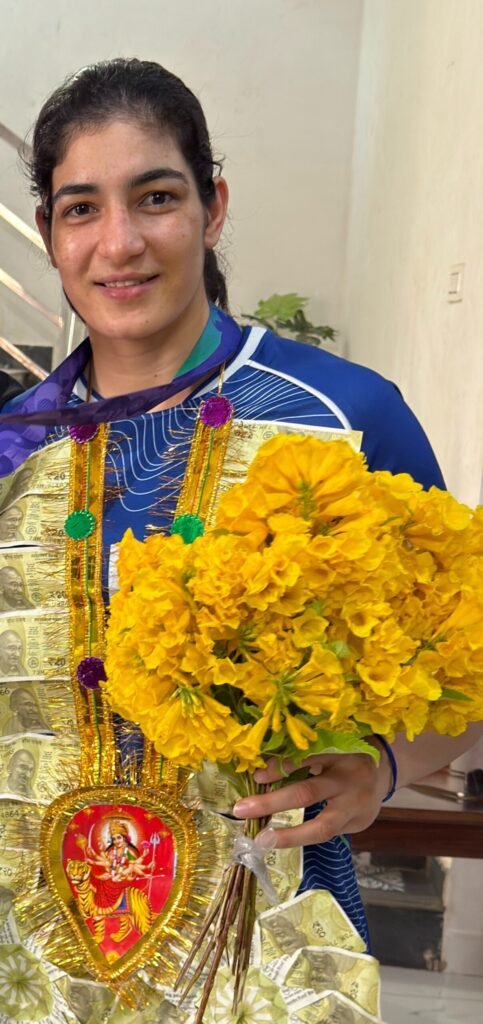
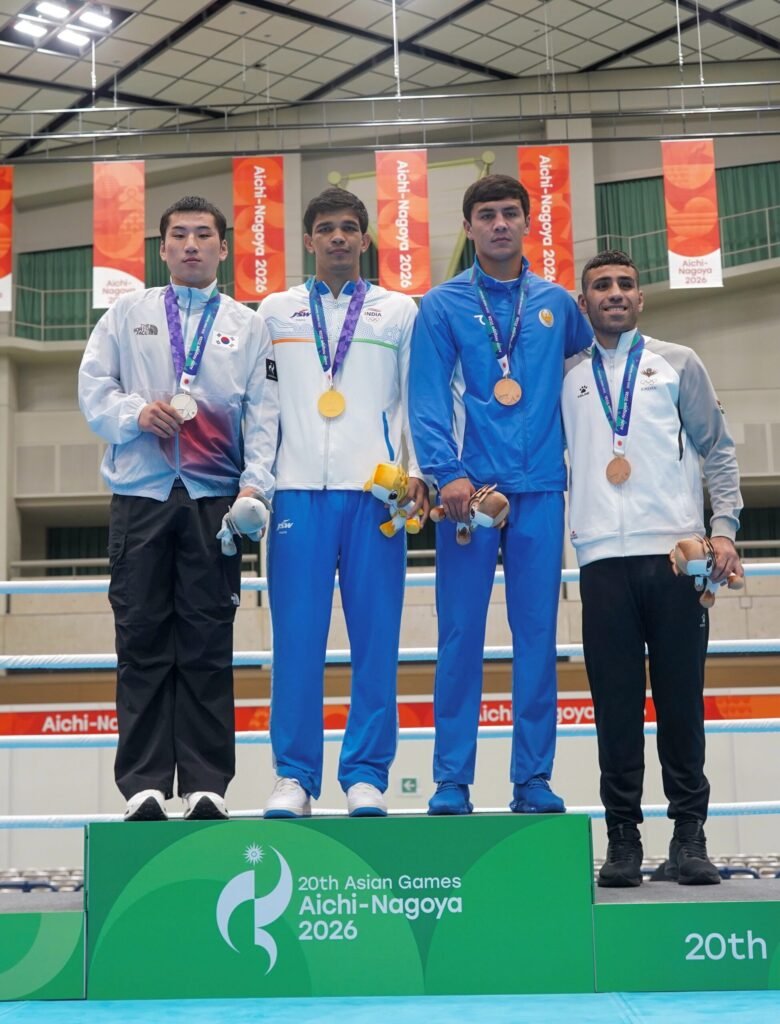
Parveen Hooda’s gold in the women’s 65kg category carried its own significance. Returning to competition after a 22-month suspension, she beat Taiwan’s Chen Nien-chin 3–2 in the final. Ankush Panghal completed India’s gold-medal sweep in boxing, winning the men’s 80kg final against South Korea’s Kim Minseong after overcoming reigning world champion Fazliddin Erkinboev in the semi-final.
Team Spirit On The Big Stage
India’s team events provided some of the most satisfying moments of the Games. The women’s cricket team retained its Asian Games title, while the men’s team also won gold, giving India a sweep of the two cricket competitions.
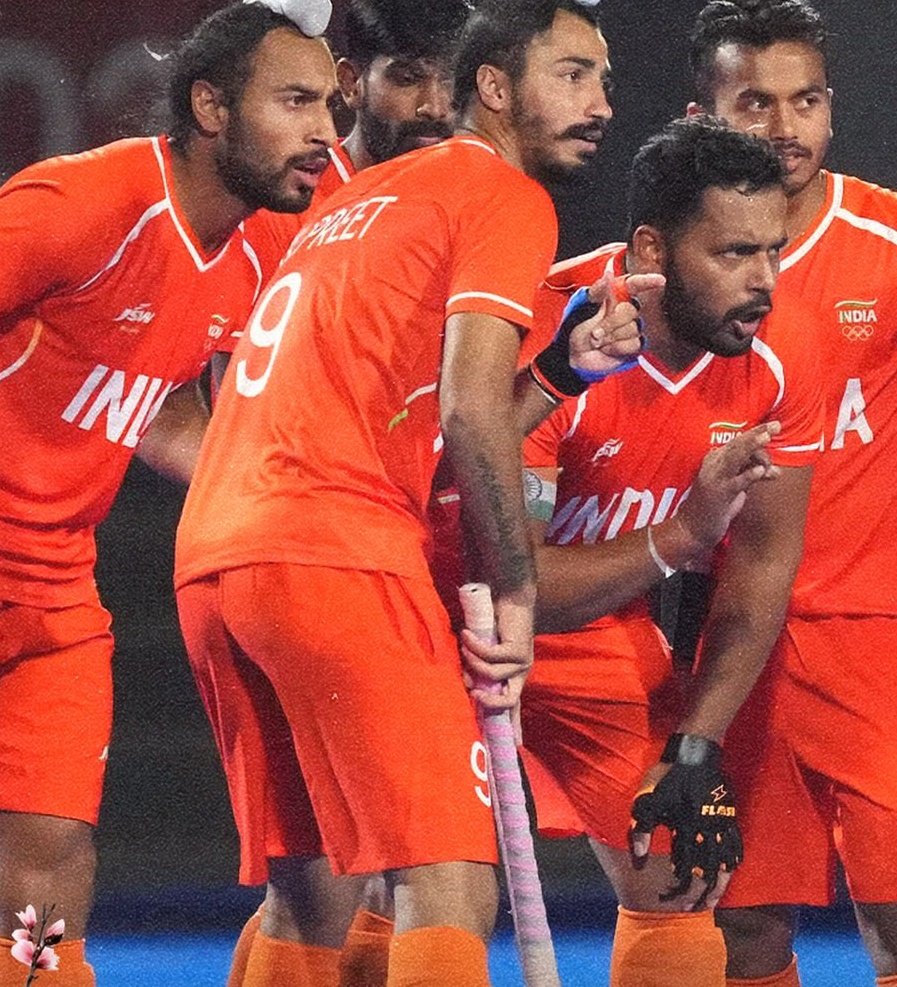
In hockey, both Indian teams finished on top. The women’s team won gold after an impressive campaign, scoring 69 goals and conceding just three. Their final against China was a test of nerve as well as skill, with goalkeeper Savita Punia producing a crucial penalty-stroke save. The victory ended a 44-year wait for an Asian Games gold in women’s hockey and secured qualification for the Los Angeles 2028 Olympics.
The men’s team also claimed gold, beating Malaysia 5–1 in the final to retain its title and book its place at the Olympics. The result offered a fitting finish to a campaign in which India’s established strengths in team sports once again made a decisive contribution.
Beyond Expectations
Shooting added 15 medals, including three golds, with Neeru Dhanda among the standout performers. She became the first Indian woman to win individual gold in the Asian Games women’s trap event, setting an Asian Games record in the process. She also won gold in the mixed-team trap event with Kynan Chenai and silver in the women’s team trap competition alongside Manisha Keer and Aashima Ahlawat. Her three-medal haul was a striking example of consistency across individual and team events.
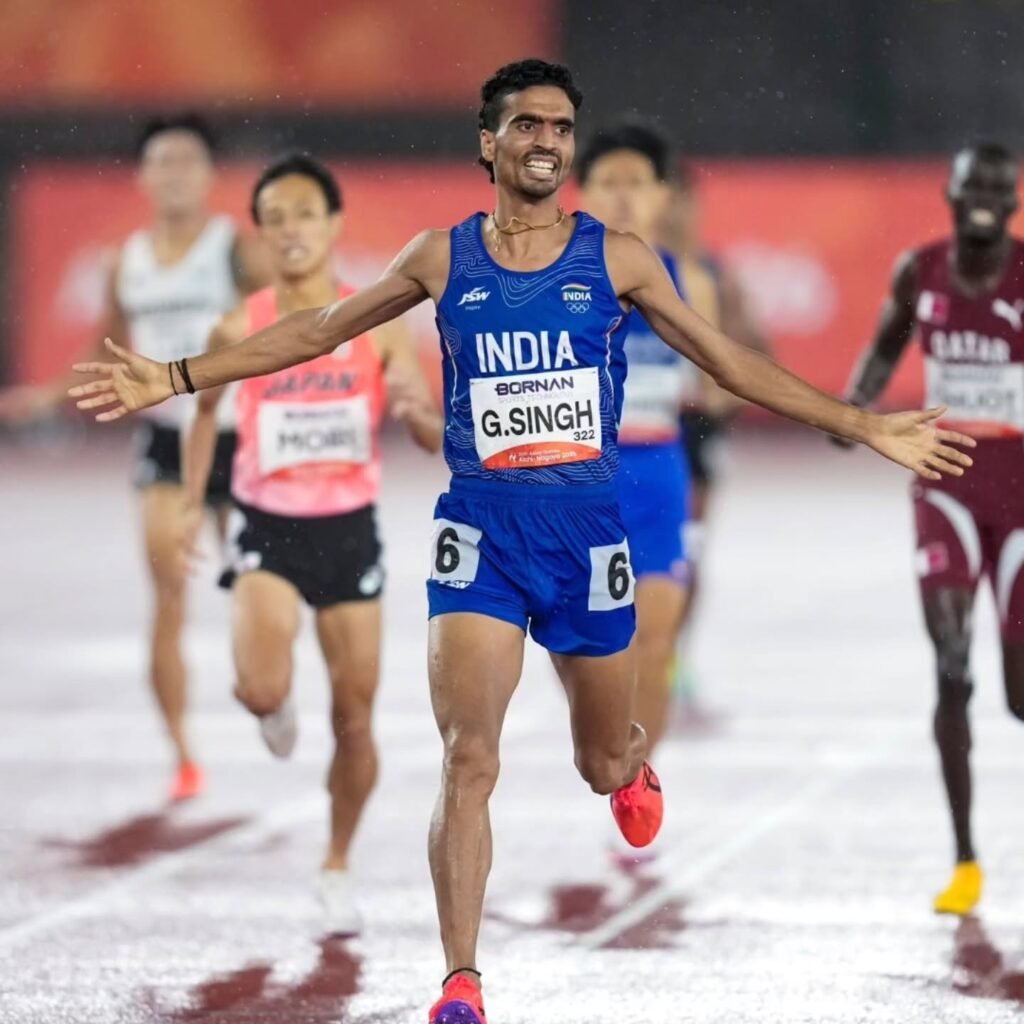
On the athletics track, Gulveer Singh achieved a rare distinction by winning three individual medals: silver in the 10,000m, silver in the 1,500m and bronze in the 5,000m. His performances demonstrated the range required to compete across distances at the highest level.
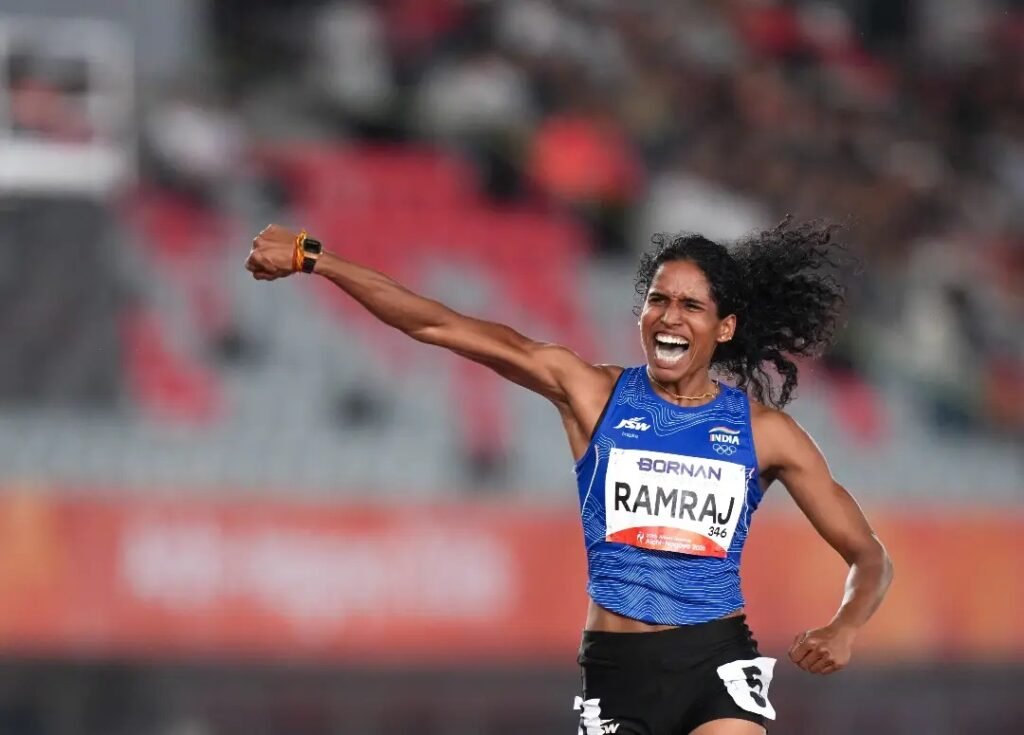
Vithya Ramraj’s campaign was a story of its own. She opened with silver in the mixed 4x400m relay, then broke PT Usha’s national record in the women’s 400m hurdles. Her time of 54.75 seconds earned bronze, bettering Usha’s 55.42, which had stood since the 1984 Los Angeles Olympics and which Vithya herself had equalled at Hangzhou three years earlier. She then anchored the women’s 4x400m relay team of Kiran Pahal, MR Poovamma and Prachi Choudhary to gold, India’s only gold in athletics, a sport that nonetheless supplied the largest number of medals to the national tally.
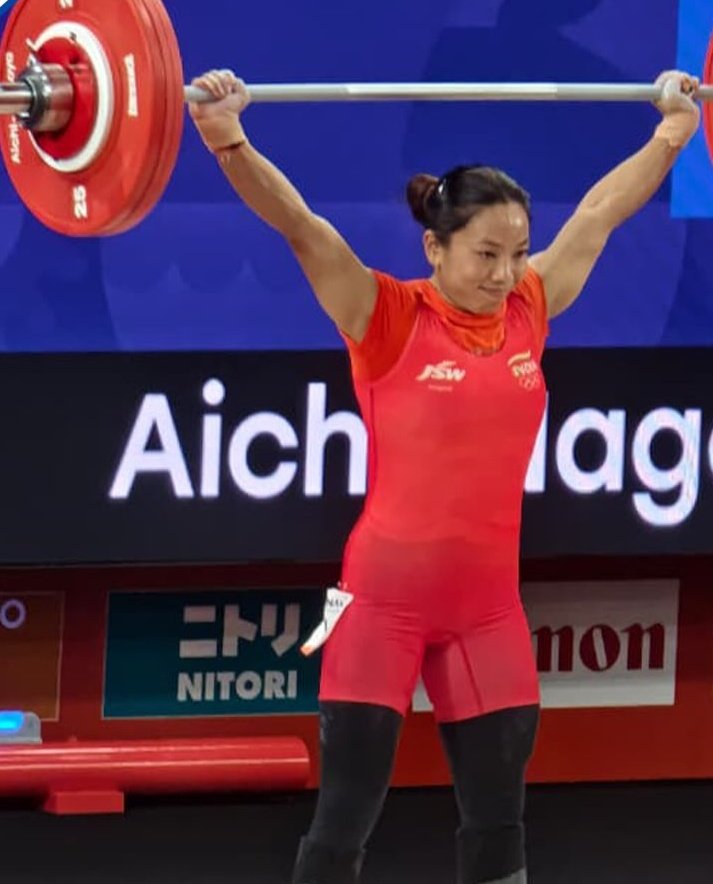
Weightlifting also produced a landmark result. Mirabai Chanu won silver in the women’s 49kg category, earning her first Asian Games medal after a long wait. Her achievement ended a 28-year gap since India’s previous Asian Games weightlifting medal, won by Karnam Malleswari in 1998. For a lifter whose career has included Olympic and world-level success, the silver filled a conspicuous gap in her record.
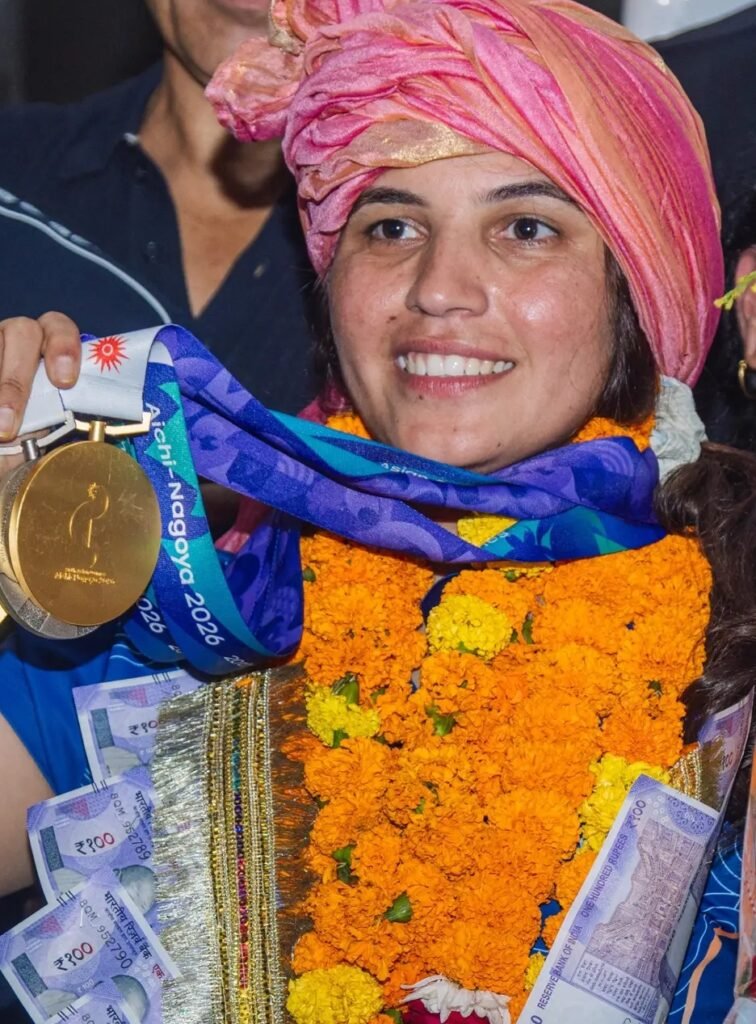
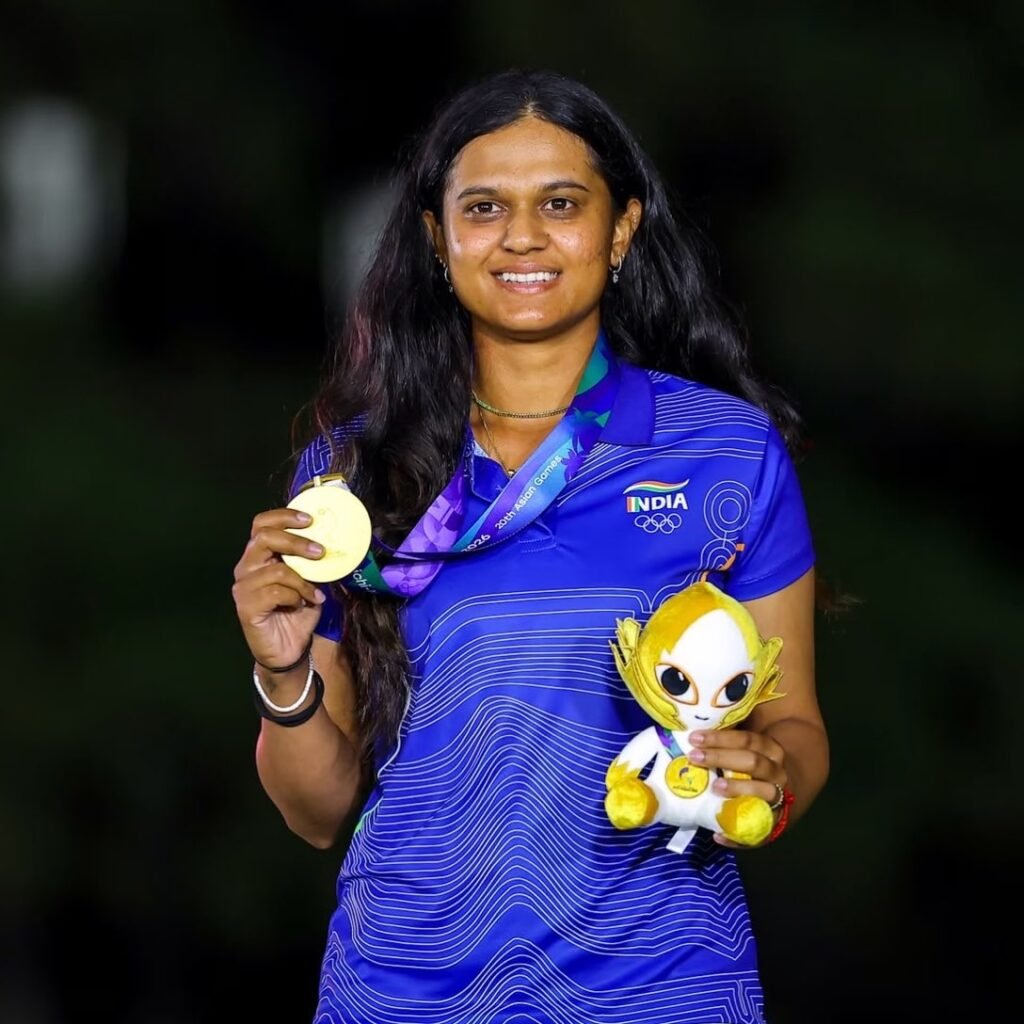
Golf delivered another historic moment when Pranavi Urs won the women’s individual title, becoming the first Indian woman to claim individual golf gold at the Asian Games. She also helped India win silver in the women’s team event with Aditi Ashok and Diksha Dagar. In squash, Anahat Singh reached the women’s singles final to win silver, another important milestone for a young athlete. India also earned its first Asian Games medal in mixed martial arts, with Suchika Tariyal winning bronze.
Strong Finish & Pending Promises
The medal tally tells a story of considerable achievement, but it also reveals uneven progress. India’s 24 athletics medals were fewer than the 29 won at Hangzhou, while shooting’s 15 represented a decline from 22. The country’s campaign in archery, by contrast, confirmed its growing competitiveness, and wrestling and boxing delivered gold medals that helped lift India’s final position.
There were disappointments, too. India failed to win an individual badminton medal for the first time in 12 years and finished without a tennis medal for the first time since 1986. These results do not diminish the achievements of those who reached the podium, but they underline the challenge of converting potential into consistent success across disciplines.
For the medal winners, the Asian Games were a culmination of preparation, sacrifice and the ability to deliver under pressure. Some established champions added another chapter to their careers; others announced themselves to a wider audience. The team victories brought shared celebrations, while individual medals reflected the determination required to succeed in fiercely contested fields.
India left Aichi-Nagoya with 85 medals and a fourth-place finish, but the lasting impression was made by the athletes who turned their opportunities into history. Their performances provide reasons to celebrate — and a foundation on which Indian sport can build as the focus shifts towards Los Angeles 2028.