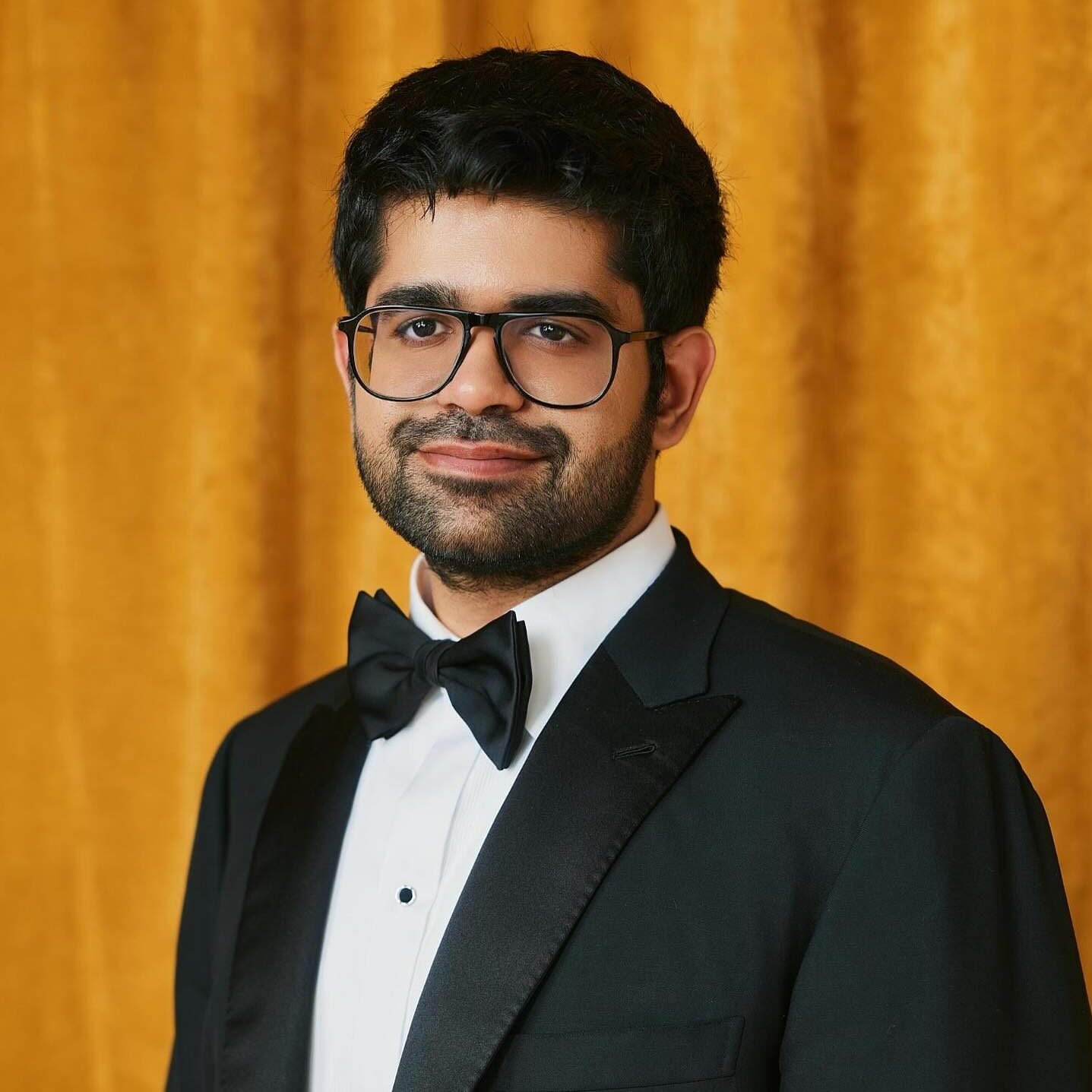
From missing out on IIT Madras’ coveted Computer Science programme to leading one of the world’s most talked-about AI companies, Aravind Srinivas’ journey has been shaped as much by setbacks as by success. By Nichola Marie
The Chennai-born engineer who today heads Perplexity did not get into the branch he wanted at IIT Madras. He later missed the chance to change his branch by just 0.01 of a CGPA point. His application to MIT for a PhD was rejected. And even after working at some of the world’s leading AI organisations, his first startup failed. None of these setbacks, however, stopped him. Instead, they pushed him towards the field that fascinated him most: artificial intelligence and the question of how machines can learn.
Today, Srinivas is at the centre of the global AI race. As Co-Founder and CEO of Perplexity, he is trying to change something as familiar as the way we search for information.
The Road From Chennai
Srinivas grew up in Chennai in a family where engineering was not the traditional path. His mother works in the Central Government and his father was a financial accountant. In fact, Srinivas has said that he is the first engineer in his extended family.
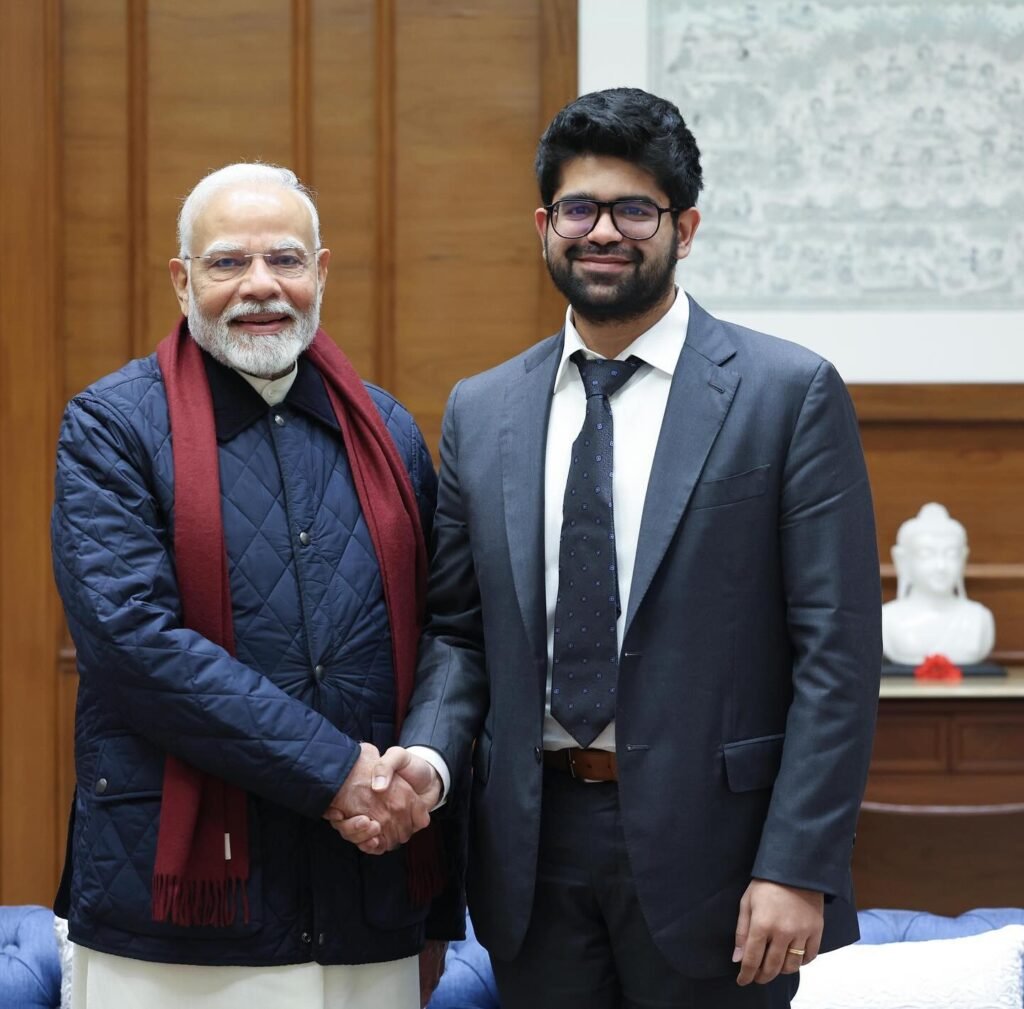
His mother, however, had big ambitions for him. He has recalled that whenever they travelled by bus and passed the IIT Madras campus, she would point towards it and tell him, “This is where you’re going to study.” It was not a suggestion but an expectation.
He did get into IIT Madras, but not into Computer Science. He enrolled in Electrical Engineering and later tried to change his branch. He missed the required CGPA by just 0.01.
The disappointment could easily have changed the course of his career. Instead, Srinivas began exploring machine learning. A data science competition became an important turning point. He had no formal training in machine learning and did not even know many of the terms involved. Yet he taught himself enough to enter the competition and won.
The experience showed him that he might have a natural ability for the subject. Years later, advice from OpenAI co-founder Sam Altman helped him put this into words: pursue the things that come easily to you but seem difficult to other people. Srinivas has said that the advice stayed with him because it helped him recognise where his own strengths lay.
Family & First Dreams
For all his achievements, Srinivas has been quick to credit his family. Speaking to entrepreneur Nikhil Kamath, he said that while he did the studying and took the exams, his parents took care of everything else that made it possible. “It’s not an individual thing,” he said.
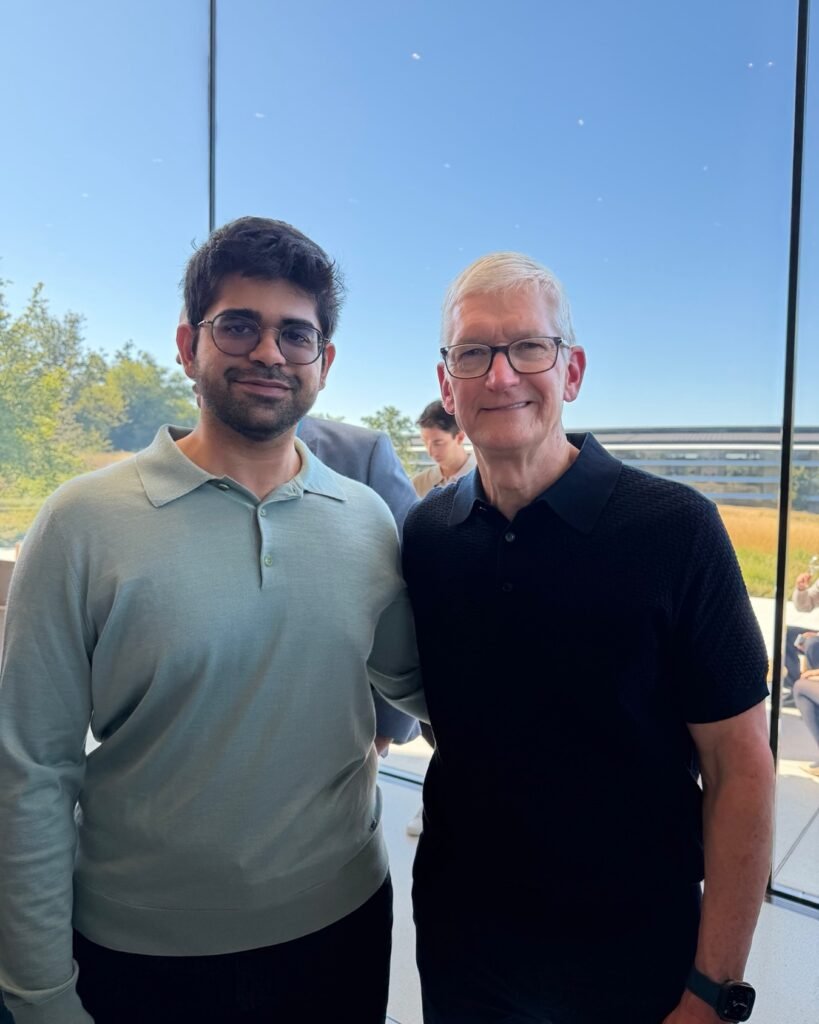
He has also spoken about the support he receives from his wife. While he runs the company, she takes care of many things at home and provides an important source of support. He has explained that it can be difficult for a CEO to share doubts and worries with colleagues, since there is often an expectation that he should have everything figured out. At home, he has someone with whom he can be himself.
It is a revealing glimpse into the person behind the high-profile CEO. His family’s original idea of success was far more modest. Growing up, getting a good job was the goal. A job at Google would have been considered a huge achievement. Today, Srinivas runs a company that is challenging the very search giant he once looked up to.
From Researcher To Entrepreneur
After IIT Madras, Srinivas went on to pursue a PhD in Computer Science at the University of California, Berkeley. His work took him deeper into artificial intelligence, including deep learning, reinforcement learning and computer vision. He also gained experience at some of the biggest names in the field. He interned at OpenAI, Google DeepMind and Google before joining OpenAI as a research scientist.
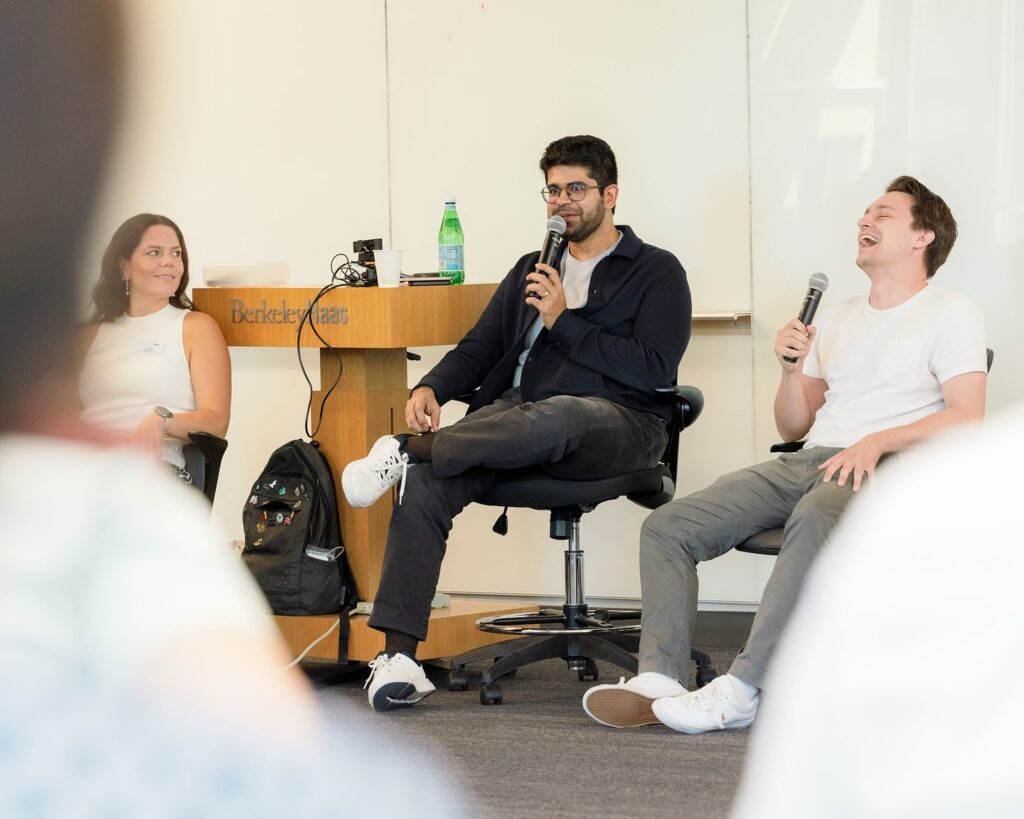
But research was not enough. Srinivas wanted to build something himself. His first startup was a search product for Twitter. Changes to Twitter’s API eventually made the business unviable. Once again, he had to start again. In August 2022, he co-founded Perplexity with Denis Yarats, Johnny Ho and Andy Konwinski. Their aim was to rethink online search.
A New Kind Of Search
The idea behind Perplexity was simple. Instead of giving users a page filled with links and leaving them to search through different websites, why not use AI to find the information, bring it together and provide a direct answer?
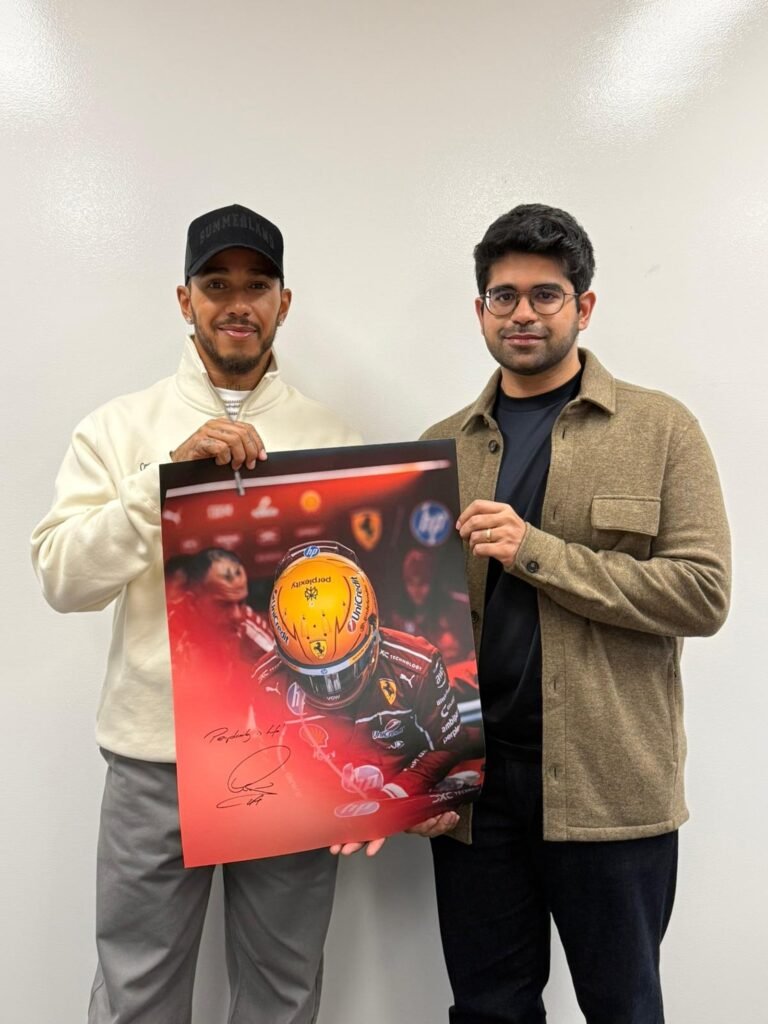
Perplexity does this while providing citations to its sources, allowing users to check the information for themselves. The company arrived at a time when public interest in AI was exploding. The launch of ChatGPT in late 2022 brought generative AI to millions of people, and Perplexity quickly established itself as one of the companies trying to shape what comes next. It has grown from a young startup into a serious competitor to some of the world’s biggest technology companies.
Taking On The Giants
Perplexity now operates in a fiercely competitive space, alongside companies such as Google, Microsoft, OpenAI and Anthropic. Yet investors have taken notice. The company has attracted backing from prominent names including Amazon founder Jeff Bezos and Japan’s SoftBank. Its valuation reached about $20bn in 2025 and, in August 2026, reports said Nvidia was in discussions to invest at a valuation of more than $30bn. Perplexity’s annualised revenue had reportedly risen to more than $750mn, from less than $250mn at the start of the year.
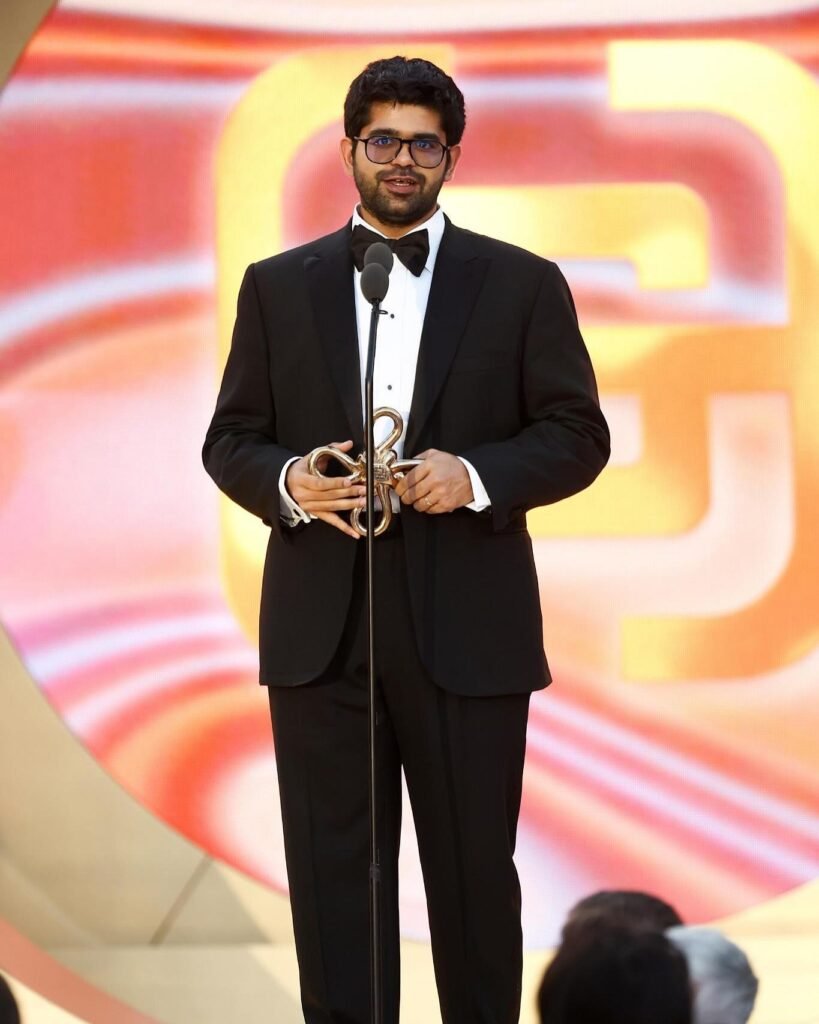
Srinivas himself has become one of the most visible Indian-origin figures in the global technology industry. At 31, he was named India’s youngest billionaire on the 2025 M3M Hurun India Rich List. Now 32, he remains one of the youngest prominent figures in the global AI industry.
But the numbers are only part of the story. What makes Srinivas particularly interesting is his willingness to take on established players rather than simply find a comfortable place within the technology industry. In 2025, Perplexity even made an unsolicited $34.5bn offer to acquire Google’s Chrome browser — a bold move that showed just how ambitious the company had become.
Staying Ahead
Srinivas knows that success brings its own problems. Once a startup proves that an idea works, competitors will try to copy it. His answer is to keep moving. He has spoken about embracing the fear that comes with competition rather than allowing it to become a reason to slow down. For a young company taking on some of the biggest technology businesses in the world, speed and the ability to keep improving are critical. It is an approach that reflects his own career. Again and again, when one door closed, he looked for another.
What Comes Next?
Perplexity is now moving beyond search. Its AI-agent products are designed to do more than answer questions, with the aim of helping users complete tasks.
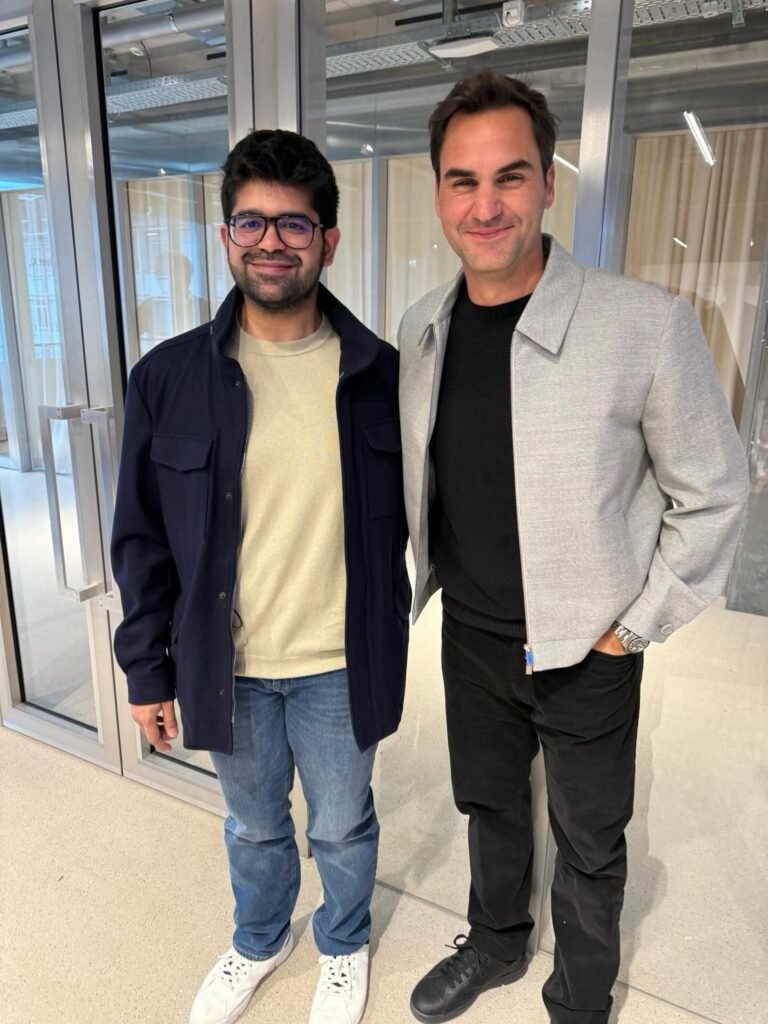
For Srinivas, the bigger question is where AI will take the internet itself. If search engines once helped people find information, AI could increasingly help them understand it, make decisions and get things done.
There are formidable challenges ahead. Perplexity is competing against companies with far greater resources, while the AI industry itself is changing at extraordinary speed. Yet Srinivas is already thinking about the next stage. He has said Perplexity plans to go public in 2028, regardless of when rival AI companies such as OpenAI and Anthropic enter the market.
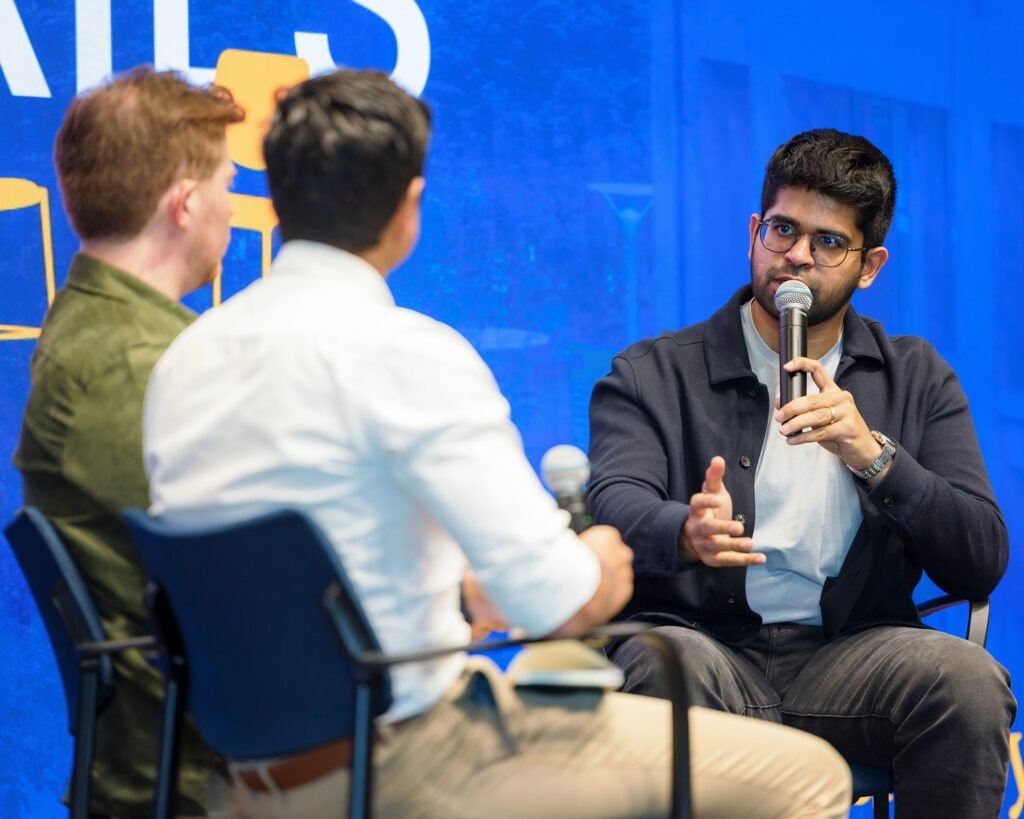
For the boy whose mother once pointed towards the IIT Madras campus from a passing bus and said, “This is where you’re going to study”, the journey has gone much further than either of them could probably have imagined.
Today, Srinivas is not simply an Indian who made it to Silicon Valley. He is one of the young technology leaders helping decide what the next version of the internet will look like.
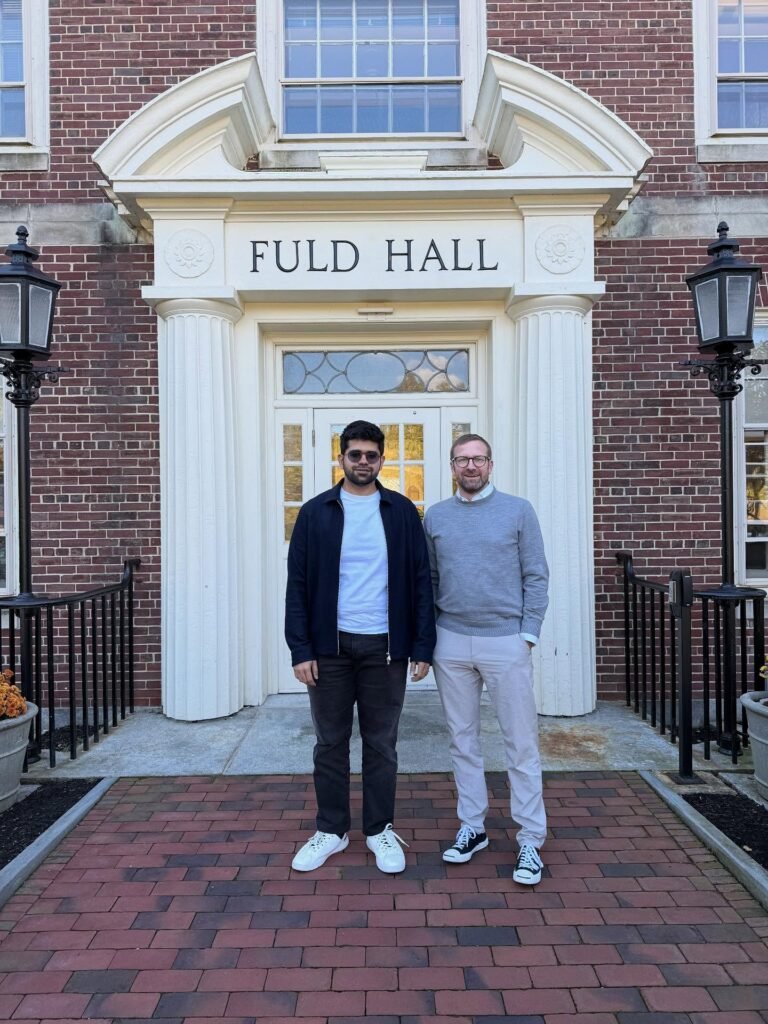
And perhaps the most important lesson in his story is that the road to success does not always follow the route we expect. IIT Computer Science said no. MIT said no. His first startup failed. Yet every setback opened another door. For Srinivas, the ability to keep looking for that next door may be his greatest strength of all.