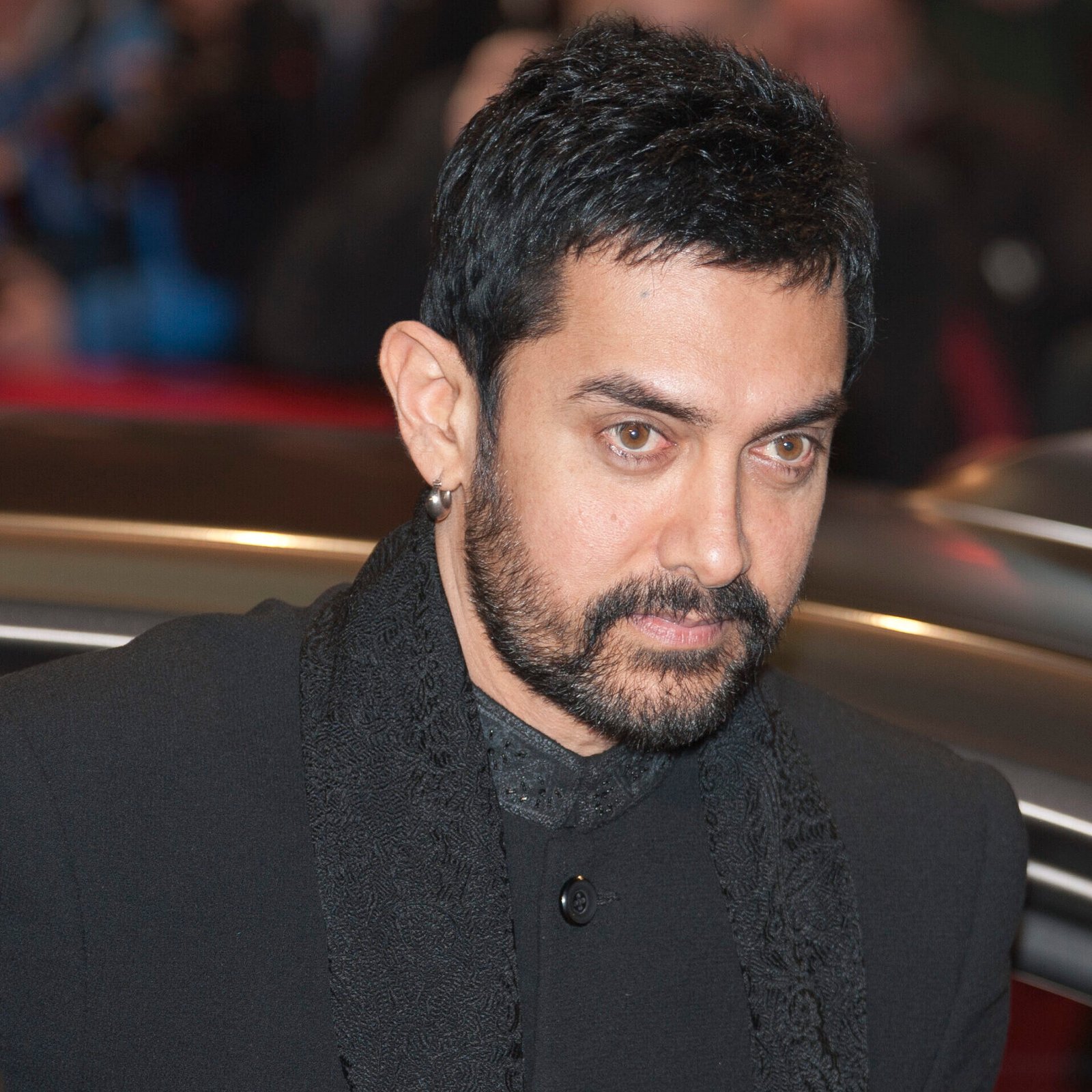
From inhabiting characters with painstaking conviction to backing films that challenge audiences and conventions, Aamir Khan has built a career around a deceptively simple ambition: to get it right.
By Nichola Marie
There is a reason Aamir Khan has never seemed entirely comfortable with the title of Mr Perfectionist. It suggests an obsession with getting every detail right, eliminating every flaw. But Khan has offered a rather different explanation of what drives him. “When I am doing a scene, I am looking for the heart of the moment. A scene should have that magic. If I get that magic, the shot is complete for me,” he told ‘The Indian Express’ in 2016, while discussing ‘Dangal’.
For Khan, excellence is not necessarily about flawlessness. It is about arriving at something that feels true: a character whose behaviour rings authentic, a story that connects with its audience or a scene that captures an emotion without announcing it. This standard has shaped his choices as an actor, producer and filmmaker over nearly four decades.
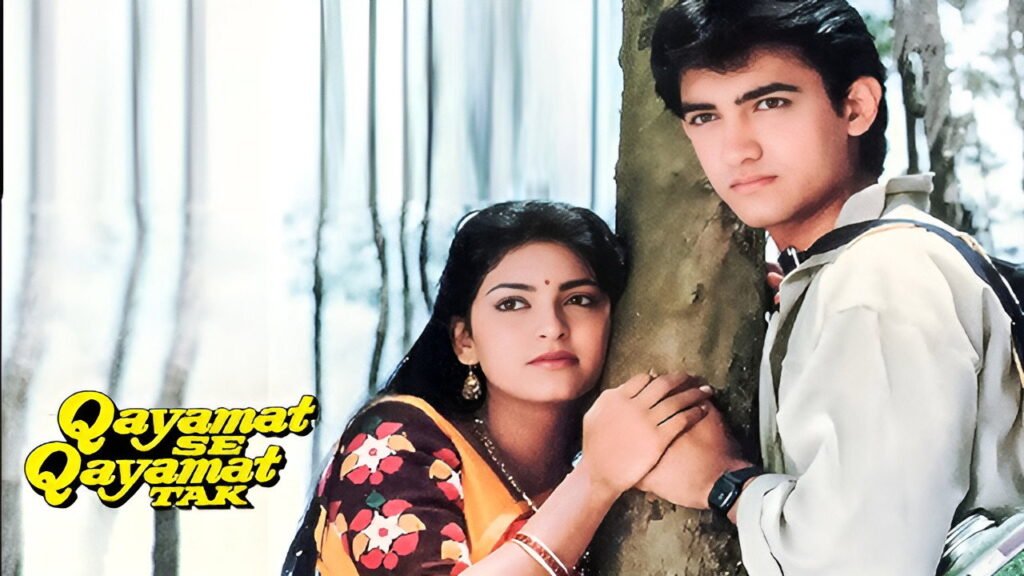
Born into a film family, Khan appeared as a child actor in ‘Yaadon Ki Baaraat’ (1973) and ‘Madhosh’ (1974). His arrival as a leading man in ‘Qayamat Se Qayamat Tak’ (1988) brought success, but the years that followed were not an uninterrupted ascent.
In a conversation with ‘Hindustan Times’ in 2025, Khan recalled being unhappy with the work he was doing during the first two or three years of his career. He felt his sensibilities did not match those of the people he worked with. Rather than treating early success as a formula to repeat, he began questioning whether his choices were taking him in the direction he wanted to go.
Reflecting on his 30 years in cinema in a 2018 interview with ‘The Quint’, he explained that his principal competition was his own standards. “I have been very demanding of myself. So, the work I do must stand up to my own standards. That is what I am most concerned about,” he said. He was equally candid about the work required: “I’m not a born actor, I work myself up to that level.”
Preparation Behind The Performance
Khan’s approach to acting is rooted in preparation. A script is the starting point for understanding a character’s mind, physicality, temperament and motivations.
Speaking at the World Audio Visual and Entertainment Summit in Mumbai in May 2025, he described how he works through a script repeatedly, discusses the character with the director and writes out his dialogues by hand. He begins with difficult scenes, rehearsing over several months until the lines become his own. “The dialogues have to become yours. You have to own it,” he said, as reported by the Press Information Bureau.

He also offered a principle that goes to the heart of his approach: “The more honest you are, the better you will perform.”
That honesty requires an actor to understand what a character would actually do, rather than reach for an obvious gesture to communicate a feeling. Khan’s filmography provides a succession of examples. In ‘Rangeela’ (1995), he played Munna, a street-smart tapori whose swagger concealed vulnerability. In ‘Sarfarosh’ (1999), he brought quiet conviction to an idealistic police officer. ‘Dil Chahta Hai’ (2001) captured the impulsiveness of youth, while ‘Rang De Basanti’ (2006) traced a character’s movement from carefree cynicism towards political awakening.
His physical transformations have attracted particular attention. For ‘Dangal’ (2016), in which he portrayed wrestler Mahavir Singh Phogat at different stages of his life, Khan transformed his physique dramatically. Yet the achievement lay not simply in looking different, but in conveying a father’s ambition, affection and discipline while making the contradictions in his methods believable.
Courage To Choose Differently
Alongside romances, broad comedies and mainstream entertainers, Khan has repeatedly taken on stories that challenge audiences and conventions.
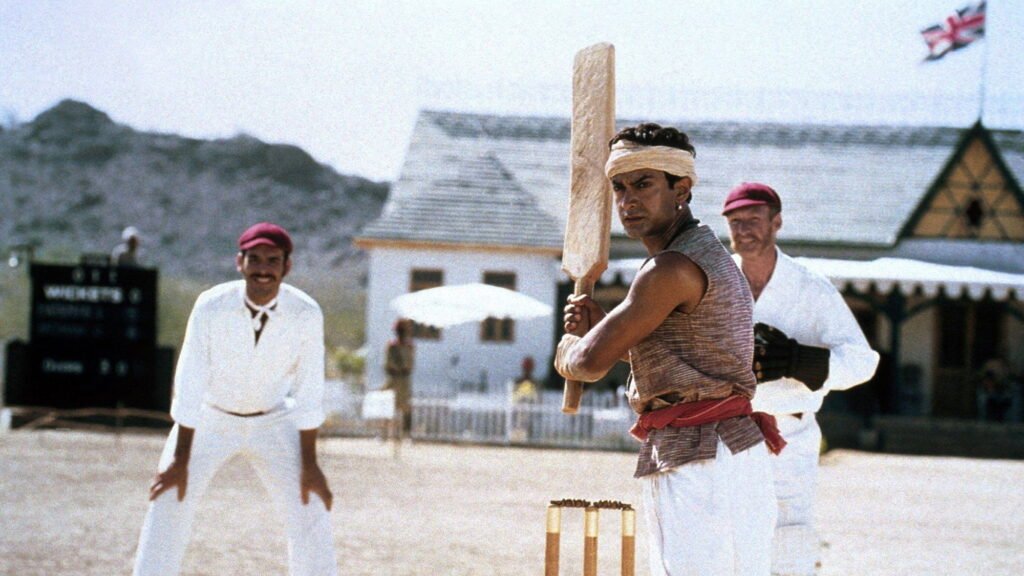
Consider ‘Lagaan’ (2001), a period drama about villagers who challenge British colonial authority to a game of cricket. Ambitious in scale and theme, it was hardly an obvious commercial proposition. Khan not only starred in it but also took on production responsibilities. Its success, culminating in an Academy Award nomination for Best Foreign Language Film, demonstrated that an unconventional premise could find a wide audience.

Khan has continued to stretch the boundaries of mainstream Hindi cinema. ‘Taare Zameen Par’ (2007), which he directed and starred in, explored childhood dyslexia through the experience of a boy misunderstood by the adults around him. ‘3 Idiots’ (2009) questioned an education system preoccupied with marks and rankings, while ‘PK’ (2014) used satire to examine religious practices and human credulity.
Though their approaches differed, these films invited audiences to reconsider familiar assumptions.
At the 2025 WAVES summit, Khan identified ‘Taare Zameen Par’ as his favourite among his film projects, explaining that it had taught parents to be more patient with children, support them and approach them with empathy. For him, a film’s value can extend beyond entertainment to changing how people see one another.
The Producer Who Backs The Story
Production has allowed Khan to support stories that interest him even when he is not at the centre of the frame. Aamir Khan Productions has backed films as varied as ‘Lagaan’, ‘Jaane Tu… Ya Jaane Na’ (2008), ‘Dhobi Ghat’ (2010), ‘Secret Superstar’ (2017) and ‘Laapataa Ladies’ (2024).
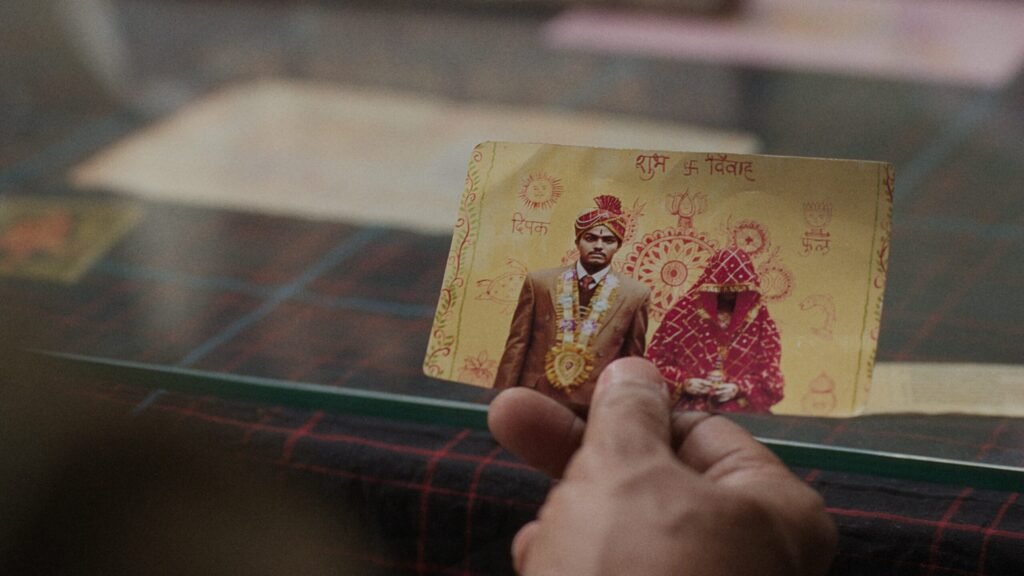
The last, directed by Kiran Rao, offered gentle humour and social observation rather than the spectacle associated with big-budget Hindi cinema. Its success brought renewed attention to a story that relied on writing, performances and detail rather than star power.
His reputation for being exacting can obscure the collaborative nature of filmmaking. In a 2025 interview with ‘India Today’, ‘Sitaare Zameen Par’ director RS Prasanna suggested that “magic”, rather than perfection, was what Khan sought. The distinction matters: a film’s success depends on writing, direction, cinematography, editing and performances working together in service of a common vision.
When The Pursuit Does Not Pay Off
The commercial disappointments of ‘Thugs of Hindostan’ (2018) and ‘Laal Singh Chaddha’ (2022) challenged the assumption that Khan’s involvement guaranteed an audience’s approval. The latter, an adaptation of ‘Forrest Gump’, was a particularly visible setback for a performer associated with careful judgement.
These films expose the limits of preparation and intent. A performance may be painstakingly researched and a production meticulously mounted, yet the finished work may not connect with audiences. Excellence is an aspiration, not a guarantee. The willingness to refuse, wait and reconsider is part of his discipline. But selectivity has its costs: fewer films, longer intervals between releases and heavy expectations.
That said, Khan’s return with ‘Sitaare Zameen Par’ in 2025 brought him back to themes close to those of ‘Taare Zameen Par’: the dignity, potential and individuality of people whom society tends to underestimate. His subsequent decision to release the film through a pay-per-view model on YouTube, rather than follow the conventional streaming route, also reflected a willingness to question established distribution practices.
An Unfinished Pursuit
At 60, Khan has begun speaking more openly about balancing work and personal life. In an interview with ‘GQ India’ published in December 2025, he reflected on the time he had devoted to his career while his older children were growing up, and how the pandemic changed his priorities. He has indicated that he wants to concentrate more directly on acting, stepping back from the operational responsibilities of his production house.
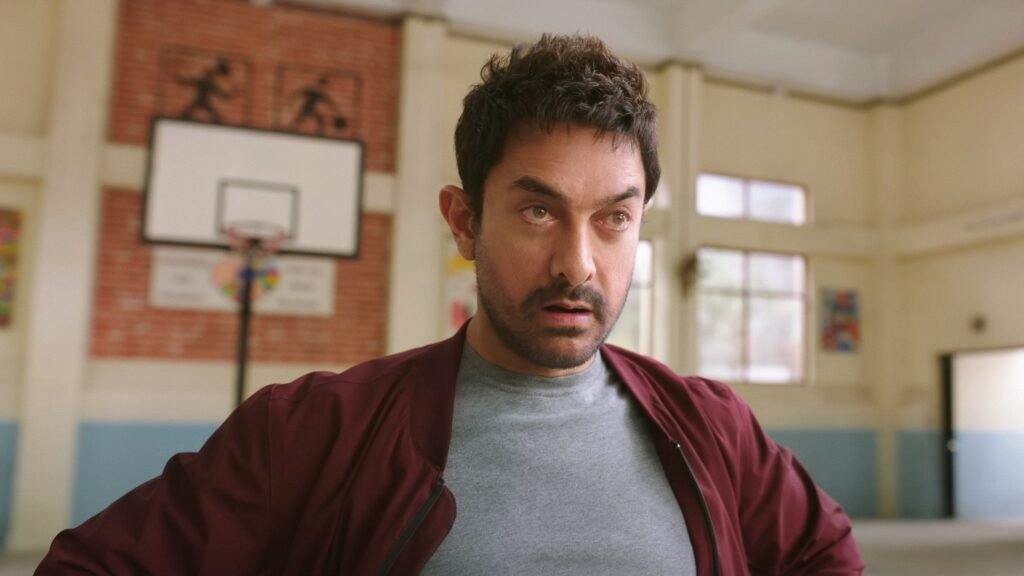
Khan’s career suggests that excellence is less a destination than an ongoing process. His insistence on rehearsal acknowledges that instinct alone is not enough, while his willingness to back unfamiliar stories recognises that commercial certainty can be the enemy of discovery.

The popular image of Mr Perfectionist may endure, but Khan’s own description of his craft offers a more compelling way to understand him. He is looking for the heart of the moment, the elusive quality that makes a performance feel lived rather than performed, and a story feel necessary rather than manufactured.
For Aamir Khan, the pursuit of excellence may lie not in the promise that every film will be perfect, but in the refusal to stop searching for the one that feels true.