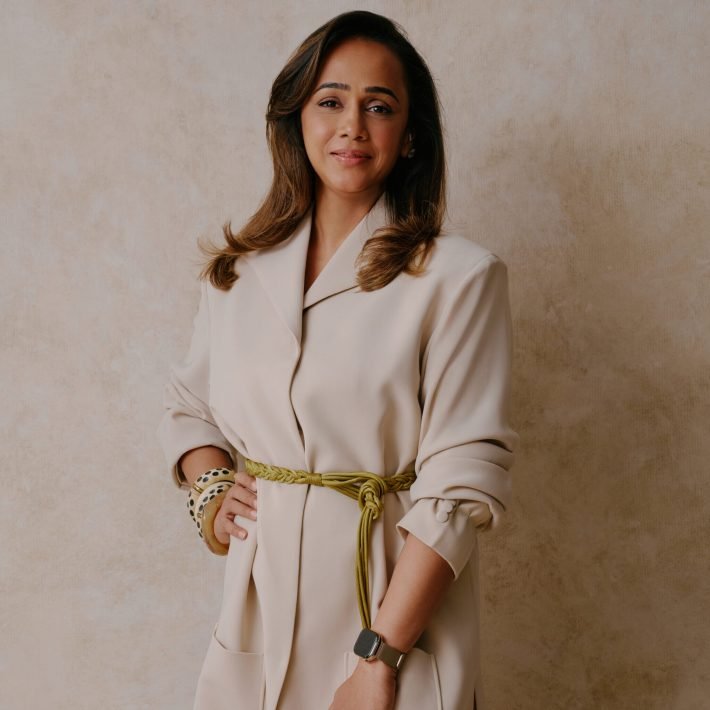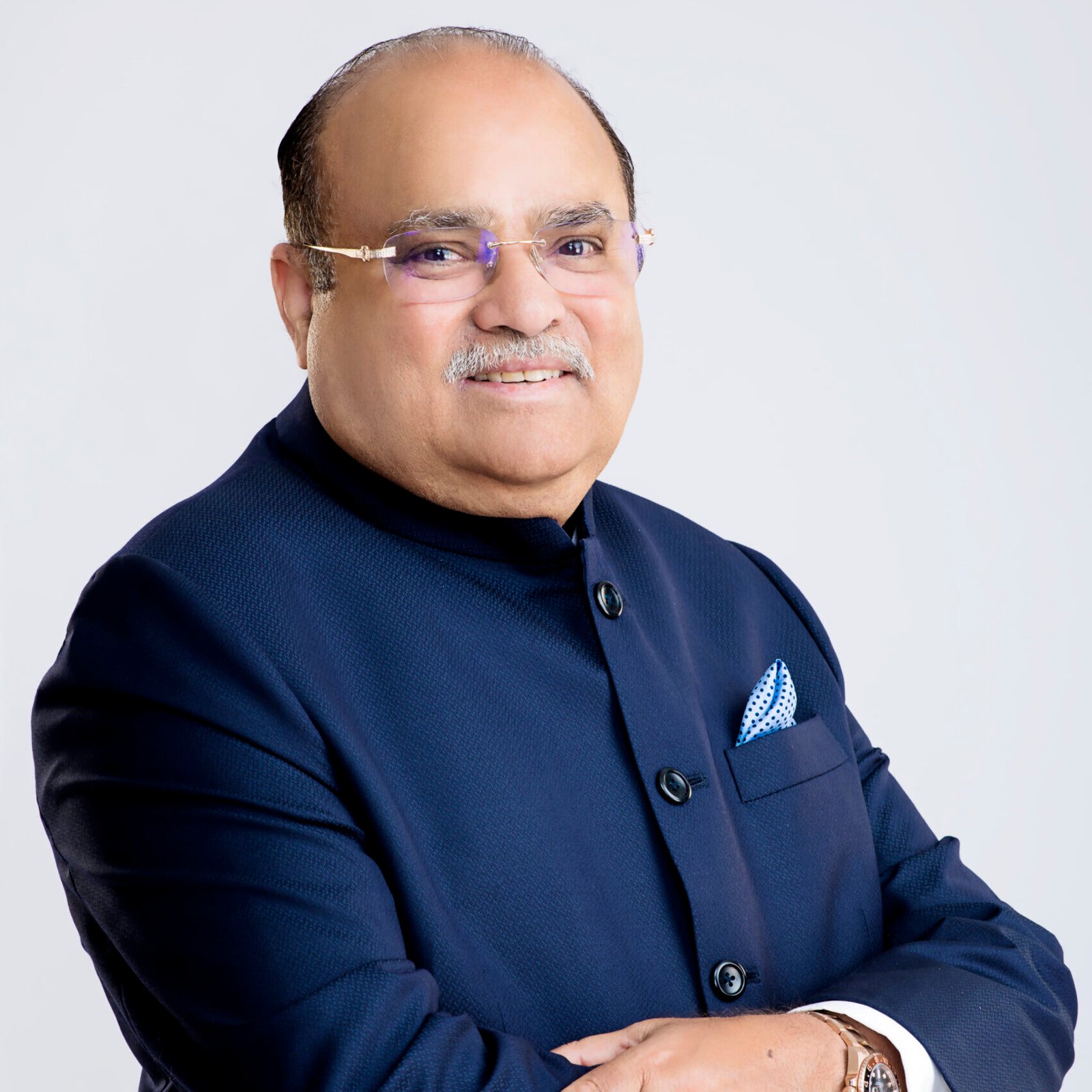
Dr Augustine F Pinto speaks about the passion, purpose and values that have shaped his 50-year journey in education.
By Amber Dias
50 years ago, Dr AF Pinto began with a simple belief: that education could transform a child’s life. With 35 students in a single room, that belief became the foundation of what would grow into the Ryan Group of Institutions. Looking back on five decades, Dr Pinto reflects on the early years, the people who shared the journey, the values that have remained constant, and the deeply personal meaning of seeing the next generation carry the vision forward. As he looks to the future, he shares what he has learnt from children and teachers, what he hopes to preserve and, above all, what he believes education should ultimately give every child.
Excerpts from the interview…
50 years ago, Ryan began with a single school and a deeply personal belief in the power of education. What was that belief, and what gave you the courage to begin?
There has always been a deep passion in my heart to teach and make a meaningful difference through education. When I came to Mumbai, I saw a need for quality English-medium education, particularly in the suburbs, and an opportunity to help children grow into confident, responsible and well-rounded individuals.
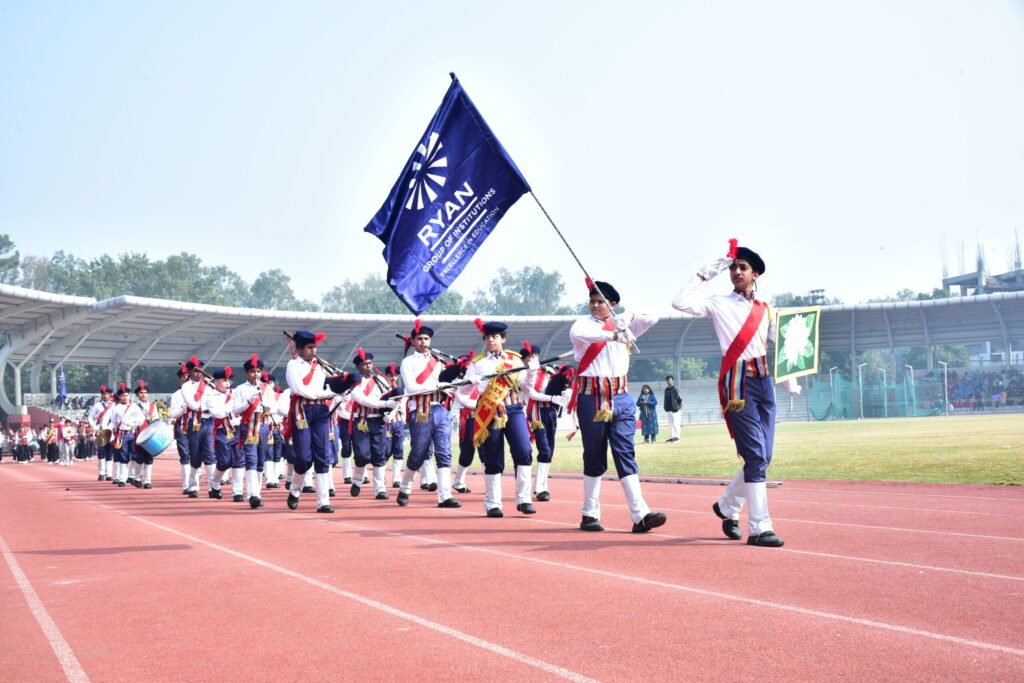
With limited resources, we began our first school with just 35 children in a single room. It was a humble beginning, but one guided by a strong sense of purpose. At Ryan, our vision has always extended beyond academic excellence to the holistic development of every child—intellectually, emotionally, socially, physically and morally. Five decades later, this vision remains unwavering: to transform lives through education and nurture well-rounded individuals equipped to make a meaningful difference in the world.
When you and Dr Madam Grace Pinto began this journey, could you have imagined that the first school would grow into the Ryan Group of today? What has remained constant through that transformation?
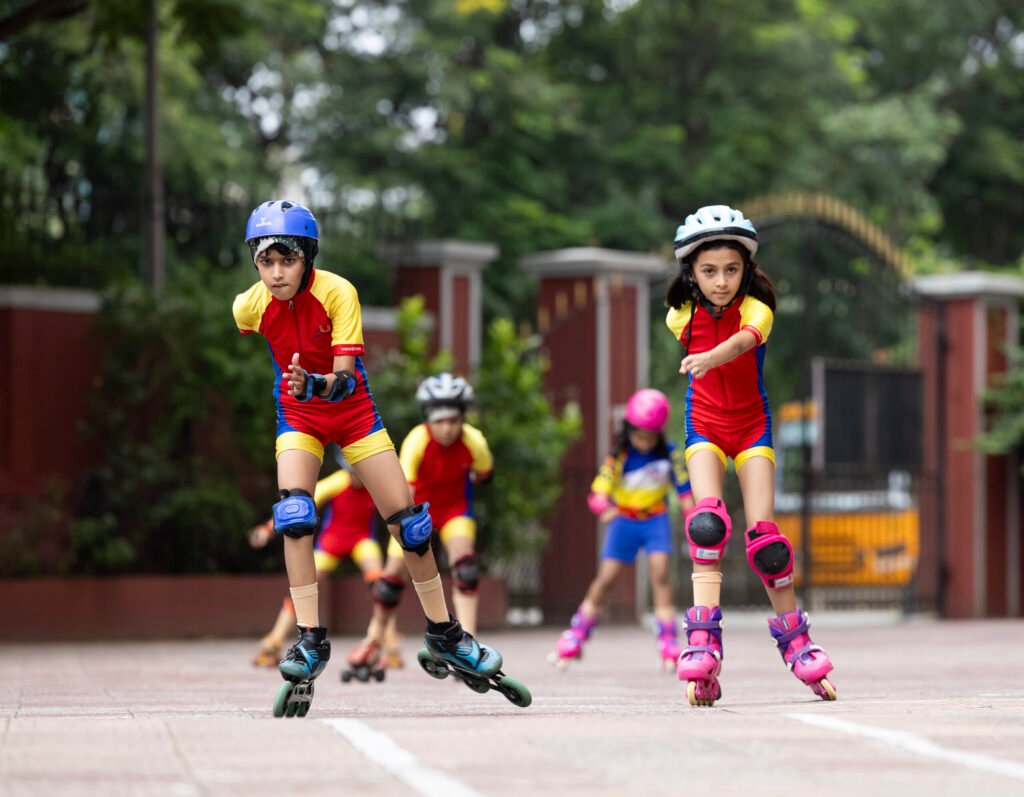
When we began, our focus was simple: to provide quality education and nurture children with strong values so they could become lifelong learners, responsible citizens and leaders. We could never have imagined the scale to which Ryan would grow, but growth was never the purpose; education was. Today, with over 150 schools, I am grateful that the same foundational values continue to guide us — excellence, all-round development, discipline, compassion and faith. At the heart of Ryan is the belief that every child is capable of growth and that education must develop the whole person. The world has changed, but our responsibility remains the same: to bring out the best in every child.
Looking back over five decades, what does the Ryan journey mean to you personally — and what does it mean to see the next generation of your family carrying it forward?
I feel a deep sense of gratitude to God for blessing me with a wonderful life partner in Madam Grace Pinto, whose dedication, commitment and invaluable contribution have been integral to the Ryan journey. Together, we built a strong team of educators committed to making a meaningful and lasting contribution to the field of education. We are equally blessed to have our three children—Snehal, Sonal and Ryan—who are carrying forward this vision and contributing to the legacy we have built together.
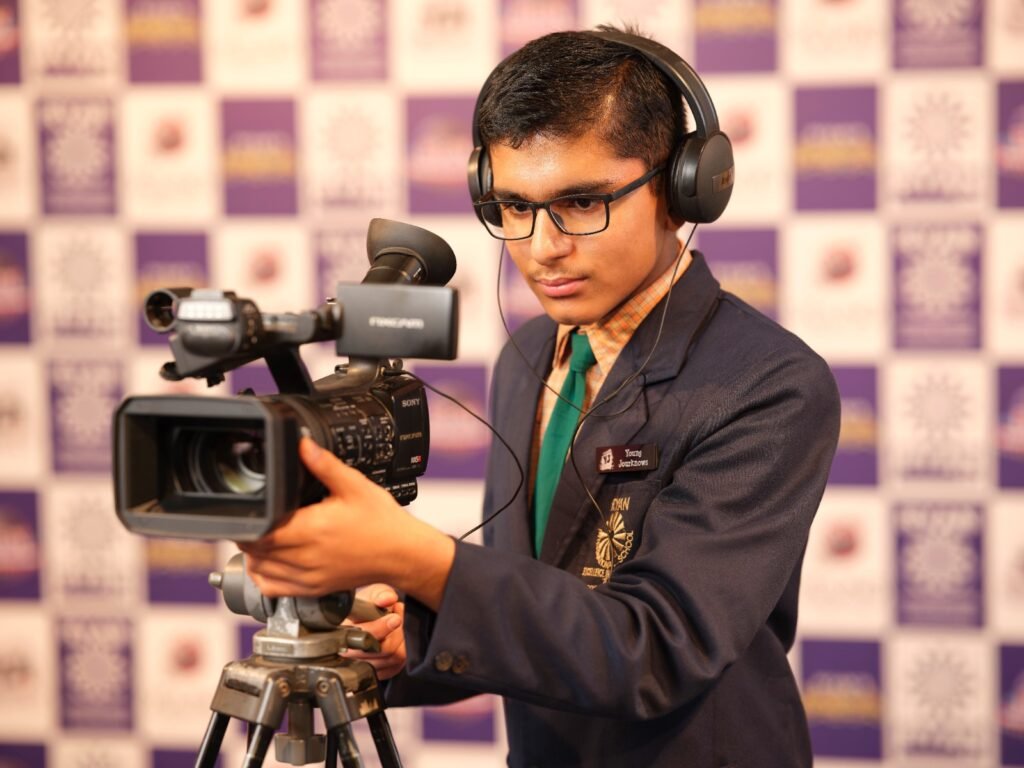
For us legacy is not simply about carrying forward an organisation; it is about preserving and living by the values and purpose that gave it life. My hope for the next generation is that they remain grounded in faith, lead with humility, value people, uphold a commitment to excellence and, above all, remember that education is ultimately about serving children and society. It is this enduring purpose that must continue to guide the Ryan journey for generations to come.
Education has changed dramatically since you began. What changes in today’s education landscape give you the greatest hope, and what must we be careful not to lose?
I am encouraged that education is moving beyond textbooks and examinations towards experiential learning, critical thinking, skills, technology, interdisciplinary learning and greater student participation. In many ways, this reflects what we have always believed at Ryan — that education must go beyond the classroom and provide children with opportunities to discover their abilities, develop life skills and understand the world around them.
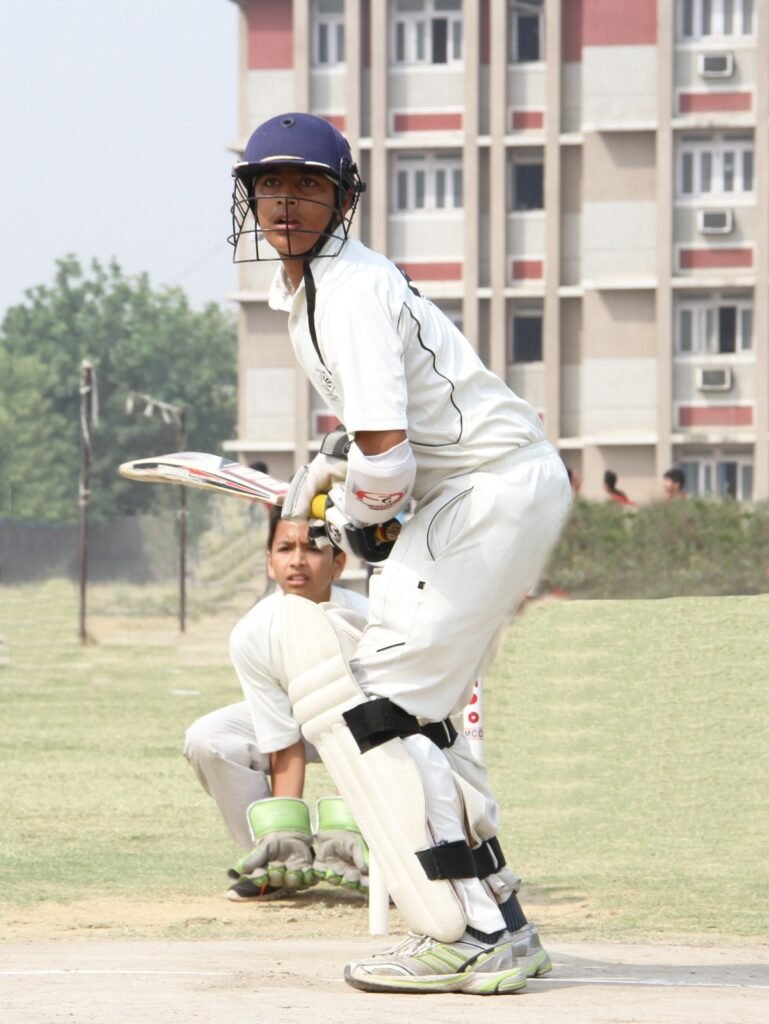
Our initiative ‘Marks to Mastery’ represents an important shift in this direction: from simply measuring what a child remembers to understanding what the child has actually learnt and can apply. At the same time, we must remember that technology can support education, but it cannot replace the human relationship at its heart.
We must continue to invest in teachers. A teacher does much more than deliver a lesson. A teacher inspires, guides, encourages and sometimes sees potential in a child before the child sees it in themselves. And through all these changes, one principle must remain constant: education must continue to focus on the all-round development of every child.
You have always believed in preparing children for a changing world. What have you learnt from looking at education beyond India, and what do you believe India must contribute to the global conversation?
There is much we can learn from education systems around the world — particularly in areas such as project-based learning, student agency, vocational exposure, interdisciplinary learning, teacher development, and the meaningful use of technology.
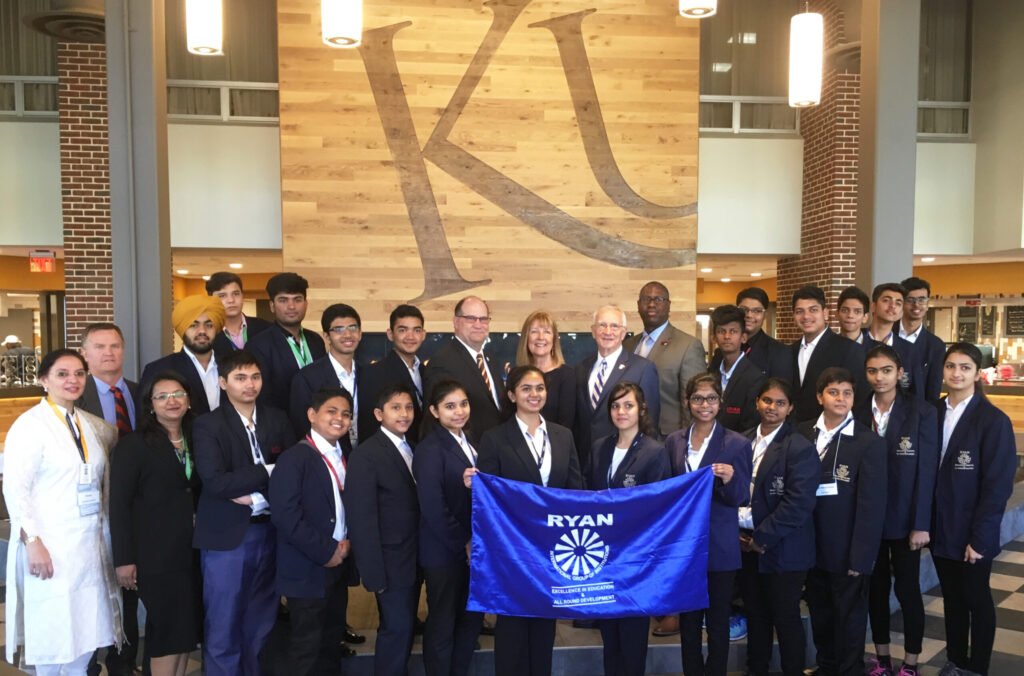
But I also believe India has much to offer. Our children are adaptable, resilient and ambitious. We have a rich intellectual and cultural heritage, strong family and community relationships, and a remarkable ability to achieve even when resources are limited. We should therefore learn from the world without simply copying it.
India needs an education model that is globally informed but deeply rooted in our own children, communities, values and aspirations. Our responsibility is not only to prepare Indian children for the world. It is also to prepare them to contribute meaningfully to the world.
After nearly five decades in education, what have children and teachers taught you about leadership?
Children have taught me that every child is unique. Every student comes with a different story, ability, aspiration and pace of learning. As educators, we must learn to recognise that individuality rather than expect every child to fit into the same mould. One of the greatest lessons I have learnt is that achievement cannot always be measured by marks. Sometimes the greatest achievement is the child who overcomes fear, discovers a talent, finds confidence or simply begins to believe in themselves.

Teachers have taught me the importance of patience, commitment and continuous learning. They are the people who translate an educational vision into a child’s daily experience. For me, leadership therefore means creating opportunities for others to grow, giving people the confidence to take ownership, and helping them become the best version of themselves.
And education has taught me something else: the learning never stops.
The next 50 years will be very different from the first fifty. What must schools prepare children for now, and what would you like Ryan’s contribution to that future to be?
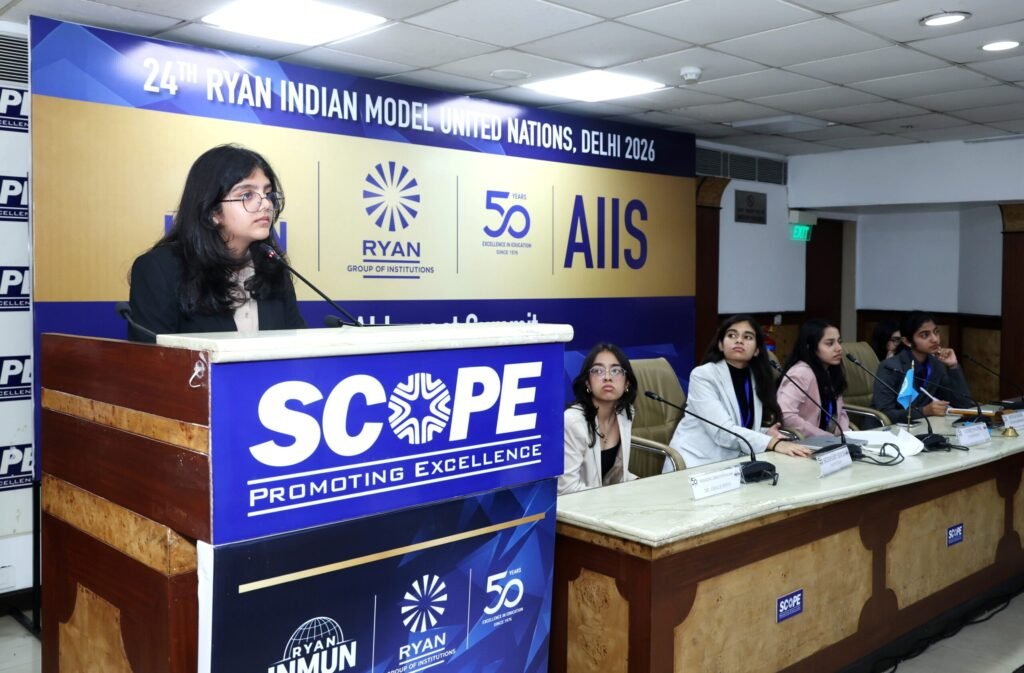
The world our children inherit will be very different. Technology and artificial intelligence will transform careers and the way we work, but as technology becomes more powerful, the human qualities we develop through education will become even more important.
Schools must nurture children who are curious, creative, adaptable, compassionate and ethical. Education must go beyond knowledge and skills to develop character, confidence, communication, collaboration and the ability to keep learning throughout life.
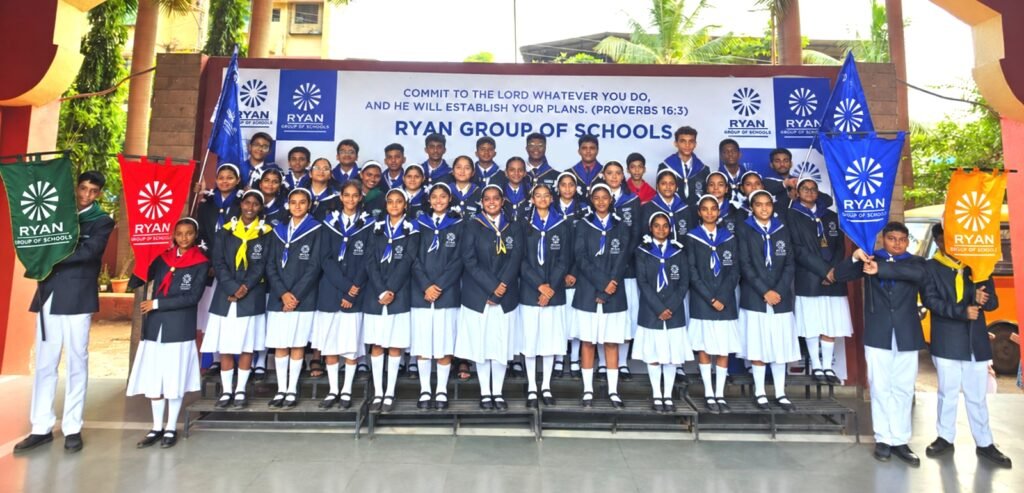
Whatever changes the future brings, one principle must remain constant: every child must have the opportunity for all-round development. At Ryan, we will continue to embrace innovation while remaining anchored in our values.
Our contribution to the next 50 years will be to create opportunities for children to discover their potential, develop their talents, and become responsible leaders who contribute to society.
Our vision has always been to help every child become a complete human being. The future of education must not simply produce successful students, but good human beings who use their success to make a difference.
After 50 years, what is the one message you would like to leave with today’s children — the children who will shape the next 50 years?
The world ahead of you will change many times. Careers will evolve, technology will transform the way we work, and you may find yourself doing things that do not even exist today.
So, do not measure your life only by marks, titles or achievements. Build your character. Stay curious. Keep learning. Be willing to learn, unlearn and relearn.
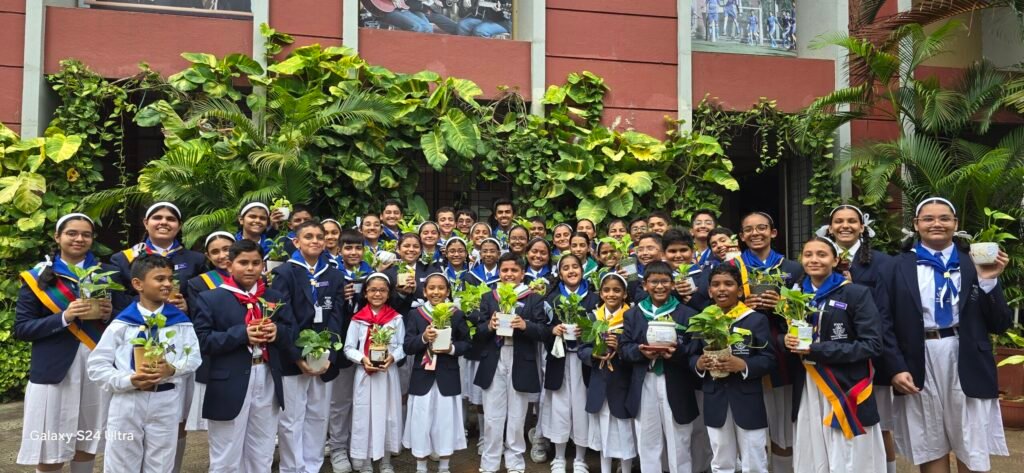
Have the courage to try, the courage to fail and the humility to begin again. Treat people with kindness. Respect your parents, teachers and everyone who helps you along your journey.
Dream big, but remain grounded in your values. Whatever knowledge and talents God has blessed you with, use them not only for yourself, but to make a difference to others.
And always remember: you are precious, you are capable, and you are much loved.