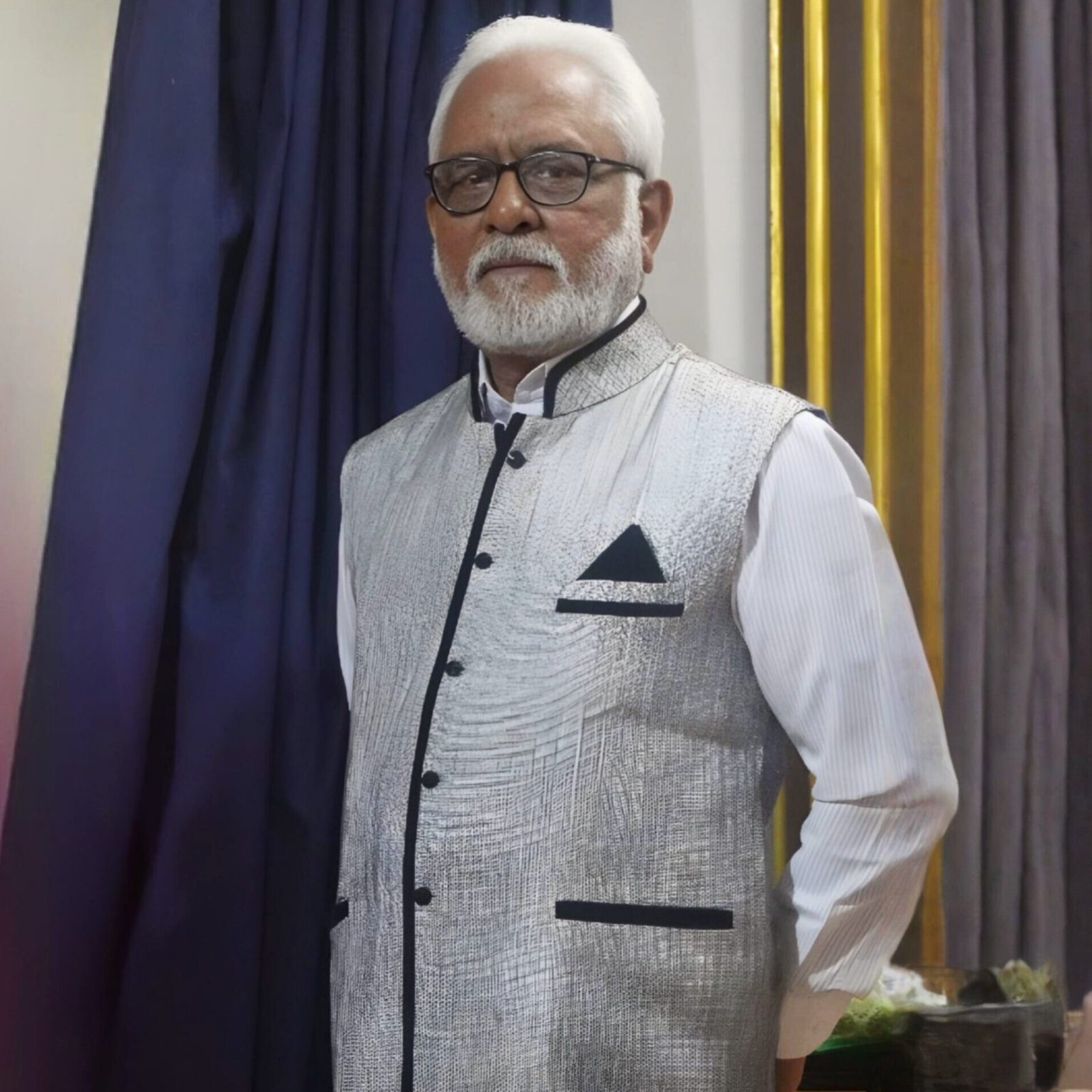
A custodian of legacy, HH Prince Shivaji Rajah Bhosle reflects on heritage, history and the living traditions of Thanjavur.
By CSS Latha
Thanjavur stands among South India’s most culturally distinguished regions, celebrated for its classical arts, literature, language and cuisine, much of it nurtured under royal patronage. Long regarded as the seat of Tamil culture, it is synonymous with Bharatanatyam and Carnatic music, intricate Tanjore paintings crafted with gold leaf and precious stones, and magnificent stone sculptures exemplified by the UNESCO-listed Brihadisvara Temple.
The preservation of this legacy rests largely with the Thanjavur royal family, whose lineage traces back to Chhatrapati Shivaji Maharaj. The Maratha dynasty was founded in 1674 by Venkoji, his half-brother, after conquering the Nayak kingdom. Among its most illustrious rulers was Serfoji II, revered as a Renaissance figure for his patronage of arts, literature and science.
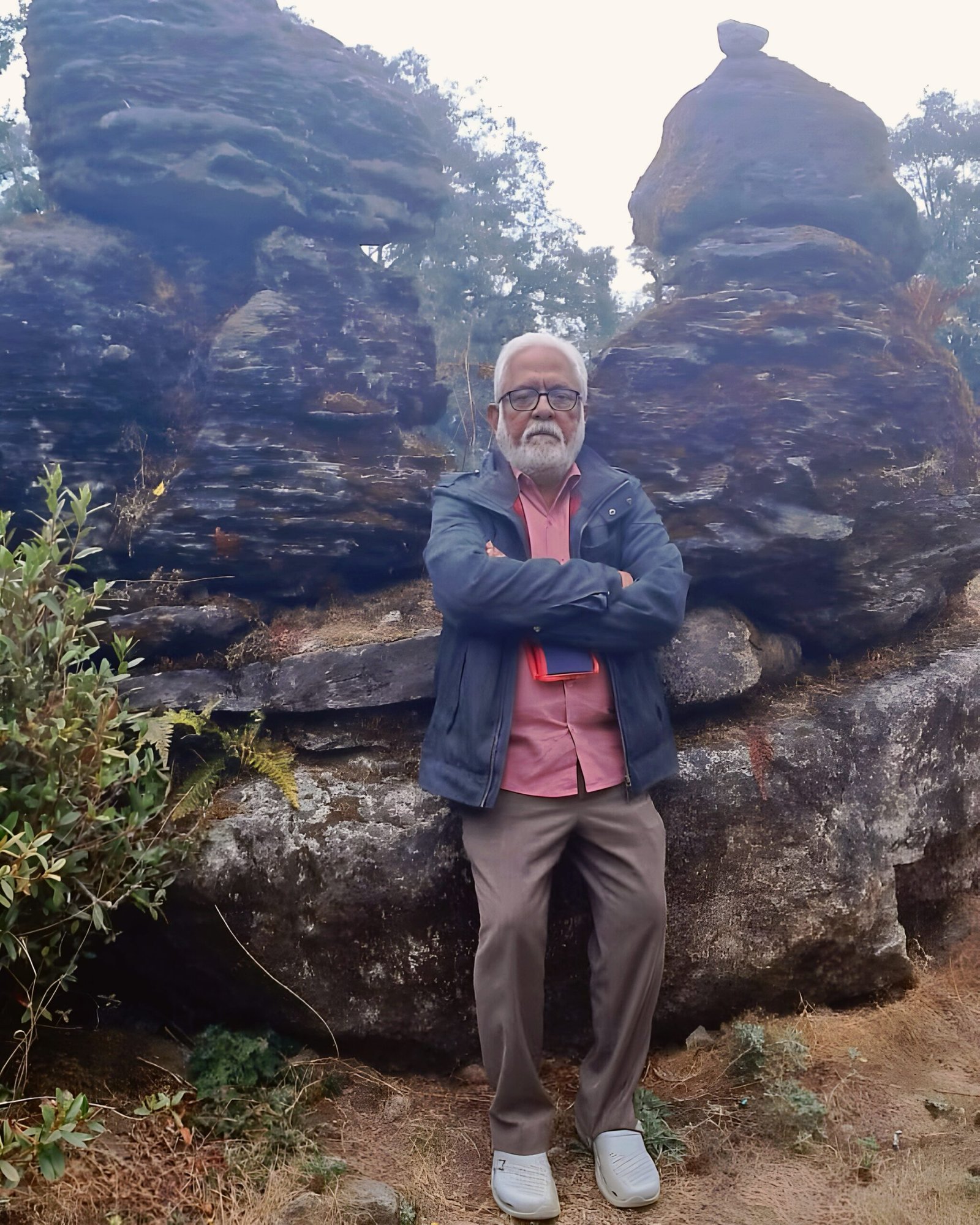
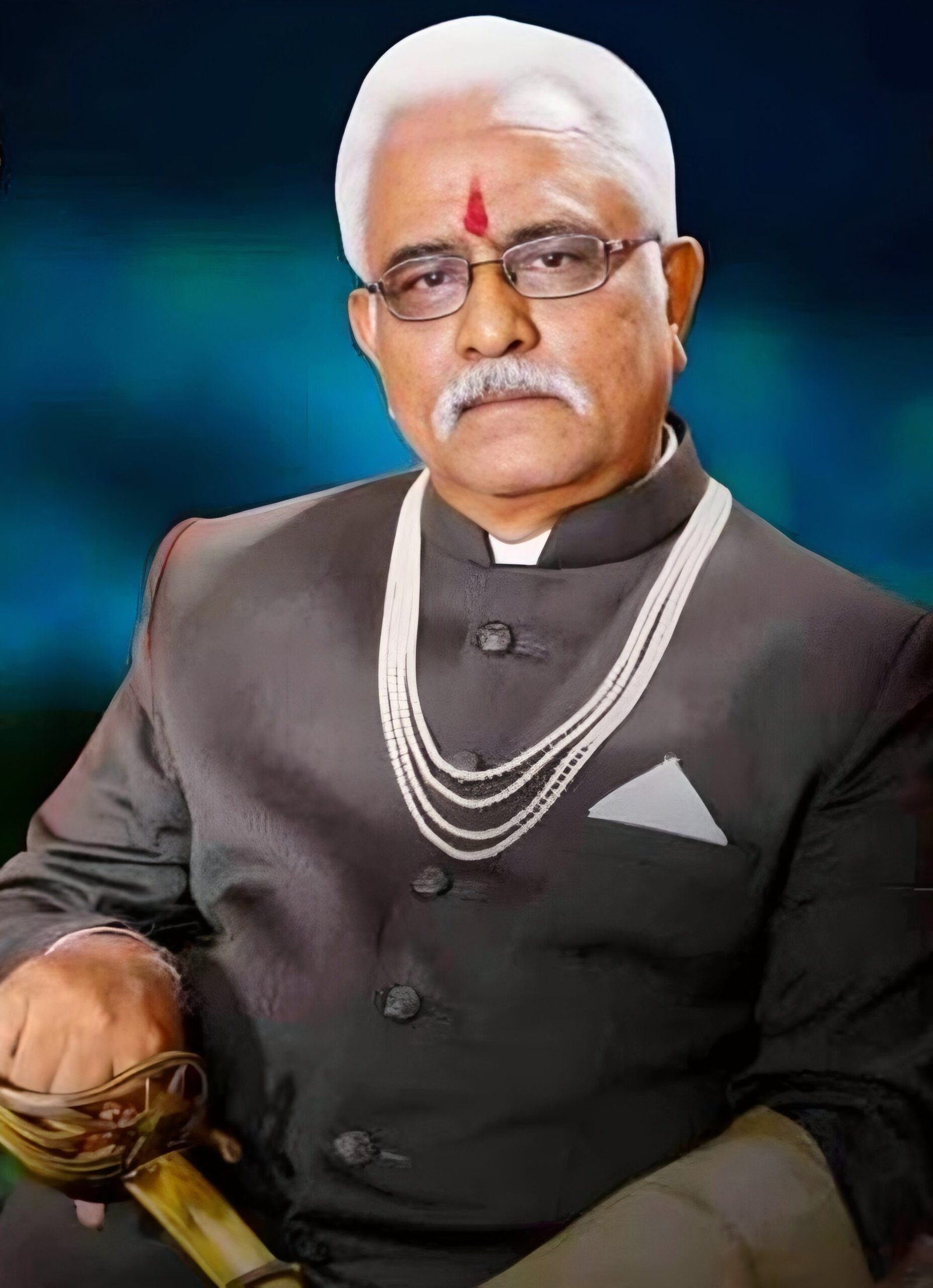
Today, HH Prince Shivaji Rajah Bhosle, a direct descendant, oversees the historic Saraswathi Mahal Library within the Thanjavur Palace. Well-travelled and deeply aware of his heritage, he remains a custodian of a living tradition that continues to shape the cultural identity of the region.
Excerpts from the interview….
What has been the purview of your role as the Prince of Thanjavur?
I served in the banking sector for 27 years. Owing to my responsibilities at the Palace, I was granted a static posting, which enabled me to balance both roles. My duties include overseeing the maintenance of the Palace, serving on the governing body of the Art Gallery, receiving dignitaries from India and abroad, and promoting tourism in the region.
Our gallery houses an extraordinary collection reflecting the political and cultural history of Thanjavur — from royal swords and jewellery to weaponry from the British era. I also supervise several trusts and matters relating to lands owned by the royal family.
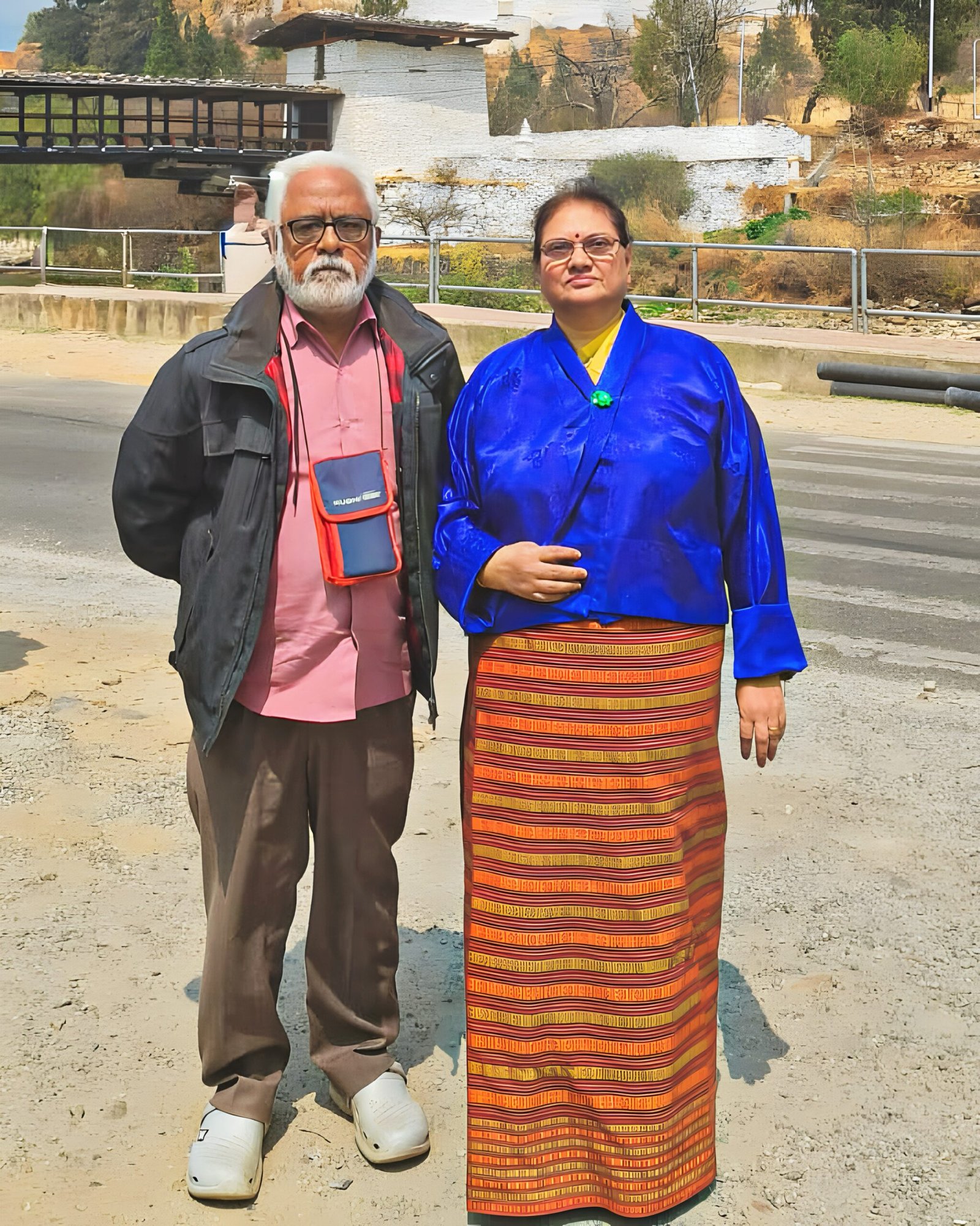
Thanjavur is renowned for its Thiruvizhas (festivals), around 30 to 40 of which are inaugurated annually by us. The royal family continues to be held in deep regard; we are often invited to weddings as a mark of respect, and it is incumbent upon us to attend. Social and cultural commitments keep us fully engaged.
Did the Thanjavur Rajahs fight wars during or after the British period?
Thanjavur faced attacks from the Hyderabad Nizam and the Arcot Nawab, at times in alliance with the British. The cannons – still visible in the temple premises – stand testimony to that era. One ruler, Tulja, was held captive for three years until a treaty restored the temples to royal administration.
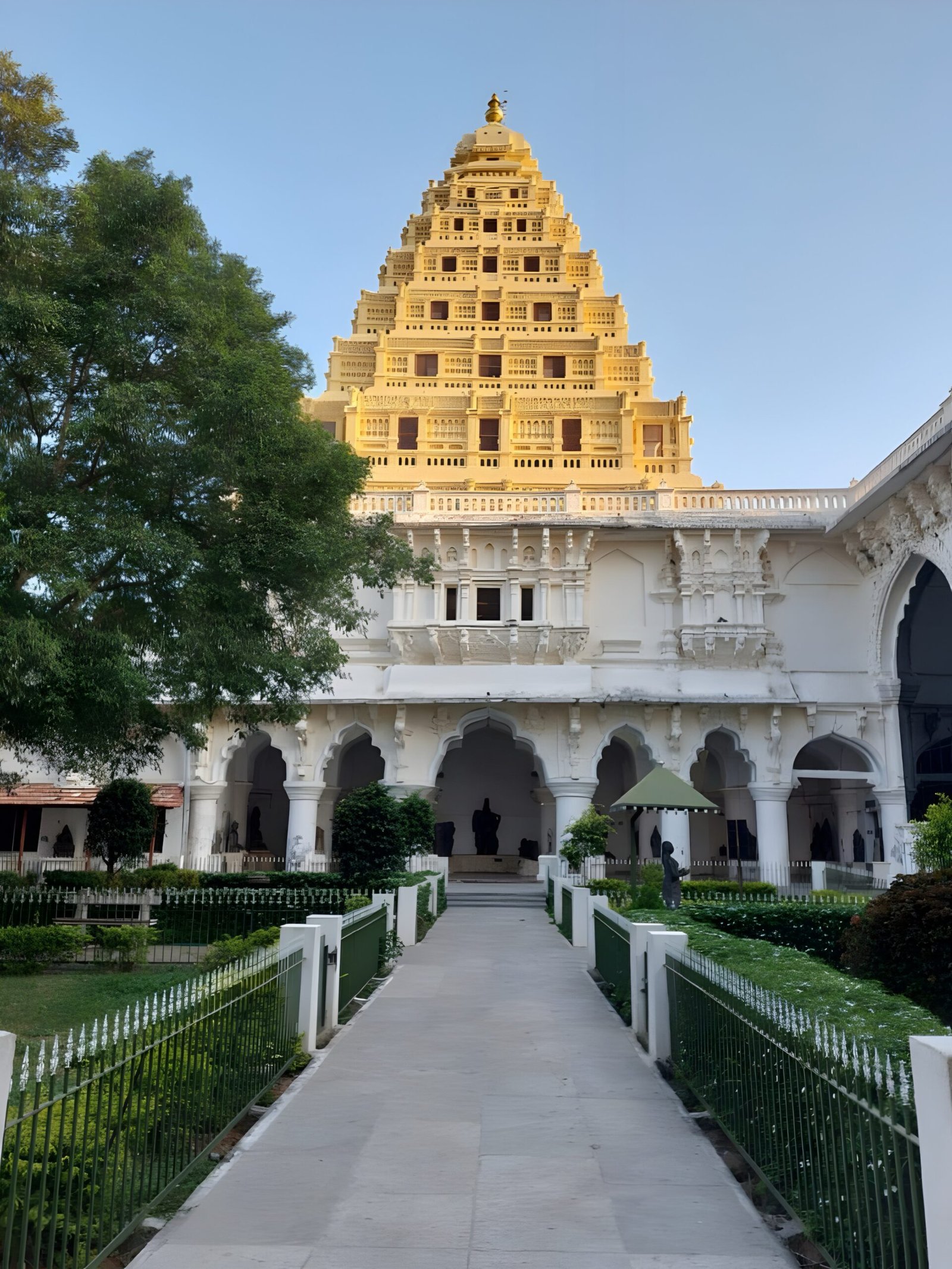
The last Maratha ruler, Shivaji II, reigned until 1855, when the British East India Company dethroned him. The Bhosle dynasty ruled for nearly two centuries. Among its most distinguished rulers was Serfoji II, a remarkable patron of culture, science and the arts, whose reign was meticulously documented. As his fifth-generation descendants, we strive to preserve and advance that legacy.
Can you speak about the royal contribution to Thanjavur cuisine?
Dishes such as sambar, pachadi, chutney and kichadi are believed to have evolved under Maratha influence. Thanjavur cuisine is so distinctive that leading hotels across India regularly host food festivals dedicated to it. Family lore recounts that when Chhatrapati Shivaji Maharaj visited Thanjavur, he requested a tangier preparation than plain dal. The royal cook improvised by adding vegetables, spices and tamarind water — thus creating what became known as sambar. It remains a signature dish of the region.
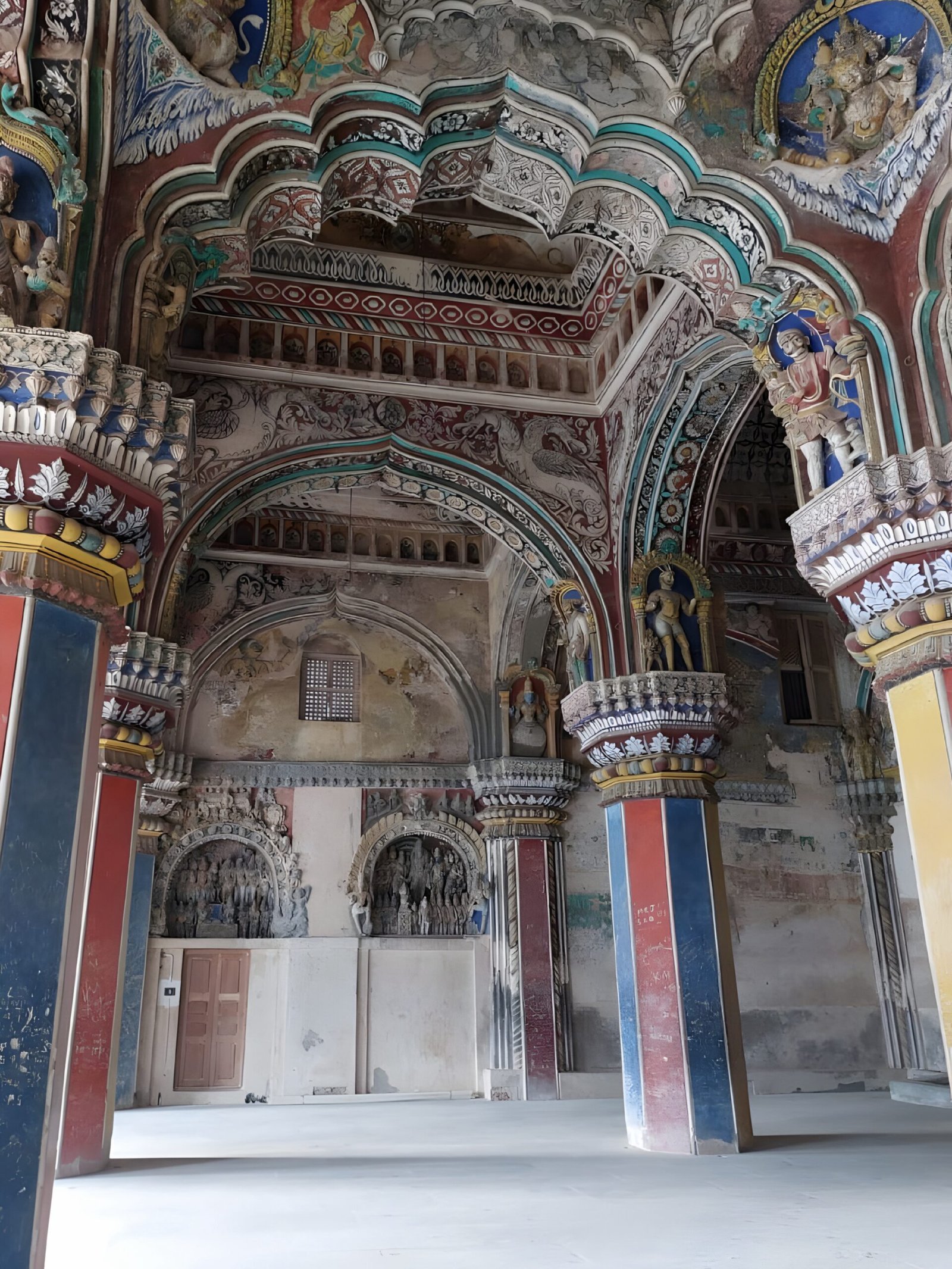
There is also a tale associated with the origin of the saffron flag linked to Shivaji Maharaj. Do you have any insight?
This account is part of the family oral tradition and is not formally documented. It is said that after the desecration of the family deity Tulja Bhavani by Afzal Khan, Shivaji Maharaj vowed retribution and fulfilled it. Yet, he was troubled by accusations that he was merely a plunderer rather than a defender of dharma.
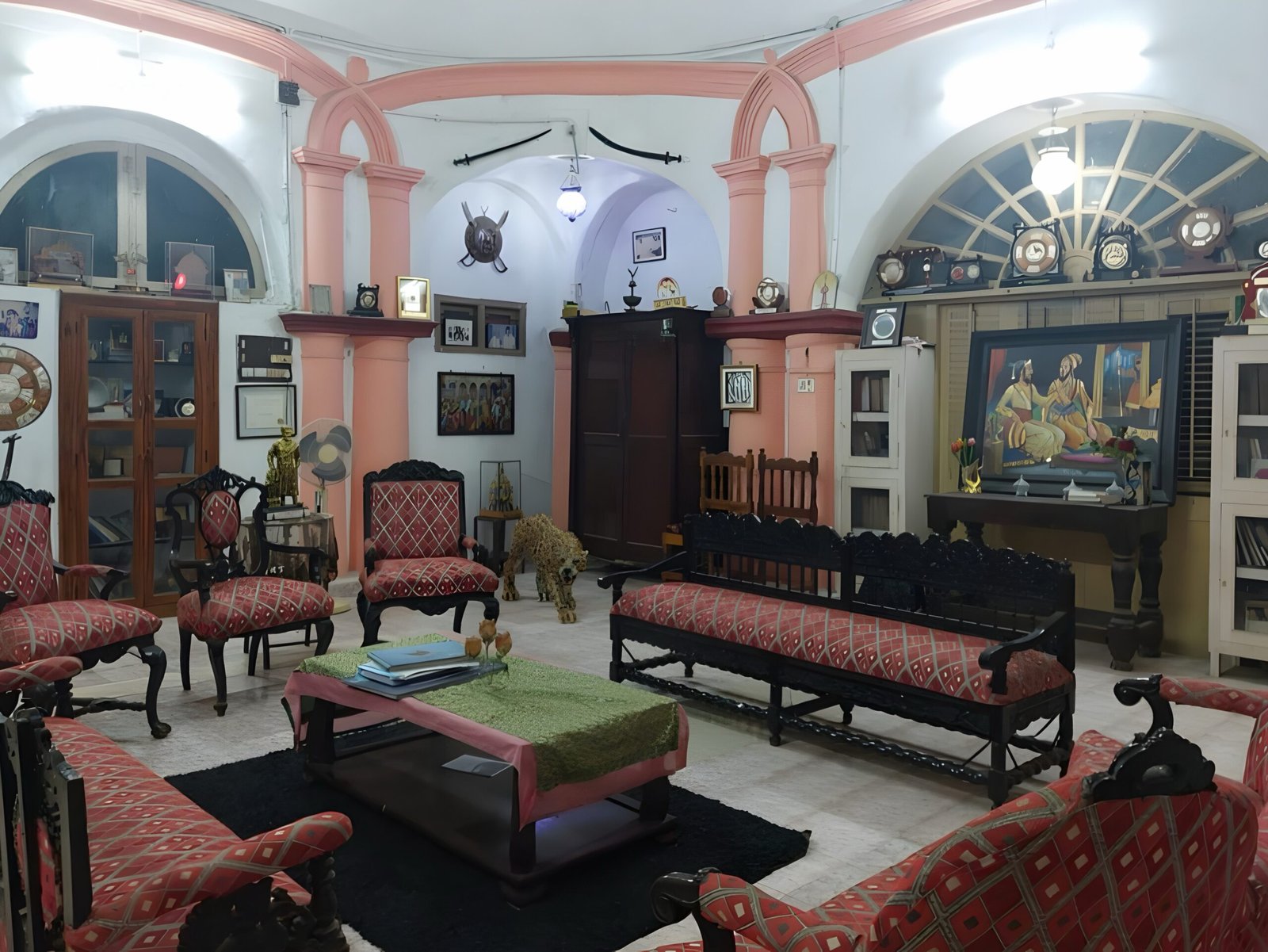
On his mother Jijabai’s advice, he sought counsel from his guru, Samarth Ramdas. Realising he had brought no offering, he placed his saffron turban at his guru’s feet. The guru declined it, returned the cloth, and advised him to fashion it into a flag, which thereafter became a symbol of Hindu identity.